15 Notorious Mafia Bosses And Their Crimes
The American Mafia’s golden age produced some of the most ruthless and cunning criminal masterminds in history. These men built empires through violence, corruption, and strategic thinking that would make legitimate business leaders envious.
From the smoky speakeasies of Prohibition to the glittering casinos of Las Vegas, their influence shaped American crime for decades. The following profiles reveal the dark genius behind organized crime’s most powerful figures.
Here is a list of 15 notorious mafia bosses whose criminal enterprises left an indelible mark on American history.
Al Capone

Earning the nicknames Scarface, Big Al, Big Boy, and Snorky, Alphonse Gabriel Capone was born in New York and became the face of organized crime during Prohibition. Capone built the Chicago Outfit into a bootlegging empire that generated millions through illegal alcohol sales.
Along with his methods of extreme violence, he often bribed police, judges and even the Mayor of Chicago. His reign ended dramatically after the Saint Valentine’s Day Massacre, where his gunmen executed seven rivals in a Chicago garage.
Lucky Luciano

Charles Luciano was born as Salvatore Lucania in Sicily on Nov. 24, 1897 and transformed American organized crime forever. Luciano masterminded the formation of the National Crime Syndicate and established the Commission to govern Mafia families nationwide.
He eliminated old-school ‘Mustache Pete’ bosses and modernized criminal operations. His enterprises included bootlegging, prostitution, and drug trafficking, making him the architect of the modern American Mafia structure.
Like Go2Tutors’s content? Follow us on MSN.
Meyer Lansky
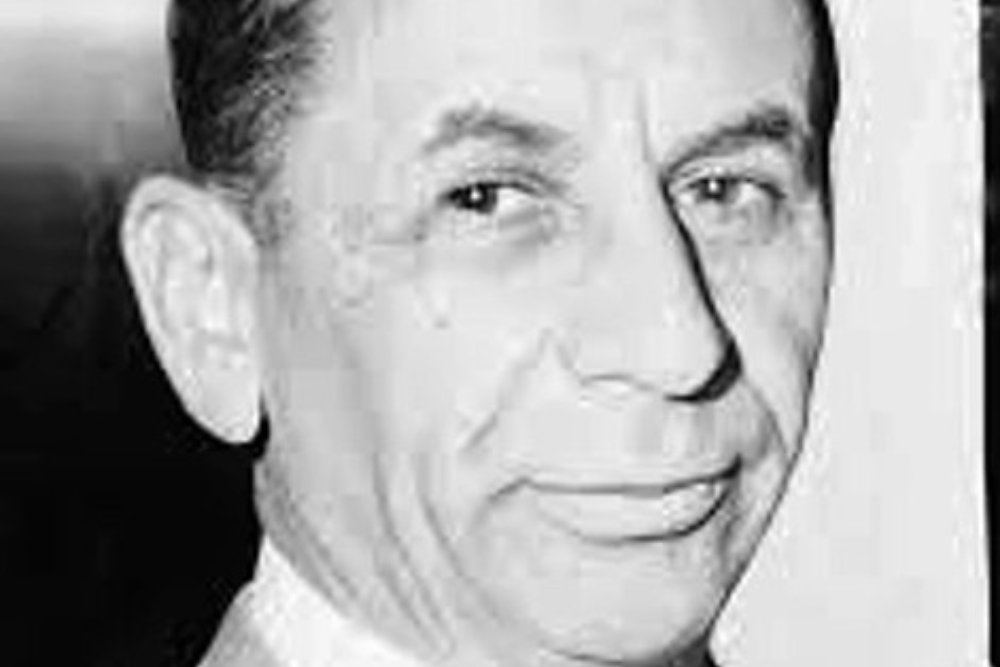
Meyer Lansky, born Maier Suchowlansky or Suchowljanksy, was one of the most important figures in the development of organized crime in New York, nationwide and worldwide in the 20th century. Known as ‘The Mob’s Accountant,’ Lansky possessed a brilliant financial mind that helped organize crime like a legitimate corporation.
Lansky was also close friends with Charles “Lucky” Luciano; the two met as teenagers when Luciano attempted to extort Lansky for protection money on his walk home from school. His criminal portfolio included gambling operations, money laundering, and casino investments in Cuba and Las Vegas.
Bugsy Siegel

Benjamin “Bugsy” Siegel was a Jewish-American mobster who was a driving force behind the development of the Las Vegas Strip. Siegel co-founded Murder, Inc., the Mafia’s enforcement arm responsible for hundreds of contract killings across the country.
His partnership with Meyer Lansky in the Bugs and Meyer Mob established one of the most violent Prohibition gangs. Siegel’s vision for luxury gambling in Las Vegas changed the city forever, though cost overruns at his Flamingo Hotel ultimately led to his assassination in 1947.
John Gotti

Known as the ‘Teflon Don’ for avoiding convictions, John Gotti became the most famous mob boss of the 1980s. He orchestrated the assassination of Gambino family boss Paul Castellano outside a Manhattan steakhouse, seizing control of one of New York’s most powerful crime families.
Gotti’s flashy lifestyle and media attention broke traditional Mafia codes of secrecy. His criminal empire included labor racketeering, loan sharking, gambling, and murder for hire before his eventual life sentence in 1992.
Like Go2Tutors’s content? Follow us on MSN.
Albert Anastasia
Nicknamed The Earthquake, The One-Man Army, Mad Hatter, and Lord High Executioner, Umberto ‘Albert’ Anastasia was one of the founders of the modern American Mafia. He allied himself with the mafia, and co-founded and later became boss of the Murder, Inc. organisation, which allowed him to exercise control over New York’s entire shoreline.
Anastasia made his big break in the mob as one of the bosses of Murder, Inc. — a group of contract killers that operated out of the back of a Brooklyn candy store. His reign of terror ended when he was shot dead in a barbershop in 1957.
Frank Costello
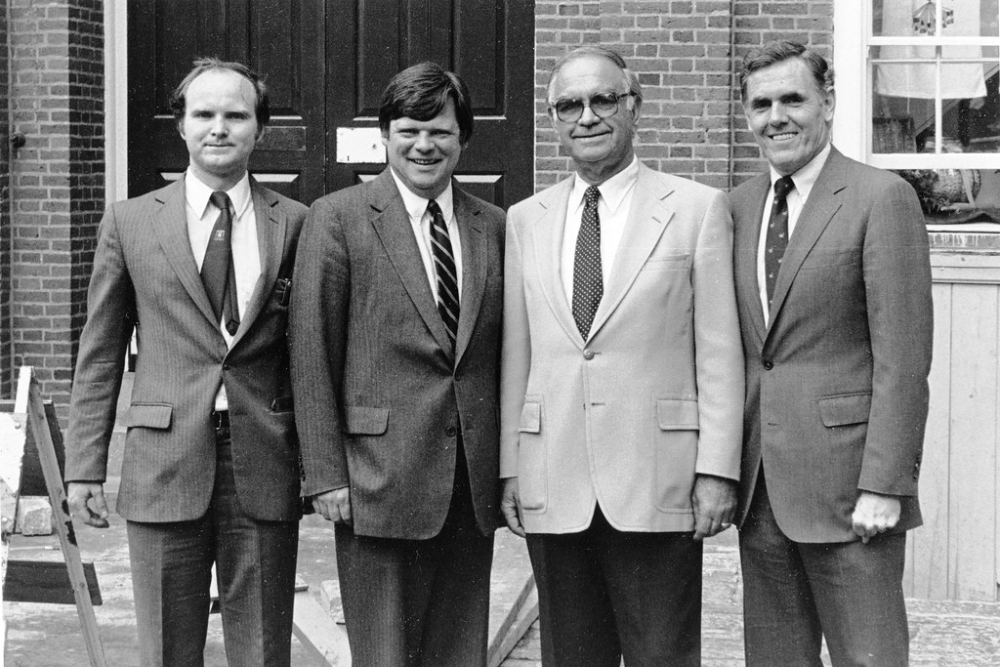
Frank Costello earned the title ‘Prime Minister of the Underworld’ through his mastery of political corruption and bribery. Unlike many of his violent contemporaries, Costello preferred negotiation and influence-peddling to maintain power.
He controlled vast gambling operations, slot machine networks, and wielded enormous political influence in New York City. Costello’s sophisticated approach to organized crime made him one of the wealthiest and most respected mob bosses until an assassination attempt forced his retirement.
Sam Giancana
Sam Giancana (1908-1975) was for many years the crime boss of Chicago, but his career reached deep into organized crime around the world; he had connections with a wide variety of figures, including Hollywood celebrities, the CIA, and possibly President John F. Kennedy. Giancana controlled illegal gambling, loan sharking, and labor racketeering throughout the Midwest.
His alleged connections to the Kennedy administration and CIA assassination plots against Fidel Castro made him one of the most politically connected crime bosses in history.
Like Go2Tutors’s content? Follow us on MSN.
Vito Genovese
Vito Genovese rose to power through ruthless elimination of rivals and built one of the most powerful crime families in New York. His criminal enterprises spanned narcotics trafficking, labor racketeering, and illegal gambling operations.
Genovese was convicted of drug trafficking in 1959 and continued to run the Genovese family from prison until he died in 1969. His attempt to assassinate Frank Costello marked the beginning of his rise to become boss of what became known as the Genovese crime family.
Joe Bonanno

Joseph Bonanno led one of New York’s Five Families for over three decades, building a criminal empire that stretched from New York to Arizona. His organization controlled traditional Mafia rackets including bookmaking, loan sharking, and labor union infiltration.
Bonanno’s attempt to eliminate other family bosses sparked the ‘Banana War’ in the 1960s. Unlike many of his contemporaries, he died of natural causes and wrote an autobiography detailing his life in organized crime.
Carlo Gambino

Carlo Gambino transformed his crime family into the most powerful Mafia organization in America through strategic alliances and careful expansion. His enterprises included construction industry racketeering, hijacking operations, and massive loan sharking networks.
Gambino maintained power by avoiding the spotlight and letting subordinates handle violent enforcement. His family’s influence in the construction and trucking industries generated hundreds of millions in illegal profits throughout his reign.
Like Go2Tutors’s content? Follow us on MSN.
Frank Lucas
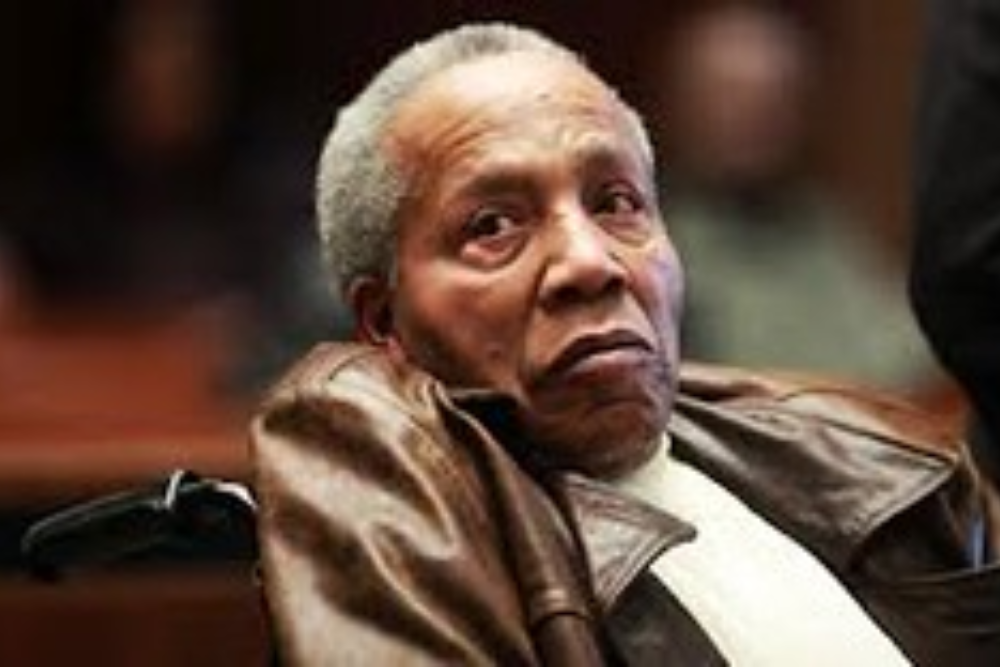
A powerful drug kingpin in Harlem in the 60s and 70s, Frank Lucas broke the Italian-American mob boss drug ring monopoly. He sold heroin and cut out the middleman by buying directly from his suppliers in South East Asia.
Lucas revolutionized drug trafficking by establishing direct connections with Southeast Asian suppliers and used military connections to smuggle heroin into the United States. His Blue Magic heroin brand dominated Harlem’s drug trade until his arrest and cooperation with federal authorities.
Santo Trafficante Jr.

Santo Trafficante Jr. controlled organized crime throughout Florida and maintained crucial connections with Cuban casinos before the revolution. His family’s influence extended into labor unions, illegal gambling, and narcotics trafficking across the southeastern United States.
Trafficante’s alleged involvement in CIA plots against Fidel Castro and possible connections to the Kennedy assassination made him a figure of intense federal scrutiny. He successfully maintained power for decades while avoiding major prosecutions.
Vincent Gigante

Vincent ‘The Chin’ Gigante employed one of the most unusual strategies in Mafia history by feigning mental illness for decades to avoid prosecution. Gigante took over following Genovese’s death in the slammer in 1969 and built the Genovese family into the most powerful crime organization in America.
His act of wandering Greenwich Village in bathrobes and slippers fooled authorities for years while he directed a massive criminal empire involving labor racketeering, illegal gambling, and extortion.
Like Go2Tutors’s content? Follow us on MSN.
Joseph Massino

Joseph Massino became the last don of New York’s Five Families era before breaking the ultimate Mafia taboo by becoming a government cooperator. Massino was the first sitting boss of a New York crime family to turn state’s evidence, and the second in the history of the American Mafia to do so.
He rebuilt the decimated Bonanno crime family and expanded its operations before facing potential execution for murder. His cooperation marked the end of the traditional Mafia’s code of silence and helped convict dozens of high-ranking mobsters.
The Legacy of American Crime

These fifteen men represent more than just individual criminals—they were architects of a parallel society that operated alongside legitimate America for over a century. Their sophisticated organizational structures, political corruption networks, and business acumen created criminal enterprises that generated billions of dollars and influenced everything from labor unions to presidential elections.
While law enforcement eventually dismantled many of their organizations, the impact of their criminal innovations continues to influence organized crime worldwide today.
More from Go2Tutors!

- 16 Historical Figures Who Were Nothing Like You Think
- 12 Things Sold in the 80s That Are Now Illegal
- 15 VHS Tapes That Could Be Worth Thousands
- 17 Historical “What Ifs” That Would Have Changed Everything
- 18 TV Shows That Vanished Without a Finale
Like Go2Tutors’s content? Follow us on MSN.



