Facts Textbooks Oversimplified or Skipped Entirely
Textbooks need to compress centuries of history and complex concepts into manageable chapters. The process inevitably leaves things out or smooths over messy details that don’t fit the narrative.
You memorize dates and names, pass the test, and move on. Years later, you discover that the real story was far more complicated, strange, or uncomfortable than what made it into the approved curriculum.
Some omissions stem from space constraints. Others reflect deliberate choices about what students should know and when.
The Founding Fathers Owned People

American history textbooks present the Founding Fathers as champions of liberty and equality. They wrote about freedom and natural rights while simultaneously enslaving human beings.
This contradiction gets mentioned briefly, then textbooks move on quickly, as if acknowledging it once resolves the dissonance.
The reality was starker. Thomas Jefferson wrote “all men are created equal” while owning over 600 people throughout his lifetime.
George Washington’s teeth weren’t wooden as the myth suggests – his dentures were made from human teeth, ivory, and metal. Records show he purchased teeth from enslaved people he owned, though whether these teeth ended up in his dentures remains uncertain.
James Madison, James Monroe, and others built their wealth and political power on forced labor. These men understood the hypocrisy.
They wrote about it in private letters. But they chose their economic interests over their stated principles.
Modern textbooks struggle with how to teach this. They want students to respect the founding documents without ignoring the moral failures of the men who wrote them.
The compromise usually means noting that slavery existed, then pivoting back to the inspiring parts. The depth of the contradiction and its impact on how the Constitution was written rarely gets full treatment.
Columbus Didn’t Discover Anything
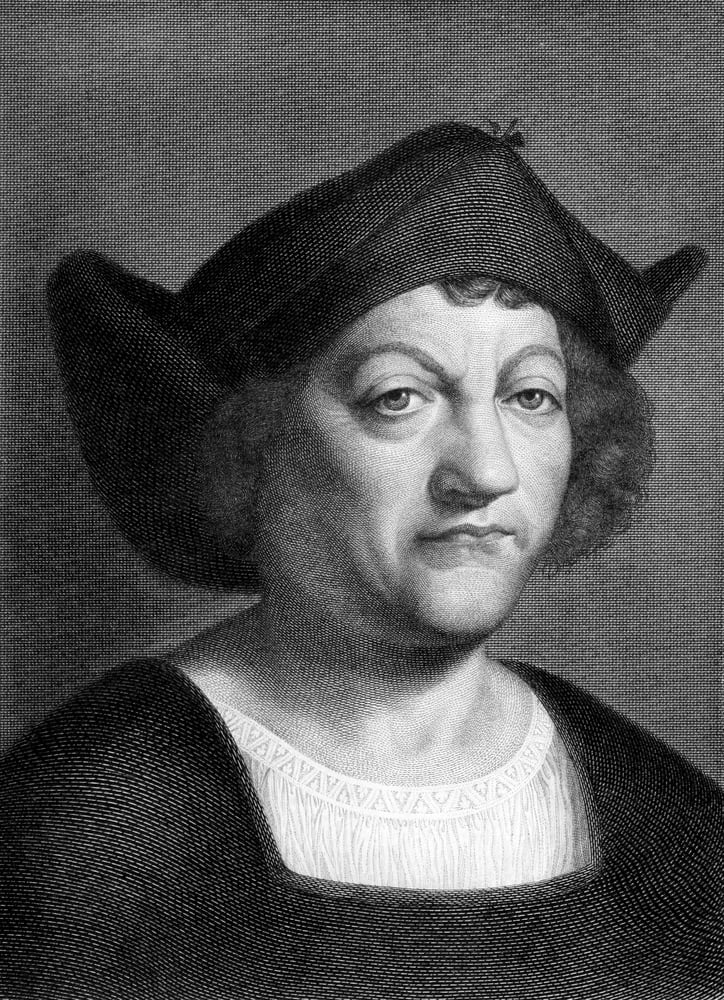
The story textbooks position Christopher Columbus as a brave explorer who discovered America in 1492. This framing erases millions of people who already lived here.
Indigenous populations had complex civilizations, trade networks, and histories spanning thousands of years before Europeans arrived.
Columbus himself never reached mainland North America. He landed in the Caribbean, and his arrival triggered genocide.
Within decades, the indigenous population of Hispaniola dropped from hundreds of thousands to near zero through violence, forced labor, and disease. Columbus personally oversaw brutal systems of exploitation.
Contemporary accounts describe dismemberment, enslavement, and mass killing under his governorship. Textbooks have started acknowledging that people lived in the Americas before Columbus.
But they still center the European perspective, treating “discovery” as the beginning of American history rather than a collision between existing worlds. The Indigenous perspective and the scale of what was lost rarely receive equal weight.
The Civil War Was About Maintaining Enslavement
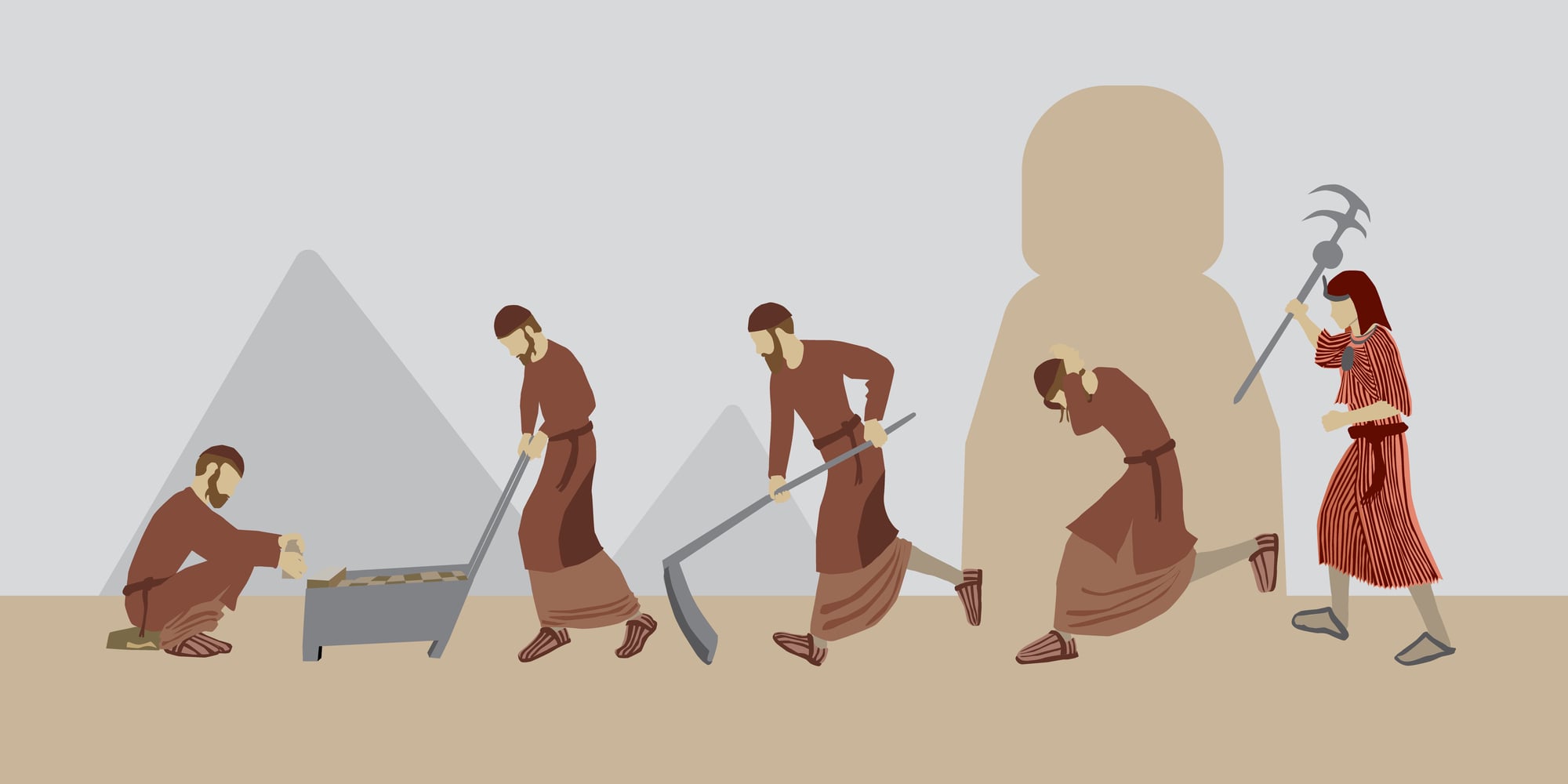
Many textbooks soft-pedal the causes of the Civil War, suggesting it involved complex issues about states’ rights and economic differences between regions. This obscures what historical documents make clear.
Southern states explicitly stated they were seceding to preserve the institution of enslavement.
The declarations of secession spell it out. Mississippi’s declaration says slavery was “the greatest material interest of the world.”
Georgia mentions slavery throughout. South Carolina complains about Northern states not returning escaped enslaved people. Confederate Vice President Alexander Stephens gave a speech saying the Confederacy’s “cornerstone rests upon the great truth that the negro is not equal to the white man.”
The “Lost Cause” narrative that emerged after the war reframed the conflict as a noble defense of Southern culture and states’ rights. This revisionist history found its way into textbooks for generations.
Even current textbooks sometimes use phrases like “the war between the states” or discuss slavery as one cause among many. The primary source documents leave no ambiguity about what the Confederate states were fighting to preserve.
Most Pioneers Heading West Were Looking for Economic Opportunity, Not Freedom

The pioneer story gets romanticized as families seeking freedom and adventure on the frontier. Most were actually trying to escape debt, find cheaper land, or start over after economic failures back East.
The Homestead Act offered land grants, but you had to improve the land and survive on it for five years. Many couldn’t.
Western migration also involved displacing Indigenous peoples who already lived there. The government broke treaties repeatedly, forcing removals and relocations to enable white settlement.
This isn’t background context to the pioneer story. It was the mechanism that made westward expansion possible. Textbooks present westward expansion as inevitable progress, part of America’s “manifest destiny.”
This framing ignores that it was a choice with alternatives. It treats the displacement and destruction of Indigenous nations as unfortunate side effects rather than intentional policy.
The pioneer narrative centers white settlers while marginalizing the people whose land was taken.
The Bomb Wasn’t the Only Reason Japan Surrendered

History classes teach that dropping atomic weapons on Hiroshima and Nagasaki forced Japan to surrender, ending World War II. The full picture was more complicated.
The Soviet Union declared war on Japan on August 8, 1945, between the two bombings. Soviet forces invaded Japanese-held Manchuria with overwhelming force.
Japan had been trying to negotiate surrender terms through Soviet intermediaries. The Soviet declaration of war eliminated that option and raised the prospect of Soviet occupation.
Japanese decision-makers feared Soviet communism more than American democracy. Some historians argue the Soviet entry into the war was as significant as the bombs in forcing surrender.
This doesn’t minimize the horror of nuclear weapons or their impact. It questions the simplified narrative that presents the bombs as the sole decisive factor.
The textbook version serves a cleaner story about American power ending the war, but the historical record shows multiple factors converging at once.
The Moon Landing Required Calculations from Black Women Mathematicians
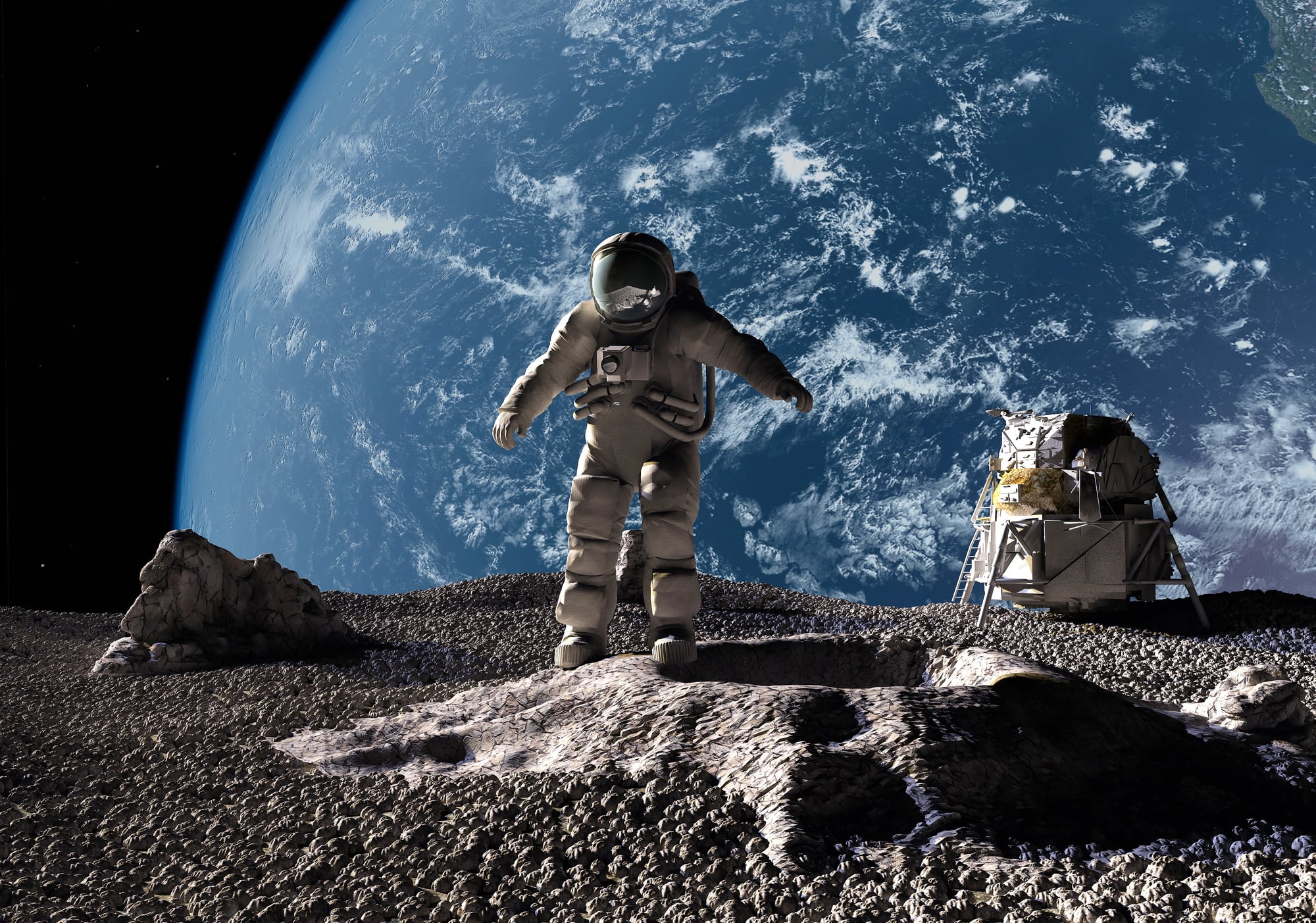
The space race narrative centers white male astronauts and engineers. Textbooks might mention Katherine Johnson in passing now, but for decades they omitted the crucial work of Black women mathematicians who calculated the trajectories that got astronauts to the moon and back.
Katherine Johnson, Dorothy Vaughan, Mary Jackson, and others worked as “human computers” at NASA, performing complex calculations before electronic computers became reliable. They faced discrimination and segregation while doing essential work.
Their calculations were so trusted that John Glenn specifically requested Johnson verify the computer numbers for his orbit. These women’s contributions weren’t secret. They were published and credited at the time.
But history textbooks overlooked them for decades, creating a picture of space exploration that erased their presence. The simplified story was easier to tell and fit existing assumptions about who does scientific work.
Native Americans Didn’t All Live in Teepees
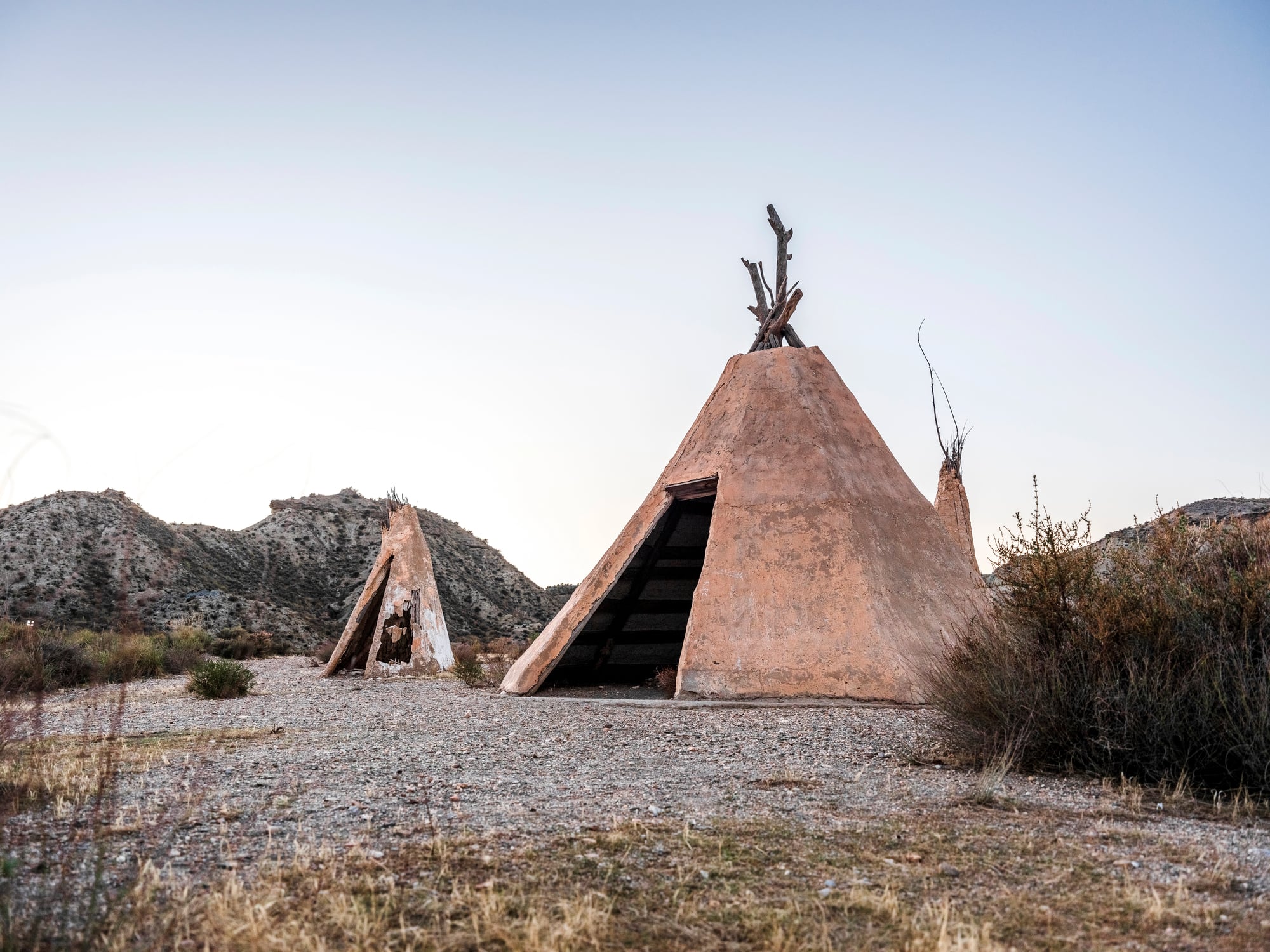
Elementary textbooks often present Indigenous peoples as a monolithic group living in teepees, wearing feathers, and hunting buffalo. This collapses hundreds of distinct nations with different languages, cultures, governments, and ways of life into a single stereotype.
The Haudenosaunee Confederacy had a sophisticated democratic system that influenced the U.S. Constitution. Cahokia was a city larger than London in the 1200s.
Pacific Northwest nations built massive cedar longhouses and had complex social hierarchies. Southwestern peoples constructed multi-story apartment complexes. Different nations had different forms of government, religious practices, and economic systems.
Textbooks have improved somewhat, but many still use phrases like “Native Americans” or “Indians” as if describing one person. They might mention specific tribes briefly but then revert to generalizations.
The diversity and complexity of Indigenous civilizations before and after European contact rarely receives adequate coverage.
The Crusades Weren’t Defensive Wars
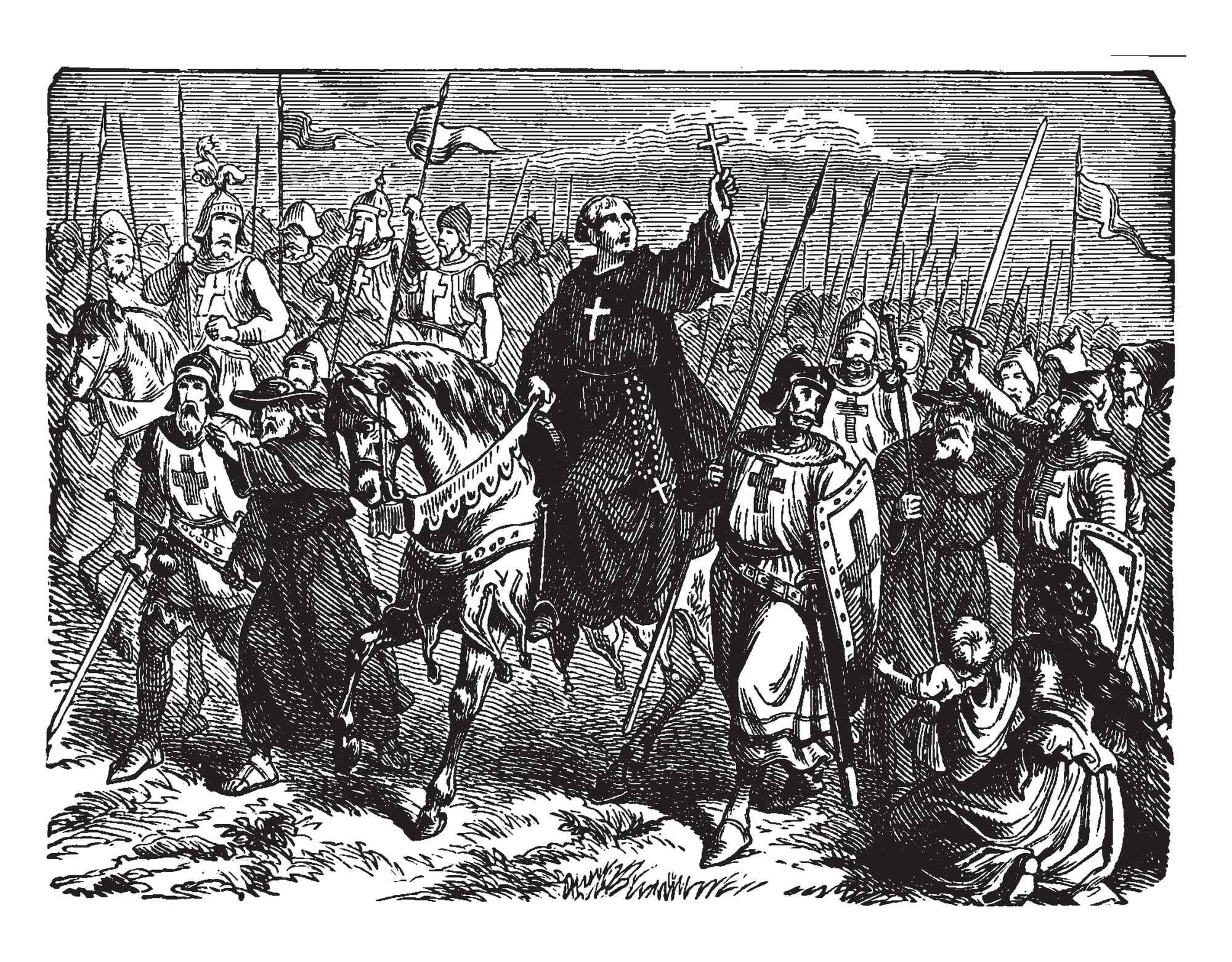
Medieval history units often present the Crusades as defensive responses to Muslim aggression or attempts to liberate the Holy Land. This frames centuries of religious warfare from a European Christian perspective that medieval sources themselves complicate.
The First Crusade involved European armies traveling thousands of miles to attack cities where Christians, Muslims, and Jews had coexisted for centuries. Crusaders massacred populations including Eastern Christians they considered heretics.
They established feudal kingdoms in territories they conquered, suggesting motivations beyond religious pilgrimage. Later Crusades attacked Christian Constantinople and European Jewish communities.
The Children’s Crusade sent young people to their deaths or into slavery. Economic motives, political ambitions, and social pressures all played roles alongside religious zeal.
Textbooks that frame the Crusades primarily as religious defense ignore the complexity and often the primary sources describing what actually happened.
The Industrial Revolution Killed a Lot of People

History classes celebrate industrial innovation and economic growth. They mention child labor and poor working conditions briefly before moving to discussions of invention and progress.
The death toll and human cost receive less attention than technological achievements. Factory work killed and maimed workers regularly.
Child laborers lost fingers in machinery. Coal mines collapsed. Textile workers developed lung diseases.
There were no safety regulations, workers’ compensation, or environmental protections. People worked 14-hour days in dangerous conditions for wages barely sufficient to survive.
The transition to industrial capitalism also destroyed traditional ways of life. Enclosure laws forced rural people off land their families had worked for generations.
Skilled craftspeople saw their trades made obsolete. Communities that had sustained themselves for centuries were disrupted within decades.
Textbooks present this as economic progress, which it was for some people, while understating what was lost and who paid the price.
Evolution Doesn’t Have a Goal

Biology textbooks struggle to explain evolution without implying purpose or direction. They show diagrams of fish evolving into amphibians into reptiles into mammals, creating a ladder-like progression that suggests evolution works toward complexity or improvement.
Evolution is adaptation to current environmental pressures through random mutation and natural selection. There’s no direction, no endpoint, no ladder.
Bacteria are just as evolved as humans, just adapted to different niches. Many evolutionary changes involve simplification rather than increasing complexity. Eyes have evolved independently multiple times and also been lost when no longer advantageous.
The misunderstanding persists partly because progressive language is easier to understand than the actual random process. Saying organisms “develop” traits suggests purpose.
Showing human evolution as a march from ape-like ancestors to modern humans implies we’re the goal. Textbooks try to correct these misconceptions but often reinforce them through their visual presentations and language choices.
The Cold War Involved Actual Violence
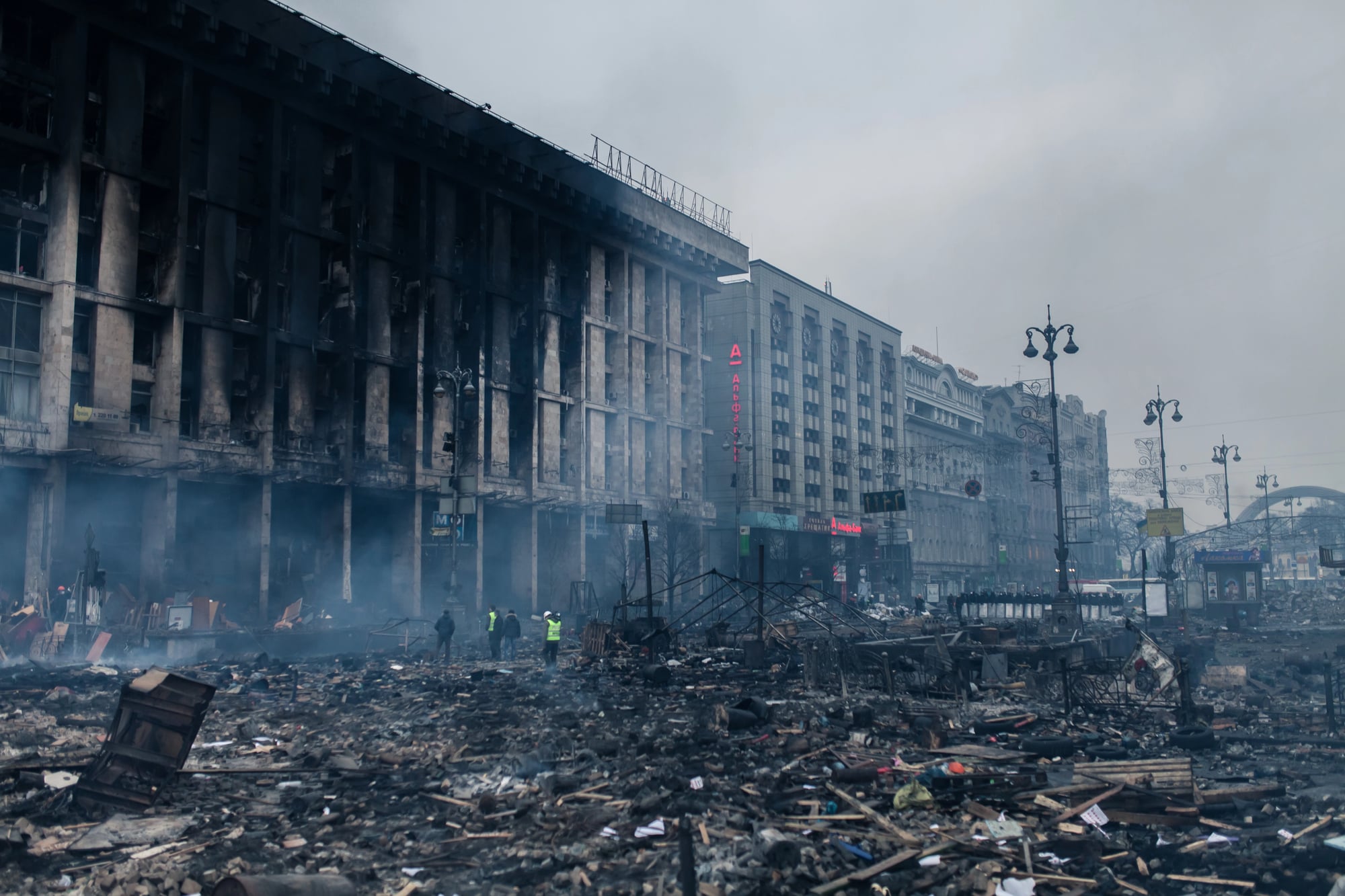
American textbooks present the Cold War as a period of tension and proxy conflicts. This downplays the millions who died in Korea, Vietnam, Afghanistan, and dozens of other conflicts fueled by superpower competition.
The name “Cold War” itself suggests an absence of violence that didn’t match reality for people living through these conflicts.
The U.S. and Soviet Union never fought each other directly, but they armed opposing sides in civil wars, supported coups against elected governments, and funded insurgencies across Latin America, Africa, and Asia.
These interventions killed millions and destabilized entire regions for generations. The consequences of Cold War policies still shape global politics today.
Textbooks might mention some proxy wars but often frame them as separate conflicts rather than connected parts of a global competition. The focus stays on nuclear weapons and the space race rather than the conventional wars being fought.
This perspective centers the experience of Americans and Soviets while marginalizing the people who bore the actual costs.
Science Is Messy and Scientists Make Mistakes

Science textbooks present discoveries as clean narratives of hypothesis, experiment, and conclusion. The actual process involves false starts, errors, competing theories, and sometimes decades of work leading nowhere.
Scientists are competitive, make mistakes, and occasionally fake data. Discoveries get attributed to individuals when they involve teams or built on others’ work.
The scientific method as taught in textbooks is a simplified model that working scientists don’t follow exactly. Real research involves intuition, luck, politics, and funding constraints.
Important discoveries get overlooked for years because they contradict prevailing theories. Some scientists spent careers defending wrong ideas. Others got credit for work done by their assistants or students.
This sanitized version of science does students a disservice. It makes science seem like a collection of facts rather than an ongoing process.
It hides the human elements that make science actually work. Understanding that science involves uncertainty and revision doesn’t weaken it. That’s how science improves understanding over time.
The Gaps Matter

What textbooks omit shapes understanding as much as what they include. Simplification is necessary, but the choices about what to simplify and what to exclude reveal priorities.
Some facts get trimmed for space. Others get omitted because they’re uncomfortable or complicate preferred narratives.
Students notice these gaps eventually. The discovery that textbooks left things out or presented simplified versions breeds cynicism about education itself.
It raises questions about what else might be incomplete or misleading. The alternative isn’t overwhelming students with every detail. It’s acknowledging complexity and being honest about when the full story is being condensed.
These omissions aren’t always deliberate deception. Sometimes they reflect the limits of what teachers can cover in a school year.
Sometimes they’re about what’s developmentally appropriate for different ages. Sometimes they’re about avoiding controversy.
But the cumulative effect is a sanitized history that doesn’t prepare students for the complicated world they’ll encounter as adults.
What Gets Remembered

Textbooks create the first draft of how societies remember their past. The version taught to millions of students becomes the default understanding.
When textbooks oversimplify or skip facts, those gaps persist. Adults carry simplified narratives they learned in school without realizing key parts were missing.
The good news is that this can change. Textbooks evolve as societies reexamine their histories.
Facts that were omitted for generations get included. Perspectives that were marginalized receive attention.
The process is slow and often contentious, but it happens. Each generation has the opportunity to look more honestly at what came before and decide what matters enough to teach the next generation.
The question is whether the curriculum will keep up with what we know to be true.
More from Go2Tutors!

- The Romanov Crown Jewels and Their Tragic Fate
- 13 Historical Mysteries That Science Still Can’t Solve
- Famous Hoaxes That Fooled the World for Years
- 15 Child Stars with Tragic Adult Lives
- 16 Famous Jewelry Pieces in History
Like Go2Tutors’s content? Follow us on MSN.