15 Odd Things Ancient People Considered Luxury
What counts as luxury changes dramatically over time, and ancient civilizations had some pretty surprising ideas about what made life worth living. While we splurge on designer handbags and fancy cars, our ancestors paid premium prices for things that would make us scratch our heads today. Some items we now consider common were once so rare they could bankrupt kingdoms.
The gap between ancient and modern luxury reveals just how much our world has transformed. What seemed impossibly extravagant to someone 2,000 years ago might fill the clearance aisle at your local grocery store.
Here is a list of 15 things that ancient people considered the height of luxury, each more surprising than the last.
Purple Dye

Purple clothing wasn’t just fashionable in ancient times – it was literally worth more than gold. The dye came from murex snails found in the Mediterranean, and it took roughly 10,000 snails to produce just one gram of purple dye.
Roman emperors made wearing certain shades of purple punishable by death for commoners, turning a simple color choice into the ultimate status symbol.
Ice

Long before refrigerators, ice was the stuff of legends for most ancient civilizations. Roman emperors had runners carry ice down from mountain peaks, while wealthy Chinese nobles paid fortunes to have ice harvested from frozen lakes and stored in underground chambers.
Having a cold drink in summer was such an unimaginable luxury that it became a symbol of divine favor.
Like Go2Tutors’s content? Follow us on MSN.
Sugar
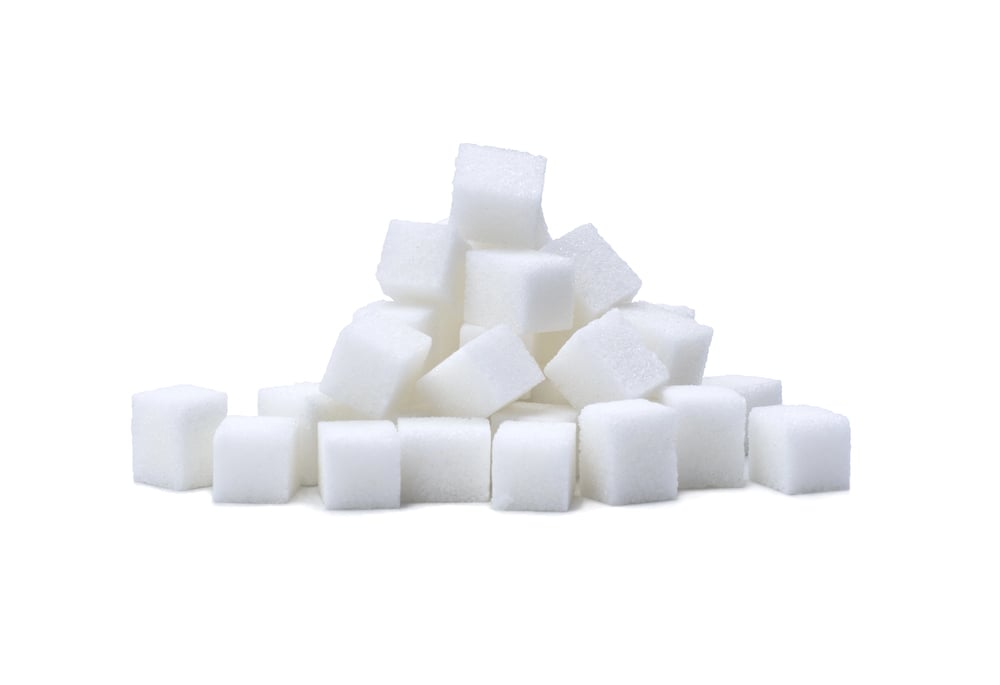
Before sugar plantations spread across the world, this sweet substance was rarer than precious gems in most places. Ancient Romans called it ‘white gold’ and used it primarily as medicine rather than food flavoring.
A single pound of sugar could cost the equivalent of several months’ wages for an average worker, making honey the sweetener of choice for everyone except the ultra-wealthy.
Aluminum

This lightweight metal that we use for everything from soda cans to airplane parts was once more valuable than gold or platinum. Napoleon III served his most honored guests with aluminum utensils while lesser nobles had to settle for gold cutlery.
The Washington Monument even topped its peak with a six-pound aluminum pyramid in 1884 because the metal was still considered incredibly precious.
Black Pepper

Medieval Europeans treated black pepper like we treat caviar today, and wealthy families would count individual peppercorns in their wills. The spice had to travel thousands of miles from India along dangerous trade routes, making it worth its weight in silver.
Some European cities even accepted peppercorns as currency, and the phrase ‘peppercorn rent’ still refers to nominal payments today.
Like Go2Tutors’s content? Follow us on MSN.
Silk

Chinese silk was so coveted in ancient Rome that senators tried to ban it because too much Roman gold was flowing east to pay for the fabric. The production process remained a closely guarded Chinese secret for over a thousand years, with anyone caught smuggling silkworm eggs facing execution.
Roman women would literally unravel silk garments and reweave them with other threads just to make the precious material go further.
Pineapples

These tropical fruits became the ultimate symbol of wealth and hospitality in 17th and 18th century Europe. A single pineapple could cost the equivalent of $8,000 in today’s money, and wealthy hosts would rent them just to display at dinner parties.
The fruit’s distinctive crown shape became a popular architectural motif on gates and buildings, advertising the owner’s prosperity to anyone who passed by.
Salt
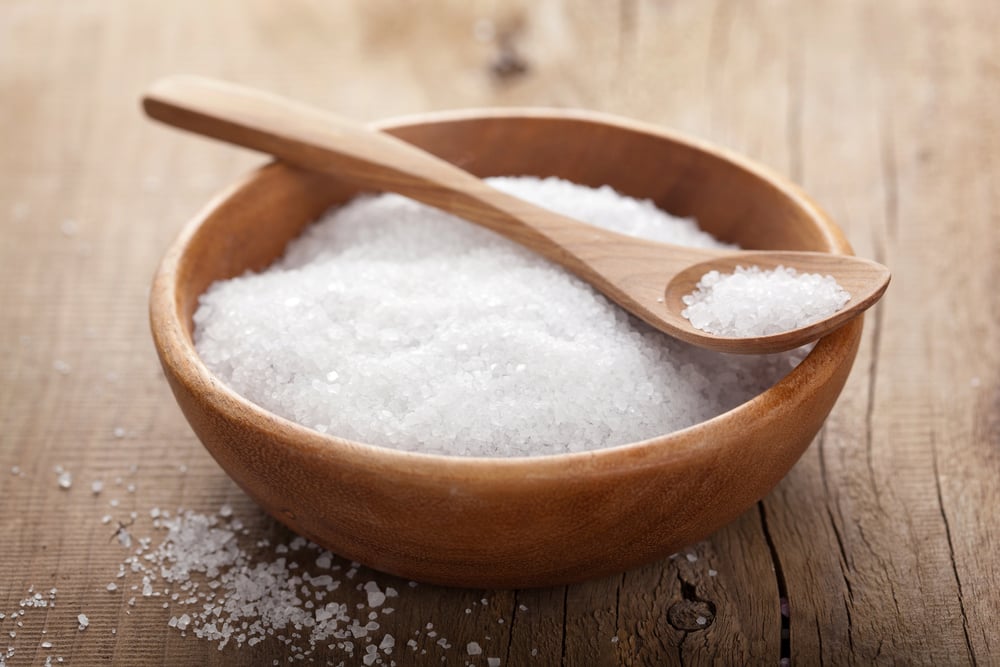
Roman soldiers were sometimes paid in salt, which is where we get the phrase ‘worth his salt.’ This mineral was so valuable in ancient times that wars were fought over salt mines and trade routes.
The ancient Saharan salt trade created some of the world’s first millionaires, as merchants could buy salt cheaply in one region and sell it for enormous profits hundreds of miles away.
Like Go2Tutors’s content? Follow us on MSN.
Tulip Bulbs
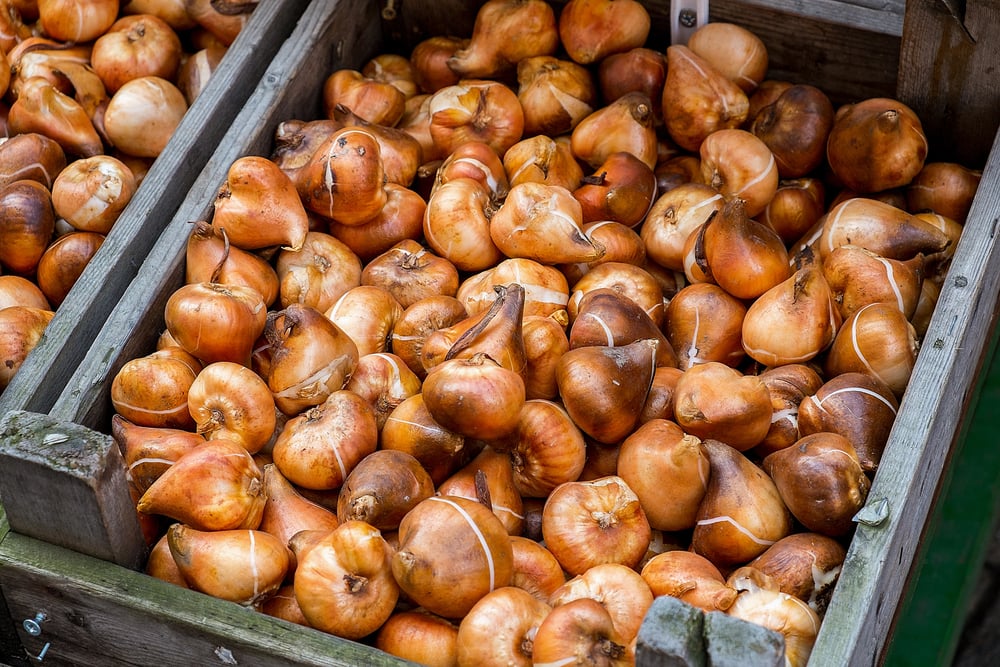
Dutch merchants in the 1630s paid more for rare tulip bulbs than most people earned in a lifetime. A single bulb of the coveted Semper Augustus variety sold for 10,000 guilders – enough money to buy a grand house in Amsterdam’s best neighborhood.
The tulip mania became so intense that people mortgaged their homes and businesses just to speculate on flower bulbs.
Books

Before printing presses, each book required months of painstaking hand-copying by scribes. Medieval libraries chained their books to shelves not just for security, but because each volume represented a massive investment.
Universities and monasteries guarded their book collections like treasure vaults, and owning a personal library was a privilege reserved for royalty and the highest nobility.
Glass Windows

Transparent glass was such a luxury in medieval times that wealthy families would take their windows with them when they moved houses. Most people made do with oiled paper, thin sheets of horn, or simple shutters that blocked out light entirely.
Having clear glass windows became such a status symbol that some countries imposed window taxes on homes based on the number of windows they contained.
Like Go2Tutors’s content? Follow us on MSN.
White Bread
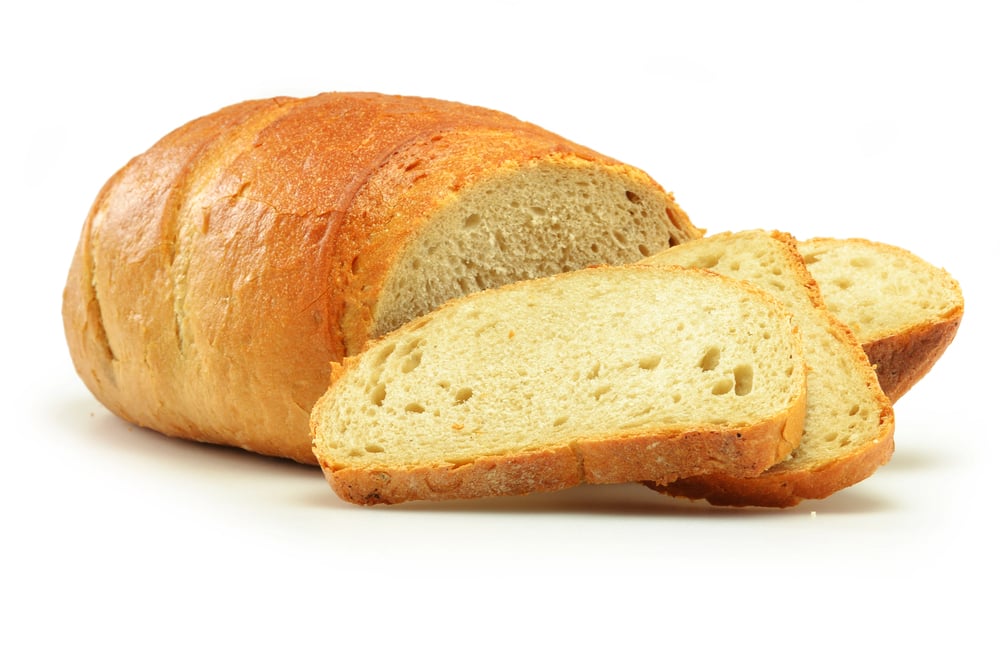
While we now know whole grains are healthier, ancient people viewed white bread as the pinnacle of refined dining. The labor-intensive process of sifting flour multiple times to remove all the bran made white bread exponentially more expensive than dark varieties.
Roman elites would rather eat white bread made from inferior grain than touch the nutritious brown bread that sustained the working classes.
Mirrors

Polished metal mirrors were luxury items that only the wealthy could afford, and clear glass mirrors backed with silver didn’t appear until the 16th century. The Venetians monopolized mirror production for decades, and their craftsmen were forbidden from leaving the city under penalty of death.
A single high-quality mirror could cost as much as a ship, making personal reflection quite literally priceless.
Nutmeg

This common baking spice once drove global exploration and sparked international wars. The Dutch East India Company maintained a brutal monopoly over nutmeg production in the Banda Islands, and a pound of nutmeg in London could be worth more than a pound of gold.
The spice was so valuable that Connecticut became associated with nutmeg trading, and folk legends tell of crafty Yankees who allegedly carved fake nutmegs from wood to fool unsuspecting buyers.
Like Go2Tutors’s content? Follow us on MSN.
Ivory

Elephant tusks represented the ultimate luxury material for ancient civilizations, prized for their smooth texture and pure white color. Roman nobles furnished entire rooms with ivory decorations, while Chinese artisans carved intricate sculptures that took years to complete.
The material was so associated with wealth and power that many cultures believed ivory objects could ward off evil spirits and bring good fortune.
From Ancient Extravagance to Everyday Ease
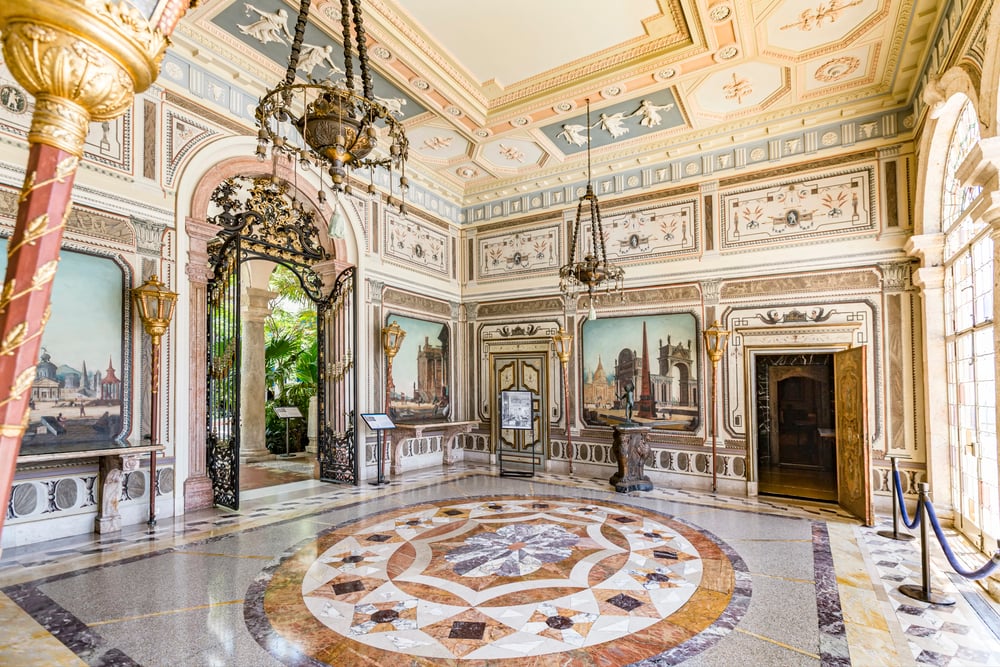
These forgotten luxuries remind us how dramatically human civilization has progressed over the centuries. Items that once bankrupted kingdoms now sit casually on our grocery store shelves, while technologies our ancestors couldn’t even imagine have become our new definition of luxury.
The Roman emperor who treasured his aluminum cup could never have envisioned a world where we throw away more of the metal in a single day than his entire empire produced in a year. Perhaps future generations will look back at our current obsessions with the same bewilderment we feel when reading about medieval families hoarding peppercorns like precious jewels.
More from Go2Tutors!

- 16 Historical Figures Who Were Nothing Like You Think
- 12 Things Sold in the 80s That Are Now Illegal
- 15 VHS Tapes That Could Be Worth Thousands
- 17 Historical “What Ifs” That Would Have Changed Everything
- 18 TV Shows That Vanished Without a Finale
Like Go2Tutors’s content? Follow us on MSN.