15 Outrageous School Designs That Exist
Most schools look pretty similar – brick buildings with rows of windows and maybe a flag out front. But some architects decided to throw the rulebook out the window and create educational buildings that make you do a double-take.
These aren’t concept drawings or fantasy designs – they’re real schools where actual students learn every day, and they prove that education doesn’t have to happen in boring boxes. Here is a list of 15 outrageous school designs that actually exist and continue to amaze visitors from around the world.
Abo Elementary School
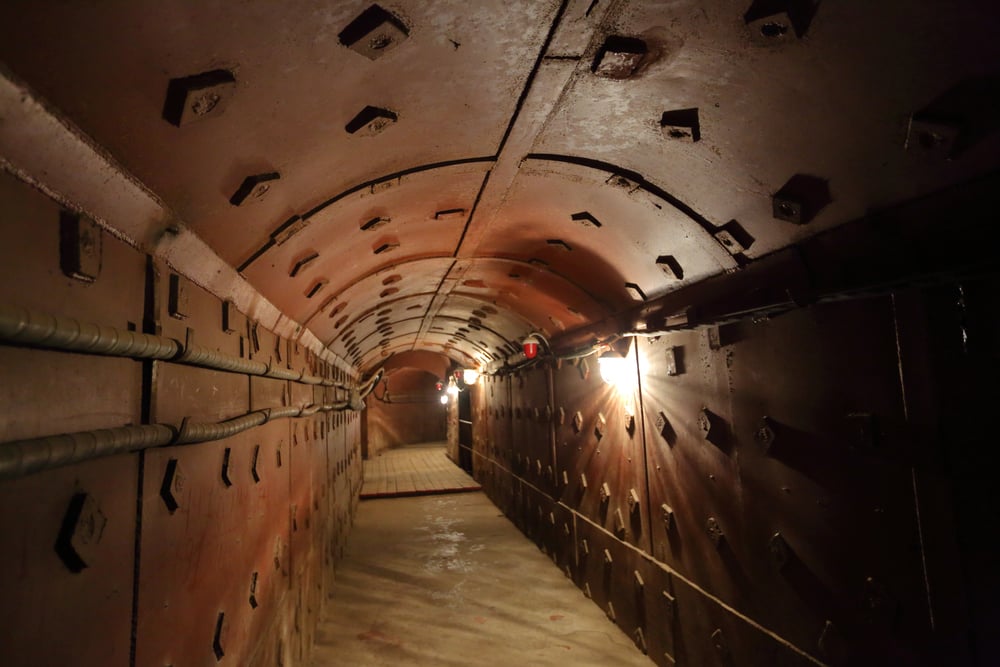
The first underground public school in the United States sits beneath a playground in Artesia, New Mexico. Built during the Cold War in 1962, Abo Elementary was designed to function as both a school and a nuclear fallout shelter for up to 2,000 people.
The school featured three entrances protected by 800-kilogram steel blast doors, decontamination showers, and stockpiles of food and medical supplies. Teachers reported that students were more attentive and caused less trouble in this windowless environment, though many kids had no idea they were attending school in a bomb shelter.
Sharp Centre for Design

This building in Toronto looks like someone balanced a giant black and white striped box on colorful stilts. The Ontario College of Art and Design’s Sharp Centre literally is a two-story ‘table top’ that rests on 12 brightly colored steel legs, each four stories high.
Built in 2004, this architectural landmark has been called one of the five most influential buildings in Toronto. The design creates valuable urban space underneath while providing students with an elevated creative environment that’s impossible to ignore.
Like Go2Tutors’s content? Follow us on MSN.
Dongzhong Mid-Cave Primary School

Taking ‘thinking outside the box’ to an extreme, this elementary school in China’s Guizhou province was literally built inside a mountain cave. The Miao people carved out classrooms within a natural cave formed over thousands of years by wind, rain, and earthquakes.
With 8 teachers serving over 200 students from nearby villages, this school operated from 1984 until 2011 when the Chinese government declared that the country ‘is not a society of cavemen.’ The cave provided natural protection from the elements in one of China’s poorest regions.
Green School Bali

Forget concrete and steel – this school is built entirely from bamboo, straw, and mud walls. Located in Indonesia, Green School Bali takes sustainable architecture to new heights with classrooms that blend seamlessly into the tropical environment.
The school is powered by solar energy, and students don’t wear uniforms or take traditional exams. The most striking addition is ‘The Arc,’ an intricate bamboo structure that resembles a ribcage, where the arches take compression loads while anticlastic grid shells handle tension.
Piano and Violin Building
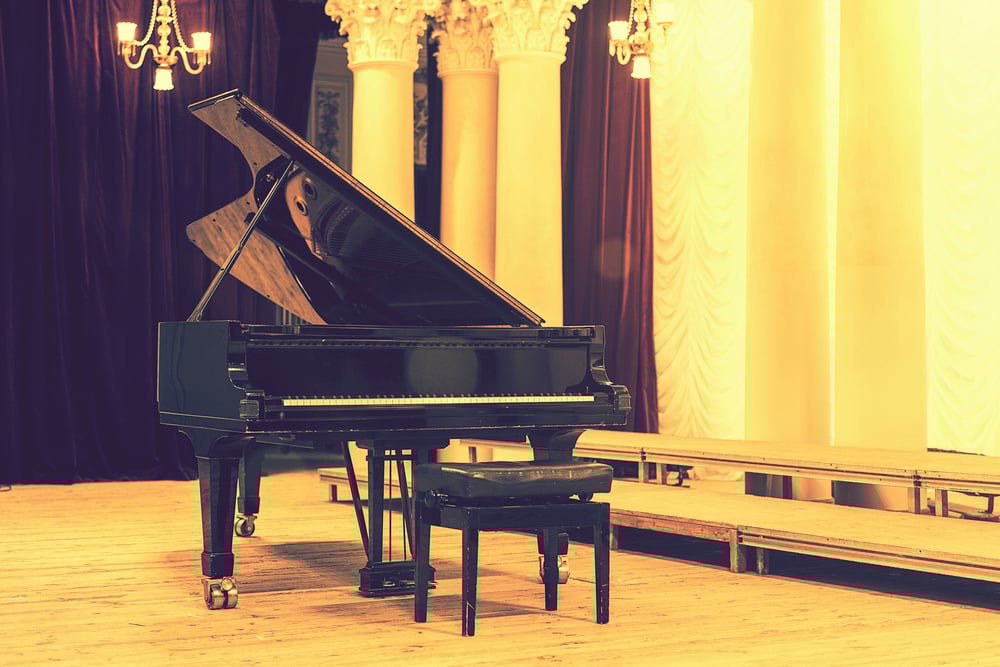
Architecture students from Hefei University of Technology in China created what might be the world’s most musical school building. This structure literally looks like a giant glass violin leaning against a concrete piano, serving as a showroom for development plans.
Completed in 2007, the violin contains escalators and stairs while the piano houses two concert venues. The building has become such a popular tourist attraction that it’s known as ‘the most romantic building in China’ for wedding photos.
Like Go2Tutors’s content? Follow us on MSN.
Frank Gehry’s Ray and Maria Stata Center

MIT’s computer science building looks like it was designed during an earthquake. Frank Gehry intentionally created this structure with ’tilting towers, many-angled walls and whimsical shapes’ that appear unfinished and chaotic.
The building features angular surfaces that seem to defy gravity, making it a far cry from traditional research centers. Students and faculty work in spaces that challenge conventional ideas about what academic buildings should look like.
Ramón C. Cortines School

This Los Angeles visual arts school cost a staggering $232 million and looks like something from a science fiction movie. Designed by international architecture firm Coop Himmelb(l)au, the building features dramatic angular forms and is engineered to be earthquake-resistant.
The school focuses on the interplay between academics and the arts, with specialized spaces for creative learning. The striking architecture serves as both inspiration and practical workspace for students pursuing careers in visual and performing arts.
Shipping and Transport College
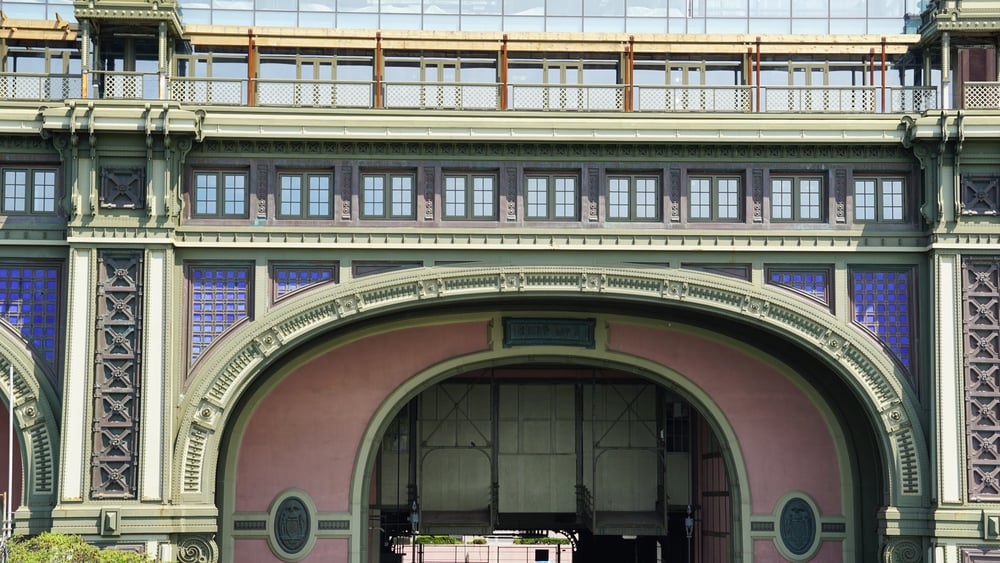
In the Netherlands, this maritime education building is shaped exactly like a ship’s periscope rising from the ground. The headquarters of the Shipping and Transport College features distinctive checkered patterns and modern architecture that overlooks the Port of Rotterdam.
Students studying maritime transport and logistics get daily inspiration from both their building’s design and the view of one of Europe’s largest ports. The periscope shape perfectly reflects the school’s nautical focus.
Like Go2Tutors’s content? Follow us on MSN.
Bryant-Webster Elementary School

This Denver school looks like it belongs in a Native American pueblo rather than urban Colorado. Built in 1930, this Art Deco fantasy features a five-story entry tower and purple-brown brick with expressionist designs portraying buffalo, kachinas, and other motifs from Navajo textiles and Pueblo pottery.
The varied brick shapes required special molds and clays manufactured specifically for this project. Interior murals and hand-decorated tiles by Native American artists complete this cross-cultural architectural experiment.
German School Madrid
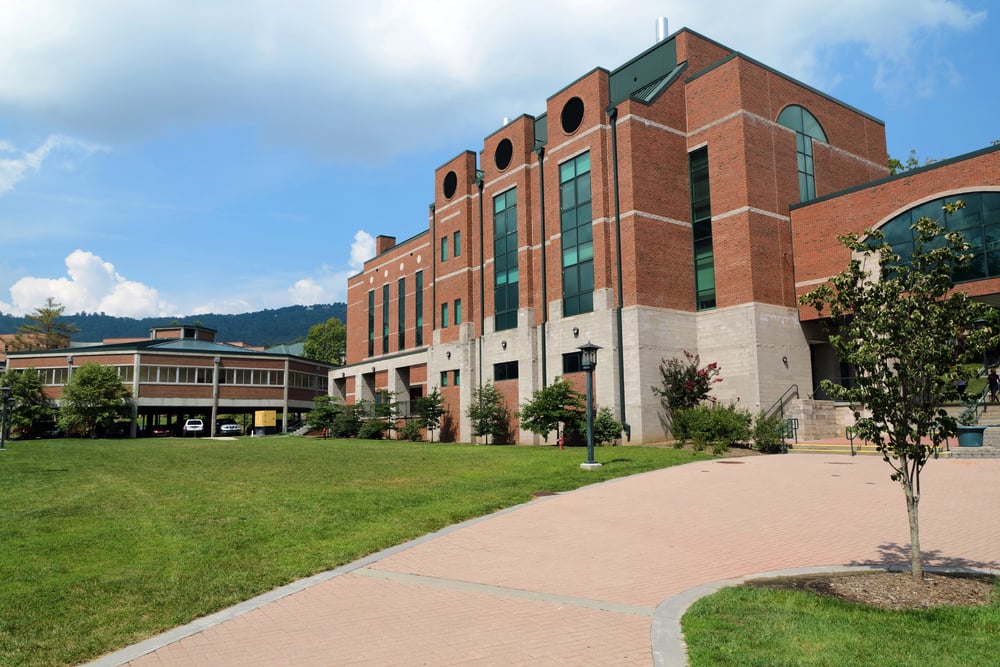
Winner of the World Architecture Festival, this school campus creates individual buildings that each frame inner courtyards while taking in spectacular views of snow-covered mountains. The German School features a kindergarten, primary school, and secondary school as separate structures connected by the landscape.
Judges praised both the innovative design and environmental performance of this educational complex. The school serves as a cultural exchange center, providing education during the day and theater performances in the evening.
Erika Mann Elementary School

Berlin’s most child-friendly school was actually designed by children themselves. Working with Baupiloten, a group of architecture students, the kids created their own learning environment based on principles that actually make sense for young learners.
The recently revamped building reflects what happens when you ask the people who use a space every day what they actually want. The collaborative design process resulted in spaces that feel genuinely created for children rather than imposed by adults.
Like Go2Tutors’s content? Follow us on MSN.
NTU School of Art, Design and Media
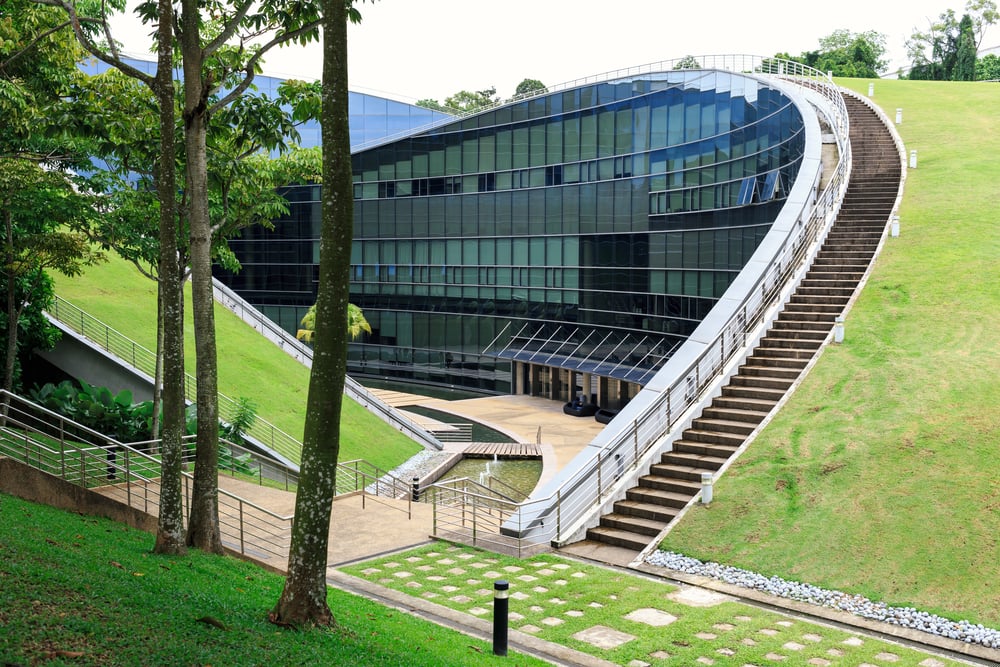
This Singapore building takes green architecture literally with a grass-covered roof that students use as a functional outdoor space. The five-story structure features a turfed rooftop that serves multiple purposes – it’s a place for students to stargaze, study, and gather while also cooling the surrounding air and harvesting rainwater.
The living roof demonstrates how school buildings can contribute positively to their environment while providing unique educational spaces.
Alsop High School

This Liverpool school underwent a dramatic transformation in 2008 that added an entirely new building with high-tech classrooms and greenery-filled areas designed to boost student health and well-being. The renovation created spaces where students can unwind and recharge between classes.
Architect Martin Shutt aimed to create ‘a welcoming, caring, successful and inclusive environment that supports the learning community.’ The modern addition contrasts beautifully with the original 1926 building.
SH Kindergarten and Nursery

Flanked by Japan’s Tateyama mountains, this kindergarten takes inspiration from mountain climbers and creates an indoor adventure playground. The building features ten activity zones including labyrinthine tunnels, narrow nooks, climbing nets suspended above corridors, and a sunken reading pit filled with picture books.
Children can literally carve out their own paths of play, just like climbers choosing different routes up the mountains. The tactile environment encourages curiosity and exploration at every turn.
Like Go2Tutors’s content? Follow us on MSN.
Wageningen University Lumen Building

This Netherlands university building looks more like a giant greenhouse than a traditional academic facility. The Lumen Building combines environmental sustainability with breathtaking architecture, creating learning spaces that feel like they’re part of a botanical garden.
The glass structure maximizes natural light while demonstrating the university’s commitment to environmental research and education. Students study surrounded by living examples of the sustainability principles they’re learning about.
Architecture That Teaches Beyond Books

These outrageous school designs prove that buildings can be teachers themselves. From underground bunkers that sparked conversations about safety to bamboo structures that demonstrate sustainability, each design tells a story and creates experiences that traditional classrooms simply can’t match.
While some of these schools faced criticism for being too unconventional, many have become beloved landmarks that inspire both students and visitors. The architects behind these projects understood that the spaces where we learn shape how we think, and they weren’t afraid to challenge expectations about what schools should look like.
More from Go2Tutors!

- 16 Historical Figures Who Were Nothing Like You Think
- 12 Things Sold in the 80s That Are Now Illegal
- 15 VHS Tapes That Could Be Worth Thousands
- 17 Historical “What Ifs” That Would Have Changed Everything
- 18 TV Shows That Vanished Without a Finale
Like Go2Tutors’s content? Follow us on MSN.