15 Vehicle Recalls That Came Too Late to Save Lives
The automotive industry has a dark history of delayed recalls that cost lives. Sometimes manufacturers know about deadly defects for years before taking action, prioritizing profits over people’s safety. These tragic cases expose how corporate decisions can have devastating consequences when companies choose to hide problems rather than fix them immediately.
When recalls finally happen, they often come after mounting pressure from families who’ve lost loved ones and investigative reports that expose the truth. Here is a list of 15 vehicle recalls that came too late, each representing preventable tragedies that should never have occurred.
Ford Pinto Fuel Tank

Ford knew the Pinto’s fuel tank would rupture in rear-end collisions before production began, yet they sold it anyway from 1971 to 1980. Internal memos revealed that Ford calculated human lives as being cheaper than fixing the defect. The company didn’t recall the vehicle until 1978—seven years later. An estimated 500 deaths occurred, with six happening after the recall was issued but before parts arrived at dealers.
Toyota Sudden Acceleration

Toyota received over 6,200 complaints about sudden acceleration starting in 2000, involving 89 deaths and numerous injuries, yet fought recalls for nearly a decade. The company blamed floor mats or driver error while concealing other causes they’d discovered. Major recalls finally came in 2009 after a California Highway Patrol officer and three family members died in a high-speed crash. Toyota paid $1.2 billion to settle federal charges for hiding deadly defects.
Takata Airbag Inflators
Problems began a decade before recalls, with faulty airbags installed in Honda models starting in 1998. The explosive inflators sent metal shrapnel into drivers during crashes. The first U.S. fatality occurred in May 2009 when 18-year-old Ashley Parham bled to death after a minor parking lot accident. Honda didn’t expand recalls significantly until July 2009. As of 2018, defective Takata airbags were connected to 24 deaths worldwide.
General Motors Ignition Switch
GM knew about switch defects as early as 2001, but investigations into fatal crashes didn’t begin until 2005. The faulty switches caused engines to shut off unexpectedly—disabling airbags when drivers needed them most. GM recalled 98,000 Chevrolet Cobalts in 2007 but didn’t address the core problem until 2014. The company paid compensation for 124 deaths due to the known design flaw.
Ford Transmission Defect

Ford produced cars from 1966 to 1977 where parked vehicles could suddenly slip into reverse and start moving. The company knew about this deadly flaw since 1972 but chose not to fix it—calculating repairs would cost just three cents per car. The NHTSA received 23,000 complaints involving 6,000 accidents and 98 fatalities. Instead of a proper 1980 recall, Ford sent out 23 million dashboard stickers advising drivers to use parking brakes.
Volkswagen Beetle Safety Issues

The 1972 recall affected all Volkswagens built between 1947 and 1969—meaning deadly defects persisted for over two decades. Some drivers experienced windshield wipers breaking loose from the shaft during operation. Magazine editors warned that the Microbus shouldn’t be on streets due to safety concerns. Executives insisted there weren’t issues with their vehicles until mounting pressure finally forced recalls.
Jeep Grand Cherokee Fuel Tank

Fifteen years after fiery crashes began, NHTSA required Fiat to recall 2.7 million vehicles in 2013. The rear-mounted fuel tanks could rupture and ignite during crashes. Even then, Fiat only recalled 55 percent of unsafe vehicles, installing inadequate hitches on the rest. Two years after recalls, only 4 percent of faulty Grand Cherokees were actually repaired.
Ford Bronco II Rollover Risk

Ford’s Bronco II design was linked to hundreds of deaths and considered one of the deadliest SUV designs ever produced. The SUV’s high center of gravity made it prone to rolling over during normal driving. Ford resisted recalls despite mounting evidence of the design flaw’s lethality. The company has paid over $2.4 billion in settlements due to hundreds of deaths it caused.
Audi 5000 Sudden Acceleration

In the mid-1980s, Audi’s 5000 model was alleged to have defects causing unintended acceleration. The German automaker initially dismissed reports as driver error while crashes kept happening. A sensational “60 Minutes” report brought national attention, though footage was later revealed as manipulated. Regardless of media controversy, real accidents continued occurring, permanently damaging Audi’s U.S. reputation.
Ford Steering Wheel Fires
During the late ’90s and early 2000s, Ford owners reported steering wheels catching fire from faulty electrical components. Once the steering wheels ignited, flames could spread to other critical vehicle parts. Ford took years to acknowledge these incidents. The recall came only after documented cases of severe injuries and property damage.
Ford Ignition Switch Fires

Ford recalled nearly 8 million vehicles from Lincoln and Mercury (1988-1993) due to faulty ignition switches causing dashboard fires. The company knew about the issue five years before formally declaring a recall. Dashboard fires posed extreme danger since flames were so close to drivers. The delayed response meant years of preventable accidents.
Chevrolet Cobalt Power Steering
The Cobalt’s electric power steering could fail without warning, making vehicles extremely difficult to control. GM initially attributed failures to driver inexperience rather than defects. The company issued technical bulletins to dealers but avoided recalls for years. When steering failed during highway driving, crashes often proved fatal until congressional pressure forced action.
Honda Pilot Transmission Failure
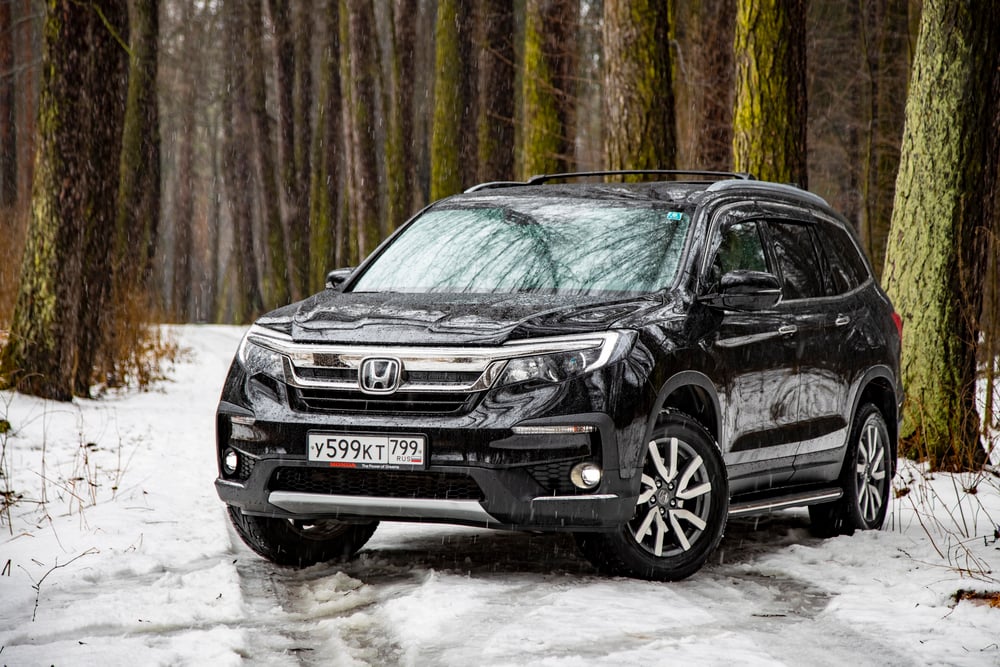
Second-generation Honda Pilots experienced sudden transmission failures that could cause complete loss of power while driving. Honda initially offered extended warranties rather than recalls, claiming failures weren’t safety-related. However, transmissions failing on highways created significant crash risks. The company finally issued recalls after years of complaints from safety advocates.
Subaru Forester Suspension

Some Forester models faced recalls due to suspension corrosion risks in cold-weather states, though links to crashes were limited. Subaru initially downplayed reports as isolated incidents from severe off-road use. However, failures occurred during normal highway conditions. The company resisted recalls until federal investigators documented crashes linked to suspension failures.
Mitsubishi Montero Sport Rollover

The Montero Sport’s design made it susceptible to rollovers during routine driving maneuvers. Mitsubishi knew about stability issues from internal testing but continued production unchanged. The company fought recalls for years despite mounting lawsuits as rollover crashes accumulated. Despite failing rollover tests by Consumer Reports, Mitsubishi resisted recalling the Montero Sport, even as lawsuits and consumer pressure grew.
When Profits Trump People

These tragic examples reveal a disturbing pattern where manufacturers often choose financial calculations over human lives. Companies frequently know about deadly defects for years before taking action, sometimes calculating that lawsuits cost less than repairs. The human toll of these delayed recalls represents thousands of preventable deaths and injuries that occurred simply because corporations prioritized short-term profits. Modern regulations have strengthened reporting requirements, yet the automotive industry continues struggling with the fundamental tension between safety and profitability. Each family affected by these delayed recalls serves as a reminder that vehicle safety should never be negotiable.
More from Go2Tutors!

- The Romanov Crown Jewels and Their Tragic Fate
- 13 Historical Mysteries That Science Still Can’t Solve
- Famous Hoaxes That Fooled the World for Years
- 15 Child Stars with Tragic Adult Lives
- 16 Famous Jewelry Pieces in History
Like Go2Tutors’s content? Follow us on MSN.