15 Products That Got More Complaints Than Sales Calls
The marketplace is filled with thousands of products competing for our attention and dollars. While many become household staples, others crash and burn so spectacularly that customer service representatives can’t keep up with the flood of complaints.
These product failures often stem from fundamental design flaws, misleading marketing, or simply ideas that should have never left the drawing board. Here is a list of 15 notorious products that generated more customer complaints than actual sales calls, serving as cautionary tales for businesses everywhere.
Windows Vista
Microsoft’s 2007 operating system update became synonymous with sluggish performance and compatibility issues. Users experienced frequent crashes, driver problems, and frustratingly slow operations even on machines that met the recommended specifications.
The backlash was so severe that many businesses and consumers opted to downgrade to Windows XP rather than deal with Vista’s numerous shortcomings.
Ford Pinto
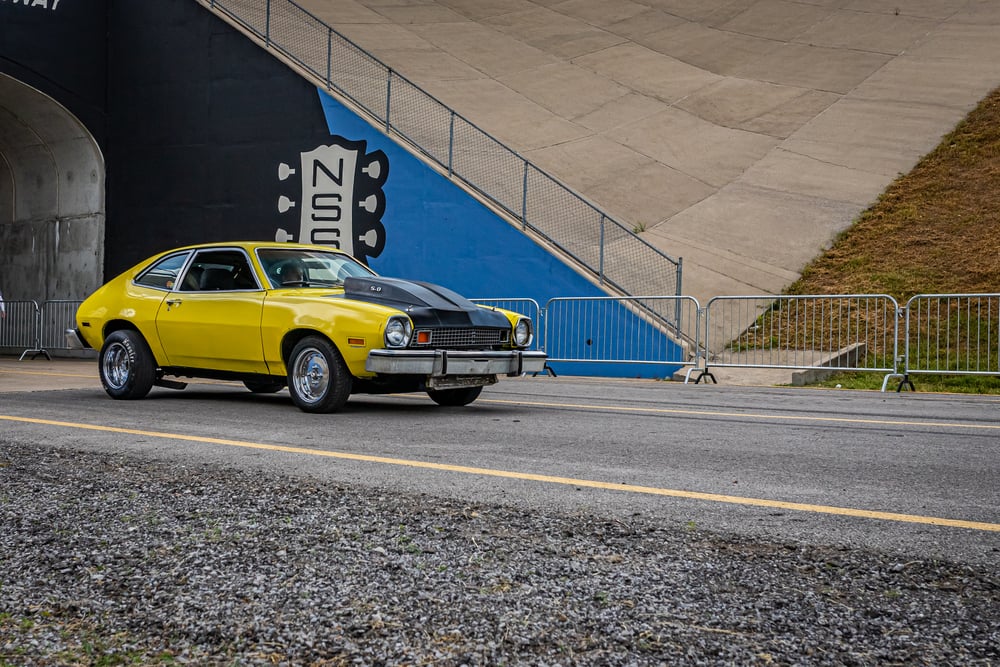
This compact car gained infamy in the 1970s for its dangerous fuel tank design that could rupture during rear-end collisions. Internal company documents later revealed Ford knew about the defect but calculated it would be cheaper to pay settlements for injuries and deaths than to fix the design flaw.
The resulting scandal became a textbook case of corporate ethics failures and led to massive recalls after intense public pressure.
Like Go2Tutors’s content? Follow us on MSN.
New Coke
In 1985, Coca-Cola made the baffling decision to replace its beloved original formula with a sweeter version. The public reaction was swift and overwhelmingly negative, with consumers hoarding cases of the original formula and forming protest groups.
The company’s consumer hotline received around 1,500 angry calls daily during the height of the backlash, forcing Coca-Cola to reintroduce the original formula as “Coca-Cola Classic” just 79 days after the change.
Samsung Galaxy Note 7
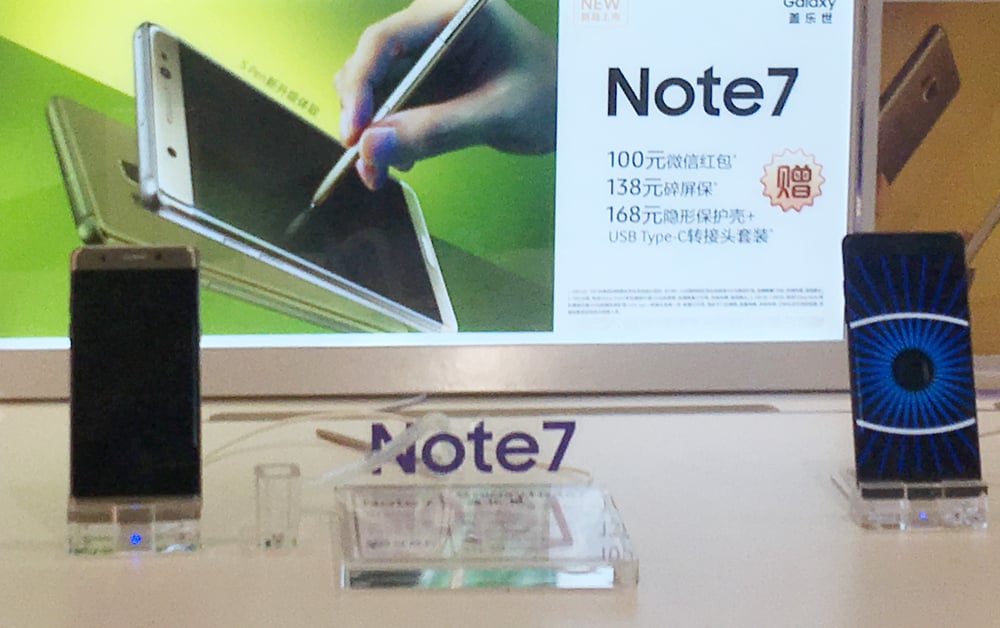
Samsung’s 2016 flagship smartphone became notorious for its tendency to overheat and catch fire due to battery defects. The company initially recalled and replaced the devices only to discover the replacement units had similar problems.
Airlines worldwide banned the phone from flights, and Samsung ultimately discontinued the model entirely less than two months after its release, taking a $5.3 billion hit to profits.
Colgate Kitchen Entrees
In a classic case of brand extension gone wrong, Colgate decided to launch frozen meal products in the 1980s. Consumers couldn’t separate the Colgate name from toothpaste and found the association with food products unappetizing.
The psychological barrier proved insurmountable, with customers reporting they couldn’t enjoy food that reminded them of toothpaste, leading to a swift market failure.
Like Go2Tutors’s content? Follow us on MSN.
Sony BMG’s CD Copy Protection
In 2005, Sony BMG music CDs included software that secretly installed rootkit malware on customers’ computers when played. This software created security vulnerabilities and was nearly impossible to uninstall without damaging the operating system.
The discovery led to multiple class-action lawsuits, government investigations, and a massive recall of millions of CDs.
Facebook Home

Facebook’s 2013 attempt to take over Android phones with an immersive social media interface fell flat almost immediately. Users complained about the intrusive nature of the app, which replaced the standard home screen with a constant stream of Facebook content.
The interface made accessing other apps cumbersome and drained battery life at an alarming rate, leading most users to uninstall it within days.
Fyre Festival

Marketed as a luxury music festival in the Bahamas, the 2017 Fyre Festival became a legendary disaster when attendees arrived to find emergency tents instead of luxury accommodations and prepackaged sandwiches instead of gourmet meals. The organizers had spent millions on celebrity endorsements but failed to develop basic infrastructure.
The event was canceled after the first day, resulting in multiple lawsuits and eventual prison time for its founder.
Like Go2Tutors’s content? Follow us on MSN.
Nintendo Virtual Boy
This 1995 gaming console promised virtual reality but delivered headaches instead. The monochromatic red display, uncomfortable tabletop design, and lack of head tracking made extended play sessions physically painful for many users.
Nintendo discontinued the product within a year of its release, making it one of the shortest-lived gaming platforms from a major manufacturer.
Google Glass
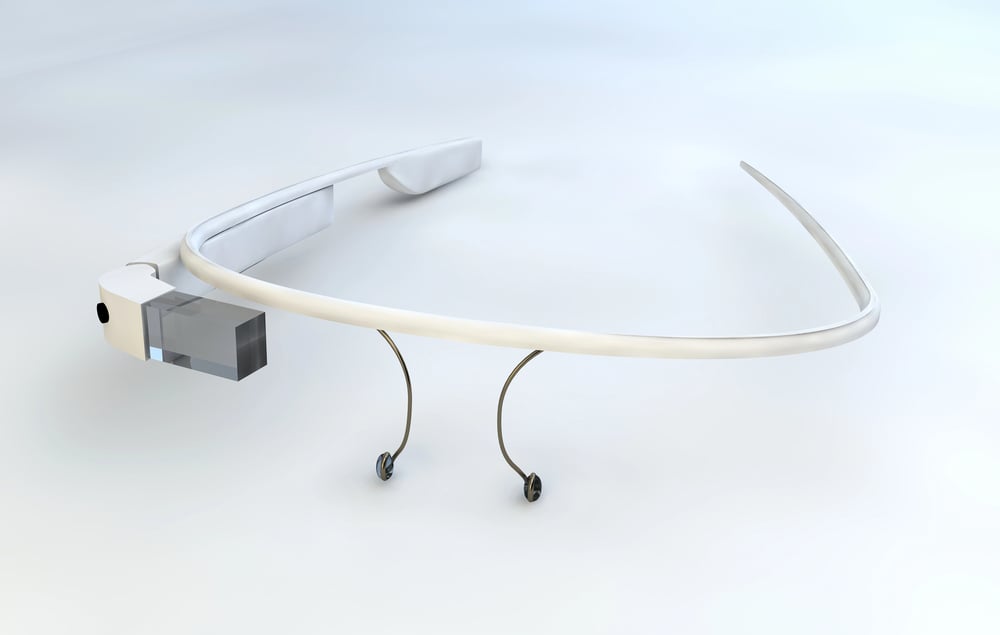
Google’s 2013 wearable computer generated significant privacy concerns with its built-in camera that could record without others knowing. The $1,500 device quickly earned wearers the unflattering nickname “Glassholes” and was banned from many public establishments.
Its awkward appearance, limited functionality, and social stigma led Google to pull the consumer version from the market less than two years after its introduction.
Juicero
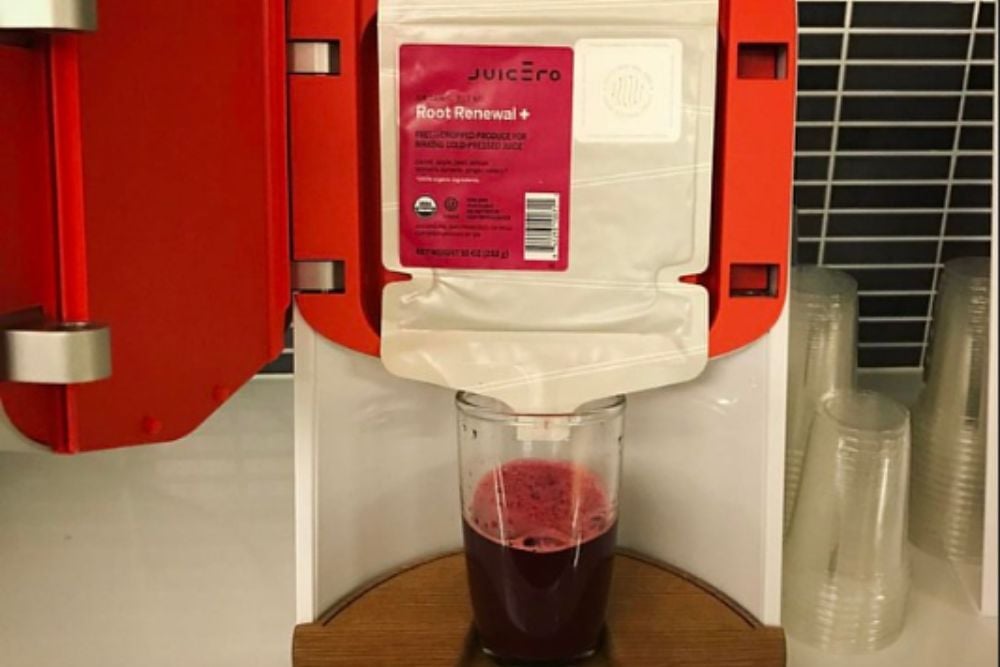
This $400 internet-connected juicer became the poster child for overengineered solutions to non-existent problems. The machine would only accept proprietary produce packs that could be purchased through a subscription service.
Juicero became a laughingstock when journalists discovered you could squeeze the packs by hand just as effectively as the expensive machine, leading to the company’s shutdown in 2017.
Like Go2Tutors’s content? Follow us on MSN.
Segway
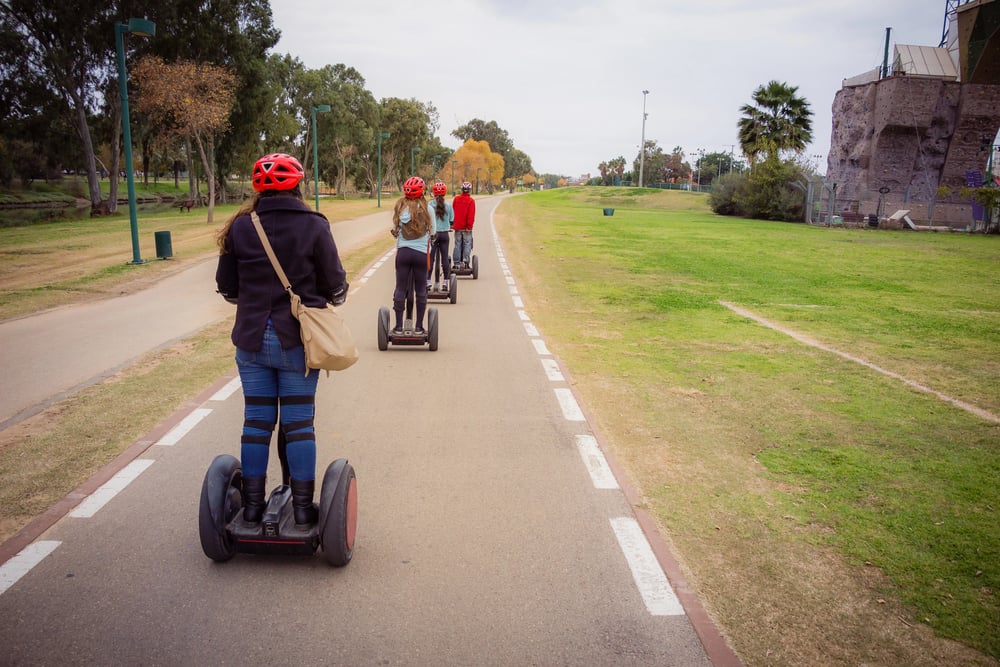
Hyped as a revolutionary transportation device that would change city design, the Segway personal transporter never lived up to its ambitious billing. The combination of high price ($5,000 at launch), regulatory uncertainty about where it could legally operate, and the inherent awkwardness of the device limited its appeal.
Rather than transforming urban mobility as promised, Segways became primarily used for tourist tours and mall security.
Microsoft Zune
Microsoft’s answer to the iPod struggled to differentiate itself in a market dominated by Apple. Despite some innovative features, the Zune suffered from a clunky design, limited content availability, and a lack of third-party accessories.
Microsoft eventually discontinued the line in 2011 after failing to capture significant market share despite multiple redesigns and updates.
Amazon Fire Phone
Amazon’s 2014 attempt to enter the smartphone market bombed spectacularly with its gimmicky “Dynamic Perspective” 3D feature and clunky interface designed primarily to drive Amazon purchases. The phone lacked Google’s popular apps and services while being priced the same as premium alternatives from Apple and Samsung.
Amazon took a $170 million write-down and discontinued the phone after just one year.
Like Go2Tutors’s content? Follow us on MSN.
Dasani Water in the UK
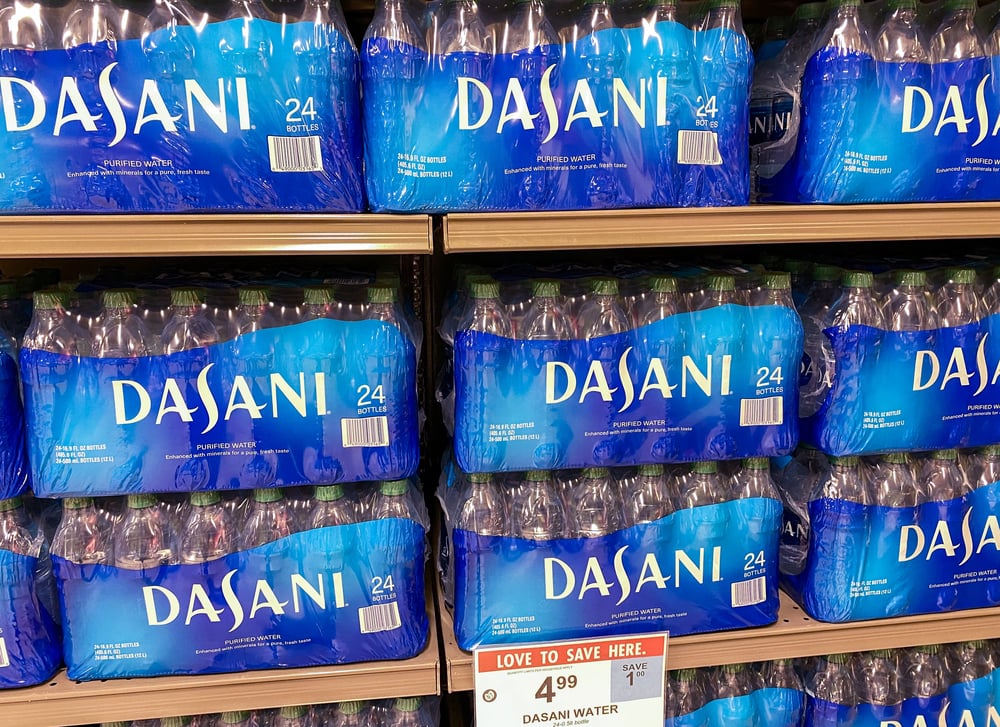
Coca-Cola’s 2004 UK launch of Dasani bottled water quickly turned disastrous when British media revealed it was simply filtered tap water. The situation worsened when the company had to recall half a million bottles after finding they contained excessive levels of bromate, a potential carcinogen.
The combination of the “tap water” revelation and the health scare forced Coca-Cola to withdraw the product from the UK market entirely.
The Legacy of Failure

These product disasters remind us that even established companies with substantial resources can make catastrophic missteps. Common themes among these failures include disregarding customer needs, rushing products to market before they’re ready, and failing to adequately test concepts.
While these products may have failed commercially, they’ve provided valuable lessons for future business ventures about the importance of listening to customers before they become complainers.
More from Go2Tutors!

- 18 Unexpectedly Valuable Collectibles You Might Have Lying Around
- 15 Things Every Teenager in the ’70s Did That Teens Today Wouldn’t Understand
- 15 Strange Things People Have Tried to Ban (And Failed)
- 15 Inventions That Were Immediately Banned After Being Created
- 20 Actors Who Were Almost Cast in Iconic Roles
Like Go2Tutors’s content? Follow us on MSN.