16 Actors Who Improvised Famous Scenes
Some of the most memorable moments in cinema history weren’t in the script. Directors set up the scene, cameras rolled, and then an actor did something nobody planned — and it worked so well that it stayed in the film forever.
These weren’t happy accidents. They were skilled performers reading a moment and trusting their instincts.
Here are 16 actors who went off-script and ended up creating movie history.
Jack Nicholson — The Shining (1980)
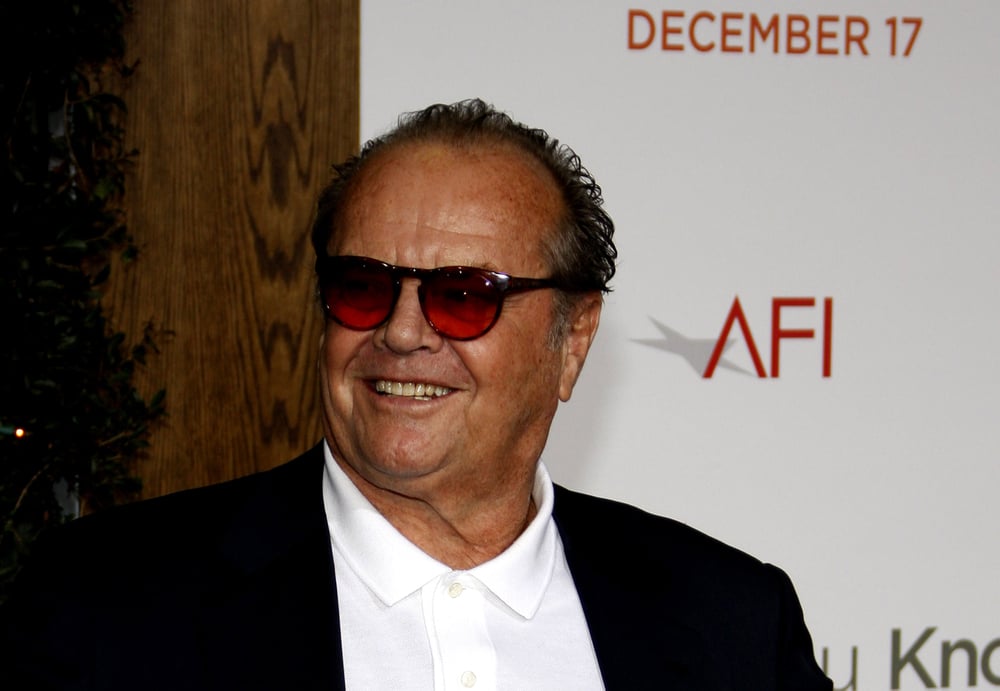
“Here’s Johnny!” is probably the most quoted line in horror. It wasn’t scripted.
Jack Nicholson ad-libbed it during the axe-through-the-door scene, pulling from a phrase Ed McMahon used to introduce Johnny Carson on The Tonight Show. Director Stanley Kubrick kept it after multiple takes, and it became the film’s most iconic moment.
What makes it work is how casual it feels. Nicholson wasn’t screaming the line — he delivered it with a grin, which made it ten times more unsettling.
Harrison Ford — The Empire Strikes Back (1980)
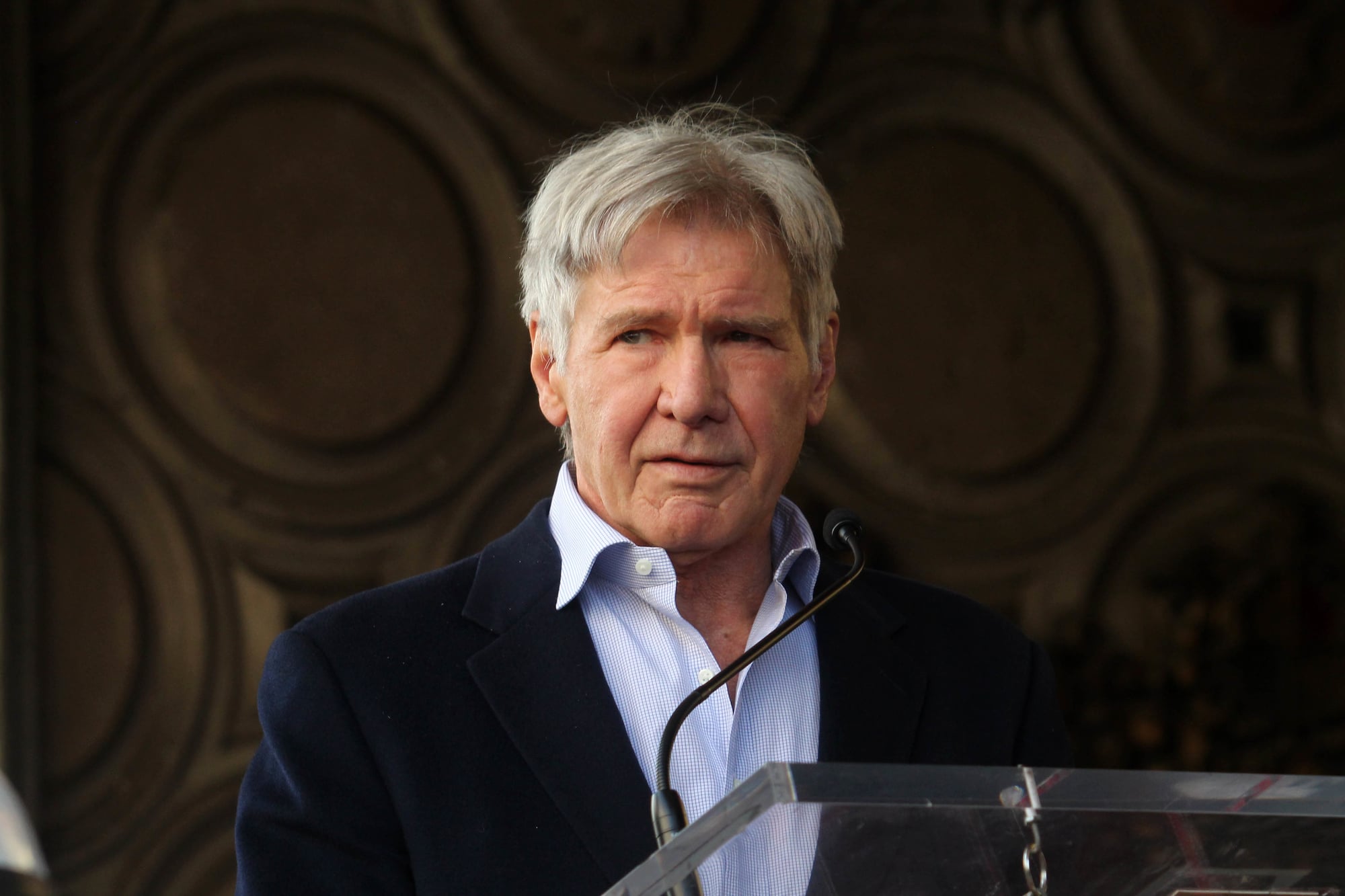
The script had Han Solo say “I love you too” when Leia confesses her feelings before he’s frozen in carbonite. Ford thought that was wrong for the character.
So when filming came, he simply looked at her and said, “I know.”
It was a risk. The line could have read as cold or arrogant.
Instead, it perfectly captured who Han Solo was — confident, dry, and emotionally guarded in a way that made the scene more heartbreaking, not less.
Robert De Niro — Taxi Driver (1976)
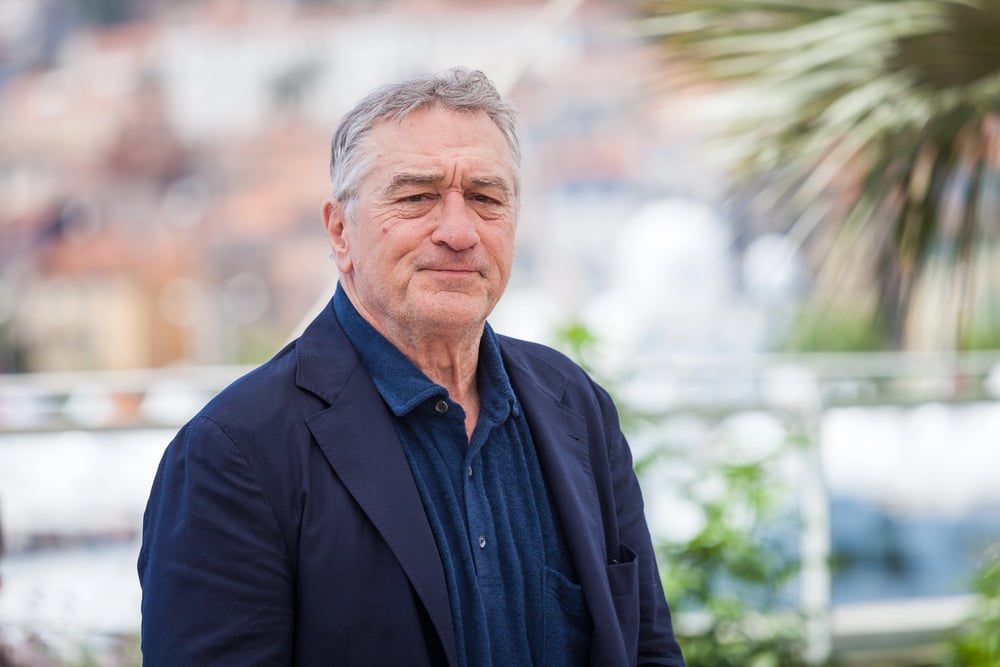
“You talkin’ to me?” doesn’t appear in Paul Schrader’s original screenplay. The script just said Travis Bickle speaks to himself in the mirror.
De Niro filled in the blanks himself during filming, pacing around and building the monologue until that line came out. Director Martin Scorsese watched it happen and left the camera running.
The whole sequence became one of the most studied performances in American film.
Dustin Hoffman — Midnight Cowboy (1969)

The taxi scene wasn’t supposed to go the way it did. A real taxi cut into the shot while cameras were rolling, nearly hitting Dustin Hoffman.
Without breaking character, he slapped the hood and shouted, “I’m walkin’ here!”
The director decided to keep it. The line fit Rizzo perfectly, and the raw energy of Hoffman’s reaction added something no rehearsed version could have.
Heath Ledger — The Dark Knight (2008)

There’s a scene in The Dark Knight where Gordon is promoted and the police and officials applaud — and the Joker, standing in the back, slowly starts clapping. It’s menacing and strange, the kind of applause that feels like a threat.
That wasn’t in the script. Ledger chose to do it in the moment, and the camera caught it almost by accident.
The crew noticed and kept it in. It’s a small choice that tells you everything about how Ledger understood the character.
Leonardo DiCaprio — Django Unchained (2012)
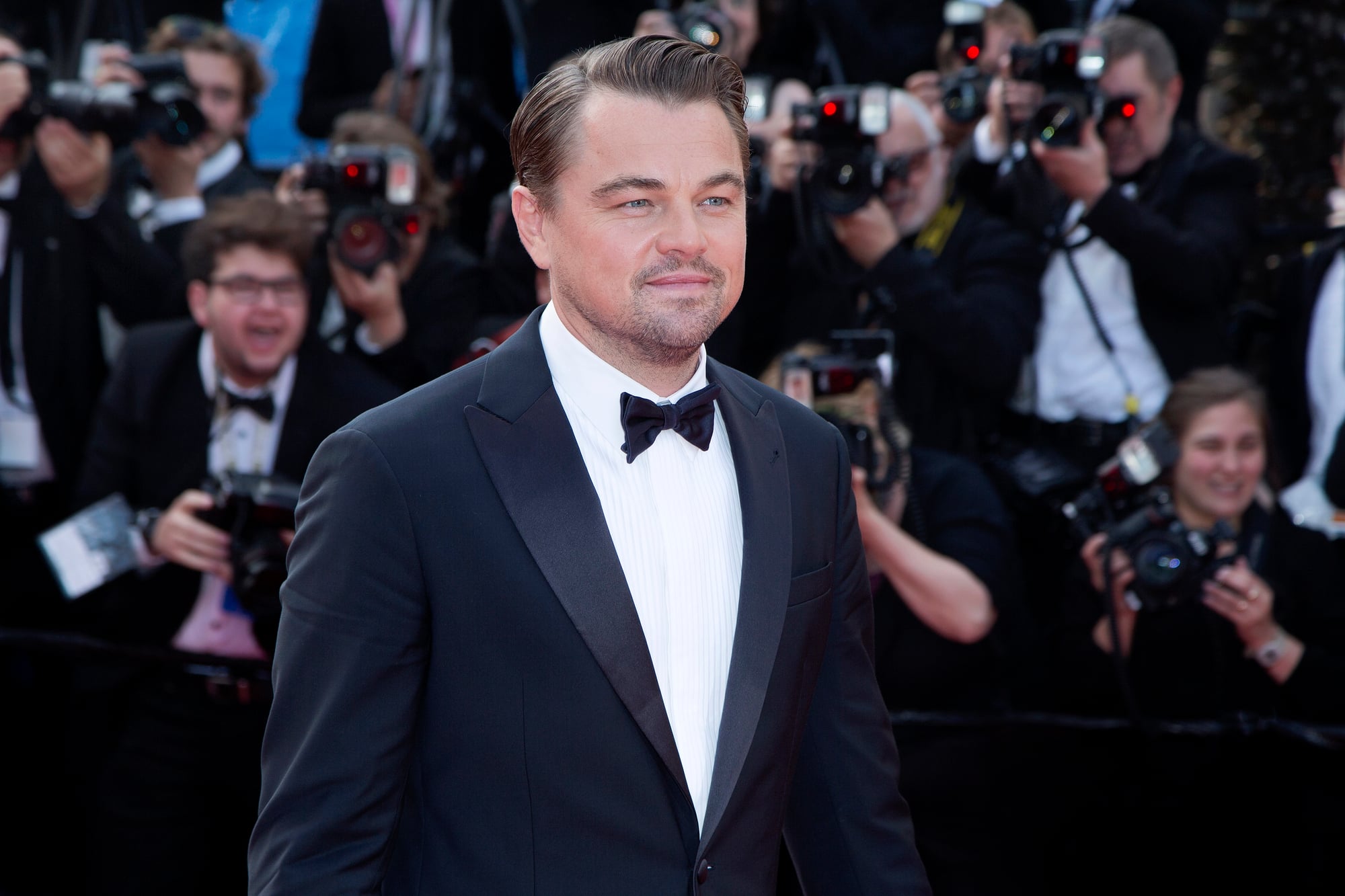
During a tense dinner table scene, DiCaprio’s character Calvin Candie slams his hand down on the table hard enough that DiCaprio actually cut his palm on a broken glass. He kept going.
He stayed in character, smeared the blood, and continued through the scene.
Quentin Tarantino was so impressed that he kept the take. Kerry Washington later said she was genuinely shaken by it on set.
Robin Williams — Good Will Hunting (1997)
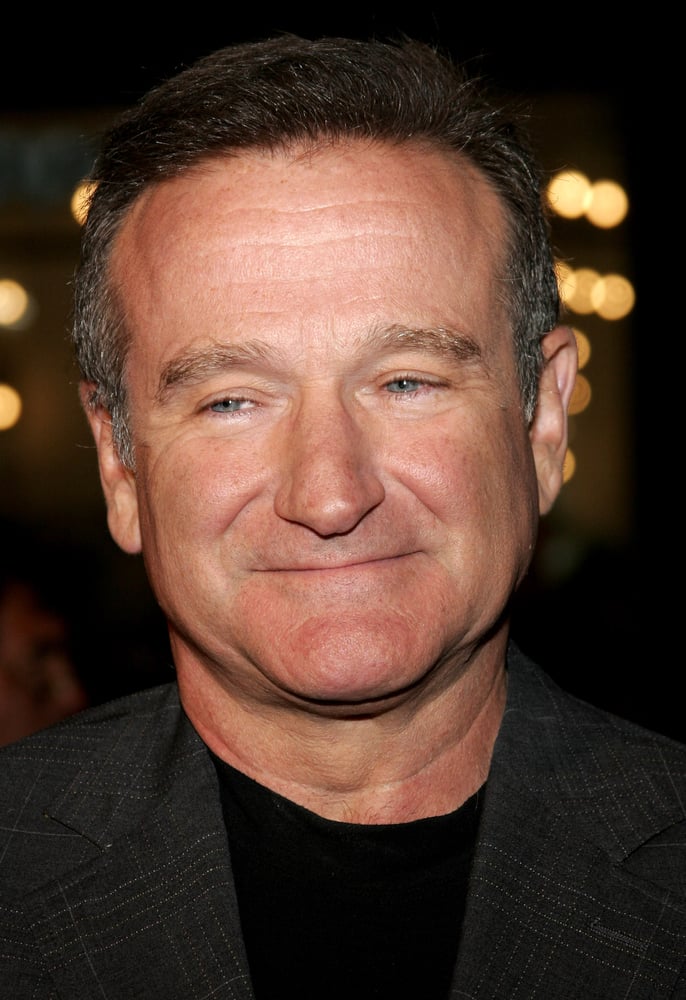
Matt Damon and Ben Affleck wrote the script, but Robin Williams was given space to find his own footing in certain scenes. The famous park bench monologue — where Williams’ therapist character opens up about his late wife — included a bit about her passing gas in her sleep.
Williams came up with that detail himself. It broke the dramatic tension in exactly the right way, making the character feel real rather than sentimental.
Williams later said he hadn’t planned it. It just came out.
Marlon Brando — The Godfather (1972)

The morning of the opening scene, a stray cat wandered onto the Paramount lot. Marlon Brando picked it up and held it in his lap while shooting began.
Director Francis Ford Coppola loved the visual — the contrast between this gentle gesture and what was being discussed — and kept it.
The cat wasn’t in the script. Brando’s slow, quiet delivery in that scene is part of what defines the character, and the cat became an accidental symbol of Don Corleone’s calculated calm.
Gene Wilder — Willy Wonka & The Chocolate Factory (1971)

Gene Wilder agreed to play Willy Wonka on one condition: that he got to walk with a cane and limp for the first part of his entrance, then suddenly drop the limp entirely without explanation. He told the director this was non-negotiable.
His reasoning was that Wonka should be someone nobody could ever fully trust — and if he could fake a limp so convincingly, the audience would always wonder what else he was hiding.
Wilder improvised the physical detail. The director agreed.
It works exactly as he intended.
Julia Roberts — Pretty Woman (1990)

The scene where Edward presents Vivian with a diamond necklace and snaps the jewelry box shut on her fingers was director Garry Marshall’s idea as a practical joke on Roberts. He triggered the snap himself while the cameras were rolling.
Roberts’ laugh in response — that loud, genuine burst — was completely unscripted. Marshall immediately told everyone to keep shooting.
Her reaction became one of the most recognizable moments in the film.
Bill Murray — Ghostbusters (1984)

“We came, we saw, we kicked its ass.” That line after the Ghostbusters’ first successful capture wasn’t in the script. Murray threw it out on the day, riffing on Julius Caesar’s famous quote.
It’s the kind of line that only works because Murray commits to it completely. The delivery is so flat and confident that it lands as comedy and triumph at the same time.
Viggo Mortensen — The Lord Of The Rings: The Two Towers (2002)

When Aragorn finds what he believes to be the remains of Merry and Pippin, he lets out a scream and kicks a helmet. In the script, it was simply a dramatic reaction.
What wasn’t in the script was Mortensen actually breaking two of his toes on the kick.
He kept going. The scream of pain became the character’s scream of grief, and Peter Jackson used the take.
Mortensen later said he barely noticed the break until after filming.
Brad Pitt — Se7en (1995)

Pitt’s character Mills is intense and reactive throughout Se7en, but there’s a scene where he’s eating cereal while studying crime scene photos — a mundane detail that grounds the character in an unexpected way. Pitt brought the cereal himself and started eating it on set.
It wasn’t a big moment, but director David Fincher liked how it humanized Mills.
Small choices like that tend to stick, and this one did.
Al Pacino — Scent Of A Woman (1992)

“Hoo-ah!” became so associated with Pacino that people forget it started as an in-the-moment choice. He began using it during rehearsals for the blind Colonel Slade, and it stuck.
By the time filming was done, it had become the character’s signature.
Pacino used it to convey everything from amusement to frustration without ever having to explain it.
It was a small vocal habit he invented, and it won him an Oscar.
Daniel Day-Lewis — There Will Be Blood (2007)

“I’m finished!” at the end of the film is one of the most quoted endings in modern cinema. The full milkshake speech — where Daniel Plainview explains in blunt, brutal terms how he drained oil from beneath his neighbor’s land — was partly improvised.
Day-Lewis had prepared obsessively for the role, but in the moment, the speech took on its own energy.
Director Paul Thomas Anderson let the camera run.
Day-Lewis later described the scene as one where he lost track of where he ended and Plainview began.
Jodie Foster — The Silence Of The Lambs (1991)

In Anthony Hopkins’ introduction as Hannibal Lecter, he’s standing perfectly still, waiting for Clarice. That stillness wasn’t fully choreographed — Hopkins decided not to move at all, not even to blink more than necessary.
Foster’s reaction to it — the slight hesitation before she enters the cell block — was genuine. She later said the stillness unnerved her in a way she hadn’t expected.
That real discomfort is visible on screen, and it made the scene land the way it did.
The Moments That Weren’t Written

There’s a pattern in all of these stories. The actors who improvised well weren’t just winging it.
They understood their characters deeply enough to know what felt true, and they trusted that instinct over what was written.
Some brought physical details nobody asked for. Some changed a single word.
Some just reacted to something that actually happened.
The script is the foundation, but the performance is where the film lives.
And sometimes the best performances are the ones nobody planned.
More from Go2Tutors!

- The Romanov Crown Jewels and Their Tragic Fate
- 13 Historical Mysteries That Science Still Can’t Solve
- Famous Hoaxes That Fooled the World for Years
- 15 Child Stars with Tragic Adult Lives
- 16 Famous Jewelry Pieces in History
Like Go2Tutors’s content? Follow us on MSN.