15 Railway Stations Built Where Trains Never Came
Throughout history, ambitious railway projects have been planned with grand visions of connecting communities and fostering economic growth. Yet sometimes, despite the construction of impressive stations, the trains themselves never arrived.
These architectural ghosts stand as monuments to changing fortunes, political shifts, and dreams that never quite materialized. Here is a list of 15 fascinating railway stations around the world that were built with great expectations, yet never welcomed the rumble of approaching locomotives.
Canfranc Station, Spain

Built in 1928 along the Spanish-French border, this massive international station was once dubbed the ‘Titanic of the Mountains.’ The elaborate Art Nouveau structure featured 365 windows and stretched over 787 feet in length.
Despite its grandeur, international service ended in 1970 after a bridge collapse on the French side, and the planned revival of the route never happened, leaving this enormous station mostly abandoned for decades.
Frongoch Station, Wales

Constructed in the remote Welsh countryside during the late 19th century, Frongoch Station was meant to serve a booming mining industry that collapsed before trains could regularly operate. The station buildings were repurposed during World War I as an internment camp that inadvertently became known as the ‘University of Revolution’ for Irish independence fighters.
Today, little remains of this station that waited for mining prosperity that never returned.
Like Go2Tutors’s content? Follow us on MSN.
La Plata Station, Argentina

This magnificent Beaux-Arts station was completed in 1906 as part of an ambitious plan to connect Argentina’s new capital with Buenos Aires. Construction costs spiraled, political priorities shifted, and the planned railway connection was abandoned.
The impressive building with its ornate clock tower and marble interiors stood waiting for decades, ultimately finding new life as a cultural center rather than the transportation hub it was designed to be.
St. Catherine’s Station, Missouri

Built during America’s ambitious western expansion, this station was completed in 1887 just as a financial crisis hit the railroad company. The economic panic of 1893 sealed its fate when the planned regional line went bankrupt.
The handsome redbrick structure with its distinctive tower waited for trains that never came, eventually becoming a local marketplace and community hub, still standing today.
Presikhaaf Station, Netherlands

Completed in the 1970s as part of a major urban planning initiative, this modern station was built to serve a new neighborhood development that stalled during an economic downturn. The fully equipped platforms, ticket hall, and access tunnels sat unused for nearly two decades before being repurposed.
The station’s concrete platforms gradually deteriorated while waiting for trains that were rerouted through other areas of the city.
Like Go2Tutors’s content? Follow us on MSN.
Niagara Falls Memorial Bridge Station, New York
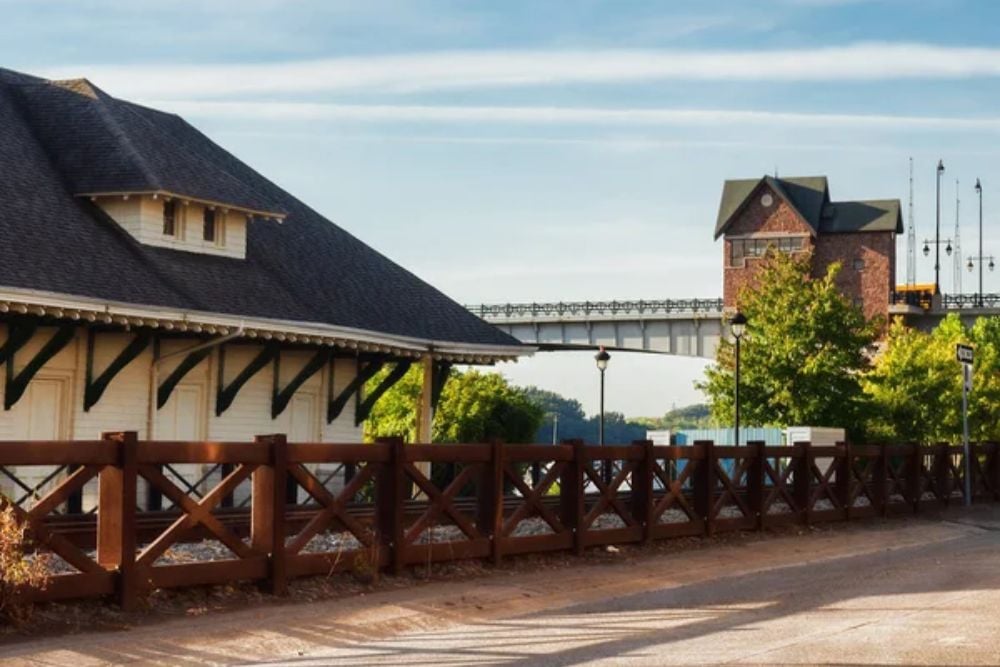
This international border station was constructed in 1925 to serve passengers crossing between the US and Canada, featuring elaborate customs facilities and grand waiting rooms. When automobile travel surged after World War II, railway plans were scrapped in favor of expanding highway infrastructure.
The station’s strategic location made it valuable for other border operations, though the intended international rail service never materialized.
Ghost Station of Corrour, Scotland

Built in the 1890s in one of Britain’s most remote locations, this highland station was intended to serve wealthy landowners’ hunting parties and a planned resort community. The resort development failed, leaving an elaborate Victorian station marooned in wilderness with almost no nearby residents.
While occasional trains eventually did stop here, the original grand vision never materialized, making it one of the most isolated stations in Europe.
San Cristóbal Station, Chile

Constructed during Chile’s nitrate boom of the early 1900s, this impressive station was meant to be a key logistics hub for the mining industry. The development of synthetic nitrates after World War I led to economic collapse in the region before regular service could be established.
The station’s ornate wooden structure, with its elaborate trim and central clock, stood as a monument to economic plans that dissolved almost overnight.
Like Go2Tutors’s content? Follow us on MSN.
Chesterfield Railway Station, Australia

This outback station was built in the 1880s as part of Queensland’s ambitious inland railway expansion. A devastating drought followed by economic depression halted construction of the connecting lines, leaving the completed station isolated.
The handsome building with its distinctive iron lacework verandas waited years for tracks that were eventually rerouted, leaving it to become a heritage site rather than a functioning transport hub.
Tczew Border Station, Poland
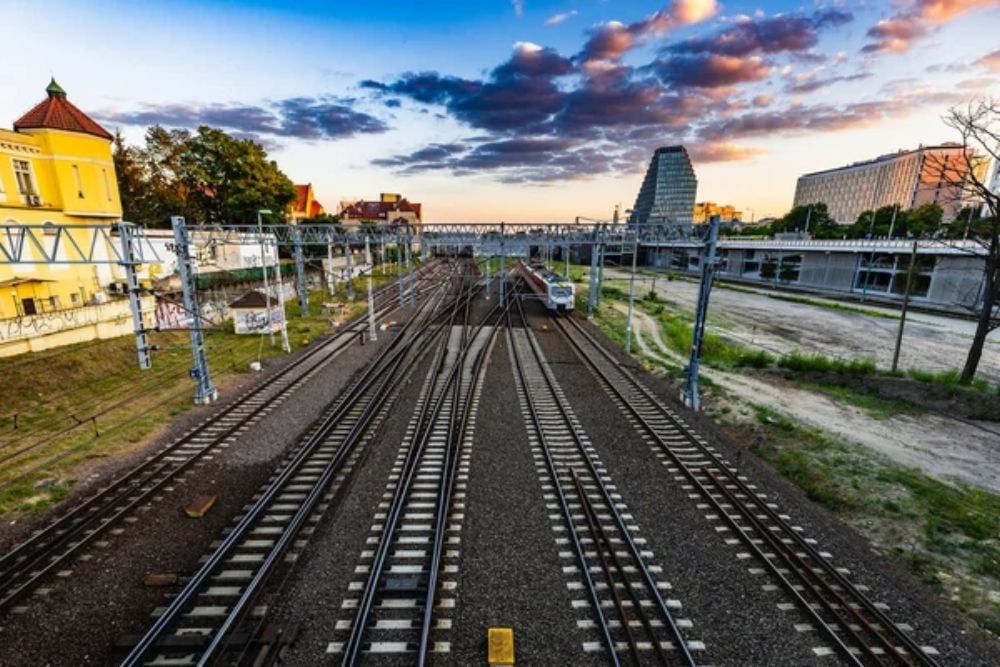
This massive border complex was built in the 1920s when Poland regained independence, featuring separate customs halls, multiple platforms, and administrative buildings. Political changes after World War II completely redrew borders, making the elaborate international facilities unnecessary before they could be fully utilized.
The imposing brick structure with its distinctive tower remained, though the international connections it was designed for never operated as planned.
Estación del Norte, Mexico

Constructed during the modernization push of the early 1900s, this station represented Mexico’s industrial ambitions with its striking neoclassical design. The Mexican Revolution disrupted planned railway expansions, and subsequent economic priorities shifted toward highways.
The grand terminal with its impressive central dome and marble columns waited decades for railway connections that were eventually abandoned, finding new purpose as a cultural center.
Like Go2Tutors’s content? Follow us on MSN.
Providence Station, Rhode Island

This elaborate Victorian station complex was completed in 1898 as part of a planned regional railway expansion that fell victim to corporate mergers and changing transportation priorities. The ornate main building featured impressive stonework, a soaring clock tower, and luxurious waiting rooms that never saw the volume of passengers anticipated.
While some limited service eventually operated, the grand vision for this station never materialized before urban renewal projects replaced it entirely.
Gara de Nord Auxiliary Terminal, Romania
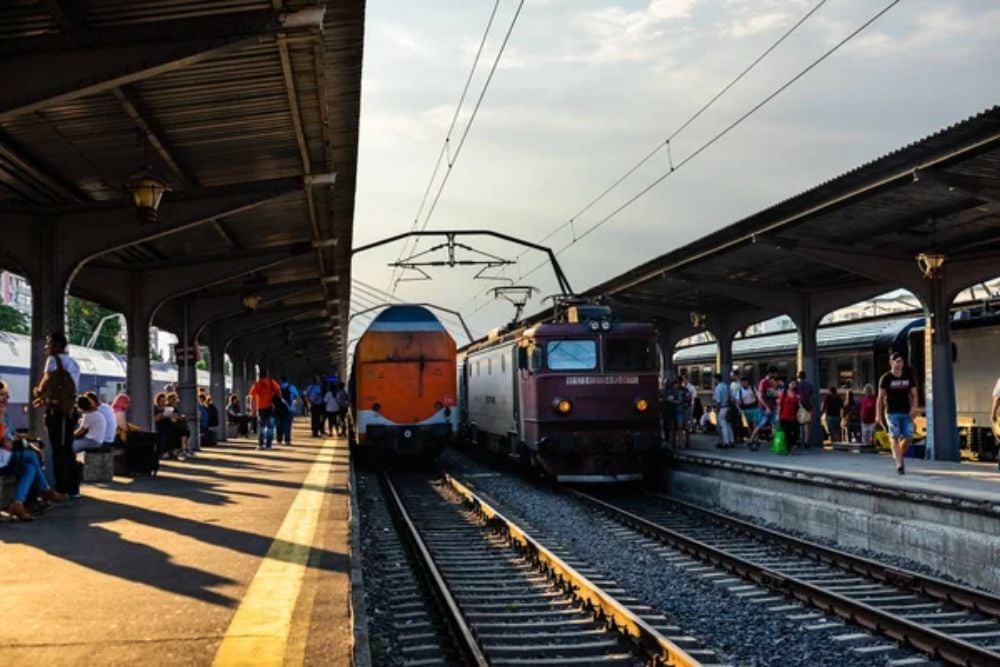
Built during the communist era as part of an ambitious infrastructure expansion, this secondary terminal was completed just as the regime fell in 1989. The economic turmoil that followed meant the planned new railway routes were never implemented.
The modernist concrete structure with its distinctive angular design stood empty for years, its pristine platforms and untouched ticket counters gradually deteriorating while awaiting a purpose.
Janakpur Station, Nepal

This station was constructed in the 1930s as part of a planned international connection with India’s rail network. Political tensions and changing priorities left the station isolated when connecting tracks were rerouted.
The distinctive colonial-style building with its wide verandas and waiting halls stood ready for decades, though the international services it was designed for never materialized as planned.
Like Go2Tutors’s content? Follow us on MSN.
Kirkenes Arctic Terminal, Norway

Constructed in the far northern reaches of Europe in the 1950s, this station was part of an ambitious Cold War plan to connect NATO’s northern flank by rail. Strategic priorities shifted, funding disappeared, and the arctic railway connection was abandoned.
The sturdy concrete structure, built to withstand extreme arctic conditions, waited in vain for trains that never arrived, eventually finding new purpose as a regional transportation museum.
Monuments to Optimism
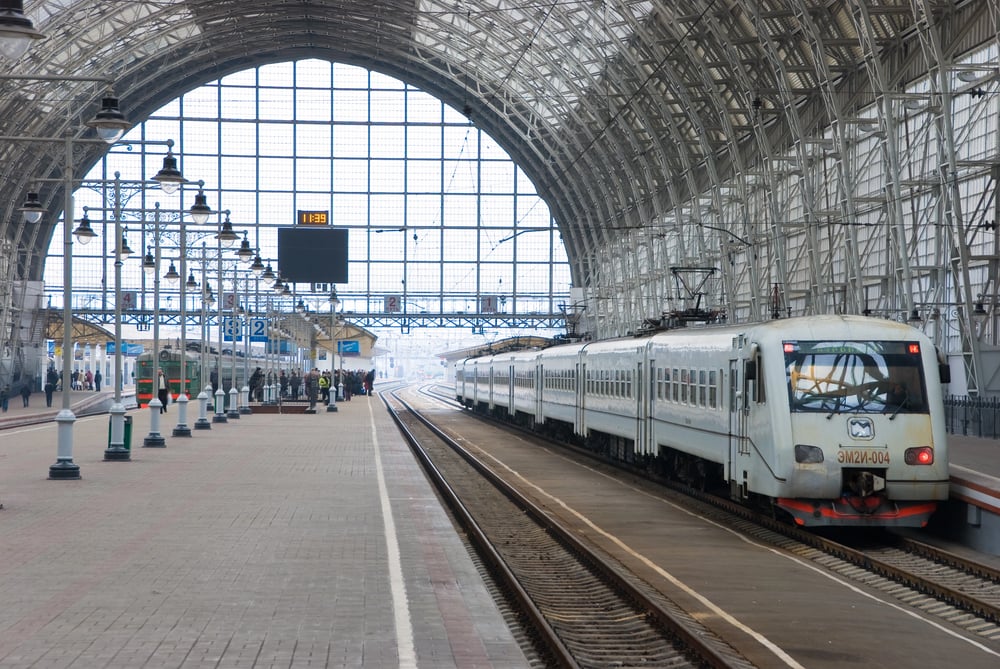
These forgotten stations stand as testaments to human ambition and the unpredictable nature of progress. From grand international terminals to remote outposts, each structure represents a moment of optimism that circumstances ultimately redirected.
While the trains never arrived as intended, many of these architectural treasures have found new purpose, serving as reminders that even unrealized dreams can leave behind meaningful legacies.
More from Go2Tutors!

- 16 Restaurant Chains That Went Too Fast
- 12 Things Sold in the 80s That Are Now Illegal
- 15 Strange Things People Have Tried to Ban (And Failed)
- 16 Collectibles People Tossed Out Too Soon
- 17 Myths from Your Childhood That Were Actually Based on Real Things
Like Go2Tutors’s content? Follow us on MSN.



