15 Ways New York City Has Changed Since 1980
New York City in 1980 was a different animal entirely. Crime rates soared, the subway system was covered in graffiti, and Times Square was notorious for reasons that had nothing to do with Broadway shows or family entertainment. The city teetered on the edge of bankruptcy while grappling with urban decay that seemed insurmountable. Yet beneath all that chaos, the seeds of transformation were already taking root.
Fast forward to today, and the Big Apple has undergone one of the most dramatic urban transformations in modern history. Here are 15 ways New York City has changed since 1980.
Crime Rates Plummeted
— Photo by Hackman
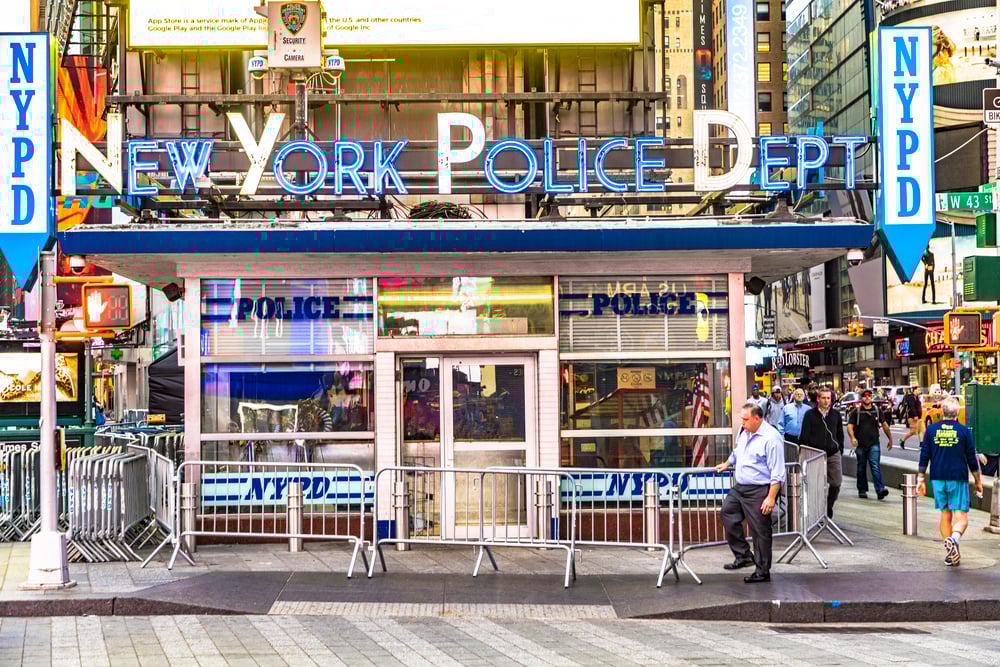
Back in 1980, New York recorded over 1,800 murders—a staggering number that made headlines nationwide. The city felt dangerous, especially after dark, and many neighborhoods were essentially no-go zones for tourists and even locals. Today’s murder rate has dropped by more than 80%, transforming New York into one of the safest large cities in America. This dramatic shift didn’t happen overnight though—it took decades of policy changes, community policing initiatives, and economic improvements to create the safer streets New Yorkers enjoy today.
Times Square Became Family-Friendly
— Photo by mulevich
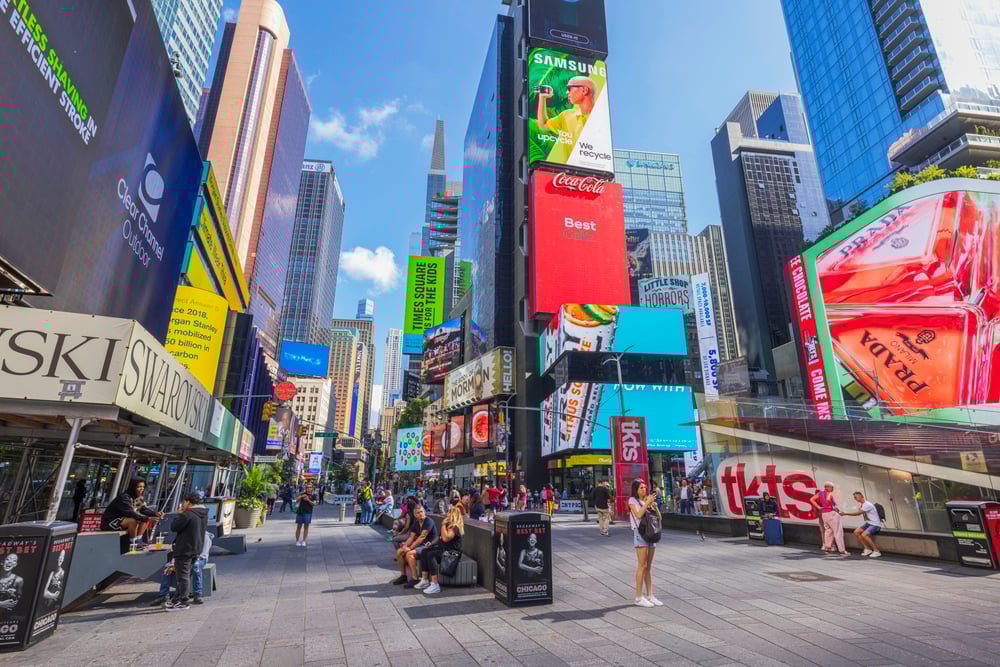
The Times Square of 1980 was a haven for adult theaters, drug dealers, and street hustlers who made the area feel like an urban Wild West. Families avoided the area entirely, while tourists who ventured there often left with stories they couldn’t share with their kids. Disney’s arrival in the 1990s marked the beginning of a complete transformation that turned this seedy district into a glittering tourist destination. Today’s Times Square buzzes with Broadway shows, chain restaurants, and street performers who entertain rather than intimidate.
The Subway System Got Cleaner
— Photo by mulevich
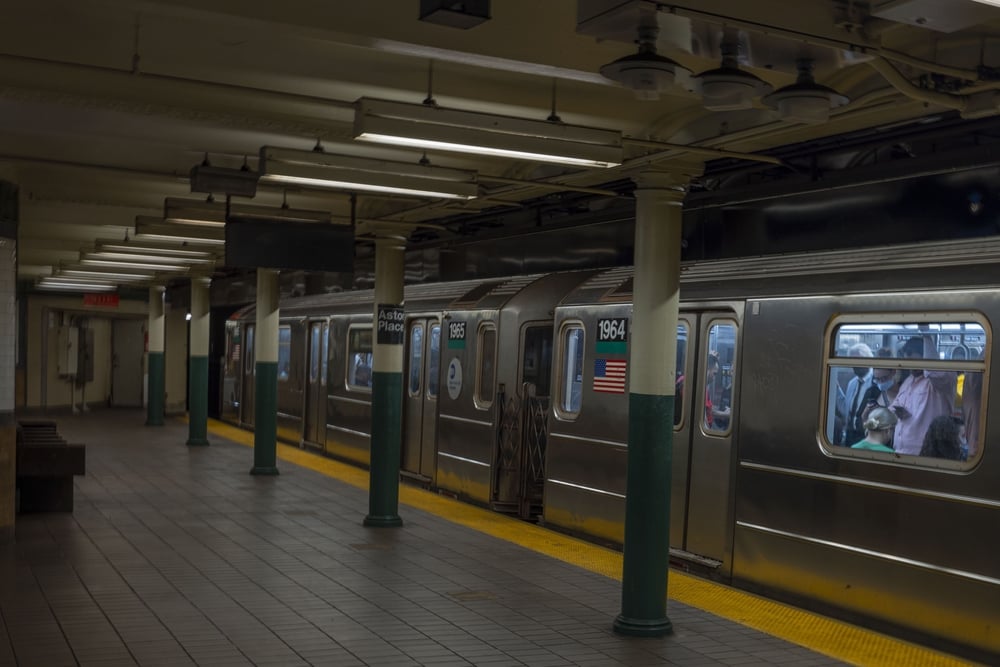
Riding the subway in 1980 meant navigating through cars covered in graffiti from floor to ceiling—some of it artistic, much of it just vandalism. The system was unreliable, dirty, and often felt unsafe, particularly for women traveling alone. Modern subway cars are clean, air-conditioned, and equipped with digital displays that actually tell you when the next train is arriving. While the system still has its challenges, the difference is night and day compared to four decades ago.
Neighborhoods Gentrified Rapidly
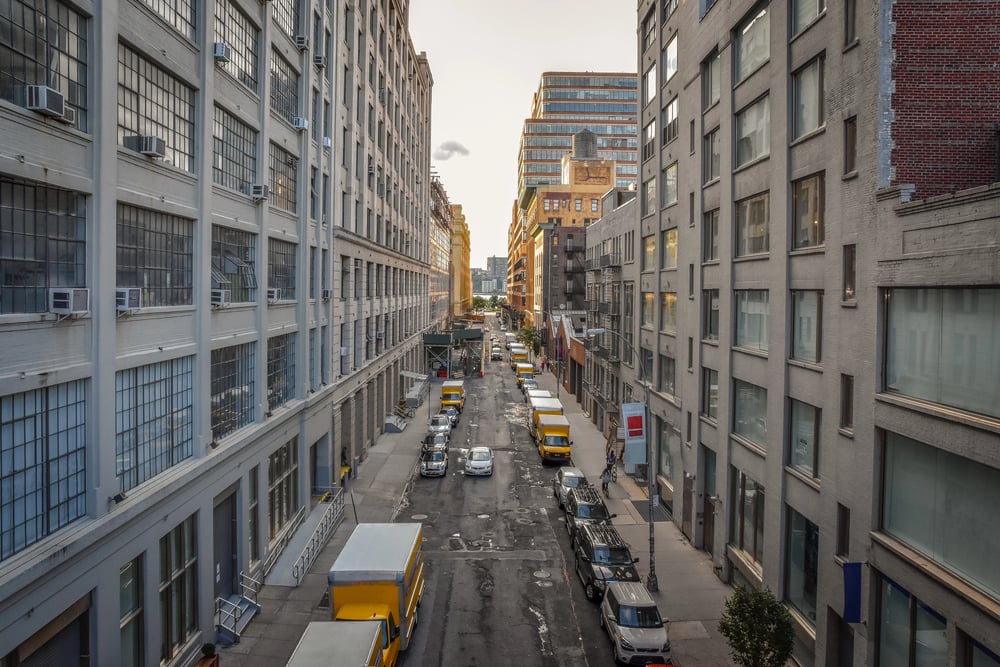
Areas like the Lower East Side, Williamsburg, and Harlem were considered rough neighborhoods where rent was cheap because few people wanted to live there. These communities had character but lacked the amenities and safety that attract middle-class residents. Today, these same neighborhoods have become some of the most expensive real estate in the city, with trendy restaurants, boutique shops, and luxury condos replacing bodegas and vacant lots. This transformation has brought improvements but also displaced longtime residents who can no longer afford their childhood neighborhoods.
The High Line Transformed Urban Planning
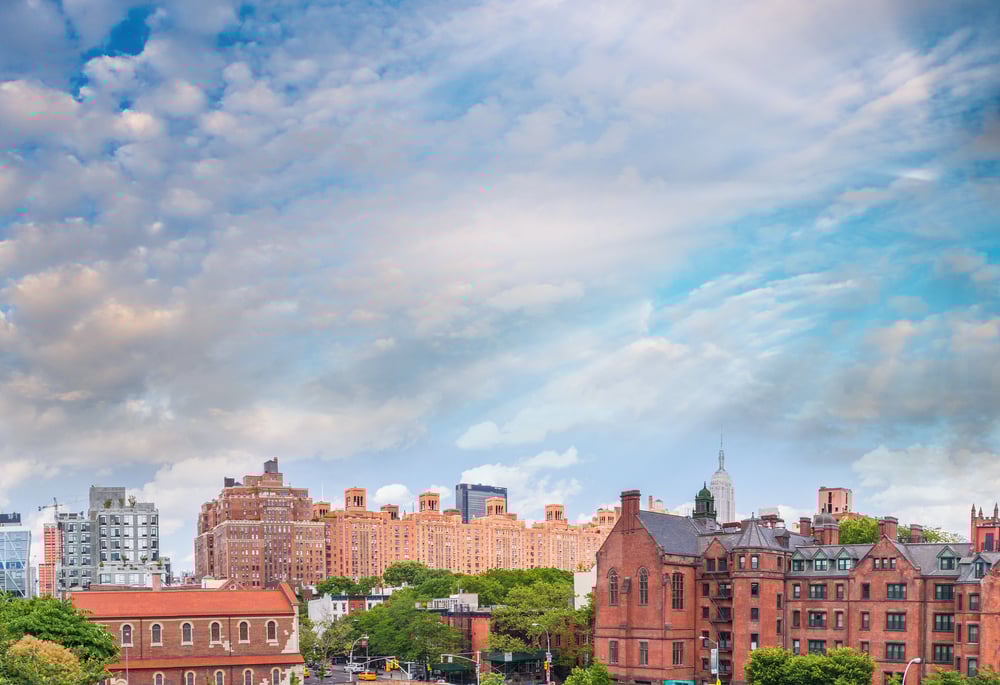
In 1980, the High Line was an abandoned elevated railway track that cut through Manhattan’s west side like a rusty scar. Most people saw it as an eyesore that should be torn down and forgotten. The conversion of this industrial relic into a world-renowned public park has become a model for urban renewal projects worldwide. This green space attracts millions of visitors annually while spurring development throughout the surrounding area.
Wall Street Dominated the Economy
— Photo by andykazie
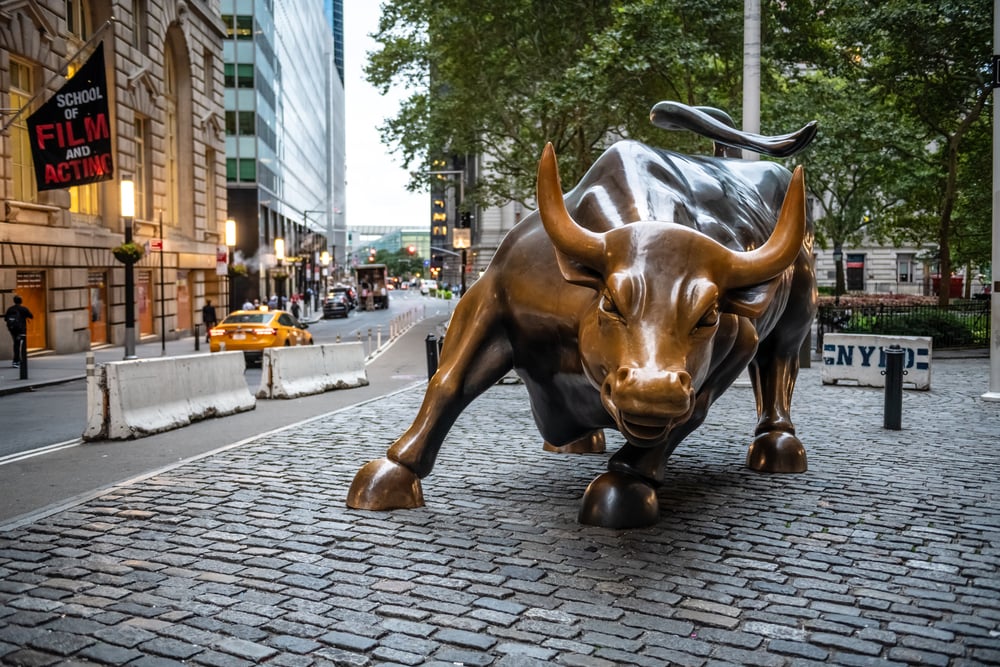
The financial sector in 1980 was important but hadn’t yet achieved the overwhelming dominance it holds today. Banking was more regulated, and the city’s economy was more diversified across manufacturing, shipping, and other industries. The deregulation of the 1980s and 1990s turned Wall Street into a global financial powerhouse that drives much of the city’s economy. This shift created enormous wealth but also made the city more vulnerable to financial market fluctuations.
Technology Transformed Daily Life

New Yorkers in 1980 relied on payphones, paper maps, and cash for most transactions—imagine navigating the subway system without Google Maps or hailing a cab without Uber. The internet didn’t exist for most people, and cell phones were luxury items carried by wealthy businessmen. Today’s New Yorkers live in a digitally connected world where smartphones handle everything from navigation to payments, fundamentally changing how people interact with the city.
Food Culture Exploded
— Photo by macinlondon
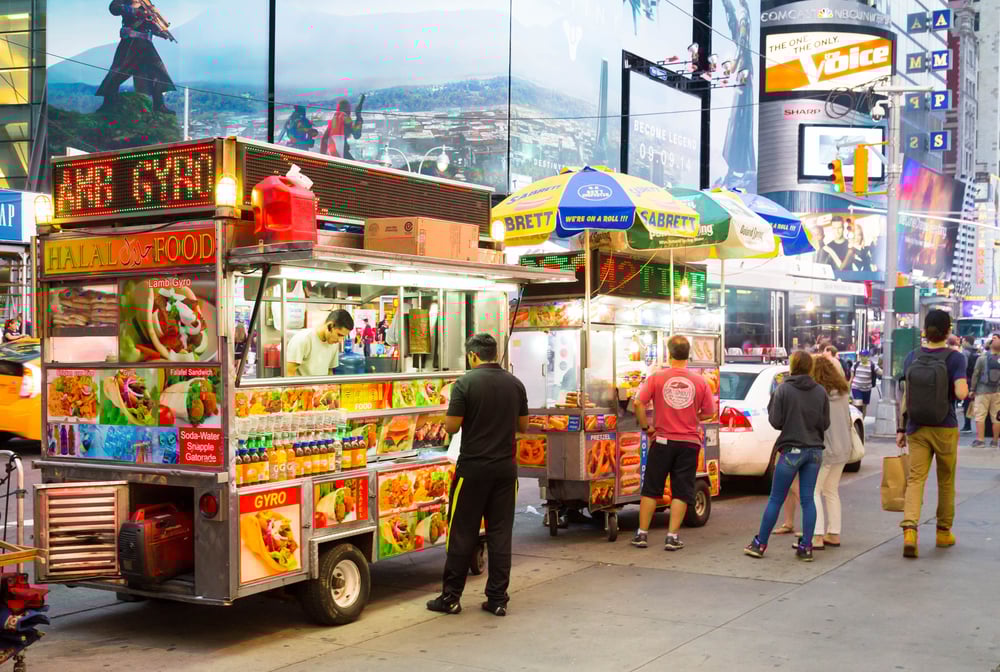
The dining scene in 1980 was dominated by traditional ethnic enclaves and classic American restaurants, with fine dining concentrated in a few upscale establishments. Food trucks sold hot dogs and pretzels, while gourmet cuisine was mostly limited to expensive restaurants in Manhattan. Today’s food culture spans everything from molecular gastronomy to artisanal everything, with food trucks serving Korean tacos and neighborhoods competing to have the most innovative restaurant scene.
Real Estate Prices Skyrocketed
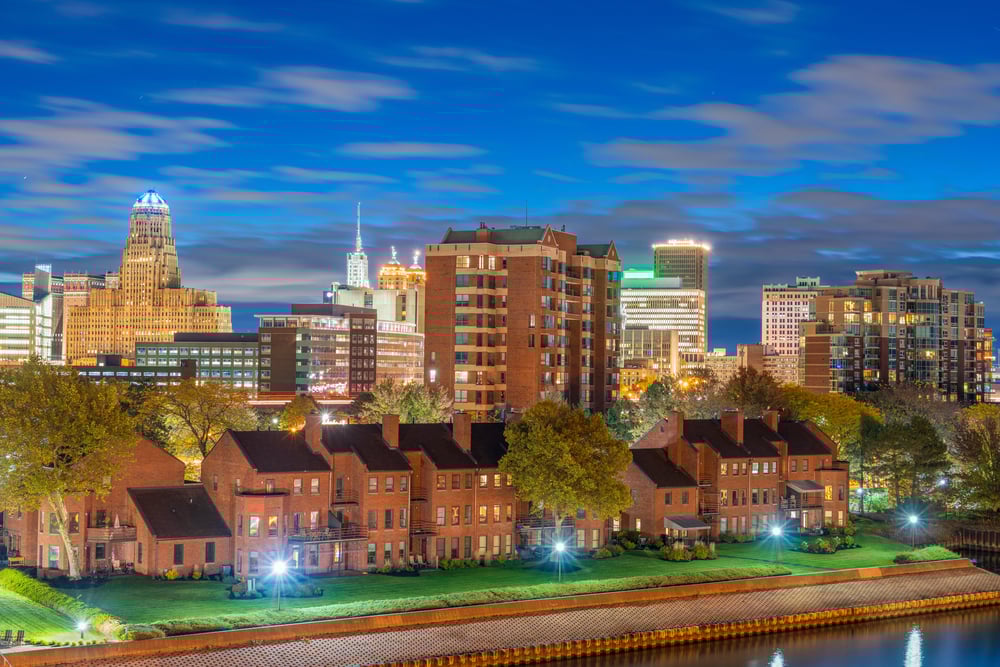
A decent apartment in Manhattan could be rented for a few hundred dollars a month in 1980, making the city affordable for artists, students, and working-class families. The median home price was a fraction of what it is today, allowing middle-income earners to actually buy property in desirable neighborhoods. Current real estate prices have made homeownership a distant dream for most New Yorkers, while rental costs consume enormous portions of residents’ incomes.
Brooklyn Became Hip
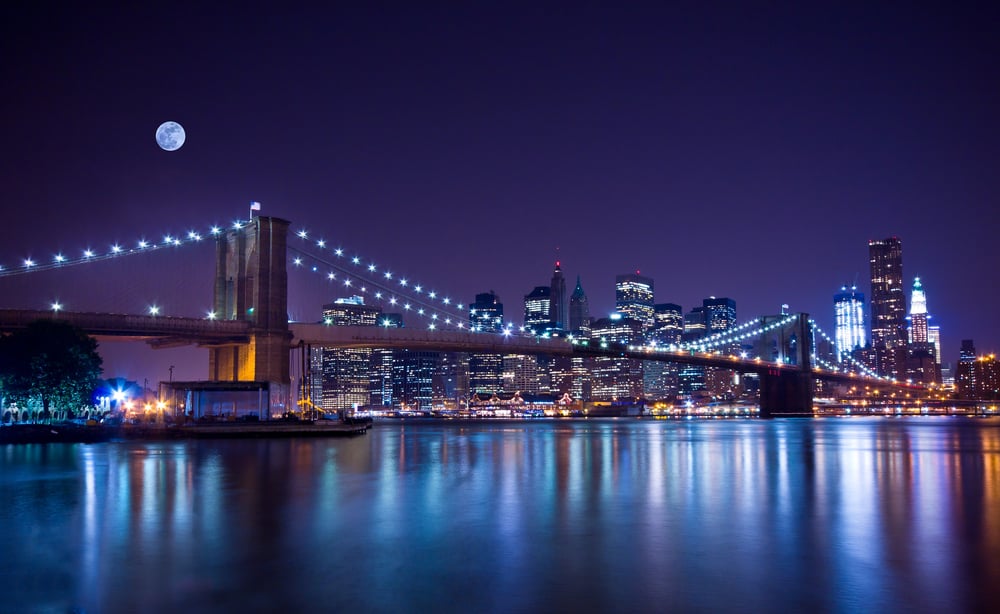
Brooklyn in 1980 was seen as Manhattan’s less sophisticated sibling—a place where families moved when they couldn’t afford Manhattan anymore. The borough had character but lacked the cultural cachet that attracts young professionals and artists. Today’s Brooklyn, particularly areas like Williamsburg and Park Slope, has become hipper than many Manhattan neighborhoods, with residents choosing it over Manhattan for its community feel and slightly more reasonable prices.
Central Park Got Safer

Central Park after dark in 1980 was territory that most New Yorkers avoided entirely, except for the most adventurous or foolhardy. The park suffered from neglect, inadequate lighting, and a reputation for muggings that kept families away during evening hours. Modern Central Park hosts outdoor concerts, late-night runners, and families enjoying evening picnics in areas that were once considered dangerous. The transformation required massive investment in maintenance, security, and programming that made the park a true community asset.
The Waterfront Opened Up
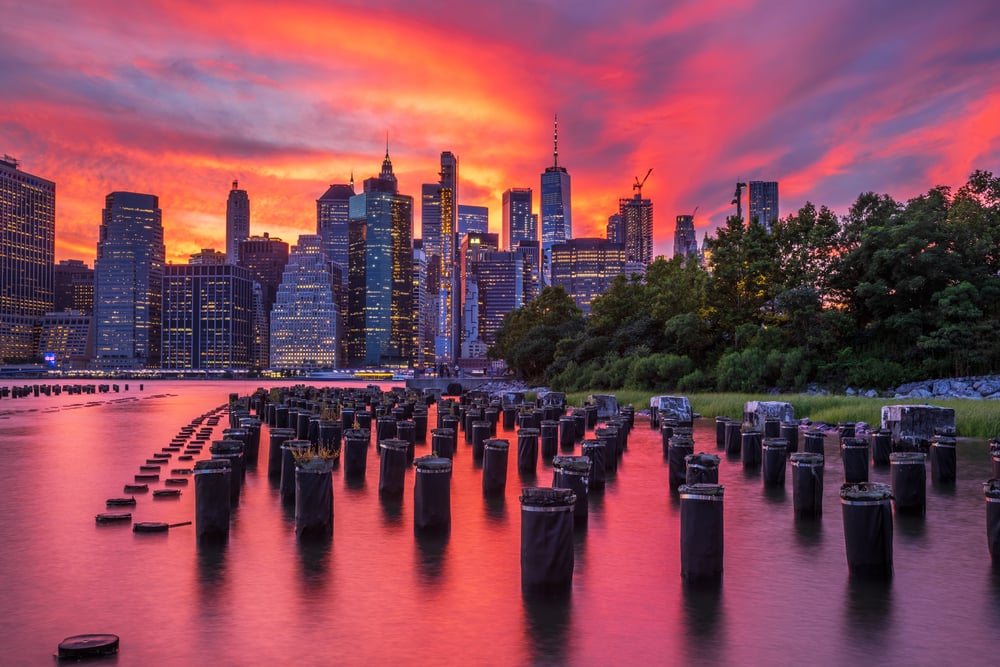
— Photo by elenasuvorova
Much of Manhattan’s waterfront in 1980 was industrial, inaccessible, or simply ignored by most residents and city planners. The Hudson River waterfront was lined with decaying piers and warehouses that blocked public access to the water. Today’s waterfront features parks, running paths, and recreational facilities that have reconnected New Yorkers with their surrounding waters. This development has created new neighborhoods while providing recreational opportunities that didn’t exist four decades ago.
Small Businesses Changed Character
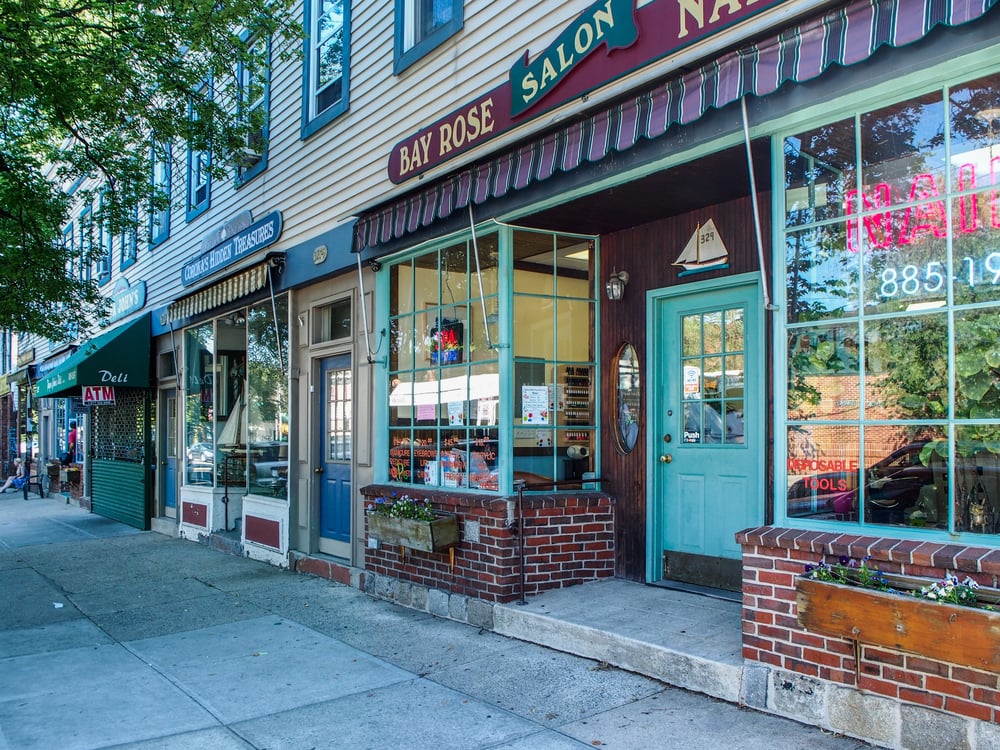
The corner stores, family-run restaurants, and neighborhood shops of 1980 were mostly owned by local families who had operated them for generations. These businesses gave neighborhoods their unique character but often struggled with limited resources and outdated practices. Chain stores and franchises have replaced many of these establishments, bringing consistency and efficiency but sometimes at the cost of neighborhood character and community connection.
Public Health Improved Dramatically
— Photo by thenews2.com
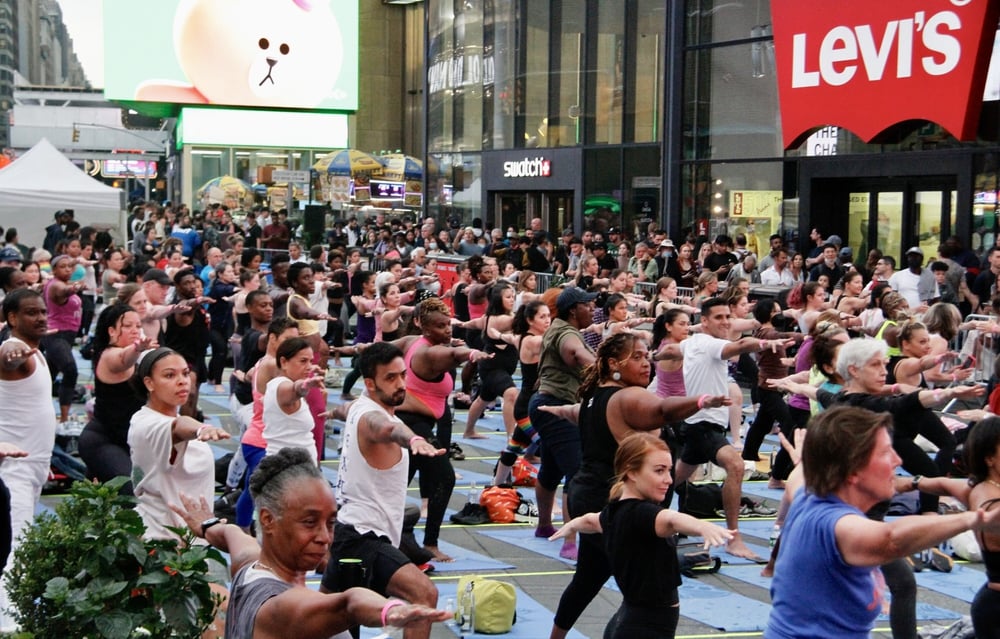
The city’s public health challenges in 1980 included high rates of infectious diseases, limited access to healthcare, and environmental problems that affected quality of life. Air quality was poor and health education was limited compared to today’s standards. Modern New York has cleaner air and public health initiatives that have dramatically improved residents’ overall health outcomes.
Tourism Became an Industry

Tourism in 1980 was limited mostly to brave visitors who came despite the city’s reputation for danger and decay. The tourism infrastructure was minimal, with few attractions designed specifically for visitors and limited marketing to attract out-of-town guests. Today’s New York attracts over 60 million visitors annually, with tourism generating billions in revenue and supporting hundreds of thousands of jobs throughout the city.
From Survival to Success

— Photo by edichenphoto
The New York City of 1980 was a place where residents focused on survival—avoiding crime, dealing with urban decay, and making ends meet in a struggling economy. Today’s New York faces different challenges, including affordability and inequality, but operates from a position of strength rather than desperation. This transformation didn’t happen by accident; it resulted from decades of policy changes, investment, and the resilience of New Yorkers who refused to give up on their city. While some mourn the loss of the grittier, more affordable New York of the past, few would trade today’s safety and prosperity for yesterday’s chaos and uncertainty.
More from Go2Tutors!

- 16 Historical Figures Who Were Nothing Like You Think
- 12 Things Sold in the 80s That Are Now Illegal
- 15 VHS Tapes That Could Be Worth Thousands
- 17 Historical “What Ifs” That Would Have Changed Everything
- 18 TV Shows That Vanished Without a Finale
Like Go2Tutors’s content? Follow us on MSN.