15 Snacks That Changed—and then Failed
The history of snack foods is littered with tales of triumph and tragedy. Companies spend years perfecting recipes that capture the hearts and taste buds of millions, building loyal customer bases that swear by their products.
Yet sometimes corporate decisions to alter these beloved formulas backfire spectacularly, leaving fans feeling betrayed and reaching for alternatives. Here is a list of 15 snack brands that made the fateful decision to change their recipes, only to face the wrath of disappointed customers and declining sales.
Nabisco Chips Ahoy

The classic chocolate chip cookie underwent a recipe change in 2019 that left longtime fans confused and upset. Nabisco claimed they were enhancing the product with a ‘new and improved’ recipe, but consumers immediately noticed a different texture and flavor profile.
Sales dropped noticeably as cookie enthusiasts took to social media to express their dissatisfaction with the reformulated treat.
Original Necco Wafers

The New England Confectionery Company changed its iconic wafer recipe in 2009 to use natural flavors and colors instead of artificial ones. The change affected the distinctive taste that fans had enjoyed since 1847.
Even though the intention seemed positive, the different flavor profiles alienated longtime customers who had grown accustomed to the traditional taste.
Like Go2Tutors’s content? Follow us on MSN.
New York Style Bagel Chips

Once a pantry staple for many snack lovers, these crunchy bagel chips underwent a recipe modification that reduced the robust seasonings and changed the texture. Fans complained the new version tasted bland compared to the original zesty flavor they’d come to love.
The change resulted in decreased shelf presence as shoppers sought more flavorful alternatives.
Cadbury Creme Eggs

When Kraft Foods (now Mondelez) acquired Cadbury in 2010, they changed the chocolate shell recipe of the beloved Creme Eggs in the UK from Cadbury Dairy Milk to a standard cocoa mix chocolate. The change sparked outrage among British consumers who could immediately taste the difference.
Sales reportedly fell by more than $12 million in the year following the change.
Sun Chips
Frito-Lay’s attempt to make Sun Chips healthier by reducing sodium and changing oil types in 2003 resulted in a noticeably different taste. The multigrain snack lost some of its signature flavor that had attracted health-conscious snackers in the first place.
Customer feedback was so negative that the company eventually reverted to something closer to the original recipe.
Twinkies

After Hostess Brands emerged from bankruptcy in 2013, the reformulated Twinkies hit shelves with changes that included a longer shelf life and slightly different texture. Longtime fans noticed the sponge cake wasn’t quite as moist, and the cream filling had a different mouthfeel.
The iconic American snack never fully recovered its former market position.
Oreo Cookies
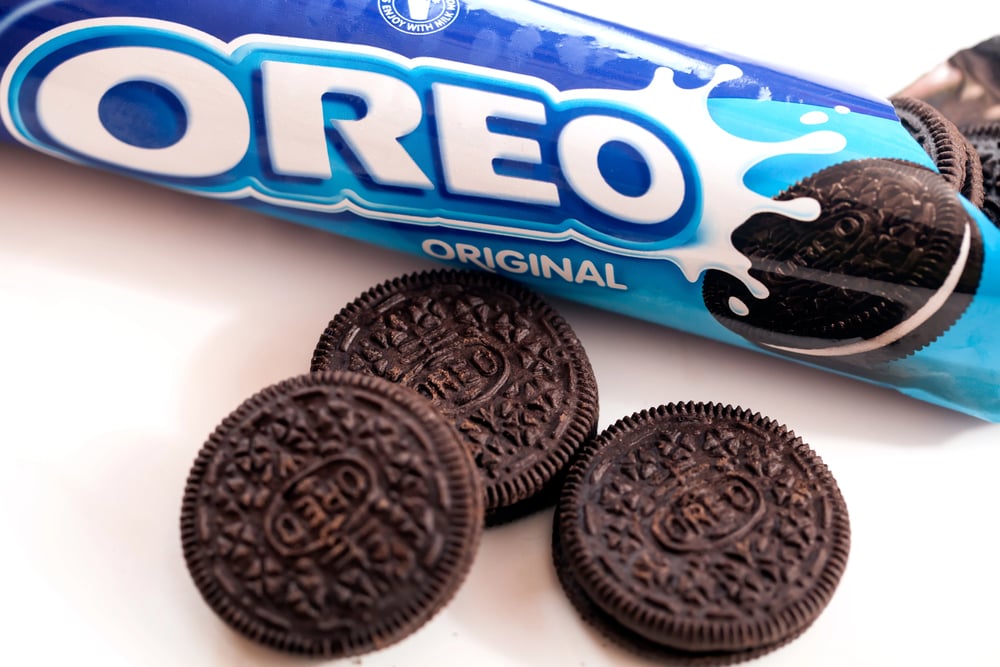
Though still wildly popular, Oreo cookies underwent a formula change in the late 1990s when Nabisco removed lard from the cream filling to make them suitable for vegetarians. Many die-hard fans insist the cookies have never tasted the same since, lacking the rich mouthfeel that made them special.
The recipe change created a rift between new generation fans and traditionalists.
Lance Toastchee Crackers
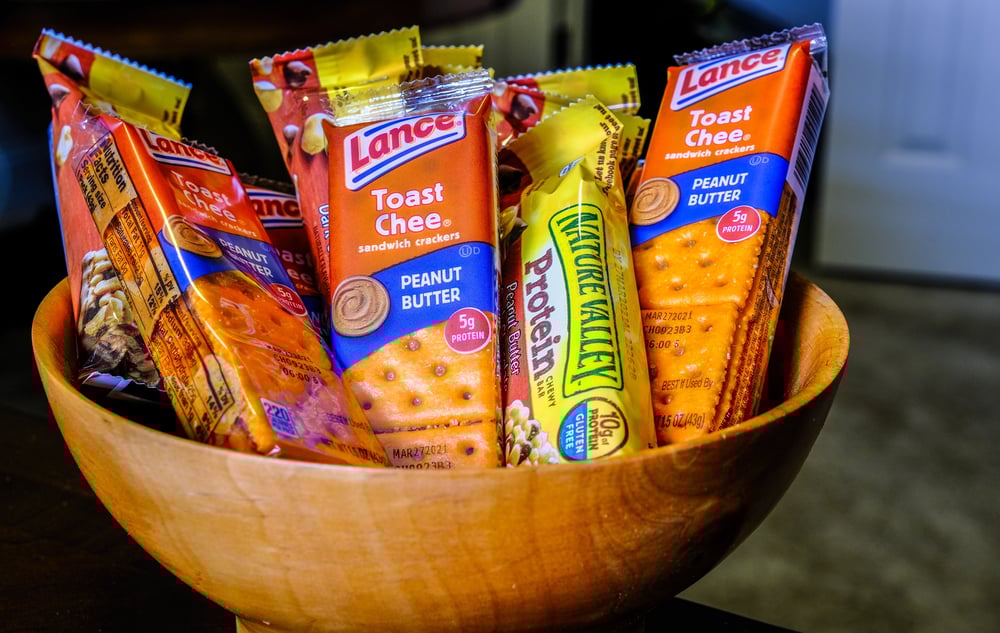
These orange cheese-filled crackers changed their recipe in 2017, resulting in a less cheesy flavor and different texture. Loyal customers who had enjoyed these crackers for lunch boxes and quick snacks for decades complained about the reformulation.
Sales declined as consumers switched to competing brands that more closely resembled the original Toastchee experience.
Butterfinger
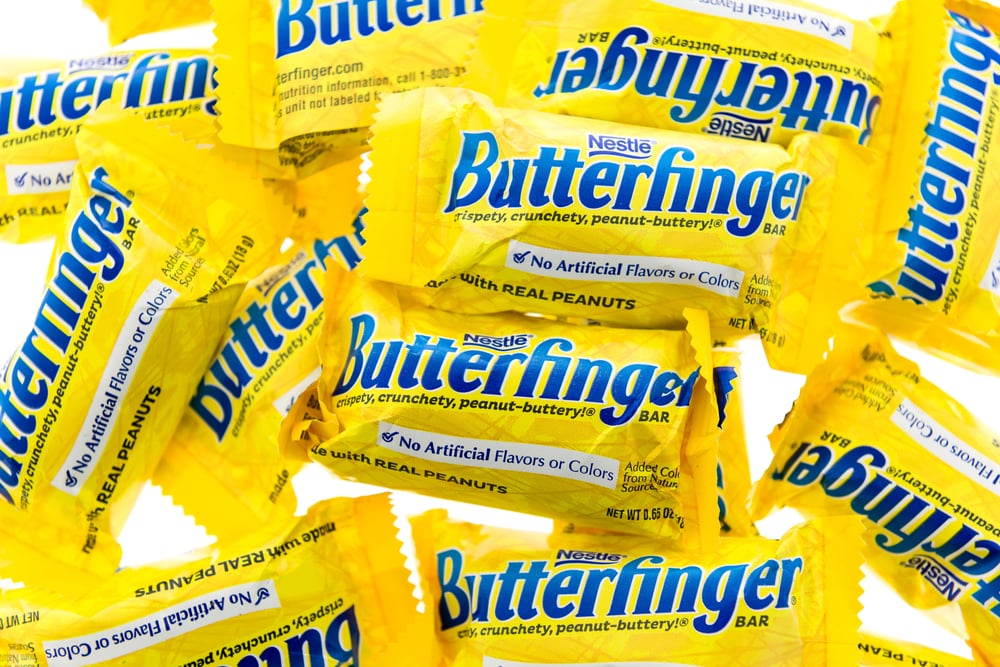
When Ferrero acquired Butterfinger from Nestle in 2018, they announced a recipe overhaul with higher quality ingredients. The new version featured different peanut butter layers and chocolate coating.
Despite promises of improvement, longtime fans rejected the reformulation, saying it lost the distinctive crunch and flavor that made Butterfinger unique among candy bars.
Constant Comment Tea

Bigelow’s signature orange-spice tea underwent a recipe modification that altered its distinctive flavor profile. Loyal tea drinkers who had enjoyed the comforting beverage for years noticed immediately that something was different.
The company received so many complaints that they eventually adjusted the formula again to better match the original taste.
Special K Cereal
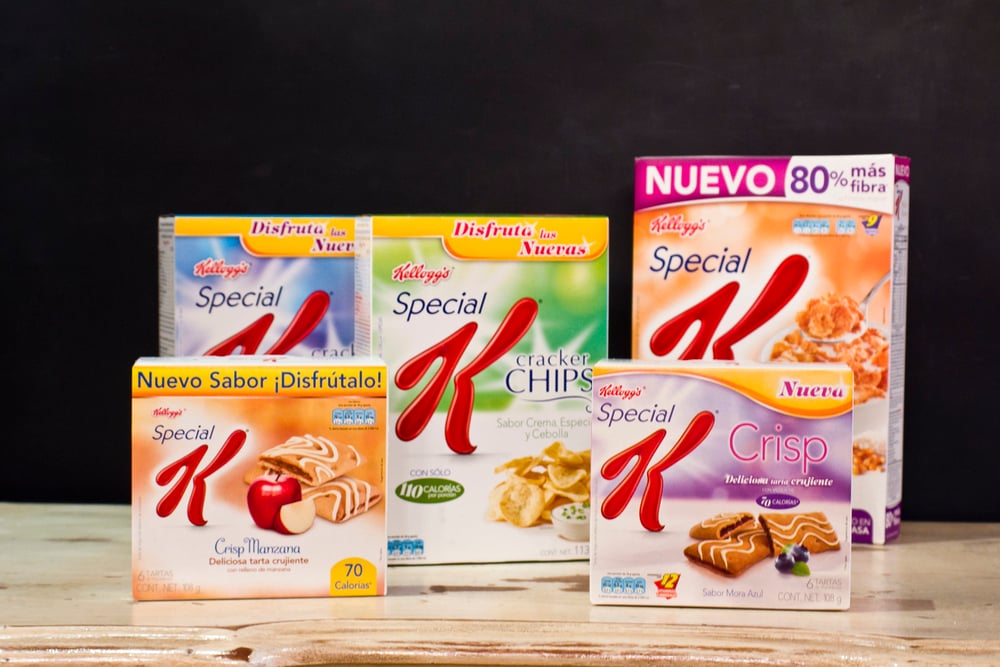
Kellogg’s changed the recipe for Special K in 2010, shifting from rice to a three-grain formula that included wheat and barley. The texture and taste difference was significant enough that loyal customers abandoned the product in droves.
The cereal had built its reputation on a specific light, crispy texture that the new grains fundamentally altered.
Like Go2Tutors’s content? Follow us on MSN.
Ranch Corn Nuts

When Kraft Foods acquired this crunchy snack brand, they modified the recipe and reduced the intensity of the ranch seasoning. Fans who had enjoyed the bold flavor profile were disappointed with the milder taste.
Sales declined significantly as consumers switched to competing brands with stronger flavor profiles.
Coca-Cola Blak
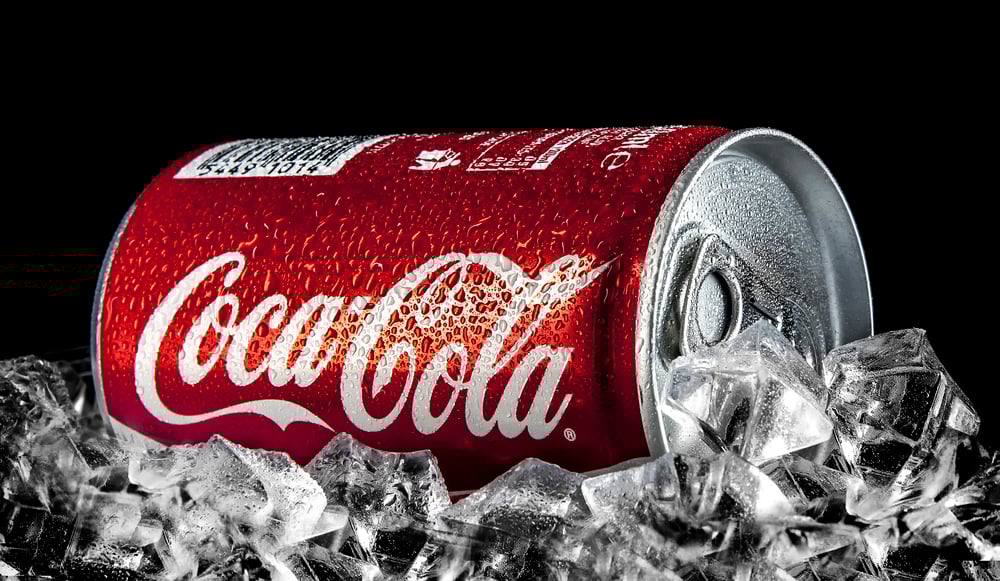
This coffee-infused cola initially gained a small but dedicated following when launched in 2006. However, Coca-Cola changed the sweetener formulation midway through its product life, switching from a blend of high fructose corn syrup and aspartame to cane sugar.
The taste difference was immediately apparent to fans, and the product was discontinued shortly afterward.
Gordon’s Gin

Though not a snack per se, this beverage brand deserves mention for a disastrous recipe change. When Diageo lowered the alcohol content from 40% to 37.5% in 2009 and adjusted the botanical mix, longtime drinkers complained loudly about the altered flavor profile.
The change damaged the brand’s reputation among gin enthusiasts who had appreciated its distinctive juniper-forward character.
Like Go2Tutors’s content? Follow us on MSN.
Boxed Hamburger Helper

General Mills changed several Hamburger Helper formulations in 2013, reducing sodium and modifying seasoning blends. The changes were immediately noticeable to families who had relied on these easy dinner solutions for years.
The different flavor profiles resulted in declining sales as consumers sought alternatives or returned to cooking from scratch.
The Legacy of Failed Reformulations
Food companies continue to walk a dangerous tightrope when modifying beloved products. These cautionary tales demonstrate that consumers form deep emotional connections with favorite snacks and notice even subtle changes.
Modern food brands have learned to test modifications extensively and sometimes even announce changes in advance to prepare loyal customers. The lesson seems clear for food manufacturers: change may be inevitable in business, but tampering with successful recipes carries substantial risk to both brand loyalty and bottom lines.
Sometimes the wisest innovation is knowing exactly when to leave well enough alone.
More from Go2Tutors!

- The Romanov Crown Jewels and Their Tragic Fate
- 13 Historical Mysteries That Science Still Can’t Solve
- Famous Hoaxes That Fooled the World for Years
- 15 Child Stars with Tragic Adult Lives
- 16 Famous Jewelry Pieces in History
Like Go2Tutors’s content? Follow us on MSN.