Places With Names That Mean Something Else
There’s something quietly amusing about standing in a place whose name, translated or traced back to its roots, means something completely different from what you’d expect. Some of the most serious-sounding cities in the world turn out to be named after rivers that meant “muddy water.”
Famous capitals were named for insects, or cheese, or just the word “new town” repeated across a dozen countries. Once you start noticing it, you can’t stop.
Athens Means “Sacred Rock” — Sort Of
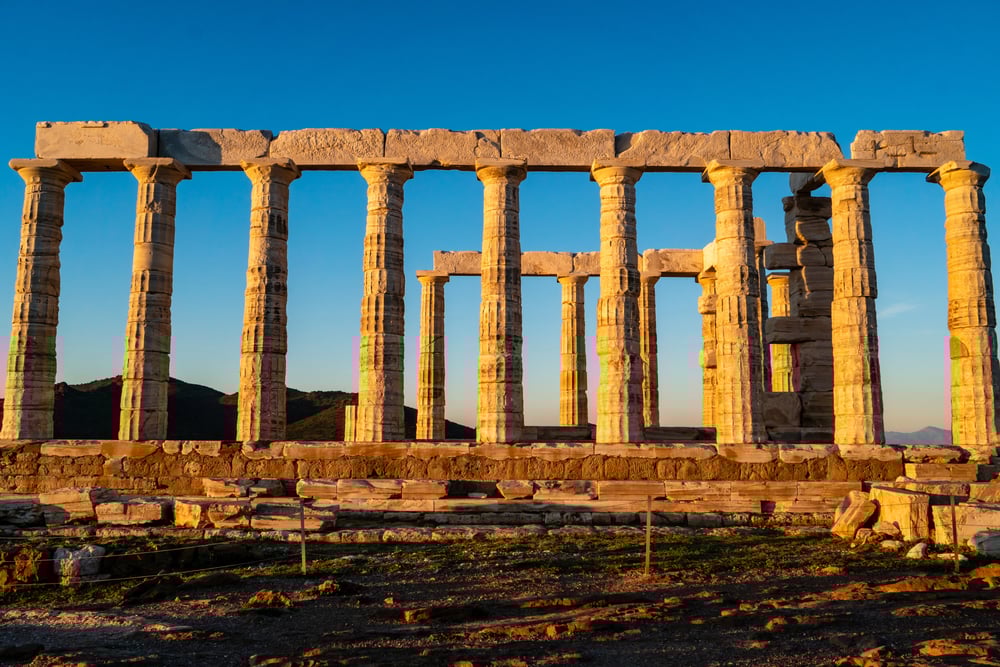
Athens doesn’t actually translate into anything dramatic. The city is named after Athena, the Greek goddess of wisdom, and her name’s exact etymology is still debated by scholars.
But what’s interesting is that the rock itself — the Acropolis — means “high city.” So Athens, spiritually at least, is the city on the high. It’s layered, much like the place itself.
Moscow Comes From a River Nobody Agrees On
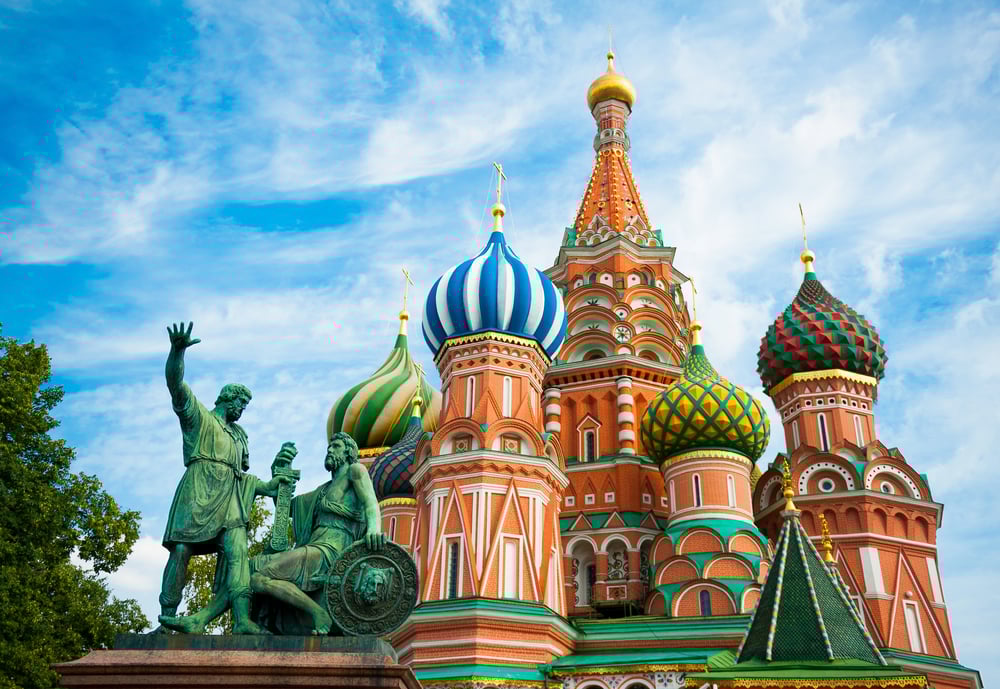
The city takes its name from the Moskva River. And the river’s name? Linguists have been arguing about it for centuries.
One popular theory traces it to a Finno-Ugric root meaning “cow ford” or “turbid” — in other words, murky or unclear water. The capital of one of the largest countries on earth might just be named after a cloudy crossing point for cattle.
Oslo Was Called “The Mouth of the Lo River”

Oslo’s name comes from the Old Norse words ás (a ridge or god) and lo (a meadow or small river). For centuries, the city was actually renamed Christiania after a Danish king who had it rebuilt.
It only went back to Oslo in 1925. So for nearly 300 years, one of the oldest Scandinavian cities was walking around with a borrowed name that meant “Christian’s town.”
Singapore Means “Lion City” — But There Are No Lions There
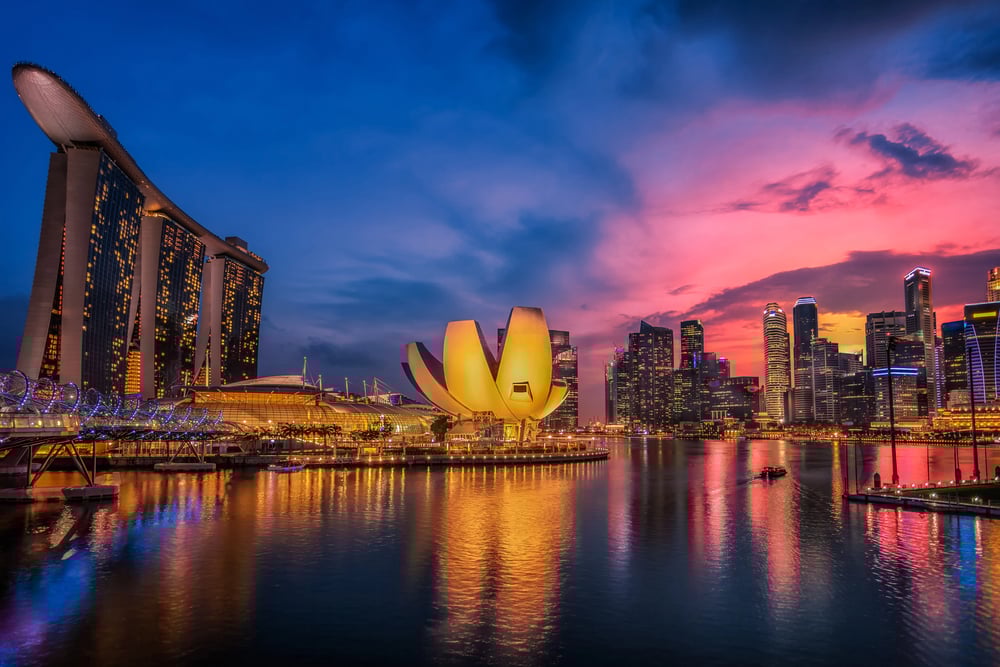
The name comes from Sanskrit: Singa (lion) and Pura (city or fortress). According to Malay legend, a Sumatran prince saw an animal on the island and thought it was a lion.
Historians generally believe it was probably a tiger, which did once roam the region. Tigers are extinct there now. Lions were never there at all. But Lion City stuck.
Buenos Aires Translates to “Good Airs” or “Fair Winds”
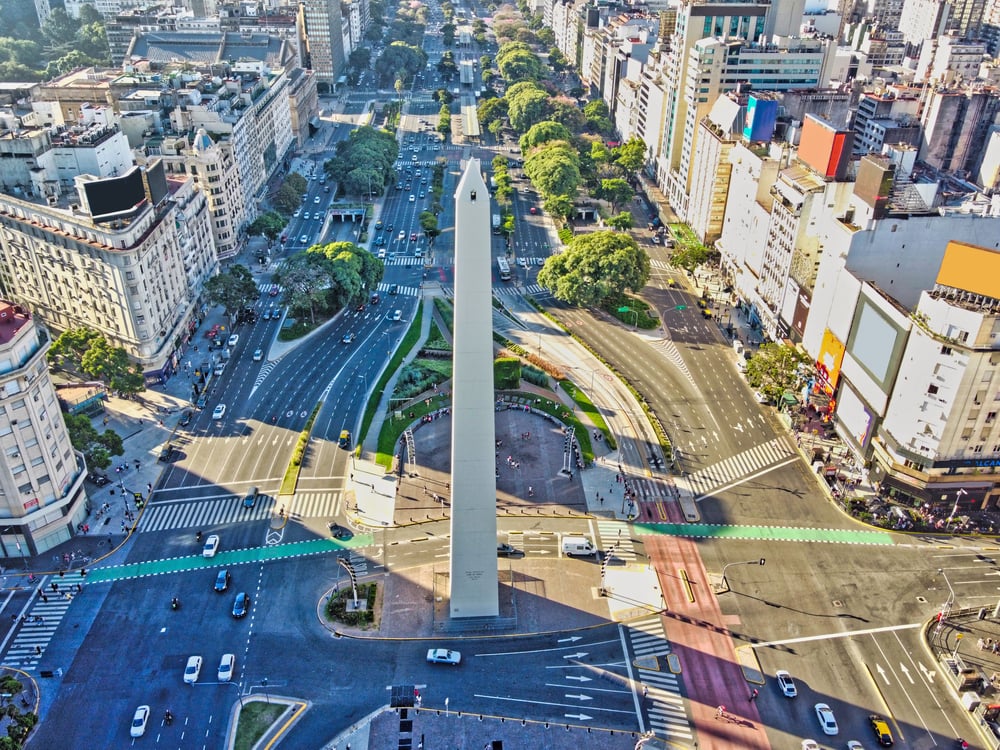
The full original name of Argentina’s capital was Ciudad de la Santísima Trinidad y Puerto de Nuestra Señora de los Buenos Aires — City of the Most Holy Trinity and Port of Our Lady of the Fair Winds. That’s a lot of words for what eventually got shortened to just “good airs.”
The name was a dedication to a Spanish patron saint of sailors, but if you say it to a Spanish speaker today, it sounds like someone describing pleasant weather.
Bangkok’s Real Name Is a Sentence
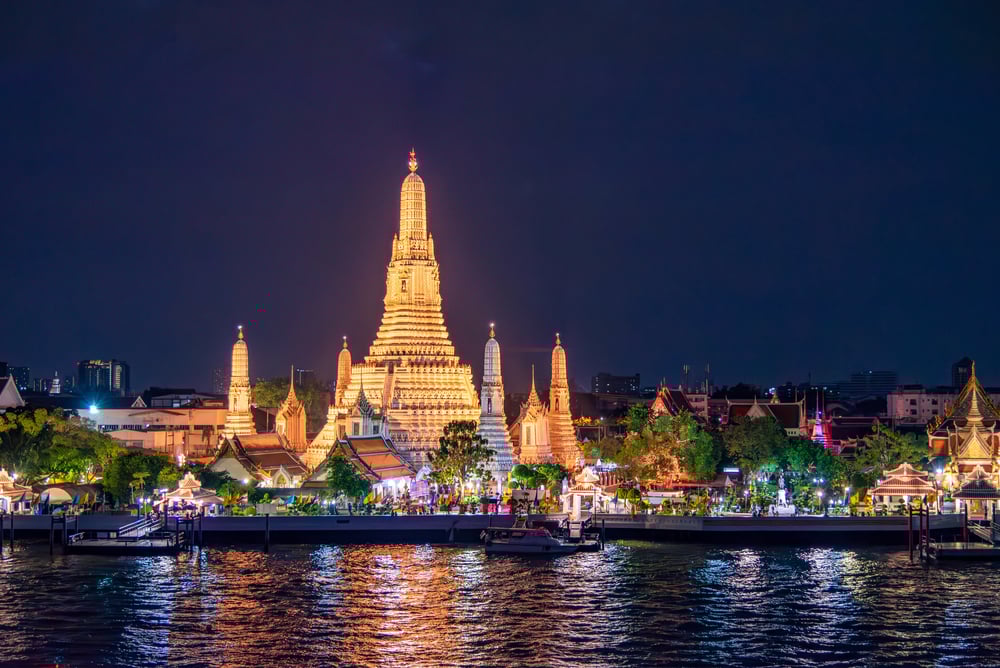
The official ceremonial name of Thailand’s capital is considered one of the longest place names in the world. It runs for nearly 170 characters in Thai and roughly translates to “city of angels, great city of immortals, magnificent city of the nine gems, seat of the king, city of royal palaces, home of gods incarnate, erected by Vishvakarman at Indra’s behest.”
Bangkok is the shortened name foreigners started using, likely derived from Bang Makok, meaning “village of olive plums.”
Yucatan Means “I Don’t Understand You”
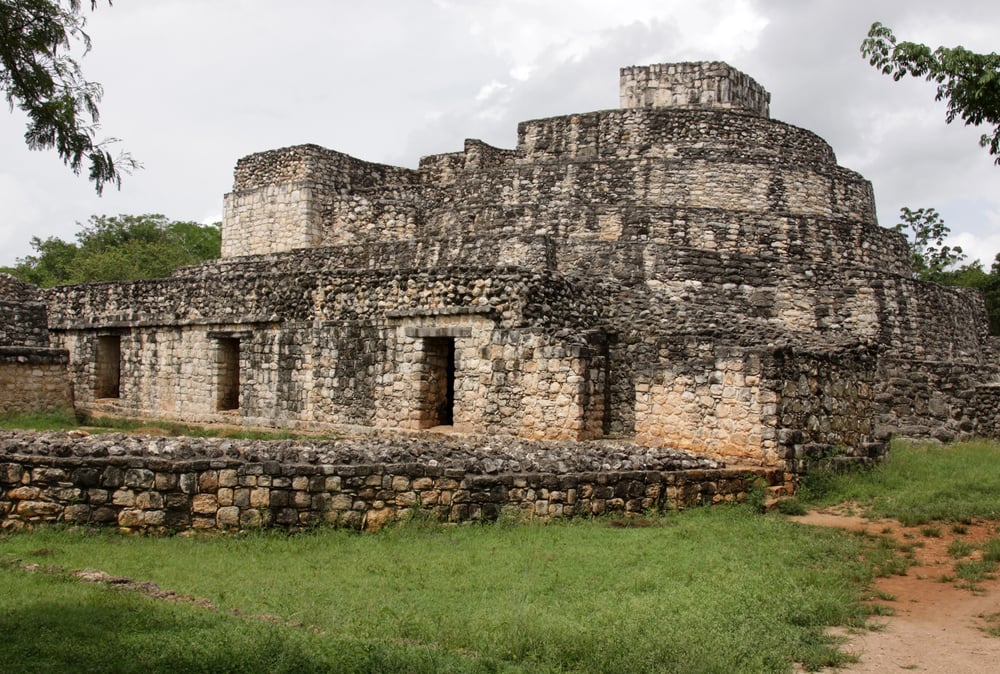
One of the most repeated stories in place-name history — though debated by historians — is that when Spanish explorers arrived on Mexico’s Yucatan Peninsula and asked the local Maya people what the place was called, the Maya replied in their own language, essentially saying “I don’t understand what you’re saying.”
The Spanish wrote it down as the name. Whether it’s entirely true or not, the Yucatan Peninsula has been carrying around a potential language barrier as its official name for five centuries.
Canada Comes From the Word for “Village”
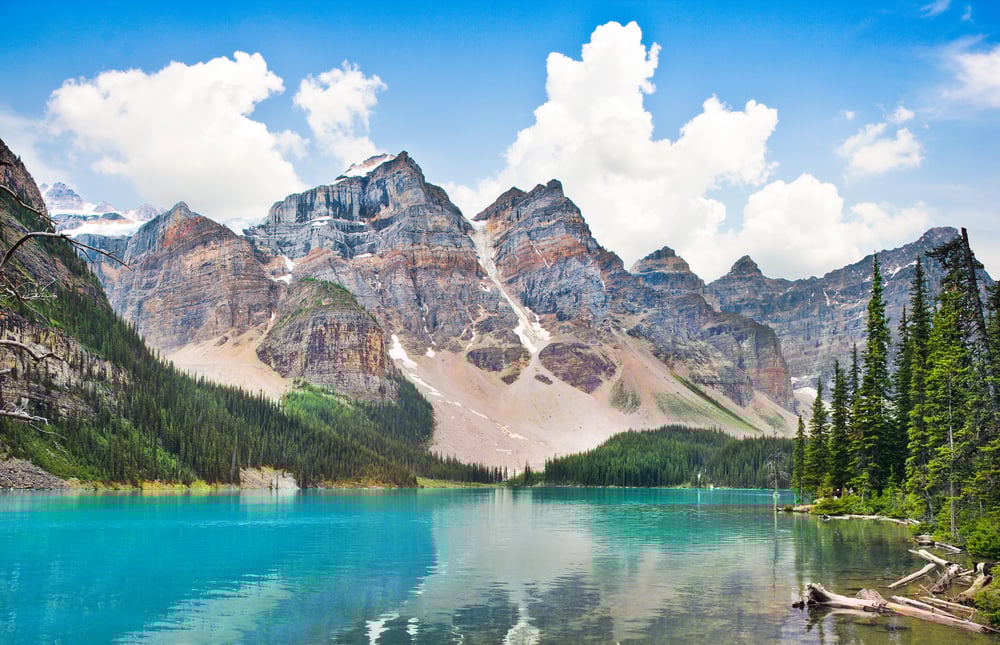
When French explorer Jacques Cartier arrived in the 16th century, local Iroquoian-speaking people used the word kanata to point him toward a nearby settlement. It meant “village” or “settlement.”
Cartier took that to mean the whole territory. An entire country named after the word for a small cluster of houses.
Ireland Means “Land of Ériu” — Who Was a Goddess
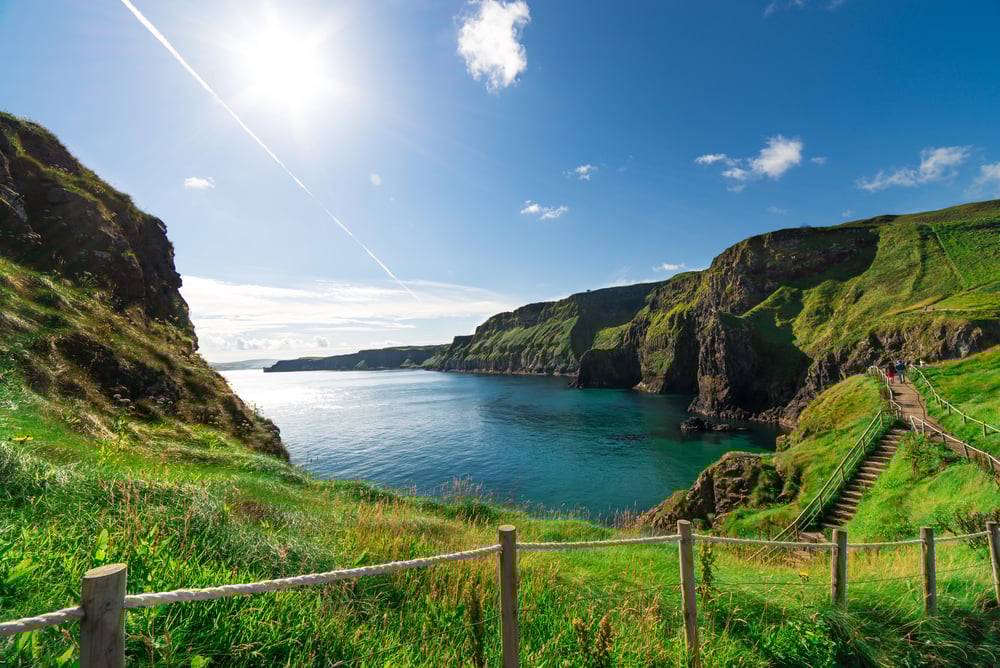
The name Ireland comes from the Irish Éire, which itself comes from an old goddess named Ériu in Celtic mythology. She was one of three sisters who represented the sovereignty of the island.
So Ireland is literally named after a divine personification of itself. The land is named after the spirit of the land. It’s almost circular in a way that feels very Irish.
Sahara Just Means “Desert”
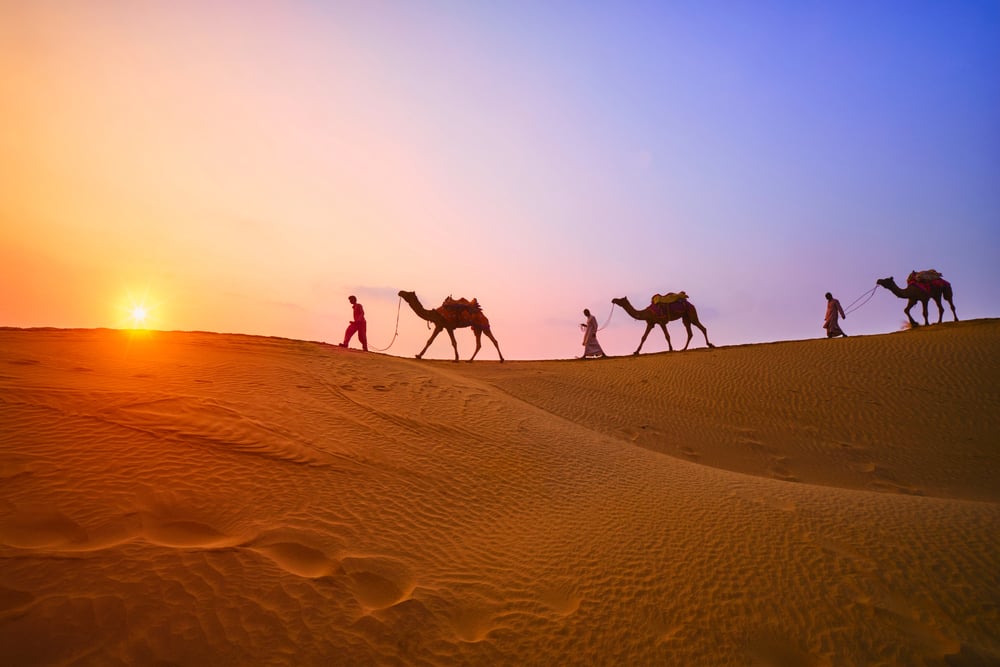
In Arabic, Sahraa means desert. So when people say “the Sahara Desert,” they are technically saying “the Desert Desert.”
This is surprisingly common in geography. The Gobi Desert in Mongolian also roughly means barren place. The Atacama Desert’s name likely traces back to a word meaning something harsh and dry. Many of the world’s great deserts are named, in their original languages, simply: desert.
Ecuador Means “Equator”
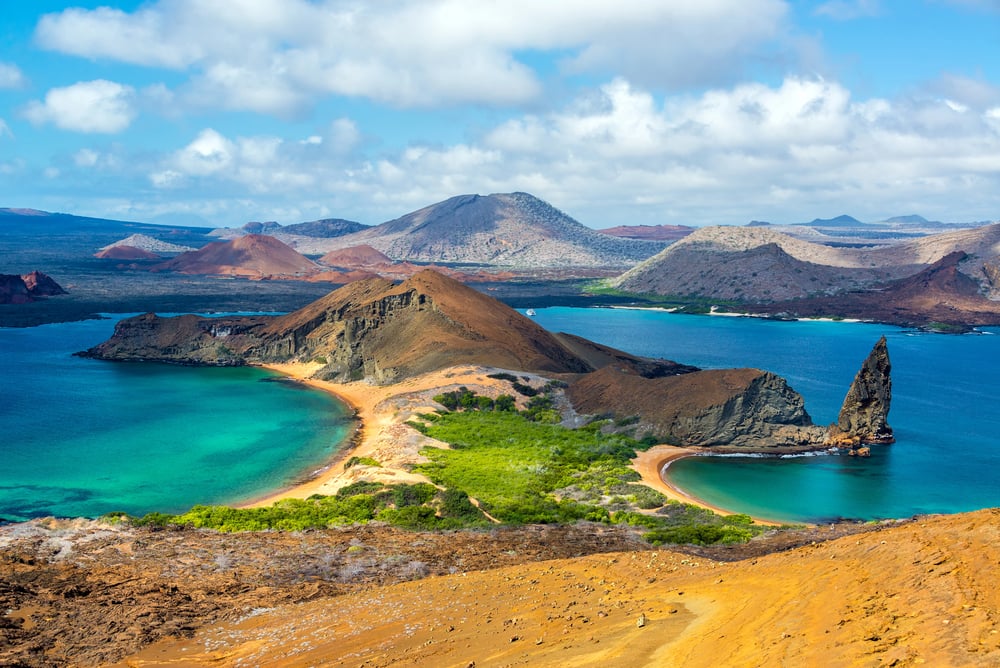
A spot on the planet matches its label perfectly. Yet it feels oddly straightforward – like the choice came from staring at coordinates and settling fast.
Found near the middle line circling the globe, it carries a tag tied to terrain instead of ancestry or myth. Most nations take names from leaders, groups, old tales; this place stands apart. Location alone shaped what people call it now.
Chile’s Name Remains Unknown
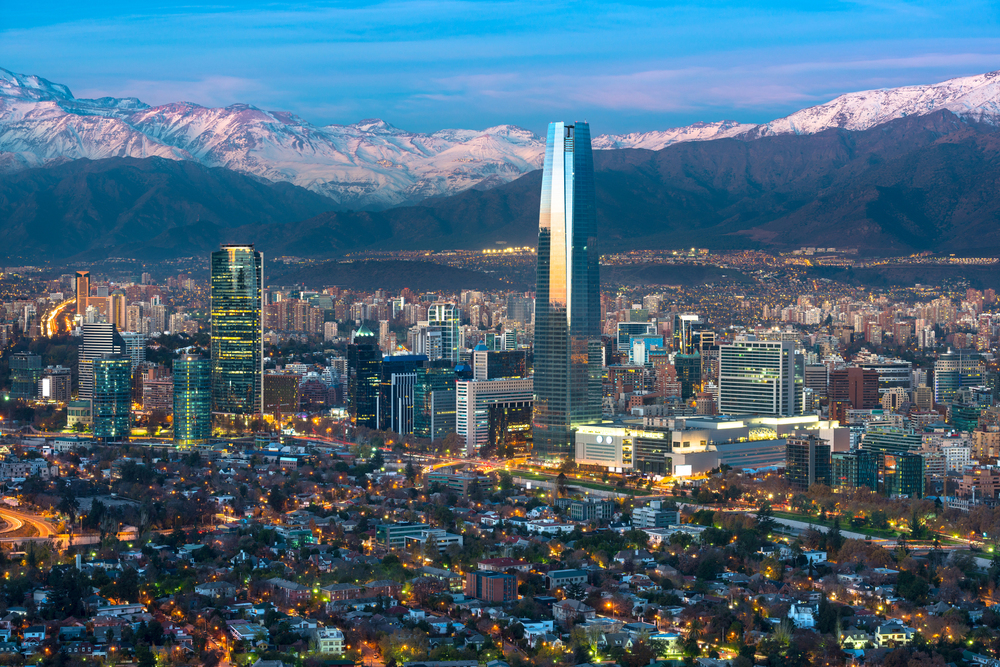
Some think “Chile” started with a Mapuche phrase – describing the place where earth meets sky. Not far off, another guess links it to a Quechua term tied to frost or chill.
A different path? Maybe the cry of a bird shaped how we say it now. Or perhaps some old valley lent its sound to the name without leaving proof. No single idea stands clear above the rest. Long strip of nation, close to twenty million souls, pressed along the rim of South America – yet what lies behind its title stays loose, unclaimed, half-guess.
Pennsylvania Means Penns Woods Named For A Man Who Never Saw It
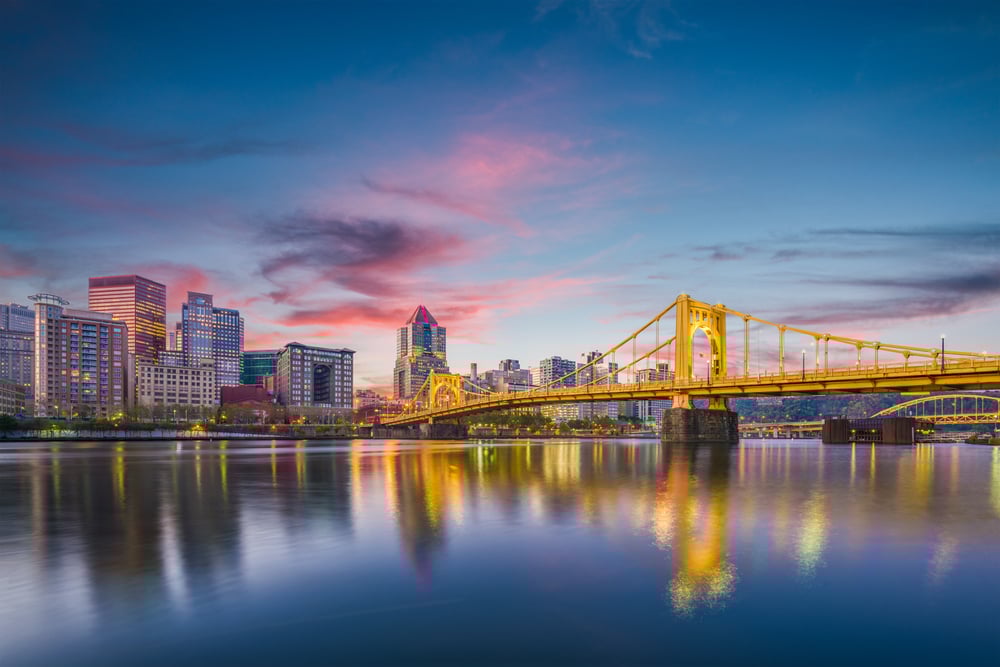
One day in 1681, King Charles II gave land to William Penn. Wanting something quiet, he suggested “Sylvania,” since trees covered the area.
Instead of agreeing, the king slipped in “Penn” to remember the young man’s father, a navy officer long gone. That move made the son uneasy – felt like vanity, even though he’d done nothing to cause it.
Every New City Is Just Admitting It Copied Something
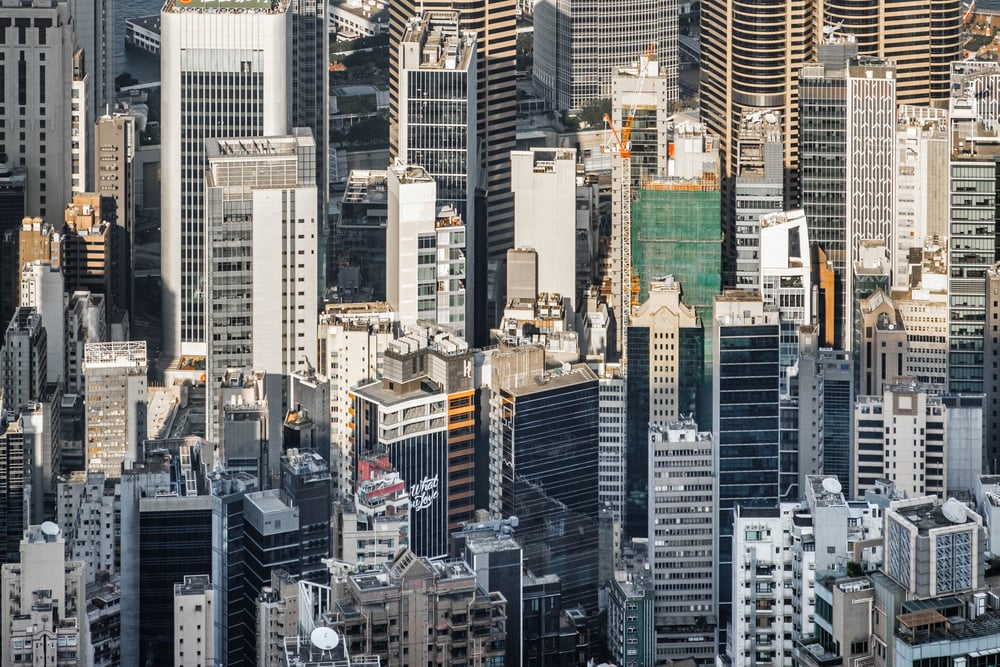
New York, then New Orleans, after that Newcastle, followed by New Delhi – each carries a familiar pattern. One comes next: New South Wales, another Nova Scotia, also Neustadt.
That final name simply translates to “new town” in German, popping up more than 150 times across Germany, sometimes slightly altered. Across the West, maps fill with spots borrowing older names, tacking on “new” like a quick fix. At least it tells you straight what it is.
The Names Keep Talking Whether We Listen Or Not

Names on maps hold lifetimes of speech within their syllables. Out of forgotten prayers, mangled phrases, imposed labels, streams long dried up, creatures imagined rather than seen – these stick.
Speaking “Canada,” “Singapore,” or “Sahara” repeats tales born far off, shaped by tongues foreign to the soil beneath. While earth remains still, words shift like sand across borders.
More from Go2Tutors!

- The Romanov Crown Jewels and Their Tragic Fate
- 13 Historical Mysteries That Science Still Can’t Solve
- Famous Hoaxes That Fooled the World for Years
- 15 Child Stars with Tragic Adult Lives
- 16 Famous Jewelry Pieces in History
Like Go2Tutors’s content? Follow us on MSN.