20 Most Luxurious Cities in the World
When you think about luxury, certain cities instantly come to mind—places where opulence isn’t just a feature, it’s woven into the very fabric of daily life. These urban centers combine world-class dining, exclusive shopping, stunning architecture, and a lifestyle that caters to those who expect nothing but the best.
From the glittering harbor of Monaco to the tech-fueled wealth of Singapore, luxury takes many forms across the globe. Here is a list of 20 cities that define what it means to live luxuriously in today’s world.
Singapore
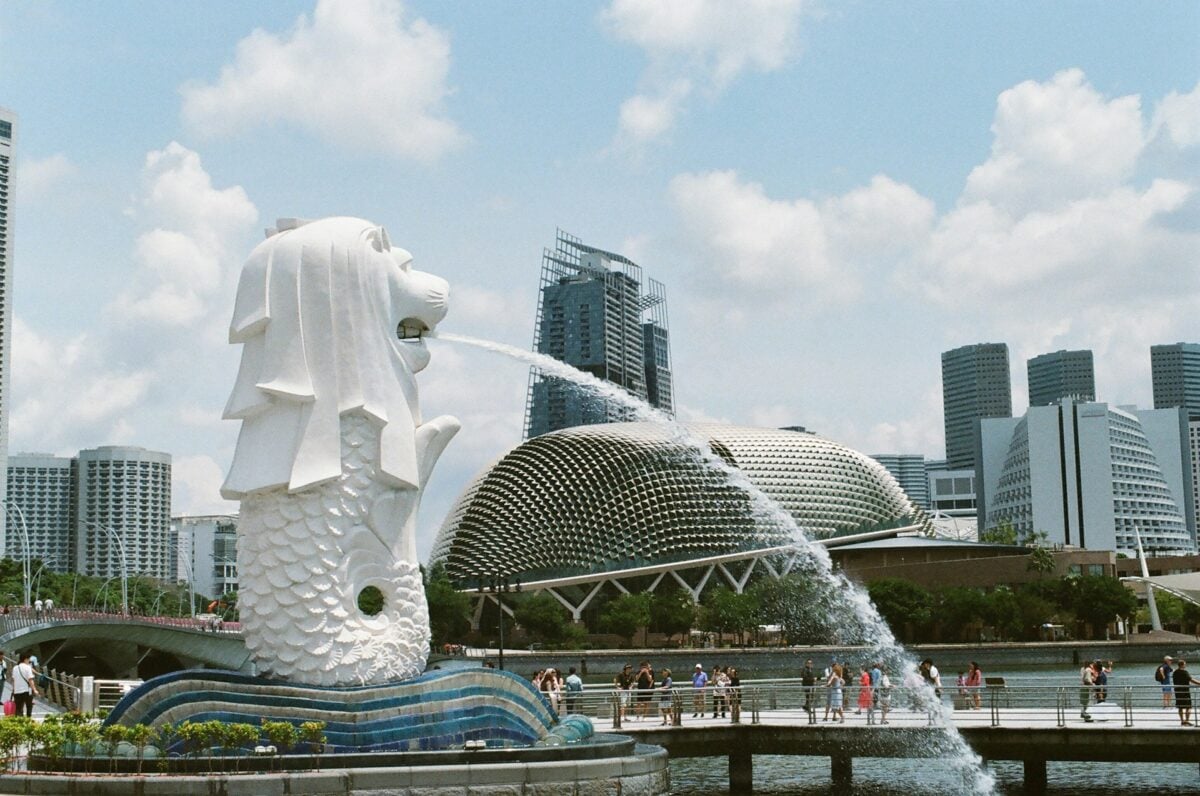
Singapore holds its position as the most expensive city globally for the third consecutive year, and it’s earned that reputation honestly. The Lion City blends impeccable urban planning with a skyline that looks like it was designed by someone from the future.
Known for its cleanliness, safety, and pro-business environment, Singapore attracts high-net-worth individuals through initiatives like the Global Investor Programme. Walk down Orchard Road and you’ll find flagship stores from every luxury brand imaginable, while the Marina Bay Sands complex towers over a waterfront that seems almost too perfect to be real.
The food scene ranges from Michelin-starred restaurants to street hawker stalls that could give fancy establishments a run for their money.
London
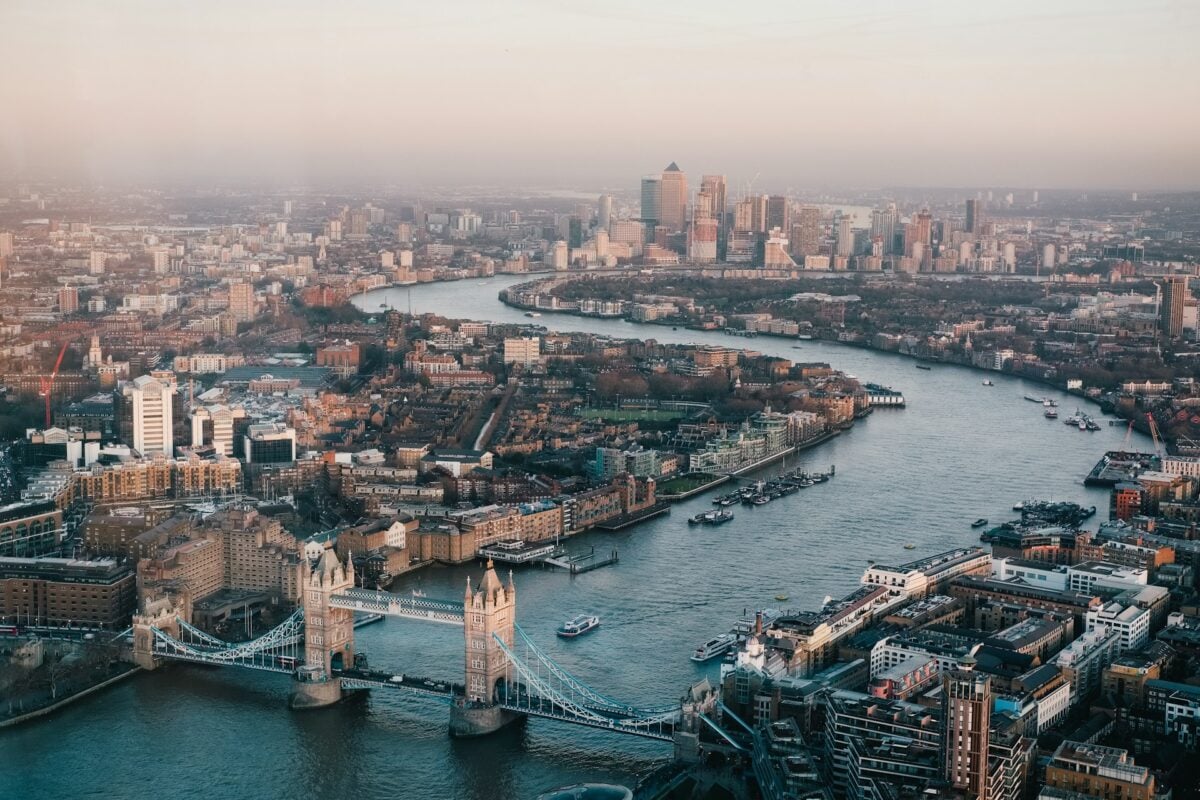
London climbs to second place, reaffirming its status as a global cultural and financial hub, and honestly, it’s hard to imagine a list like this without Britain’s capital. The city manages to be both a historical treasure chest and a cutting-edge financial powerhouse at the same time.
Mayfair and Knightsbridge neighborhoods host some of the world’s priciest real estate, while Bond Street and Savile Row remain synonymous with luxury shopping and bespoke tailoring. Despite tax reforms such as the abolition of non-domiciled residency, London retains its appeal through its vibrant arts scene, historical landmarks, and strong educational institutions.
The West End theatre district, world-class museums, and Michelin-starred restaurants scattered throughout the city ensure that wealth finds plenty of ways to be spent here.
Hong Kong
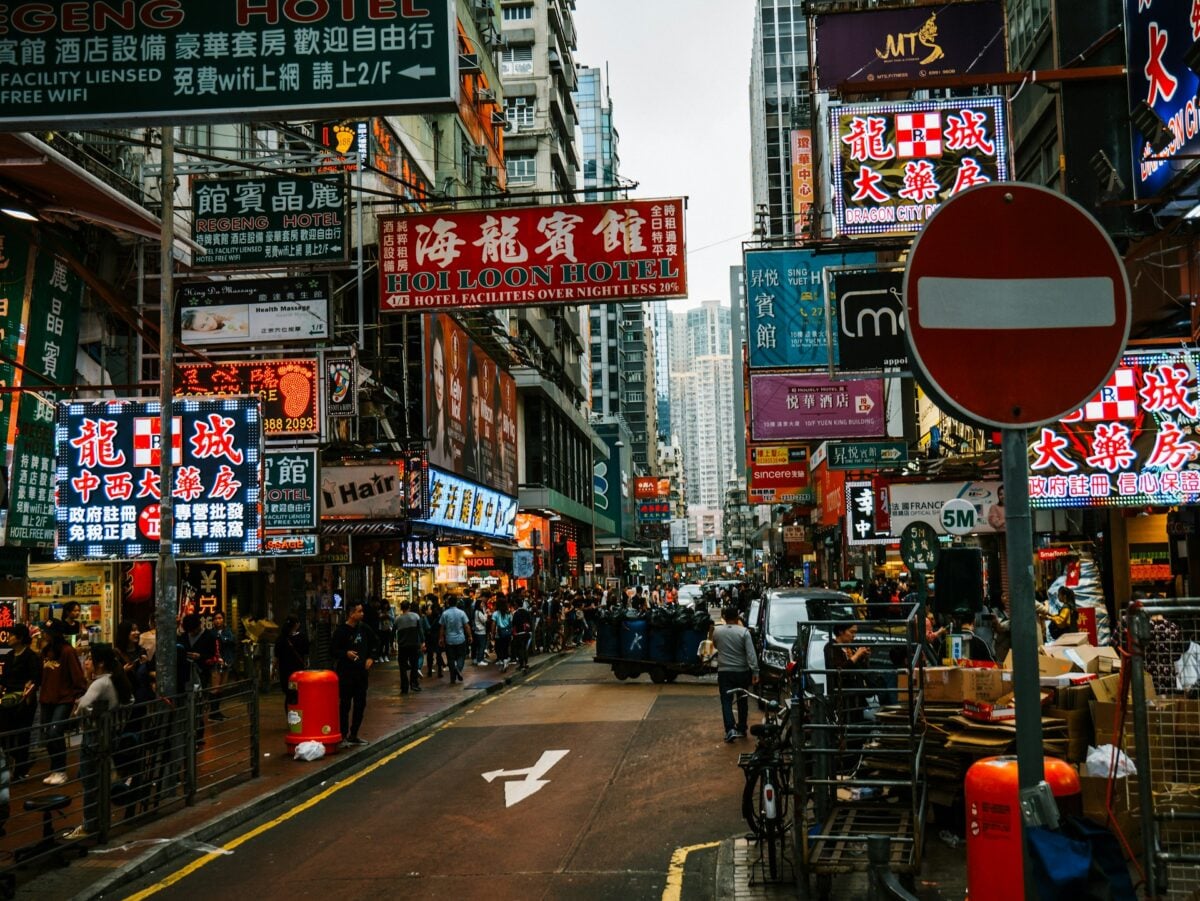
Hong Kong has bounced around the top five most expensive cities since 2021, and there’s a simple reason why—space is at an absolute premium. Hong Kong remains among the most expensive cities globally thanks to its property prices, where apartments can cost more per square foot than almost anywhere else on Earth.
This vertical city stacks luxury on top of itself, with penthouses offering views across Victoria Harbour that justify their astronomical price tags. The city’s position as Asia’s financial center means money flows through here like water, supporting an incredible dining scene that includes dim sum institutions and modern fusion restaurants.
Shopping districts like Central and Causeway Bay feature every high-end brand, while the nightlife in areas like Lan Kwai Fong caters to those with deep pockets.
Tokyo
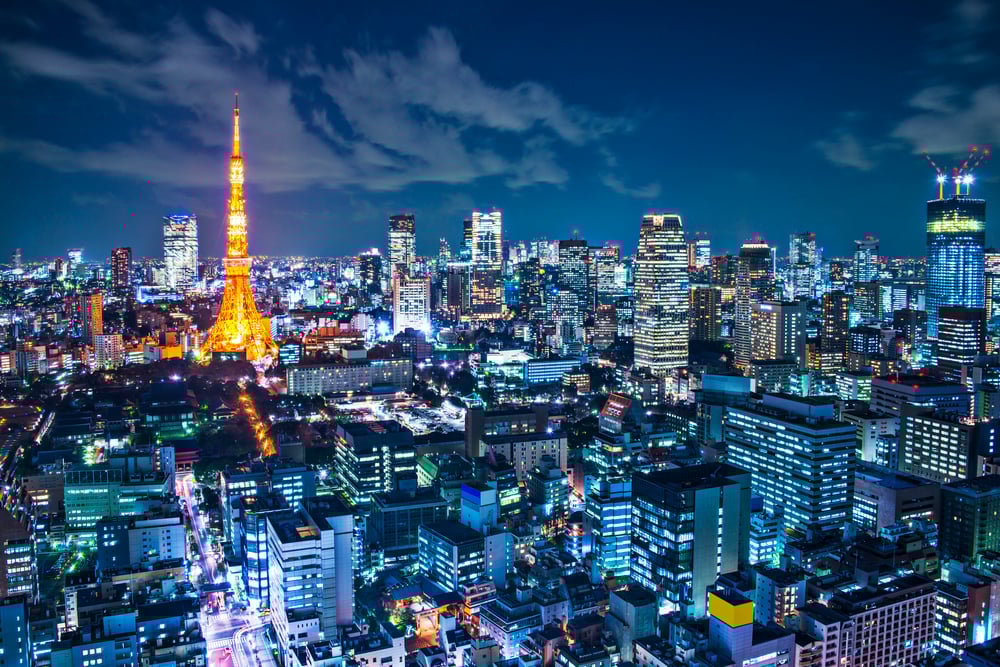
Japan welcomed almost 37 million international arrivals in 2024 and saw monthly highs throughout 2025, with Tokyo serving as the primary destination for many of these luxury travelers. The Japanese capital represents a fascinating blend of ancient tradition and hyper-modern innovation.
Janu Tokyo settled into Azabudai Hills in 2024 with 122 rooms and a 43,000-square-foot wellness center, joining The Tokyo EDITION, Ginza and a swelling roster of luxury flags. Ginza’s shopping district rivals anything you’ll find in Paris or New York, while neighborhoods like Roppongi and Shibuya pulse with energy.
Tokyo boasts more Michelin-starred restaurants than any other city in the world, making it a paradise for anyone who takes food seriously.
New York City
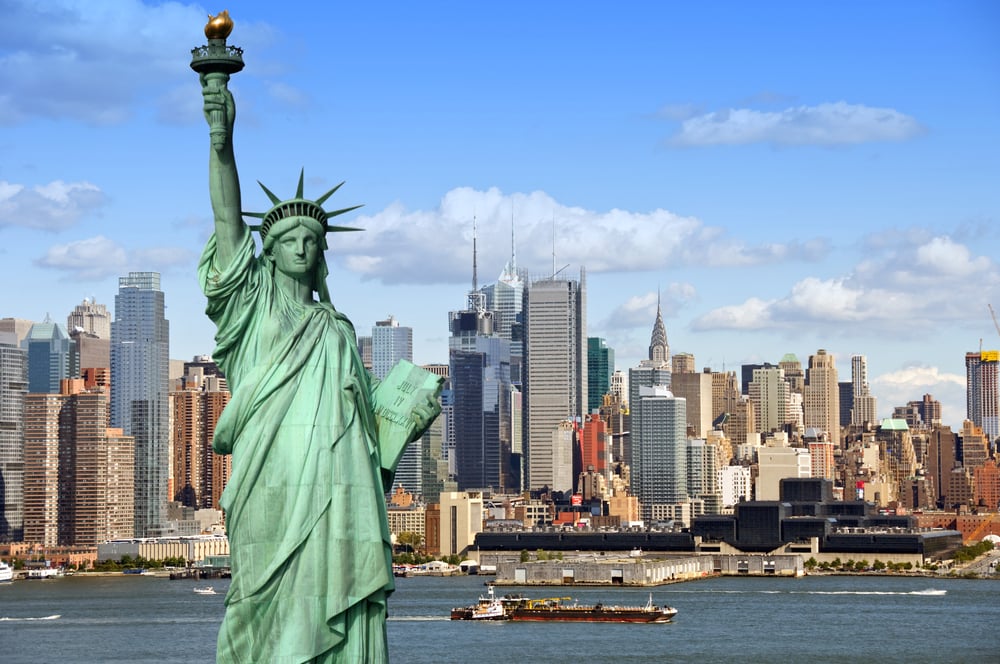
With 384,500 millionaires, 818 centi-millionaires and 66 billionaires, New York is the winner in the list of top 10 wealthiest cities in the world. The Big Apple doesn’t do anything halfway, and luxury is no exception.
Fifth Avenue shopping, Broadway shows, and restaurants where reservations need to be made months in advance define the upper echelons of life here. With an estimated $3 trillion private wealth along with luxurious real estate architecture, NYC ranks top on the list of richest places in the world.
The Plaza Hotel, Central Park penthouses, and townhouses on the Upper East Side represent real estate that trades hands for tens of millions. From the Met Gala to exclusive members-only clubs, New York operates on a level of exclusivity that few cities can match.
Paris

Paris, the city of lights, secures the ninth spot, with hosting the 2024 Olympics propelling its tourism and hospitality sectors. The French capital invented the concept of chic, and it hasn’t let go of that crown.
The city-wide 30 kph speed limit now feels inevitable, with Parisians navigating more than 600 miles of bike lanes as of mid-2025, with cycling rates nearly doubling in two years. The Champs-Élysées, Place Vendôme, and Avenue Montaigne form a golden triangle of luxury retail where flagship stores showcase the best of French fashion.
Hotels like The Ritz Paris and Le Meurice offer accommodations that feel more like palaces than temporary lodging. The city’s commitment to haute cuisine means that even a simple bistro meal can feel like an event worth remembering.
Dubai
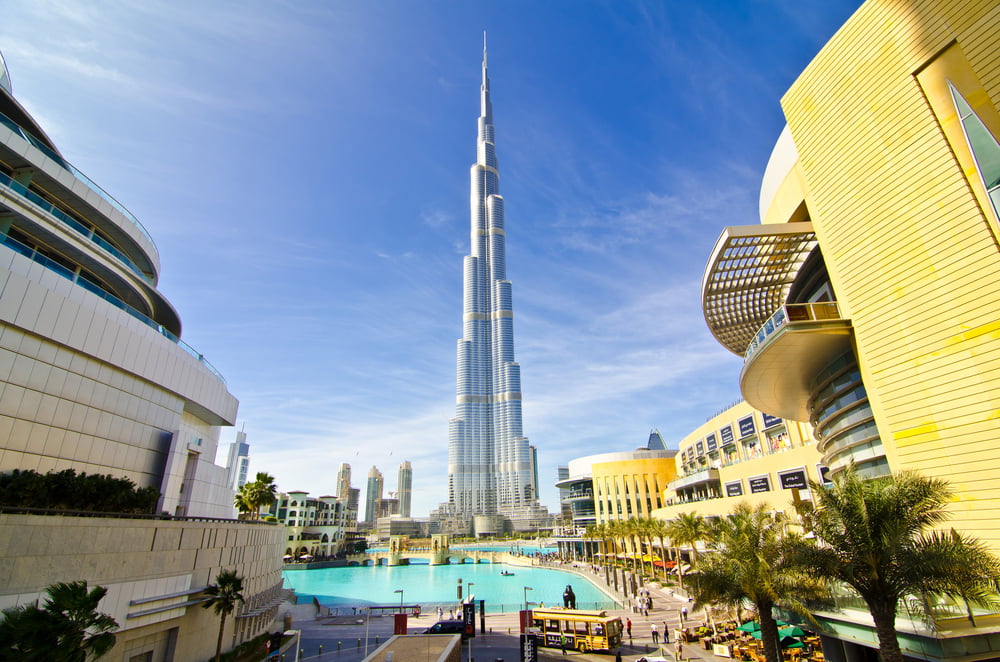
Dubai built itself from desert sands into one of the most extravagant cities on the planet in just a few decades. The Burj Khalifa pierces the sky as the world’s tallest building, while the Palm Jumeirah represents human ambition made real through engineering.
The city’s luxury extends to its world-class hotels, such as the Burj Al Arab, and its renowned shopping destinations like The Dubai Mall. Gold-plated supercars aren’t unusual sights here, and the city’s tax-free status attracts wealthy residents from around the globe.
From indoor ski slopes to underwater restaurants, Dubai specializes in experiences that push the boundaries of what seems possible.
Monaco

The tiny principality, whose 39,000 residents occupy what is described as the safest square mile in Europe, leads the ranking of countries with the highest average wealth per capita—about $2.1 million. This city-state operates on a different financial plane than almost anywhere else.
The principality scrapped income taxes back in 1869, and other tax rates for companies and individuals are exceptionally low. The Monte Carlo Casino represents old-world glamour, while the harbor fills with superyachts that cost more than most people’s neighborhoods.
The Grand Prix de Monaco, a Formula 1 car race held in the streets of Monte Carlo, is one of the principality’s most famous cultural events and attracts thousands of spectators. Real estate here trades at astronomical prices, with penthouses commanding hundreds of millions.
Zurich
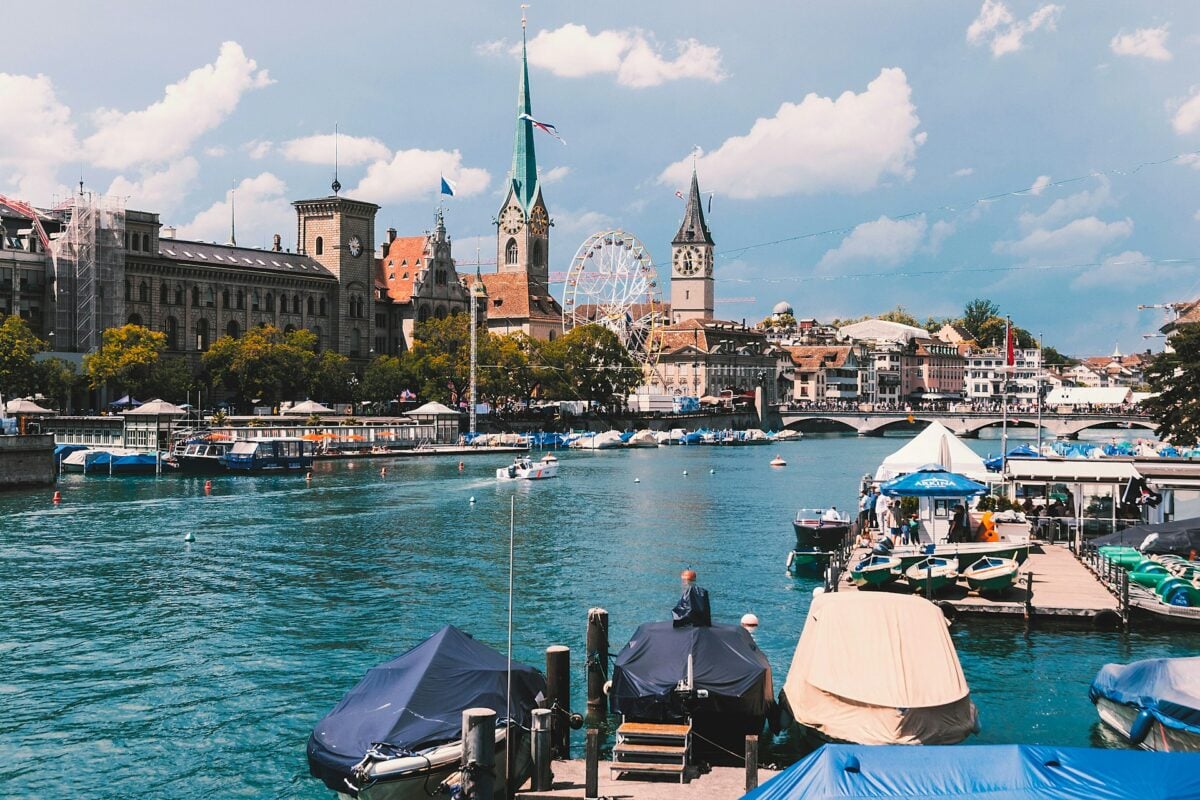
Zurich was found to be home to the 14th most millionaires and billionaires in the world, with 99,300 people in the city said to have wealth of over 1 million US dollars—around a quarter of the total population. Switzerland’s largest city combines financial power with alpine beauty in a way that few places can replicate.
The Swiss banking industry calls this city home, and Bahnhofstrasse ranks among the world’s most exclusive shopping streets. With just over 443,000 residents, Switzerland’s largest city boasts the country’s highest per-capita GDP of 103,000 francs.
The combination of low taxes, political stability, and exceptional quality of life makes Zurich irresistible to the globally wealthy.
Geneva
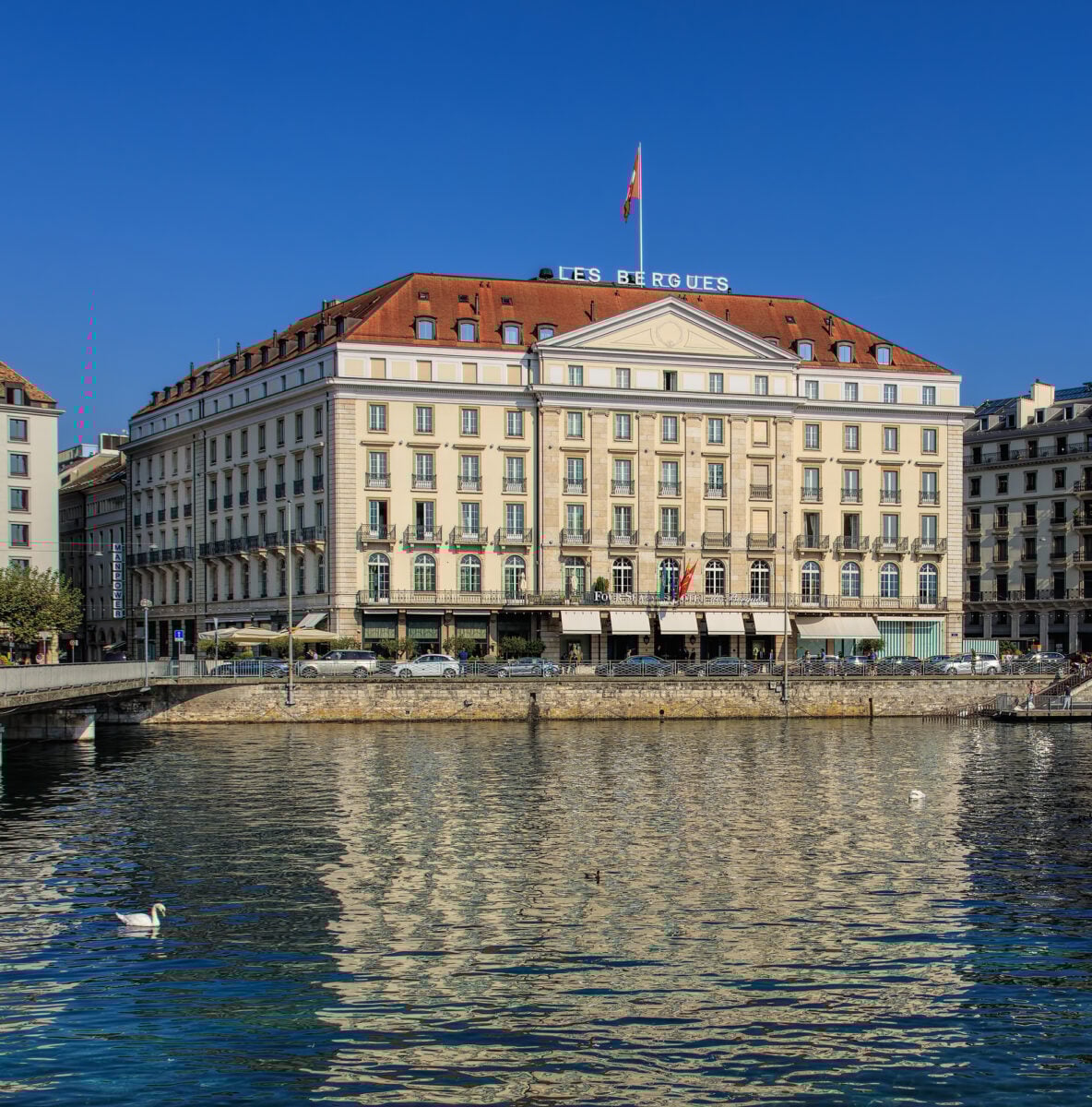
Geneva placed between Paris and Dubai in 19th place, with the city being home to 85,800 million, multi-million or billionaires. This French-speaking Swiss city sits on the shores of Lake Geneva with the Alps providing a dramatic backdrop.
Geneva’s swanky commune of Cologny has the highest property prices in Switzerland—homes there come with a price tag of more than 35,000 Swiss francs per square metre. The city hosts numerous international organizations and serves as a center for private banking.
Luxury watchmakers like Rolex and Patek Philippe call Geneva home, and the city’s boutiques along Rue du Rhône cater to clientele who appreciate the finest things.
Los Angeles

Los Angeles represents American luxury with a distinctly West Coast flavor. Beverly Hills, Bel Air, and Malibu contain some of the most expensive residential real estate in the United States, where estates sprawl across acres and come with price tags in the tens or hundreds of millions.
The entertainment industry pumps enormous wealth through this city, supporting a restaurant scene that rivals any coastal metropolis. Rodeo Drive offers luxury shopping in a setting that feels like a movie set, which is fitting for Hollywood’s hometown.
From exclusive beach clubs to members-only restaurants hidden in unmarked buildings, LA does luxury with a casual confidence that only California can pull off.
Shanghai
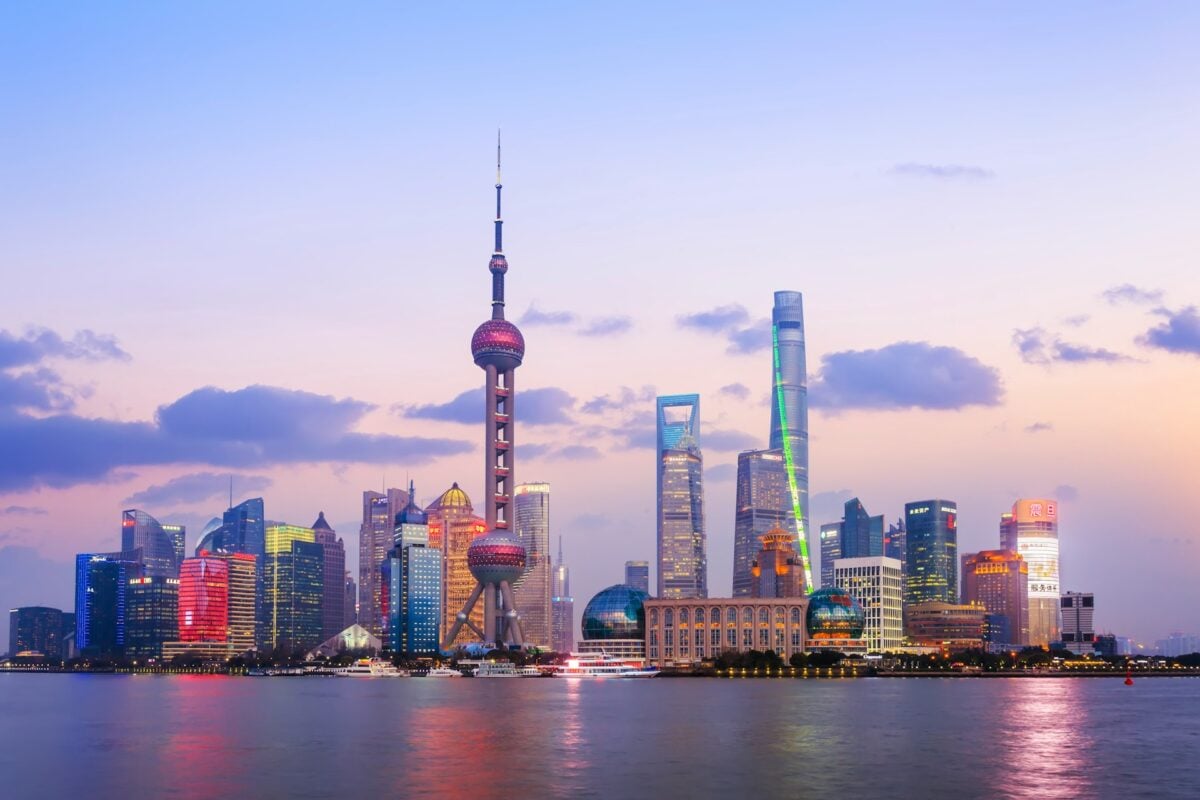
Shanghai ranks in fourth place among the most expensive cities for luxury living, representing China’s economic powerhouse. The Bund waterfront showcases both colonial-era architecture and futuristic skyscrapers across the Huangpu River in Pudong.
Luxury shopping malls like Plaza 66 and IFC Mall host international brands alongside high-end Chinese designers. The city’s dining scene blends traditional Shanghainese cuisine with international fine dining, while neighborhoods like the French Concession offer tree-lined streets with upscale boutiques.
Shanghai’s rapid wealth creation over recent decades has produced a class of affluent residents who demand and receive world-class luxury experiences.
San Francisco Bay Area

The Bay Area secured second spot with the presence of 342,400 millionaires, showing an astonishing 98% growth from 2014 to 2024. Silicon Valley’s tech boom created more millionaires and billionaires than perhaps any other economic phenomenon in recent history.
The region is home to 756 centi-millionaires and 82 billionaires which is 16 more than New York’s billionaire population. While the Bay Area might not have the traditional luxury trappings of older cities, it compensates with cutting-edge innovation and eye-watering real estate prices.
San Francisco proper offers Michelin-starred restaurants and high-end shopping, while Silicon Valley’s wealth fuels a different kind of luxury—one measured in venture capital, tech campuses that resemble resorts, and homes in Palo Alto or Atherton that sell for tens of millions.
Milan

Milan rounds out the list as the tenth most luxurious city, combining cultural heritage with financial significance as a global fashion and design hub. Italy’s financial capital also serves as its fashion capital, with the Quadrilatero della Moda district hosting flagship stores from every major Italian luxury brand.
Milan enjoyed a successful climb to the top, moving up six positions to enter the top 10. The city breathes style, from the Gothic Duomo cathedral to the modern Porta Nuova district.
La Scala opera house represents cultural luxury, while restaurants throughout the city serve cuisine that reminds you why Italian food conquered the world. Milan Fashion Week brings the global elite to town twice yearly, reinforcing the city’s position at the intersection of luxury and style.
Rome

In 2025, the Jubilee placed Rome on center stage, drawing an estimated 35 million pilgrims in addition to the millions of annual tourists already thronging its piazzas. The Eternal City offers luxury wrapped in millennia of history.
Five-star hotels occupy converted palaces, while restaurants serve cuisine that has been perfected over centuries. The extravagantly beautiful Italian capital of Rome is effortlessly stylish, luxurious, and rich in fine art, with the Vatican and the astonishingly vast St. Peter’s Basilica alongside Michelangelo’s ravishingly beautiful ceiling in the exquisite Sistine Chapel.
Shopping streets like Via Condotti feature Italian luxury brands in settings that feel like open-air museums. Rome proves that luxury doesn’t always mean modern—sometimes it means sipping wine at a café table while surrounded by architecture that predates most nations.
Barcelona

Barcelona oozes style and is easily one of the most luxurious cities in the world. The Catalan capital sits on the Mediterranean coast, offering beaches within city limits alongside architectural masterpieces by Gaudí.
Passeig de Gràcia hosts luxury boutiques in buildings that are themselves works of art. The city’s restaurant scene includes numerous Michelin-starred establishments, while neighborhoods like Eixample and Sant Gervasi contain elegant apartments and mansions.
Barcelona manages to feel both relaxed and sophisticated, a combination that Mediterranean cities seem to master better than anywhere else. The city’s cultural offerings, from world-class museums to cutting-edge contemporary art galleries, provide luxury for the mind as well as the wallet.
São Paulo
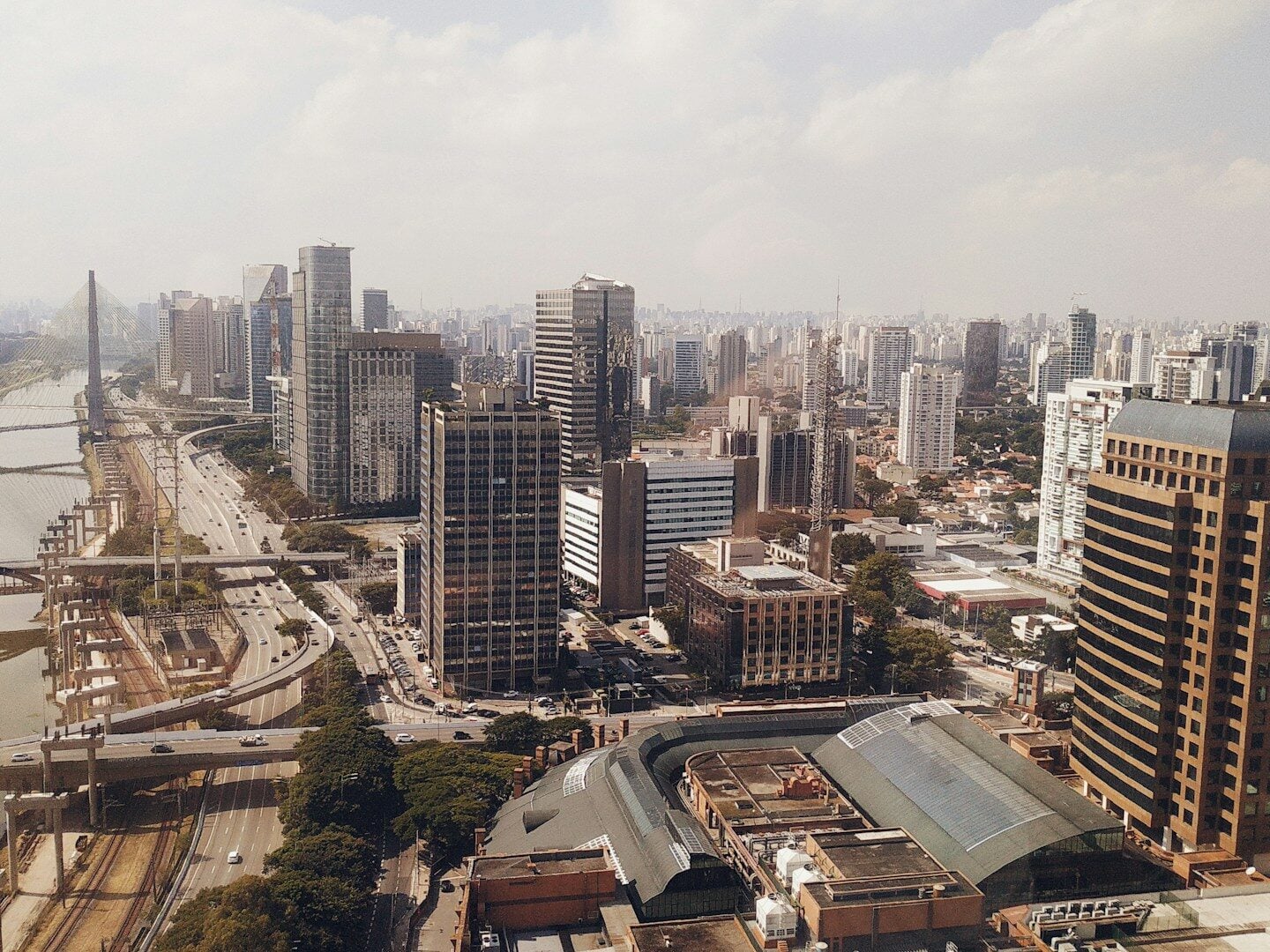
São Paulo continues to grow in popularity with high net worth individuals thanks to its luxury real estate and acting as an innovation hub for startups. Brazil’s largest city might surprise some as a luxury destination, but it represents South American wealth on a massive scale.
Estimates reveal that double the ultra-high net worth individuals reside in São Paulo compared with Rio de Janeiro. Neighborhoods like Jardins and Vila Nova Conceição feature high-end shopping and dining that rivals any global city.
The city’s art scene flourishes with galleries and museums, while its restaurant culture blends traditional Brazilian cuisine with international influences. São Paulo’s luxury lies partly in its energy—a city that never stops moving and constantly reinvents itself.
Tel Aviv

Israel’s coastal city of Tel Aviv features the most cutting-edge restaurants in Israel, as well as a host of independent designers and some of the country’s finest galleries. This Mediterranean city pulses with entrepreneurial energy, earning its nickname as the “startup nation’s” cultural capital.
The White City represents one of the finest examples of Bauhaus architecture in the world, while Old Jaffa dates back to the times of the Old Testament. Luxury here takes a distinctly Israeli form—beach clubs along the coast, rooftop bars with sunset views, and restaurants that push culinary boundaries.
The city’s tech wealth has created a young, affluent population that demands quality experiences, from boutique hotels to farm-to-table dining.
Cape Town

With its stretch of sun-kissed beaches, string of gastronomic delights and wonderfully vibrant cosmopolitan culture, Cape Town has truly cemented itself as one of the most luxurious cities. South Africa’s coastal gem sits beneath Table Mountain, offering natural beauty that money simply can’t buy elsewhere.
The city is only a short drive from the infamous valleys of Stellenbosch, Franschhoek and Paarl, collectively known as the world-class Cape Winelands. Luxury lodges and boutique hotels dot the landscape, while the Victoria & Alfred Waterfront offers upscale shopping and dining with harbor views.
The nearby winelands produce world-class vintages, and the city’s restaurant scene has gained international recognition. Cape Town proves that luxury doesn’t always mean dense urban environments—sometimes it means space, nature, and wine.
Rio de Janeiro
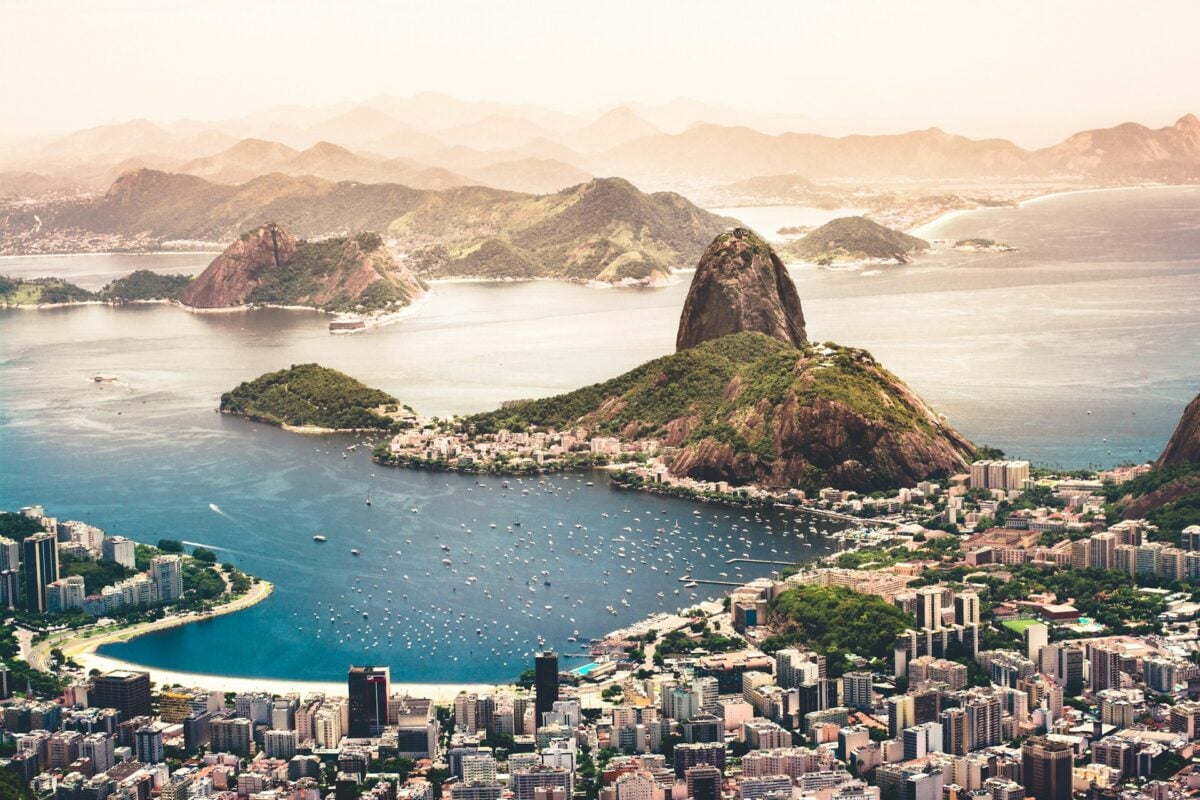
Defined by its colourful streets, fun-loving locals and world-famous beaches, there is no seaside city quite like Rio de Janeiro. The Brazilian city wraps luxury around natural wonders—sugar-loaf mountains, tropical forests, and beaches that seem designed for postcards.
The city is one of the most vibrant and spirited cities in the world, with music and dance as the heartbeat of the city. Luxury hotels like the Copacabana Palace have hosted celebrities and royalty for nearly a century.
Neighborhoods like Leblon and Ipanema feature high-end boutiques and restaurants where the dress code leans toward beachwear, even at upscale establishments. Rio demonstrates that luxury can coexist with a laid-back beach culture—you just need the right setting.
The Evolution Continues

Luxury cities aren’t static monuments to wealth—they’re living organisms that adapt and evolve. What made a city luxurious fifty years ago differs dramatically from today’s definitions, where sustainability, technology integration, and quality of life increasingly matter as much as traditional markers like shopping and dining.
Cities once dominated by old money now compete with tech hubs where fortunes are made overnight, while emerging markets create new luxury destinations that previous generations never considered. The common thread remains constant—these cities offer experiences and lifestyles that exist nowhere else, justifying their premium prices through a combination of exclusivity, quality, and that indefinable element that makes certain places simply feel special.
More from Go2Tutors!

- The Romanov Crown Jewels and Their Tragic Fate
- 13 Historical Mysteries That Science Still Can’t Solve
- Famous Hoaxes That Fooled the World for Years
- 15 Child Stars with Tragic Adult Lives
- 16 Famous Jewelry Pieces in History
Like Go2Tutors’s content? Follow us on MSN.