15 Symbols That Have Completely Changed Meaning Over Time
Symbols surround us in everyday life, silently communicating messages through images rather than words. What many people don’t realize is that these visual shorthand markers often have origins and meanings vastly different from how we interpret them today.
The evolution of symbols reflects changing cultural values, historical events, and societal shifts that transform seemingly fixed images into vessels of entirely new significance. Here is a list of 15 symbols whose meanings have dramatically transformed throughout history, sometimes becoming the exact opposite of their original intent.
Swastika
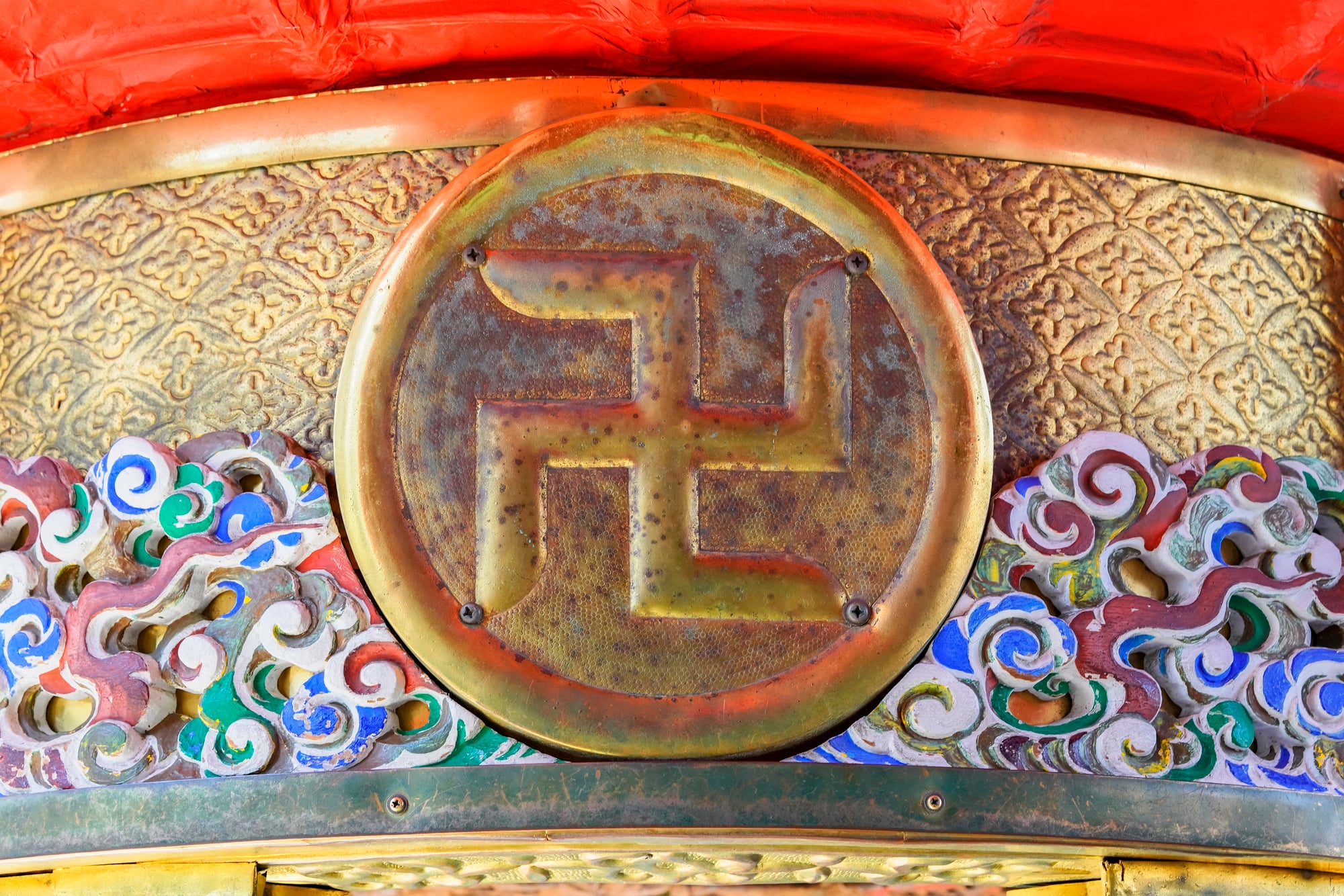
Before the 1930s, the swastika represented good fortune and well-being across numerous ancient cultures. Sanskrit, for ‘conducive to well-being,’ has been a symbol in Buddhist, Hindu, and Jain traditions for thousands of years as a positive mark.
Hitler’s appropriation permanently transformed it into a symbol of hatred and genocide, overshadowing nearly 5,000 years of benevolent meaning.
Peace Sign
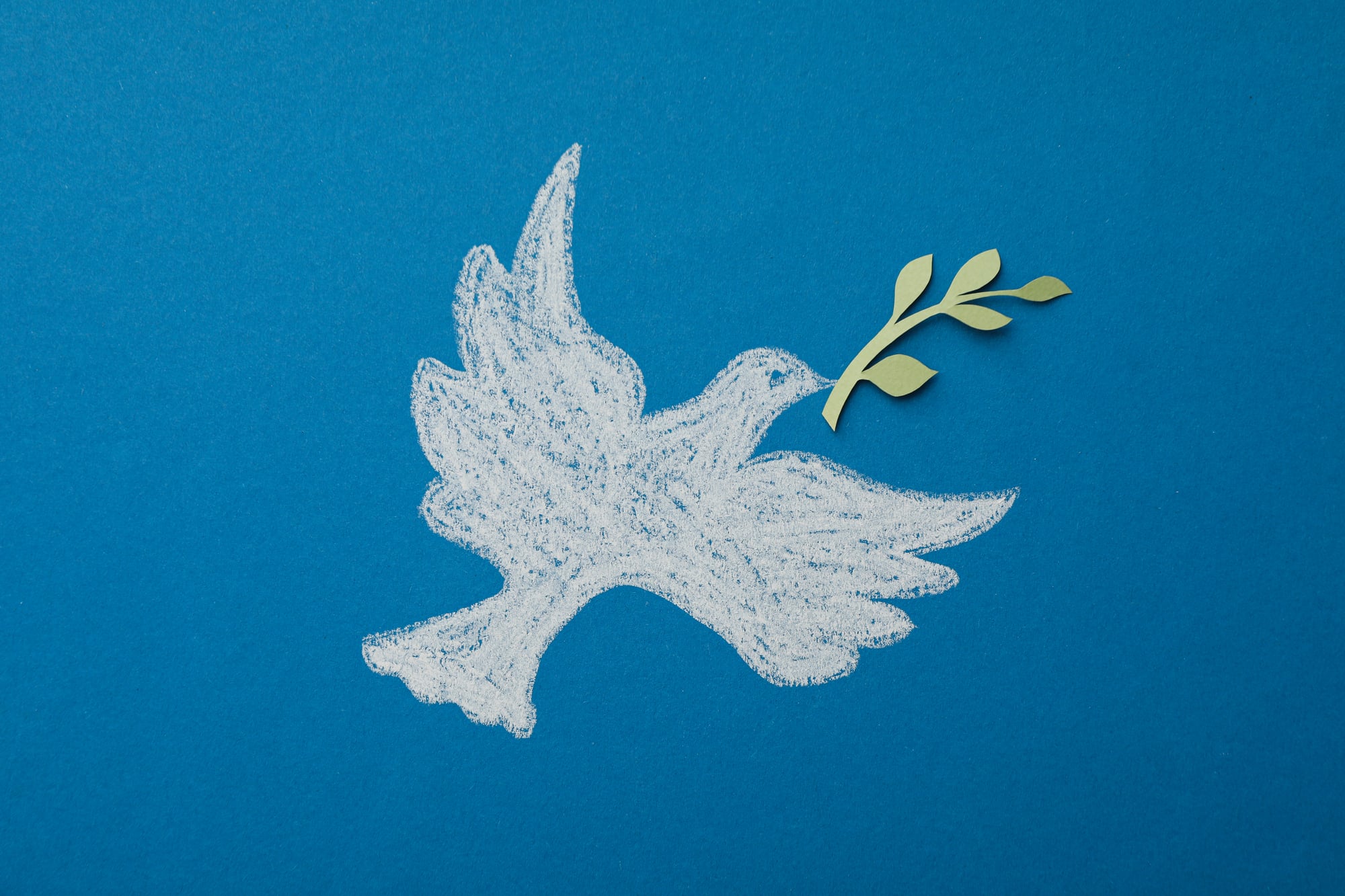
Originally designed in 1958 as the logo for the British Campaign for Nuclear Disarmament, the peace sign combined the semaphore signals for ‘N’ and ‘D’ (Nuclear Disarmament). Creator Gerald Holtom described the central mark as representing a human being in despair with arms outstretched downward.
Today it’s universally recognized as representing peace broadly, disconnected from its specific anti-nuclear origins.
Thumbs Up

Ancient Romans would actually use the thumbs-up gesture to condemn gladiators to death, not to spare them, as popular movies suggest. The signal meant ‘sword up’ (execute), while a hidden thumb meant ‘sword down’ (spare).
Modern interpretation completely flipped its meaning, indicating approval, agreement, or positive sentiment across most cultures.
Heart Symbol

The familiar heart shape bears little resemblance to the actual human heart and likely originated from depictions of ivy leaves, fig leaves, or seedpods from the now-extinct silphium plant used in ancient birth control. Medieval artists popularized the shape in religious iconography to represent divine love.
Today it symbolizes romantic love, affection, and Valentine’s Day sentimentality, completely divorced from its botanical beginnings.
Skull and Crossbones
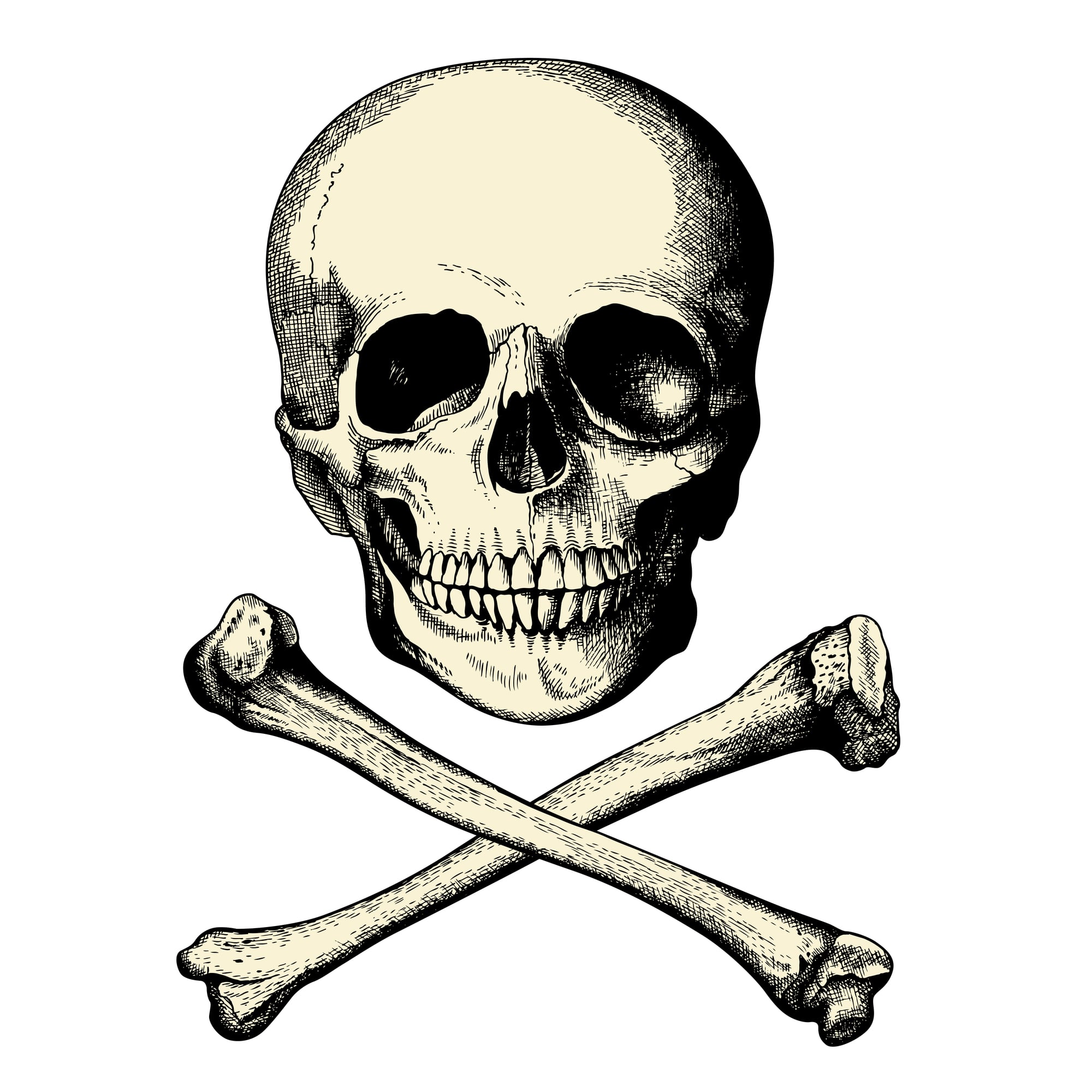
Pirates didn’t invent this morbid symbol; it first appeared on medieval tombstones and church memento mori art reminding viewers of mortality. Later, it became a universal warning for poison on household products.
Pirates adopted it as the ‘Jolly Roger’ to intimidate potential victims. Still, today, it appears on children’s toys, fashion items, and even cartoon characters as a somewhat playful symbol of rebellion.
Five-Pointed Star
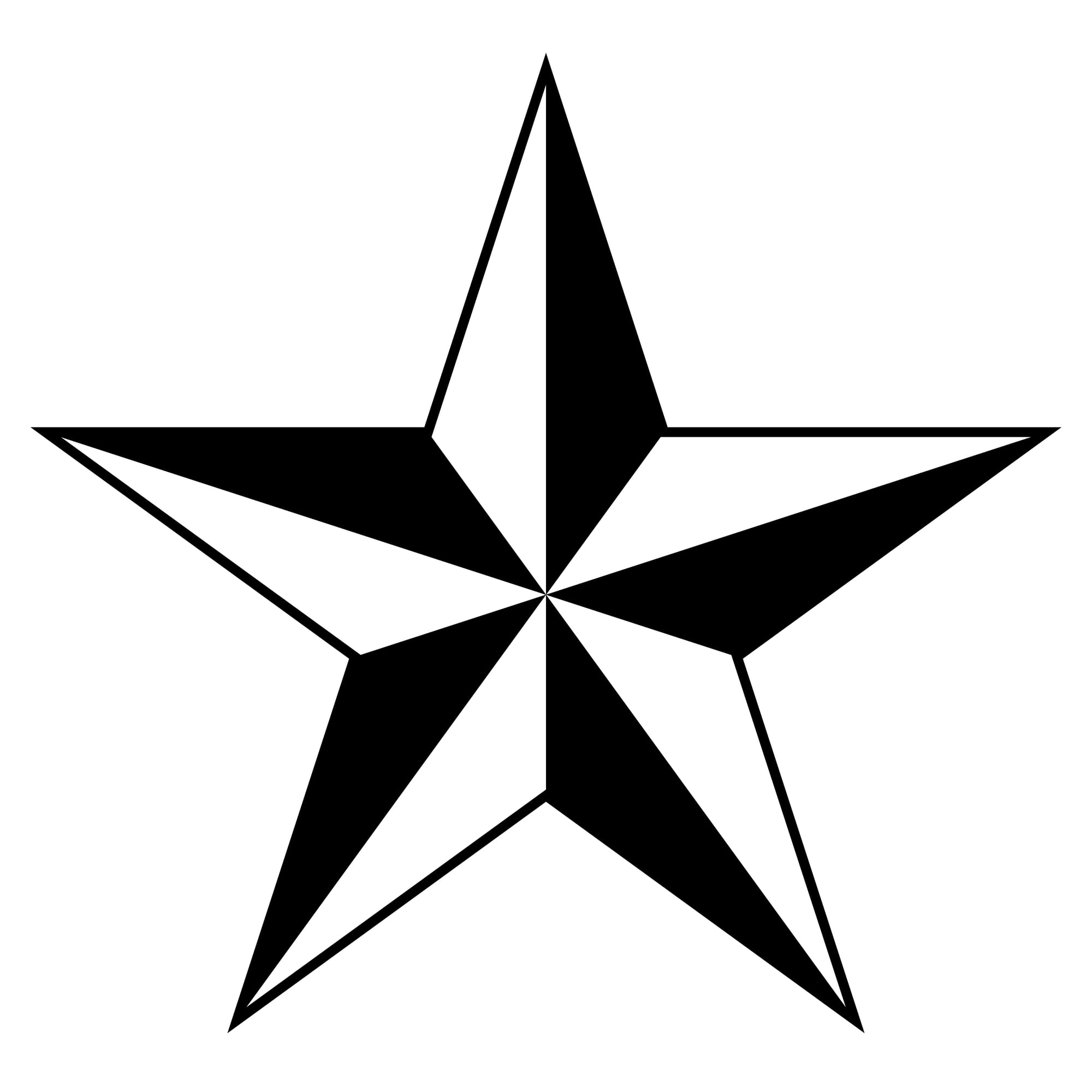
The pentagram served as a protective symbol in ancient Mesopotamia and was later adopted by early Christians to represent the five wounds of Christ. It became associated with mathematical perfection and the golden ratio during the Renaissance.
Modern interpretations range widely from military rank insignia to national symbols on flags, while its inverted form developed occult associations only in the 19th century.
Rainbow

In Judeo-Christian traditions, the rainbow originally represented God’s covenant never to flood the Earth again. Ancient Greeks viewed it as the path of the goddess Iris between heaven and earth.
Today, while maintaining connections to diversity and hope, it has become the primary symbol of LGBTQ+ pride and rights movements worldwide, a meaning that developed only in the late 1970s.
Caduceus
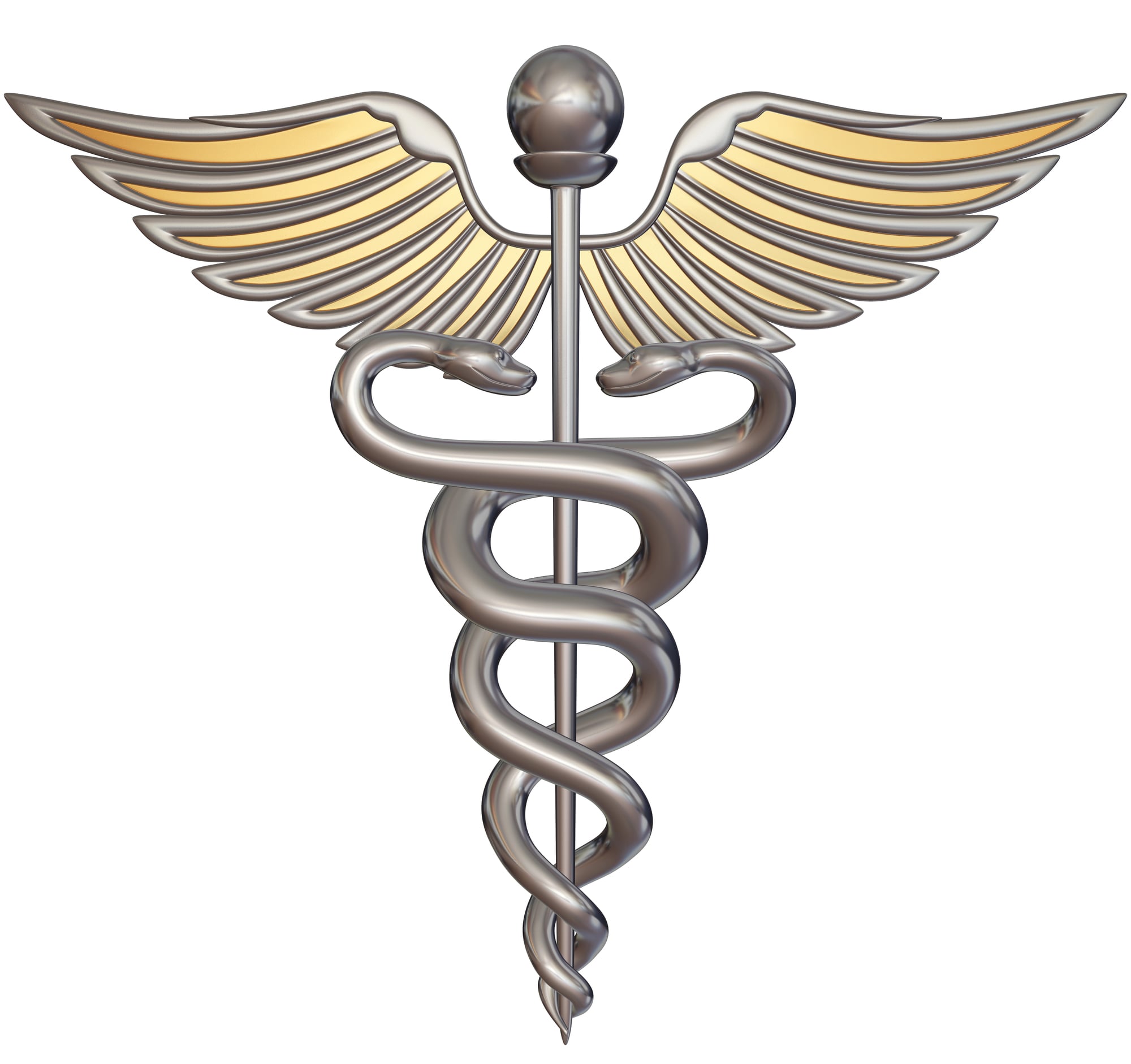
The staff with two snakes and wings is frequently used to represent medicine in the United States, but this is actually a historical mix-up. The proper medical symbol is the Rod of Asclepius, which has only one snake and no wings.
The caduceus was originally the symbol of Hermes, the messenger god also associated with commerce and thieves. The confusion began with a U.S. military mistake in the early 20th century that persists today.
Thumbs Down

Like its upward counterpart, the thumbs down gesture meant something entirely different in ancient Rome than it does today. Historians debate whether it meant ‘drop your sword’ (mercy) rather than condemnation.
Our modern interpretation as disapproval or rejection emerged centuries later and became solidified through modern cinema and social media rating systems.
Okay Sign

Formed by connecting thumb and forefinger in a circle, this gesture has traditionally meant ‘okay’ or ‘all is well’ in Western cultures since the 19th century. Divers use it to signal ‘everything is okay’ underwater.
However, in recent years, extremist groups attempted to appropriate it as a hate symbol, causing confusion about its meaning. In other cultures, it has different interpretations ranging from money (Japan) to insulting (Brazil).
All-Seeing Eye
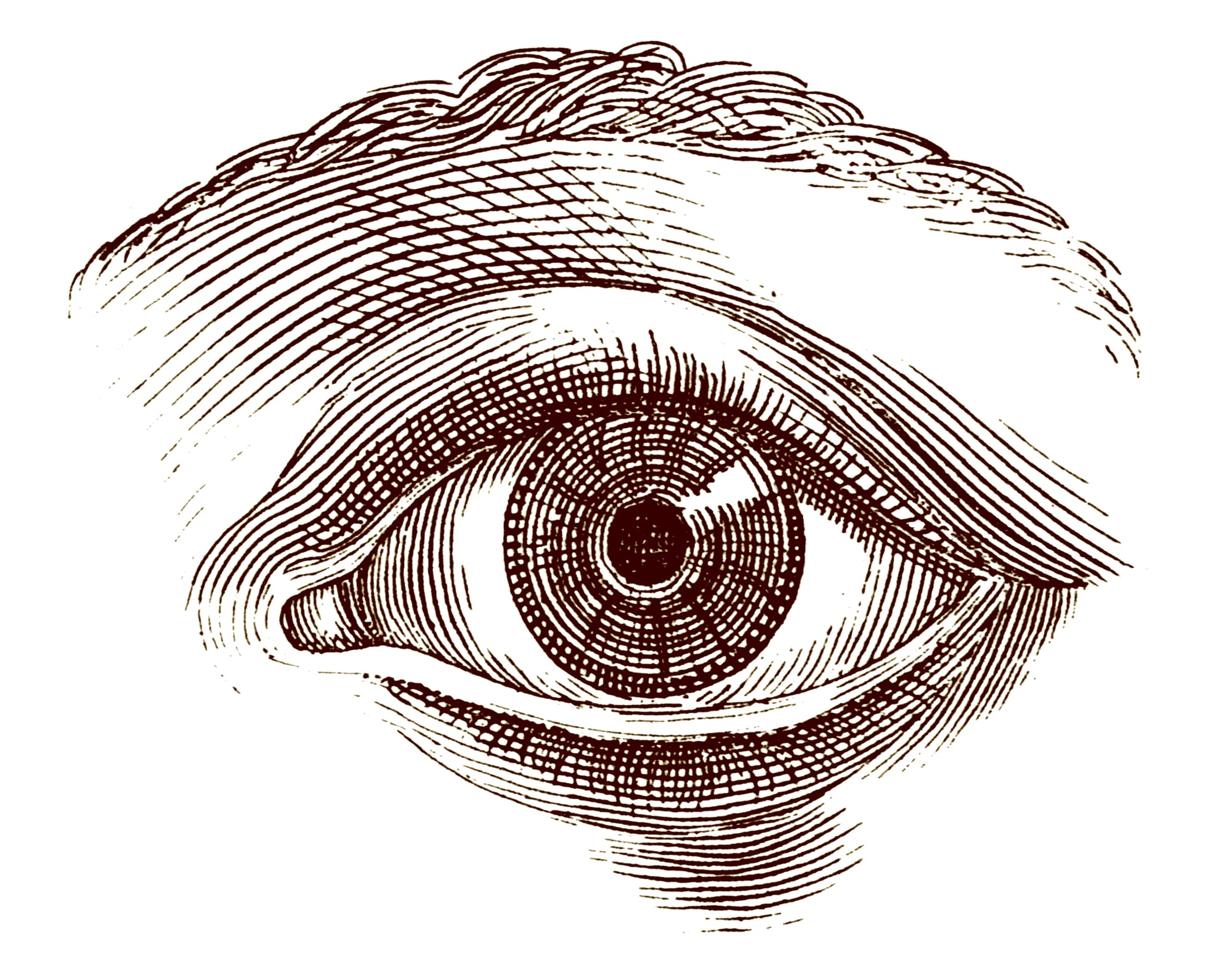
Originally representing divine providence and God watching over humanity, this symbol appeared in religious art for centuries. When placed atop a pyramid on the U.S. dollar bill in 1782, it represented the founding fathers’ belief in divine guidance for the new nation.
Modern conspiracy theories have reimagined it as representing secret societies controlling world events, completely inverting its original protective meaning.
V Sign
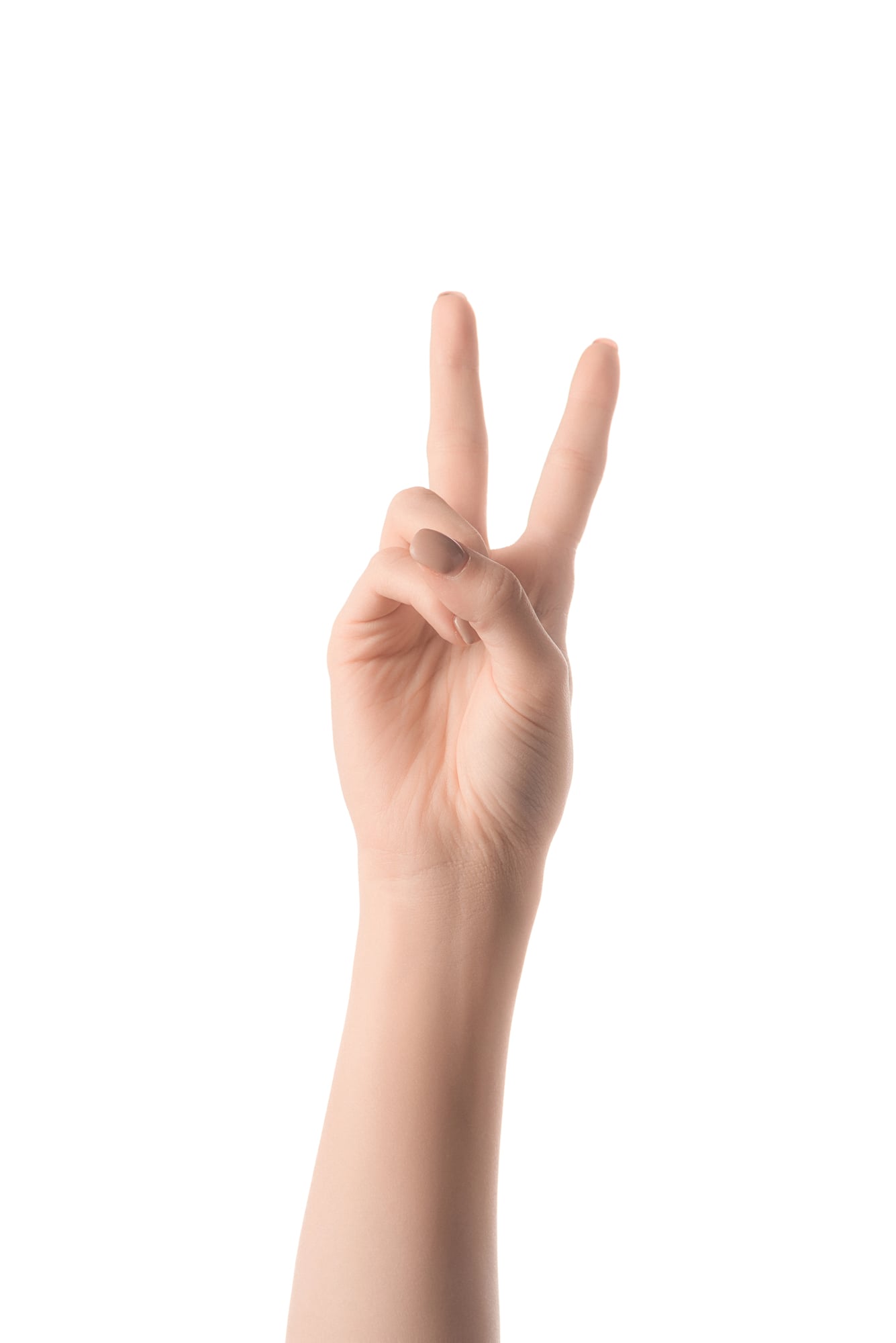
Winston Churchill popularized the V-for-Victory sign with palm facing outward during World War II. In the 1960s, anti-war protesters transformed it into a peace symbol, maintaining the same hand position.
However, when displayed with the palm inward in the UK, Australia, and some other countries, it becomes an offensive gesture equivalent to the middle finger—a distinction many tourists learn the embarrassing way.
Ankh
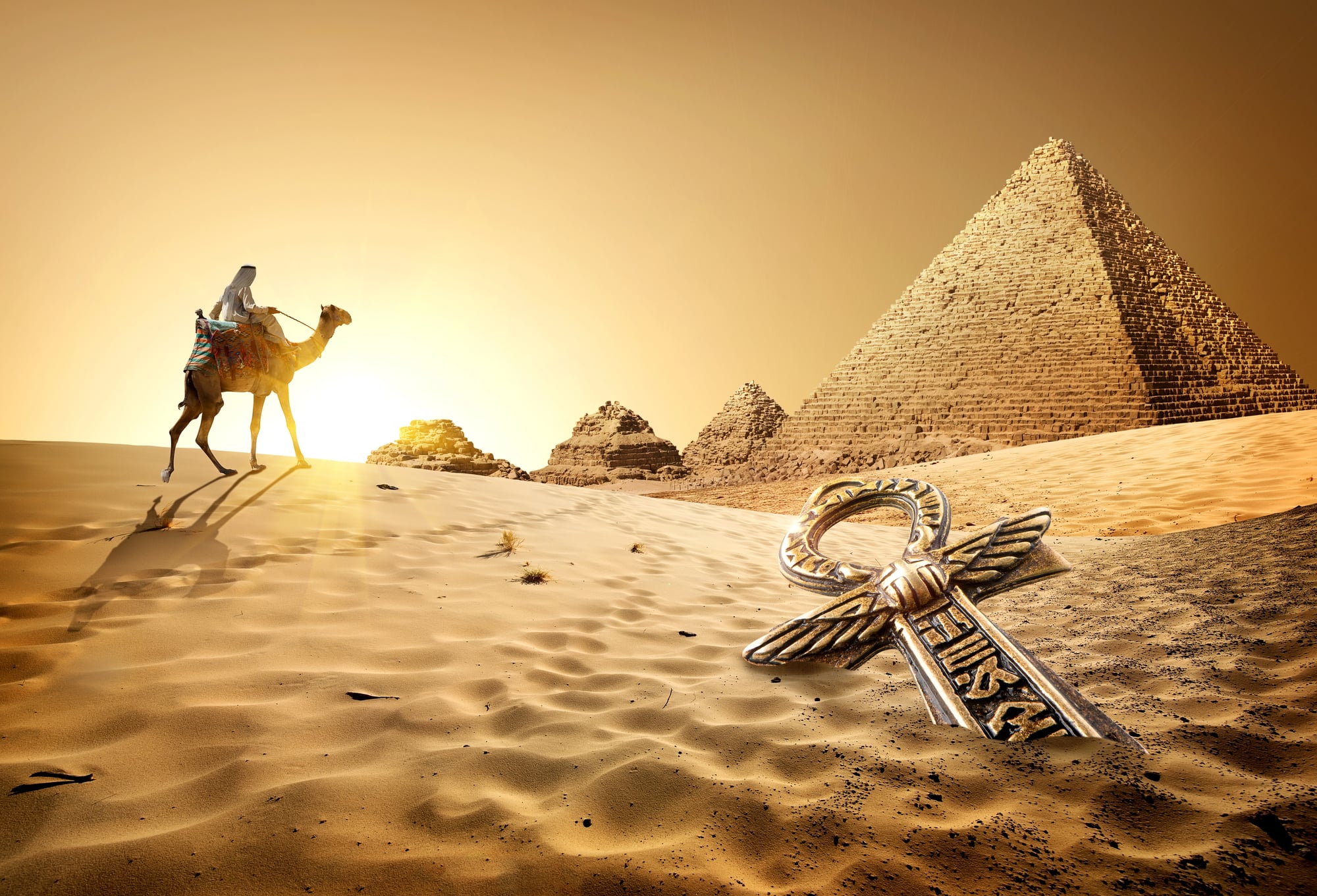
Ancient Egyptians used this cross with a loop as the hieroglyph for ‘life’ and a symbol of immortality. Gods were depicted holding it to the noses of pharaohs, symbolically granting them the breath of eternal life.
By the 1960s, it had been adopted as a fashion accessory and symbol of the counterculture movement. Today, it appears in video games, movies, and jewelry as a generic ‘mystic’ symbol, largely divorced from its specific Egyptian meaning.
@ Symbol
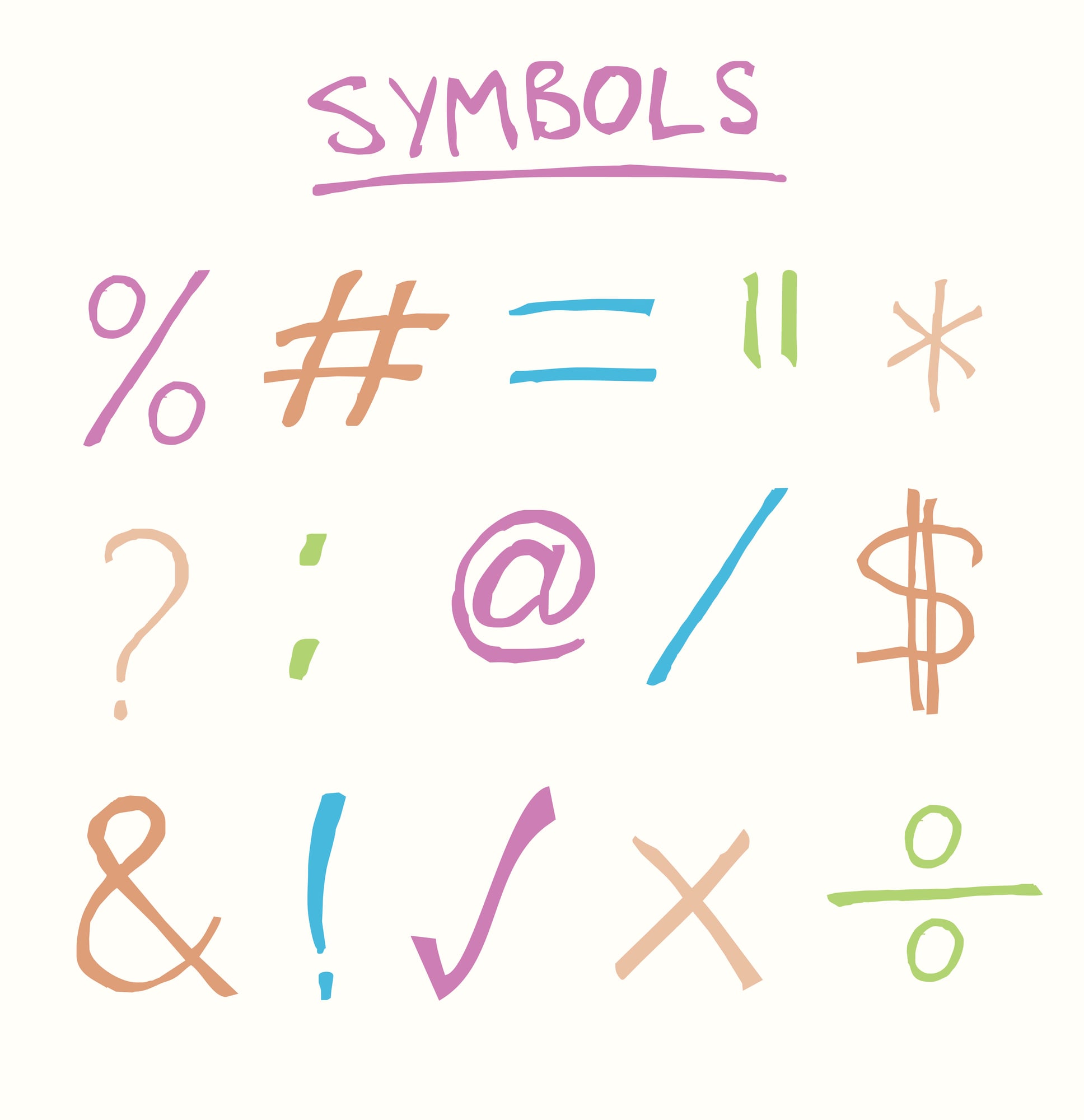
The ‘at sign’ was merely an accounting shorthand for centuries, indicating price per unit in commerce. A billing of “12 widgets @ $1” meant the total cost was $12.
In 1971, programmer Ray Tomlinson selected this obscure symbol for email addresses because it was rarely used and available on keyboards. Now it’s the universal symbol for digital communication and online identity, found in virtually every email address worldwide.
Hashtag
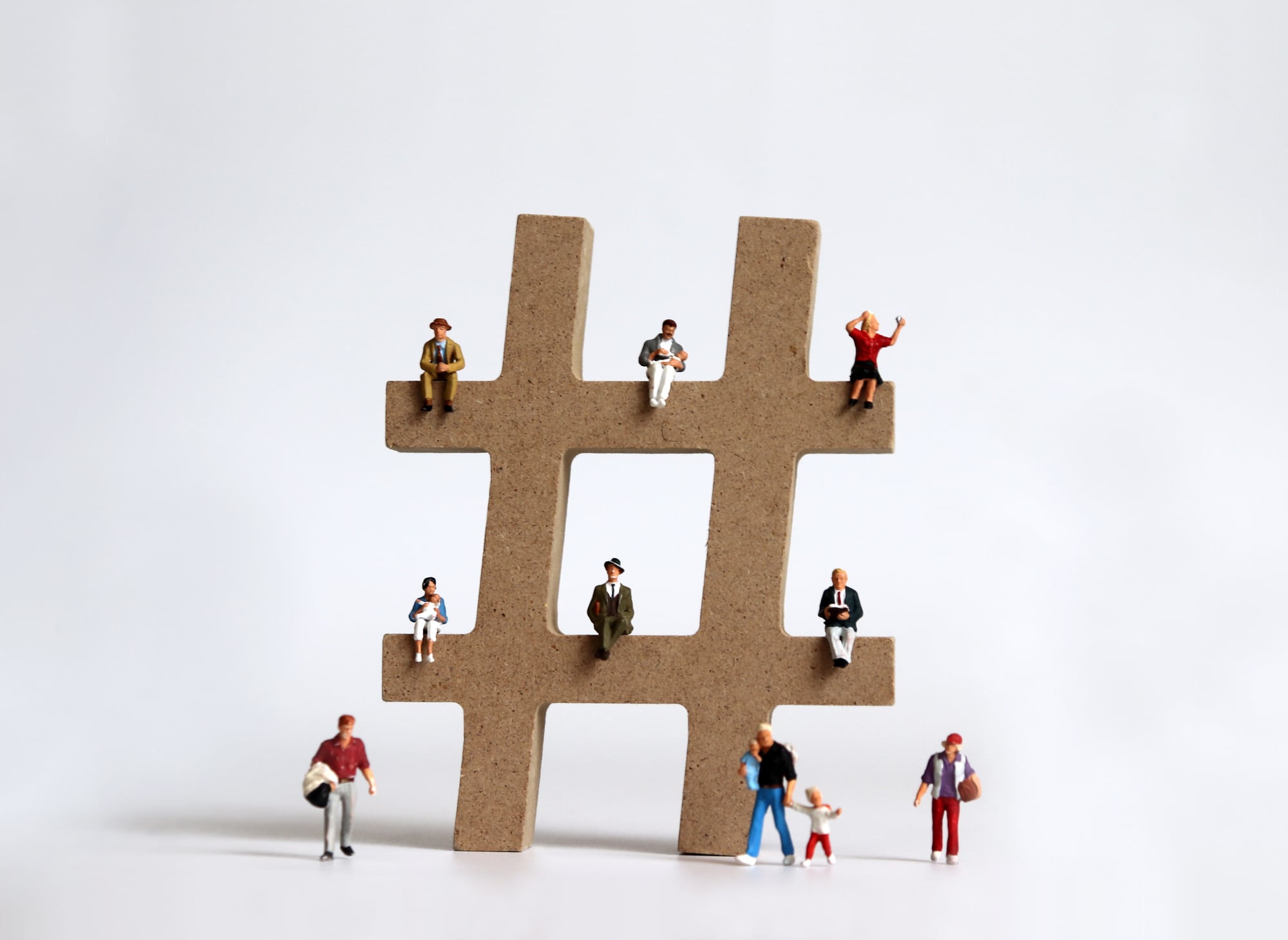
For decades, the pound sign or number symbol (#) was primarily used to designate numbers or as a telephone button. In 2007, Twitter user Chris Messina proposed using it to group related tweets, calling them ‘hashtags.’
The symbol transformed from an obscure typographical mark to the driving force behind social movements, viral trends, and how we organize information online, becoming one of the most significant linguistic innovations of the digital age.
The Shifting Language of Images
Symbols demonstrate how meaning is never fixed but constantly evolves through cultural use and historical context. What seems immutable today may carry entirely different connotations for future generations.
These visual shorthand markers remind us that human communication remains fluid, with even the most established symbols subject to dramatic reinterpretation as societies change.
More from Go2Tutors!

- The Romanov Crown Jewels and Their Tragic Fate
- 13 Historical Mysteries That Science Still Can’t Solve
- Famous Hoaxes That Fooled the World for Years
- 15 Child Stars with Tragic Adult Lives
- 16 Famous Jewelry Pieces in History
Like Go2Tutors’s content? Follow us on MSN.