15 Things Dial-Up Taught About Patience
Remember the days when connecting to the internet required genuine commitment? When that distinctive screech of a dial-up modem was the soundtrack to your digital life, and patience wasn’t just a virtue—it was a survival skill. The dial-up era, spanning roughly from the early 1990s to the mid-2000s, was a masterclass in delayed gratification that shaped an entire generation’s relationship with technology and waiting.
Those slow, methodical connections taught us lessons that today’s instant-access world has largely forgotten. Here’s a list of 15 things the dial-up internet taught us about the art of patience.
Planning Was Everything

Dial-up users became master strategists out of necessity. You couldn’t just casually browse the web—every online session required careful planning and prioritization.
People would literally write lists of websites to visit and tasks to complete before connecting, treating internet time like a precious resource. This forced planning taught users to think ahead and use time efficiently, skills that extended far beyond the computer screen.
Good Things Take Time
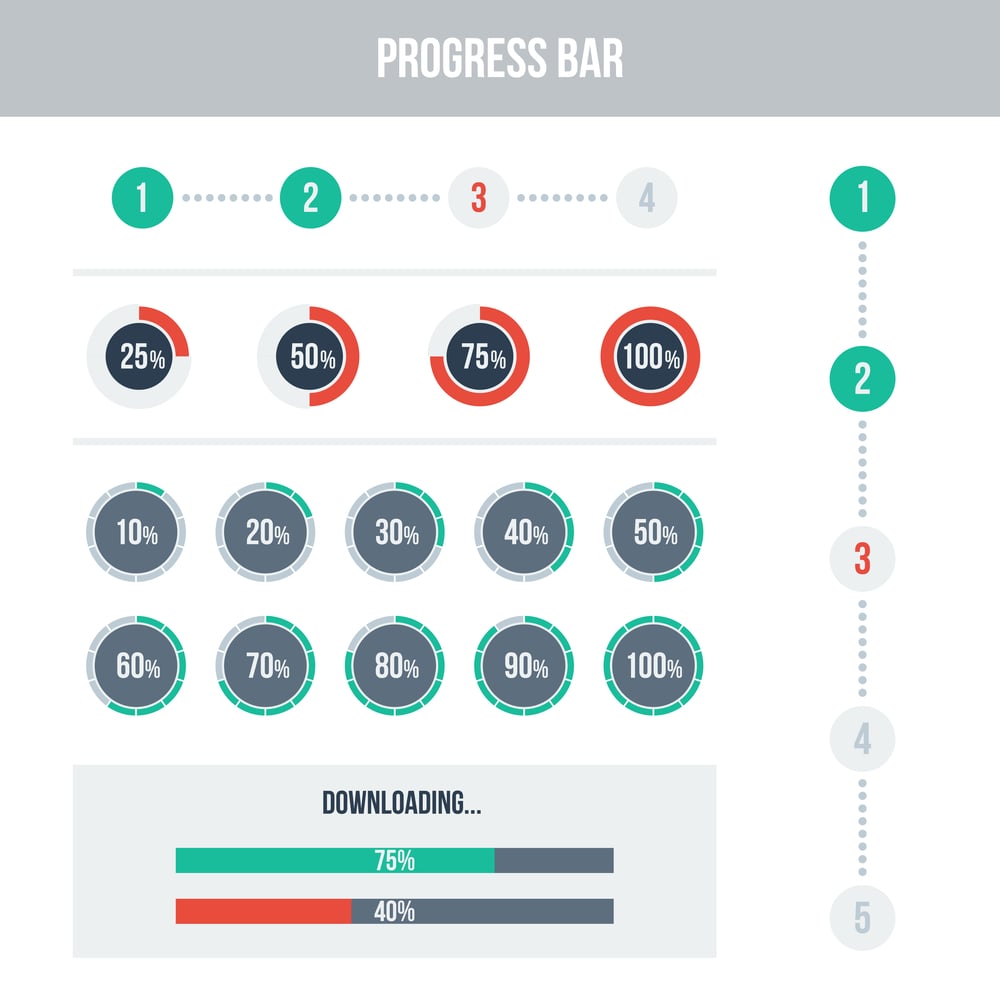
When downloading a single song took 30 minutes on a good day, you learned to appreciate the anticipation. There was something almost ceremonial about starting a download before dinner and checking on its progress afterward—like tending a digital campfire. This waiting period created genuine excitement and made the final result feel earned rather than instant. The delayed gratification made every successful download feel like a small victory.
Interruptions Are Part of Life

Nothing taught acceptance like having a three-hour download fail at 99% completion because someone picked up the phone. Heartbreaking stuff. Dial-up users developed an almost zen-like acceptance of technical setbacks and learned to roll with unexpected interruptions.
This resilience translated into real-world situations where plans change and things don’t go as expected. You simply started over and tried again.
Multitasking Has Limits

With dial-up speeds averaging 56 kilobits per second at best, attempting multiple online tasks simultaneously was futile. Users learned to focus on one thing at a time and give it their full attention. This single-tasking approach actually increased productivity and reduced the scattered feeling that comes with juggling too many digital activities. Concentration became a developed skill rather than a lost art.
Quality Over Quantity

When bandwidth was limited, every click mattered. Dial-up users became discriminating consumers of online content, carefully choosing which websites deserved their precious connection time—no random clicking allowed. This selectivity meant engaging more deeply with fewer sources rather than skimming through endless feeds.
The result was often more meaningful interactions with digital content and better information retention.
Timing Is Strategic

Experienced dial-up users knew that internet speeds varied dramatically throughout the day. Connecting during peak hours meant slower speeds and more busy signals, while late-night or early morning sessions offered better performance. This taught users to work around external constraints and find optimal windows for important tasks. Strategic timing became second nature in both digital and real-world situations.
Preparation Prevents Problems

Smart dial-up users learned to gather phone numbers for multiple internet service providers and keep backup connection options ready. When your primary connection failed, having alternatives prevented complete digital isolation.
This preparation mindset extended to other areas of life, encouraging people to anticipate potential problems and develop contingency plans. Being ready for setbacks became a valuable life skill.
Small Progress Counts

Watching a webpage load pixel by pixel taught users to celebrate incremental progress. Instead of expecting instant results, dial-up veterans learned to appreciate gradual advancement toward a goal. This perspective made tackling large projects less overwhelming and helped people stay motivated during long-term endeavors.
Every small step forward was acknowledged and valued. Progress bars became little sources of hope.
Shared Resources Require Compromise

Most households had only one phone line, creating natural conflicts between internet use and incoming calls. Family members had to negotiate and take turns, learning to balance personal desires with household needs. This sharing experience taught valuable lessons about compromise, communication, and considering others’ priorities. Digital time became a family resource that required thoughtful management.
Technology Has Personality

— Photo by PHOTOLOGY1971
Every dial-up modem had its quirks and connection patterns. Users learned to interpret the subtle differences in connection sounds and developed personal relationships with their hardware. This intimate knowledge of technology’s limitations and behaviors created realistic expectations and troubleshooting skills.
Understanding that technology isn’t perfect became an important part of digital literacy. Your modem was almost like a temperamental pet.
Persistence Pays Off

Busy signals were a constant reality in the dial-up world. Getting online often required multiple connection attempts, teaching users that persistence eventually leads to success. This lesson in determination helped people push through obstacles in other areas of life. The habit of trying again after failure became ingrained behavior that served users well beyond their internet connections.
Efficiency Becomes Habit

With limited connection time and slow speeds, dial-up users developed incredibly efficient browsing habits. They learned to open multiple browser windows strategically, bookmark important pages quickly, and minimize unnecessary clicking.
These efficiency skills transferred to other activities, making users more productive and purposeful in their daily routines. Wasted motion became noticeably annoying. Every click had to count.
Research Takes Dedication

Finding information online required genuine commitment when each search took several minutes to complete. Dial-up users became thorough researchers who carefully crafted search queries and explored results methodically. This deliberate approach to information gathering produced better research skills and more comprehensive understanding of topics. Quick, surface-level browsing simply wasn’t possible.
Connection Has Value
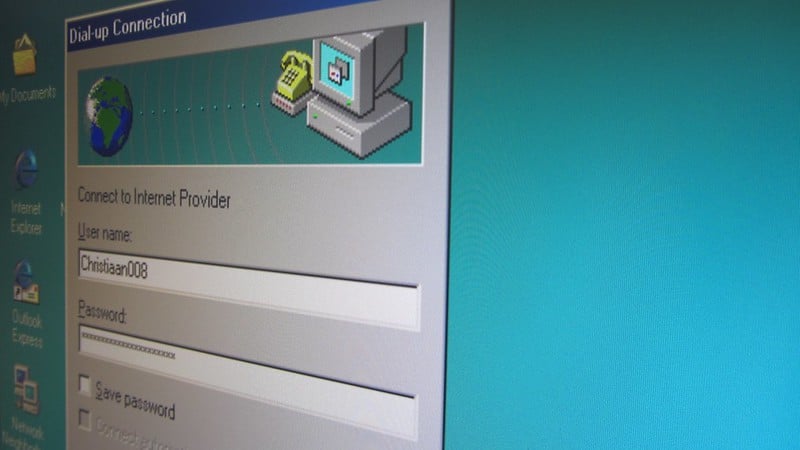
When internet access required a deliberate connection process, going online felt significant. Users didn’t stay connected constantly but instead made conscious decisions about when digital interaction was worth the effort.
This created healthy boundaries between online and offline time, preventing the always-connected burnout that plagues many modern internet users. Digital connection became intentional rather than default.
Simple Pleasures Matter

Successfully loading a single photograph or completing an email send felt genuinely satisfying in the dial-up era. These small accomplishments provided regular moments of achievement throughout each online session. Modern high-speed users rarely experience this level of appreciation for basic digital tasks.
The dial-up generation learned to find joy in simple technological victories. A fully loaded image was cause for celebration.
The Legacy Lives On

Those dial-up lessons remain surprisingly relevant in our high-speed world. While we’ve gained incredible technological capabilities, we’ve often lost the patience and planning skills that slower connections naturally taught. The users who lived through the dial-up era carry forward a different relationship with technology—one that values patience, appreciates progress, and understands that some things are worth waiting for.
These lessons serve as valuable reminders that speed isn’t everything, and sometimes the journey teaches us more than the destination. Even so, most of us are grateful we don’t have to wait 30 minutes for a single song anymore.
More from Go2Tutors!

- The Romanov Crown Jewels and Their Tragic Fate
- 13 Historical Mysteries That Science Still Can’t Solve
- Famous Hoaxes That Fooled the World for Years
- 15 Child Stars with Tragic Adult Lives
- 16 Famous Jewelry Pieces in History
Like Go2Tutors’s content? Follow us on MSN.