How Baseball Cards Became a Cultural Phenomenon
Baseball cards hold a rare place in American culture. What began as simple throw-ins for nicotine packs slowly transformed into a billion-dollar industry.
These cards carry far more than just photos of athletes—they capture childhood nostalgia, iconic sports moments, and even dreams of striking it rich through collecting. Over the years, they’ve become much more than souvenirs of the game—they became part of the way generations of Americans connected with baseball itself.
The journey from small marketing gimmick to cultural treasure wasn’t accidental. It unfolded through smart business moves, the sentimental pull of memory, and the uniquely deep connection Americans have with their national pastime.
Here are 16 ways baseball cards grew into a cultural phenomenon.
Trade Cards Created the Foundation

Baseball cards trace their roots to the 1860s, when both photography and baseball were rising in popularity. The earliest known example came from a Brooklyn studio, Farach and Lalumia, which produced cards of the Brooklyn Atlantics with an ad for their services on the back.
These were never meant as collectibles—they were clever promos meant to build customer loyalty. A few years later, Peck & Snyder, a sporting goods store, used similar cards to advertise their business, linking baseball’s growing appeal to consumer products. It was the first step toward the modern baseball card.
Nicotine Companies Made Cards Accessible

By 1886, nicotine packs often included cards featuring baseball players. The purpose was partly advertising and partly practical—the stiff cards helped protect the sticks.
Brands like Allen & Ginter and Goodwin & Company began printing star players such as Cap Anson and King Kelly, sparking the first wave of collecting. Nicotine companies had unintentionally built the first nationwide distribution system for baseball cards, turning a small marketing idea into a countrywide craze.
Like Go2Tutors’s content? Follow us on MSN.
The T206 Set Became Legendary
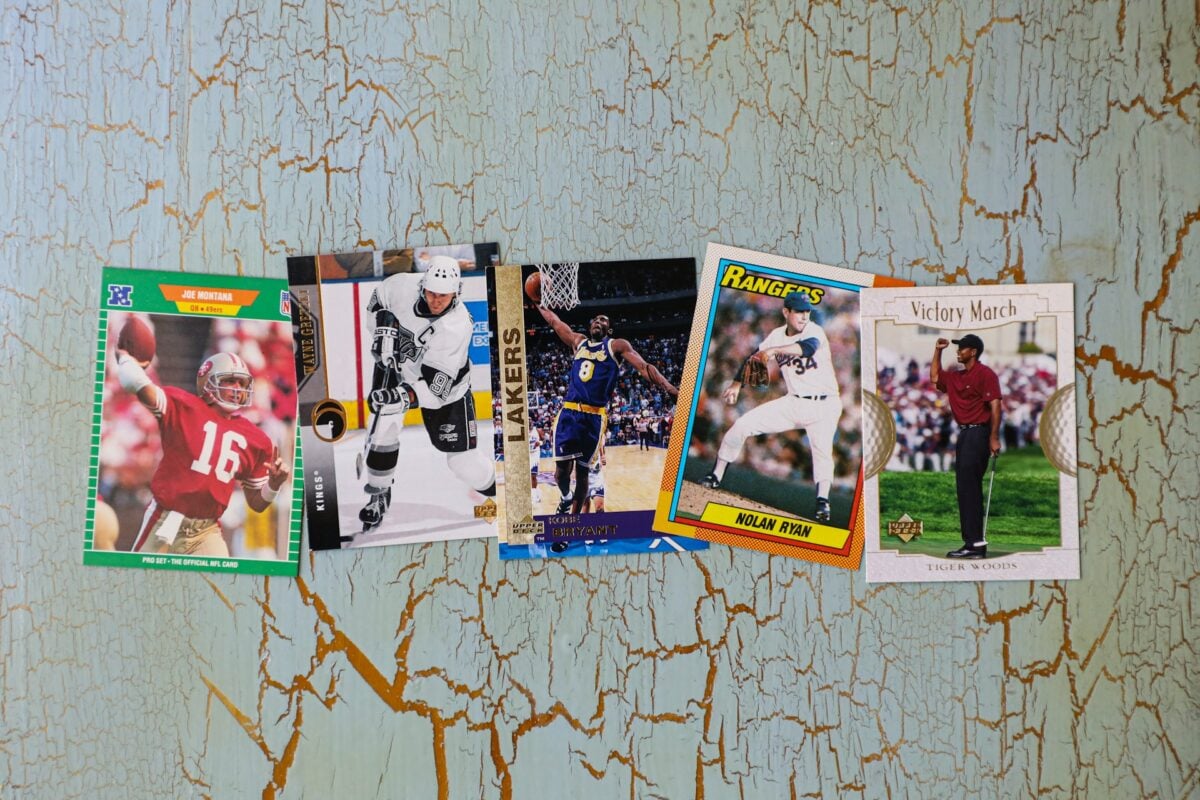
Between 1909 and 1911, the American Company produced the famous T206 series—524 cards featuring legends like Ty Cobb, Cy Young, and Walter Johnson. The most prized card, however, was Honus Wagner’s.
Fewer than 60 were printed because Wagner objected to his likeness being used to sell nicotine. That scarcity made the card mythical—eventually selling for $7.25 million in 2022.
The Wagner card changed perceptions, elevating baseball cards from cheap trinkets to valuable artifacts.
Gum Companies Targeted Kids

As attitudes shifted away from pairing sports with nicotine, gum companies stepped in. In the 1920s and 1930s, baseball cards began appearing in candy and gum packs, aimed directly at children.
Goudey Gum’s 1933 set was a game-changer—the first widely popular set marketed squarely at kids. This pivot reshaped the hobby forever, making baseball cards a staple of American childhood.
Statistics and Biographies Added Value

A crucial innovation came when cards began including statistics and player bios. Kids could now settle debates about batting averages or pitching records by flipping over a card.
Instead of just being pictures, they became bite-sized sports encyclopedias. For many young fans, this was their first exposure to the analytical side of baseball.
Like Go2Tutors’s content? Follow us on MSN.
Post-War Prosperity Fueled Growth

After World War II, America entered a period of prosperity, and baseball cards rode the wave. Bowman Gum launched new sets in 1948, soon followed by colorful issues in the early 1950s.
With TV bringing games into living rooms and more families enjoying disposable income, cards thrived. They became cheap, wholesome fun that fit perfectly with the era’s optimism.
The 1952 Topps Set Changed Everything

The 1952 Topps set is often considered the turning point. With its bright photos, autographs, team logos, and stats, it set the standard for what modern cards would look like.
Designed by Sy Berger and Woody Gelman at a Brooklyn kitchen table, it was technically meant to sell bubble gum. But the cards quickly overshadowed the gum.
Kids didn’t just want candy—they wanted the cards themselves.
Standardization Created Consistency

The 1952 Topps design established the template collectors still recognize today—player photos on the front, stats and bios on the back. This consistency made collecting more organized and enjoyable.
Collectors could see at a glance what they had and what they were missing, which gave the hobby a structure to grow on.
Like Go2Tutors’s content? Follow us on MSN.
Topps Created a Monopoly

By the late 1950s, Topps had outmaneuvered its rivals, most notably by buying Bowman. With exclusive contracts locking in MLB players, Topps essentially monopolized the market for two decades.
For kids growing up in the 60s and 70s, “baseball cards” and “Topps” were one and the same.
Trading Created Community

Collecting wasn’t just about buying packs—it was about trading. Schoolyards, front porches, and neighborhood shops became mini trading floors where kids learned negotiation, patience, and sometimes disappointment.
These trades turned collecting into a social ritual, one that built friendships and communities around the game.
Nostalgia Became a Driving Force

For many, the love of baseball cards wasn’t left behind in childhood. Adults kept their collections or rediscovered them years later, drawn back by memories of simpler times.
The scent of bubble gum or the thrill of tearing into a fresh pack carried emotional weight, making nostalgia one of the most powerful engines driving the hobby.
Like Go2Tutors’s content? Follow us on MSN.
The Junk Wax Era Created Accessibility

In the 1980s, card companies printed in massive quantities, flooding the market. Known now as the “junk wax era,” values dropped because supply far outpaced demand.
But the overproduction had one silver lining: more kids than ever could afford to collect. For millions, shoeboxes full of 80s cards remain treasured reminders of their childhood.
Record Sales Created Headlines

The financial side of the hobby hit the spotlight when rare cards began fetching record-breaking prices. A 1952 Mickey Mantle sold for $12.6 million in 2022, making global headlines.
During the pandemic, renewed interest in nostalgic hobbies only fueled the frenzy. Suddenly, baseball cards weren’t just collectibles—they were legitimate investment vehicles covered in financial news.
Cards Became Multigenerational
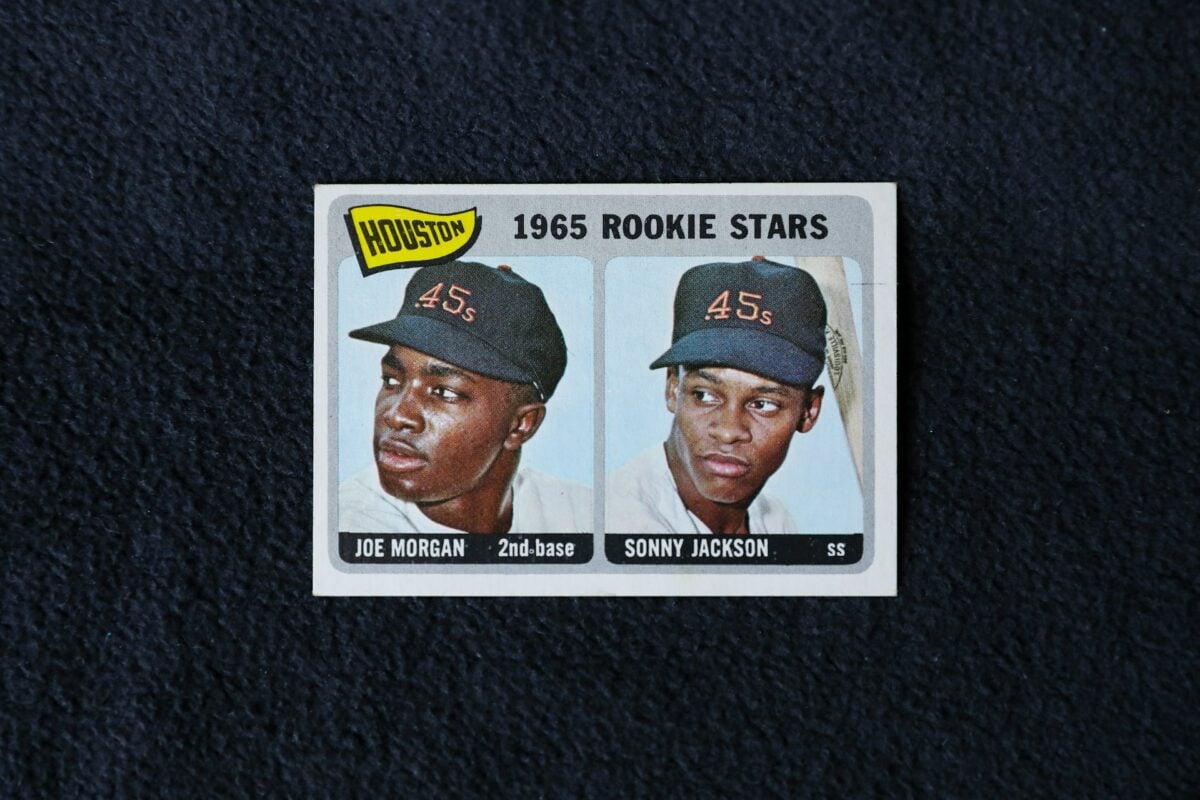
Baseball cards also became heirlooms, handed down from one generation to the next. Fathers and grandfathers shared stories tied to cards from their youth, turning collections into family traditions.
More than just cardboard, they became teaching tools, conversation starters, and bridges between eras.
Like Go2Tutors’s content? Follow us on MSN.
Innovation Kept the Hobby Fresh

Part of baseball cards’ survival has been their ability to adapt. Topps introduced innovations like Topps NOW, releasing cards within days of a big play or event.
Signed cards, game-used memorabilia inserts, and limited editions kept collectors engaged and gave the hobby new dimensions beyond the basic sets.
Cards Reflect American Culture

In many ways, baseball cards mirror the story of America itself. They’ve survived wars, depressions, booms, and busts, all while keeping their essential charm.
From penny gum packs to million-dollar auctions, they reflect shifting values, consumer habits, and cultural moments—all through snapshots of the national pastime.
From Giveaways to Icons

Baseball cards began as disposable promos and ended up as cultural icons. They endured format changes, market crashes, and even competition from video games and digital collectibles.
What made them last is the unique way they connect people—to heroes, to history, and to each other. A once-throwaway product has become a lasting symbol of American memory and tradition.
More from Go2Tutors!

- 16 Historical Figures Who Were Nothing Like You Think
- 12 Things Sold in the 80s That Are Now Illegal
- 15 VHS Tapes That Could Be Worth Thousands
- 17 Historical “What Ifs” That Would Have Changed Everything
- 18 TV Shows That Vanished Without a Finale
Like Go2Tutors’s content? Follow us on MSN.