15 Times Mathematical Errors Led to Real Disasters
Maths might seem like something that belongs in dusty textbooks, yet when calculations go sideways in the real world, people die. A decimal point in the wrong place or a botched equation can obliterate buildings, crash spacecraft worth hundreds of millions, and turn routine operations into headline disasters. These aren’t classroom mistakes—they’re brutal reminders that precision keeps the world from falling apart.
Engineering failures and financial collapses often trace back to someone getting their numbers wrong, though the connection isn’t always obvious until after the damage is done. Here is a list of 15 times mathematical errors led to real disasters.
The Mars Climate Orbiter Crash
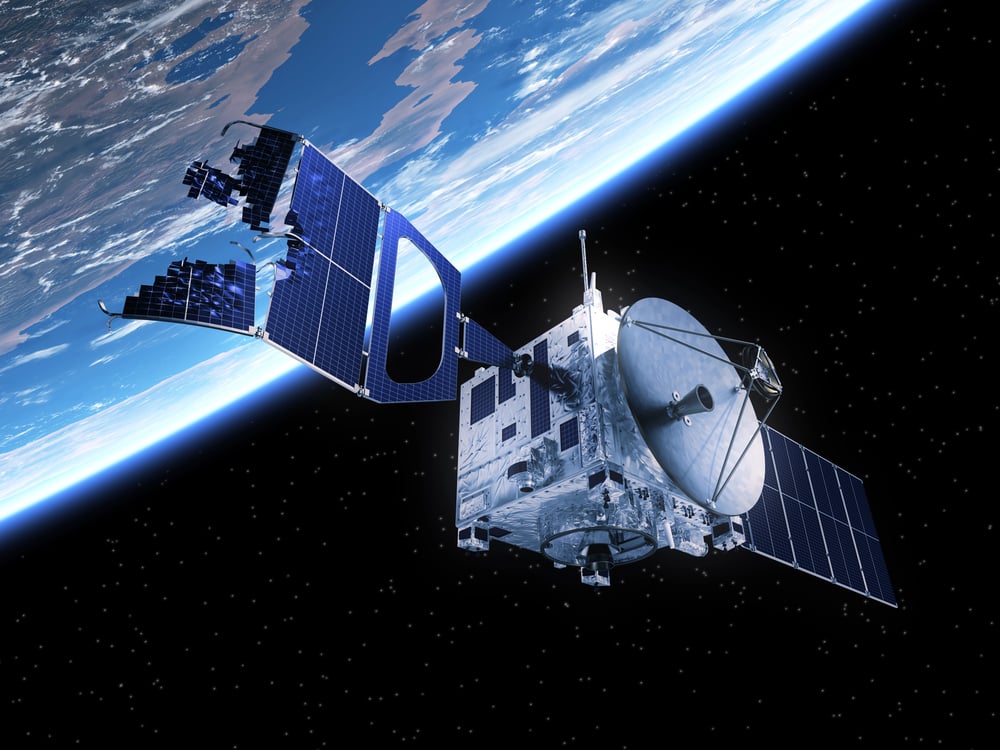
NASA lost a $125 million spacecraft in 1999 because one engineering team worked in metric while another stuck with imperial measurements. The Mars Climate Orbiter came in 60 miles too close to the planet—burning up in the atmosphere instead of settling into orbit. This wasn’t just expensive; it was embarrassing proof that unit conversion mistakes can literally torch entire missions.
The Sleipner A Oil Platform Collapse
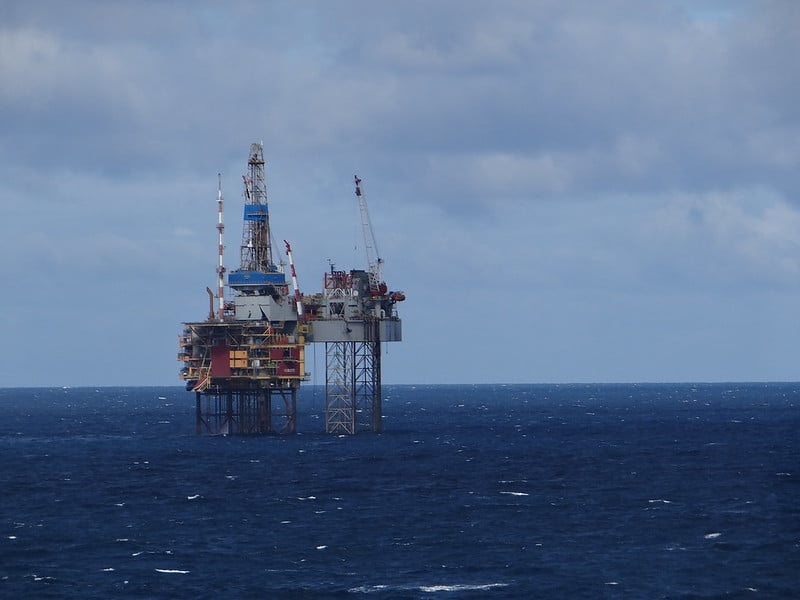
Norway’s Sleipner A oil platform crumbled in 1991 during construction, taking one life and $700 million down with it. Engineers had botched their finite element analysis calculations—seriously underestimating how much stress the concrete could handle before snapping. The massive platform didn’t just fail; it broke apart and plummeted to the North Sea floor because someone’s math was catastrophically wrong.
The Tacoma Narrows Bridge Failure
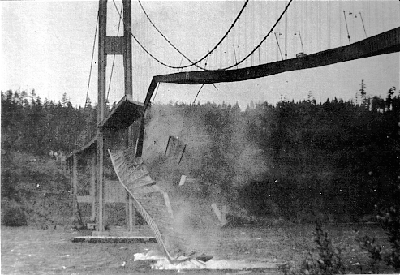
The original Tacoma Narrows Bridge lasted just four months before collapsing in 1940, largely because engineers miscalculated wind forces and resonance frequency. They completely failed to account for aerodynamic instability in their structural analysis—a mistake that would’ve been caught with better math. Moderate winds twisted the bridge into a writhing metal snake before it tore itself apart, creating one of engineering’s most spectacular failures ever caught on film.
The Ariane 5 Rocket Explosion
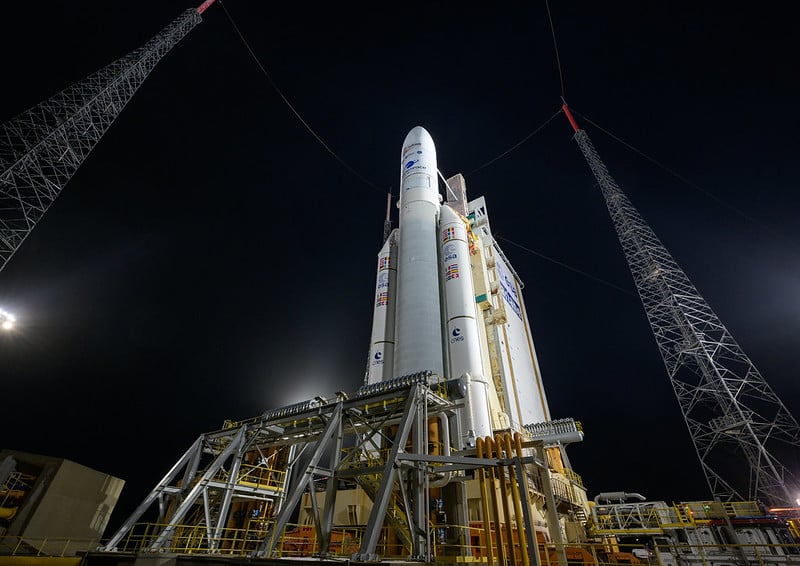
Europe’s Ariane 5 rocket became a $500 million fireball just 37 seconds after launch in 1996, all thanks to a software glitch involving number conversion. The guidance system tried cramming a 64-bit floating-point number into a 16-bit integer space—causing an overflow that triggered the self-destruct sequence. Programmers hadn’t anticipated the rocket’s higher acceleration compared to its predecessor, though they should have run those calculations.
The Hyatt Regency Walkway Collapse
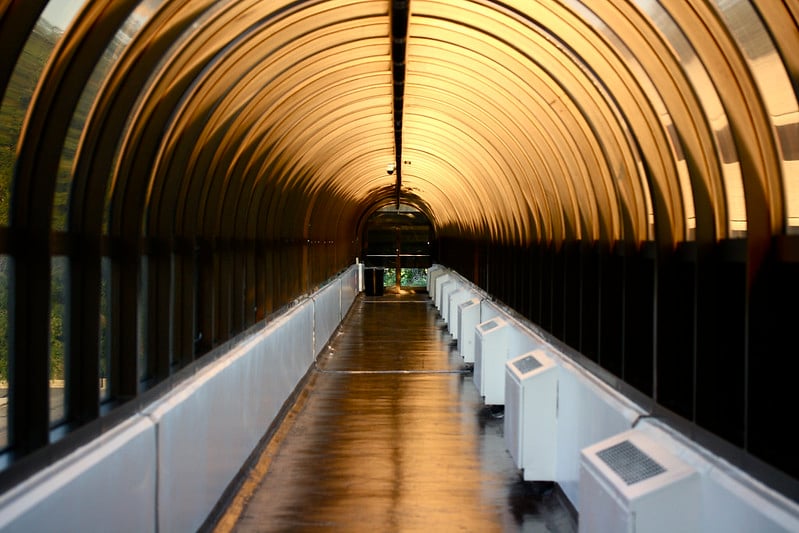
Two suspended walkways at Kansas City’s Hyatt Regency Hotel pancaked during a crowded 1981 event—killing 114 people in what became America’s deadliest structural failure. Engineers had miscalculated load-bearing capacity when they altered the original walkway design, yet nobody caught the error before construction. A seemingly simple change doubled the stress on upper walkway connections, transforming a festive evening into a nightmare.
The Millennium Bridge Wobble
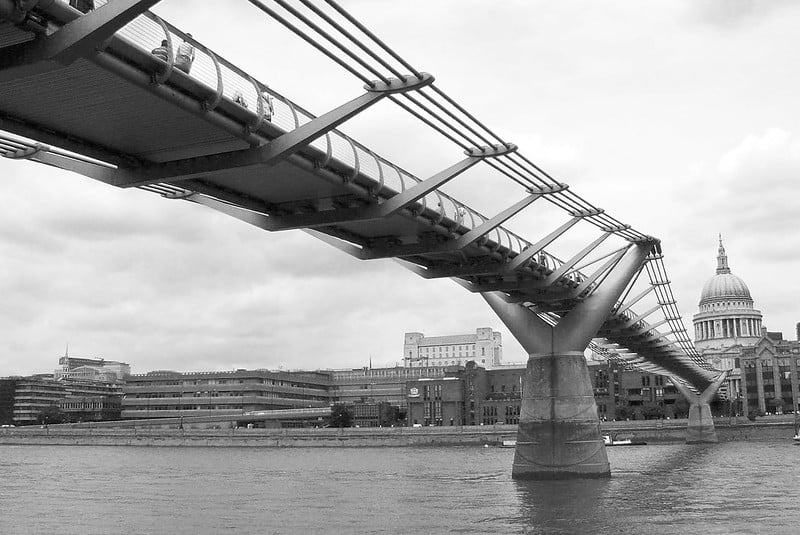
London’s Millennium Bridge had to shut down just three days after its grand 2000 opening because pedestrians made it sway like a boat in rough seas. Engineers calculated vertical loads perfectly—but they completely whiffed on lateral forces created by synchronized walking. The bridge’s natural frequency matched human footsteps, creating a feedback loop that turned the structure into a giant, terrifying swing.
The Gimli Glider Fuel Miscalculation

An Air Canada Boeing 767 ran dry at 41,000 feet in 1983 because the ground crew calculated fuel requirements in pounds instead of kilograms—leaving the plane with half the fuel needed for the Montreal to Edmonton flight. Captain Robert Pearson had to glide a massive airliner to an emergency landing at a former air base, though skill and incredible luck saved all 69 people aboard. The incident proved that even simple unit conversions can turn routine flights into death-defying stunts.
The Vasa Ship Disaster
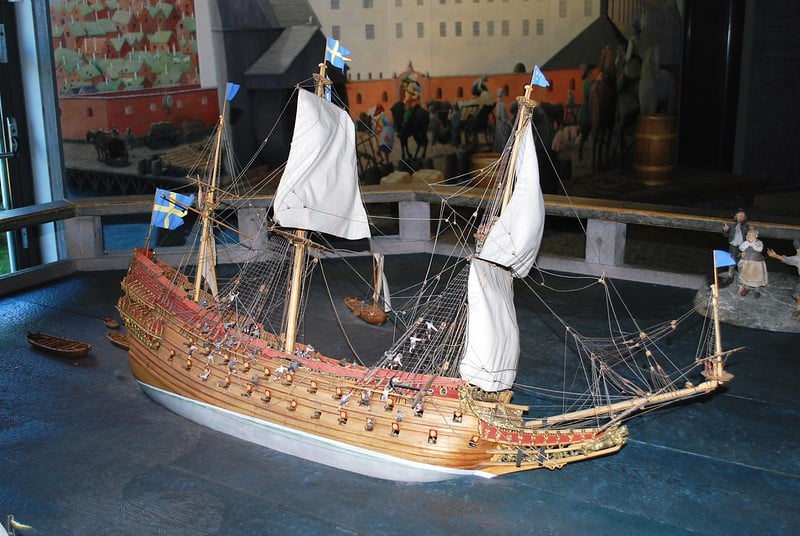
Sweden’s warship Vasa sank in Stockholm harbor during its 1628 maiden voyage—just 20 minutes after setting sail—partly because shipbuilders miscalculated stability and weight distribution. They got the center of gravity wrong and didn’t properly account for those heavy bronze cannons, though the mathematical tools existed to do better. The top-heavy vessel capsized in a light breeze, dragging 30 lives and Sweden’s naval ambitions to the harbor floor.
The Kansas City Hyatt Skywalk Redesign
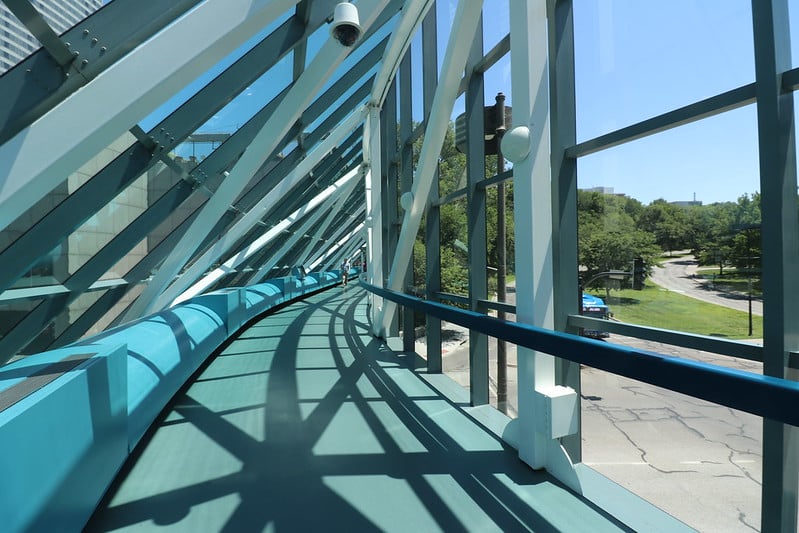
The original Hyatt Regency design called for single long rods supporting both walkways, yet construction difficulties led to a fatal redesign that nobody properly recalculated. Engineers approved shorter rods that doubled the load on upper connections—turning a safe structure into a ticking time bomb. This seemingly minor change escaped mathematical scrutiny, though proper stress analysis would’ve revealed the deadly flaw before anyone got hurt.
The Therac-25 Radiation Overdoses

Between 1985 and 1987, the Therac-25 radiation therapy machine cooked patients with massive overdoses due to software calculation errors—delivering doses 100 times higher than intended. Programming bugs turned healing machines into instruments of death, killing several patients while severely injuring others. The tragedy showed how mathematical errors in medical software can transform treatment into torture, though better quality control might’ve prevented the disaster.
The Schiaparelli Mars Lander Crash
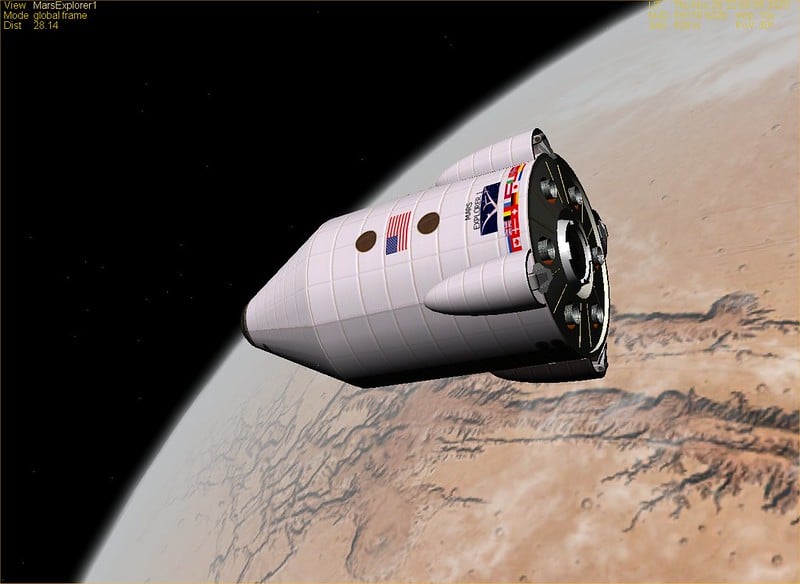
The European Space Agency’s Schiaparelli lander slammed into Mars in 2016 because navigation software miscalculated altitude during descent. The computer thought the spacecraft was underground when it was actually 2.3 miles above the surface, shutting off engines way too early. This €600 million mistake created a new Martian crater instead of advancing planetary science.
The Hartford Civic Center Roof Collapse
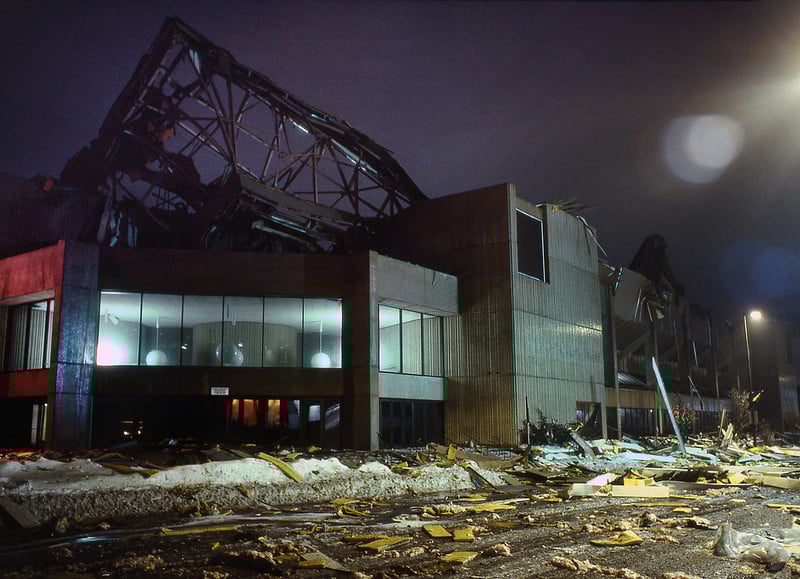
Hartford Civic Center’s roof caved in in 1978 under snow and ice because engineers miscalculated the structure’s load capacity. The space frame design looked impressive but contained mathematical errors in stress analysis that made it vulnerable to heavy winter weather. Fortunately, the collapse happened at night when the building sat empty, preventing casualties while destroying the arena.
The Patriot Missile Math Error
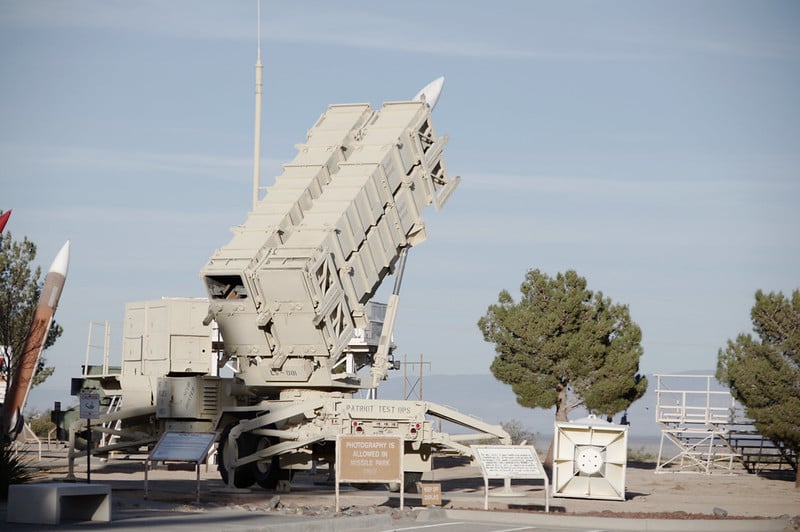
During the 1991 Gulf War, a Patriot missile battery failed to intercept an Iraqi Scud that killed 28 American soldiers because of timing calculation errors. The system’s internal clock accumulated tiny rounding errors over time, eventually losing track of incoming missiles. After running continuously for 100 hours, the system was off by 0.34 seconds—enough time for a Scud to travel 2,000 feet past the intercept point.
The AT&T Network Crash

A single line of faulty code crashed AT&T’s entire long-distance network for nine hours in 1990, affecting 75 million phone calls nationwide. The error involved incorrect mathematical logic in switching software that cascaded through the network like falling dominoes. This mathematical mistake cost the company $60 million while showing how small programming errors could paralyze national communications.
The Challenger Space Shuttle O-Ring Calculations
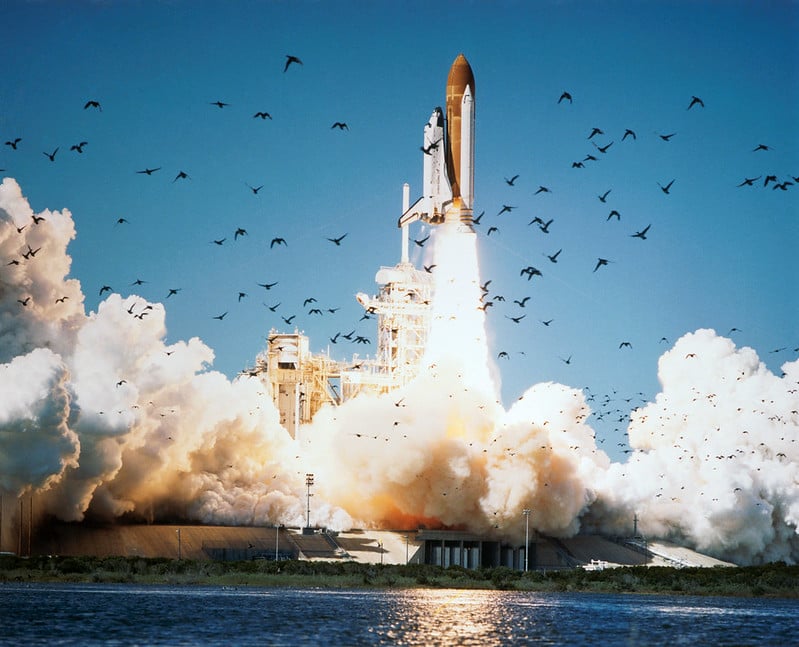
The 1986 Challenger disaster stemmed partly from flawed statistical analysis of O-ring performance at low temperatures. Engineers had data showing cold weather increased seal failure risk, but they miscalculated the probability of catastrophic failure. Their mathematical models failed to properly account for temperature effects, contributing to the launch decision on a frigid January morning that killed seven astronauts.
When Numbers Turn Deadly
These disasters demonstrate that mathematics forms the invisible backbone keeping our modern world safe and functional. Each miscalculation represents a moment when human error collided with real-world physics, often producing tragic results that proper verification could have prevented. Today’s engineers and programmers inherit the responsibility of learning from these failures, understanding that their calculations might stand as the only barrier between routine operations and catastrophe.
More from Go2Tutors!

- 16 Historical Figures Who Were Nothing Like You Think
- 12 Things Sold in the 80s That Are Now Illegal
- 15 VHS Tapes That Could Be Worth Thousands
- 17 Historical “What Ifs” That Would Have Changed Everything
- 18 TV Shows That Vanished Without a Finale
Like Go2Tutors’s content? Follow us on MSN.



