17 Most Iconic Airplanes Ever Made
Aviation has given us some remarkable machines over the past century. Some aircraft changed warfare, others made travel accessible to millions, and a few pushed the boundaries of what seemed possible.
These planes earned their place in history not just through engineering achievements but through the ways they shaped how we move through the world.
Wright Flyer
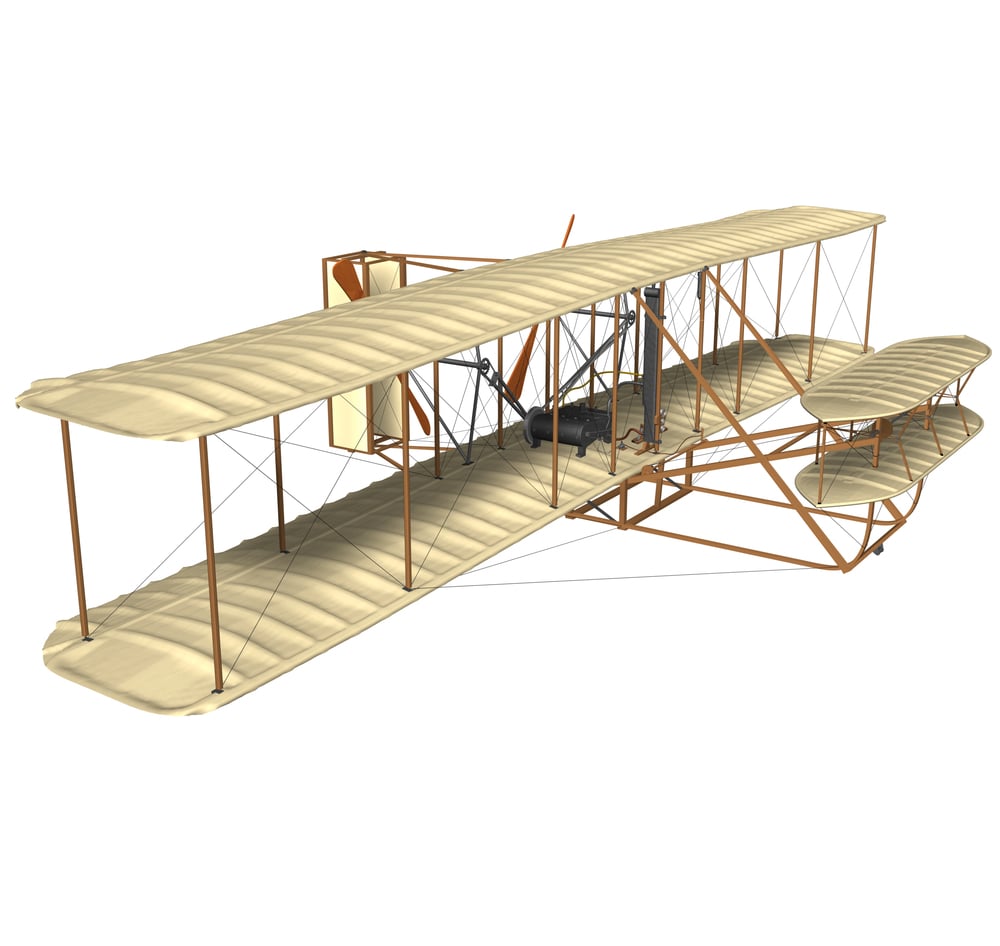
The Wright brothers flew this aircraft for 12 seconds in 1903, covering 120 feet. That short hop at Kitty Hawk marked the first controlled, powered flight in history.
The Flyer looked more like a large kite than what you’d recognize as an airplane today, with its wooden frame and fabric wings. But those 12 seconds changed everything.
The brothers spent years studying bird flight and testing gliders before adding an engine. Their approach was methodical and scientific at a time when most people thought human flight was fantasy.
The Flyer now sits in the Smithsonian, a reminder that every jumbo jet and fighter plane traces its lineage back to that beach in North Carolina.
Supermarine Spitfire
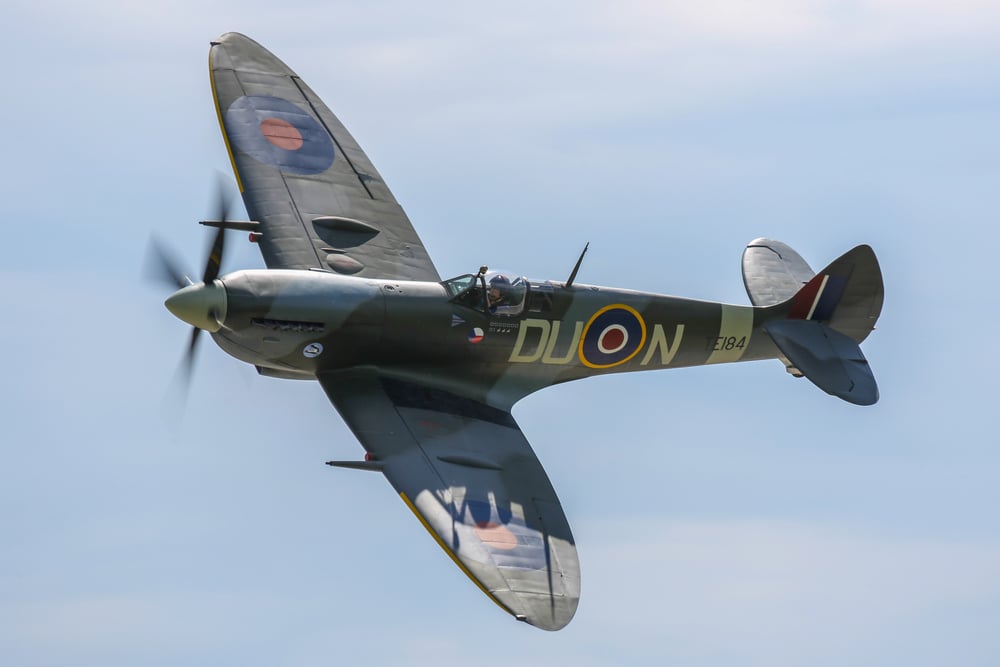
British pilots flew Spitfires during the Battle of Britain, and the plane became a symbol of resistance during World War II. The aircraft had elegant lines and an elliptical wing design that made it instantly recognizable.
More than that, it performed when it mattered most.
The Spitfire matched and often exceeded the capabilities of German fighters. Pilots loved how it handled, and the plane kept getting better through numerous updates during the war.
You can still see Spitfires at air shows today, and that distinctive engine sound draws crowds every time.
Douglas DC-3
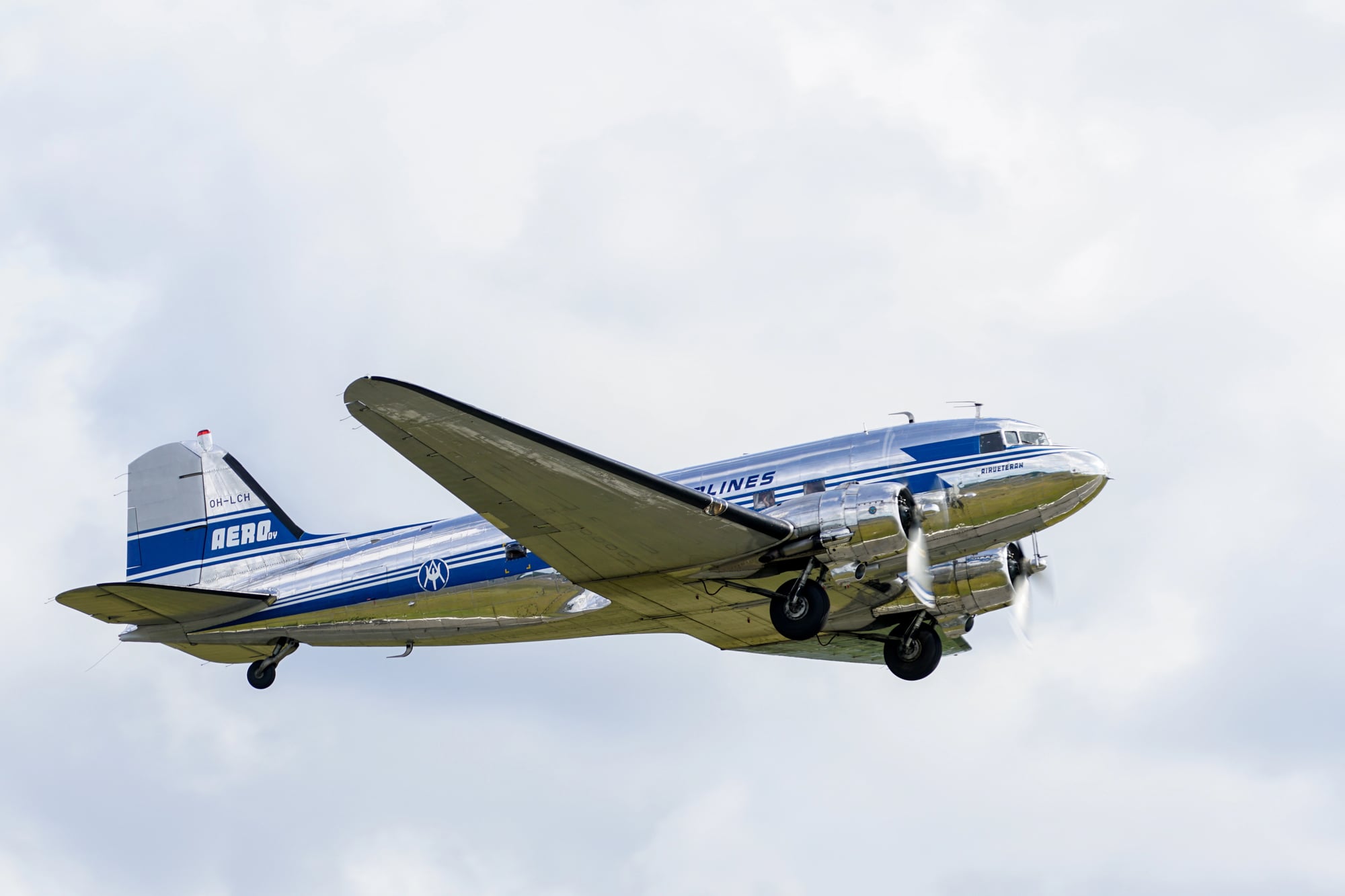
Airlines and military forces operated this workhorse from the 1930s onward, and many still fly today. The DC-3 made air travel practical for regular passengers, not just the wealthy.
Its reliability and efficiency set standards that other manufacturers had to meet.
During World War II, the military version carried troops and cargo everywhere. The plane could land on rough airstrips and keep flying with minimal maintenance.
That durability meant DC-3s ended up operating in every corner of the world, from Alaska to Antarctica. Some have logged over 80 years of service.
Boeing B-17 Flying Fortress
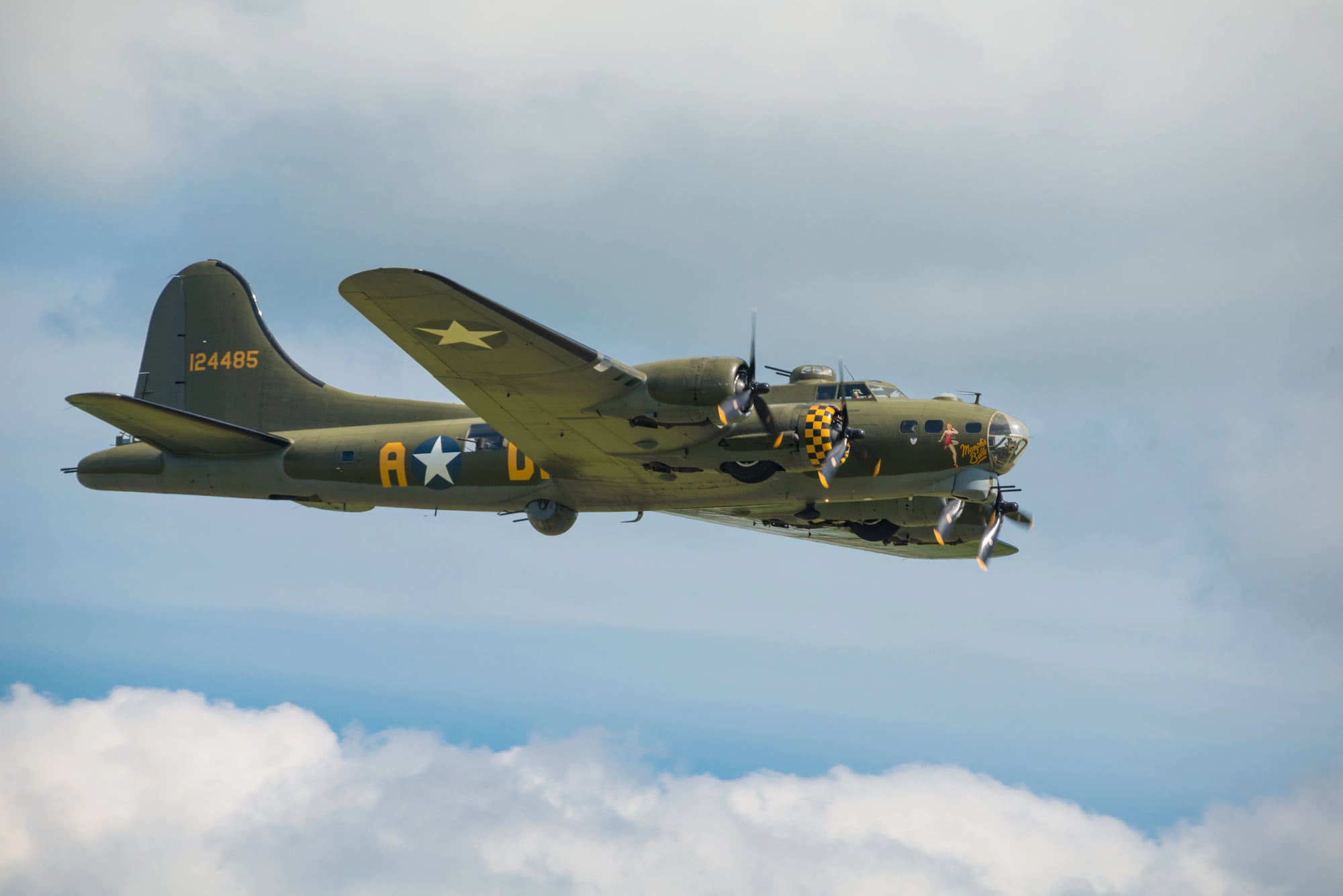
American bomber crews flew B-17s on daylight raids over Europe during World War II. The plane earned its “Flying Fortress” nickname from the defensive guns bristling from multiple positions.
These bombers could take tremendous damage and still bring their crews home.
The B-17’s four engines and sturdy construction gave it an edge in survivability. Stories of B-17s returning to base with enormous pits in the fuselage or missing pieces of tail became legendary.
The aircraft helped turn the tide of the war through strategic bombing campaigns, though at a terrible cost in crew lives.
Messerschmitt Bf 109
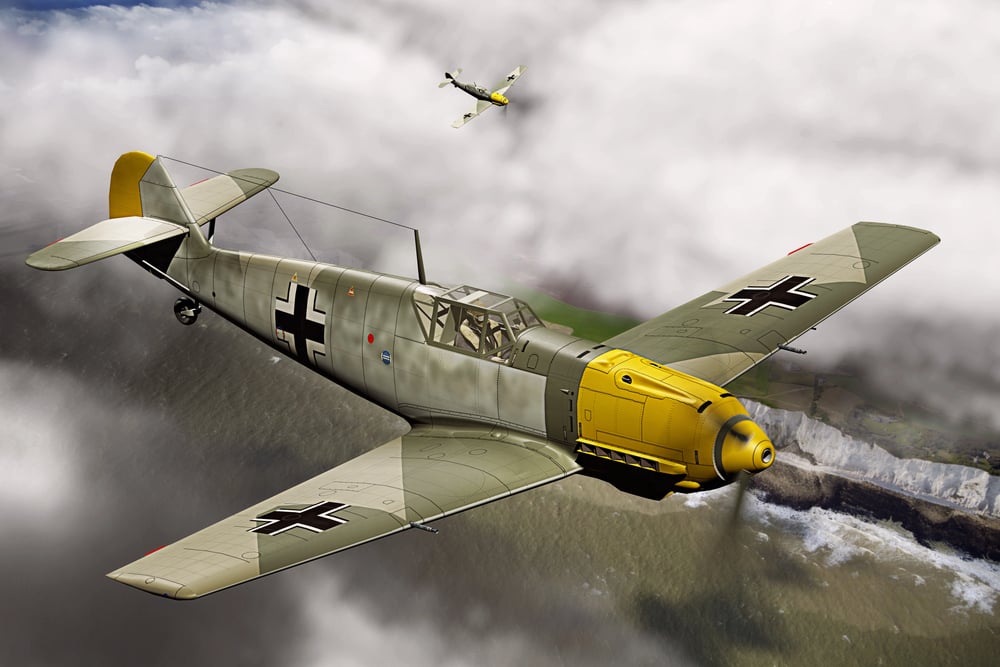
German pilots flew this fighter throughout World War II, and it became one of the most produced aircraft in history. The Bf 109 was fast, maneuverable, and armed well enough to dominate early in the conflict.
Its design influenced fighter development for decades.
More than 33,000 Bf 109s rolled off production lines during the war. The aircraft went through constant refinements, with new engines and weapons systems extending its effectiveness.
Top German aces scored most of their victories in this plane, though its narrow landing gear made it tricky to handle on the ground.
Lockheed P-38 Lightning
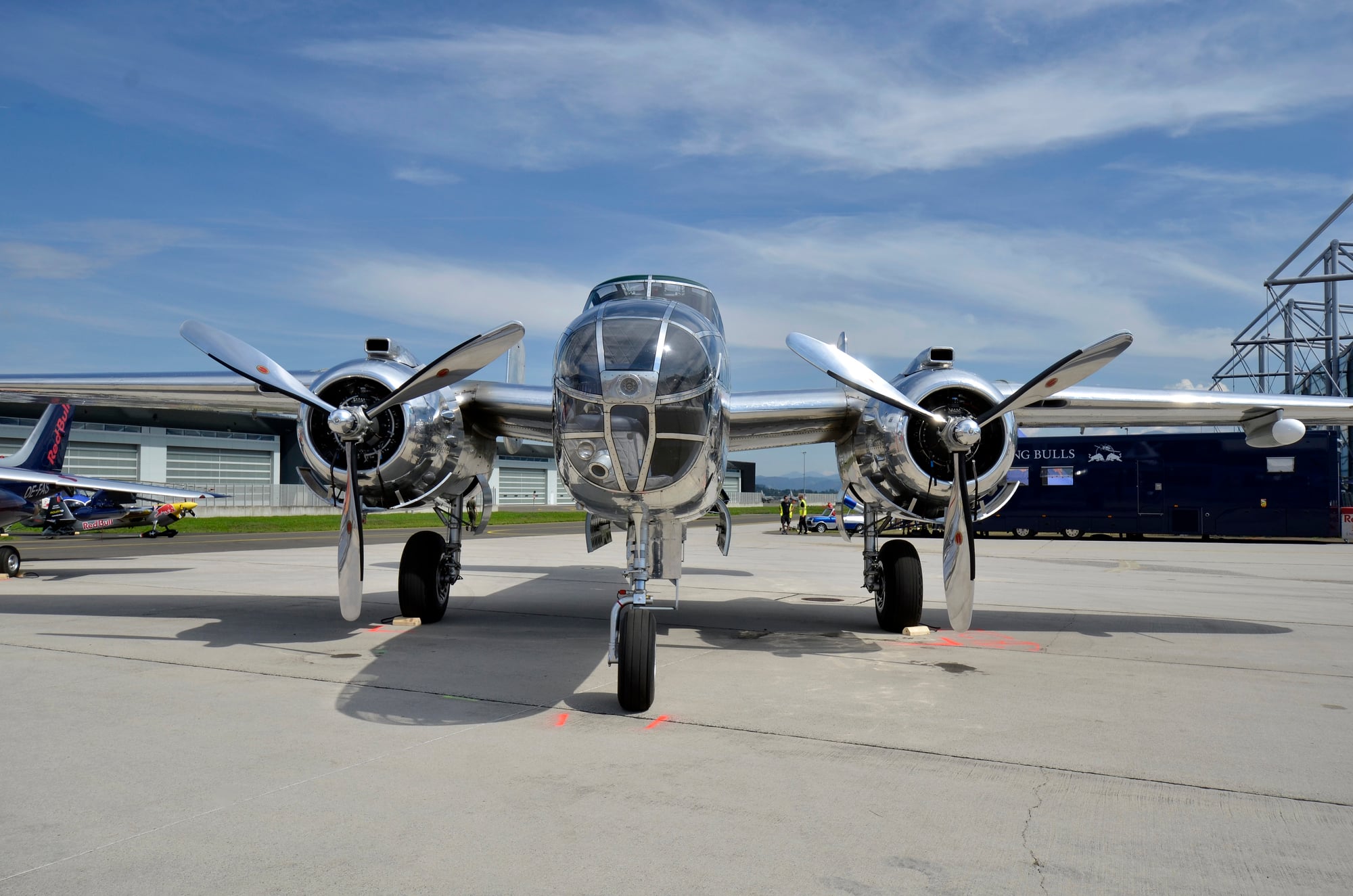
This twin-engine fighter had a distinctive twin-boom design that made it unmistakable in the sky. American pilots flew P-38s in every theater of World War II, from Europe to the Pacific.
The aircraft excelled at long-range escort missions and ground attack roles.
The P-38’s twin engines gave it reliability over vast ocean stretches where single-engine fighters couldn’t venture safely. It was fast for its time and heavily armed with concentrated nose-mounted guns.
Famous aviator Charles Lindbergh flew combat missions in a P-38 as a civilian observer, helping pilots extend their range through efficient flying techniques.
Boeing B-29 Superfortress
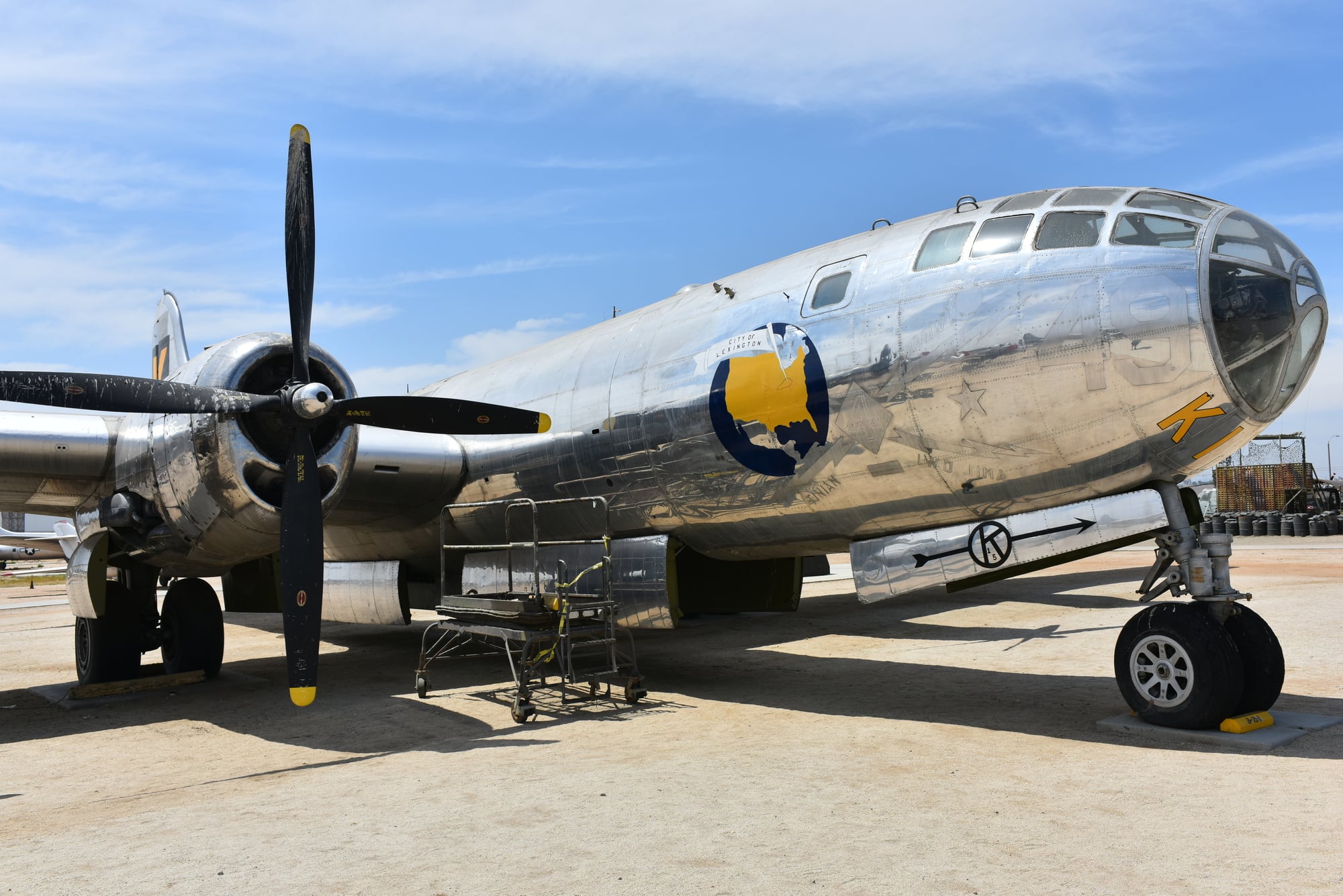
The B-29 represented the cutting edge of bomber technology in the 1940s. Pressurized cabins, remote-controlled gun turrets, and long range made it the most advanced bomber of World War II.
These planes could fly higher and farther than anything the Japanese could field against them.
B-29s dropped the atomic devices on Hiroshima and Nagasaki, ending the war in the Pacific. Beyond that grim distinction, the aircraft pioneered features that became standard in later airliners.
The technology developed for the B-29 directly influenced postwar commercial aviation.
De Havilland Comet
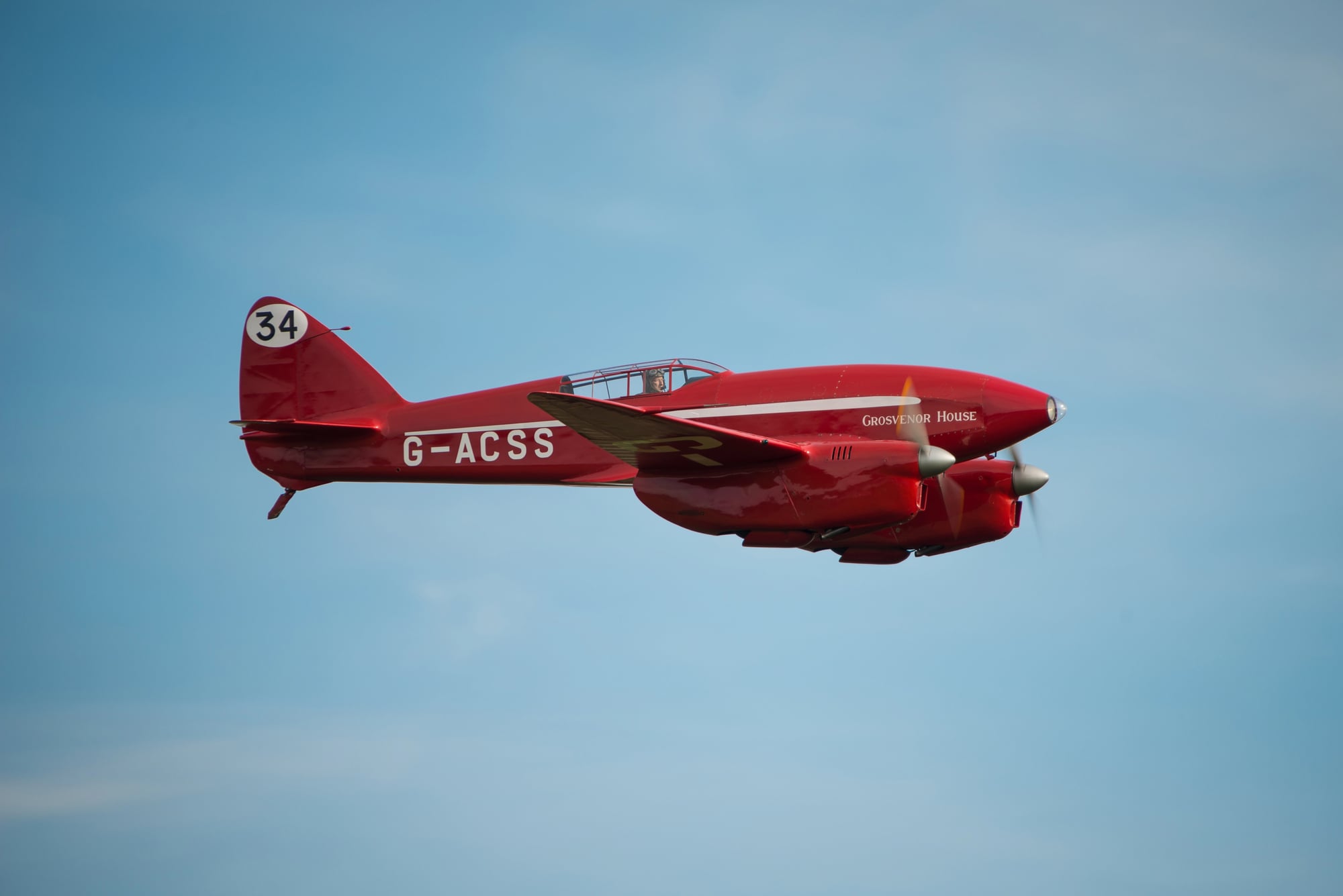
Britain launched the world’s first commercial jet airliner in 1952 with the Comet. Passengers could suddenly fly faster and higher than ever before.
The plane promised to shrink the world through speed and comfort.
But the Comet had a tragic flaw. Several aircraft broke apart in flight due to metal fatigue around the windows.
These disasters nearly ended the program, but they taught engineers crucial lessons about pressurized fuselages and material stress. The investigation improved aviation safety for all future jets.
Boeing 707
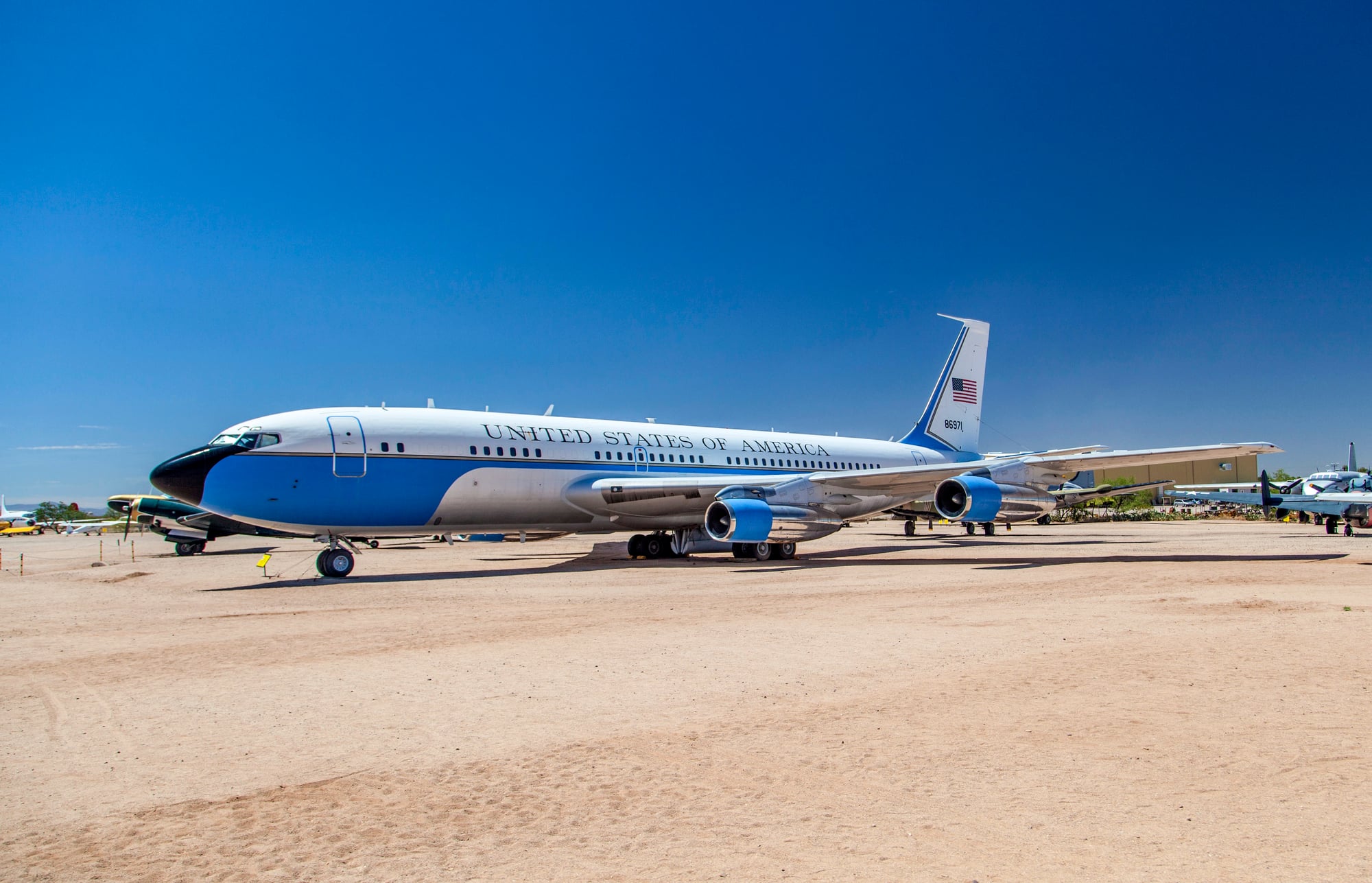
This jet airliner changed how the world travels. Pan Am started flying 707s across the Atlantic in 1958, making international travel accessible to many more people.
The plane was fast, comfortable, and economical enough for airlines to expand their routes dramatically.
The 707’s distinctive swept wings and four engines set the template for jet airliners that followed. Airlines ordered hundreds of them, and the 707 dominated long-distance routes for years.
Some military versions still fly today as tankers and command posts, more than six decades after the first one took off.
Lockheed SR-71 Blackbird
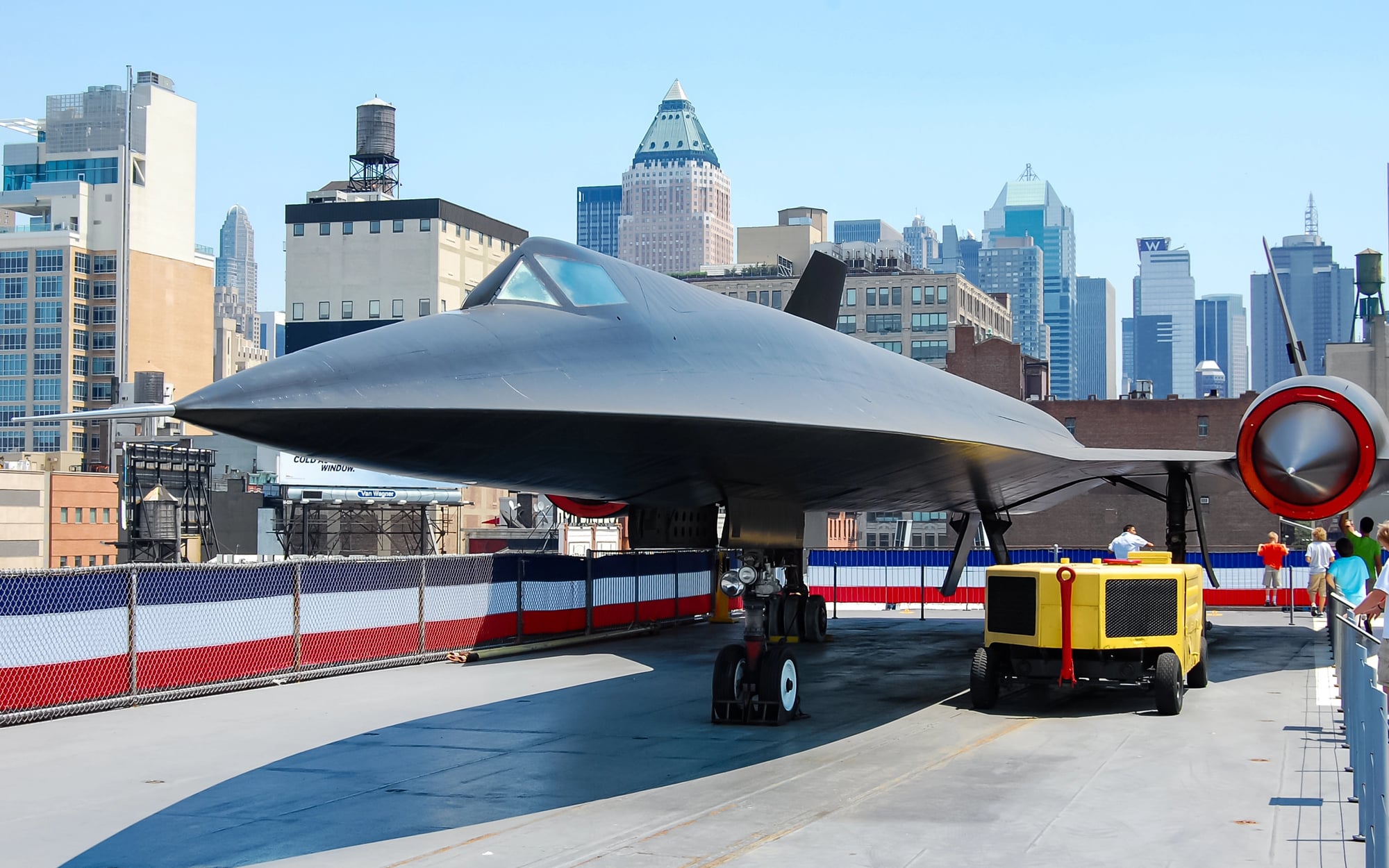
No aircraft has ever looked as futuristic as the SR-71, and it flew higher and faster than anything else. This reconnaissance plane could cruise at over 2,000 miles per hour at altitudes above 80,000 feet.
Enemy missiles couldn’t catch it because the SR-71 simply outran them.
The aircraft leaked fuel on the ground because the titanium skin only sealed properly at extreme temperatures. Pilots wore pressure suits similar to those worn by astronauts.
The SR-71 flew operational missions from the 1960s until 1998, and many of its capabilities remain classified even now.
Boeing 747
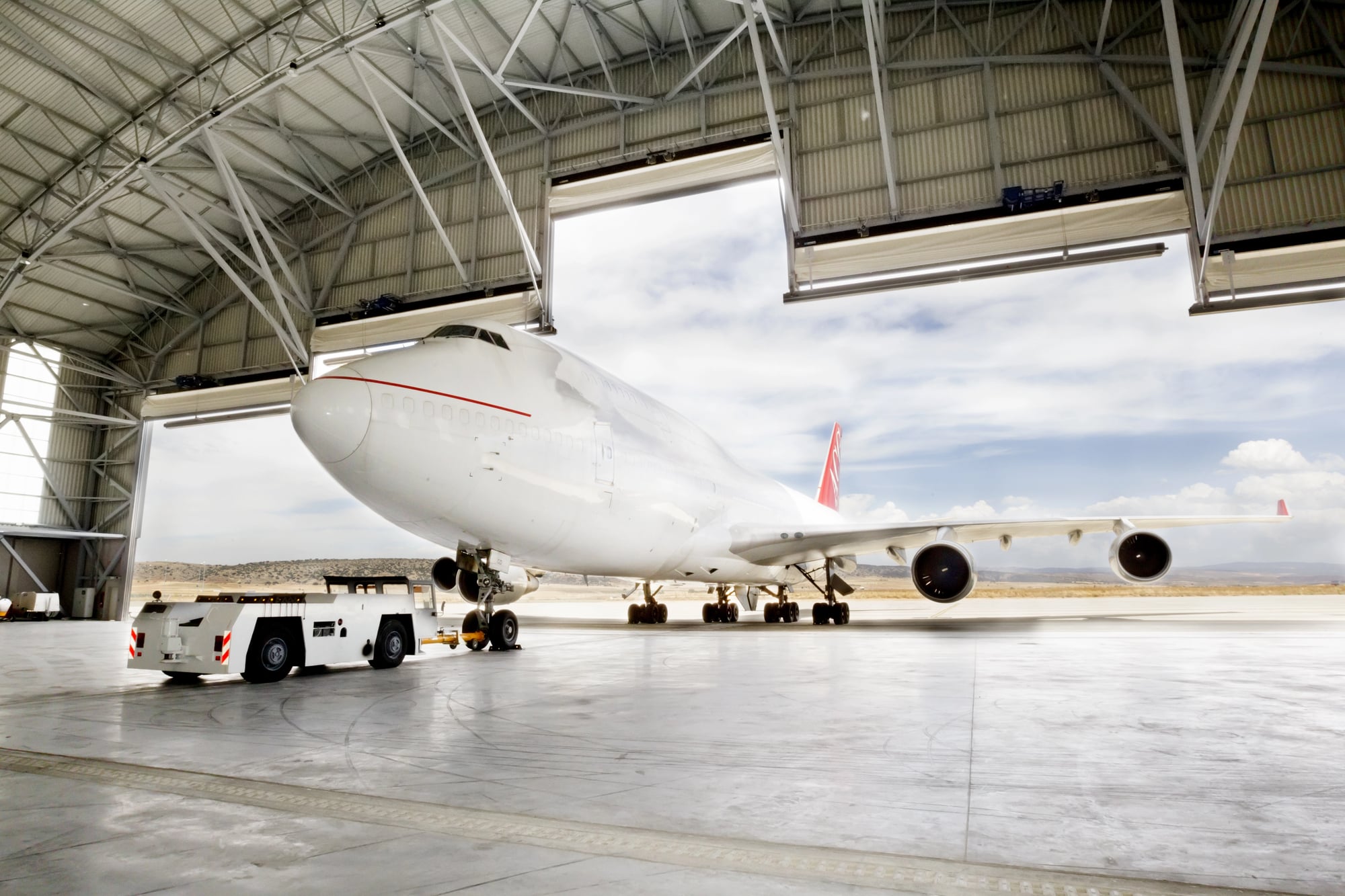
The 747 made its first flight in 1969 and earned the nickname “Queen of the Skies.” Its distinctive hump made it instantly recognizable, and the sheer size shocked people when it first appeared.
This plane could carry twice as many passengers as earlier jets.
Airlines used 747s to connect distant cities and make international travel affordable for millions. The plane also became the standard presidential aircraft as Air Force One.
Even as newer designs replace it, the 747 remains an icon of the jet age. Production ended in 2023 after more than 50 years.
Concorde
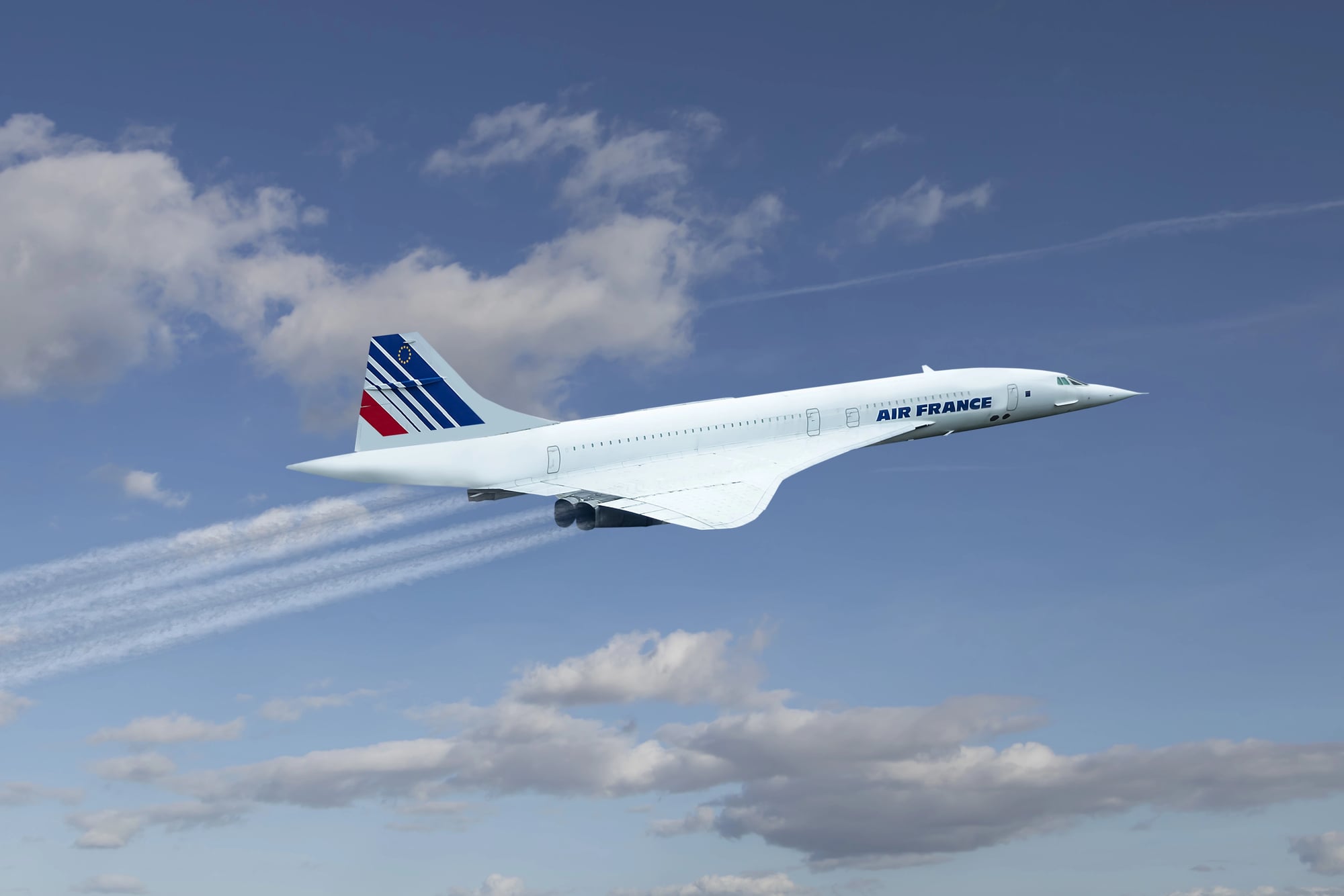
This supersonic airliner could fly from New York to London in under three and a half hours. Concorde represented the pinnacle of speed in commercial aviation, cruising at over twice the speed of sound.
The plane looked like a dart with its long, pointed nose that drooped for takeoffs and landings.
Only British Airways and Air France operated Concordes, and tickets cost a fortune. The aircraft burned massive amounts of fuel and created sonic booms over land.
But passengers loved the experience of supersonic flight. After a tragic crash in 2000 and mounting costs, both airlines retired their Concordes in 2003.
Boeing 737
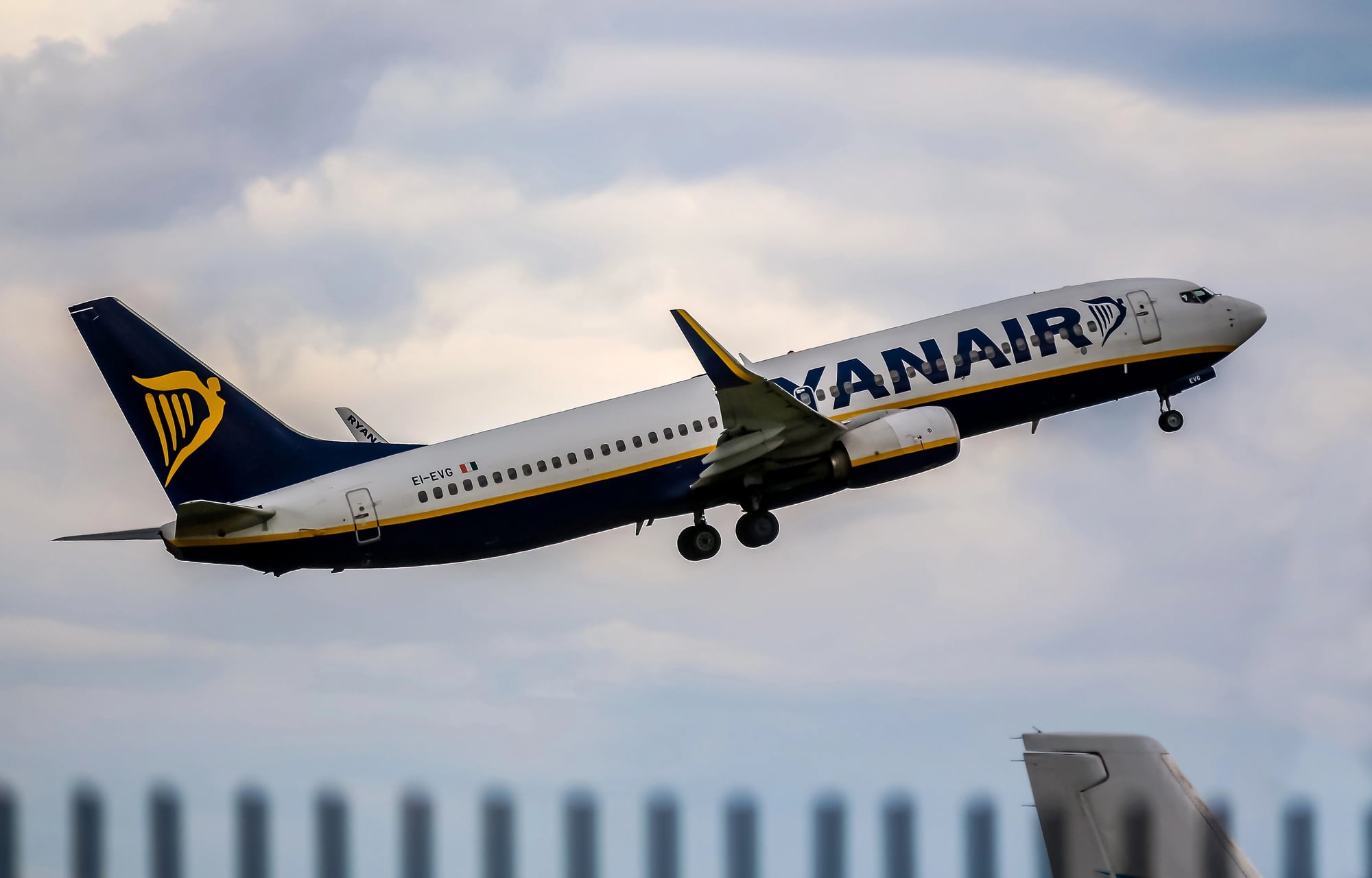
More 737s have been built than any other commercial jet in history. Airlines love this workhorse because it’s efficient, reliable, and fits perfectly in the medium-range market.
You’ve probably flown on one without even thinking about it.
Boeing introduced the 737 in 1968 and kept improving it through multiple generations. The plane works equally well flying between nearby cities or making longer trips over water.
Thousands of them fill the skies every day, connecting communities large and small across the globe.
McDonnell Douglas F-15 Eagle
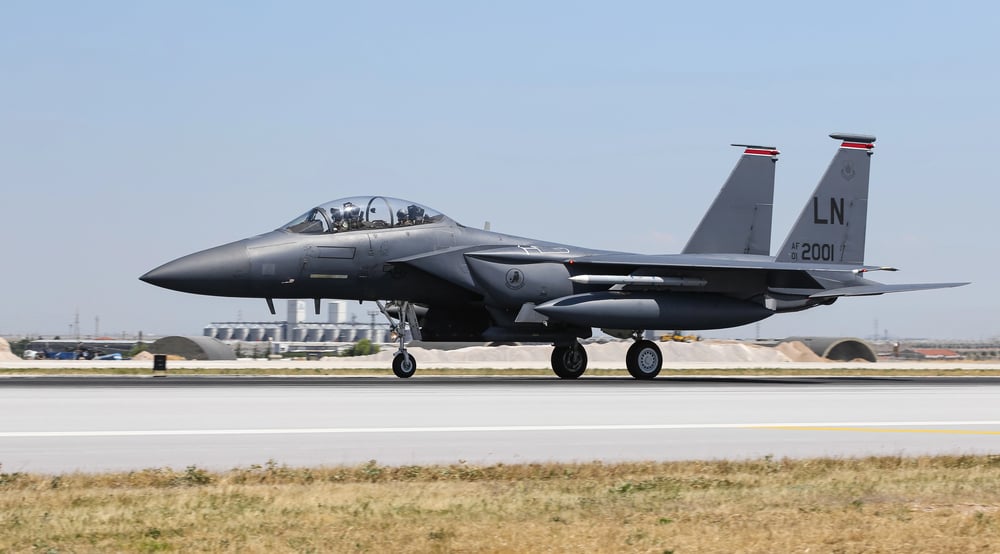
American fighter pilots have flown F-15s since the 1970s, and the plane has never lost an air-to-air combat. That perfect record stems from exceptional performance and powerful radar systems.
The F-15 can accelerate vertically and reach speeds over Mach 2.5.
The aircraft carries an impressive weapons load and has twin engines that give it tremendous power. Some F-15s serve as strike fighters, carrying bombs and missiles for ground attack missions.
Despite being decades old, upgraded F-15s remain in production because the basic design is that good.
Airbus A380
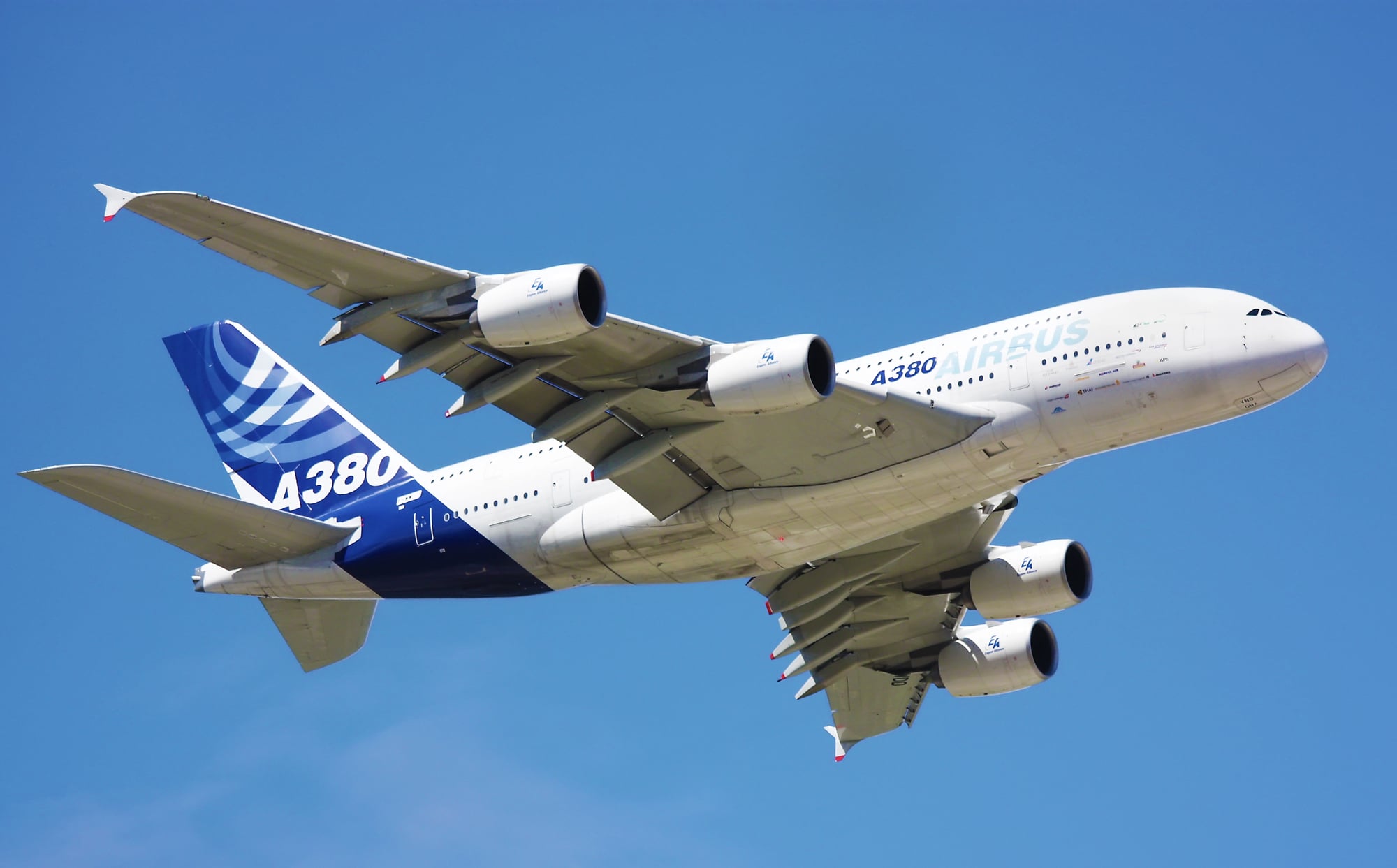
This double-decker giant can carry over 500 passengers in standard configuration, making it the largest passenger airliner ever built. The A380 promised to solve airport congestion by moving more people per flight.
Its size impressed everyone who saw it.
Airlines struggled to fill all those chairs profitably, though. The economics worked only on the busiest routes between major hubs.
Most carriers chose smaller, more flexible twin-engine jets instead. Airbus ended A380 production in 2021, but the few that remain in service offer passengers an experience unlike any other plane.
Lockheed C-130 Hercules
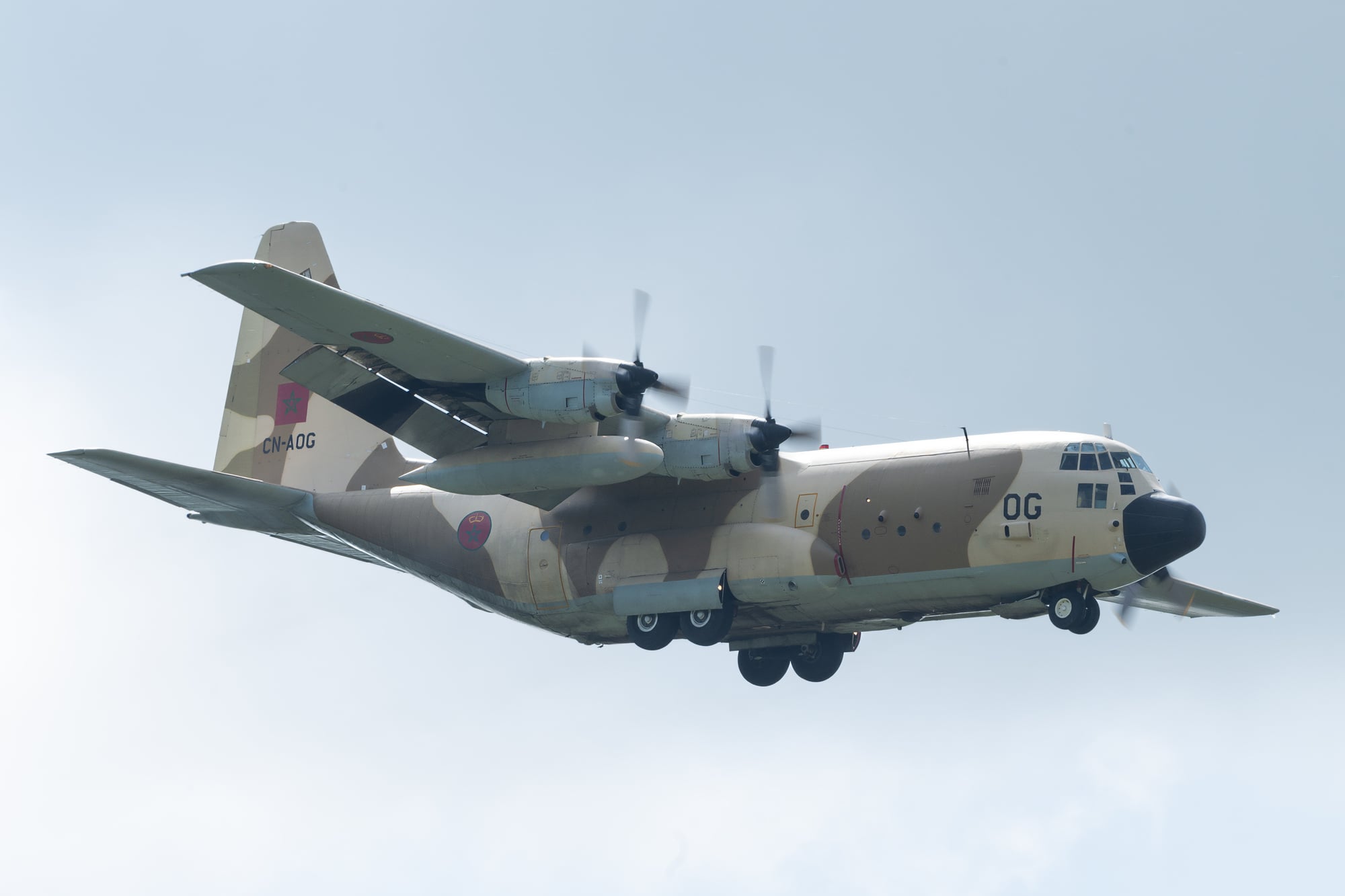
Military forces worldwide have flown this cargo plane since the 1950s. The C-130 can haul troops, vehicles, and supplies into rough airstrips that would destroy most aircraft.
Its high wing and rear loading ramp make it incredibly versatile.
More than 70 countries operate C-130s for military and civilian purposes. The plane fights wildfires, delivers humanitarian aid, and performs rescue missions in addition to military transport.
Some C-130s have been flying for over 60 years, testament to the durability of the design.
Boeing 777
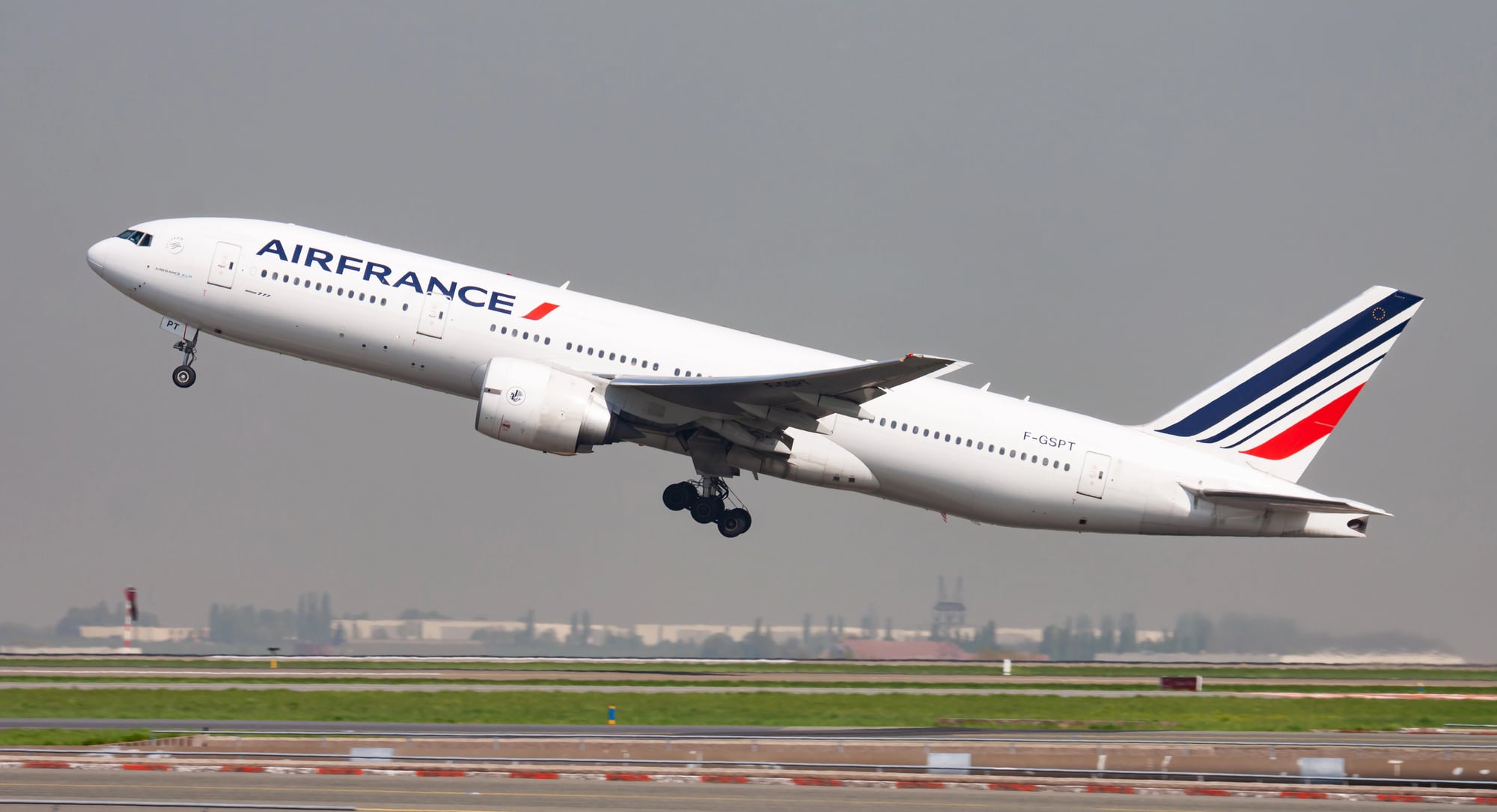
Airlines wanted a large twin-engine jet for long routes, and Boeing delivered with the 777. This plane flies farther on two engines than older four-engine jets, making it more economical.
The 777 also introduced digital design methods that changed how aircraft are built.
The plane’s reliability set new standards in aviation. Airlines trust it to fly routes over vast oceans, sometimes spending hours away from the nearest airport.
Passengers appreciate the spacious cabin and smooth ride. The 777 continues to dominate the long-haul market decades after its introduction.
Wings That Shaped Our World
These aircraft represent more than metal and engineering. Each one solved a problem or pushed a boundary that seemed impossible before.
Some brought the world closer together, others defended nations during dark times, and a few simply showed us what becomes possible when human ingenuity takes flight. The planes we fly tomorrow will build on what these icons achieved yesterday.
More from Go2Tutors!

- The Romanov Crown Jewels and Their Tragic Fate
- 13 Historical Mysteries That Science Still Can’t Solve
- Famous Hoaxes That Fooled the World for Years
- 15 Child Stars with Tragic Adult Lives
- 16 Famous Jewelry Pieces in History
Like Go2Tutors’s content? Follow us on MSN.



