15 Times Something Went Viral Before the Internet Even Existed
Information and trends may have spread like wildfire throughout society long before hashtags, shares, and viral videos took over our digital landscape. Although it did not have the technological infrastructure that we now connect with it, the phenomena that we now refer to as “going viral” has existed throughout human history.
Here are 15 amazing examples of concepts, products, and phenomena that gained enormous traction and public awareness before the internet was ever a thing.
Tulip Mania

In 1630s Holland, tulip bulbs became the center of one of history’s first documented speculative bubbles. Prices for certain bulb varieties reached astronomical levels, with some rare specimens costing more than luxury homes.
The craze spread through all levels of Dutch society, creating a genuine nationwide obsession that collapsed dramatically in 1637.
War of the Worlds Broadcast

Orson Welles’ 1938 radio adaptation of H.G. Wells’ ‘War of the Worlds’ caused widespread panic across America, despite clear disclaimers that the program was fiction, the realistic news-bulletin format convinced thousands that an alien invasion was actually happening.
News of the panic spread almost instantly through telephone calls and word of mouth, demonstrating how quickly information could travel even in the pre-television era.
Beatlemania
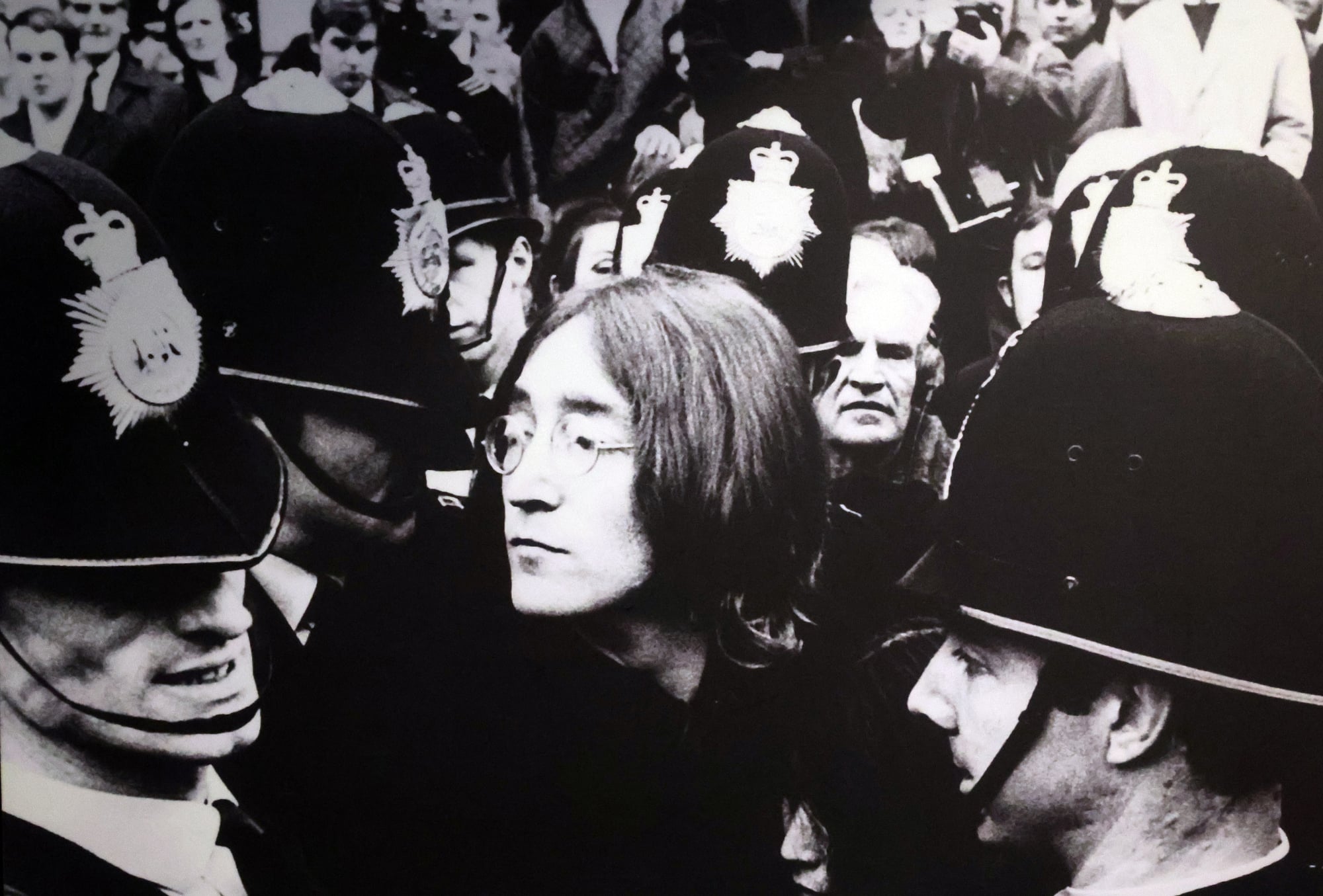
The unprecedented fan hysteria surrounding The Beatles in the 1960s represents perhaps the most famous pre-internet viral phenomenon. Teenage fans fainted at concerts, mobbed airports, and bought merchandise in staggering quantities.
This cultural earthquake spread across continents without social media, relying instead on radio, television, and print to fuel the frenzy.
Pet Rocks

Gary Dahl’s 1975 creation of the Pet Rock represents one of the most successful viral marketing successes in history. This ordinary rock packaged in a cardboard carrying case with a humorous care manual became an overnight sensation.
Over 1.5 million Pet Rocks sold for $4 each in just six months, proving that even the simplest idea could capture massive public attention through traditional media coverage.
Hula Hoop Craze

A global sensation began in 1958 when Wham-O unveiled the modern Hula Hoop. In just the first four months, the company sold an estimated 25 million hoops.
The plastic hoop’s popularity expanded quickly throughout the world, demonstrating how a straightforward, easily accessible product may establish cultural ubiquity and a multinational playground without the use of internet networks.
Rubik’s Cube

Ernő Rubik’s colorful puzzle cube became a global obsession in the early 1980s. The mesmerizing toy sold hundreds of millions of units worldwide and spawned competitions, solution books, and dedicated clubs.
People everywhere were suddenly twisting and turning these cubes, creating a shared cultural experience that transcended language and geography.
Cabbage Patch Kids

The Cabbage Patch Kids phenomenon of 1983 demonstrated viral demand at its most extreme. Parents literally fought in store aisles to secure these dolls for their children during the holiday season.
News footage of these retail melees spread through traditional media, creating even more hysteria and demand in a perfect pre-internet viral cycle.
Flagpole Sitting

In the 1920s, the bizarre trend of flagpole sitting swept America. After Alvin ‘Shipwreck’ Kelly sat atop a flagpole for 13 hours and 13 minutes, the stunt captured national attention.
Soon people across the country were attempting to break endurance records, with some sitting for weeks. Newspapers eagerly reported these stunts, turning a peculiar activity into a nationwide sensation.
Dance Marathons

During the Great Depression, dance marathons became a cultural phenomenon that spread across America. Couples would dance for days or even weeks, taking only brief rest breaks, competing for cash prizes.
These grueling spectacles drew massive audiences and press coverage, demonstrating how economic hardship could drive viral entertainment trends.
Goldfish Swallowing

The college craze of goldfish swallowing began in 1939 when a Harvard student gulped down a live fish on a dare. This bizarre challenge spread to campuses nationwide as students attempted to break records for the most fish consumed.
Newspaper coverage fueled the fad, showing how youth culture could drive viral trends long before TikTok challenges.
Streaking

In 1974, running naked through public places reached peak popularity on college campuses and even during the Academy Awards broadcast. This phenomenon spread through traditional news coverage, with each high-profile streak inspiring copycats nationwide.
The craze demonstrated how shocking behavior could capture public attention and spread rapidly even without digital sharing.
CB Radio

Citizens Band radio created a nationwide communication network in the 1970s, peaking after the 1973 oil crisis when truck drivers used CBs to locate fuel and avoid speed traps. The popularity exploded into mainstream culture, complete with special lingo and country songs celebrating the technology.
This analog social network created viral communities decades before Facebook.
Chainletters

Written chain letters have circulated for centuries, using social pressure and promises of luck or fortune to encourage recipients to make copies and continue the chain. Some historical examples spread to millions of people across continents.
These analog message-spreading systems operated on the same psychological principles that drive digital sharing today.
Kilroy Was Here
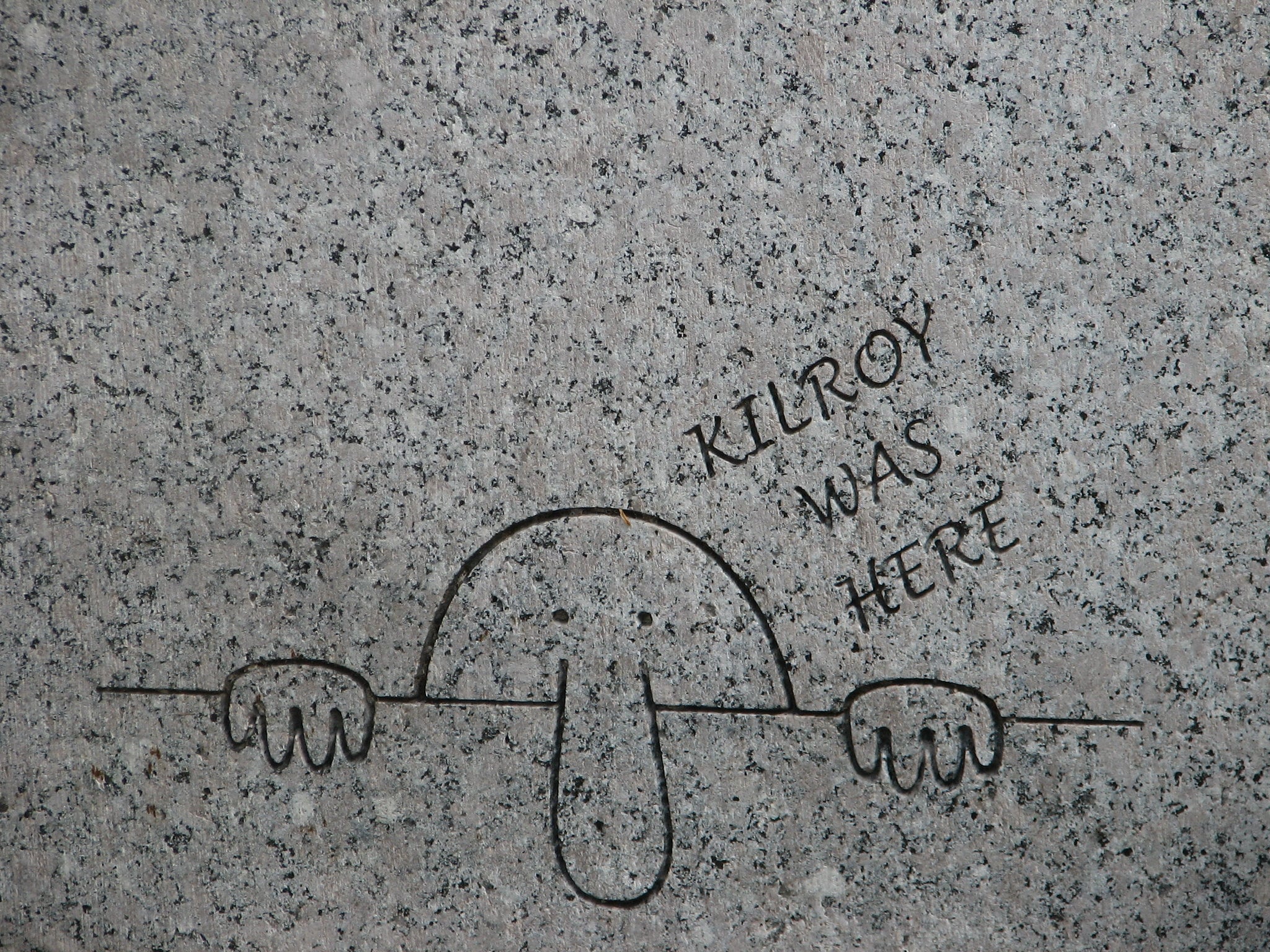
During World War II, the simple graffiti of a bald-headed man peeking over a wall alongside the phrase ‘Kilroy Was Here’ appeared throughout European and Pacific theaters. American GIs would draw the character in increasingly unlikely and remote locations.
The meme spread globally before anyone had conceptualized what a meme even was.
War Bonds

During World War II, the U.S. government’s war bond campaigns used celebrity endorsements, rallies, and emotional appeals to create nationwide participation. Stars like Bob Hope and Judy Garland helped sell over $185 billion in bonds.
This coordinated message spread through every available communication channel, creating a cultural phenomenon that united Americans in a common cause.
The Ripples of Human Connection

These historical viral moments remind us that human nature—not technology—drives our desire to share experiences and participate in collective enthusiasm. The internet has certainly accelerated and amplified our ability to spread ideas, but the fundamental social mechanisms have always been wired into our communities and cultures.
These pre-digital viral phenomena demonstrate that connectivity has always been at the heart of human experience, regardless of the tools available.
More from Go2Tutors!

- 16 Historical Figures Who Were Nothing Like You Think
- 12 Things Sold in the 80s That Are Now Illegal
- 15 VHS Tapes That Could Be Worth Thousands
- 17 Historical “What Ifs” That Would Have Changed Everything
- 18 TV Shows That Vanished Without a Finale
Like Go2Tutors’s content? Follow us on MSN.



