15 Top Tourist Spots and Best Times to Visit
Planning the perfect trip means more than just picking a destination. Timing can transform an ordinary vacation into something unforgettable — or turn your dream getaway into a crowded, overpriced disappointment.
Weather patterns, seasonal crowds, and local events all play their part in determining whether you’ll return home with stories worth telling or complaints about what went wrong.
Santorini, Greece
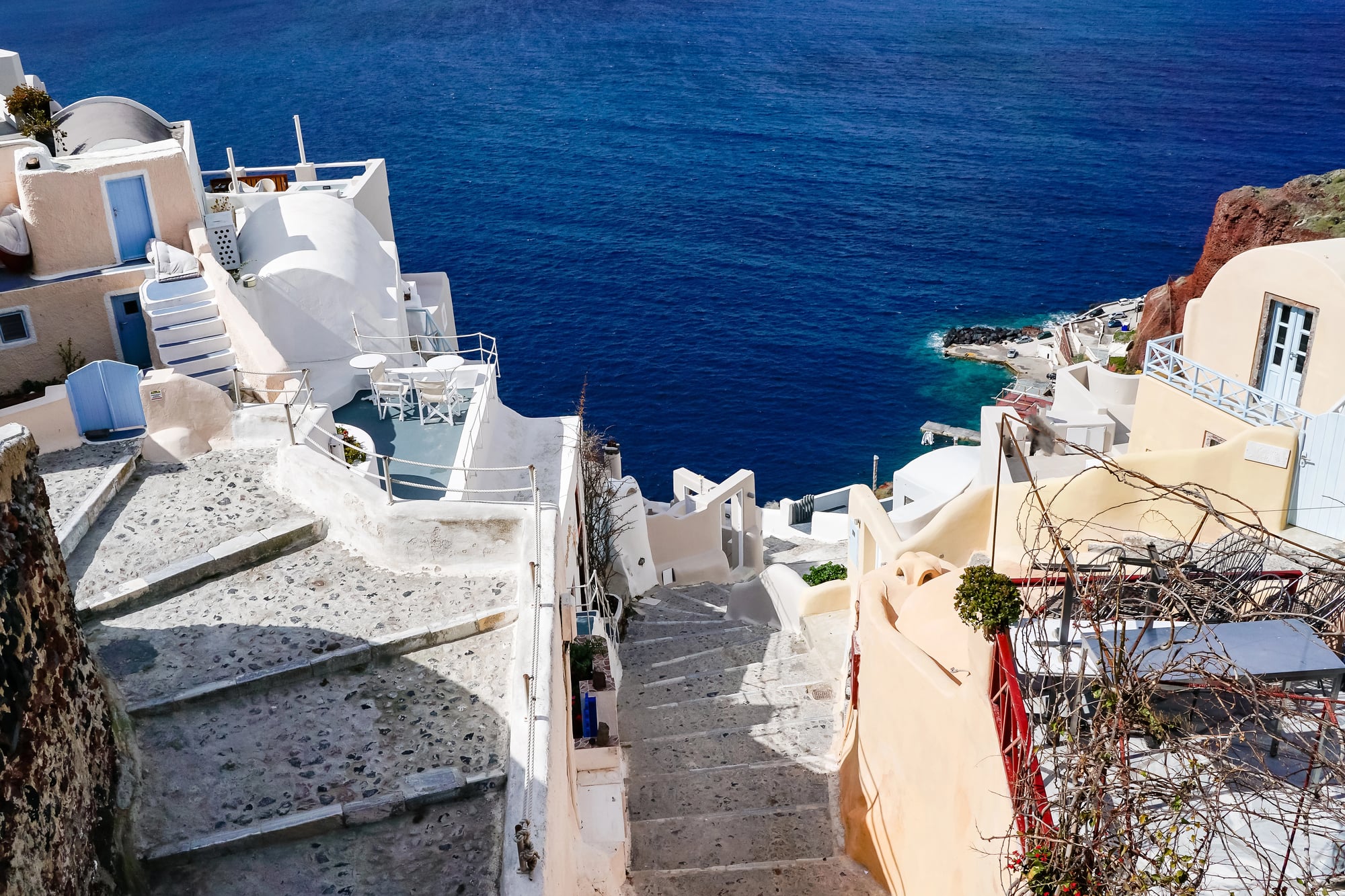
The white-washed buildings look stunning in photos year-round. Visit between late April and early June or September through October.
You’ll skip the July-August crowds and still get perfect weather for exploring those clifftop villages.
The shoulder seasons deliver everything Santorini promises without the chaos. Hotels cost half as much, restaurant tables stay available, and you can actually move through Oia without getting stuck behind tour groups taking selfies.
Tokyo, Japan
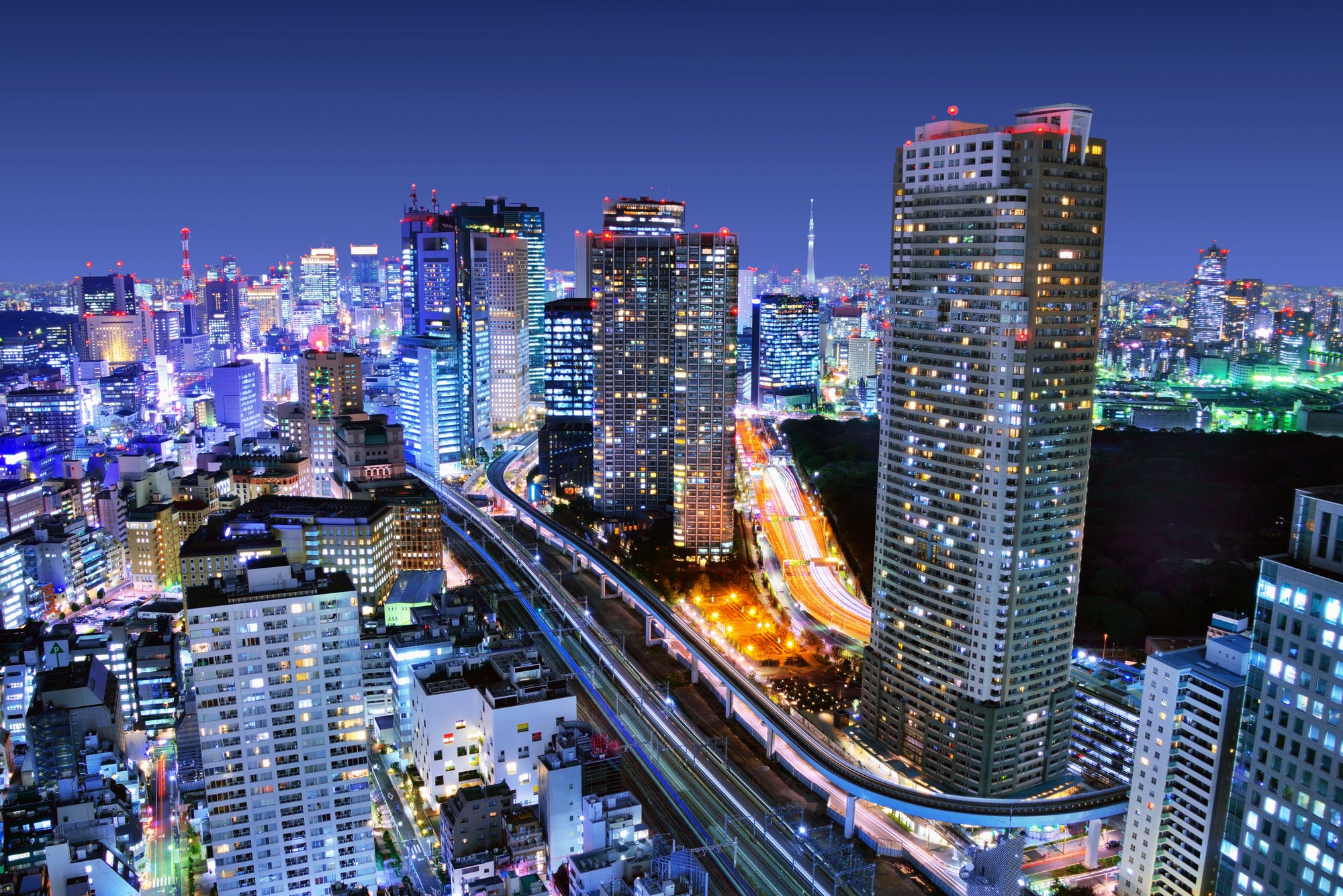
Spring cherry blossom season gets all the attention, but fall might be better. October through November brings comfortable temperatures, clear skies, and autumn colors that rival the famous sakura blooms.
Cherry blossom season (late March to early May) remains magical if you can handle the crowds. Book accommodations months ahead and expect higher prices.
The alternative? Visit in winter for fewer tourists, excellent food, and surprisingly mild weather — just pack layers.
Machu Picchu, Peru
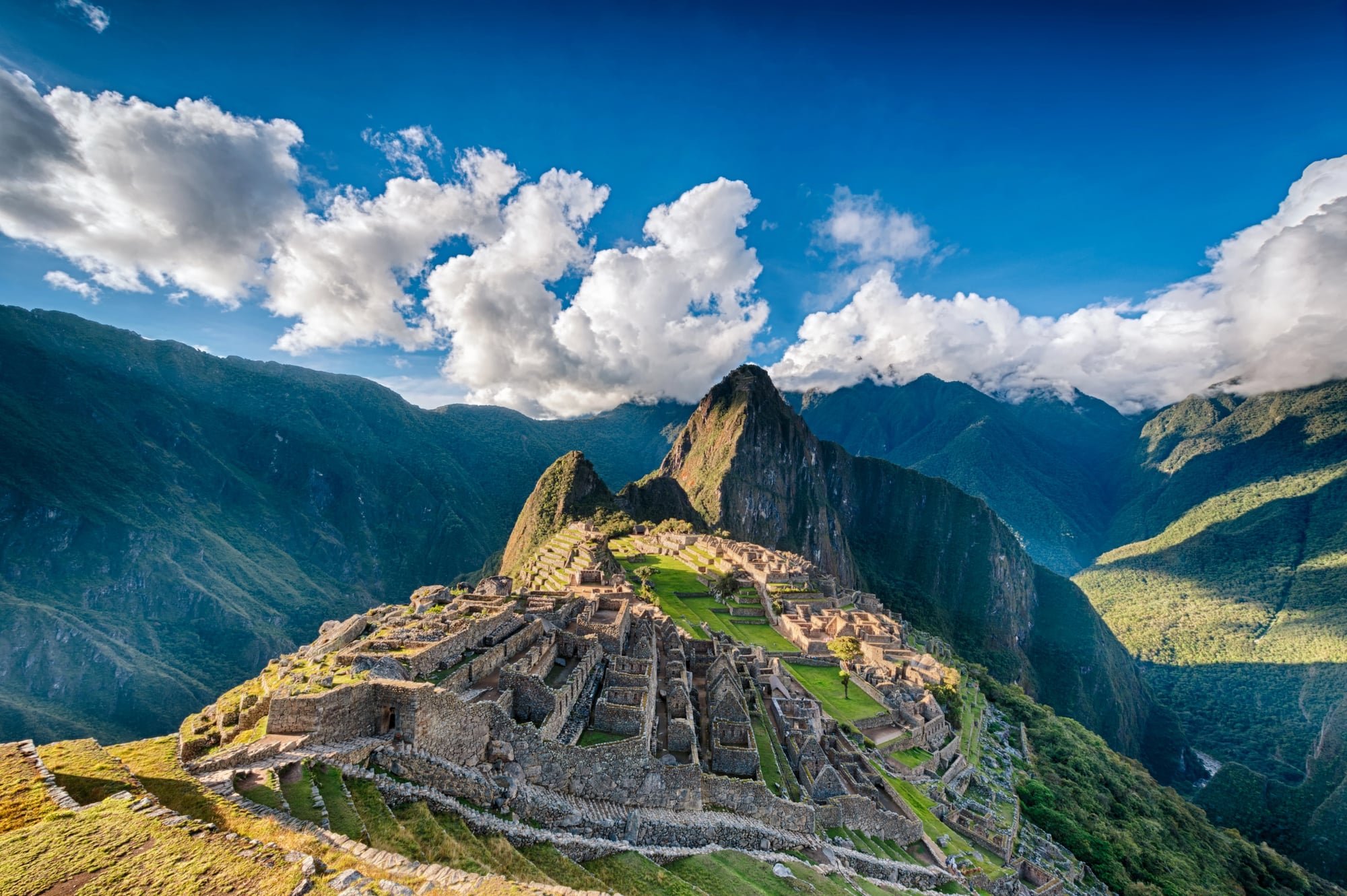
The dry season from May to September offers the clearest mountain views and most reliable hiking conditions. But here’s the thing about reliable conditions (and this applies to most famous archaeological sites): everyone knows about them, which means you’ll share those incredible Andes vistas with significantly more people than you might prefer, especially if you’re someone who values a sense of discovery over convenience.
July hits peak crowding. So does August.
And yet the rainy season — October through April — shouldn’t be dismissed entirely. Yes, afternoon showers arrive with stubborn regularity, and yes, the Inca Trail closes completely in February for maintenance, but the mountains wear a different kind of beauty when mist clings to the ancient terraces, and you might find yourself almost alone with one of the world’s most remarkable ruins, which is worth considering if you’re the type who finds crowds more distracting than weather.
Iceland
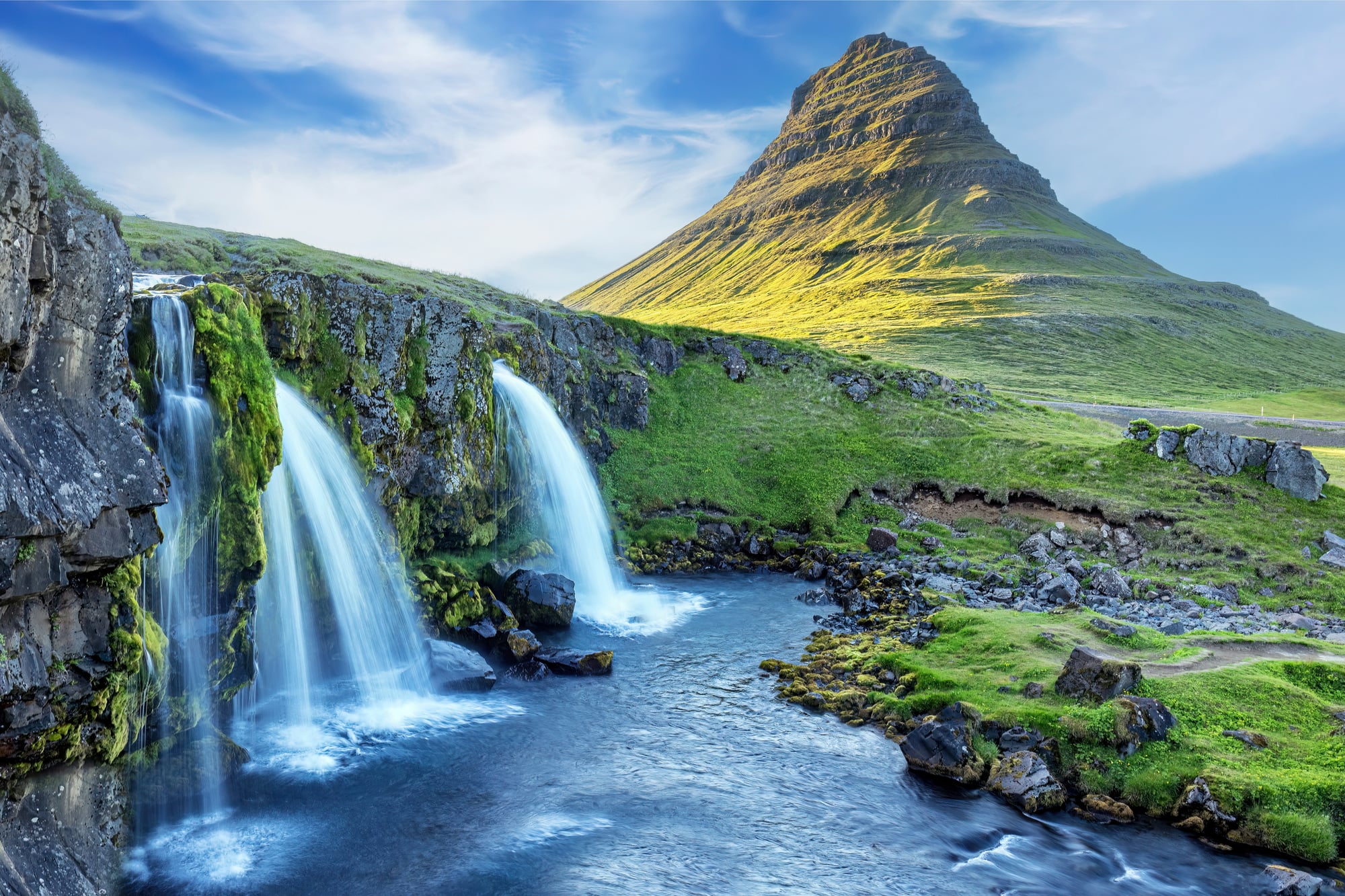
Iceland corrects your assumptions about seasons. Summer means lupine flowers and midnight sun, but winter delivers the Northern Lights and ice caves you can’t access any other time.
June through August brings warmth and accessible highland roads. December through March offers aurora viewing and otherworldly frozen landscapes.
Both seasons have their devotees, and both will surprise you with beauty that photographs never quite capture.
Bali, Indonesia
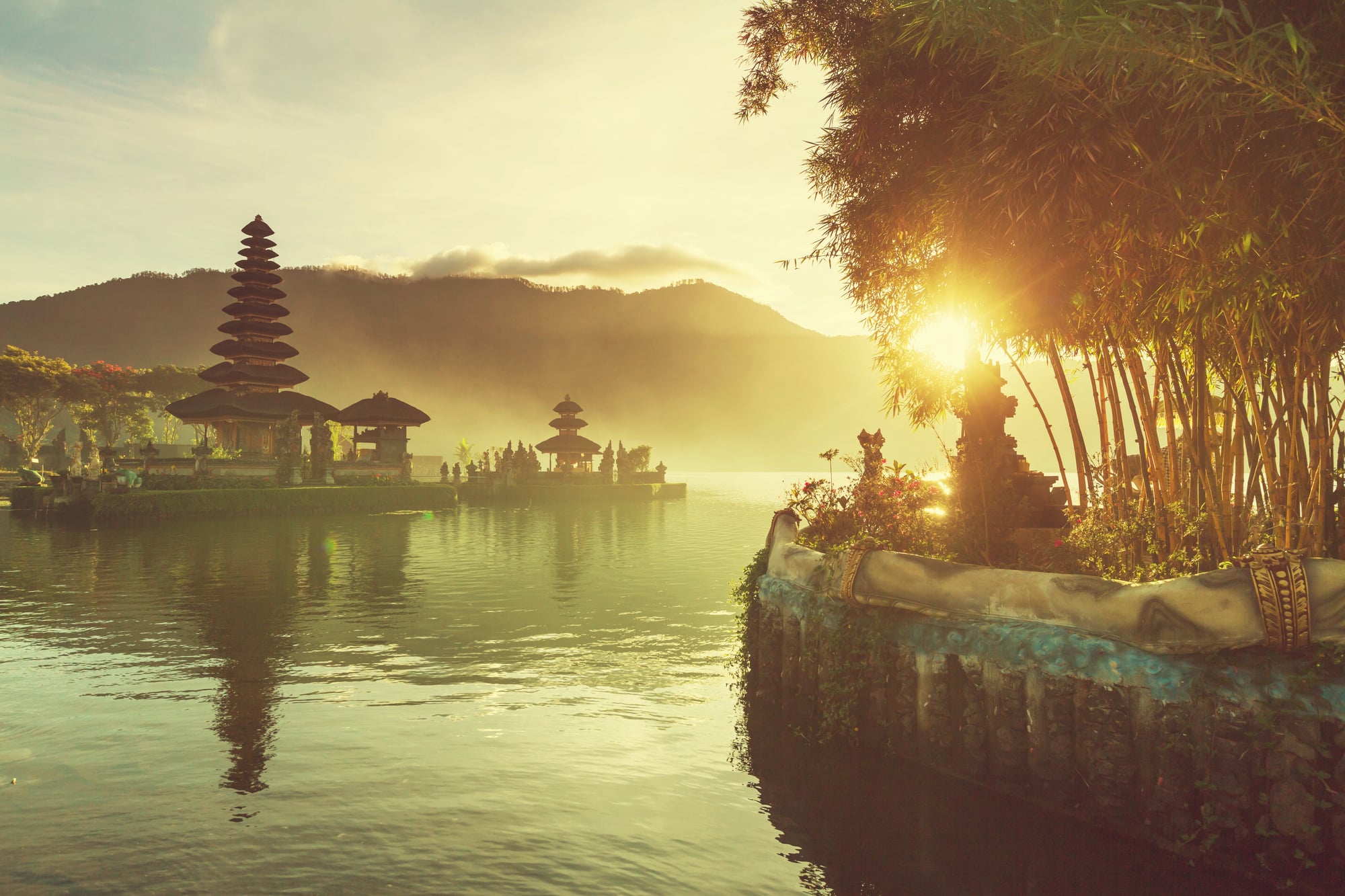
Like a friend who always looks good but has better and worse days, Bali rewards visitors who time their arrival carefully. The island’s beauty doesn’t disappear during rainy season, but it does get complicated by daily afternoon downpours that can trap you indoors just when you planned to explore rice terraces or beach-hop between surf spots.
The dry season runs May through September, and those months feel like Bali showing off — clear skies stretching endlessly over emerald rice paddies, calm seas perfect for diving, temperatures that make you forget why anyone lives anywhere else.
October can go either way, a gamble that sometimes pays off with perfect weather and smaller crowds.
New York City
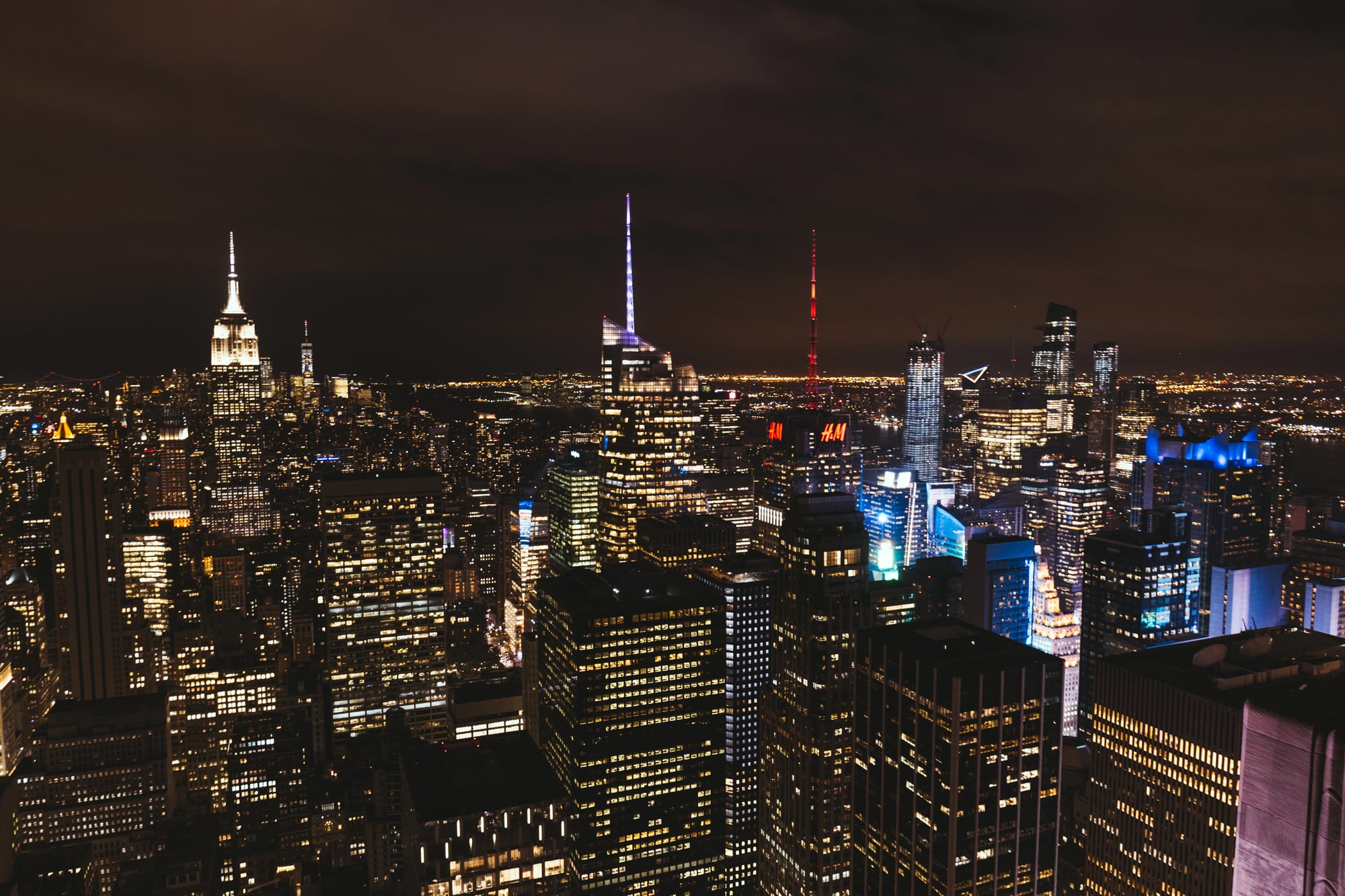
New York works year-round, but timing affects your experience dramatically. Fall delivers perfect walking weather and Central Park at its most photogenic.
Spring offers mild temperatures and fewer tourists than summer.
Winter has its own appeal — holiday decorations, ice skating, and that particular energy New York gets when the air turns crisp. Summer brings outdoor concerts and rooftop bars, along with heat that can make subway rides uncomfortable.
Pick your season based on what matters most to you.
Norwegian Fjords
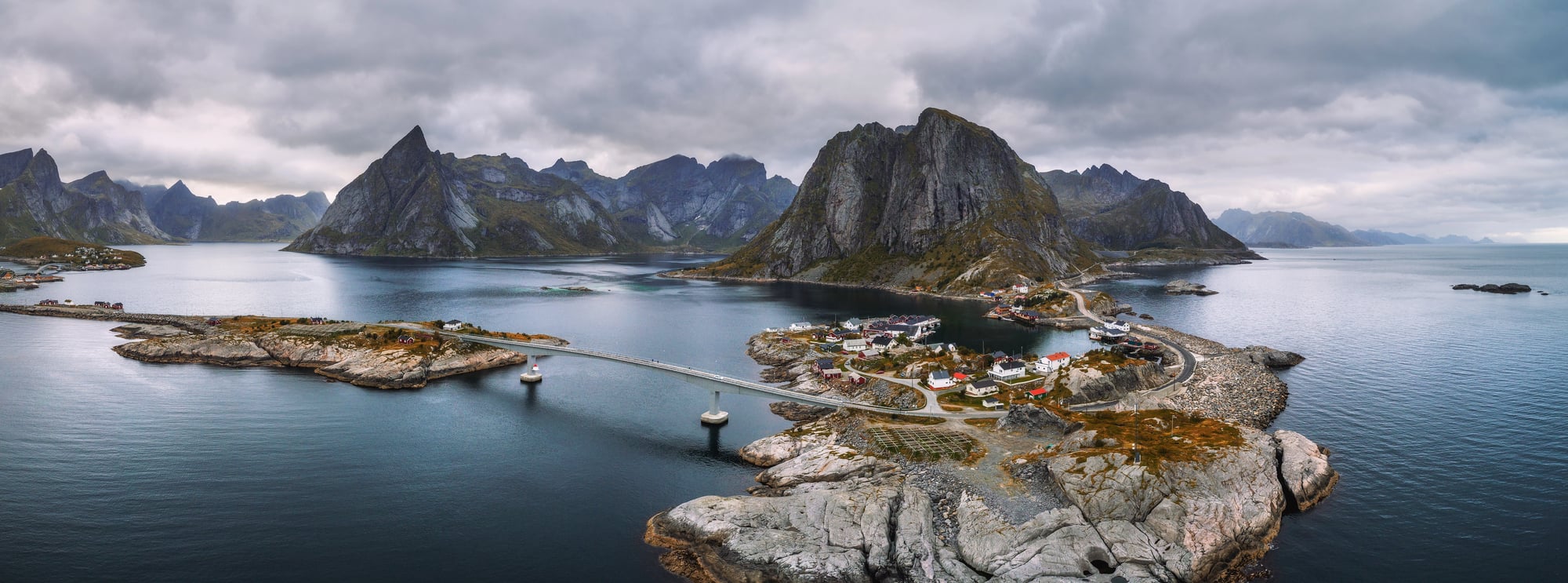
May through September opens up the fjords completely — cruise ships navigate deeper waters, hiking trails become accessible, and waterfalls run at full force from snowmelt. July brings white nights where darkness never quite arrives, stretching your sightseeing hours indefinitely.
Winter fjord visits require more planning but deliver dramatic beauty. Snow-covered peaks reflect in dark water, Northern Lights dance overhead, and you’ll have iconic viewpoints mostly to yourself.
The weather stays unpredictable, though, and some transportation gets limited.
Morocco
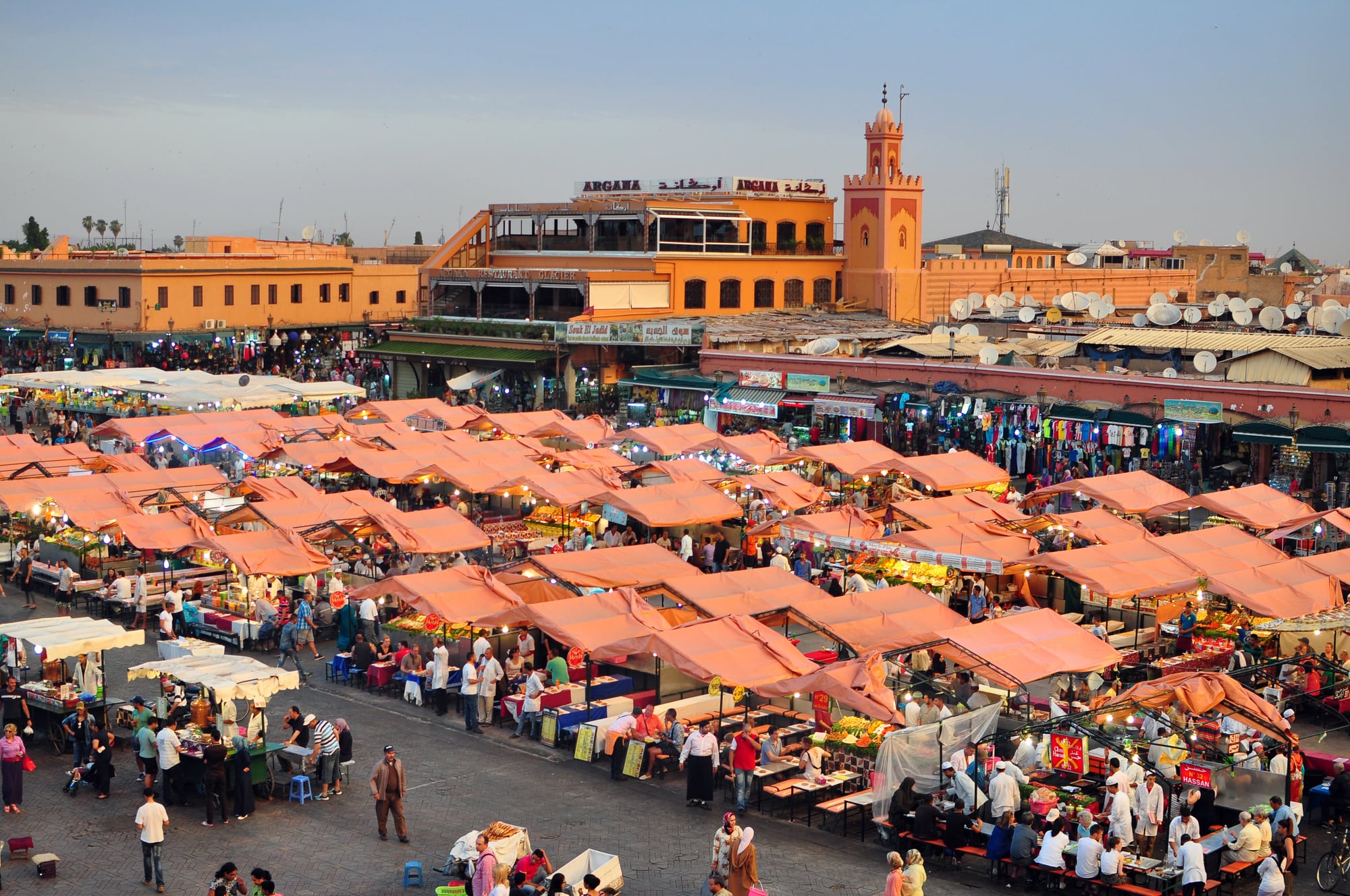
Morocco teaches you about desert timing the memorable way if you visit during summer. July and August bring temperatures that make midday exploration genuinely unpleasant, even dangerous in places like the Sahara where shade becomes a precious commodity you actively seek rather than something you take for granted.
October through April offers the sweet spot — warm days perfect for wandering medinas and exploring kasbahs, cool nights that make desert camping comfortable rather than endurance testing.
The Atlas Mountains become accessible for serious hiking, and coastal cities like Essaouira hit their stride with perfect beach weather and wind conditions that attract surfers from across Europe.
Patagonia
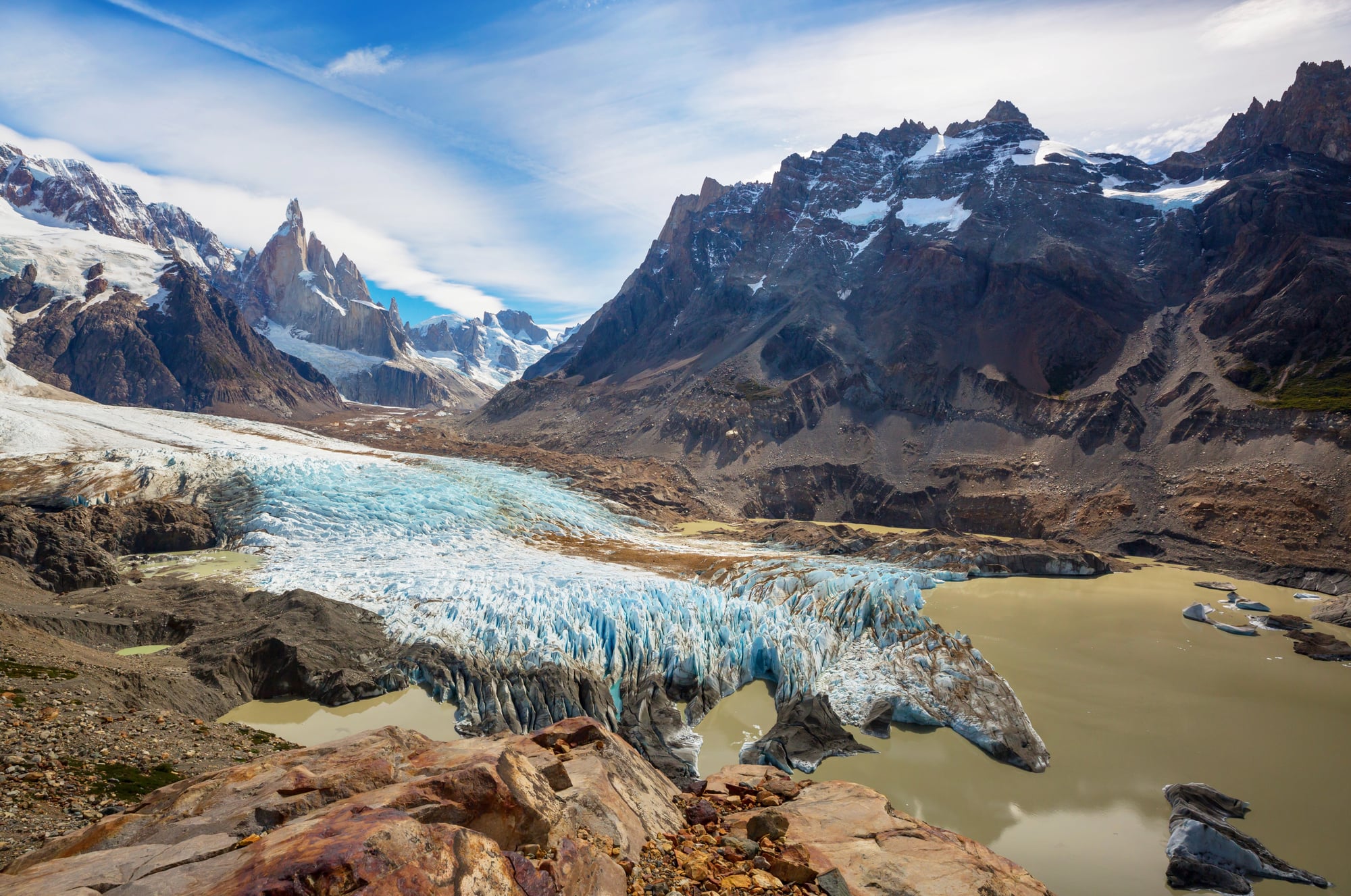
Patagonia’s seasons flip everything you know about timing if you’re used to northern hemisphere travel. November through March brings summer hiking weather and longer days for exploring both Chilean and Argentine sides.
Peak season means crowds on popular trails like Torres del Paine, but it also means reliable weather for ambitious treks.
Shoulder seasons offer solitude and dramatic skies, with the trade-off being unpredictable conditions that can change from sunshine to snow within hours.
Thailand
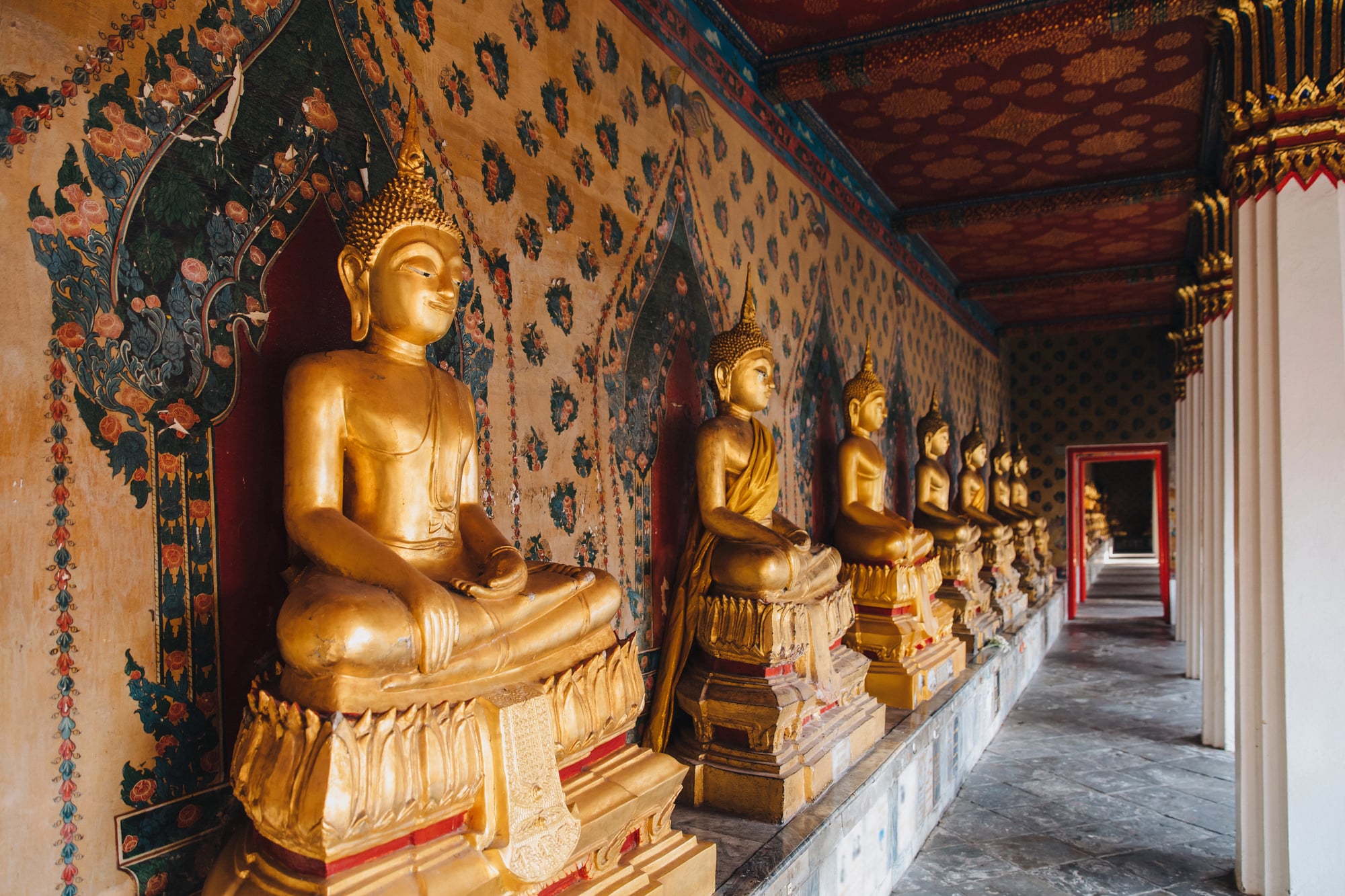
Thailand splits into regions with different optimal timing. Northern areas like Chiang Mai hit their stride from November through February — cool, dry weather perfect for temple exploration and hill tribe treks.
Southern beach destinations depend on which coast you choose. The west coast (Phuket, Krabi) works best from November through April.
The east coast (Koh Samui, Koh Phangan) peaks from February through September. Plan accordingly, or you might find yourself dealing with monsoon rains when you expected beach weather.
Antarctica
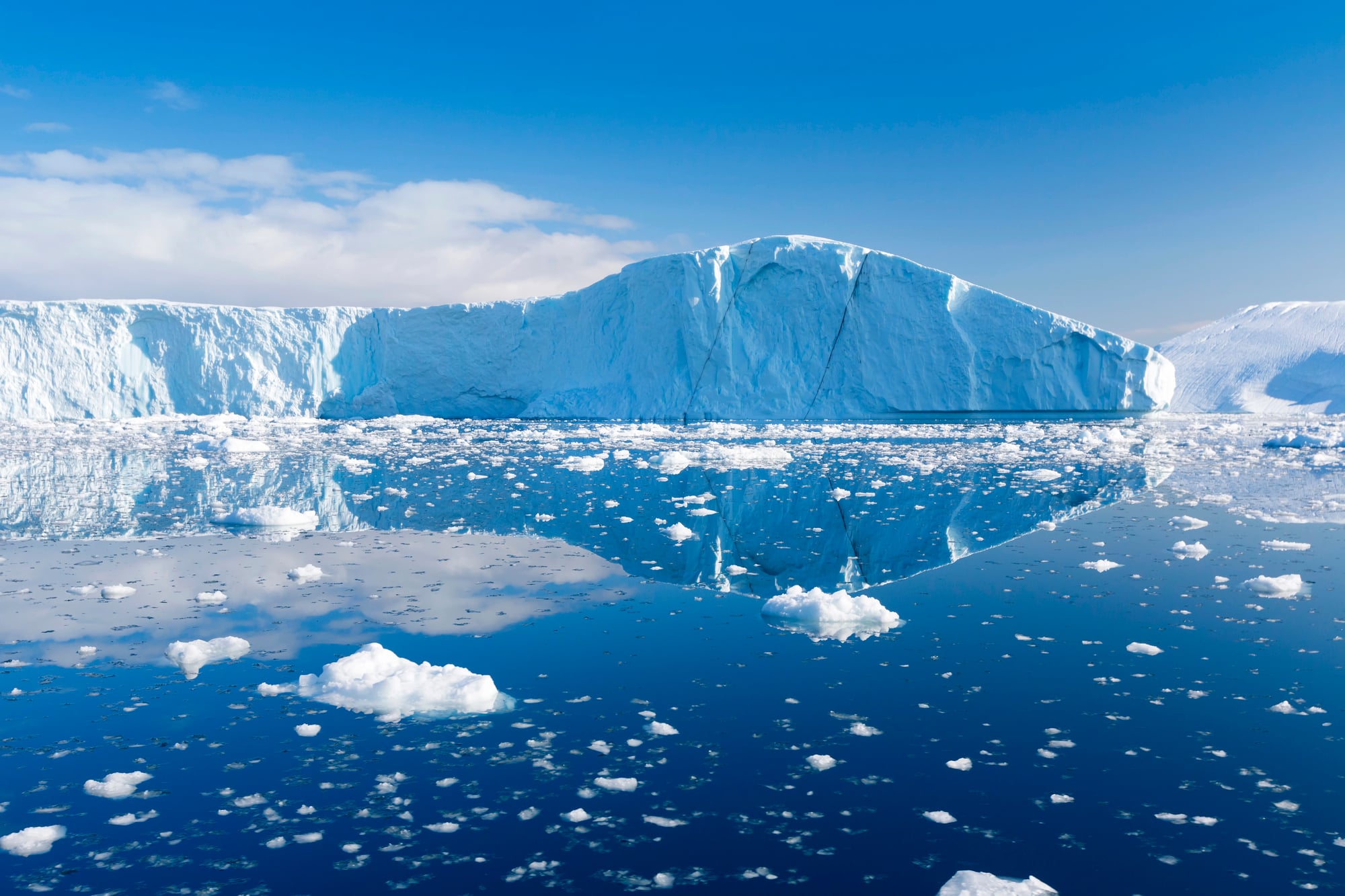
Antarctica operates on a short season that doesn’t forgive poor timing. November through March represents your only realistic window, with each month offering different advantages depending on what draws you to the continent.
November brings courtship displays from penguins and spring energy as wildlife awakens from winter. December and January offer the longest days and warmest temperatures — relatively speaking.
February and March provide whale watching opportunities as animals feed in nutrient-rich waters before winter returns.
India

India’s size means timing varies dramatically by region, but the general rule holds: avoid monsoon season unless you specifically want to experience it. October through March delivers the most comfortable traveling conditions across most of the country.
The Golden Triangle (Delhi, Agra, Jaipur) works best from November through February when temperatures stay manageable for sightseeing.
Southern India can be visited year-round, though coastal areas get monsoon rains from June through September. Hill stations provide relief during hot months if your timing gets off.
Alaska
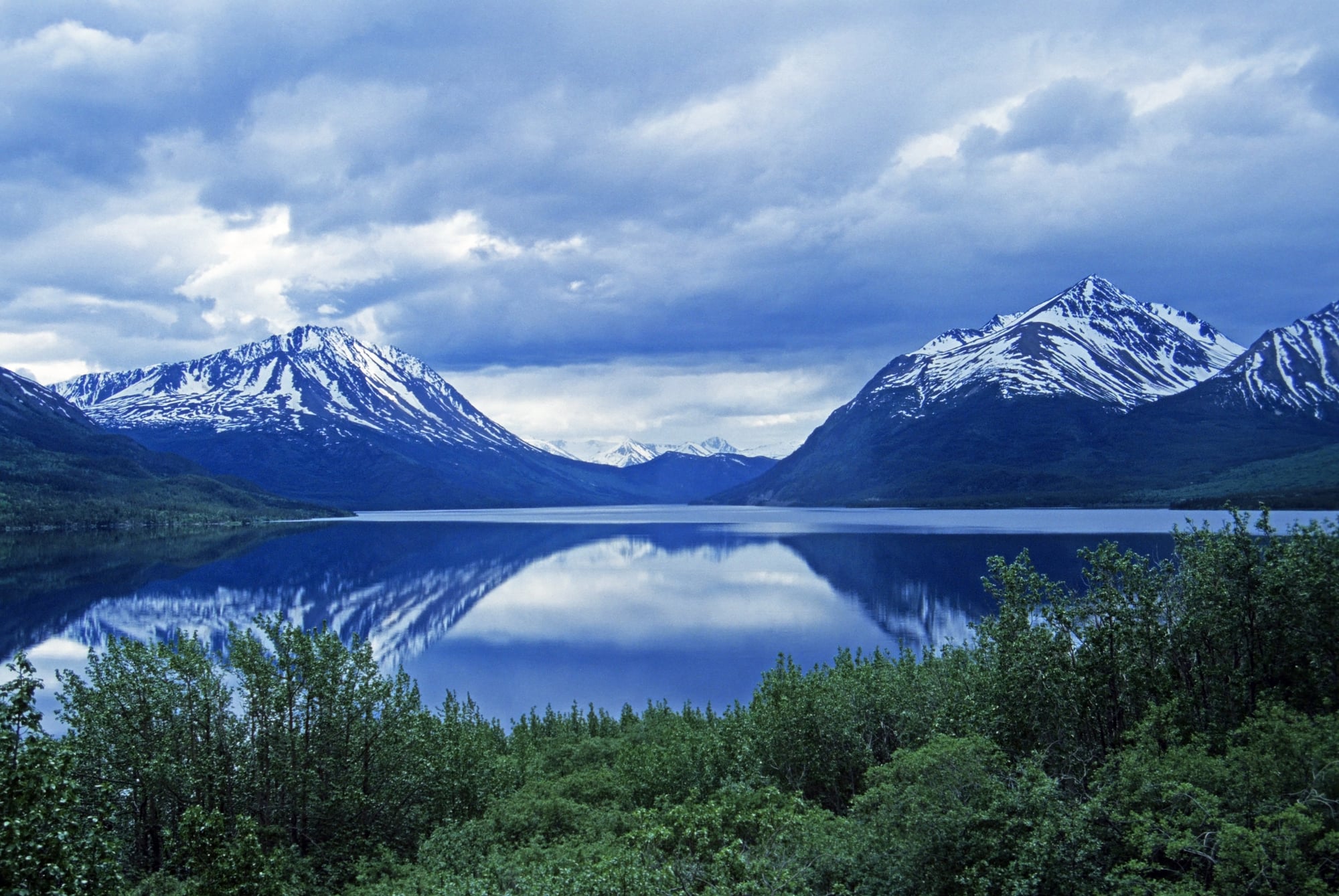
Alaska concentrates its tourist appeal into a narrow window that makes timing crucial rather than optional. May through September offers midnight sun, accessible wildlife viewing, and cruise conditions that let you appreciate the coast properly, though you’ll pay premium prices and share experiences with crowds that can feel overwhelming in a place you expected to feel wild and remote.
June through August hits peak season for good reason — salmon runs attract bears to rivers, wildflowers carpet meadows, and hiking conditions reach their most reliable.
But shoulder seasons have their advantages: May brings migrating whales and fewer people, while September offers fall colors and active wildlife preparing for winter, plus the first chance at Northern Lights viewing.
Easter Island
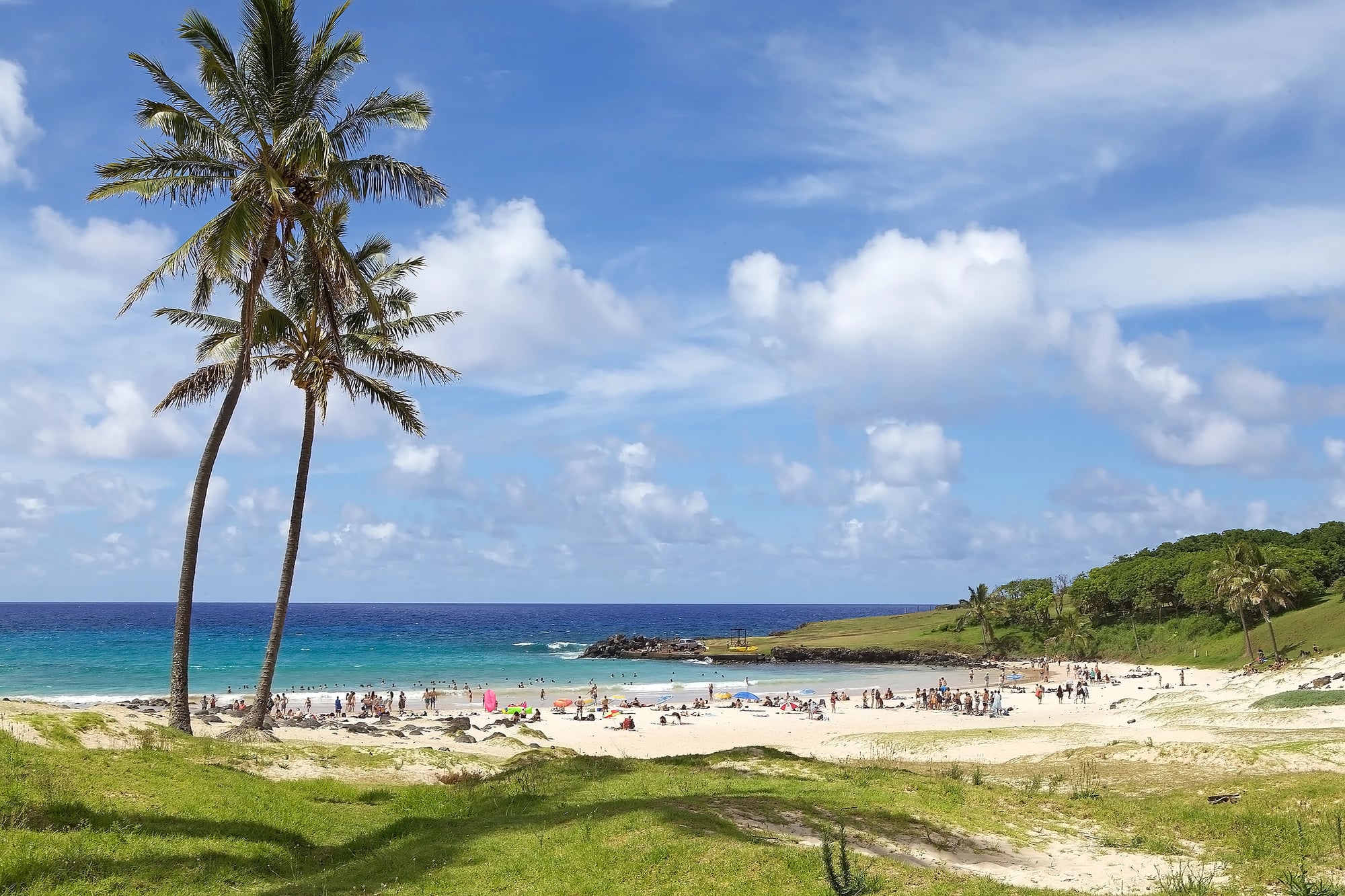
Easter Island’s remote location means getting the timing right matters more than usual. March through May and September through November offer the best combination of weather and manageable crowds.
Summer (December through February) brings warmth but also peak tourist numbers that can overwhelm the island’s limited infrastructure.
Winter stays mild but windy, with frequent rain that can complicate outdoor exploration of the moai statues and volcanic craters.
Antarctica Peninsula
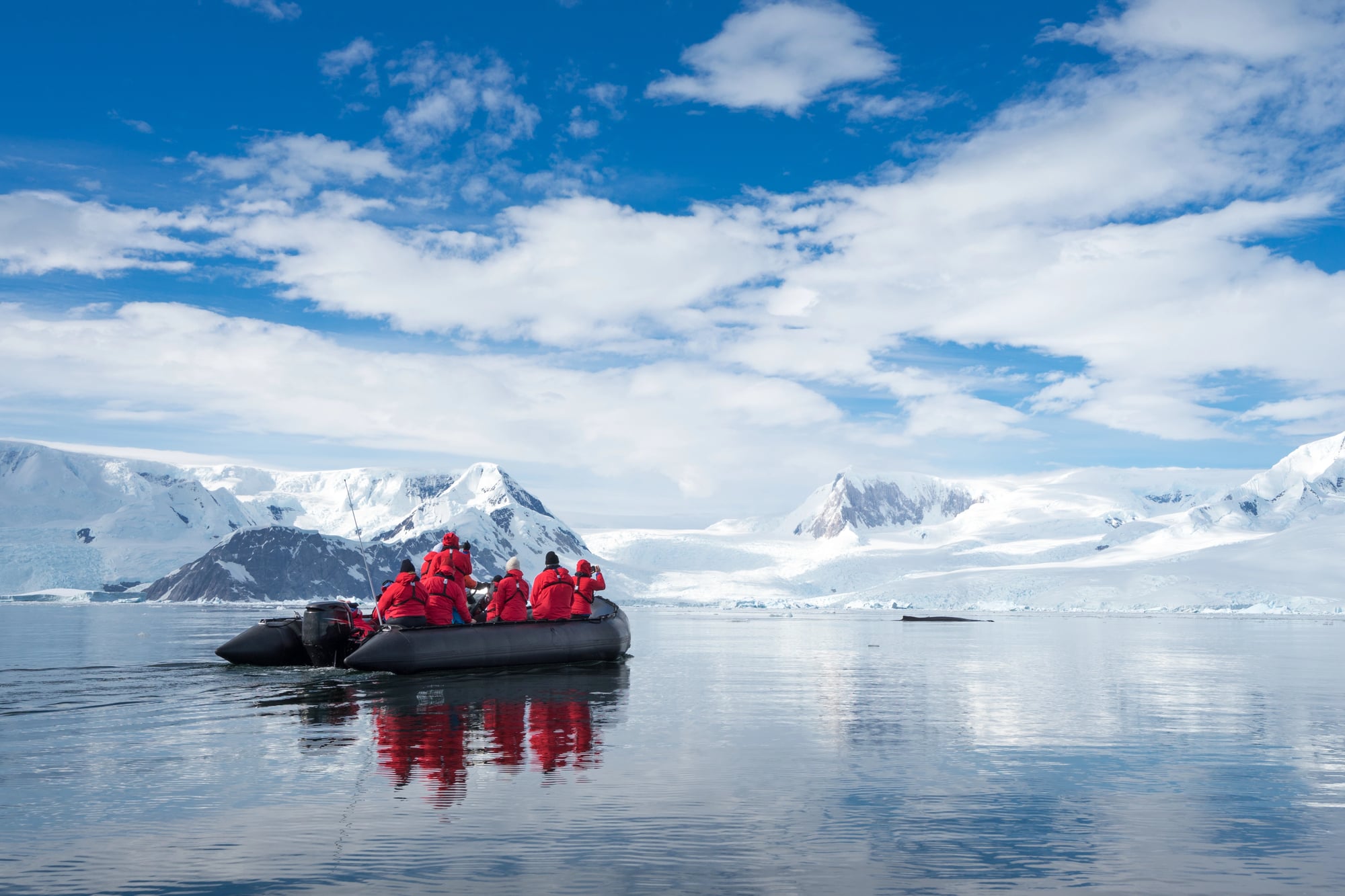
The Antarctic Peninsula extends the continent’s main season slightly, with October through March offering expedition cruise access to this most accessible part of Antarctica.
Early season (October-November) brings active wildlife and dramatic ice formations. Mid-season (December-January) offers the most comfortable conditions and longest days.
Late season (February-March) provides the best whale watching as animals feed before winter migration begins.
The Sweet Spot of Spontaneity

Timing transforms travel from good to extraordinary, but perfect timing shouldn’t become a prison. Sometimes the “wrong” season delivers unexpected magic — monsoon rains in India, winter storms in Iceland, or shoulder season solitude in places usually packed with tourists.
The best travelers learn when to follow the rules and when to trust that adventure often hides in the margins of conventional wisdom.
More from Go2Tutors!

- The Romanov Crown Jewels and Their Tragic Fate
- 13 Historical Mysteries That Science Still Can’t Solve
- Famous Hoaxes That Fooled the World for Years
- 15 Child Stars with Tragic Adult Lives
- 16 Famous Jewelry Pieces in History
Like Go2Tutors’s content? Follow us on MSN.