15 Truths About Asteroid and Comet Confusion
For centuries, humans have gazed at the night sky and struggled to understand the mysterious objects streaking across the darkness. Even today, with all our scientific knowledge, many people still mix up asteroids and comets or use the terms interchangeably.
This confusion isn’t just limited to casual stargazers—it shows up in movies, news reports, and everyday conversations about space. The mix-up makes sense when you consider that both objects come from space, both can appear as bright spots in telescopes, and both have captured human imagination since ancient times.
Here is a list of 15 truths that explain why asteroid and comet confusion persists and what really sets these cosmic wanderers apart.
They Look Similar From Earth

When seen in a telescope, an asteroid appears as a point of light, much like a distant star. Comets can also appear as simple points of light when they’re far from the Sun and haven’t developed their characteristic tails yet.
This visual similarity creates the first layer of confusion for amateur astronomers and casual observers. Without specialized equipment or knowledge of what to look for, distinguishing between the two becomes nearly impossible based on appearance alone.
Ancient Cultures Treated Them The Same

The Greeks and Romans believed that the appearance of comets, meteors and meteor showers were portentous, often lumping all celestial visitors into one category of omens. Ancient observers didn’t have the scientific understanding to differentiate between asteroids, comets, and meteors, so they created unified mythologies around all ‘wandering stars.’
This historical precedent of treating them as similar phenomena has carried forward into modern times, even after we’ve learned to tell them apart scientifically.
Media Often Uses Wrong Terminology

News outlets and Hollywood frequently interchange asteroid and comet terminology without regard for scientific accuracy. A movie might show a ‘comet’ that looks like a rocky asteroid, or a news report might call an asteroid a comet simply because it sounds more dramatic.
This casual misuse of terms by influential media sources reinforces public confusion and makes it harder for people to learn the actual differences.
Both Are Leftover Building Blocks
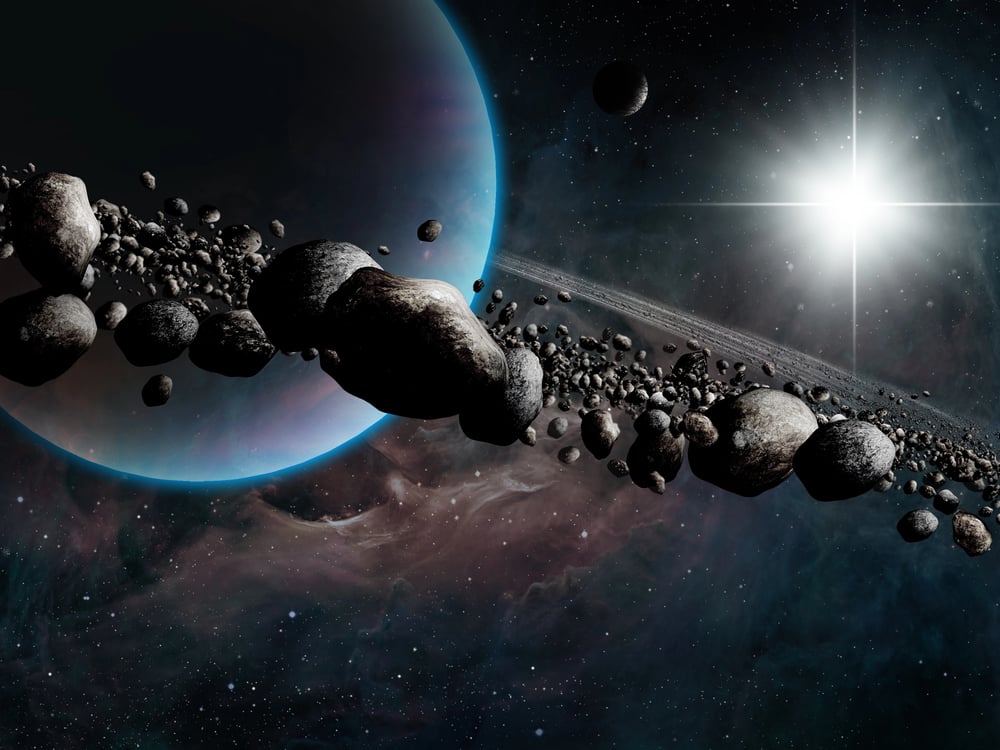
Asteroids, comets, and meteors are chunks of rock, ice, and metal left over from the formation of our solar system about 4.6 billion years ago. Since they share this common origin story, people naturally assume they’re basically the same thing.
The fact that both represent ancient remnants from the solar system’s formation gives them a shared identity that overshadows their important compositional differences.
Composition Confusion Runs Deep

The biggest difference between asteroids and comets lies in what they’re made of, but this isn’t immediately obvious to most people. Asteroids are rocky, comets are icy, yet both can contain similar elements like carbon, metals, and rocky materials.
When people hear that both can contain rock and metal, they miss the crucial detail that comets also contain significant amounts of ice that asteroids lack.
Size Doesn’t Help Distinguish Them

Many people think size might be a reliable way to tell asteroids and comets apart, but this approach fails completely. The size of asteroids varies greatly, some reaching as much as 1000 km across, while some comets are relatively small.
Since both types of objects come in various sizes—from house-sized chunks to objects hundreds of miles wide—size becomes useless as a distinguishing factor.
They Can Appear In Similar Locations
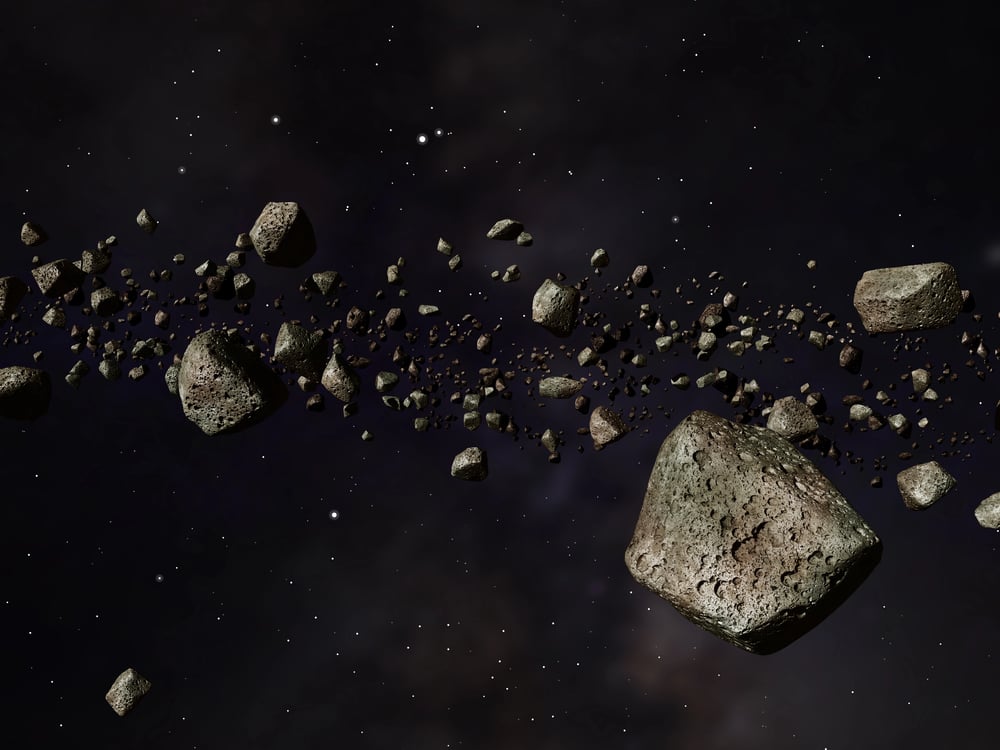
While most asteroids hang out in the asteroid belt between Mars and Jupiter, some wander into the inner solar system where comets also appear. Thousands of asteroids and dozens of comets are discovered every single year, some of which – called near-Earth objects (NEOs) – follow orbits that pass through the inner solar system.
When both types of objects show up in similar regions of space, location becomes another unreliable way to tell them apart.
Hybrid Objects Blur The Lines

Scientists have discovered objects that don’t fit neatly into either category, making classification even more confusing. Active asteroids are objects that have asteroid-like orbits but show comet-like visual characteristics.
These hybrid objects develop tails like comets but orbit like asteroids, creating a gray area that challenges even scientific classification systems.
Telescope Views Can Be Deceiving

When a comet gets close to the Sun, its ice and dust content start to vaporize. So, when seen in a telescope, a comet appears fuzzy and/or has a tail.
However, when comets are far from the Sun, they don’t develop these characteristic features and look almost identical to asteroids. This means the same comet can appear completely different depending on where it is in its orbit, adding another layer of identification confusion.
Both Can Produce Meteor Showers

Meteor showers are caused by the Earth passing through the paths of comets and encountering the leftover ice and dust, but asteroids can also leave debris trails that create meteors when Earth passes through them. Since both asteroids and comets can be responsible for the shooting stars we see, people often assume they must be the same type of object creating these spectacular displays.
Scientific Names Add To Confusion
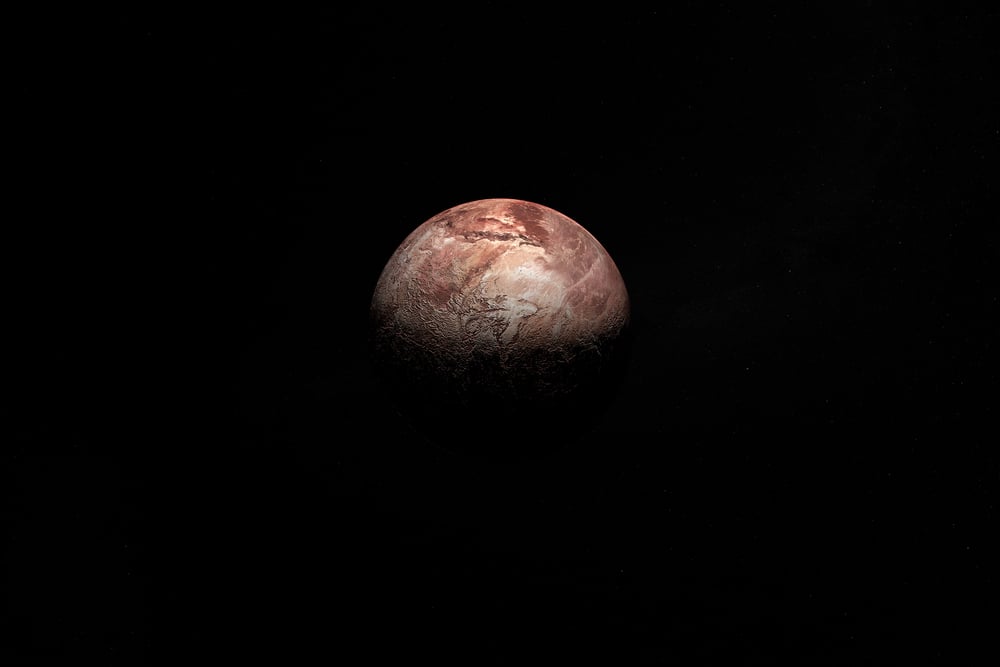
The scientific community uses complex classification systems and naming conventions that don’t always help the public understand the differences. Terms like ‘planetoid,’ ‘minor planet,’ and ‘small solar system body’ get applied to both asteroids and comets in different contexts.
When even scientists use overlapping terminology, it’s no wonder the general public struggles to keep things straight.
Popular Culture Myths Persist
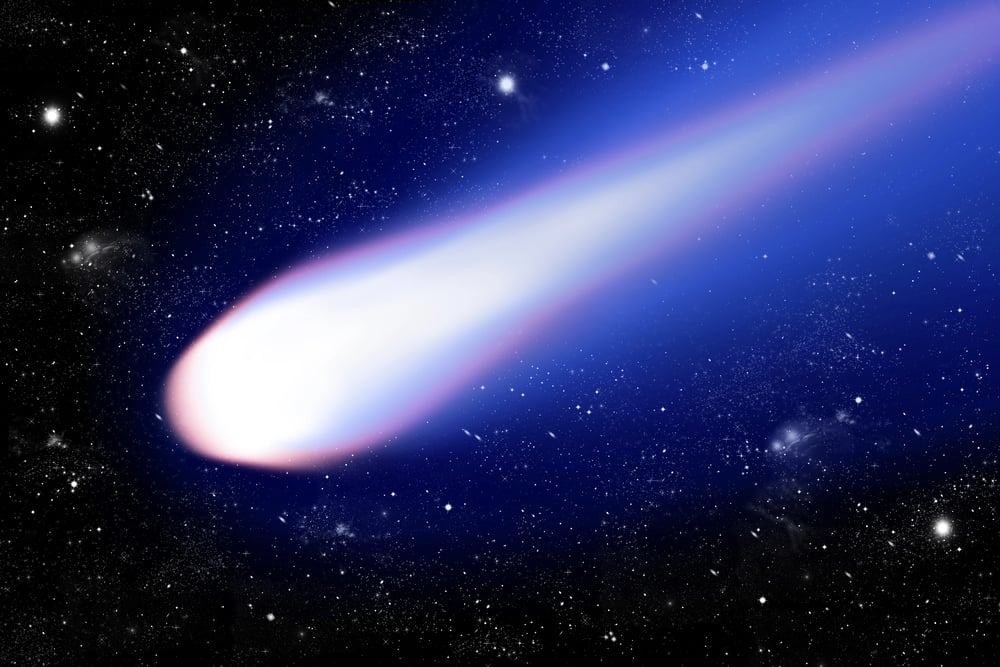
Comet tails indicate which way they’re heading is actually a common misconception—comet tails always point away from the Sun regardless of the comet’s direction of travel. These kinds of persistent myths about how comets behave, combined with general confusion about space objects, make it harder for people to develop accurate mental models of what asteroids and comets actually are and how they differ.
Formation Location Isn’t Obvious
Comets are believed to originate from the distant Oort cloud or the Kuiper belt, regions filled with icy bodies far from the Sun, while most asteroids formed closer to the Sun where temperatures were too high for ice to survive. This fundamental difference in formation location explains their compositional differences, but since we can’t see these formation regions from Earth, this crucial distinction remains invisible to casual observers.
Both Can Pose Impact Threats
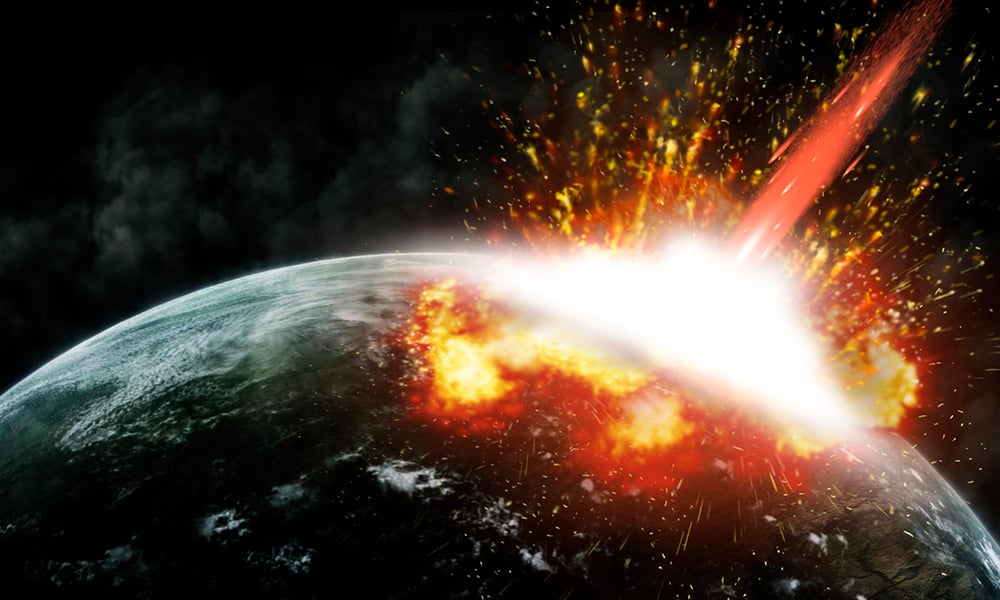
Whatever asteroid you’ve heard is going to hit the Earth, it’s not, but the fact that both asteroids and comets are tracked as potentially hazardous objects adds to the confusion. News reports about ‘space rocks’ threatening Earth often don’t specify whether they’re discussing asteroids or comets, creating the impression that both types of objects present identical risks and behave in similar ways.
Detection Methods Vary By Object
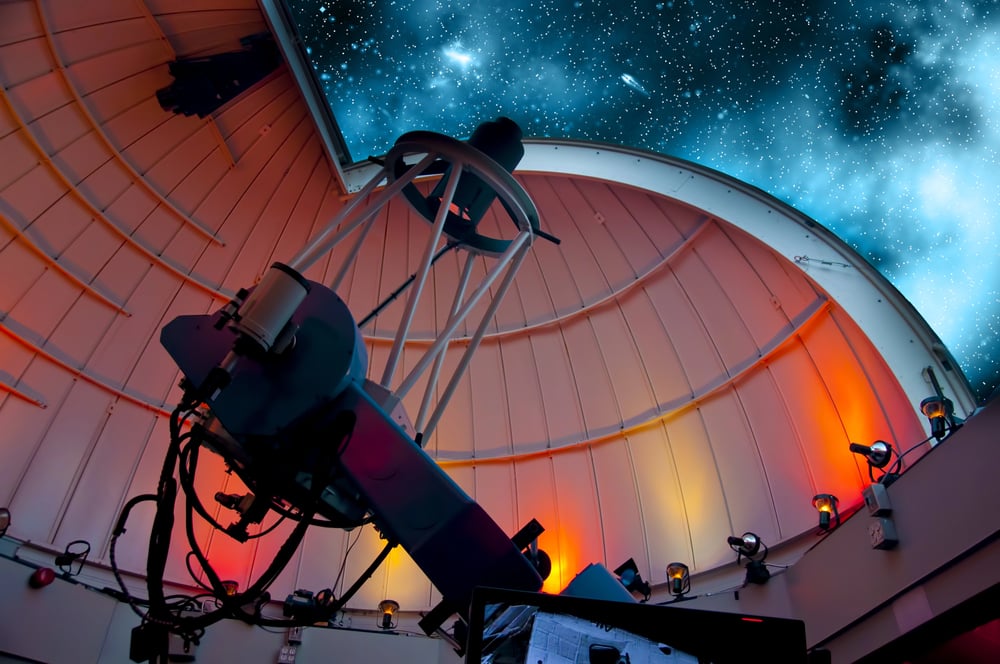
Professional astronomers use different techniques to identify and track asteroids versus comets, but these technical differences aren’t apparent to the public. Comets might be discovered based on their developing tails or outgassing activity, while asteroids are typically found through systematic sky surveys looking for moving points of light.
Since the general public doesn’t see this behind-the-scenes work, all space objects seem to be discovered and studied in the same way.
When Ancient Meets Modern
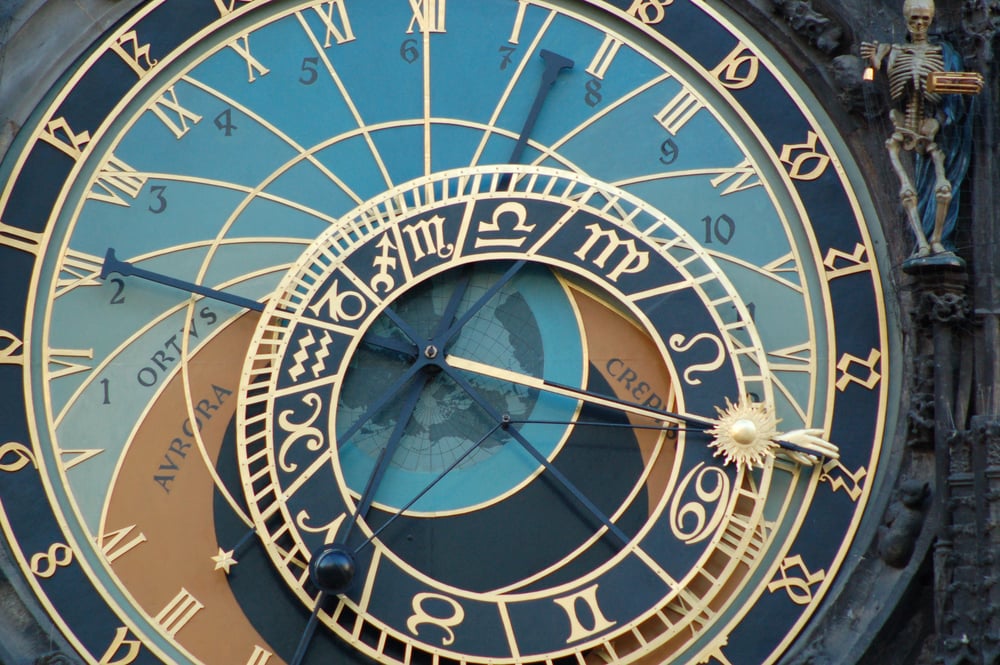
The confusion between asteroids and comets reflects humanity’s evolving relationship with the cosmos. Though the myths and legends may make one think that ancient civilizations had little scientific understanding of what meteors, comets and asteroids could be, this couldn’t be farther from the truth.
Today’s mix-ups stem not from lack of scientific knowledge, but from the challenge of translating complex astronomical concepts into everyday understanding. As space exploration continues and more people become interested in astronomy, distinguishing between these cosmic neighbors becomes increasingly important for appreciating the true diversity and wonder of our solar system.
The next time you see a bright object in the night sky, you’ll know to look for the telltale fuzzy tail that marks a comet from its rocky asteroid cousins.
More from Go2Tutors!

- The Romanov Crown Jewels and Their Tragic Fate
- 13 Historical Mysteries That Science Still Can’t Solve
- Famous Hoaxes That Fooled the World for Years
- 15 Child Stars with Tragic Adult Lives
- 16 Famous Jewelry Pieces in History
Like Go2Tutors’s content? Follow us on MSN.