16 formidable Arctic animals
The Arctic looks like a calm, frozen place with endless ice and snow, but it is full of life. Even with the freezing cold, many animals have found ways to live, hunt, and grow strong here.
Their bodies and habits show how smart they are about staying warm and safe. Some blend into the snow, while others use power or clever tricks.
Learning about these animals shows how life can change to survive even the toughest places on Earth. Here are 16 incredible Arctic animals that live well in the cold.
Let’s take a closer look at these strong and interesting Arctic creatures.
Polar Bear
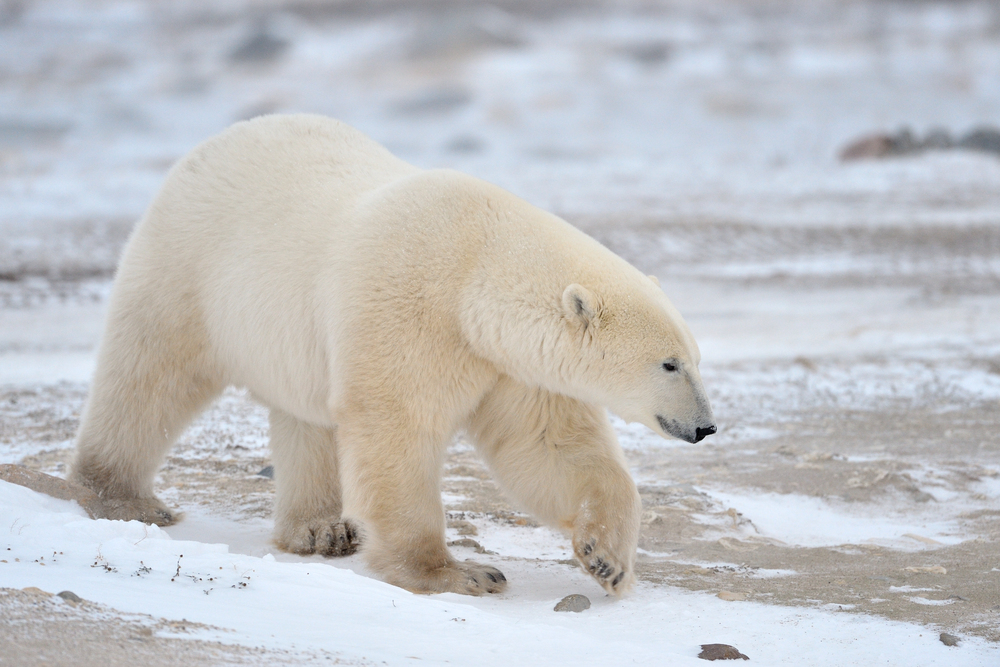
The Polar Bear stands out as the Arctic’s great hunter. It is very large—larger than nearly all other Bears—and is built to catch seals on the ice.
Thick fat and dense fur keep it warm in freezing weather. Polar Bears are strong swimmers and can cross long distances in cold water to find food or ice.
They move quietly and wait patiently near seal breathing pits to catch prey. Their wide paws help them walk safely on thin ice.
Arctic Fox
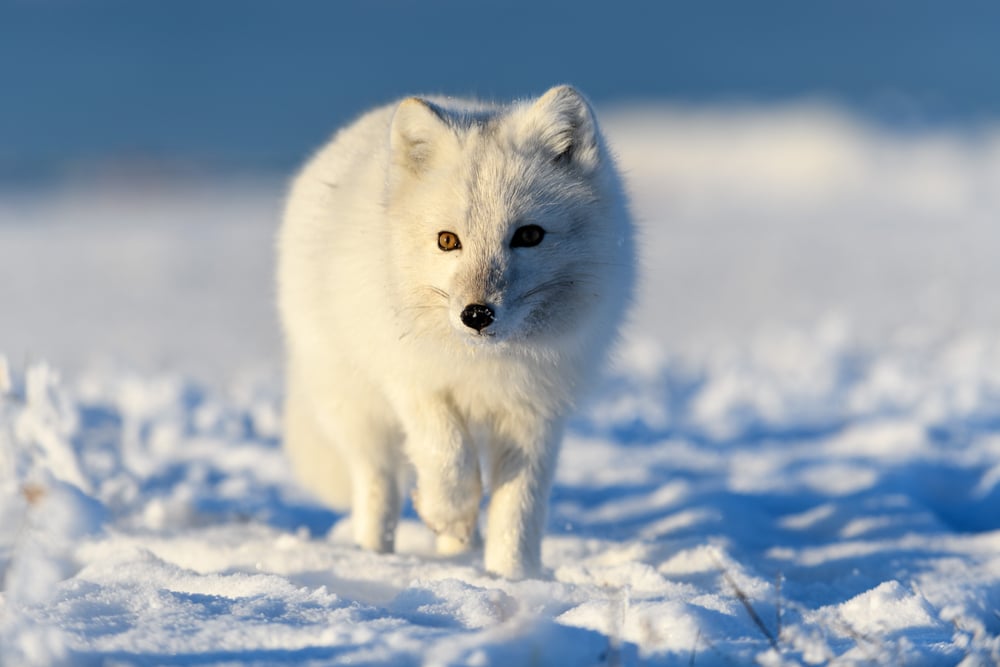
The Arctic Fox may be small but is very tough. It changes its fur color to survive cold winters.
When snow covers the land, the Fox’s coat turns white to hide from danger and to sneak up on prey. In summer, the fur becomes brown and gray to match rocks and dirt.
Arctic Foxes sometimes follow Polar Bears to eat leftovers. Their thick tails and ears help keep body heat inside, so they stay warm in cold winds.
Like Go2Tutors’s content? Follow us on MSN.
Narwhal
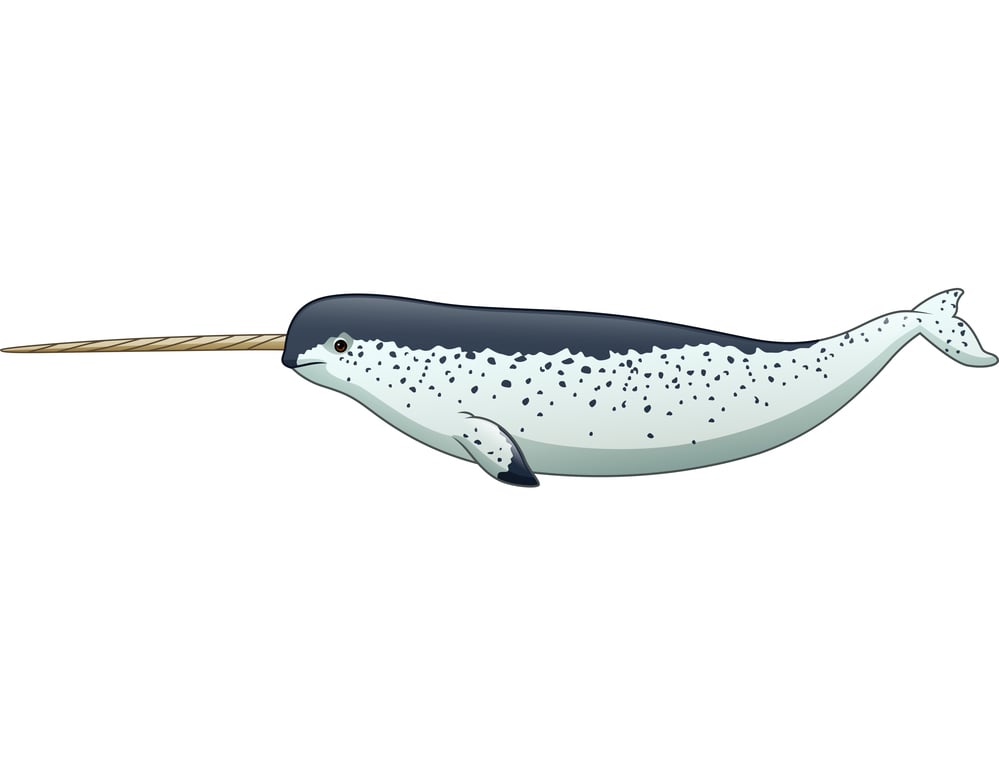
The Narwhal is a Whale known for its long, twisted tusk that looks like a giant tooth. This tusk can grow more than 10 feet and might help the Narwhal feel changes in water temperature or pressure.
These Whales live in groups and dive deep below Arctic ice to hunt squid, Fish, and Shrimp. They use clicks and other sounds to communicate underwater.
Narwhals are shy and usually stay far from humans, making them a mysterious part of the Arctic Ocean.
Snowy Owl
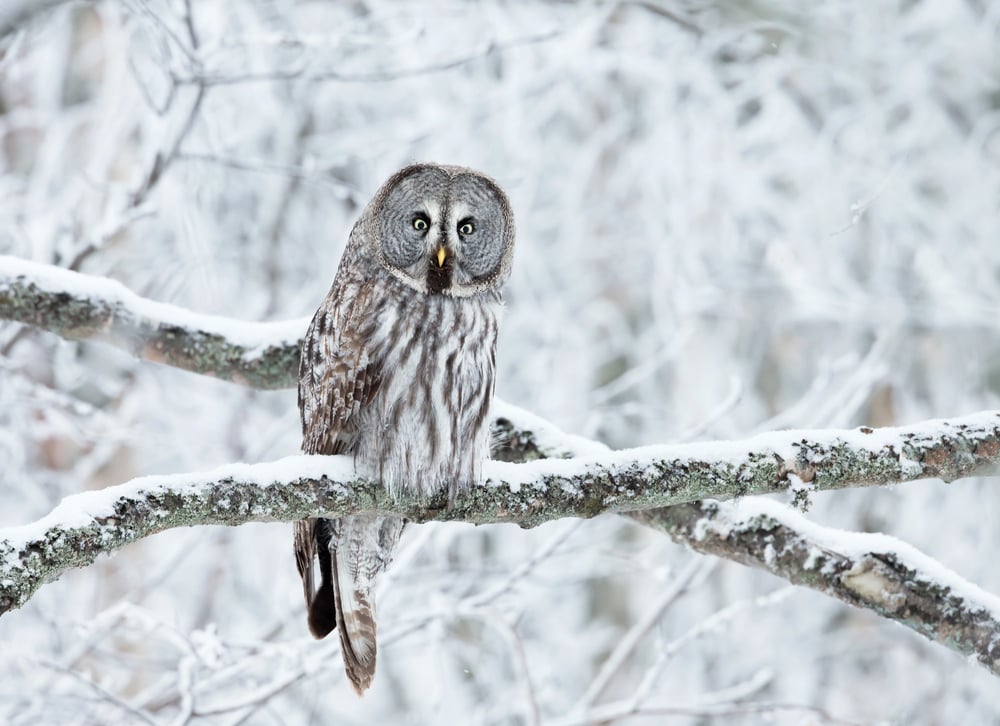
Snowy Owls are easy to notice with their bright white feathers and sharp yellow eyes. Unlike most Owls, Snowy Owls hunt during daylight, especially in the Arctic summer when the Sun never sets.
They fly quietly over snowy land, looking for small animals like Lemmings and Birds. Their feathers cover their feet too, acting like natural boots for the snow.
Some Snowy Owls move south in winter, but many stay in the Arctic all year.
Musk Ox
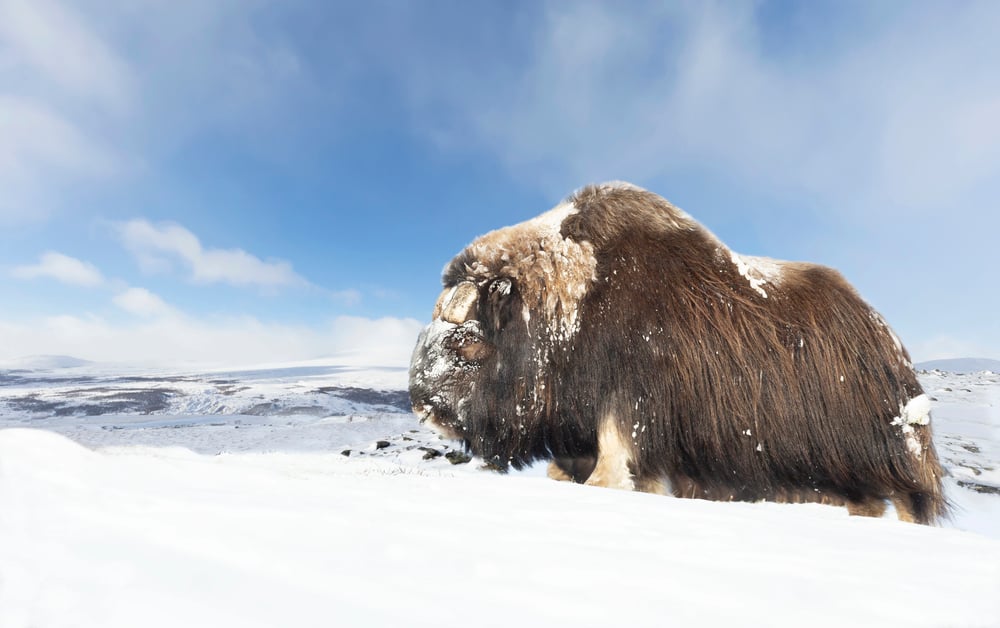
Musk Oxen look like ancient animals with long, shaggy fur that covers their entire body almost down to their hooves. This thick coat blocks cold air, even during snowstorms.
These large plant-eaters stay in groups to protect each other and use strong horns to defend against Wolves and other threats. When danger appears, they form a circle with young ones in the middle.
Their strong legs and hooves break through deep snow to find grass and moss.
Like Go2Tutors’s content? Follow us on MSN.
Walrus
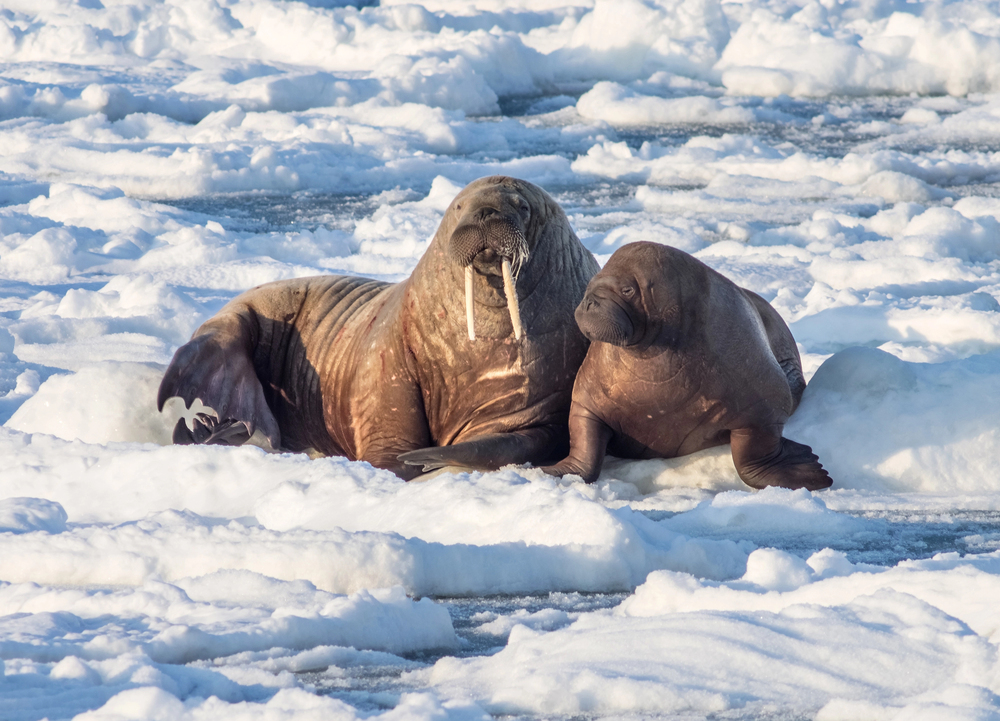
Walruses are large sea mammals with wrinkled, thick skin and long ivory tusks. They use their tusks to haul themselves out of icy water and onto ice.
Walruses eat mostly shellfish, which they find on the ocean floor using sensitive whiskers. They can hold their breath for up to 30 minutes while diving deep.
Walruses live in big, noisy groups and spend much time resting on ice or swimming in cold water.
Arctic Hare
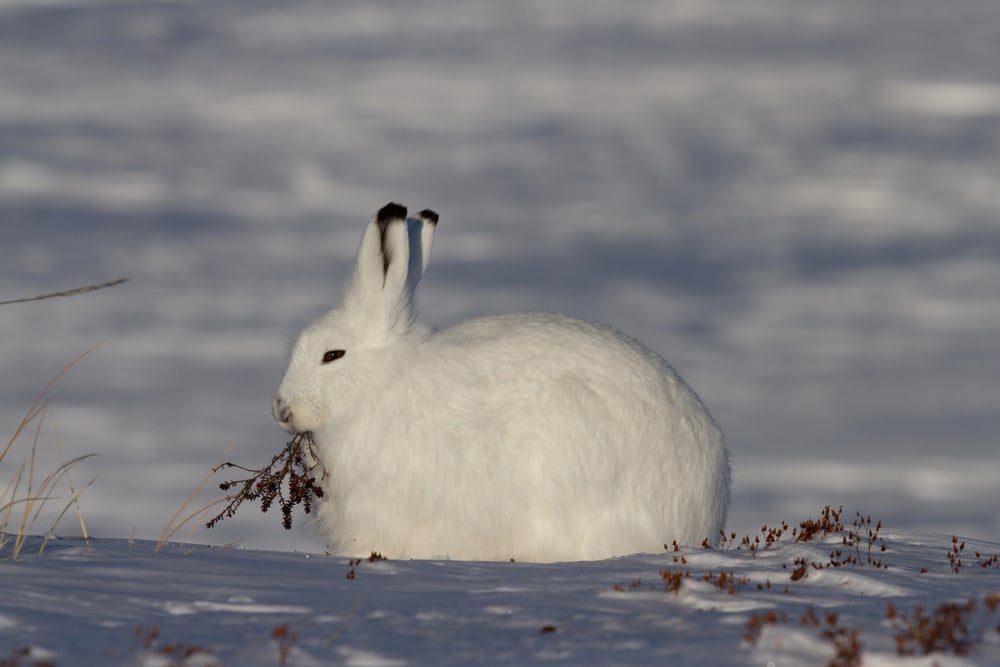
Arctic Hares are fast runners. Their strong back legs let them leap and run quickly across snow and ice to escape danger.
Their fur changes color with the seasons: white in winter and gray-brown in summer to stay hidden. Arctic Hares are strong and eat tough plants like twigs and moss, which they dig out from under the snow.
They often gather in groups to share body warmth during cold nights.
Beluga Whale
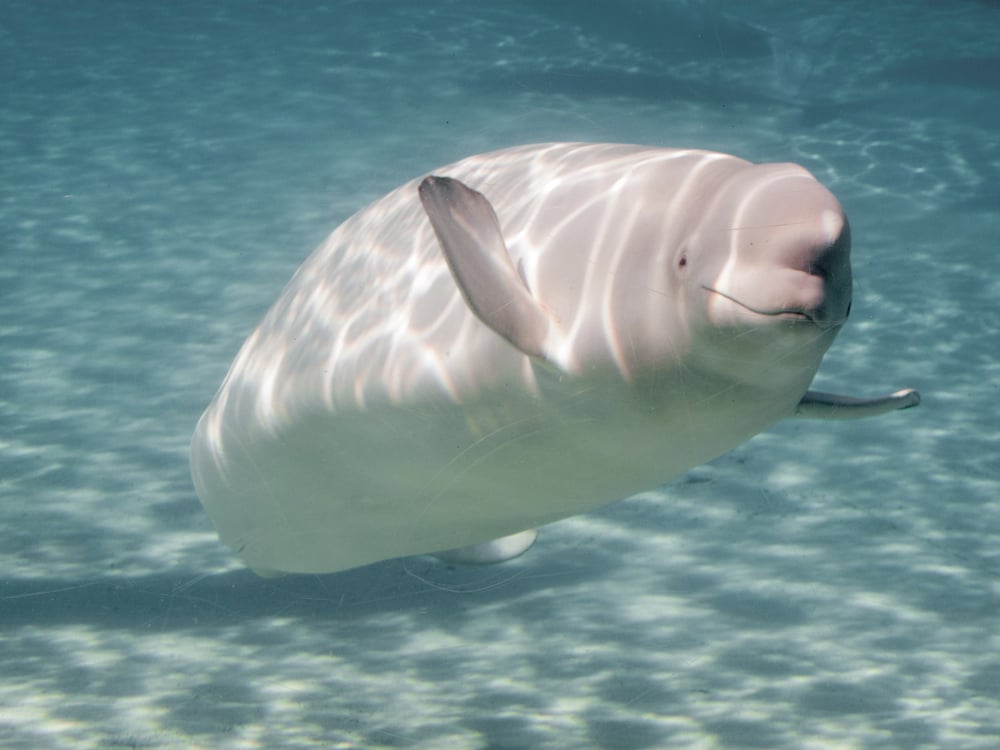
Beluga Whales are known for their bright white bodies and round heads that give them a curious look. They live in shallow Arctic waters and travel in groups called pods.
Belugas use many sounds, like clicks, whistles, and chirps, to talk to each other and are called “canaries of the Sea.” They have flexible necks, which helps them turn their heads side to side when hunting Fish, Shrimp, and Squid under the ice.
Like Go2Tutors’s content? Follow us on MSN.
Arctic Wolf
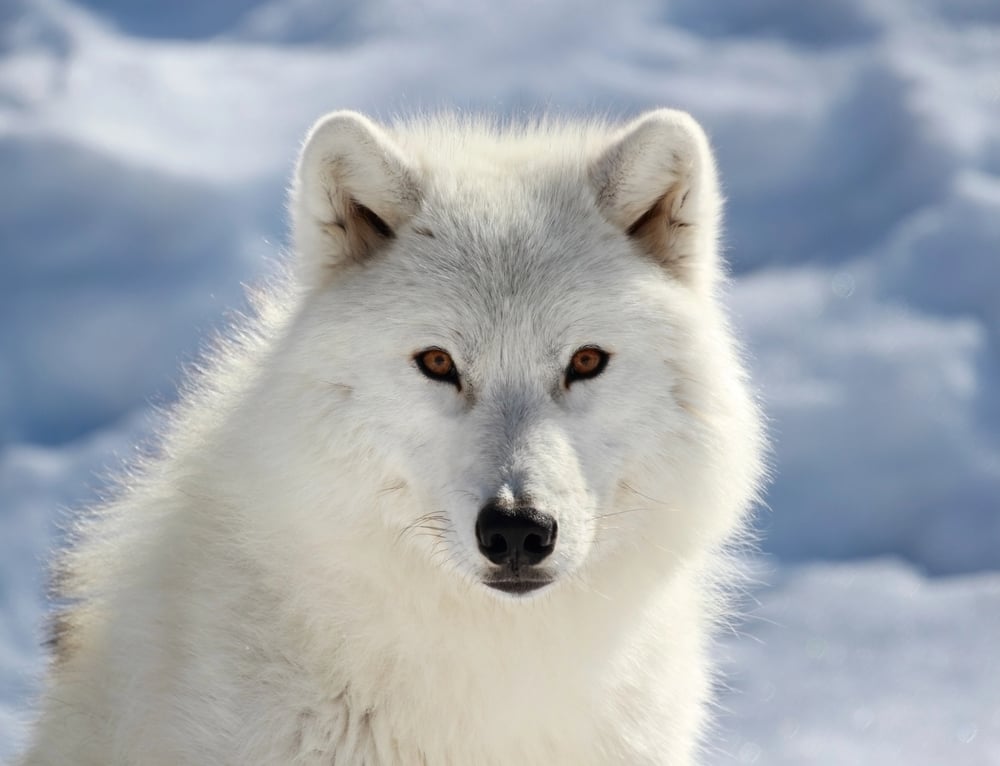
The Arctic Wolf is a strong hunter that handles some of the coldest weather on Earth. Their thick white fur blends well with snow and ice, helping them sneak up on prey like Musk Oxen and Caribou.
Arctic Wolves hunt in packs, which makes it easier to catch large animals. The Arctic is remote, so these Wolves rarely meet people, giving them plenty of space.
When food is low, they travel long distances to find meals.
Puffin
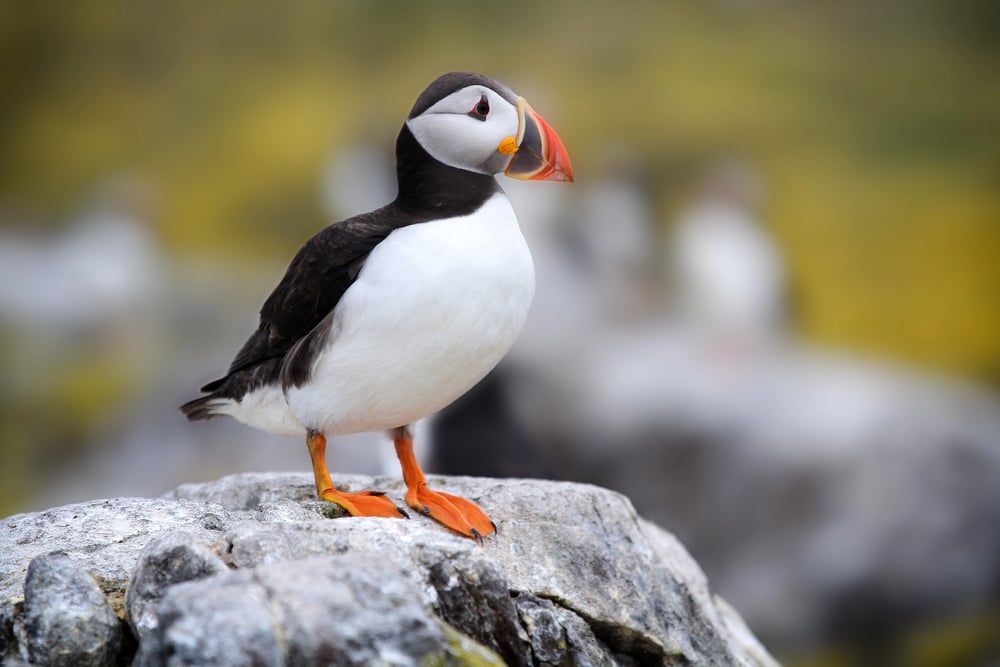
Puffins may look clumsy on land but are great flyers and swimmers. They use their wings to “fly” underwater and catch small fish by diving deep.
In summer, their beaks turn bright orange and red, making them stand out against snow. Puffins nest in burrows dug into cliffs to protect their eggs and chicks from danger.
Every year, they come back to the same nesting spots.
Ermine
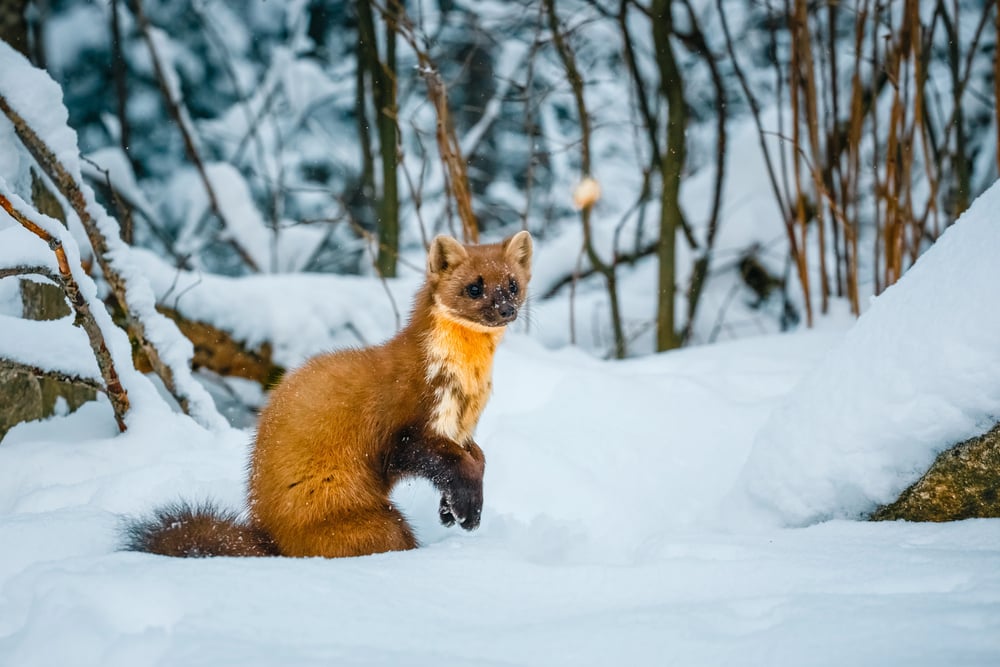
The Ermine, also called the Stoat, is a small but fierce hunter. Its fur changes from brown in summer to white in winter, except for the black tip on its tail.
Ermines hunt small animals like Mice, Rabbits, and Birds. They are fast and clever enough to catch prey bigger than themselves.
They can fit through small spaces to find food and shelter. Ermines also store extra food to eat later during bad weather.
Like Go2Tutors’s content? Follow us on MSN.
Greenland Shark
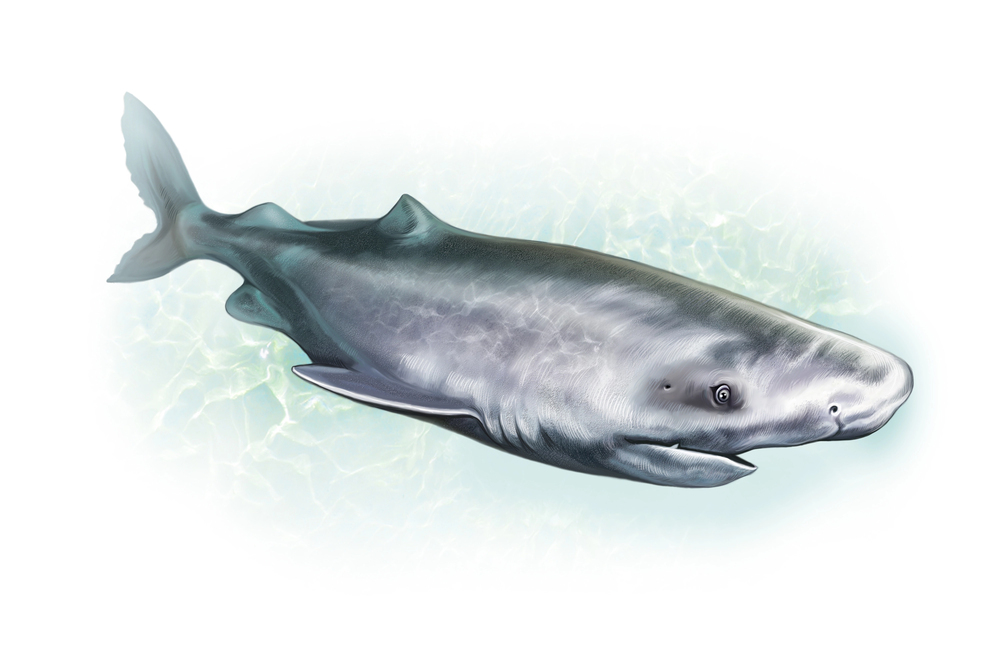
Greenland Sharks are slow-moving giants of the deep Arctic Ocean. Some live for hundreds of years, making them some of the longest-living animals on Earth.
These Sharks prefer cold, deep waters and eat Fish and scavenged meat, sometimes even large animals like Seals. Though slow, Greenland Sharks can surprise their prey.
Their flesh contains poison and must be prepared carefully to eat.
Caribou
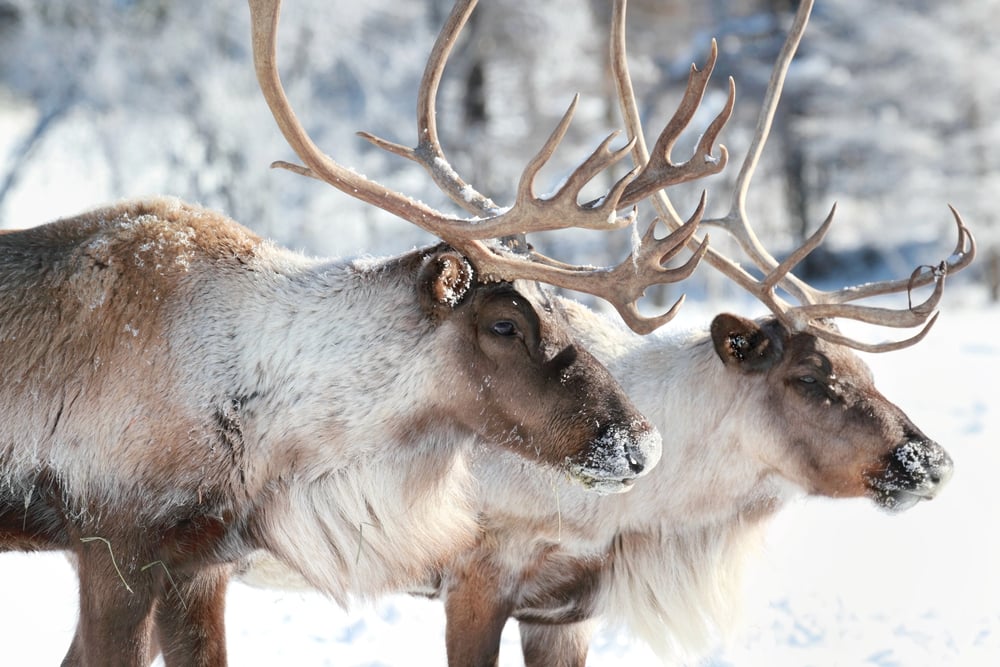
Caribou, also known as Reindeer, are famous for long journeys across frozen land. They travel hundreds of miles every year to find fresh food, crossing tundras and icy rivers.
Both males and females grow antlers, which they use to dig through snow to find moss and plants. Their wide, soft hooves spread their weight like snowshoes, stopping them from sinking.
Caribou fur is thick and hollow, trapping heat to keep them warm.
Leopard Seal
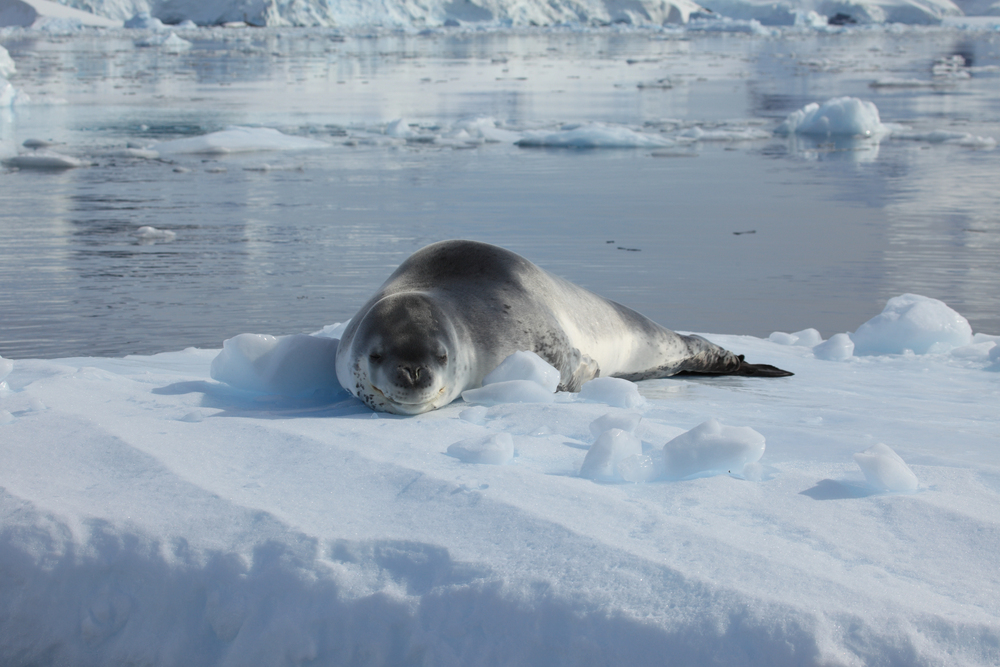
Leopard Seals mostly live near Antarctica but have been spotted near the Arctic’s northern edges. These strong hunters swim fast and use sharp teeth and strong jaws to catch Fish, Penguins, and even other Seals.
They spend most of their lives in water but rest on ice. Leopard Seals are bold and aggressive, and few animals challenge them.
Like Go2Tutors’s content? Follow us on MSN.
Glaucous Gull
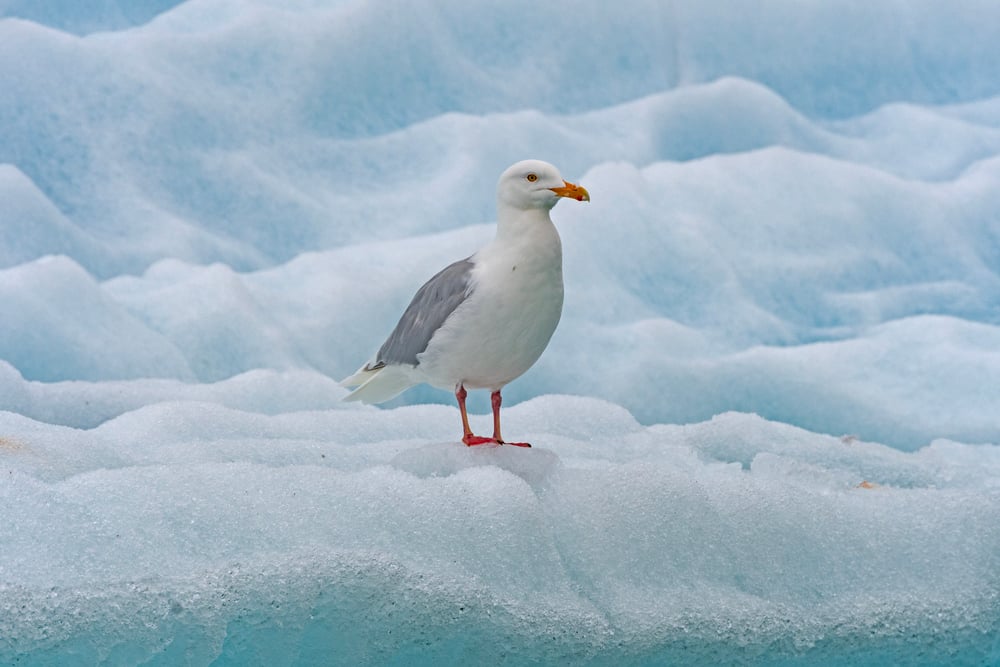
The Glaucous Gull is a large Bird with pale feathers that blend with snowy Arctic surroundings. It has a big appetite and eats many things, including fish, eggs, leftovers from predators, and small animals.
These Gulls often follow Polar Bears or Wolves to find scraps. They are loud and protective of their nests, defending them against other birds or animals.
Ringed Seal
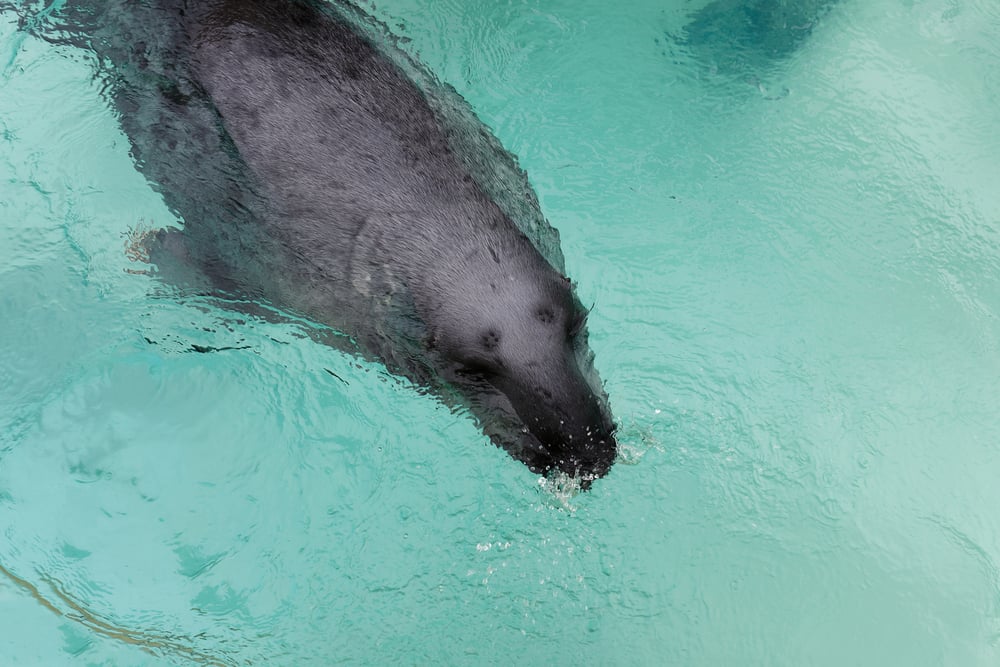
Ringed Seals are small but very important in the Arctic food chain. They make breathing pits in thick ice to reach air without getting trapped.
These Seals are shy and quick, diving deep to avoid danger. Their thick fur keeps them warm in icy water.
Mothers keep pups safe in snow dens on top of the ice, protecting them from cold winds and predators.
Warmed by survival, shaped by the cold
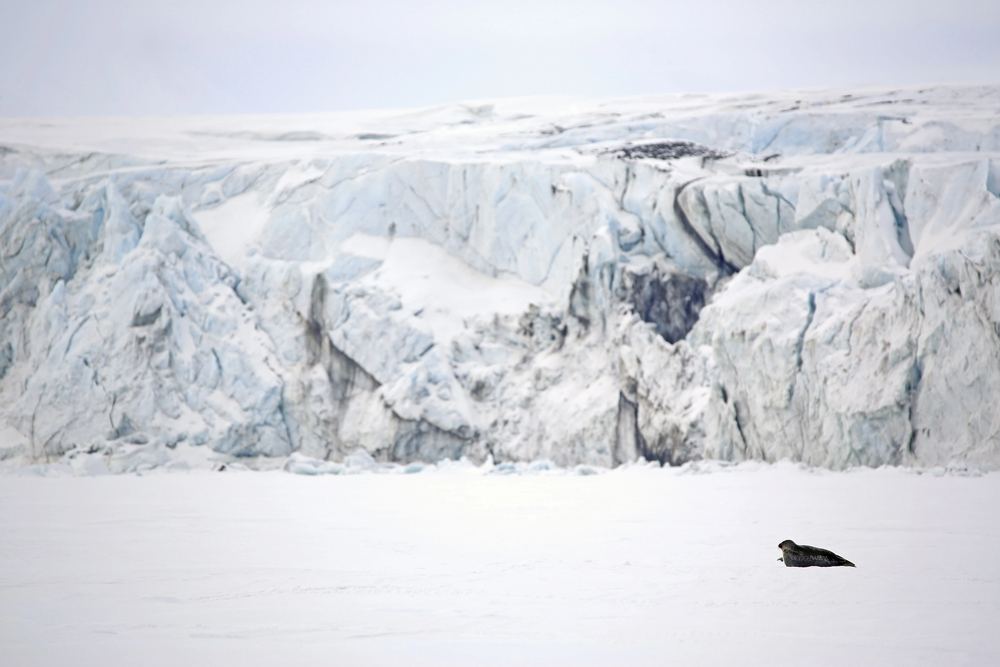
Arctic animals show how life adapts to some of the toughest places on Earth. They live in a cold world where warmth is rare and food is hard to find.
From the giant Polar Bear’s patient hunting to the quick Arctic Fox’s smart tricks, each animal has found a way to live well. Their lives teach about strength, patience, and change.
As the Arctic changes with the climate, these animals will keep adapting and remind us of nature’s power and will to survive.
More from Go2Tutors!

- 16 Historical Figures Who Were Nothing Like You Think
- 12 Things Sold in the 80s That Are Now Illegal
- 15 VHS Tapes That Could Be Worth Thousands
- 17 Historical “What Ifs” That Would Have Changed Everything
- 18 TV Shows That Vanished Without a Finale
Like Go2Tutors’s content? Follow us on MSN.