The Most Successful Toy Franchises In History
A few playthings show up loud, then vanish fast. Others slip into days so softly you forget when they started staying.
Top toy names? They’re the quiet kind.
Not built on one flash or a single busy year. Grew step by step with kids, grown-ups too – changed shape with time but kept a piece that always felt like home.
Outlasting time means more than stacking up numbers on a chart. Staying power comes from feeling like part of someone’s life, not just sitting on their shelf.
Reimagining itself over years helped one keep its core alive through shifts it didn’t predict at first. What made them last was seeing how kids dive into pretend worlds, noticing family routines evolve slowly, catching the way make-believe jumps from parent to child.
A peek behind the curtain shows some plaything brands stuck around much longer than expected. These aren’t flashes in the pan – they settled into daily life like old routines.
Instead of fading fast, they shifted shape across generations. What started as plastic figures grew into bedtime stories, schoolyard talk, even holiday rituals.
Time rewrote their role, but never erased them. Familiar faces kept showing up, just repackaged differently each time.
Their staying power wasn’t loud – it was quiet, steady, almost unnoticed.
Barbie
When Barbie appeared in 1959, she represented a quiet but significant shift in how dolls were designed and marketed. Instead of focusing on caregiving or infancy, Barbie introduced a fully imagined adult life, complete with careers, homes, friendships, and ambitions.
That idea alone gave children a broader canvas for storytelling and self-expression. Over the decades, Barbie changed with the times.
Outfits, professions, and even body representation evolved in response to cultural conversations and social expectations. At moments, the brand faced criticism or declining sales, yet it never disappeared from public consciousness.
That persistent visibility made reinvention possible without starting over. Beyond the dolls themselves, Barbie expanded into film, television, fashion, and collaborations that extended her presence well beyond toy stores.
Even people who never owned a Barbie knew exactly who she was. That level of recognition helped transform the brand from a toy line into a cultural reference point that continues to adapt rather than age out.
LEGO
LEGO’s success rests on a principle that seems almost counterintuitive in a trend-driven industry: consistency. The modern LEGO brick, introduced in the late 1950s, has remained compatible across generations.
A piece made decades ago still fits perfectly with one made today, creating an unbroken line of play between past and present. That technical consistency supported endless creative freedom.
LEGO was never about a single outcome or storyline. Instead, it invited experimentation, rebuilding, and imagination without instructions becoming mandatory.
This open-ended nature allowed the brand to grow alongside its audience rather than outgrow it. As tastes shifted, LEGO expanded into themed sets, large-scale builds, digital games, and animated storytelling.
Still, the brick itself never lost relevance. Adults returned to LEGO as a creative outlet, while children discovered it as a first building experience.
Few toy franchises manage to serve such a wide age range without diluting their identity, yet LEGO achieved exactly that.
Hot Wheels
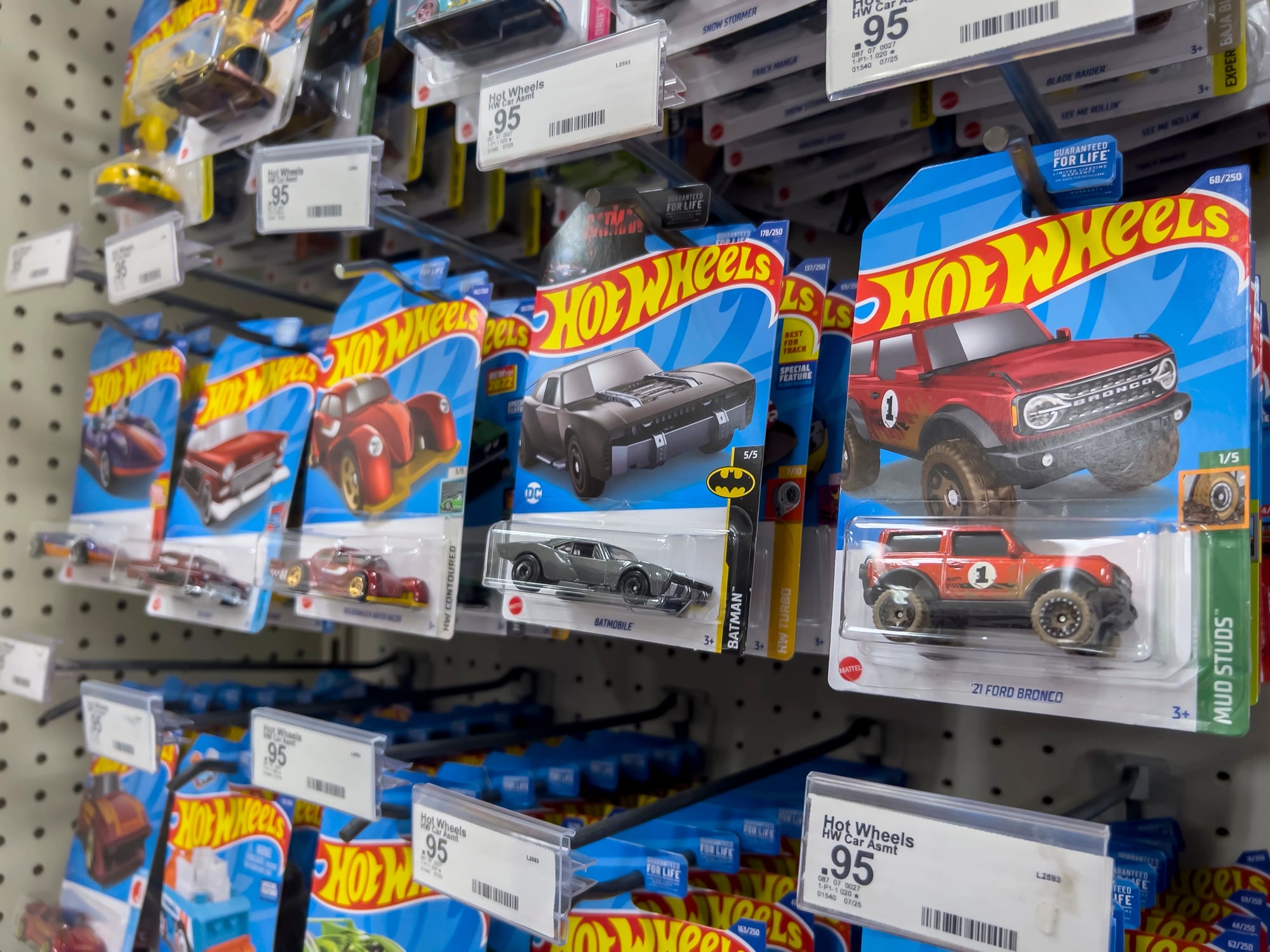
Hot Wheels entered the market in 1968 with a clear focus on speed, motion, and spectacle. These were not realistic miniature cars meant to sit quietly on a shelf.
They were bold, exaggerated, and designed to race. Tracks looped, dropped, and twisted, turning play into something kinetic and competitive.
That emphasis on movement distinguished Hot Wheels from similar toys almost immediately. Children were not just collecting cars, they were staging races and building entire systems of play.
Each new track piece or vehicle added another layer of possibility. At the same time, Hot Wheels cultivated a strong collector culture.
Limited editions, special finishes, and rare designs attracted enthusiasts who treated the cars as prized objects rather than toys alone. This dual identity helped the franchise remain profitable and relevant long after its original audience grew older.
Few toy lines balance play and collectability as effectively.
Transformers
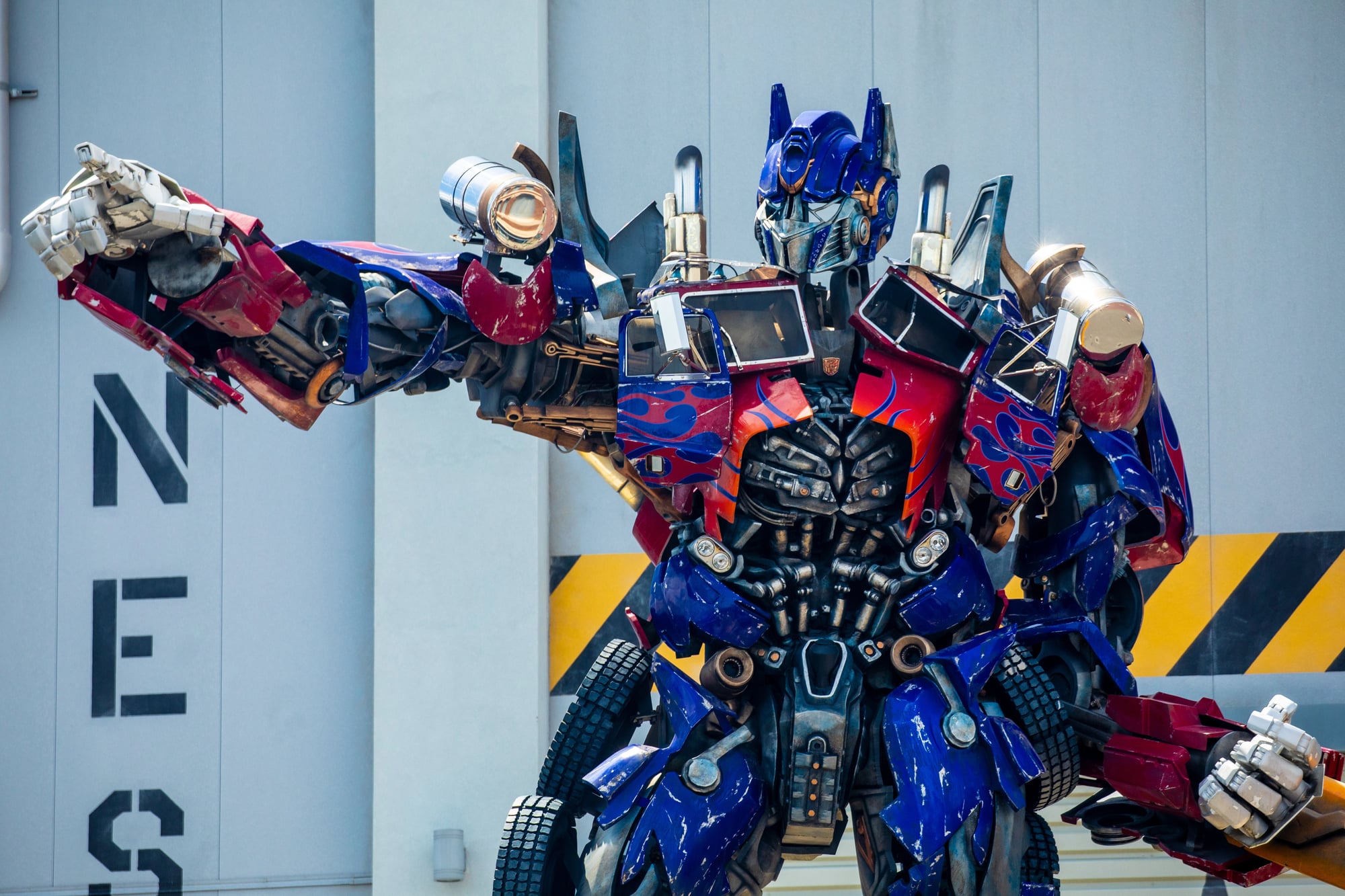
Transformers succeeded by merging mechanical complexity with character-driven storytelling. A single toy offered multiple identities, shifting from vehicle to robot and back again.
That transformation mechanic created a sense of discovery and mastery that rewarded repeated play. From the beginning, the toys were supported by stories that gave them purpose.
Animated series and later film adaptations introduced ongoing narratives, rivalries, and personalities. These stories elevated the toys beyond objects, turning them into characters with motivations and relationships.
As designs evolved, Transformers adjusted to new technologies and aesthetics without abandoning the transformation concept at its core. Older fans recognized familiar elements, while new audiences encountered updated versions that felt current.
This balance between continuity and reinvention allowed the franchise to span decades without becoming stuck in a single era.
G.I. Joe
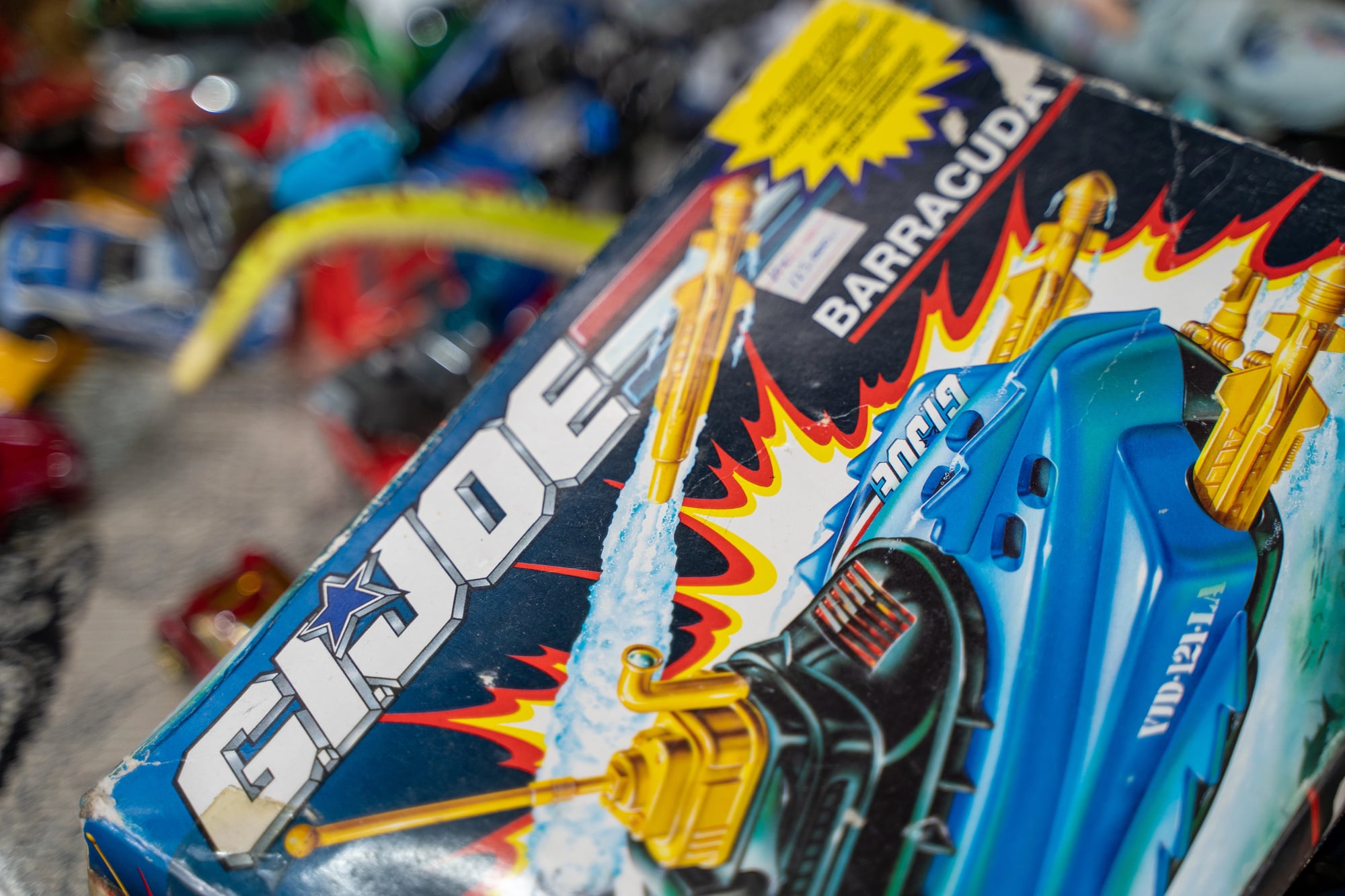
G.I. Joe played a defining role in shaping the modern action figure. When it launched in the 1960s, it reframed dolls as figures built for adventure and missions rather than domestic play.
This repositioning opened the door to an entirely new category of toys. Over time, the franchise adapted to cultural shifts by changing scale, tone, and storytelling approach.
Smaller figures allowed for expansive playsets, while animated series and comics deepened the narrative universe. Characters became recognizable not just by appearance, but by personality and role.
G.I. Joe’s ability to evolve without losing its central themes of teamwork and adventure helped it survive periods when similar franchises faded. Even during quieter years, the brand retained enough recognition to return with new interpretations rather than starting from scratch.
My Little Pony
My Little Pony first appeared in the early 1980s with a focus on color, fantasy, and gentle storytelling. The toys encouraged imaginative worlds built around friendship and emotion rather than competition or conflict.
That emphasis created a different kind of attachment, one rooted in character connection. Later reboots significantly expanded the franchise’s reach.
Updated storytelling brought humor, self-awareness, and depth that appealed to a broader audience. This unexpected crossover success turned My Little Pony into a multigenerational phenomenon rather than a nostalgia-driven revival.
Collectors, long-time fans, and new viewers all found something to enjoy, proving that emotional storytelling can be just as powerful as action-based play. The franchise’s endurance shows how adaptability and tone can reshape public perception without abandoning core values.
Nerf
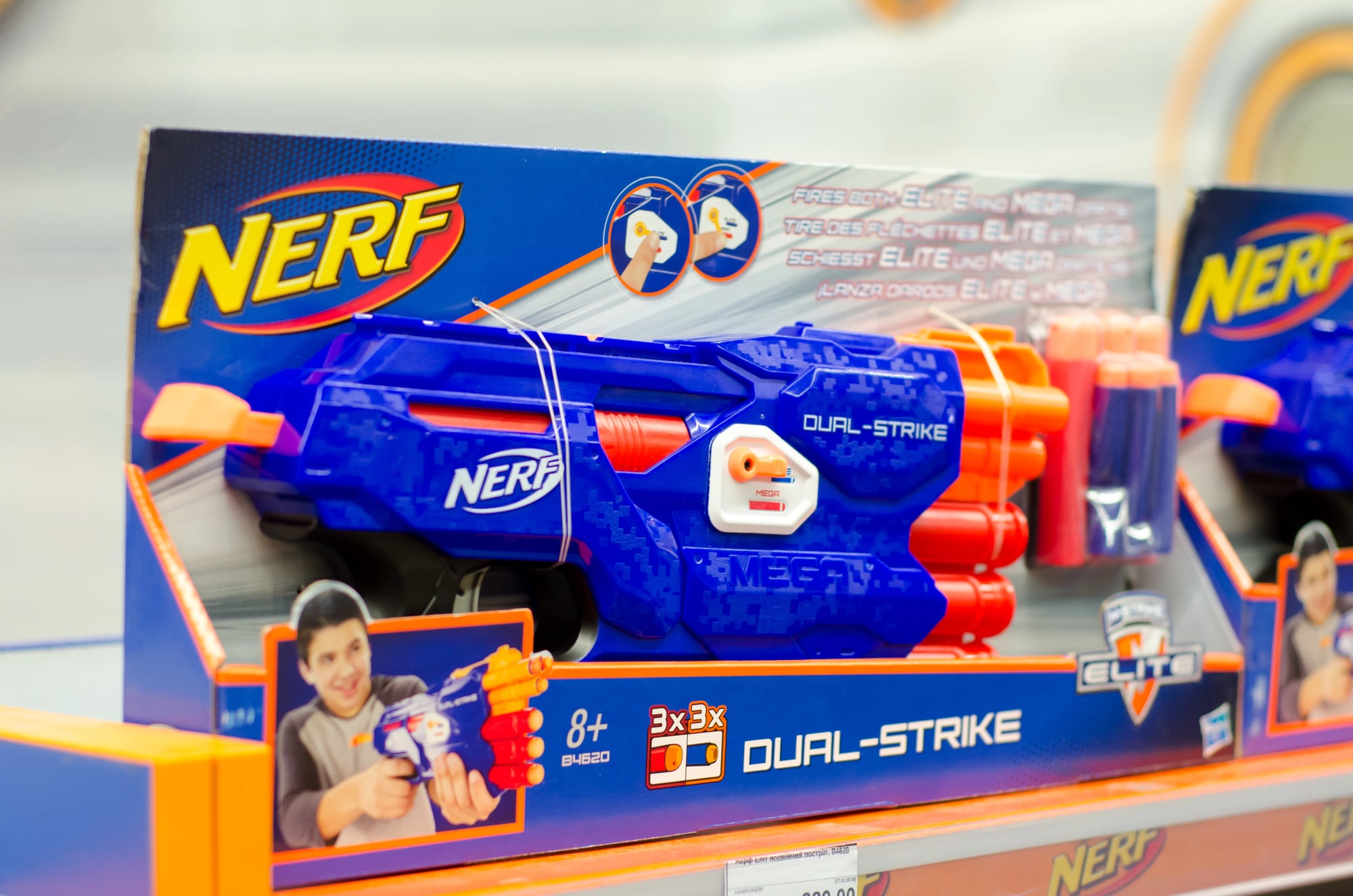
Nerf carved out its space by prioritizing safety and physical play. Foam-based designs allowed energetic games without the risks associated with harder materials.
This approach made active play accessible indoors and outdoors, expanding when and where the toys could be used. As the franchise grew, Nerf leaned into competition and team-based games, introducing varied designs and play styles.
Bright colors and distinctive shapes gave the toys a strong visual identity that stood out immediately. Even as digital entertainment became dominant, Nerf maintained relevance by offering experiences that screens could not replicate.
Running, aiming, dodging, and collaborating created social play rooted in movement. That focus on physical interaction helped Nerf remain appealing in an increasingly digital landscape.
Why These Toys Still Matter

Something real fits in your hand – that is where stories sometimes start. Not every big brand began online; some grew from blocks, figures, or pieces pushed across a floor.
Play changes when kids shape it themselves, not just follow a screen’s lead. These toys stuck around because they gave room for daydreams, not directions.
Connection came quietly, through shared building, trading, making up rules together. Even now, long after childhood ends, people remember the weight of those small things.
Time shows strong thoughts never really disappear. Shifting forms, they grow different yet stay familiar.
Moving softly between ages, these notions survive without noise.
More from Go2Tutors!

- The Romanov Crown Jewels and Their Tragic Fate
- 13 Historical Mysteries That Science Still Can’t Solve
- Famous Hoaxes That Fooled the World for Years
- 15 Child Stars with Tragic Adult Lives
- 16 Famous Jewelry Pieces in History
Like Go2Tutors’s content? Follow us on MSN.