16 Aircraft That Redefined Air Combat
The evolution of air combat has been shaped by revolutionary aircraft that didn’t just participate in warfare—they fundamentally changed how wars were fought in the sky. These machines introduced breakthrough technologies, tactics, and capabilities that shifted the entire balance of aerial power. From the first true fighters of World War I to today’s stealth juggernauts, certain aircraft stand out as genuine game-changers.
Each plane on this list represents a pivotal moment when aviation took a giant leap forward. Here is a list of 16 aircraft that redefined air combat forever.
Fokker Eindecker
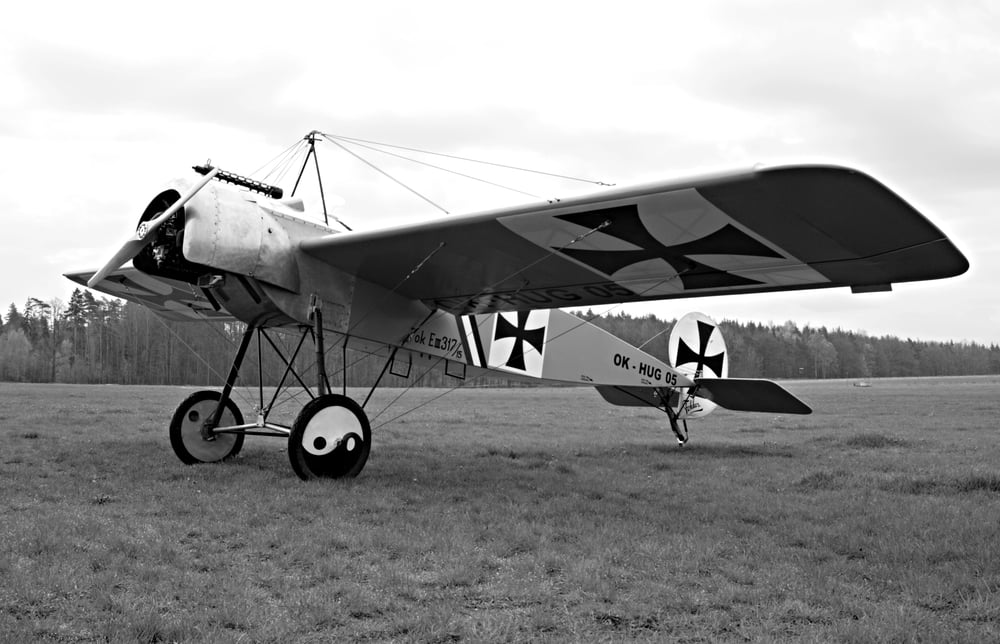
The Fokker Eindecker earned the terrifying nickname ‘Fokker Scourge’ during World War I, and for good reason. This German monoplane introduced the first practical interrupter gear system, allowing pilots to fire machine guns through their spinning propeller without shooting their own blades off.
Before this innovation, pilots had to awkwardly aim around their propellers or risk destroying their own aircraft. The psychological impact was immediate and devastating for Allied pilots.
The Eindecker gave Germany temporary air superiority over the Western Front in 1915, forcing Allied aviators to fly in larger formations for protection. This single technological leap transformed aerial combat from gentleman’s dueling into systematic hunting.
Sopwith Camel
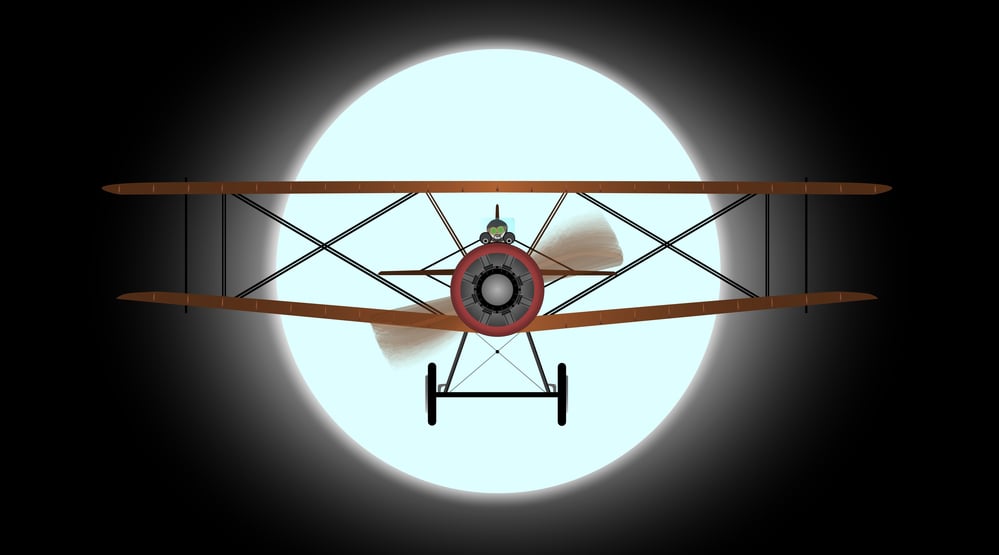
The Sopwith Camel became the most successful fighter aircraft of World War I, credited with shooting down more enemy aircraft than any other Allied fighter. Its unique design concentrated most of the aircraft’s weight—engine, pilot, guns, and fuel—within a seven-foot section near the front, making it incredibly agile but notoriously tricky to fly.
New pilots often found themselves spinning into the ground during their first attempts to master its quirky handling characteristics. What made the Camel special was its ability to turn faster than anything else in the sky.
Experienced pilots learned to use its tendency to spin as a weapon, executing lightning-quick reversals that caught enemy pilots completely off guard. The aircraft proved that maneuverability could triumph over raw speed and firepower.
Like Go2Tutors’s content? Follow us on MSN.
Supermarine Spitfire
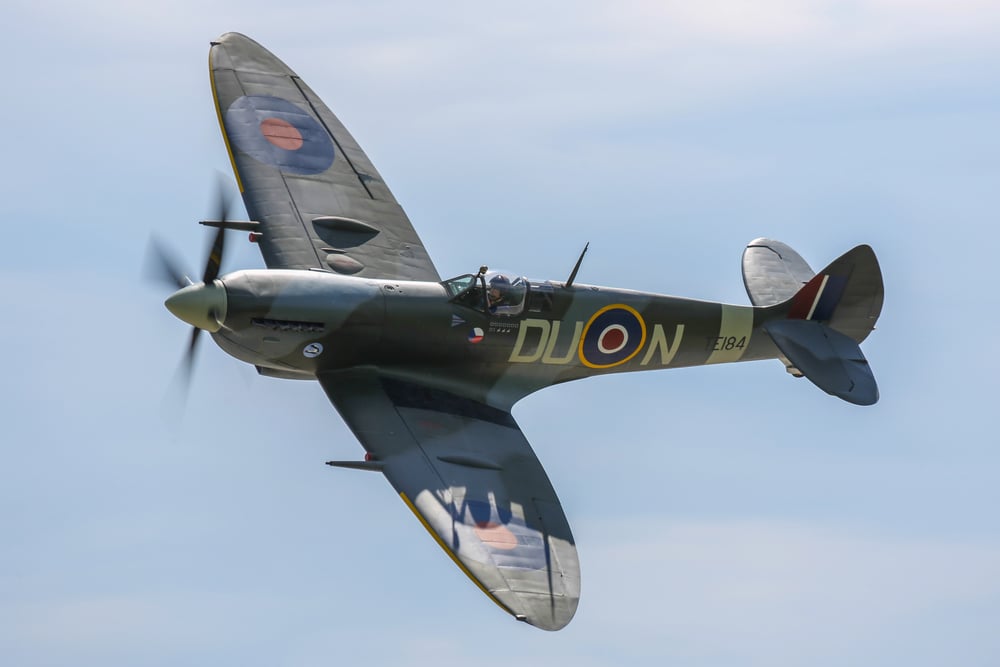
The Spitfire’s elliptical wings weren’t just beautiful—they were aerodynamically perfect. This British fighter combined elegant design with lethal effectiveness during the Battle of Britain, where its performance against German bombers and fighters helped save Britain from invasion.
The aircraft’s thin wing profile allowed it to maintain control at high speeds while providing exceptional maneuverability at lower speeds. Pilots loved the Spitfire because it responded to their slightest touch, feeling more like an extension of their body than a machine.
Its Rolls-Royce Merlin engine provided the power needed to climb quickly and maintain energy in combat, while its eight machine guns delivered devastating firepower. The Spitfire proved that superior engineering could overcome numerical disadvantages.
Messerschmitt Bf 109
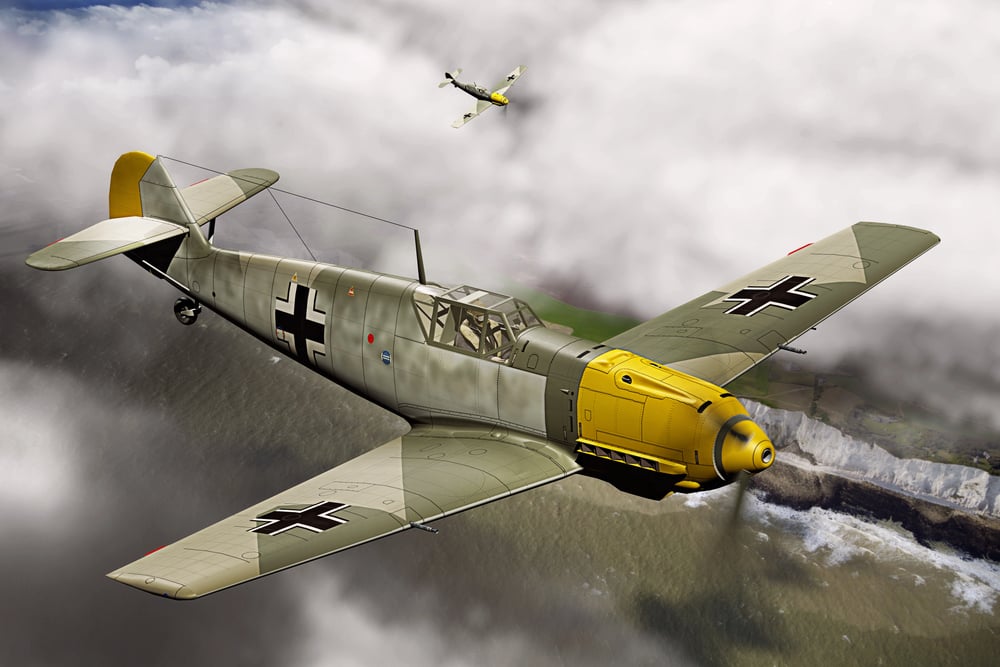
The Bf 109 dominated early World War II air combat through its revolutionary design philosophy that prioritized speed and climb rate over everything else. German engineers created an aircraft that could reach its target quickly, strike hard, and escape before enemies could respond effectively.
This hit-and-run approach, called ‘boom and zoom’ tactics, became the template for high-performance fighter operations. The aircraft’s fuel-injected Daimler-Benz DB 601 engine provided a decisive tactical advantage because the fuel injection system prevented engine cutout during negative-G maneuvers—a serious problem that plagued early carburetor-equipped Allied fighters like the Spitfire.
German pilots exploited this weakness by initiating sudden diving attacks, knowing their opponents’ engines would fail during the negative-G forces while the Bf 109’s engine continued running normally. The 109’s influence on fighter design lasted well into the jet age.
North American P-51 Mustang

The P-51 Mustang solved the most critical problem facing Allied bombers over Europe: lack of long-range fighter escort. Earlier fighters simply couldn’t fly deep into German territory and return home, leaving bombers vulnerable during the most dangerous portions of their missions.
The Mustang’s laminar-flow wing design and efficient internal fuel arrangement gave it unprecedented range without sacrificing performance. When equipped with drop tanks, Mustangs could escort bombers all the way to Berlin and still have enough fuel to engage German fighters effectively.
This capability transformed the strategic bombing campaign from a costly gamble into a decisive weapon. The aircraft’s impact extended beyond its technical achievements—it fundamentally changed how air wars could be conducted.
Like Go2Tutors’s content? Follow us on MSN.
Messerschmitt Me 262
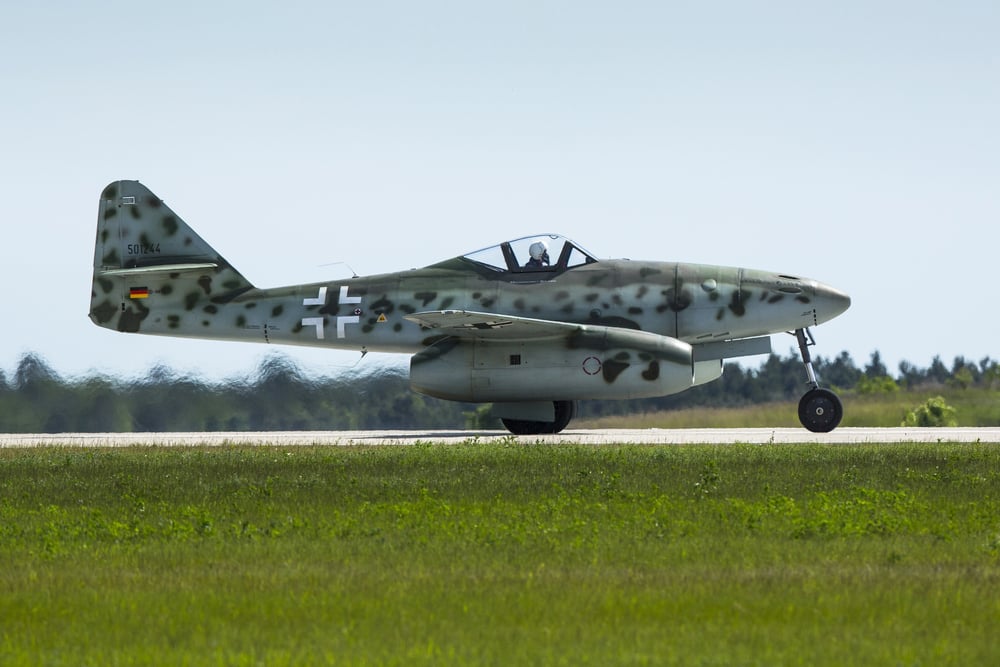
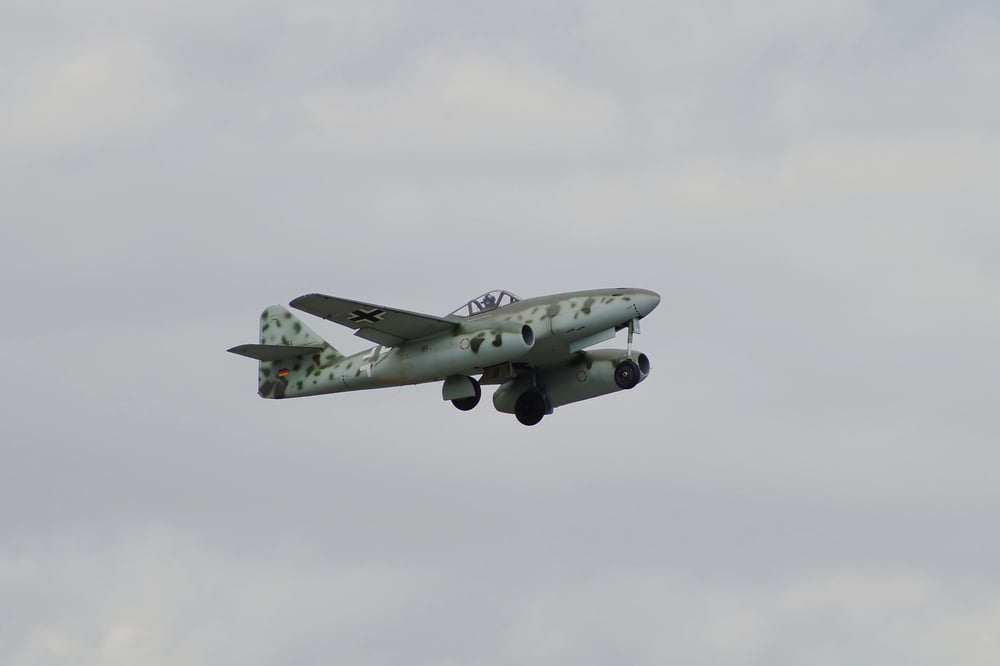
The Me 262 introduced the world to jet-powered combat, flying nearly 100 mph faster than the best propeller-driven fighters of its era. Allied pilots initially couldn’t believe what they were seeing when these sleek German jets streaked past their formations.
The aircraft’s speed advantage was so overwhelming that traditional dogfighting tactics became obsolete almost overnight. However, the Me 262 also revealed jet aviation’s early limitations.
The engines were unreliable, fuel consumption was enormous, and the aircraft was vulnerable during takeoff and landing when operating at low speeds. Despite these challenges, the Me 262 proved that jet propulsion represented the future of air combat, inspiring rapid development of jet fighters by all major powers.
North American F-86 Sabre

The F-86 Sabre brought swept-wing technology to American air power, incorporating German aerodynamic research captured after World War II. This design breakthrough allowed the Sabre to compete effectively with the Soviet MiG-15 over Korea, despite the MiG’s initial performance advantages.
The swept wings enabled both aircraft to approach the speed of sound without losing control—a critical capability in high-speed jet combat. American pilots flying Sabres achieved an impressive kill ratio against their communist opponents, demonstrating that superior pilot training could overcome technical disadvantages.
The Sabre’s hydraulic flight controls and all-moving horizontal stabilizer made it easier to handle at high speeds than its Soviet counterpart. This combination of advanced technology and pilot skill established American air superiority over Korea.
Mikoyan-Gurevich MiG-15
The MiG-15 shocked the Western world when it appeared over Korea, proving that Soviet aviation technology had advanced far beyond Western estimates. This jet fighter could outclimb and out-turn American F-80s and F-84s, forcing the United States to rush more advanced fighters into combat.
The MiG’s powerful Klimov VK-1 engine and lightweight design gave it impressive performance at high altitudes where bomber interception missions took place. The aircraft’s impact extended beyond Korea, as it became the foundation for Soviet fighter design philosophy emphasizing simplicity, ruggedness, and ease of maintenance.
Thousands of MiG-15s were exported worldwide, establishing Soviet influence in developing nations while providing their air forces with credible defensive capabilities. The MiG-15 proved that technological superiority could shift geopolitical balances.
Like Go2Tutors’s content? Follow us on MSN.
English Electric Lightning

The Lightning represented Britain’s commitment to developing indigenous supersonic fighters, becoming an early pioneer of supercruise—sustained supersonic flight without afterburners. Its unique over-and-under engine configuration allowed it to achieve incredible climb rates, reaching 60,000 feet in under three minutes.
This performance was essential for intercepting high-flying Soviet bombers threatening British airspace. The Lightning’s vertical performance was so impressive that pilots often found themselves in the stratosphere before they realized how high they’d climbed.
However, this specialization came at a cost—the aircraft had limited fuel capacity and short range, making it unsuitable for extended patrol missions. The Lightning demonstrated that extreme performance in one area often required sacrifices elsewhere.
McDonnell Douglas F-4 Phantom II

The F-4 Phantom II revolutionized military aviation by proving that one basic airframe could serve multiple roles effectively. This twin-engine jet became the backbone of American air power during the Vietnam War, serving as an air superiority fighter, ground attack aircraft, reconnaissance platform, and electronic warfare plane.
Its powerful J79 engines could push the fully-loaded aircraft past Mach 2, while its sophisticated radar systems enabled beyond-visual-range combat. The Phantom’s modular design philosophy influenced every subsequent fighter development program.
Engineers demonstrated that properly designed aircraft could adapt to changing mission requirements through updated electronics and weapons systems rather than entirely new airframes. This approach dramatically reduced costs while maintaining technological relevance over decades of service.
Mikoyan MiG-21

The MiG-21 became the most widely produced supersonic fighter in history, with over 11,000 aircraft built in various configurations. This Soviet design emphasized simplicity and cost-effectiveness over sophisticated systems, creating a fighter that developing nations could operate and maintain effectively.
The MiG-21’s basic design proved so successful that many countries continued operating upgraded versions well into the 21st century. The aircraft’s global proliferation changed the strategic balance by giving smaller nations credible air defense capabilities.
Countries that previously relied on obsolete propeller fighters suddenly possessed jets capable of intercepting modern bombers and engaging advanced fighters. The MiG-21’s influence extended far beyond its technical specifications—it democratized air power on a global scale.
Like Go2Tutors’s content? Follow us on MSN.
General Dynamics F-16 Fighting Falcon
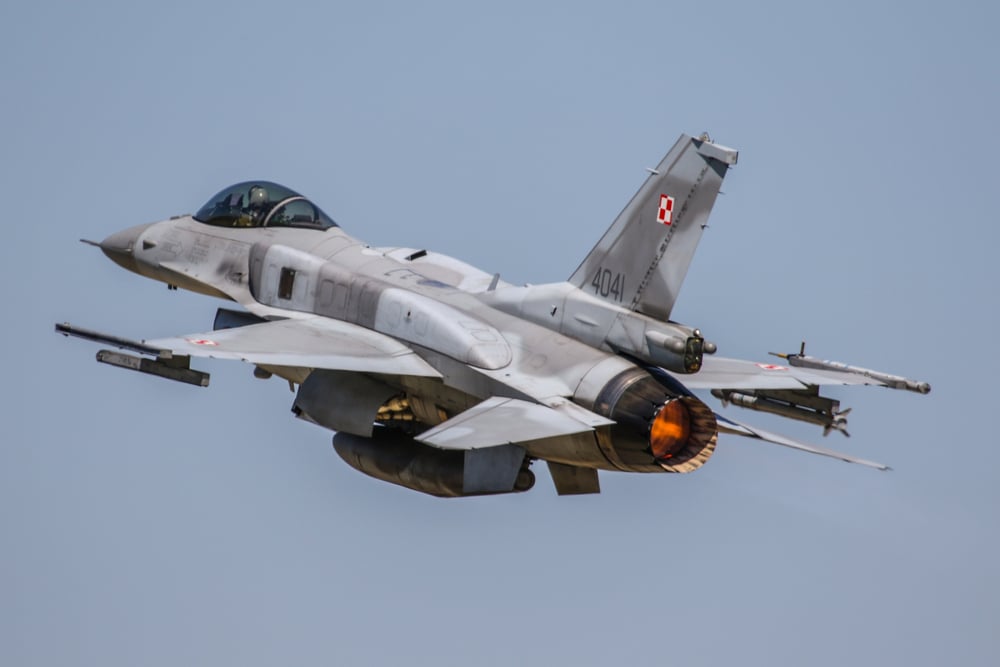
The F-16 introduced fly-by-wire flight control technology to operational fighters, using computers to manage an inherently unstable airframe design. This revolutionary approach provided unprecedented maneuverability by allowing the aircraft to operate beyond traditional aerodynamic limits.
The computer systems continuously adjusted control surfaces thousands of times per second, enabling pilots to perform maneuvers that would be impossible in conventional aircraft. The Fighting Falcon’s relaxed static stability design became the template for modern fighter development, proving that electronic systems could enhance rather than complicate aircraft operations.
Its success encouraged widespread adoption of digital flight controls across military and civilian aviation. The F-16 demonstrated that embracing instability could paradoxically create more controllable aircraft.
McDonnell Douglas F-15 Eagle
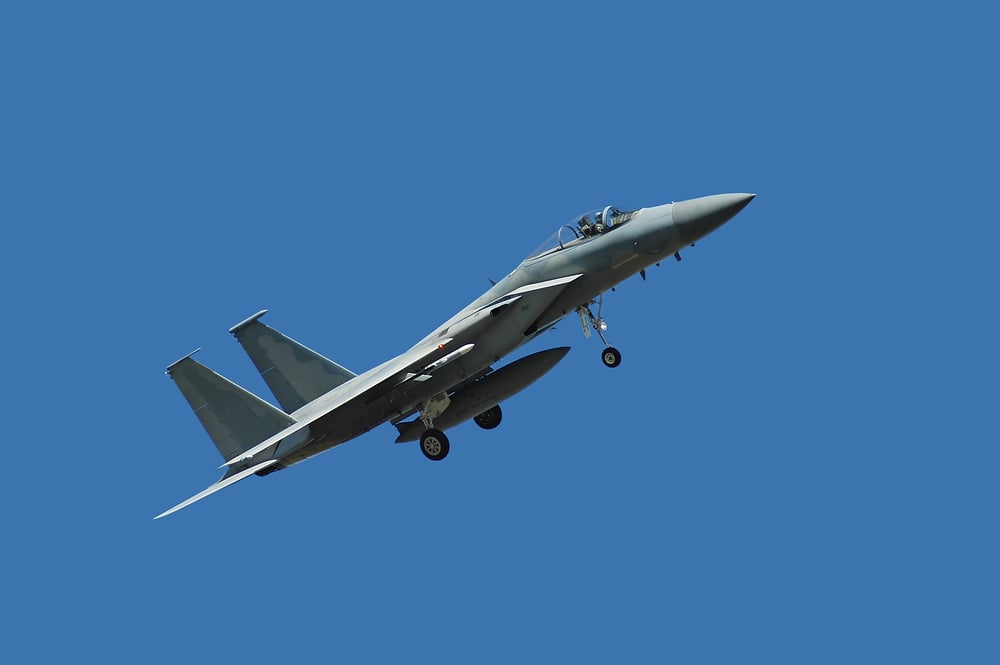
The F-15 Eagle was designed with one primary mission: achieving and maintaining air superiority against any potential opponent. Its twin-engine configuration and powerful radar systems enabled it to detect, track, and engage multiple targets simultaneously at long range.
The aircraft’s thrust-to-weight ratio exceeded 1:1, meaning it could accelerate while climbing vertically—a capability that stunned observers at air shows worldwide. The Eagle’s combat record remains unmatched among modern fighters, with over 100 confirmed air-to-air victories and zero losses in aerial combat.
This success resulted from combining superior performance with advanced weapons systems and comprehensive pilot training. The F-15 proved that technological superiority could provide decisive advantages in air combat.
General Dynamics F-111
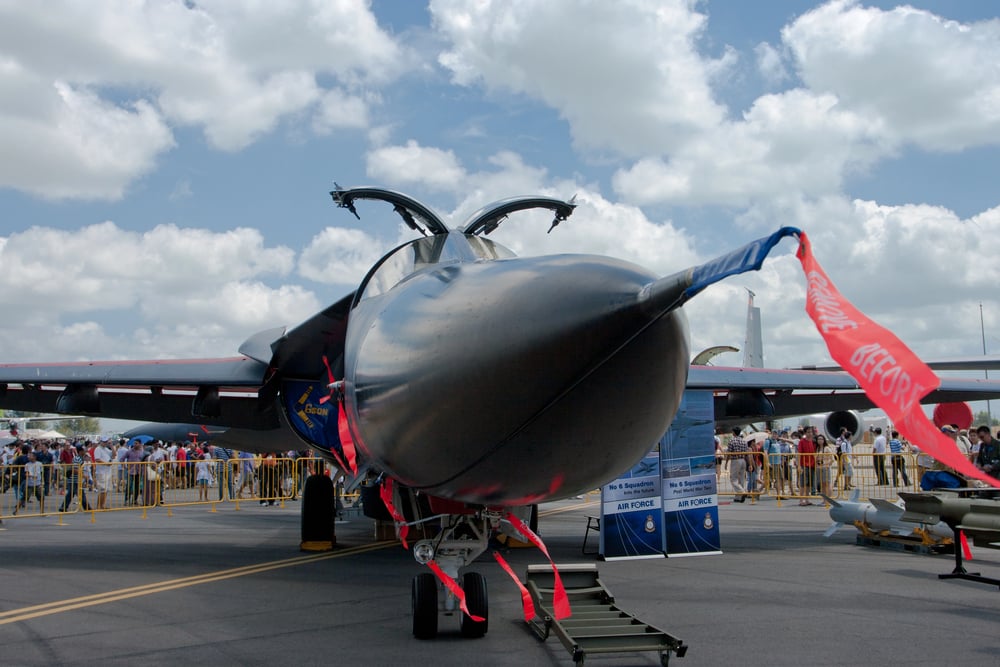
The F-111 pioneered variable-sweep wing technology, allowing the same aircraft to operate efficiently at both high and low speeds. During high-speed flight, the wings swept back to reduce drag and improve performance.
For takeoff, landing, and low-speed maneuvering, the wings extended forward to provide greater lift and control. This adaptability enabled the F-111 to perform missions ranging from strategic bombing to low-level penetration strikes.
The aircraft also introduced terrain-following radar, enabling automatic low-level flight in all weather conditions. This capability allowed F-111s to approach targets below enemy radar coverage, significantly improving their survival chances.
The combination of variable wings and terrain-following technology established the F-111 as the premier long-range strike aircraft of its era.
Like Go2Tutors’s content? Follow us on MSN.
Lockheed F-117 Nighthawk

The F-117 Nighthawk introduced stealth technology to operational combat, fundamentally changing how air wars would be fought. Its angular, faceted design deflected radar signals away from their sources, making the aircraft nearly invisible to conventional detection systems.
This capability allowed F-117s to penetrate heavily defended airspace and strike high-value targets with minimal risk. The Nighthawk’s success during the Gulf War demonstrated stealth technology’s revolutionary potential, forcing every major military power to reconsider their air defense strategies.
Traditional radar-guided surface-to-air missiles became largely ineffective against properly designed stealth aircraft. The F-117 proved that invisibility could be as valuable as speed or maneuverability in modern combat.
Lockheed Martin F-22 Raptor

The F-22 Raptor represents the pinnacle of current fighter technology, combining stealth, supercruise capability, advanced avionics, and exceptional maneuverability in a single platform. Its sophisticated sensor fusion systems provide pilots with unprecedented situational awareness, automatically correlating information from multiple sources into coherent tactical pictures.
This capability enables F-22 pilots to engage multiple threats simultaneously while remaining undetected. The Raptor’s thrust-vectoring engines and advanced flight controls enable it to perform maneuvers that defy traditional understanding of aerodynamics.
Its ability to maintain supersonic speeds without afterburners gives it a significant tactical advantage in beyond-visual-range engagements. The F-22 established the benchmark for fifth-generation fighter capabilities that other nations continue trying to match.
The Legacy Written in Contrails

These sixteen aircraft didn’t just participate in aviation history—they created it. From the Fokker Eindecker’s first synchronized guns to the F-22’s stealth technology, each represents a quantum leap in capabilities that forced adversaries to completely rethink their strategies.
The lessons learned from their development and combat use continue shaping modern air power doctrine. These machines prove that innovation, more than numbers, determines who controls the skies.
Today’s pilots fly aircraft whose DNA can be traced directly back to these revolutionary designs.
More from Go2Tutors!

- 16 Historical Figures Who Were Nothing Like You Think
- 12 Things Sold in the 80s That Are Now Illegal
- 15 VHS Tapes That Could Be Worth Thousands
- 17 Historical “What Ifs” That Would Have Changed Everything
- 18 TV Shows That Vanished Without a Finale
Like Go2Tutors’s content? Follow us on MSN.