Most Downloaded Apps of All Time
You open your phone and scroll through dozens of apps without thinking twice about it. But behind every tap and swipe sits a story of how these digital tools became so embedded in daily life that billions of people can’t imagine functioning without them.
Some apps got there through perfect timing. Others just solved problems better than anyone else.
The race to the top of the download charts isn’t just about numbers. It’s about understanding what makes people reach for their phones first thing in the morning and last thing at night.
WhatsApp: The Quiet Giant
WhatsApp has accumulated more than 7 billion downloads across both major app stores. That’s not a typo.
The messaging app that started in 2009 with two former Yahoo employees now sits at the top of the download pyramid with roughly 3 billion active users monthly.
India alone accounts for over 850 million users. Brazil follows with 148 million.
The app works in 180 countries and supports 60 languages. People send over 100 billion messages through WhatsApp every day, and the platform handles about 2 billion voice and video calls daily.
What makes WhatsApp different is its simplicity. You download it, enter your phone number, and start talking.
No usernames, no friend requests, no algorithm deciding what you see. Just messages that arrive when someone sends them.
TikTok: Short Videos, Massive Impact
TikTok has reached over 2 billion downloads globally, and it keeps growing despite bans in several countries. The pandemic accelerated its popularity when people needed entertainment and connection during lockdowns.
The app makes video creation accessible to everyone. You don’t need expensive equipment or editing skills.
Point your phone, record, apply effects, and upload. The algorithm then decides if your content reaches ten people or ten million.
TikTok changed how we consume content. Before it, videos were something you watched on YouTube after searching for specific topics.
Now, an endless stream of clips appears based on your behavior patterns, and hours disappear before you notice.
Instagram: Photos That Changed Social Media
Instagram transformed how people share their lives online. Before Meta acquired it, the photo-sharing app was already dominating smartphones everywhere.
Now it stands among the top five most downloaded applications, with billions of installations worldwide.
The platform evolved from simple photo filters to Stories, Reels, shopping features, and direct messaging that rivals standalone apps. Businesses use it to reach customers.
Influencers build entire careers on it. Regular people document everything from their morning coffee to their vacation destinations.
Instagram succeeded because it made everyone feel like a photographer. The filters turned average snapshots into images worth sharing.
The square format gave posts a distinctive look. The simplicity of double-tapping to like something created an addictive feedback loop.
Facebook: Still Dominating After All These Years
Facebook maintains its position with 2.9 billion monthly active users and over 5 billion downloads. Mark Zuckerberg launched it in 2004, and despite countless controversies and predictions of its demise, people keep using it.
Three features explain Facebook’s staying power. Groups let people with shared interests connect regardless of geography.
Marketplace turned it into a classified ads platform that actually works. Events keep track of birthdays, parties, and community gatherings in one place.
Younger users might prefer other platforms, but Facebook remains where families stay connected and where local communities organize. Parents share photos of their kids.
Neighbors discuss local issues. Old classmates reconnect after decades apart.
Telegram: The Alternative Messenger
Telegram carved out its space with features that WhatsApp didn’t offer initially. The app has over 500 million active users who appreciate its approach to privacy and its unique features.
You can create groups with thousands of members. Channels work like broadcast lists where administrators share updates with unlimited followers.
The app supports large file transfers, something crucial for people who need to share documents or media files quickly.
Self-destructing messages disappear after you read them. Encrypted chats offer extra security for sensitive conversations.
The ability to edit sent messages saved countless people from embarrassing typos.
Messenger: Facebook’s Messaging Companion

Facebook Messenger exists as a separate app with its own massive download numbers. It’s built around communication and ranks among the top five most downloaded applications.
The app handles text, photos, videos, voice calls, and video chats. You can send money to friends, play games within conversations, and share your location.
Businesses use it for customer service because it lets them respond to questions without maintaining separate phone lines.
The separation from the main Facebook app annoyed many users initially. But Messenger’s independence gave it room to add features without cluttering the main social network.
Snapchat: Making Messages Disappear
Snapchat introduced a concept that seemed strange at first. Why would anyone want messages that vanish after viewing?
The app has accumulated 200 million downloads as of 2022, proving that temporary content appeals to massive audiences.
Filters and lenses became Snapchat’s signature feature. The ability to transform your face into a dog or add rainbows to your surroundings created a new type of self-expression.
Other apps copied these features, but Snapchat got there first.
The disappearing messages actually created more authentic communication. Without a permanent record, people felt freer to share unpolished moments.
Screenshots notify the sender, adding a layer of privacy unusual for social media.
YouTube: Where Videos Live Forever
YouTube isn’t just a video platform anymore. It’s a search engine, an education resource, an entertainment hub, and a way for creators to build audiences from zero.
The app sits on nearly every smartphone worldwide.
People watch everything from music videos to repair tutorials to hours-long gaming streams. The recommendation algorithm learns what keeps you watching and serves up similar content.
You start looking for one thing and end up discovering channels you never knew existed.
Creators can monetize their content, turning YouTube into a viable career path. Some make millions.
Most earn modest side income. The possibility alone keeps people uploading videos about every topic imaginable.
Spotify: Music In Your Pocket
Spotify has more than 320 million monthly users and over 144 million premium subscribers, making it the dominant music streaming service in most markets. The app changed how people discover and listen to music.
Playlists replaced album listening for many users. Algorithm-generated mixes introduce you to new artists based on your taste.
Podcasts found a new home alongside music, creating an audio ecosystem in one app.
The free tier with ads brought streaming to everyone. Premium subscriptions removed interruptions and added offline listening.
Family plans made the service affordable for households.
Amazon Shopping: Retail In Your Hand
Amazon’s shopping app redefined e-commerce. The app has over 100 million downloads on Google Play Store.
You can buy almost anything from your phone and have it arrive within days or even hours.
The search function works well. Reviews help you make decisions.
One-click ordering removes friction from purchasing. Subscribe and save options turn routine purchases into automatic deliveries.
The recommendation algorithm suggests products based on your browsing and purchase history. Prime membership ties the shopping experience to video streaming, music, and free shipping, creating an ecosystem that keeps people coming back.
Zoom: Video Meetings Everywhere

The pandemic turned Zoom from a business tool into a household name. In a three-month lockdown period, over 16 million people downloaded the Netflix application, which was double the sign-ups from late 2019.
Zoom experienced similar explosive growth as work, school, and social life moved online.
Video calls became normal for everyone, not just tech-savvy business people. Family gatherings happened through Zoom.
Schools conducted classes remotely. Friends celebrated birthdays in virtual rooms.
The app’s simplicity helped it succeed. Join a meeting with one click.
No account required for attendees. Screen sharing works intuitively. Breakout rooms let large groups split into smaller discussions.
Netflix: Streaming Changed Television
Netflix transformed from DVD-by-mail to the streaming service that made binge-watching a cultural phenomenon. The app brings movies and TV shows to your device wherever you have internet.
Original content gave Netflix an edge over competitors. Shows like Stranger Things and The Crown became cultural events.
The ability to watch entire seasons at once changed how stories get told.
Multiple profiles let families share accounts while maintaining separate viewing histories. Download features make content available offline.
The interface learns your preferences and suggests shows you’ll like.
Google Apps: The Essential Ecosystem
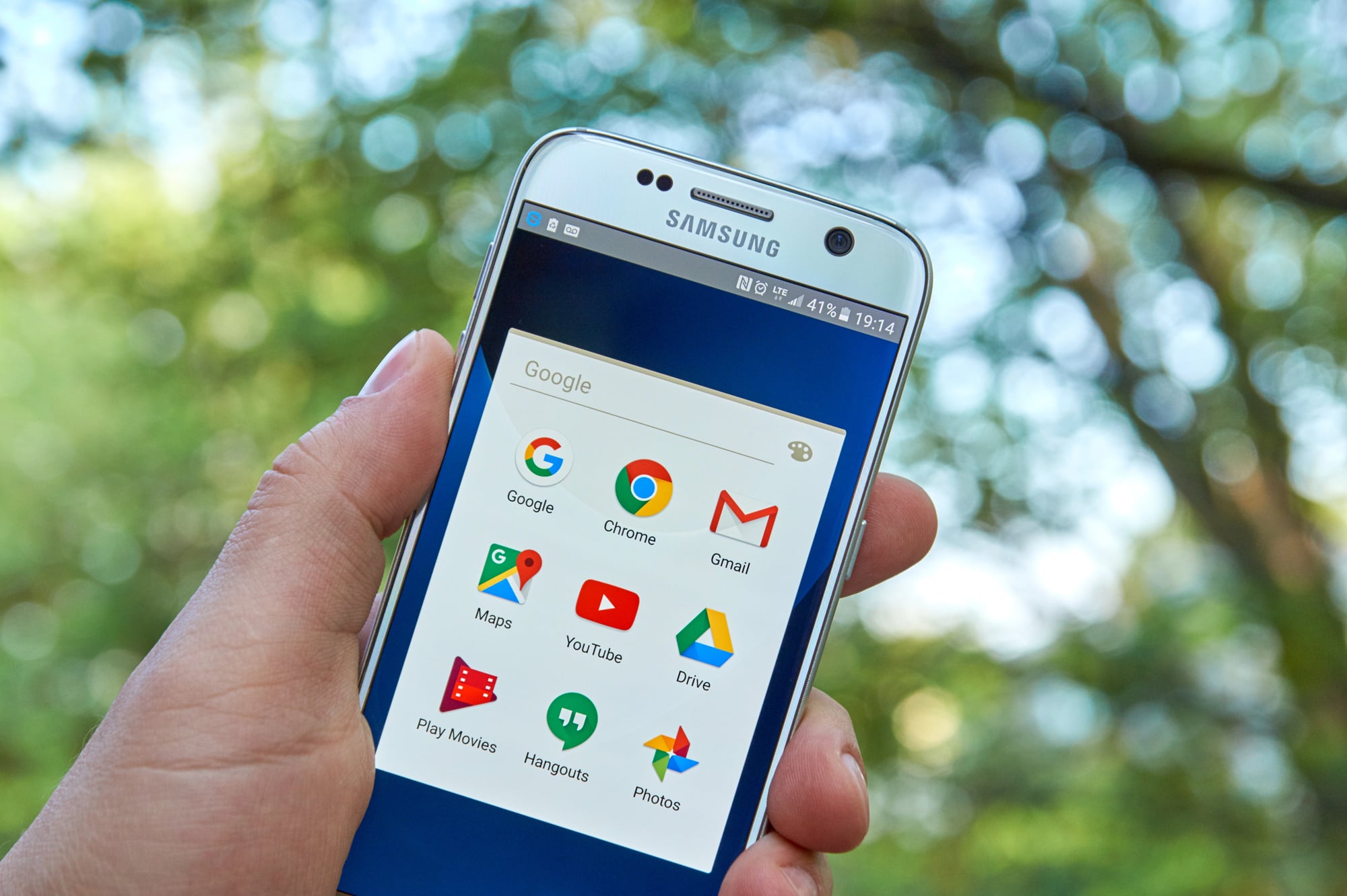
Google Maps, Gmail, Google Photos, and Google Drive dominate download charts as essential utilities. Maps changed navigation forever.
Gmail handles email for billions. Photos back up memories automatically. Drive stores files in the cloud.
These apps work together seamlessly. Take a photo, and it backs up to Photos.
Create a document, and it saves to Drive. Search your email, and Maps shows you addresses.
The ecosystem makes switching to competitors difficult.
The free storage tiers brought cloud services to regular people. Premium plans offer more space without breaking budgets.
Cross-device syncing means you start something on your phone and finish it on your computer.
Uber: Transportation Reimagined

Uber changed how people think about getting around cities. The ride-hailing app connects riders with drivers in minutes.
No cash needed. No waiting outside flagging taxis. No wondering if the driver knows where you’re going.
The app shows driver location in real time. You track your ride’s progress on a map.
Splitting fares with friends happens automatically. Rating systems keep both drivers and passengers accountable.
Uber Eats expanded the service into food delivery, turning the app into a solution for dinner plans. The same convenience that works for rides now brings restaurant meals to your door.
How Apps Win The Download Game
Billions of downloads? It is not just about usefulness. Sometimes it comes down to when you show up.
Connections between users can tilt the scales. Being already inside gadgets – yeah, that counts way more than folks admit.
Phones often ship with popular apps already inside. Not every one gets downloaded fresh, yet each still adds to the total.
A few climbed high because timing matched their fix perfectly. Being first made others stand out when the idea launched.
Sticking around isn’t luck. Fixing actual issues keeps people coming back.
When things run without failing, trust grows slowly. Shifting along with users helps stay relevant.
Doing the same thing at the right time forms routines. Others using it first makes joining feel normal.
Where Digital Life Is Going
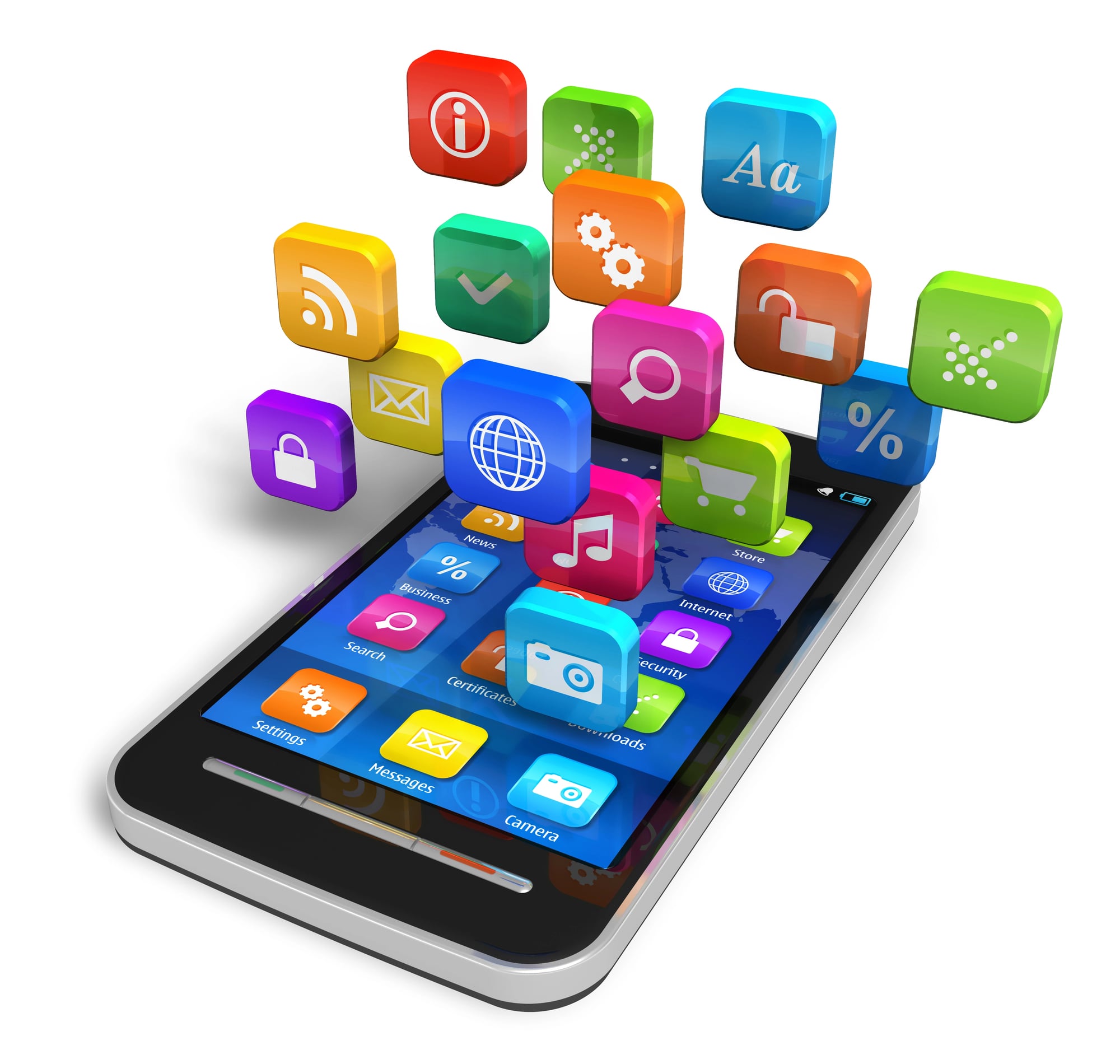
Chat apps fill four out of the top five spots on download charts. What drives this trend?
A need to reach one another. Sharing moments matters more than ever.
Even when life pulls people apart, messages keep them close.
One step ahead, tomorrow’s apps might slip into daily life without much notice. Instead of waiting, artificial intelligence now shapes how people use phones and gadgets every day.
Before typing a single word, shopping tools guess your next move with quiet accuracy. Personal tastes guide entertainment sites, shaping shows and music in ways that feel oddly familiar.
What works sticks around. Those apps ahead of the pack?
They turn hard jobs into quick steps, skip the hassle in everyday routines, one smooth touch at a time. A quiet moment here, less waiting there.
People open them again without thinking. Phones spread wider now, reaching pockets they never touched before.
Each new device wakes up someone ready to try something fresh. Tools that help, even just a little, find space on crowded screens.
Numbers rise slow then fast, like tides pulled by need. Habit forms quietly when effort fades.
Easy wins every time. Quiet usefulness beats loud promises each morning.
More hands hold power now than ever did last decade. Simple things gain weight when repeated daily.
More from Go2Tutors!

- The Romanov Crown Jewels and Their Tragic Fate
- 13 Historical Mysteries That Science Still Can’t Solve
- Famous Hoaxes That Fooled the World for Years
- 15 Child Stars with Tragic Adult Lives
- 16 Famous Jewelry Pieces in History
Like Go2Tutors’s content? Follow us on MSN.