16 Board Games That Taught Real-World Skills
Long before video games dominated entertainment, families gathered around kitchen tables for epic battles of strategy, luck, and wit. These weren’t just ways to pass time on rainy afternoons—many classic board games served as stealth education, teaching valuable life skills without anyone realizing they were learning.
From money management to strategic thinking, these games prepared generations for the challenges of adulthood. Board games have always been more than simple entertainment.
Here is a list of 16 board games that secretly taught real-world skills while keeping players thoroughly entertained.
Monopoly

This property-trading giant turned kids into budding real estate moguls and financial strategists. Players learned the basics of investment, cash flow management, and the harsh reality that sometimes you need to mortgage your assets to stay afloat.
The game taught negotiation skills as players wheeled and dealed their way around the board, making trades that could make or break their empire. Beyond the money lessons, Monopoly showed players the importance of long-term planning and risk assessment—skills that translate directly to managing personal finances and business decisions.
Chess

Often called the ultimate strategy game, chess developed critical thinking and pattern recognition like no other board game. Players learned to think several moves ahead, considering not just their own strategy but anticipating their opponent’s plans.
The game taught patience and the value of sacrifice—sometimes losing a piece leads to a greater advantage later. Chess also instilled the importance of protecting valuable assets while positioning for future opportunities, lessons that apply to everything from career planning to investment strategies.
Like Go2Tutors’s content? Follow us on MSN.
Scrabble
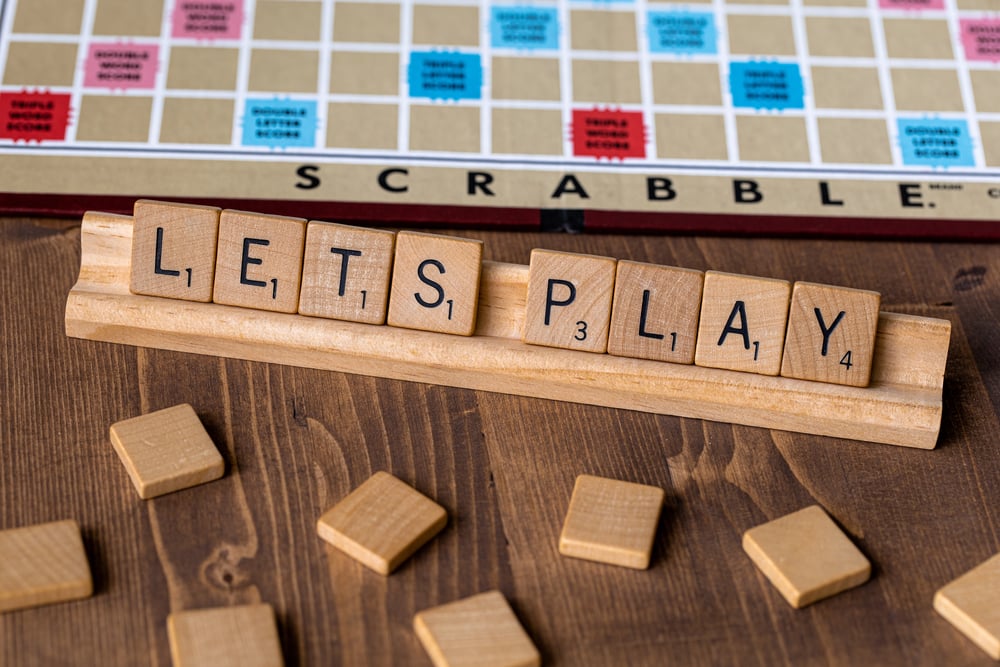
This word-building classic expanded vocabularies while teaching players to maximize limited resources. Scrabble players learned to think creatively about letter combinations and discovered the strategic value of positioning—where you place your word matters as much as the word itself.
The game taught mathematical thinking through point calculations and tile management. Players also developed problem-solving skills as they worked with challenging letter combinations, learning to find opportunity even when dealt a difficult hand.
Risk

This global conquest game taught strategic thinking on a massive scale, showing players how to balance offense and defense across multiple fronts. Risk players learned resource allocation—how to distribute armies effectively across territories while maintaining strategic reserves.
The game emphasized the importance of alliances and diplomacy, teaching players when to cooperate and when to strike out on their own. Risk also demonstrated how geographic positioning affects strategic options, a lesson applicable to everything from business expansion to career moves.
The Game of Life

Despite its reliance on chance, Life taught players about major life decisions and their long-term consequences. The game introduced concepts like insurance, investments, and retirement planning in an accessible way.
Players learned that education and career choices have lasting financial impacts, and that life rarely follows a predictable path. Life also taught the importance of preparing for unexpected events—both good and bad—that can dramatically change your circumstances.
Like Go2Tutors’s content? Follow us on MSN.
Clue
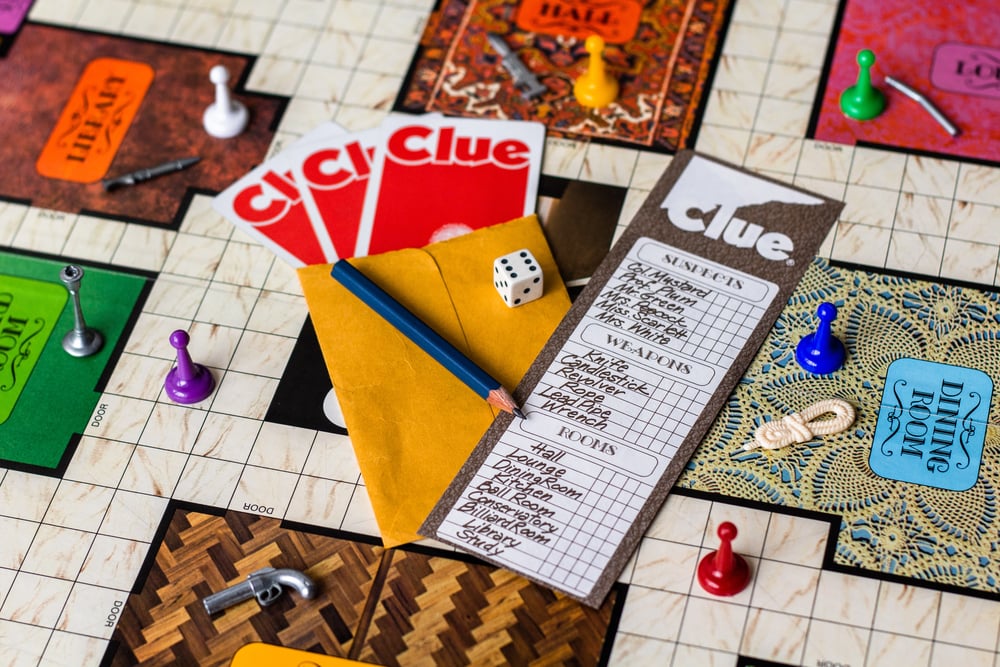
This murder mystery game developed deductive reasoning and logical thinking skills that prove invaluable in real-world problem-solving. Players learned to organize information systematically, keeping track of clues and eliminating possibilities through process of elimination.
Clue taught the importance of asking the right questions and paying attention to what others reveal through their actions. The game also emphasized that solving complex problems often requires patience and methodical analysis rather than wild guessing.
Yahtzee

This dice-rolling favorite taught probability assessment and decision-making under uncertainty. Players learned to evaluate odds quickly and decide when to take calculated risks versus playing it safe.
Yahtzee demonstrated the concept of opportunity cost—choosing to go for a high-scoring combination meant giving up guaranteed points elsewhere. The game also taught players to adapt their strategy based on changing circumstances, a crucial skill in business and personal decision-making.
Battleship

This naval warfare game taught grid-based thinking and systematic search strategies that apply to many real-world scenarios. Players learned the importance of information gathering and pattern recognition in making educated guesses.
Battleship demonstrated how to use the process of elimination effectively and taught the value of both offensive and defensive positioning. The game also showed players how to make the most of limited information while keeping their own strategy hidden from competitors.
Like Go2Tutors’s content? Follow us on MSN.
Trivial Pursuit
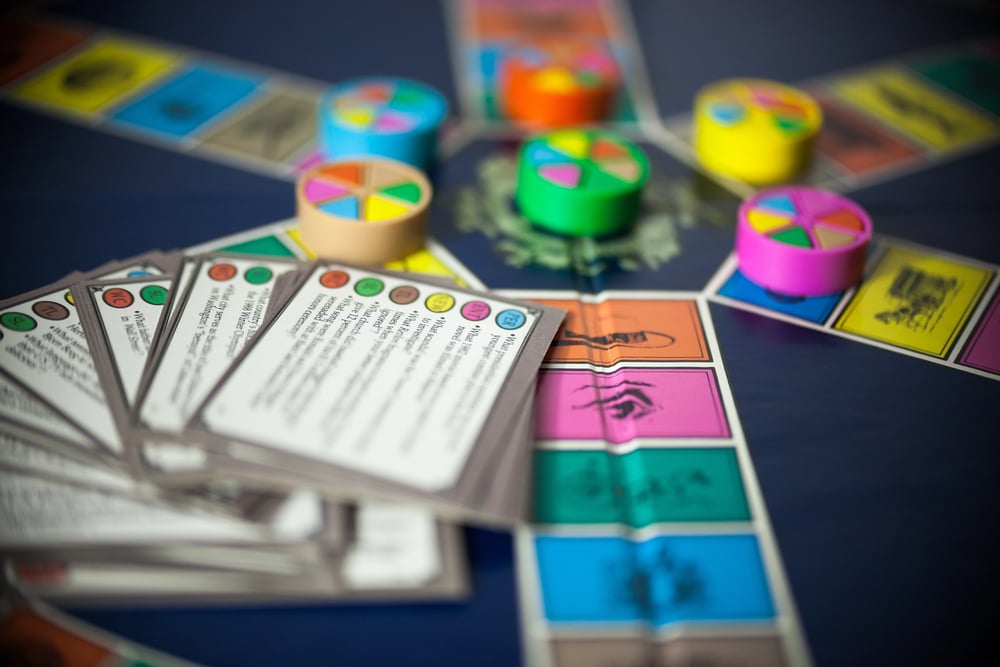
This knowledge-testing game encouraged players to accumulate diverse information and demonstrated the value of being well-rounded. Trivial Pursuit taught players to make educated guesses when they didn’t know exact answers, using context clues and logical reasoning.
The game showed how knowledge from different fields often connects in unexpected ways. Players also learned that continuous learning and curiosity about various subjects provides advantages in many life situations.
Stratego

This military strategy game taught players to value information and misdirection while managing limited resources. Stratego players learned the importance of reconnaissance—gathering intelligence about opponents’ capabilities before making major moves.
The game emphasized protecting valuable assets while positioning less critical pieces for maximum strategic advantage. Players also discovered how to use deception and bluffing as legitimate strategic tools, skills that prove useful in negotiations and competitive situations.
Othello

This simple-looking game taught players that circumstances can change rapidly and dramatically. Othello players learned to think about positioning and influence rather than just immediate gains.
The game demonstrated how controlling key strategic positions can lead to sudden reversals of fortune. Players also developed patience and learned not to judge their position based solely on current appearances, as seemingly losing positions can quickly become winning ones.
Like Go2Tutors’s content? Follow us on MSN.
Backgammon

This ancient game combined strategy with probability management, teaching players to make optimal decisions despite uncertain outcomes. Backgammon players learned to assess risk versus reward in every move, balancing aggressive advancement with defensive positioning.
The game taught the concept of calculated risks and showed how good strategy can overcome bad luck over time. Players also learned the importance of timing—knowing when to make bold moves and when to play conservatively.
Checkers

This accessible strategy game taught fundamental tactical thinking and the importance of controlling key positions. Checkers players learned to think ahead and consider multiple possible outcomes from each move.
The game emphasized the value of sacrifice—sometimes losing pieces leads to better positioning for future moves. Players also discovered how small advantages can compound over time when managed properly, a lesson that applies to many aspects of personal and professional development.
Connect Four

This vertical strategy game taught spatial reasoning and pattern recognition while emphasizing the importance of blocking opponents’ strategies. Connect Four players learned to juggle multiple objectives simultaneously—building their own winning combinations while preventing their opponent’s success.
The game demonstrated how controlling central positions often provides more strategic options than focusing on edges. Players also learned to think vertically and diagonally, not just horizontally, expanding their problem-solving perspective.
Like Go2Tutors’s content? Follow us on MSN.
Parcheesi
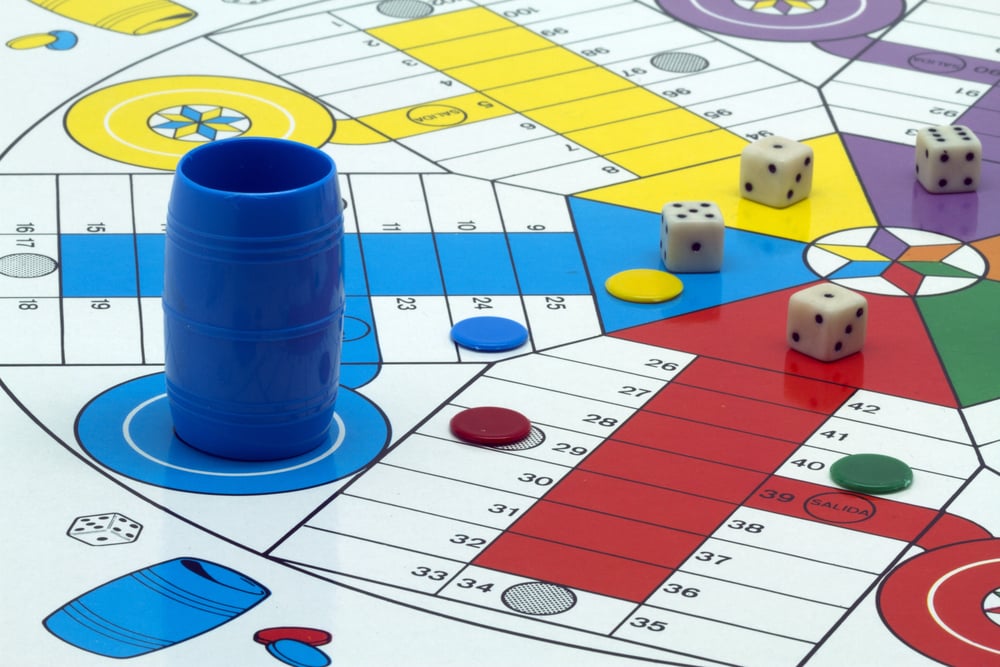
This race-based game taught players about calculated risk assessment and strategic timing. Parcheesi players learned when to advance aggressively and when to hold back for safety, balancing speed with security.
The game emphasized the importance of protecting teammates while advancing your own position. Players also discovered how to use blocking strategies effectively and learned that sometimes helping others can ultimately benefit your own goals.
Sorry
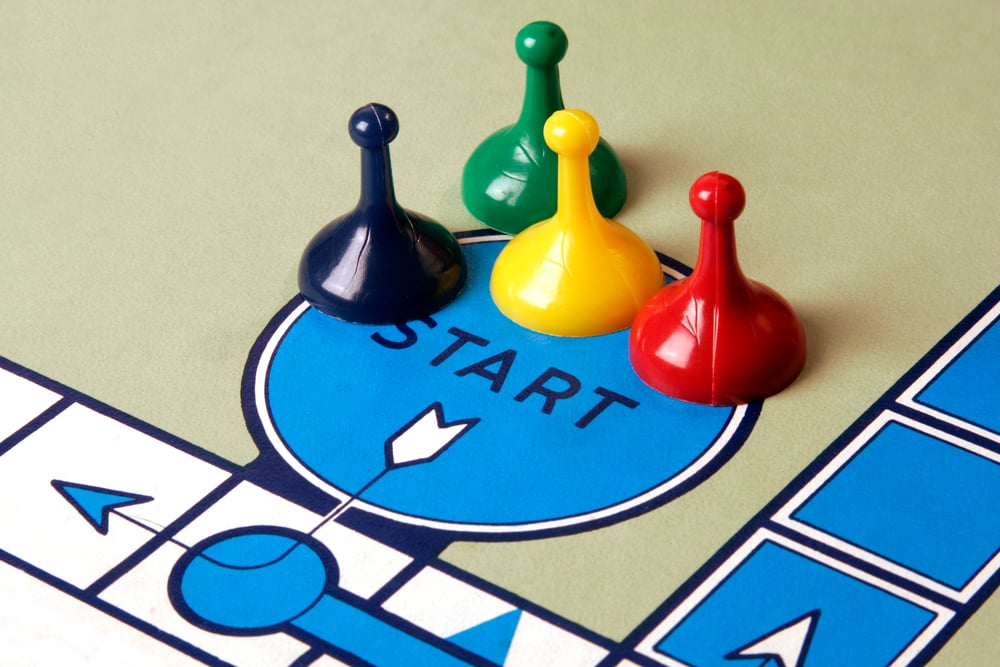
This card-driven board game taught players to adapt quickly to changing circumstances while managing both opportunity and setbacks. Sorry players learned that success often requires flexibility—rigid strategies rarely survive contact with unpredictable events.
The game demonstrated how to recover from major setbacks and turn defensive positions into offensive opportunities. Players also learned the importance of timing and positioning, as being in the right place when opportunities arise makes all the difference.
Skills That Last a Lifetime
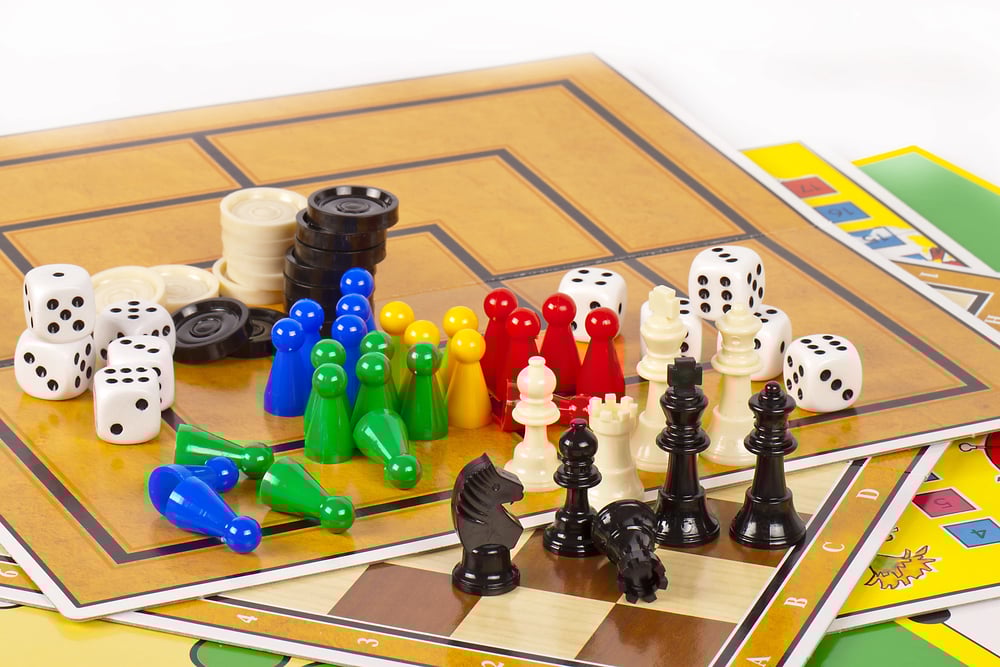
These classic board games created more than childhood memories—they built cognitive foundations that served players throughout their lives. The strategic thinking developed over countless game nights translated into better business decisions, improved problem-solving abilities, and enhanced social skills.
While modern entertainment has evolved dramatically, the lessons learned from these tabletop classics remain as relevant today as they were decades ago, proving that the best education often comes disguised as fun.
Like Go2Tutors’s content? Follow us on MSN.
More from Go2Tutors!

- 16 Historical Figures Who Were Nothing Like You Think
- 12 Things Sold in the 80s That Are Now Illegal
- 15 VHS Tapes That Could Be Worth Thousands
- 17 Historical “What Ifs” That Would Have Changed Everything
- 18 TV Shows That Vanished Without a Finale
Like Go2Tutors’s content? Follow us on MSN.



