16 largest air forces in the world
Modern military aviation has become the ultimate display of national power and defense capability. From stealth fighters cutting through the clouds to massive transport aircraft carrying supplies across continents, these aerial fleets represent billions in defense spending and decades of technological advancement. Today’s air forces aren’t just about fighter jets—they include helicopters, tankers, transport aircraft, trainers, and specialized mission platforms that work together as integrated systems.
The world’s military aviation landscape is dominated by a handful of superpowers, but some rankings might surprise you. Countries measure their aerial strength not just in numbers but in the quality of their aircraft, pilot training, and support infrastructure.
Here’s a complete breakdown of the 16 largest air forces in the world, ranked by total military aircraft across all service branches.
United States
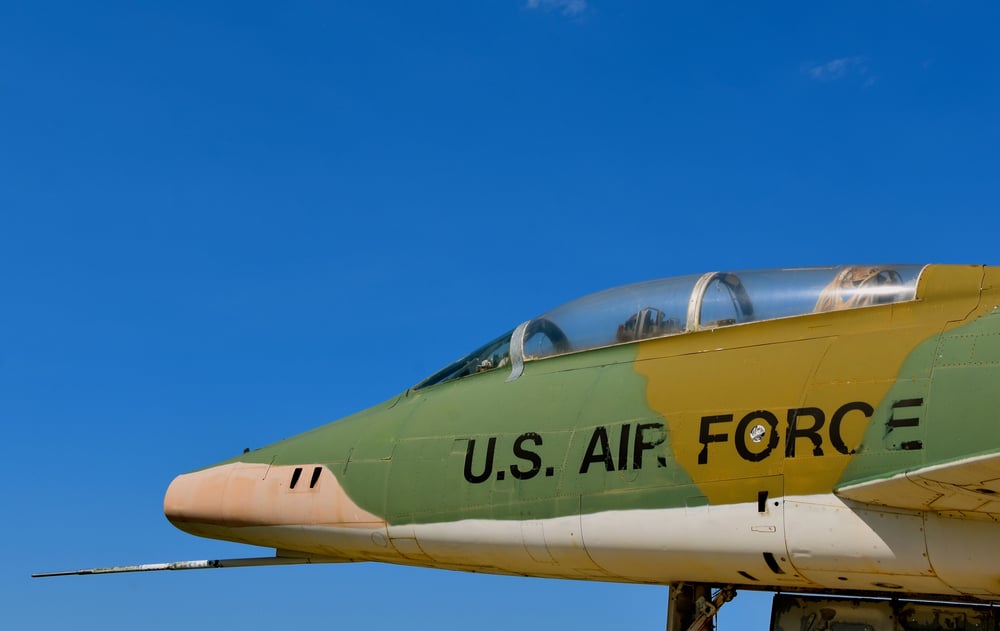
— Photo by fiskness
The United States operates the world’s largest air force with over 14,000 active aircraft spread across four military branches. What makes America’s air power truly dominant isn’t just the sheer numbers—it’s the quality and variety of aircraft in service. The U.S. Air Force alone operates 5,213 aircraft, making it larger than most countries’ entire military aviation fleets.
The American arsenal includes cutting-edge stealth fighters like the F-22 Raptor and F-35 Lightning II, strategic bombers such as the B-2 Spirit and B-52 Stratofortress, and the world’s largest tanker fleet for aerial refueling. Almost half of the entire U.S. fleet consists of combat helicopters, and the country operates 27% of the world’s entire supply of combat helicopters. This massive fleet costs around $800 billion annually to maintain and represents about 40% of global military spending.
Russia
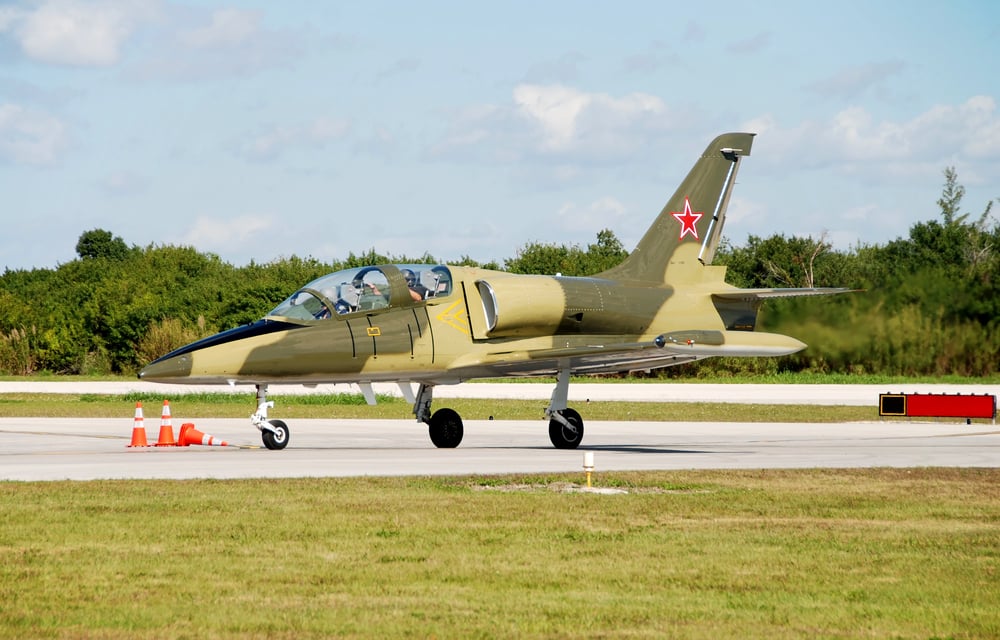
Russia maintains the world’s second-largest air force with 4,292 aircraft across its military branches. The Russian Aerospace Forces operate a mix of Soviet-era workhorses and modern fighters that have proven their durability in harsh conditions. The country’s fleet includes powerful bombers like the Tu-160 ‘White Swan’ and advanced fighter jets such as the Su-35 and the newer Su-57.
Russia’s sizeable combat helicopter fleet is dominated by the Mil Mi-8, the world’s most produced helicopter with more than 17,000 built globally. When combined with related variants like the Mi-17 and Mi-171, Russia operates almost 800 of these versatile aircraft. Still, the country’s aerospace industry remains a global player, with many nations operating Russian-made aircraft and seeking their military aviation technology.
China
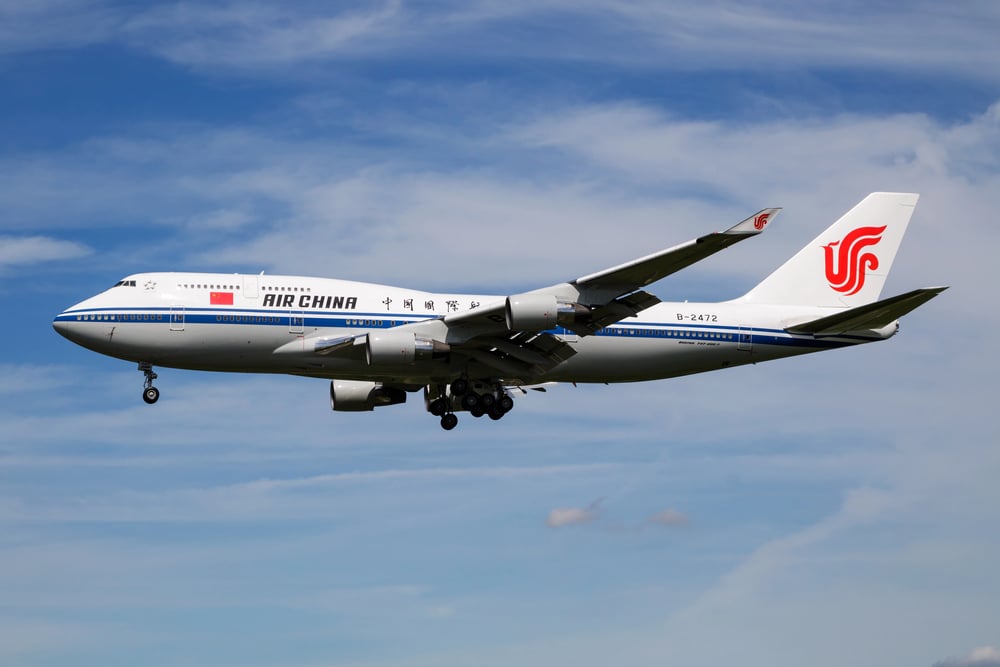
— Photo by soosjozsef
The People’s Liberation Army operates 3,309 aircraft across its air force, army, and navy branches. China’s fleet includes 1,207 fighter aircraft, representing about 6% of the world’s total fighter aircraft share. What’s remarkable about China’s air power is how rapidly it has modernized over the past two decades.
Impressive transformation. China’s sizeable fleet of over 1,500 combat aircraft is dominated by domestically produced Chengdu J-7, J-10, and Shenyang J-11 fighters, plus the J-20 stealth fighter and the recently unveiled sixth-generation Chengdu J-36, demonstrating the country’s commitment to technological advancement. China’s transport fleet relies mainly on indigenous aircraft like the Y-7, Y-8, and Y-9, with the new Y-20 Kunpeng challenging Western heavy transport capabilities.
India

India operates 2,296 military aircraft, making it the fourth-largest air force globally. The Indian Air Force maintains one of the most diverse fleets in the world, operating everything from Russian Su-30MKI fighters to French Rafale jets and indigenous Tejas aircraft. India’s collection includes the specialized F-21, a variant of the F-16 manufactured by Lockheed Martin with custom specifications designed specifically for Indian Air Force requirements.
India’s air power represents the country’s growing defense capabilities and strategic importance in South Asia. The country’s aerospace sector has made significant strides with projects like the Tejas Light Combat Aircraft, developed by Hindustan Aeronautics Limited. The Indian military demonstrated its indigenous manufacturing progress when it showcased two completely Indian-made C-295 transport aircraft during the 2025 Republic Day fly-past.
South Korea
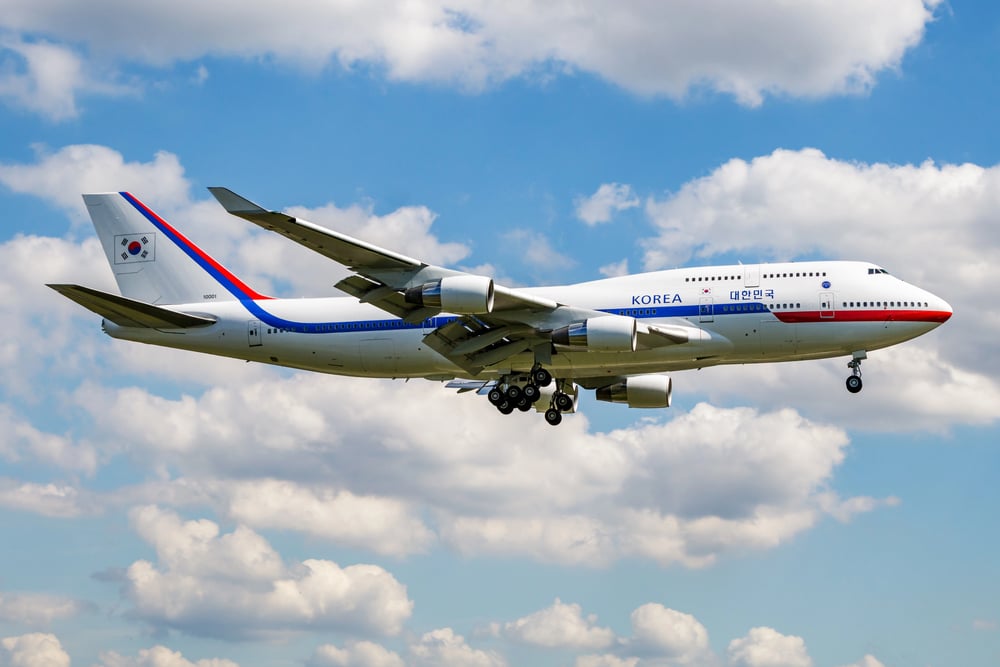
— Photo by soosjozsef
South Korea operates 1,592 aircraft, making it the fifth-largest air force worldwide. The Republic of Korea Air Force has built a modern, high-tech fleet designed to address unique regional security challenges, particularly the ongoing threat from North Korea. South Korea added 16 aircraft in 2024 and recently retired its last McDonnell Douglas F-4E Phantoms after more than 50 years of service.
The South Korean fleet includes F-35A Lightning II aircraft, F-15K Slam Eagles, F-16s, and the indigenous FA-50 fighters. The country is set to receive its homegrown multirole fighter, the KAI KF-21 Boramae, which is anticipated to enter service in 2026. Interestingly, South Korea has almost twice as many combat helicopters as combat aircraft, with the fleet dominated by MD500s and the indigenous Surion KUH-1.
Japan
— Photo by Teacherdad48
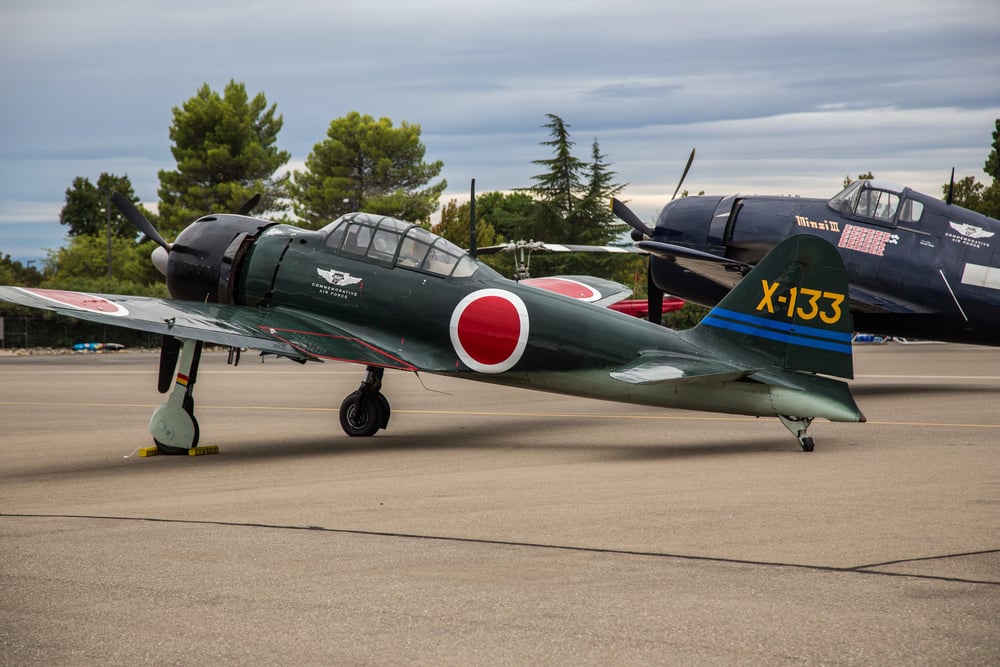
Japan operates 1,459 military aircraft through its Air Self-Defense Force. The Japanese fleet includes 127 fifth-generation F-35 Lightning II aircraft and 105 multirole F-2 Support Fighters, both manufactured by Lockheed Martin. Japan has consistently invested in cutting-edge technology and maintains some of the most advanced aircraft in Asia.
Big investment ahead. In December 2024, the Japanese government approved its biggest-ever defense budget of $55.1 billion for fiscal year 2025, with the Japan Air Self-Defense Force planning to add Beechcraft T-6 Texan II pilot trainers while retiring its long-serving Fuji T-7 aircraft. Japan’s air force focuses heavily on regional defense capabilities and maintains strong partnerships with the United States through joint training exercises.
Pakistan
— Photo by EvrenKalinbacak
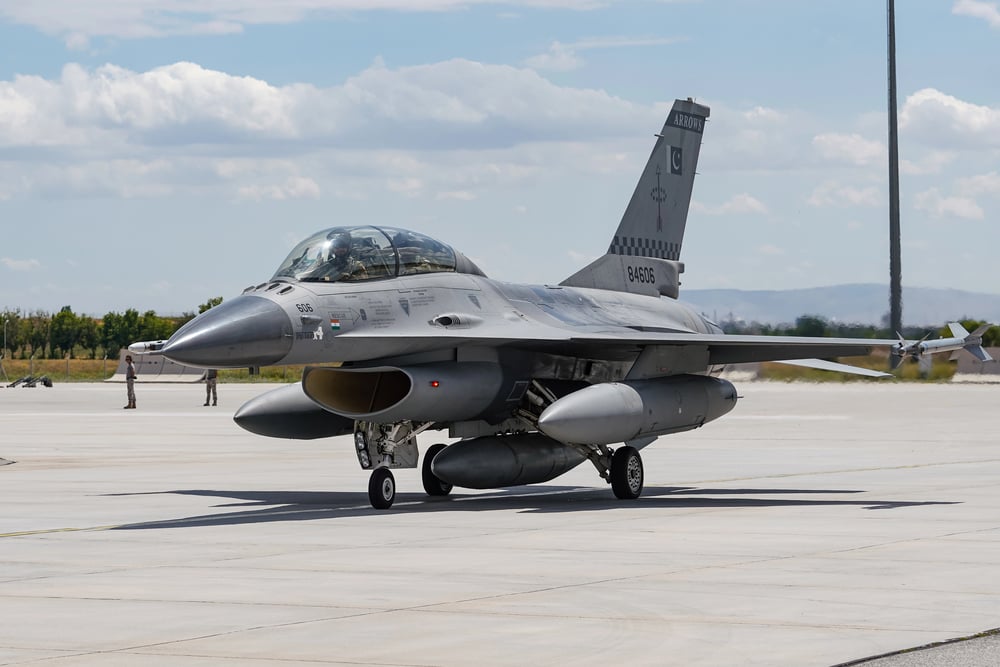
Pakistan operates 1,434 active military aircraft, commanding one of the most skilled and powerful air forces in South Asia. The Pakistan Air Force fleet represents a successful blend of different international partnerships, including American F-16s, Chinese JF-17 Thunder aircraft, and French Mirage fighters. The PAF is globally recognized for its skilled pilots and precision in combat operations.
The country’s long-term alliance with the United States during the Cold War proved transformational for Pakistani air power, helping modernize the fleet with advanced fighter jets, bombers, and trainers. Today, the Pakistan Aeronautical Complex handles repair and maintenance of PAF aircraft, demonstrating the country’s growing indigenous capabilities in military aviation.
Turkey

— Photo by EvrenKalinbacak
Turkey commands an impressive fleet of 1,069 aircraft, making it a major NATO air power. The latest addition to the Turkish Air Force is the fifth-generation stealth fighter known as the KAAN, developed by Turkish Aerospace Industries and equipped with high-precision sensors and advanced weapon systems. This represents Turkey’s push toward indigenous defense manufacturing.
Turkish Aerospace Industries started 2025 with ambitious plans to acquire 40 new Eurofighter Typhoon jets from Britain, and in 2024 Turkey secured a deal with the U.S. to add F-16 jets to its existing force. Turkey has also emerged as a leader in unmanned aerial vehicle technology, combining traditional air power with cutting-edge drone capabilities for both NATO operations and regional security missions.
Egypt
— Photo by EvrenKalinbacak
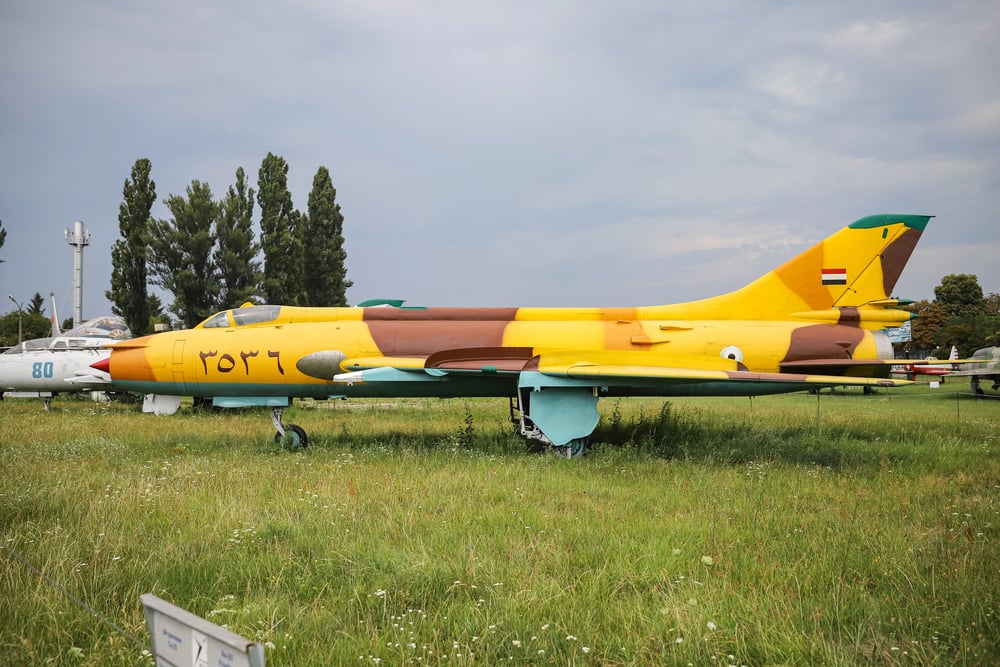
Egypt operates 1,069 military aircraft, maintaining a strong foothold in the Middle East and North Africa. The Egyptian Air Force has diversified its fleet through partnerships with multiple countries, including France, the United States, and Russia. As of 2025, Egypt operates 179 F-16 fighters and 75 Dassault Mirage 5 aircraft, representing some of the most advanced platforms in its inventory.
Egypt purchased 30 Rafale fighters from France in 2018 and added more in 2021 to strengthen its capabilities amid regional tensions. The diversity of Egypt’s aircraft procurement presents maintenance challenges but also provides operational flexibility. As one of the key mediators in Middle Eastern conflicts, Egypt’s air power plays a crucial role in regional stability.
North Korea
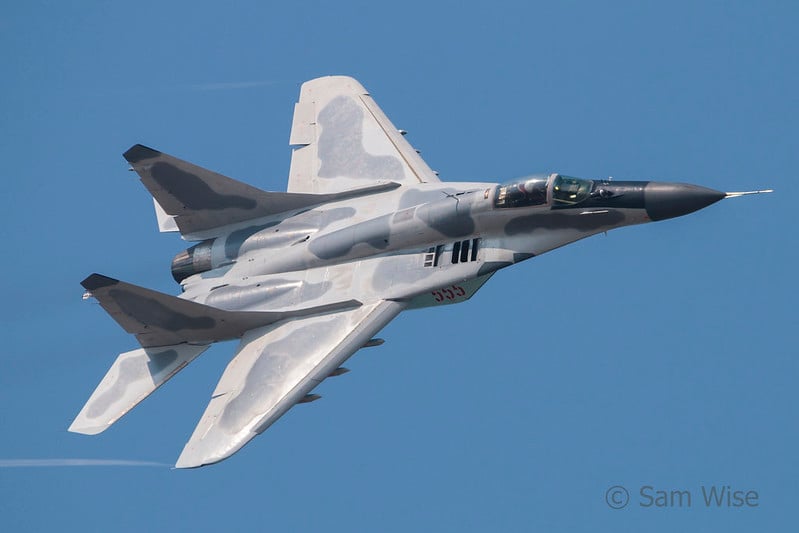
North Korea operates an estimated 950-1,000 military aircraft, though exact numbers remain classified due to the secretive nature of the regime. The Korean People’s Army Air Force relies heavily on older Soviet and Chinese aircraft, including MiG-21s, MiG-23s, and various Chinese-made fighters. Even so, despite having a large number of aircraft, most are considered outdated by modern standards.
The country’s air force focuses primarily on homeland defense and maintaining the balance of power on the Korean Peninsula. North Korea has invested in surface-to-air missile systems to compensate for aging aircraft technology, creating a layered defense strategy that combines aerial and ground-based assets.
Israel
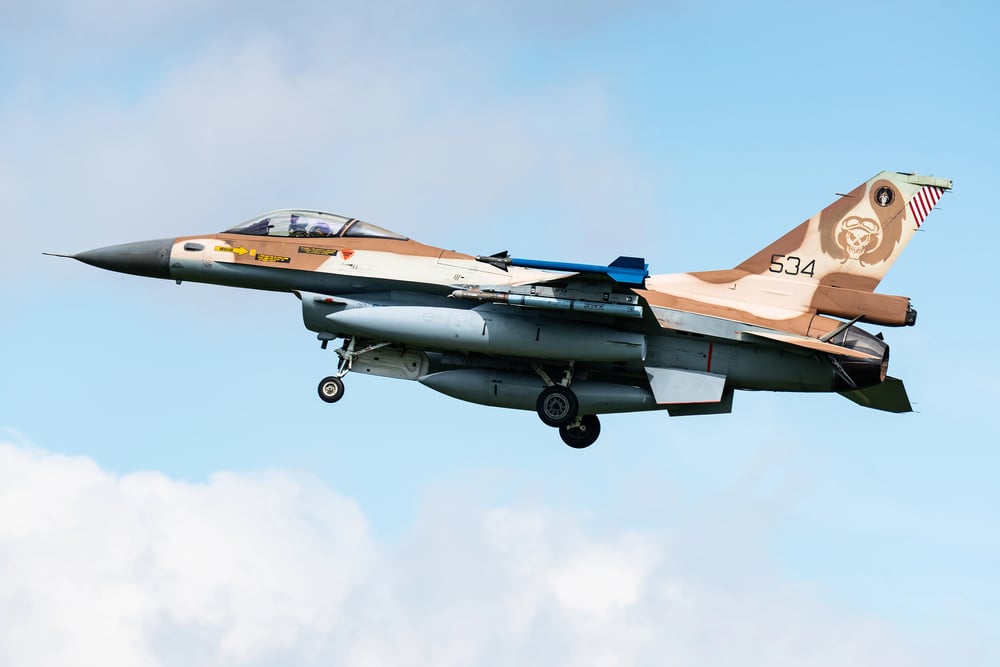
— Photo by KrisChristiaens
Israel operates 581 aircraft according to the World Directory of Modern Military Aircraft ranking system, but this relatively small number masks one of the world’s most technologically advanced and combat-experienced air forces. Quality over quantity. The Israeli Air Force operates cutting-edge F-35I Adir stealth fighters, F-16I Sufa aircraft, and various indigenous systems.
Israel’s air force has earned a reputation for precision strikes and innovative tactics, with extensive combat experience across multiple conflicts. The country invests heavily in indigenous defense technology, producing advanced drones, missile systems, and electronic warfare capabilities that complement its imported aircraft. Israeli pilots are considered among the world’s most skilled due to constant training and real-world experience.
United Kingdom
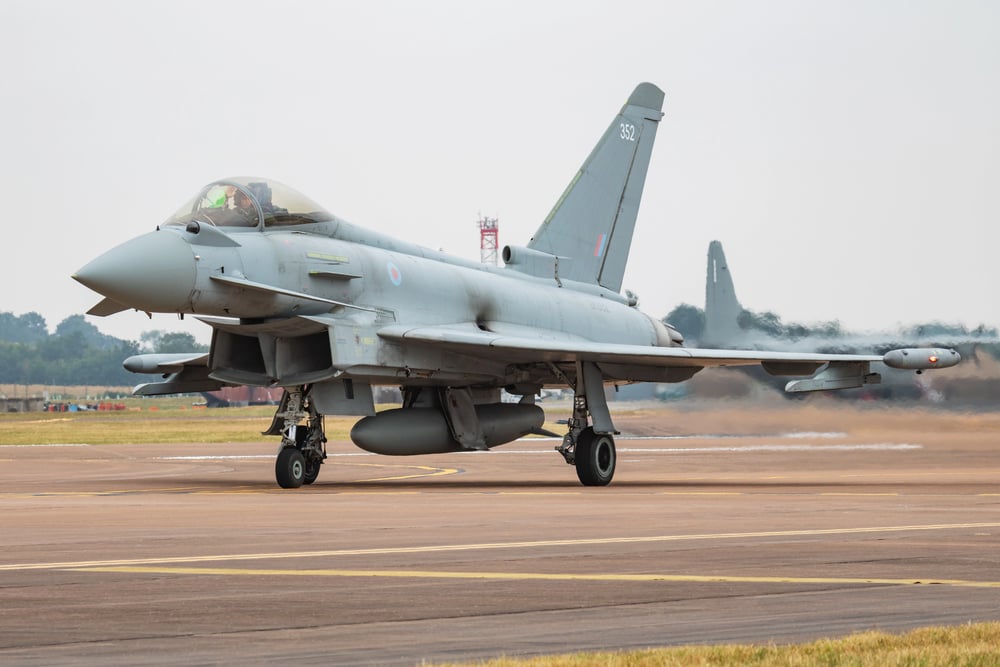
— Photo by soosjozsef
The United Kingdom’s Royal Air Force operates 513 aircraft, representing one of Europe’s most capable air forces. The RAF operates Eurofighter Typhoons, F-35B Lightning II aircraft, and various transport and support platforms. Britain’s air power projection capability includes the ability to operate from the Queen Elizabeth-class aircraft carriers.
The UK maintains a strong focus on advanced technology and international cooperation, particularly through NATO partnerships and the Five Eyes intelligence alliance. British aerospace companies remain global leaders in military aviation technology, contributing to international programs like the Eurofighter Typhoon and F-35 Lightning II development.
Italy
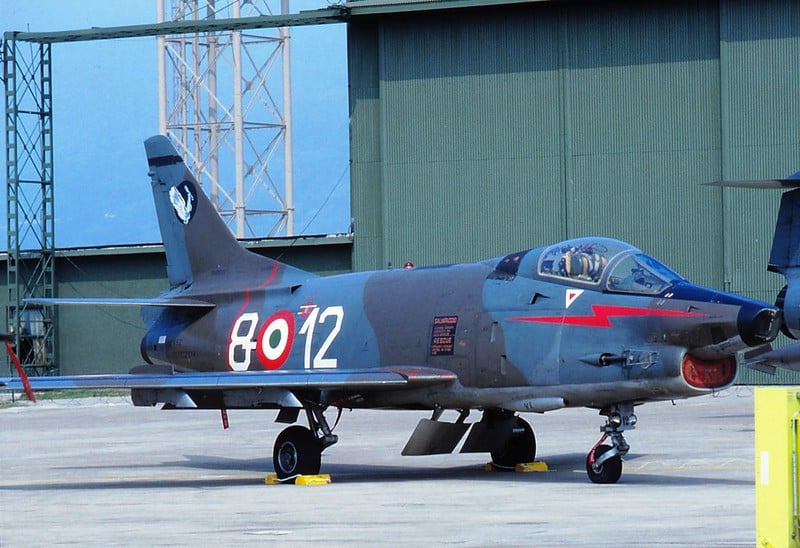
Italy operates 411 military aircraft through its air force, maintaining a modern and capable fleet focused on NATO missions and Mediterranean security. The Italian Air Force operates Eurofighter Typhoons, F-35A Lightning II aircraft, and various transport platforms including the C-130J Super Hercules and C-27J Spartan.
Italy’s aerospace industry contributes significantly to European defense programs, with companies like Leonardo playing major roles in helicopter and aircraft manufacturing. The country’s strategic location in the Mediterranean makes its air power particularly important for NATO operations and migration monitoring missions.
Australia
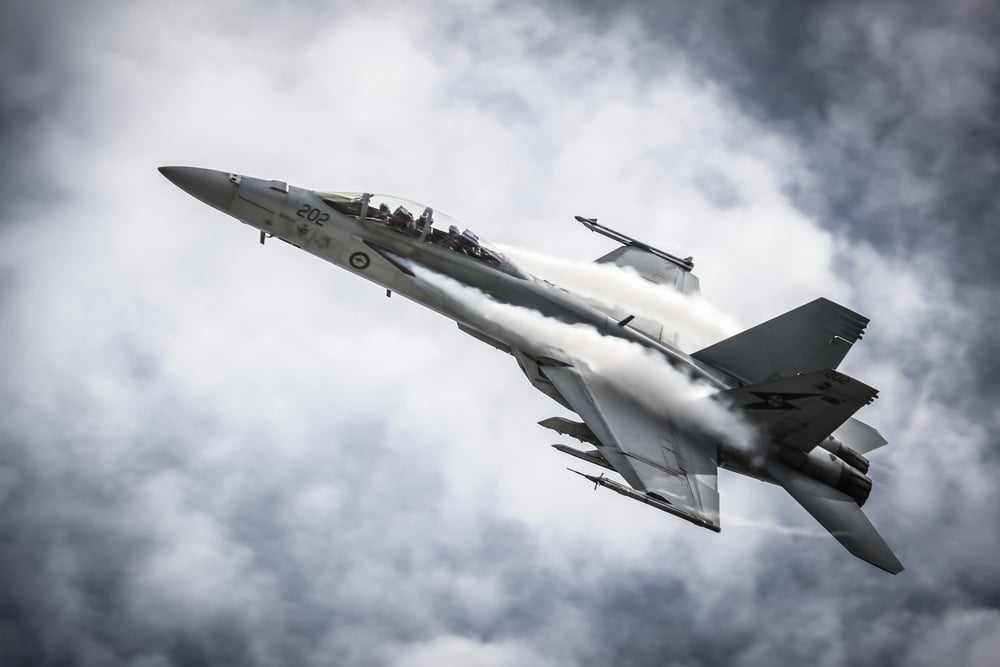
— Photo by filedimage
Australia operates 279 military aircraft, but the Royal Australian Air Force punches above its weight in terms of capability and range. Australia operates F-35A Lightning II aircraft, F/A-18F Super Hornets, and E-7A Wedgetail airborne early warning aircraft. The country’s vast geography requires aircraft with exceptional range and endurance.
Australia’s air force focuses on regional security in the Asia-Pacific region and maintaining interoperability with allied forces, particularly the United States. So the country has invested in advanced systems like the E-7 Wedgetail, which provides airborne early warning capabilities that other nations are now seeking to acquire.
France
— Photo by wellsie82
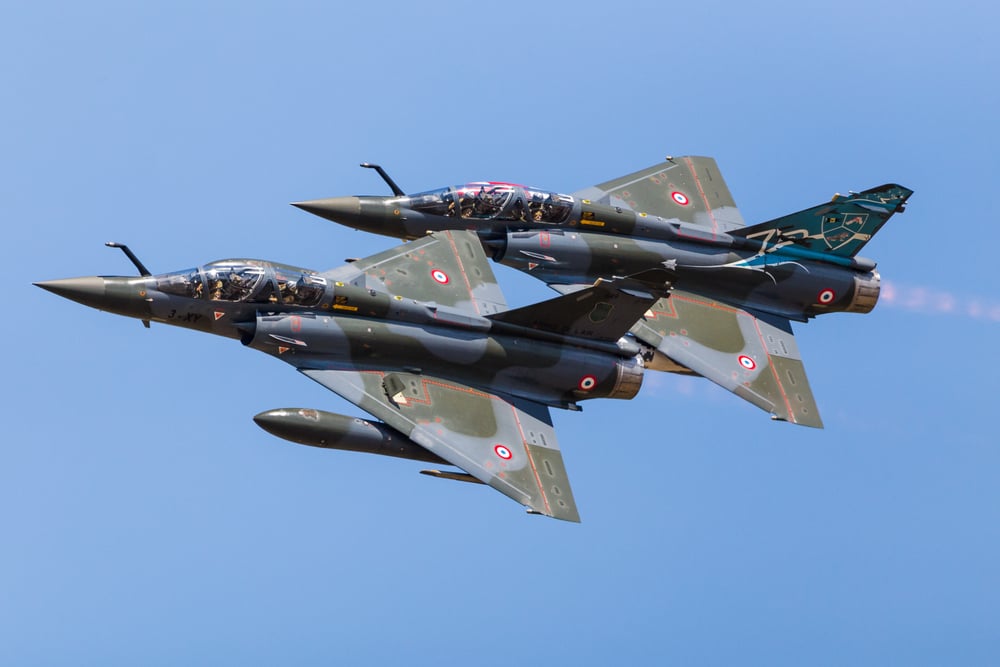
France operates 972 active military aircraft, maintaining one of Europe’s most independent and capable air forces. The French Air Force operates primarily indigenous aircraft including the Rafale multirole fighter, Mirage 2000 variants, and various transport platforms. France is expected to add 39 F4.1 Rafale jets to its fleet by 2025, with multirole fighters representing nearly 38% of its total air strength.
France recently received two Airbus H225M helicopters for search and rescue operations and operates the four-engine A400M Airbus transport aircraft—both impressive additions to their diverse fleet. French aviation companies like Dassault and Airbus play crucial roles in global aerospace markets, exporting advanced military aircraft to countries worldwide while maintaining France’s strategic autonomy in defense matters.
Germany
— Photo by nycruss
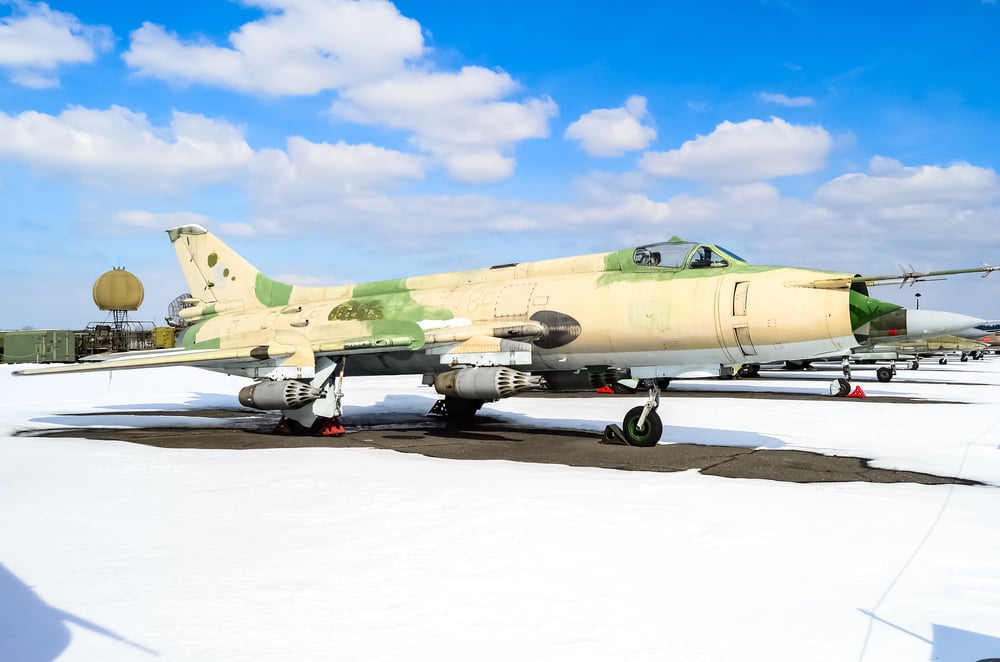
Germany operates approximately 700-800 military aircraft through the Luftwaffe, though exact current numbers vary by source. The German air force operates Eurofighter Typhoons as its primary fighter aircraft, along with various transport platforms including the A400M Atlas and CH-53 Sea Stallion helicopters. Germany has committed to purchasing F-35 Lightning II aircraft as part of its fleet modernization efforts.
As Europe’s economic powerhouse, Germany plays a crucial role in NATO air operations and European defense cooperation. The country’s aerospace industry contributes significantly to international programs, though Germany has historically focused more on defensive capabilities rather than power projection.
Sky Kings of the Modern Era
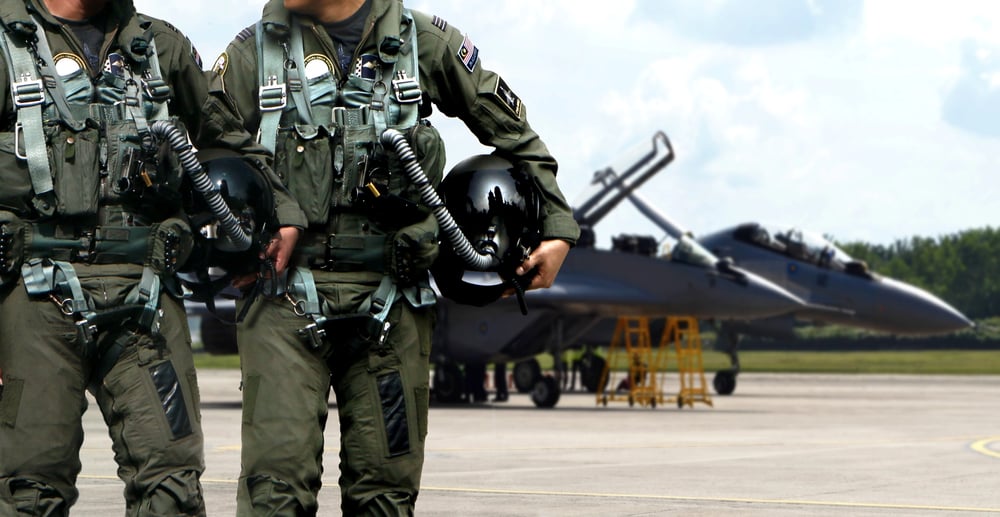
The ranking of the world’s largest air forces reveals more than just numbers—it tells the story of national priorities, technological advancement, and strategic thinking. From 2024 to 2025, the world’s airborne military fleet contracted by 1.53%, representing a net loss of 759 aircraft, showing that modern air forces increasingly focus on quality over pure quantity. The United States maintains more aircraft than the next nine countries combined, but emerging powers like China and established forces like Russia continue adapting their strategies for 21st-century challenges. Whether through stealth technology, drone integration, or pilot training excellence, these 16 air forces will continue shaping global security and demonstrating that control of the skies remains fundamental to national defense.
More from Go2Tutors!

- 16 Historical Figures Who Were Nothing Like You Think
- 12 Things Sold in the 80s That Are Now Illegal
- 15 VHS Tapes That Could Be Worth Thousands
- 17 Historical “What Ifs” That Would Have Changed Everything
- 18 TV Shows That Vanished Without a Finale
Like Go2Tutors’s content? Follow us on MSN.



