16 CEOs Who Destroyed Their Own Companies
When we think about corporate leadership, we often picture visionary executives steering their companies toward success. But sometimes, the very people entrusted with a company’s future become the architects of its downfall.
Here’s a list of 16 CEOs whose decisions, hubris, or poor judgment led to the spectacular collapse or near-destruction of once-thriving businesses.
Adam Neumann
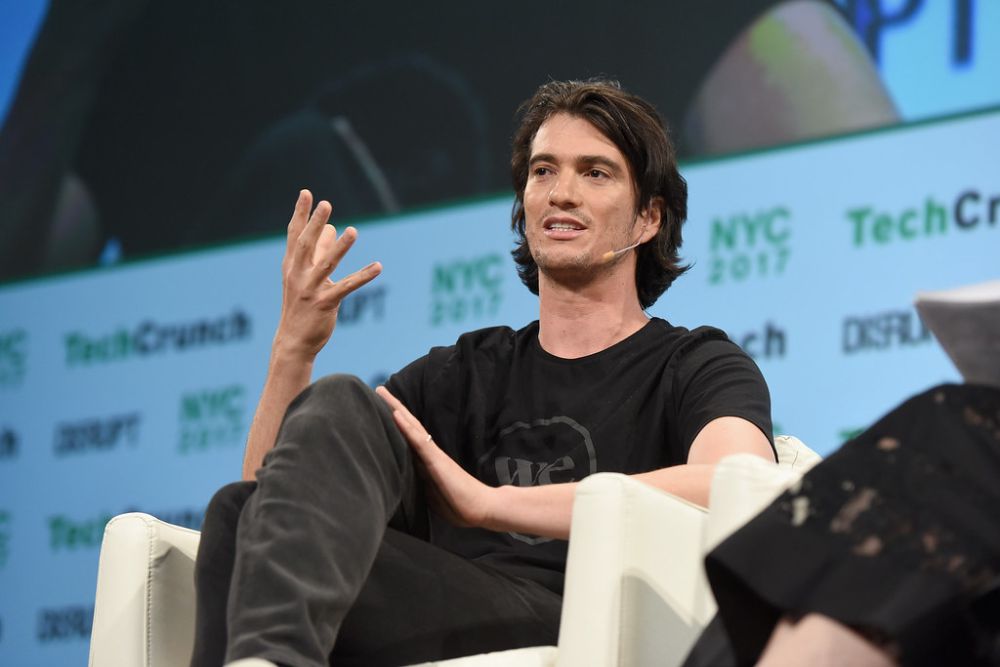
WeWork’s co-founder turned a simple office-sharing concept into a $47 billion valuation before it all came crashing down. Neumann’s erratic behavior, questionable business practices, and inflated sense of his company’s worth made investors nervous.
His lifestyle of private jets and tequila shots during board meetings didn’t help either, and WeWork’s IPO filing revealed financial chaos that scared away potential investors.
Elizabeth Holmes
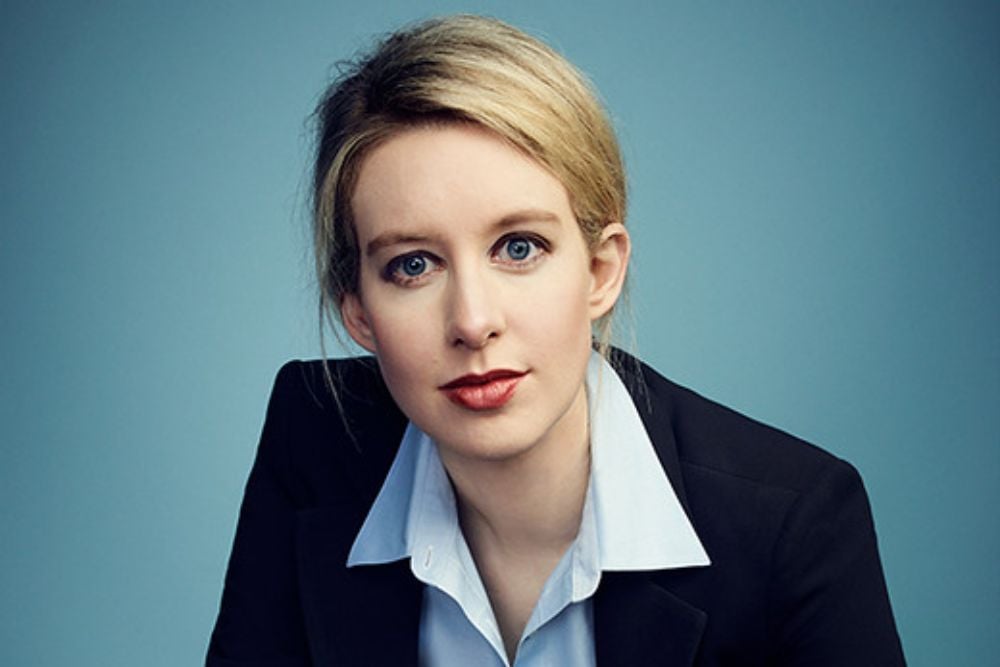
Theranos promised to revolutionize blood testing with just a drop of blood, but Holmes built her empire on lies. She convinced investors, patients, and employees that her technology worked when it simply didn’t.
The company’s value peaked at $9 billion before investigations revealed the fraud, leading to Holmes’ conviction and an 11-year prison sentence.
John Sculley
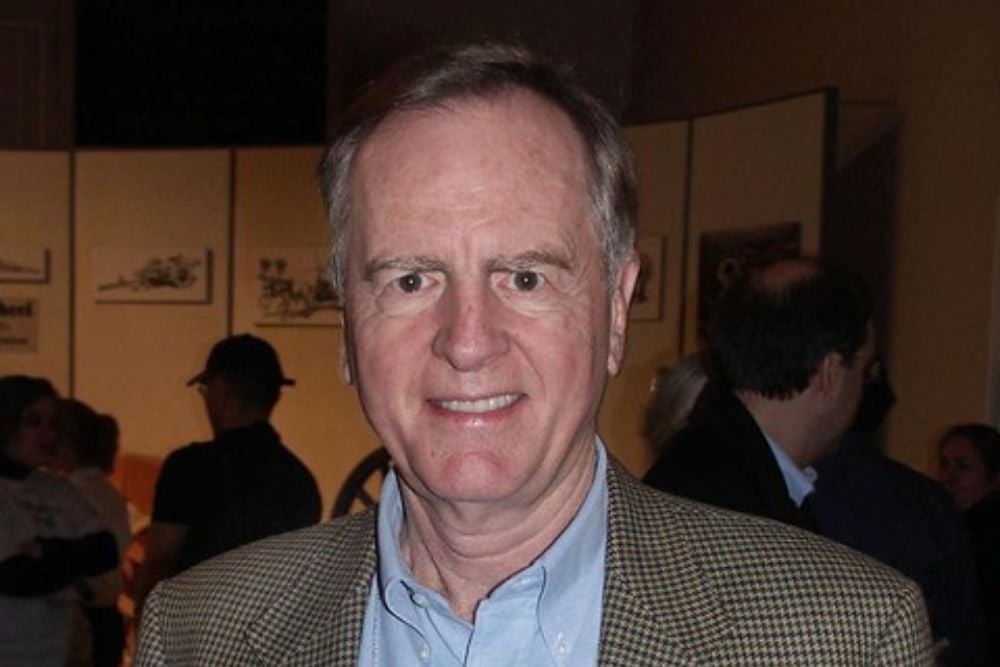
Apple’s former CEO managed to nearly kill one of the world’s most innovative companies during his tenure from 1983 to 1993. Sculley focused on profit margins over innovation, leading to a confusing product lineup and declining market share.
His decision to push out Steve Jobs also backfired spectacularly, as Apple struggled without its visionary co-founder until Jobs returned in 1997.
Ron Johnson
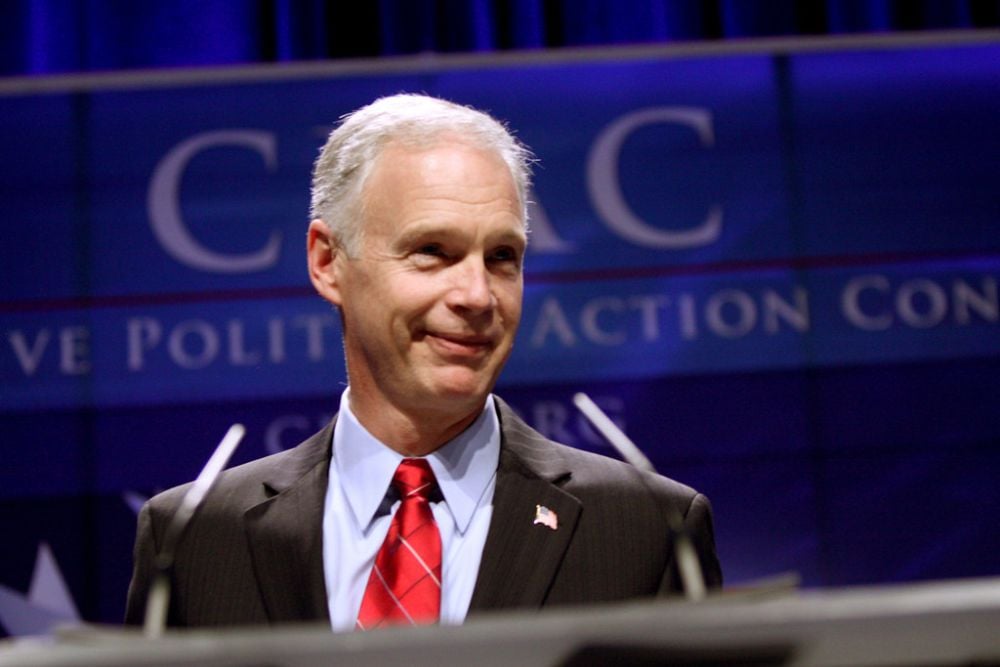
The former Apple retail executive thought he could transform JCPenney by eliminating sales and coupons in favor of ‘everyday low prices.’ Johnson’s radical changes alienated the retailer’s core customer base, who loved hunting for deals.
Within 17 months, sales plummeted by 25%, and Johnson was fired, leaving JCPenney in worse shape than when he arrived.
Dennis Kozlowski
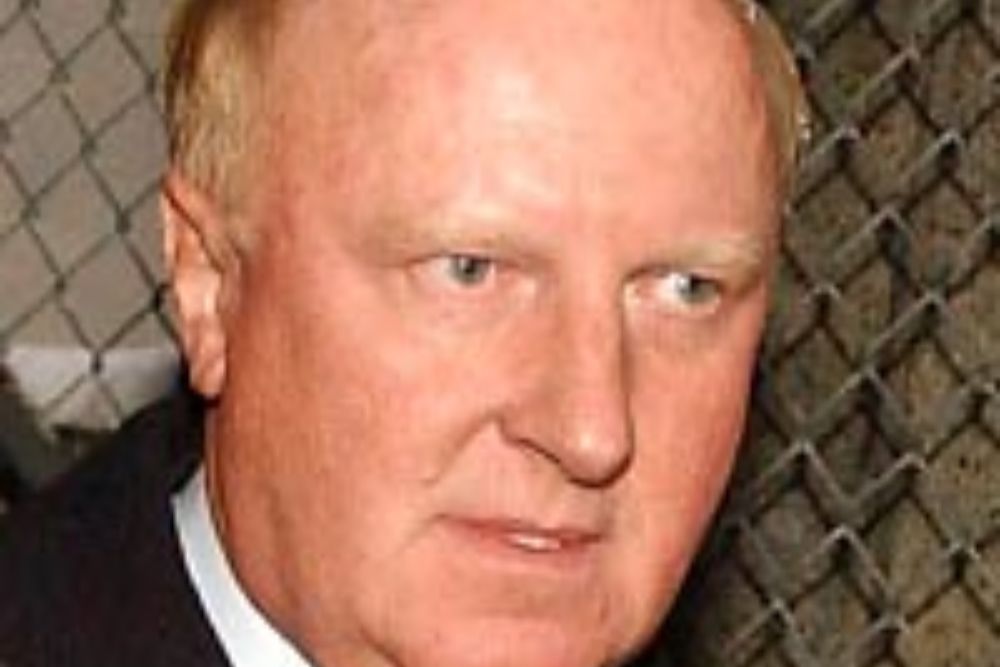
Tyco’s CEO turned the industrial conglomerate into his personal piggy bank, spending company money on million-dollar birthday parties and gold-plated shower curtains. Kozlowski’s greed and fraud eventually caught up with him, leading to his conviction and an 8-to-25-year prison sentence.
Tyco’s reputation was so damaged that it eventually broke itself up into separate companies.
Jeffrey Skilling
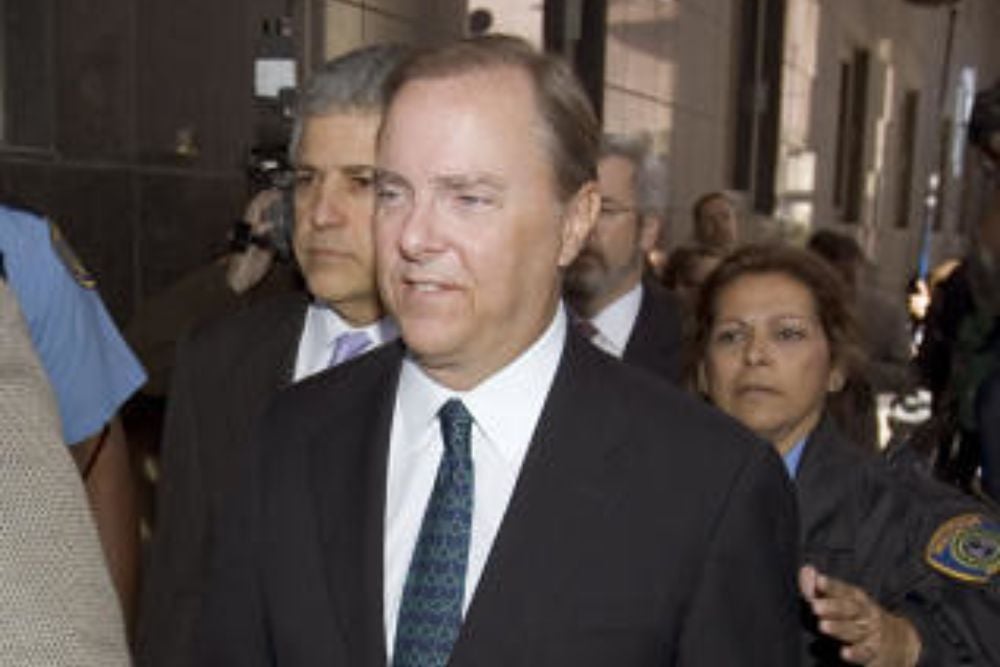
Enron’s CEO helped orchestrate one of the largest corporate frauds in history through creative accounting and hidden debt. Skilling promoted a culture of aggressive risk-taking and deception that made Enron look profitable while it was actually hemorrhaging money.
When the house of cards collapsed in 2001, shareholders lost $74 billion, and Skilling received a 24-year prison sentence.
Richard Fuld
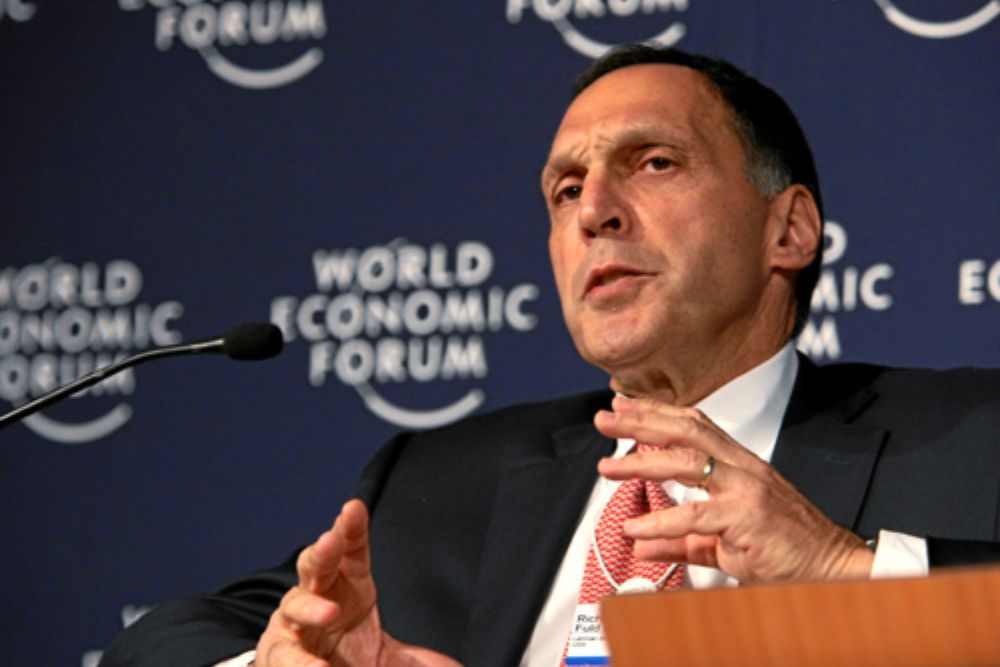
Lehman Brothers’ CEO refused to acknowledge the severity of the 2008 financial crisis and rejected multiple opportunities to save his firm. Fuld’s stubborn pride and poor risk management led to the largest bankruptcy in U.S. history at that time.
His decision to take on massive mortgage-related risks without adequate capital backing turned a 158-year-old investment bank into a cautionary tale.
John Thain
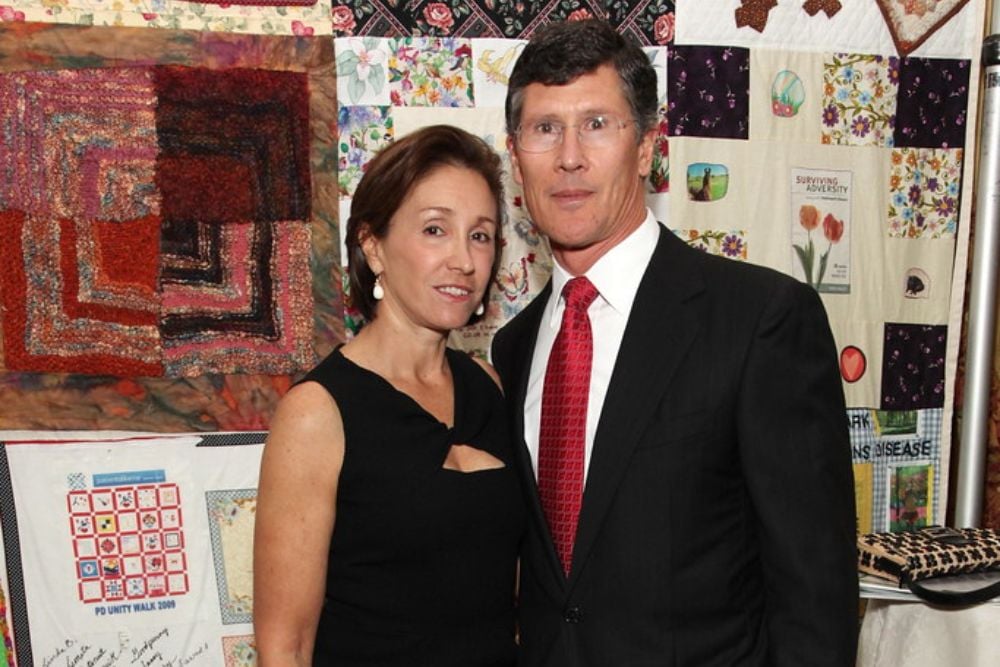
Merrill Lynch’s CEO spent $1.2 million redecorating his office while his company was collapsing during the financial crisis. Thain also secretly paid out $4 billion in bonuses just before Bank of America acquired the failing firm.
His tone-deaf spending and deception forced Bank of America to seek additional government bailout money and cost Thain his job.
Martin Winterkorn
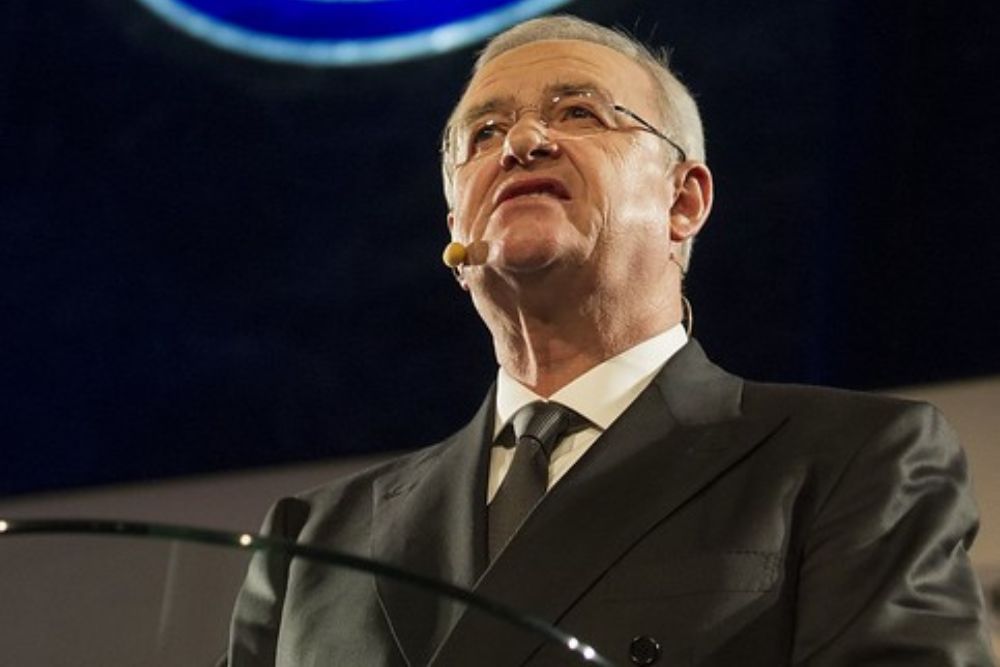
Volkswagen’s CEO oversaw the diesel emissions scandal that rocked the automotive world in 2015. Under Winterkorn’s leadership, VW installed software designed to cheat emissions tests, affecting 11 million vehicles worldwide.
The scandal cost the company over $30 billion in fines and settlements, destroyed VW’s reputation for engineering excellence, and led to Winterkorn’s resignation and criminal charges.
Travis Kalanick
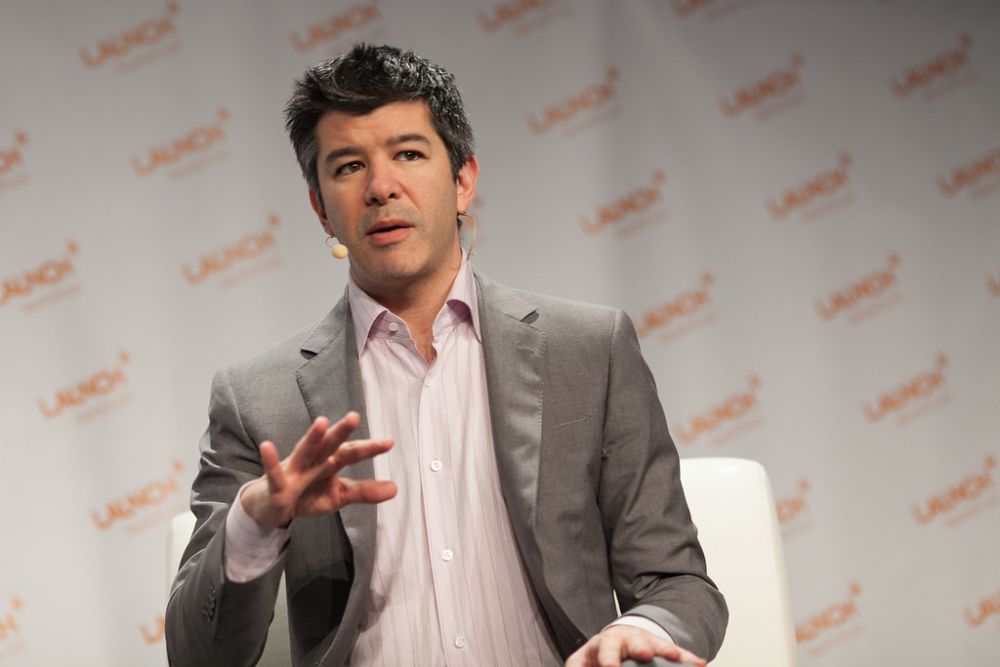
Uber’s co-founder built a company culture so toxic that it nearly destroyed the ride-sharing giant he created. Kalanick’s aggressive ‘bro culture’ led to harassment scandals, data breaches, and regulatory battles around the world.
His confrontational approach with drivers, regulators, and even his own board members eventually forced him to resign as CEO in 2017.
Carly Fiorina
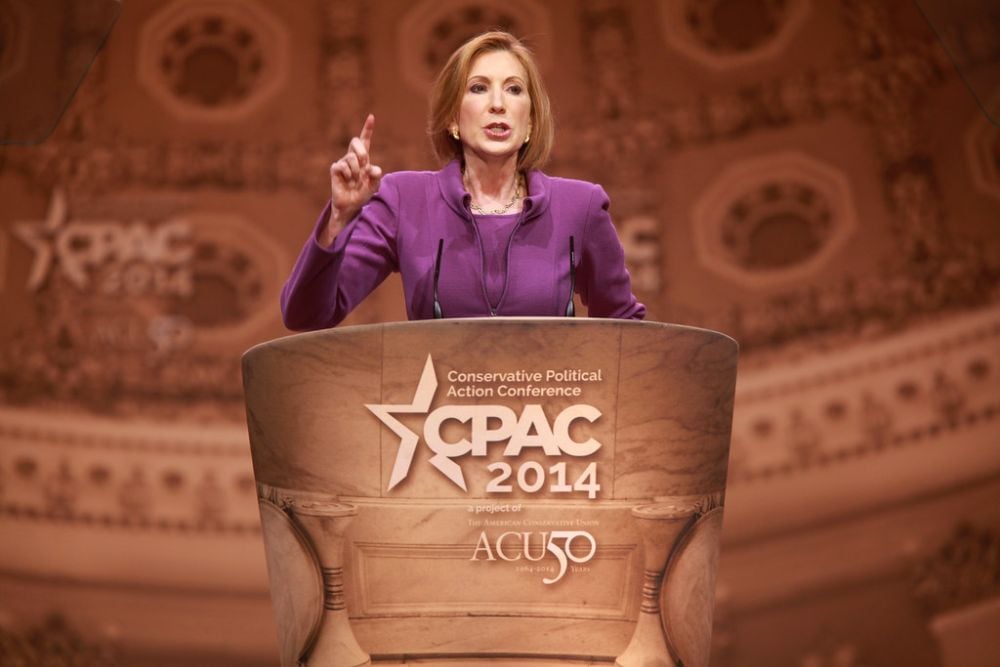
HP’s CEO made one of the worst merger decisions in tech history when she acquired Compaq for $25 billion in 2002. The deal destroyed shareholder value, eliminated thousands of jobs, and failed to create the synergies Fiorina promised.
Her autocratic leadership style and poor strategic decisions led to her firing in 2005, with HP’s stock price still below pre-merger levels.
Gerald Levin
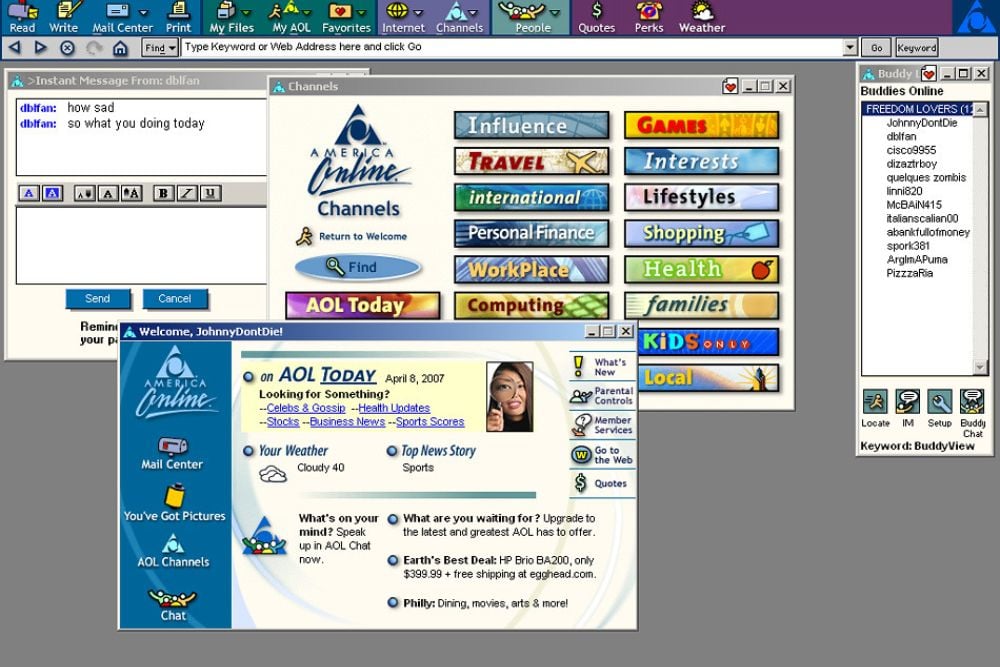
Time Warner’s CEO agreed to merge with AOL at the height of the dot-com bubble, creating what many consider the worst deal in corporate history. Levin was convinced that AOL’s internet expertise would complement Time Warner’s content, but the $165 billion merger destroyed shareholder value.
The combined company lost over $200 billion in market value, and the AOL brand was eventually abandoned.
Eddie Lampert
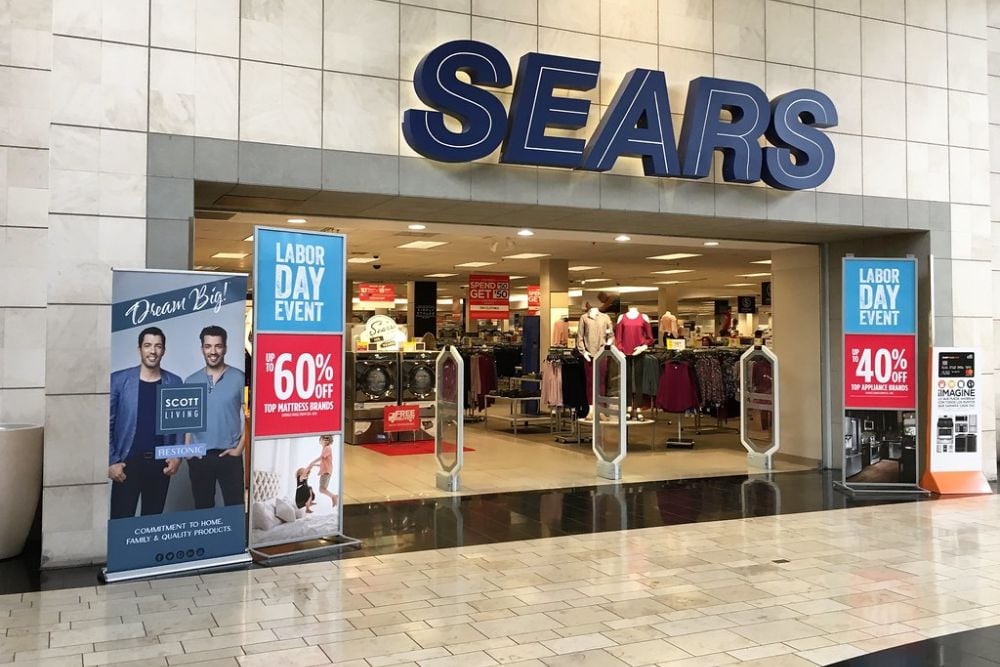
Sears’ chairman and largest shareholder turned the iconic retailer into a real estate play rather than focusing on retail operations. Lampert stripped the company of valuable assets, reduced store investments, and created internal competition between brands that confused customers.
His hedge fund mentality and cost-cutting obsession accelerated Sears’ decline from America’s largest retailer to bankruptcy.
Andy Fastow
Enron’s CFO created the complex financial structures that hid the company’s debt and inflated its profits. Fastow used special purpose entities to move debt off Enron’s books while personally profiting from these arrangements.
His financial engineering was so complex that even Enron’s board didn’t fully understand the risks, leading to the company’s spectacular collapse and Fastow’s six-year prison sentence.
Angelo Mozilo
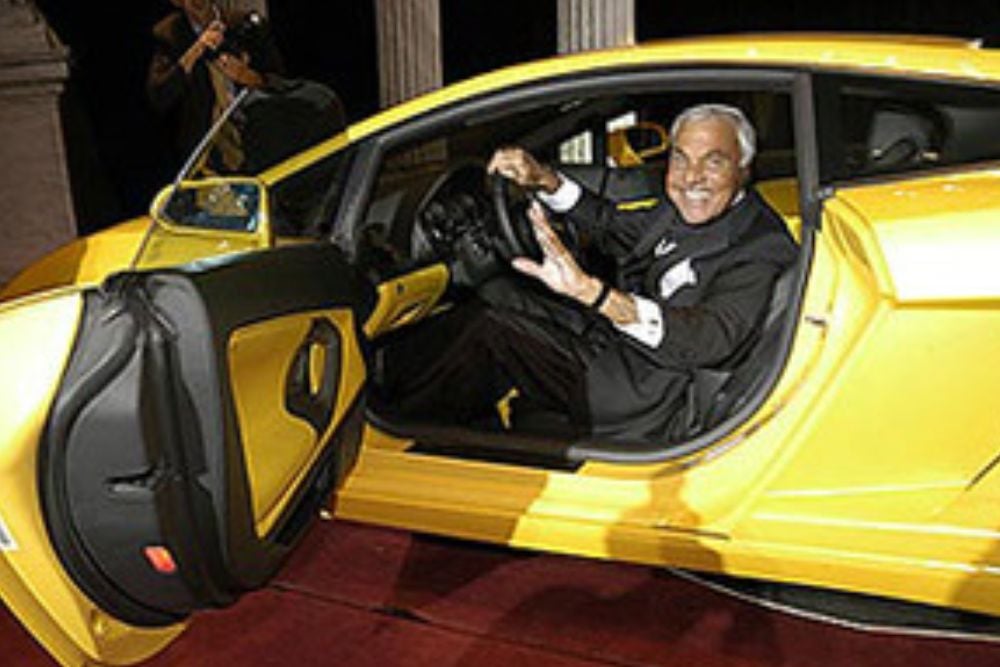
Countrywide Financial’s CEO turned his company into the poster child for predatory lending during the housing boom. Mozilo pushed his loan officers to approve mortgages for anyone, regardless of their ability to repay, while personally profiting from insider trading.
His aggressive lending practices helped fuel the housing bubble, and when it burst, Countrywide collapsed and was sold to Bank of America for a fraction of its former value.
Bernie Ebbers
WorldCom’s CEO built his telecommunications empire through aggressive acquisitions funded by fraudulent accounting. Ebbers inflated revenues by billions of dollars and hid expenses to meet Wall Street expectations.
When the fraud was discovered in 2002, WorldCom filed for the largest bankruptcy in U.S. history at that time, and Ebbers received a 25-year prison sentence for his role in the $11 billion accounting scandal.
When Leadership Goes Wrong
These stories remind us that corporate leadership carries enormous responsibility that extends far beyond quarterly earnings. Each of these CEOs had the power to build something lasting, but instead chose paths that led to destruction, whether through greed, pride, or simple incompetence.
Their failures cost shareholders hundreds of billions of dollars, eliminated thousands of jobs, and in some cases, damaged entire industries. The most troubling part isn’t just the financial damage, but how these leaders often enriched themselves while their companies burned, leaving employees and investors to pick up the pieces.
More from Go2Tutors!

- 16 Restaurant Chains That Went Too Fast
- 12 Things Sold in the 80s That Are Now Illegal
- 15 Strange Things People Have Tried to Ban (And Failed)
- 16 Collectibles People Tossed Out Too Soon
- 17 Myths from Your Childhood That Were Actually Based on Real Things
Like Go2Tutors’s content? Follow us on MSN.



