16 Energy Sources That Powered Ancient Civilizations
Long before electricity transformed our world, ancient civilizations found ingenious ways to harness energy for their daily needs. From powering massive construction projects to grinding grain and heating homes, our ancestors developed remarkably sophisticated systems using the natural forces around them.
Here is a list of 16 energy sources that kept ancient societies running, proving that human innovation has always found ways to make life easier and more productive.
Human Labor
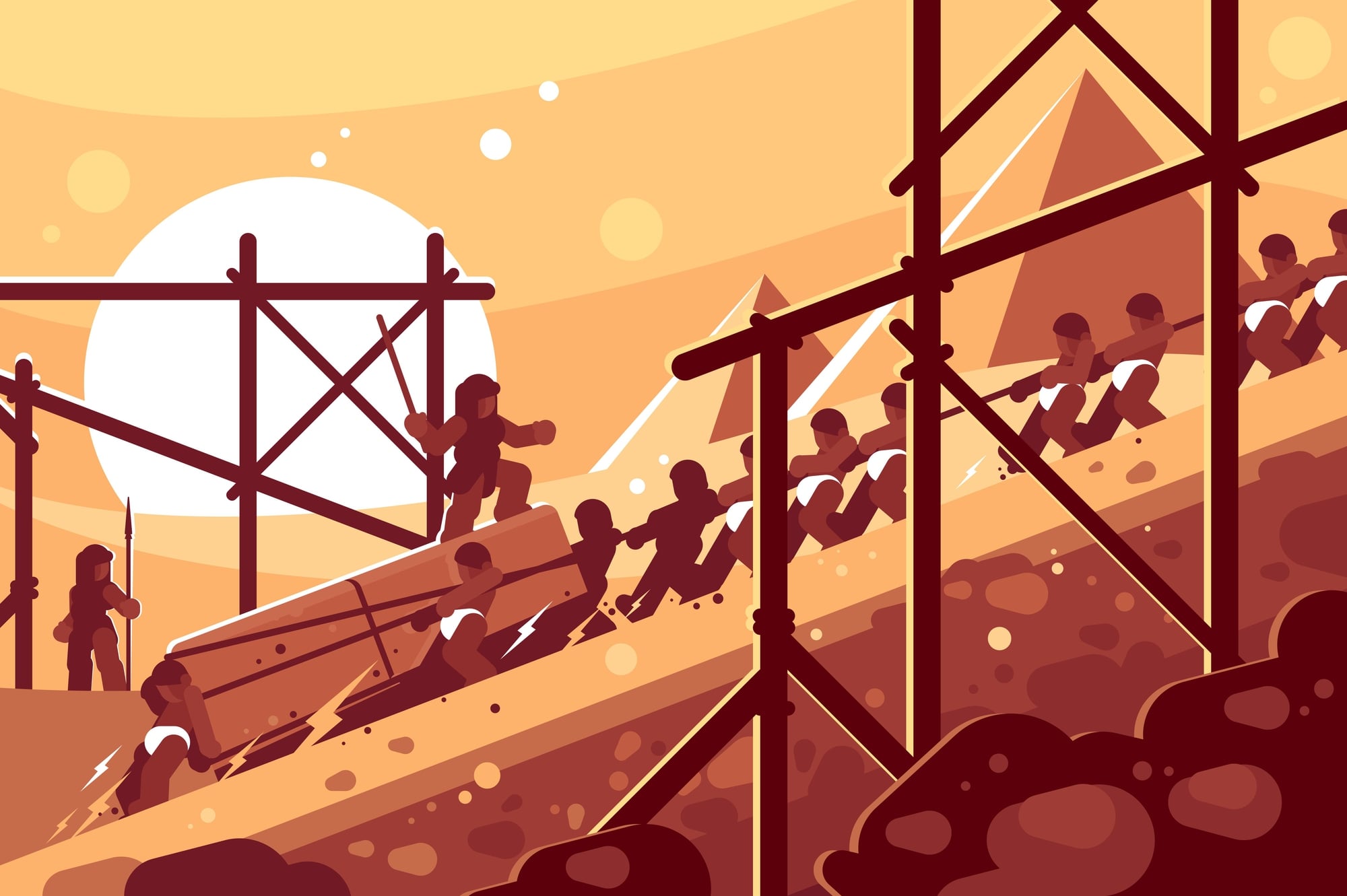
The most fundamental energy source in ancient times came from human muscle power itself. Workers carried massive stone blocks, operated simple machines, performed countless tasks requiring sustained physical effort.
Ancient Egyptians famously used thousands of laborers to build the pyramids — workers pulled sledges while operating lever systems to move stones weighing several tons. The efficiency of human labor improved dramatically when civilizations learned to organize workers into specialized teams, using techniques like synchronized pulling alongside coordinated lifting.
Animal Power

Domesticated animals revolutionized ancient energy production by providing strength far beyond human capabilities. Oxen pulled plows through tough soil, yet horses offered speed for transportation.
Donkeys carried heavy loads across long distances — water buffalo in Asia became essential for rice cultivation, churning through muddy paddies where humans would struggle. The invention of the yoke revolutionized productivity. A single ox could provide the power equivalent of several people once proper harness systems were developed.
Wind Energy

Ancient civilizations discovered that moving air could perform useful work thousands of years before modern wind turbines appeared. The earliest windmills emerged in Persia around 900 AD — these used vertical-axis designs to grind grain while pumping water.
Sailing ships represented another crucial application of wind power, allowing ancient traders to cross vast oceans without exhausting human rowers. Even simple applications like winnowing grain relied on natural breezes to separate wheat from chaff, making food processing more efficient.
Like Go2Tutors’s content? Follow us on MSN.
Water Wheels
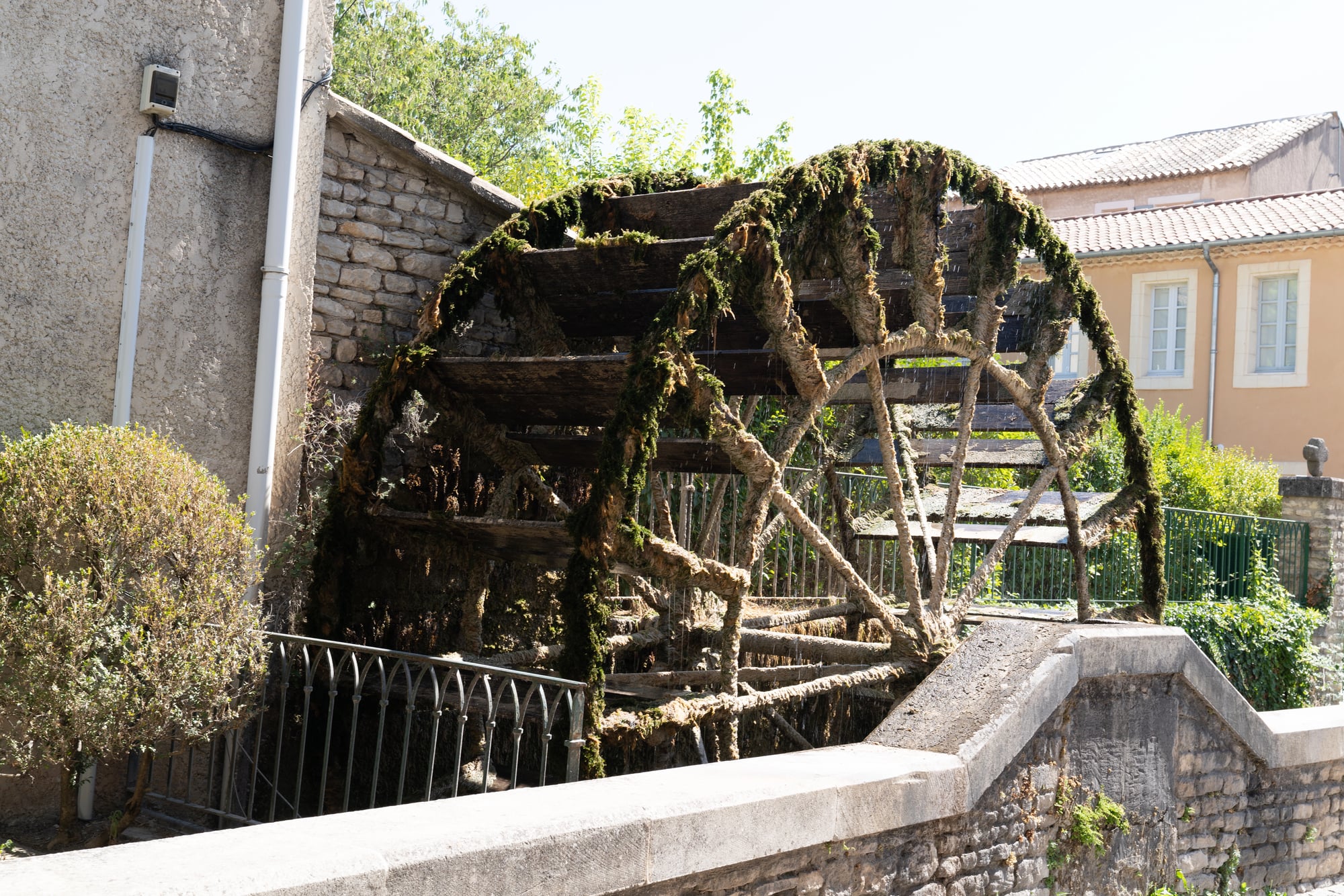
Flowing water became one of the most reliable energy sources for ancient mechanical systems. Roman engineers perfected the waterwheel design — they used river currents to power grain mills, sawmills, even early manufacturing processes.
The Barbegal aqueduct in France featured a series of 16 waterwheels that could process enough grain to feed a small city. These installations worked continuously as long as water flowed, providing consistent power that didn’t depend on weather conditions or animal availability.
Solar Heating

Ancient architects understood how to capture the sun’s energy for heating buildings. Roman bathhouses featured large south-facing windows — dark stone floors absorbed solar heat during the day, then released it slowly at night.
Ancient Chinese civilizations incorporated passive solar design principles, positioning structures to maximize winter sun exposure while providing summer shade. Salt production facilities around the Mediterranean used shallow ponds to evaporate seawater through solar energy, creating a crucial trade commodity.
Wood Burning

Burning wood provided heat for virtually every ancient civilization — making it perhaps the most universal energy source of the pre-industrial world. Beyond simple heating, wood fires powered metallurgy operations that created tools, weapons, decorative objects.
Ancient Romans used enormous quantities of wood to heat their public baths, though Chinese civilizations developed sophisticated stove designs that maximized heat output while minimizing fuel consumption. The search for adequate wood supplies often influenced where civilizations established settlements.
Like Go2Tutors’s content? Follow us on MSN.
Charcoal Production
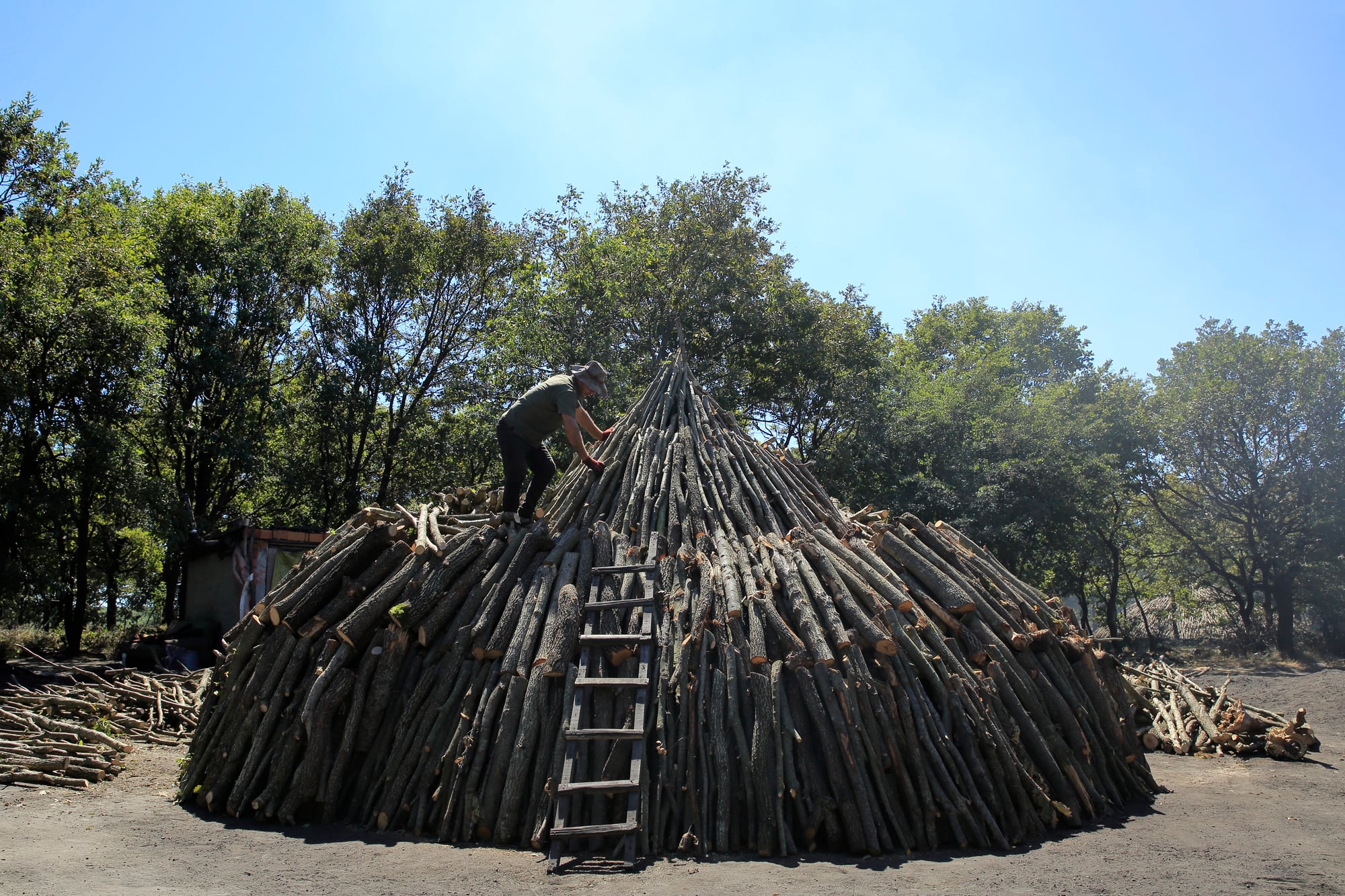
Converting wood into charcoal created a more concentrated fuel source that burned hotter than raw timber. Ancient metalworkers discovered that charcoal could reach the high temperatures necessary for smelting iron — this revolutionized tool production.
The charcoal-making process itself became a specialized craft, with workers carefully controlling the burning conditions to produce high-quality fuel. Large-scale metalworking operations consumed vast amounts of charcoal, sometimes leading to deforestation around major production centers.
Geothermal Springs
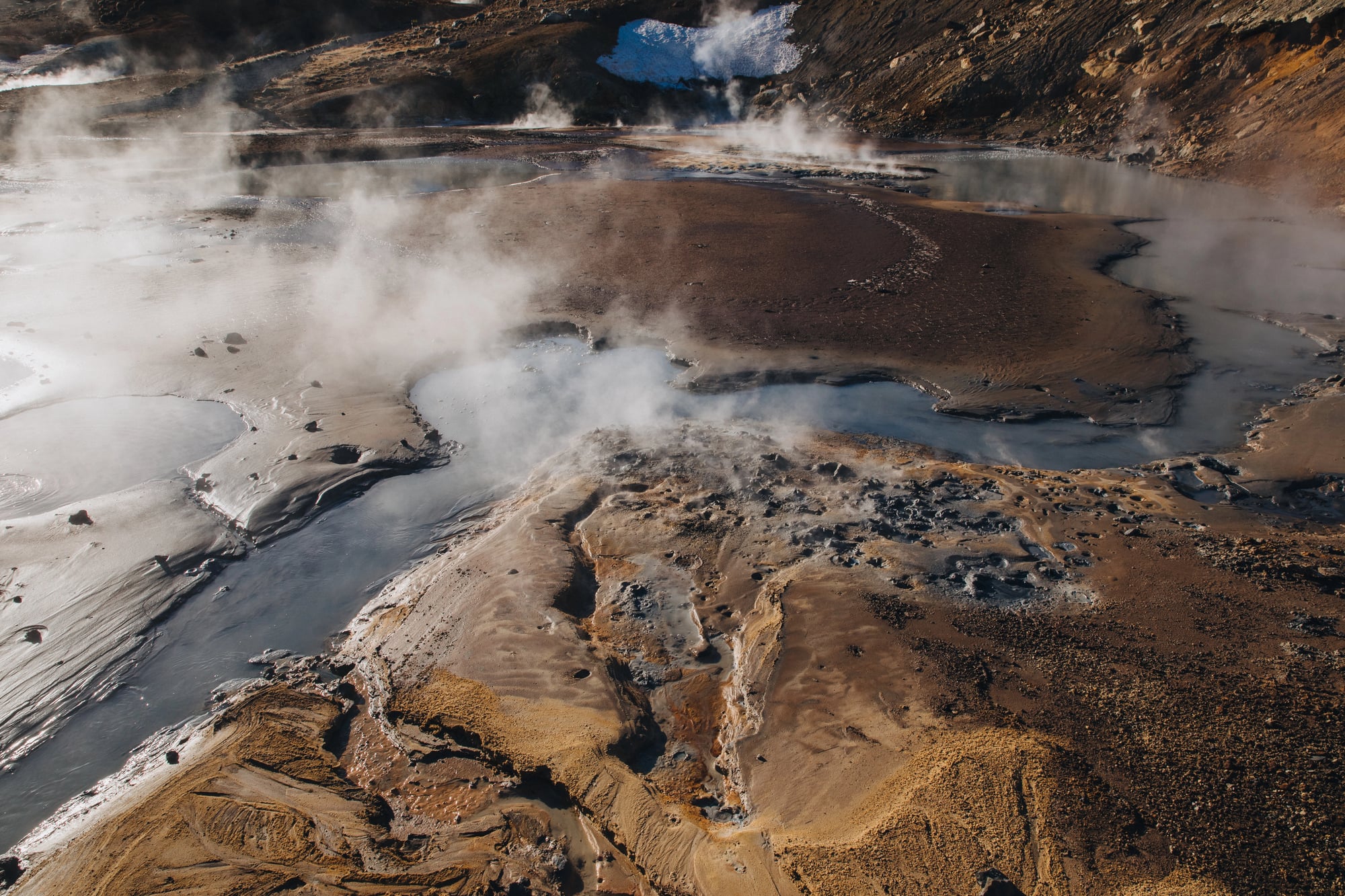
Natural hot springs provided ready-made energy sources that ancient civilizations used for heating and cooking. Roman engineers built elaborate bath complexes around geothermal sources — creating social centers that attracted visitors from across the empire.
Ancient Japanese communities used hot springs for cooking food, with some springs maintaining temperatures perfect for preparing rice. These natural energy sources required no fuel input while operating continuously, making them incredibly valuable for communities lucky enough to access them.
Tidal Forces

Coastal civilizations learned to harness the predictable rise of ocean tides for various practical purposes. Ancient Romans built tidal mills along European coastlines — using the incoming water to turn grinding wheels for grain processing.
Fish traps made from stone used tidal movements to capture marine life, providing protein without requiring active fishing efforts. Some coastal communities used tidal pools for salt production, allowing seawater to evaporate in shallow basins during low tide periods.
Like Go2Tutors’s content? Follow us on MSN.
Muscle-Powered Mechanisms

Ancient engineers developed sophisticated machines that amplified human muscle power through mechanical advantage systems. The lever, pulley — inclined plane allowed workers to move massive objects that would be impossible to handle through direct force alone.
Greek construction sites featured complex crane systems operated by workers walking inside large wheels, similar to hamster wheels but designed for heavy lifting. These mechanisms transformed individual human effort into enough force to raise multi-ton building stones to considerable heights.
Falling Water

Beyond horizontal water wheels, ancient civilizations used the vertical force of falling water to power various mechanical systems. Mountain communities built mills beneath waterfalls, using the direct impact of dropping water to turn grinding stones.
Aqueduct systems sometimes incorporated drop towers where falling water created pressure for fountains. The Romans built facilities where controlled water drops powered trip hammers used in metalworking.
Steam Pressure
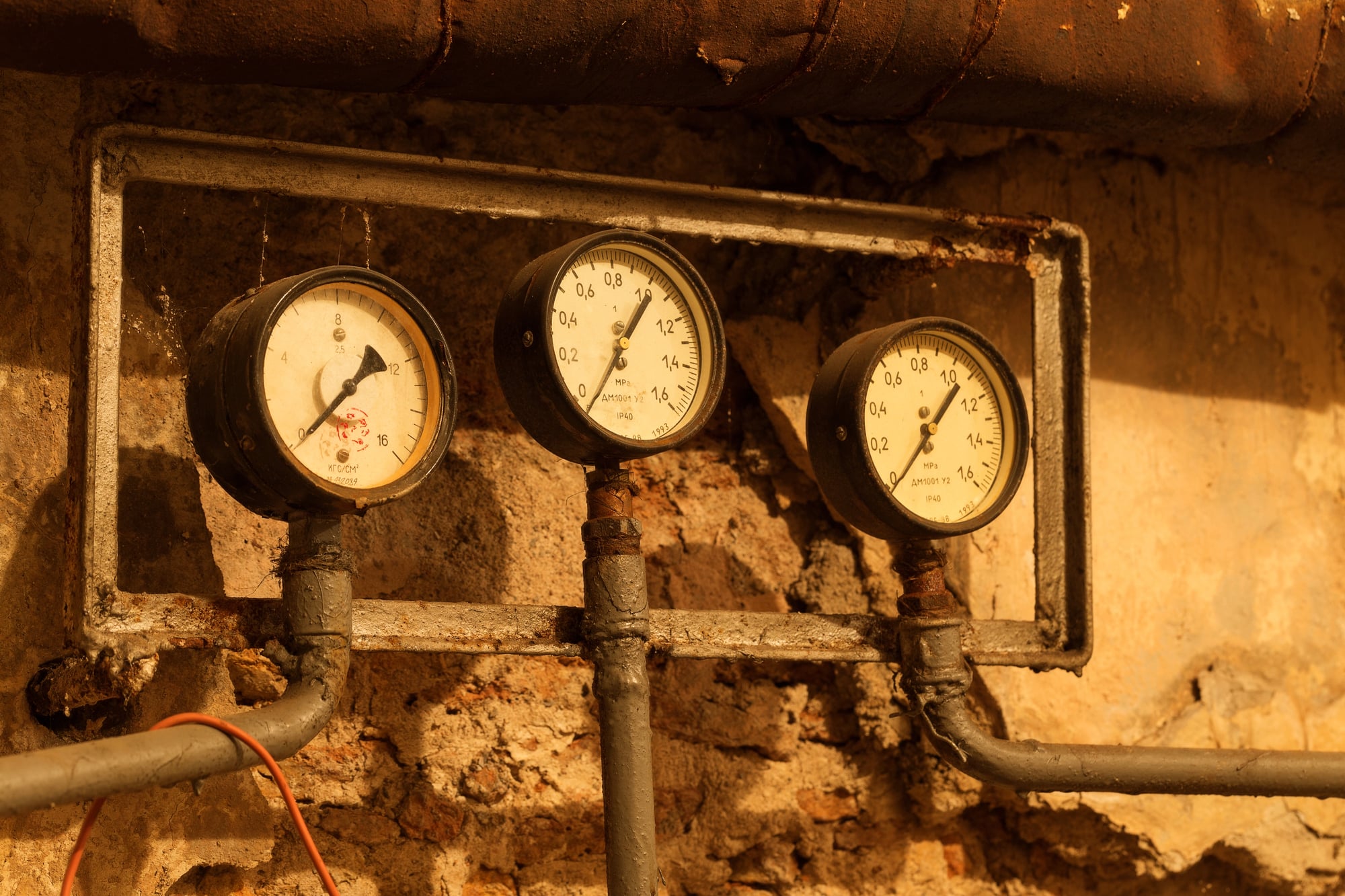
Although they never developed practical steam engines, some ancient civilizations experimented with steam pressure for mechanical purposes. The Greek inventor Hero created simple steam-powered devices around 100 AD, including a rotating sphere that demonstrated the principle of jet propulsion.
Ancient Roman baths occasionally used steam pressure to operate doors, though these applications remained mostly novelties rather than practical energy sources. Chinese inventors also created steam-powered toys, showing an understanding of steam’s potential energy.
Like Go2Tutors’s content? Follow us on MSN.
Compressed Air
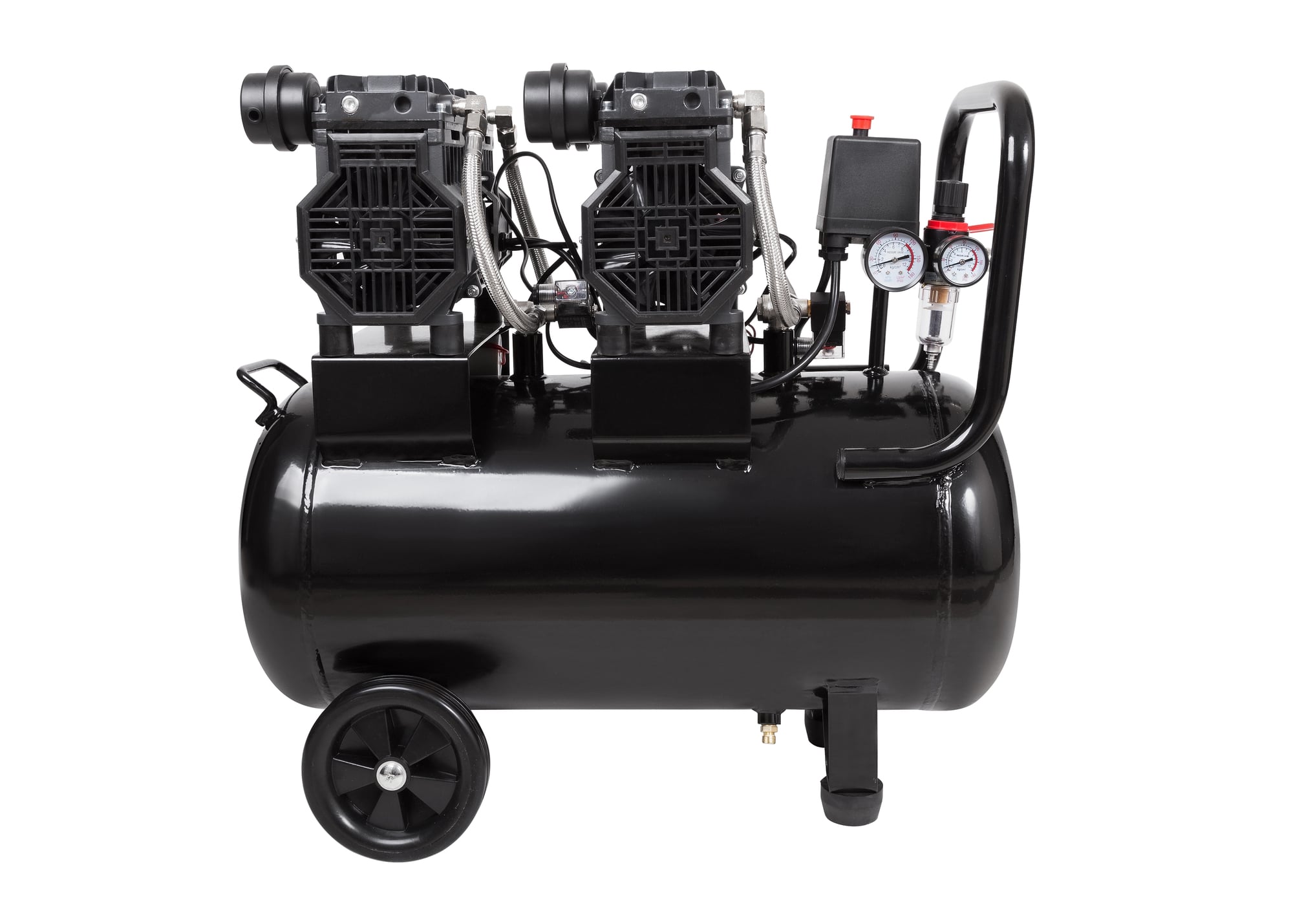
Ancient civilizations discovered ways to use compressed air for powering tools. Blacksmiths developed bellows systems that used stored air pressure to maintain consistent high-temperature fires for metalworking.
Some ancient theaters used compressed air mechanisms to create special effects, including moving stage elements. The principle appeared in ancient Greek pneumatic devices that used air pressure to operate doors, fountains, simple automated systems.
Gravity-Powered Systems
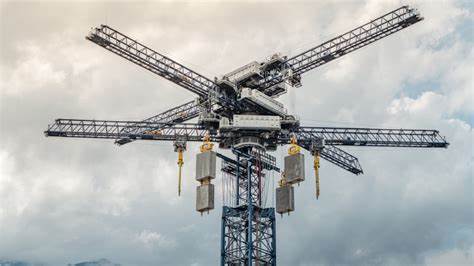
The consistent pull of gravity provided ancient engineers with a reliable force for powering various mechanical systems. Ancient clocks used falling weights to maintain consistent timekeeping, with the gradual descent of stones driving gear mechanisms.
Some ancient mills used gravity-fed water systems where elevated reservoirs provided steady pressure for grinding operations. Construction sites employed gravity-assisted systems where workers raised materials to height, then used controlled falling motion to drive piling operations.
Fermentation Energy

Ancient civilizations harnessed the energy released during fermentation processes for practical purposes beyond creating alcoholic beverages. The heat generated during large-scale fermentation helped warm buildings during cold periods, with some communities using fermenting grain stores as supplemental heating sources.
Gas produced during fermentation provided fuel for simple flame applications, though ancient peoples had limited ways to capture these gases effectively. The fermentation process itself became a form of food preservation that required no external energy input.
Like Go2Tutors’s content? Follow us on MSN.
Body Heat

Human body heat served as a practical energy source for warming spaces in ancient times. Shared sleeping arrangements in cold climates took advantage of collective body heat to maintain comfortable temperatures without requiring additional fuel.
Ancient peoples used animal body heat for practical purposes, keeping livestock in ground-floor areas of buildings where their warmth would rise to heat human living spaces above. Some ancient cultures used body heat for food preparation, keeping items warm against the body or using shared heat to maintain optimal temperatures for processes like bread rising.
Energy That Built Empires
These diverse energy sources laid the foundation for every major ancient civilization, from the Roman Empire’s water-powered mills to China’s sophisticated wind systems. The societies that mastered multiple energy sources gained significant advantages in agriculture, manufacturing, construction, allowing them to support larger populations.
Today’s renewable energy revolution echoes many of these ancient principles, proving that sustainable power solutions have deep historical roots. Understanding how our ancestors harnessed natural forces reminds us that human ingenuity has always found ways to work with nature rather than against it.
More from Go2Tutors!

- 18 Unexpectedly Valuable Collectibles You Might Have Lying Around
- 20 Little-Known Historical Battles That Had Huge Consequences
- 20 Historical Artifacts That Scientists Can’t Explain
- 15 Inventions That Were Immediately Banned After Being Created
- 20 Actors Who Were Almost Cast in Iconic Roles
Like Go2Tutors’s content? Follow us on MSN.