16 Everyday Things People Did Before the Microwave
Before 1967, when the first countertop microwave hit the market for the eye-watering price of $495, people somehow managed to heat food and get through their daily routines without zapping anything in 30-second intervals. The microwave didn’t become a standard kitchen appliance until the 1980s, which means entire generations grew up mastering techniques that now seem almost quaint.
These weren’t just different methods — they were entirely different rhythms of living, where patience wasn’t optional and shortcuts didn’t exist.
Reheated Leftovers In The Oven
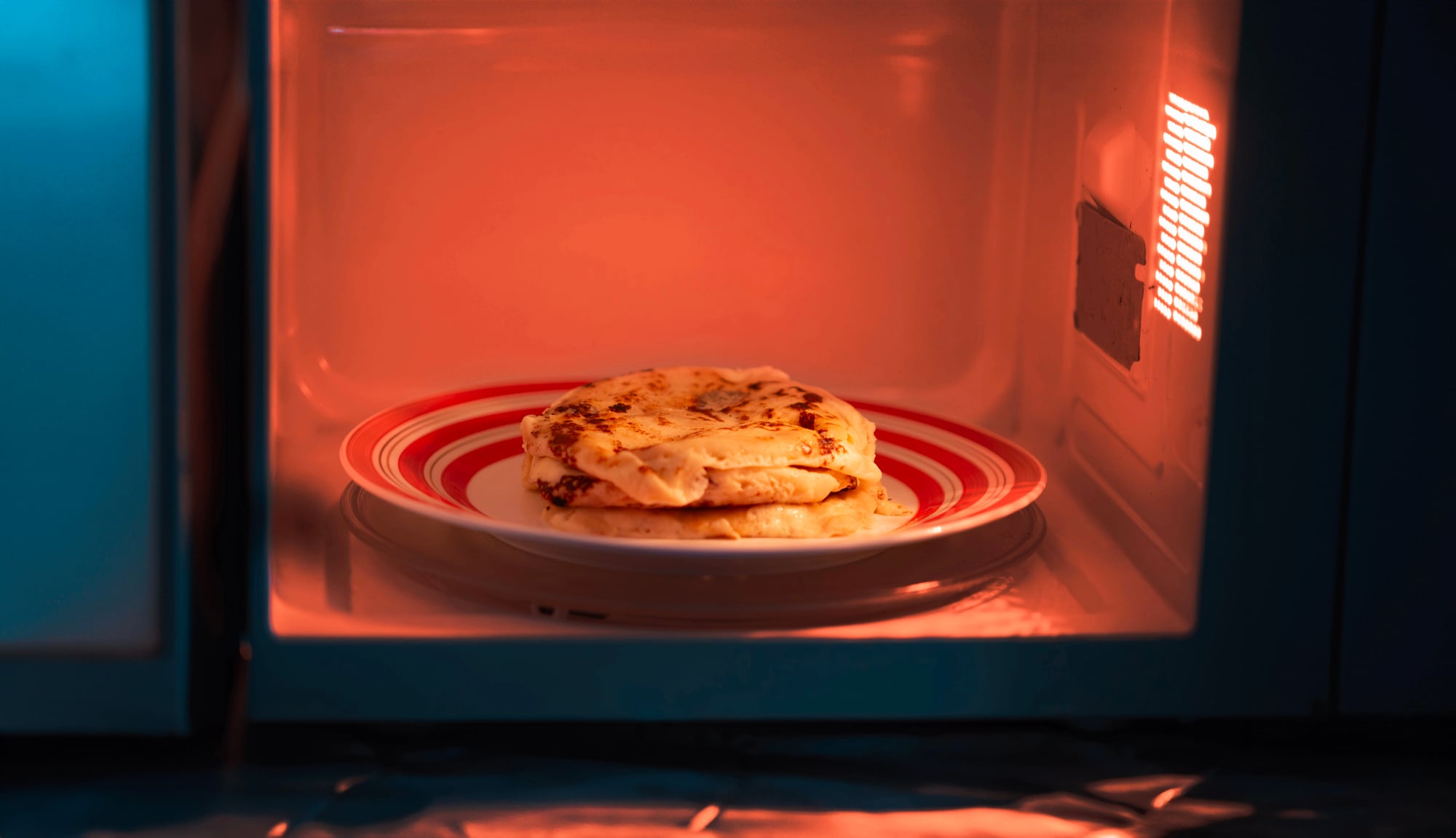
The oven was the heavyweight champion of reheating. No quick fixes here.
You’d preheat to 350°F, wait ten minutes for it to come to temperature, then slide in your plate of leftover casserole. Another fifteen to twenty minutes later, you had food that was actually hot all the way through — not scorching on the edges and frozen in the middle like microwaves deliver.
Used Stovetop Steamers For Vegetables
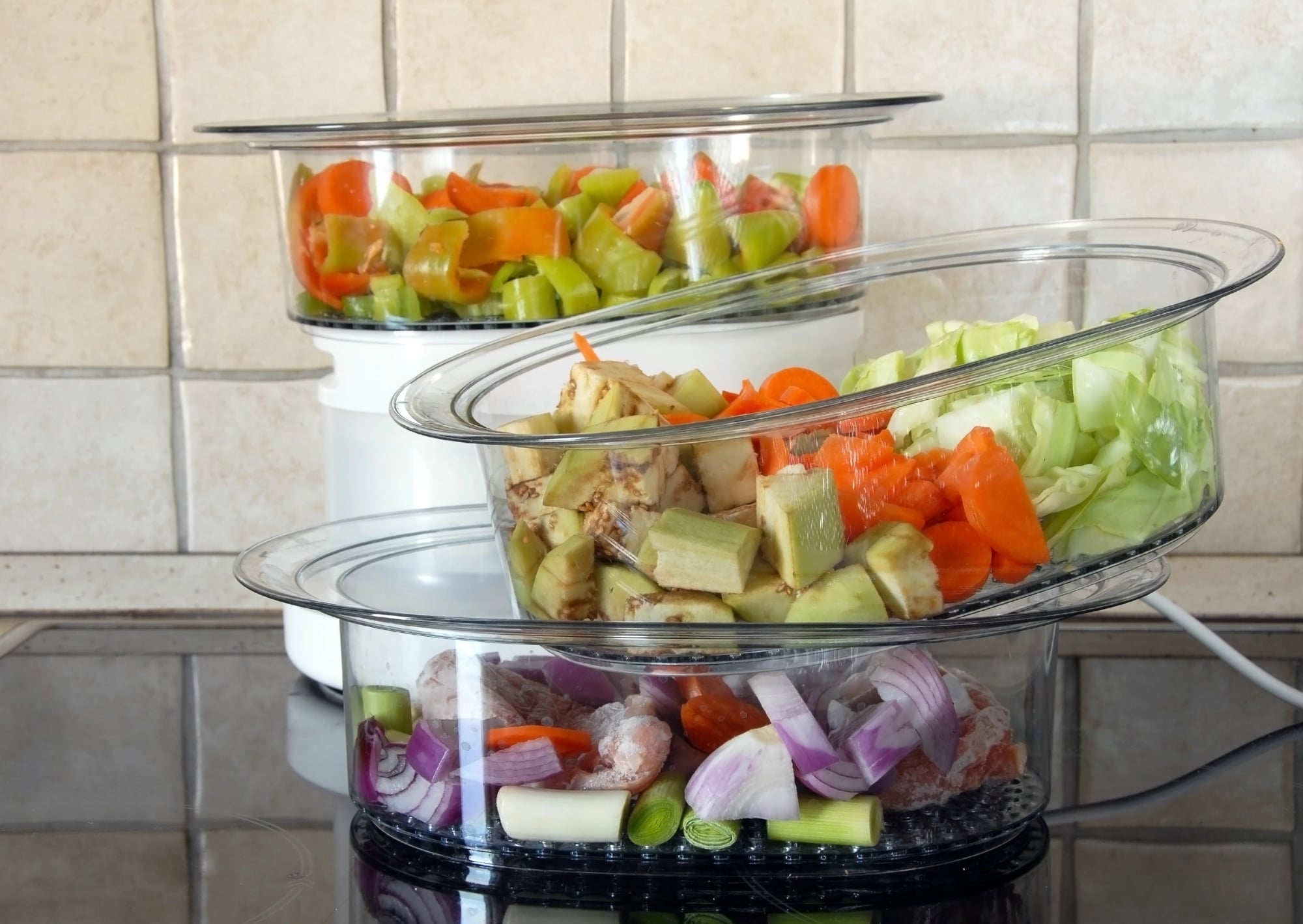
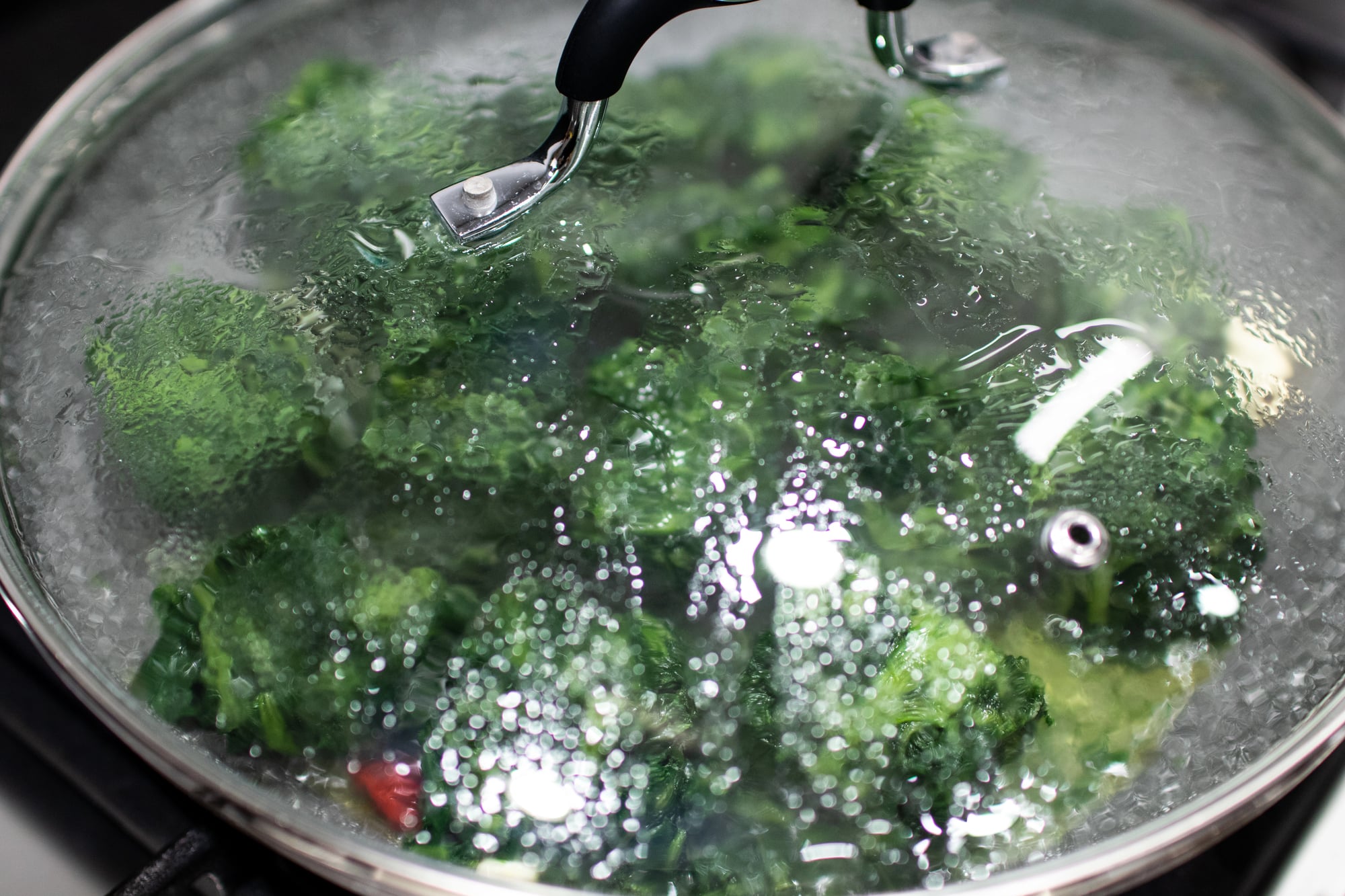
Fresh vegetables got the steamer treatment, which (and this might shock anyone under 40) actually made them taste better than the microwave ever could. The steamer basket sat inside a pot with an inch of boiling water, vegetables went on top, lid went on, and steam did the work.
Broccoli came out bright green and crisp. Carrots retained some dignity.
Even Brussels sprouts emerged with flavor intact rather than the sulfurous mush that microwaves produce.
And the timing mattered in a way that taught you to pay attention: three minutes for snap peas, eight for carrots, five for green beans. You learned the vegetables, not just the buttons.
Warmed Baby Bottles In Hot Water
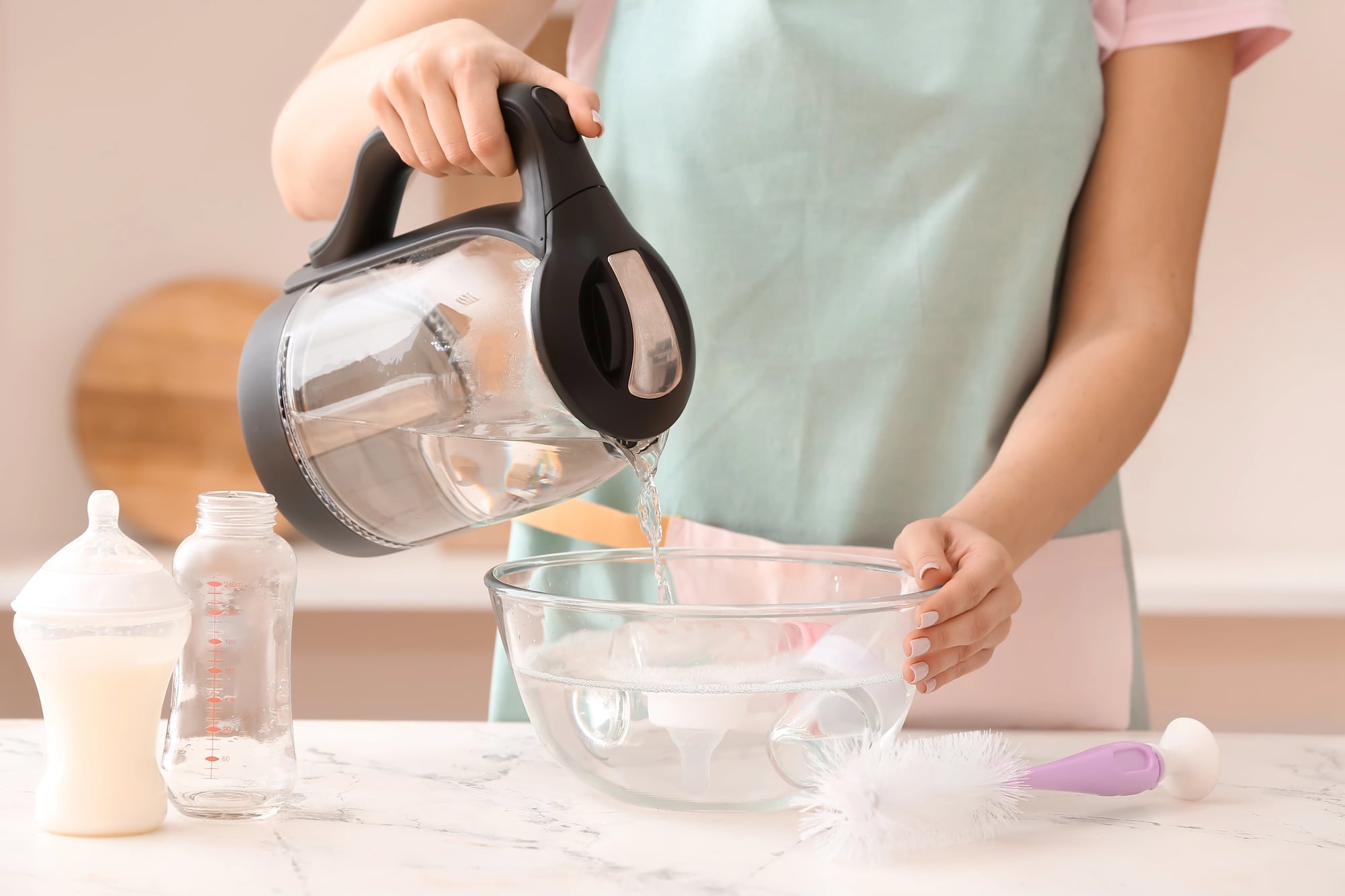
Picture this: it’s 2 AM, the baby is screaming, and you need to warm a bottle — but there’s no microwave to create those dangerous hot spots that could burn tiny mouths (a concern that persists today, which explains why pediatricians still recommend the old methods). So you’d fill a bowl with hot tap water, or better yet, heat water in a small saucepan on the stove, then set the bottle in to warm gradually while you bounced a crying infant and tried to remember what sleep felt like.
The bottle warmed evenly, the way milk should be warmed, and you tested it on your wrist the way your mother taught you and her mother taught her — a small ritual passed down through generations of parents who understood that some things can’t be rushed, even when you’re desperate for them to hurry.
The whole process took maybe five minutes longer than a microwave, but it never created the uneven heating that could surprise a baby with scalding liquid followed immediately by cold formula. And yet, somehow, parents survived.
Made Hot Chocolate On The Stove
Real hot chocolate meant milk in a saucepan, chocolate powder stirred in slowly, and constant attention to prevent scorching. The Swiss Miss packets existed, but they were mixed with hot water from the kettle, not nuked in a mug for 90 seconds.
You stood there stirring, watching for that first sign of steam, learning the difference between heating and boiling. The result was hot chocolate that actually tasted like chocolate rather than sugary water with a vaguely brown tint.
Softened Butter By Leaving It Out
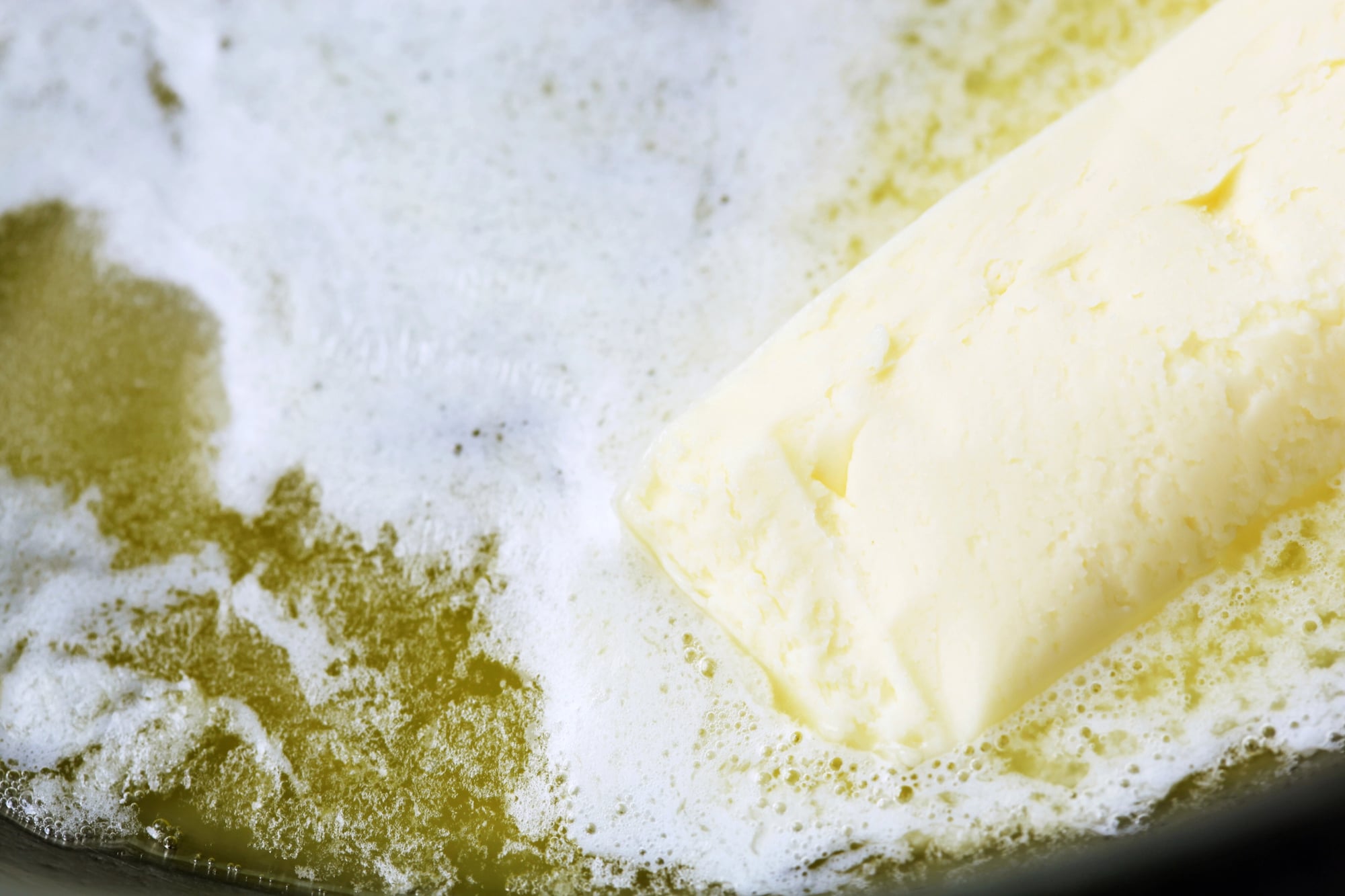
Planning ahead wasn’t a suggestion — it was a requirement. If you wanted to bake cookies after dinner, you pulled the butter out of the refrigerator that morning.
Room temperature butter was the only butter that mattered for baking, and there was no cheating your way around it with 10-second microwave pulses that inevitably melted the edges while leaving the center solid.
Experienced bakers developed an intuition for butter texture, pressing it with a finger to test readiness. The butter was ready when it gave slightly under pressure but didn’t lose its shape entirely.
Used Double Boilers For Melting Chocolate
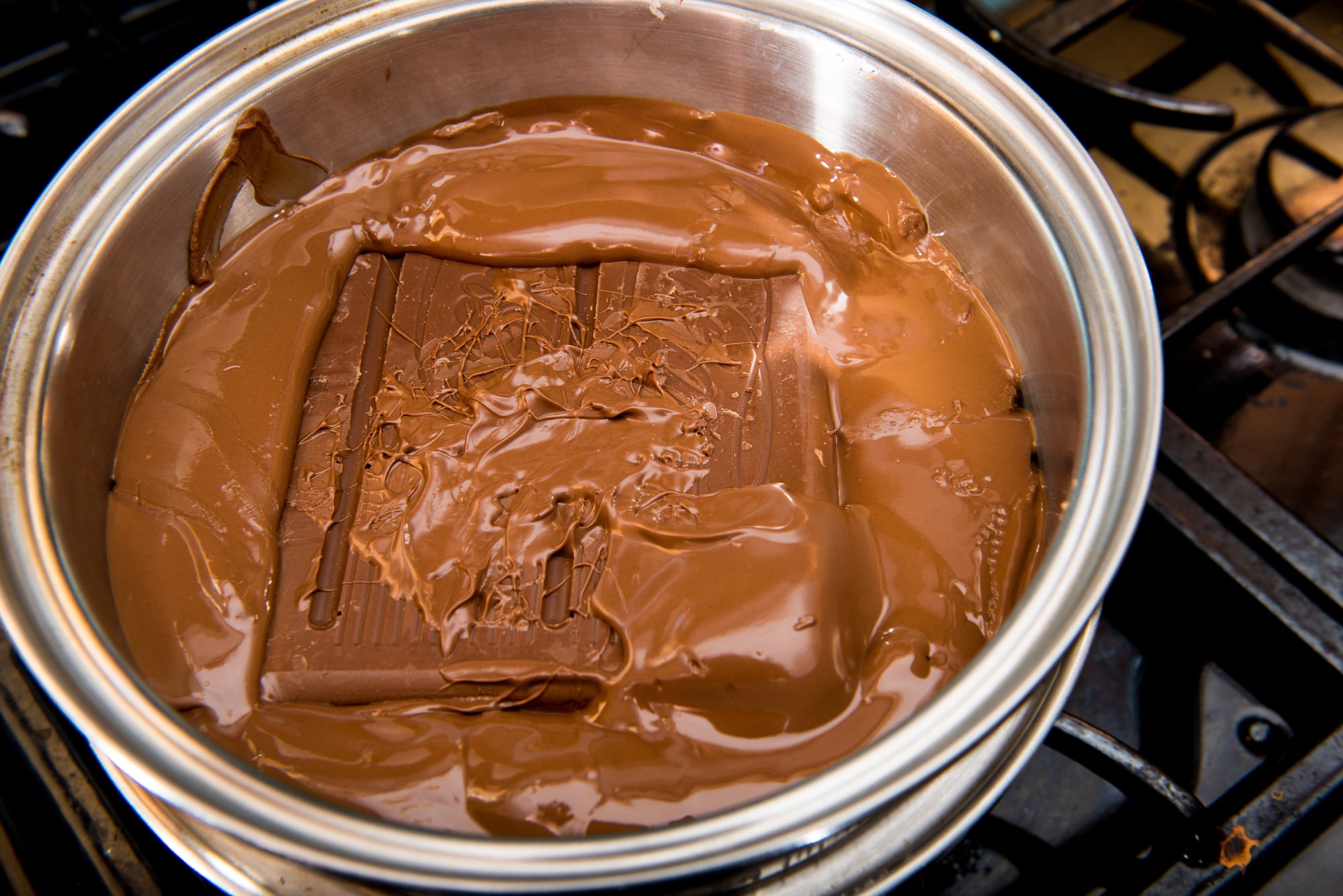
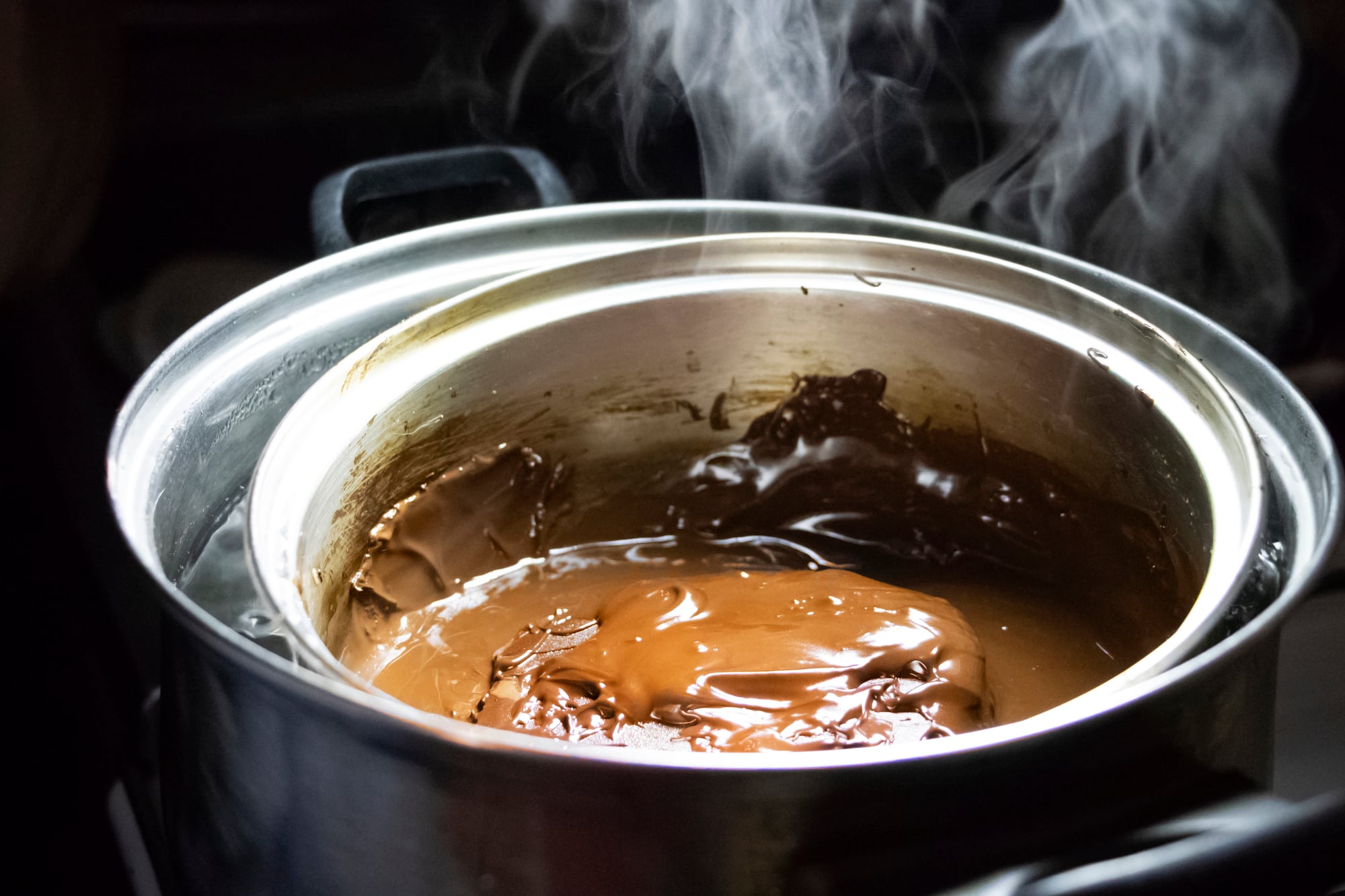
Chocolate is temperamental, which anyone who has seized a batch by overheating it will tell you with the weary voice of experience. The double boiler — a smaller pot nestled inside a larger one filled with simmering water — provided gentle, indirect heat that coaxed chocolate into melting rather than shocking it into submission.
You’d set up the apparatus, add the chocolate to the top pot, and stir occasionally while the steam from the lower pot did the work, creating a controlled environment where chocolate could transform from solid to liquid without ever getting hot enough to turn grainy and bitter.
The process required patience and attention, two qualities that the microwave has systematically trained out of most modern cooks, and the results were consistently smooth and glossy rather than the lumpy, overheated mess that microwaves often produce when people get impatient and blast chocolate on high power.
Dried Herbs By Hanging Them In Bundles
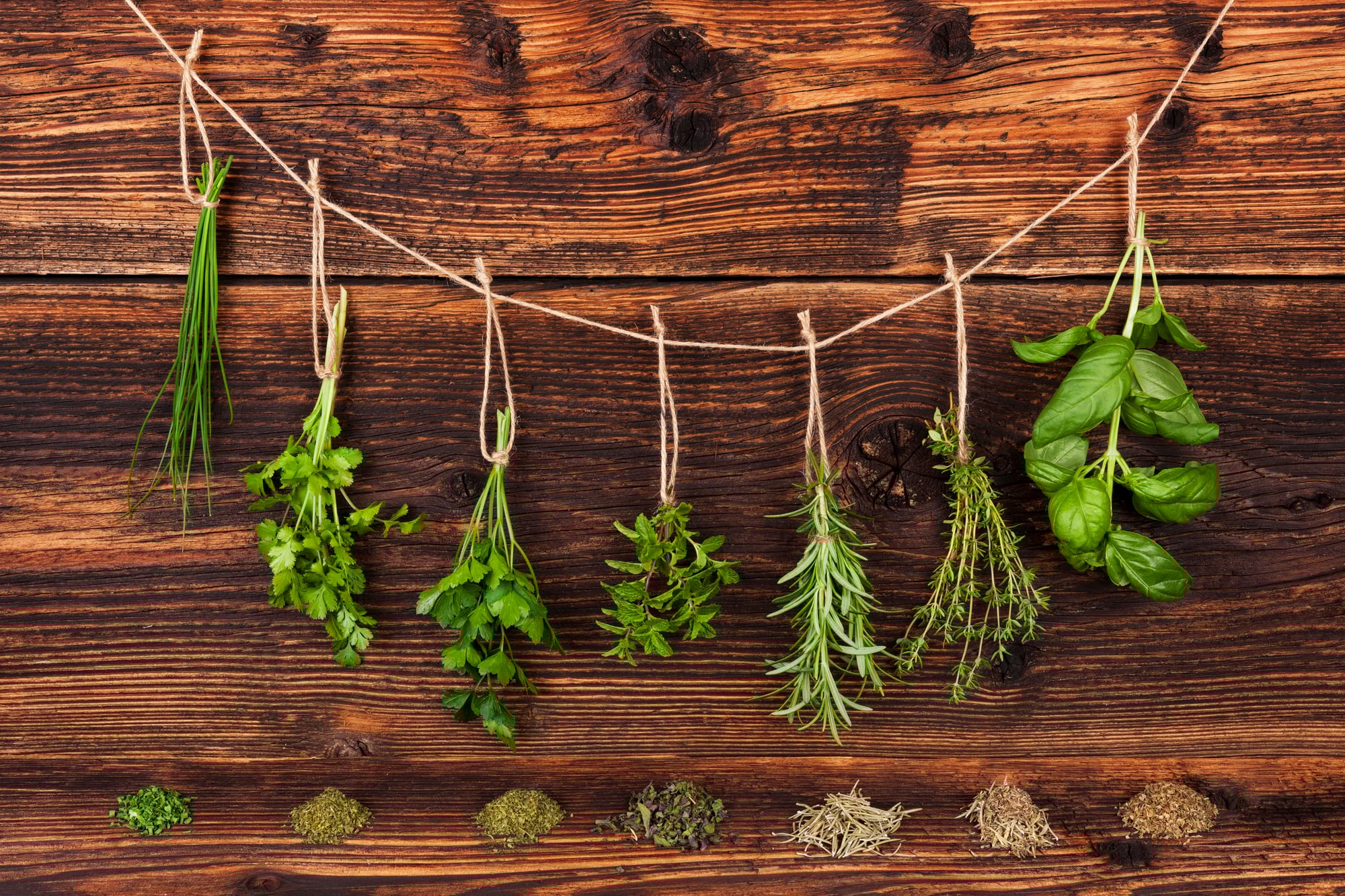
Before microwave herb-drying became a thing, herbs dried the way they had for centuries: hung in bundles in a warm, dry place with good air circulation. You’d gather fresh herbs from the garden — basil, oregano, thyme, whatever was flourishing — tie them in small bundles with string, and hang them upside down from a hook or nail in the kitchen, pantry, or attic.
The process took weeks rather than minutes. But the herbs dried evenly, retained their color better, and developed a concentrated flavor that quick-drying methods struggle to match.
Revived Stale Bread In The Oven
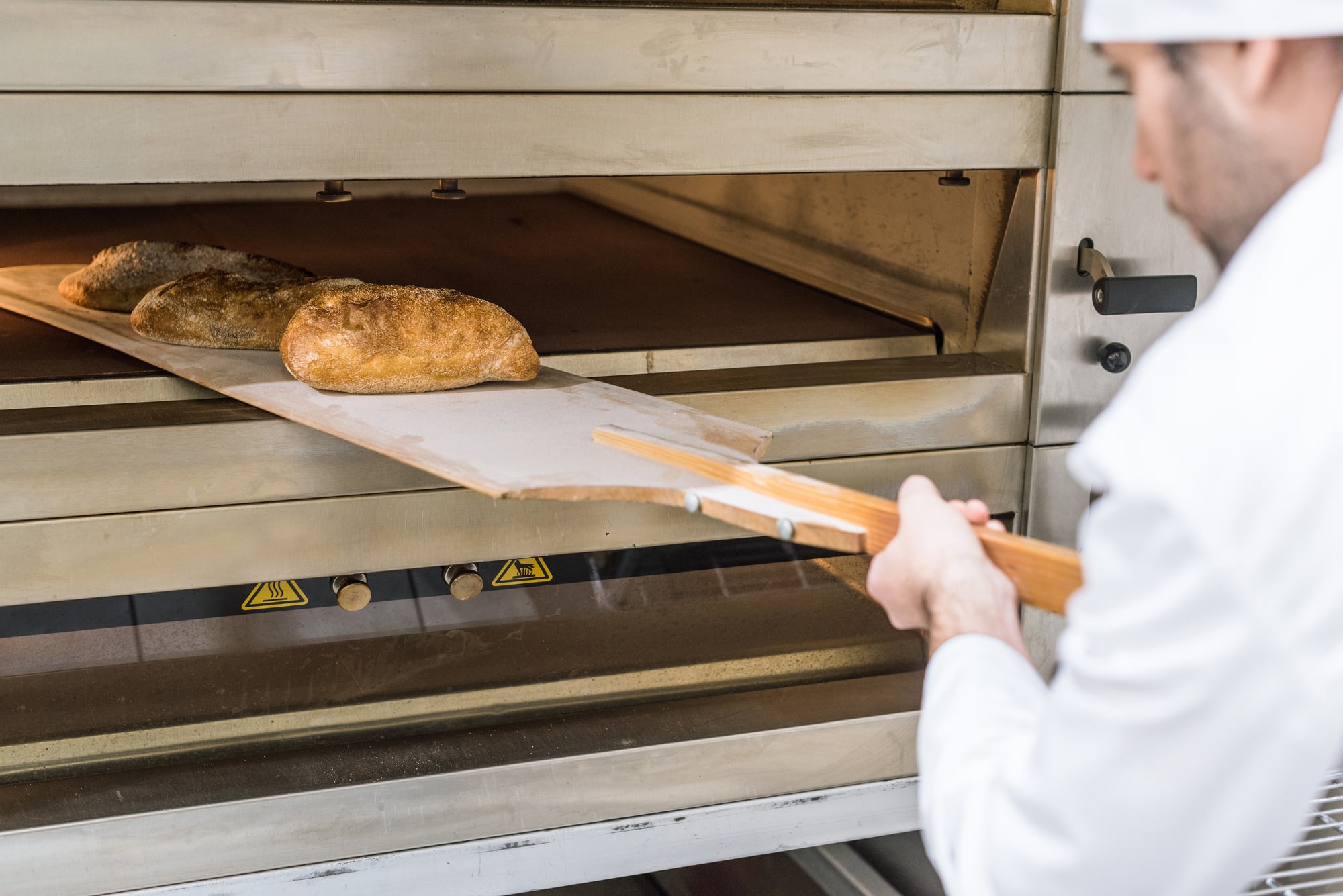
Stale bread got a second life through the oven’s dry heat. You’d sprinkle the loaf lightly with water, wrap it in foil, and slide it into a 350°F oven for about ten minutes.
The steam created inside the foil packet would soften the crust while the heat firmed up the interior. Bread emerged with renewed texture — not quite fresh, but entirely edible and sometimes even improved by the process.
Day-old French bread treated this way often had better texture than when it was brand new.
The technique worked because it addressed what makes bread go stale in the first place: moisture migration from the interior to the crust.
Warmed Plates In The Oven
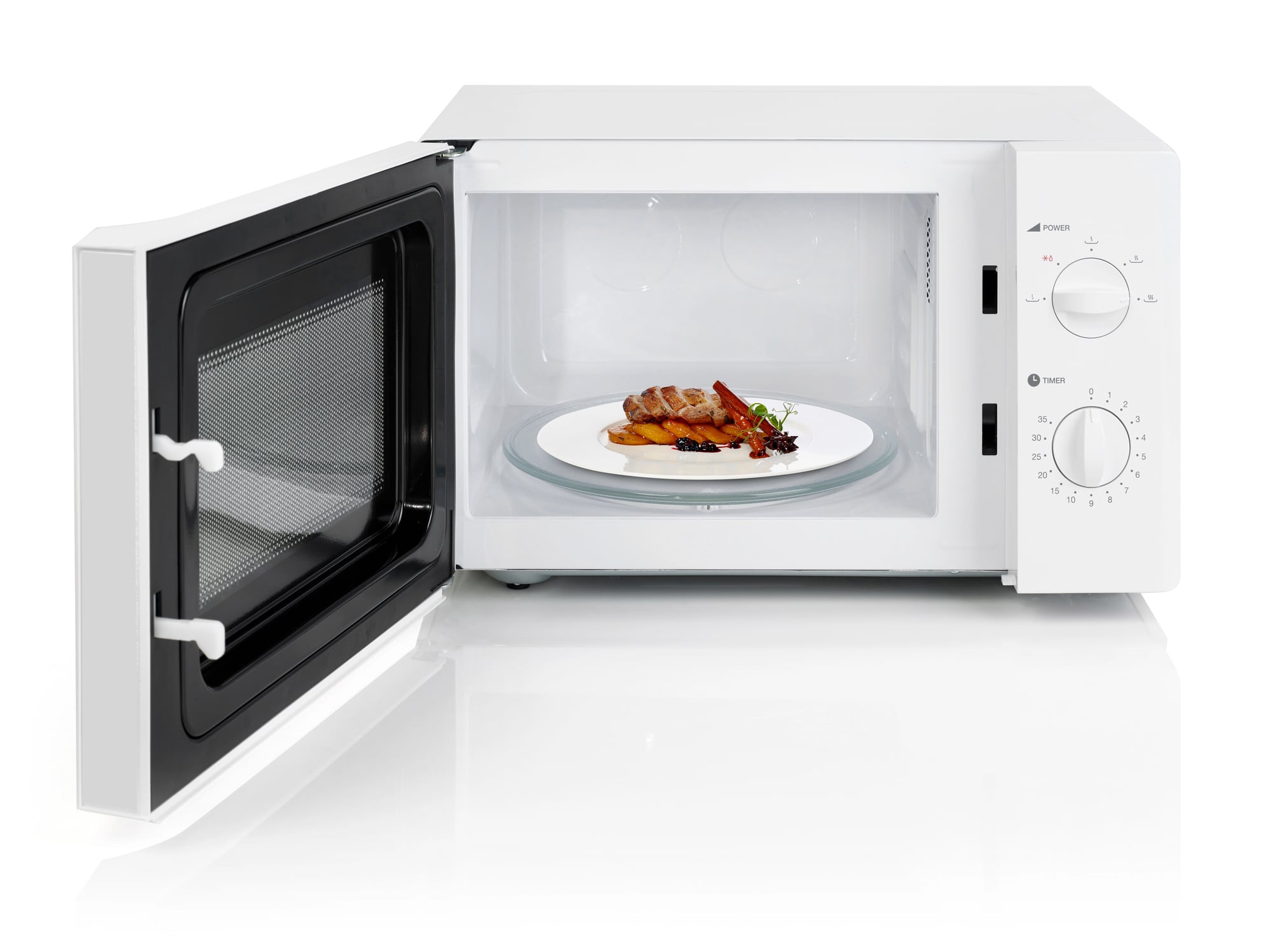
Restaurant-quality presentation started with warm plates, and every decent home cook knew this. Before serving a hot meal, you’d stack plates in a 200°F oven for five to ten minutes.
The warm ceramic held heat longer, kept food at the proper temperature throughout the meal, and prevented that sad moment when hot food hits a cold plate and immediately starts cooling. This was especially crucial for dishes like steak or roasted vegetables, where temperature mattered as much as taste.
The practice also signaled care — warm plates told guests that thought had gone into their comfort, that the meal mattered enough to handle these small details.
Made Popcorn On The Stovetop
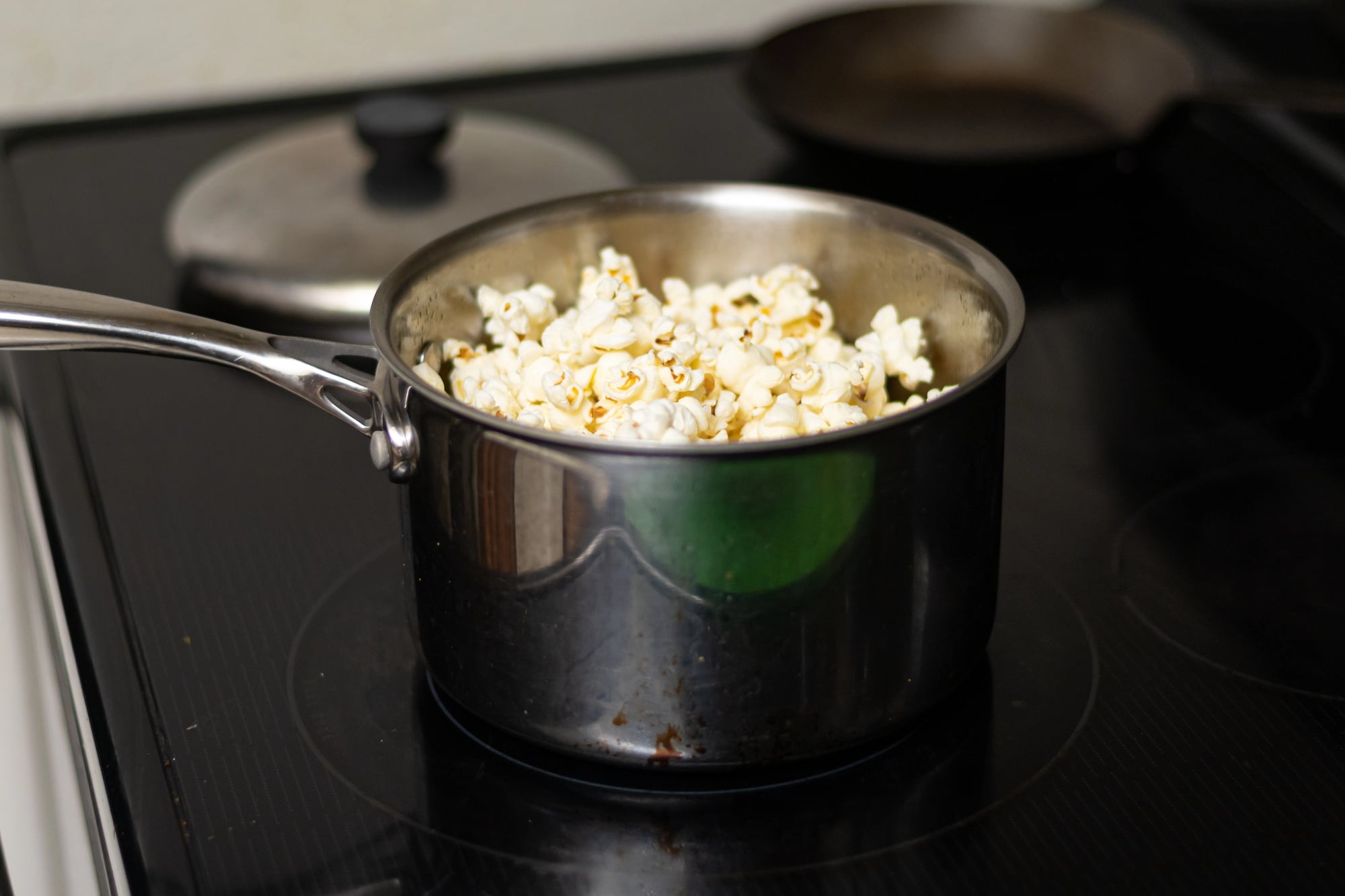
Popcorn meant oil, kernels, and a heavy pot with a tight lid. You’d heat oil over medium-high heat, add three kernels as test pilots, and wait for them to pop — the signal that the oil was ready.
Then came a layer of kernels, lid on, pot shaking occasionally to prevent burning. The popping would start slow, build to a crescendo, then taper off.
When the gaps between pops stretched to three seconds, it was done.
The result was popcorn that actually tasted like corn rather than artificial butter flavoring and preservatives.
Thawed Frozen Food In Cold Water Or The Refrigerator
Thawing required foresight (refrigerator method) or at least a little planning (cold water method), and the process couldn’t be rushed without consequences — namely, uneven thawing that left ice crystals in the center while the edges started cooking, or worse, bacteria growth in food that spent too long in the danger zone between refrigerator and cooking temperature. The cold water method involved submerging sealed packages in a bowl of cold tap water, changing the water every thirty minutes until the food was uniformly thawed, which took anywhere from one to three hours depending on size and density but produced evenly thawed results that cooked properly.
And the refrigerator method meant pulling tomorrow’s dinner out of the freezer tonight, a small act of domestic organization that required thinking one meal ahead — something that seems almost quaint in our instant-gratification culture but actually made meal planning more intentional and, often, more successful.
Toasted Nuts In A Dry Skillet
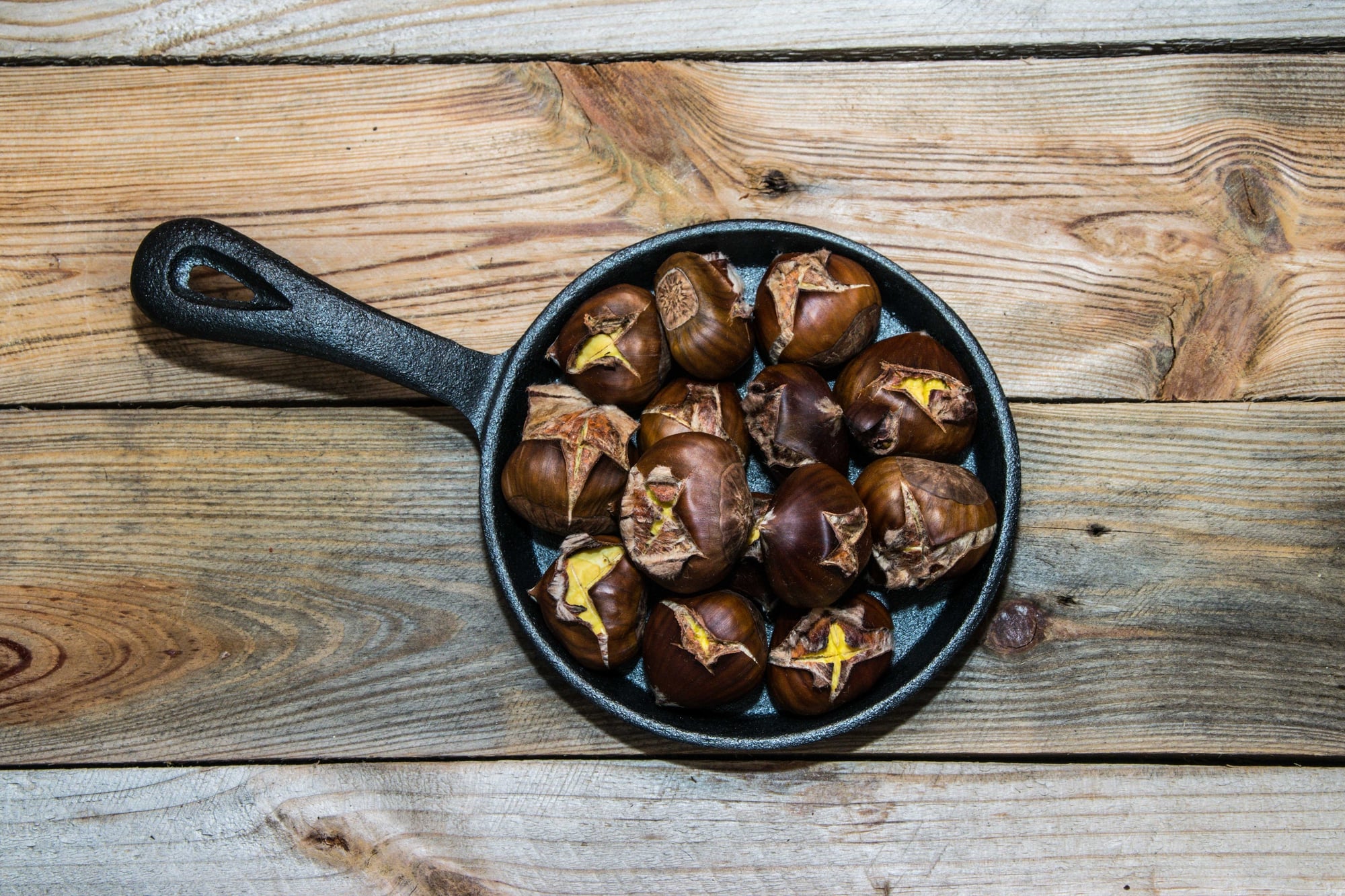
Raw nuts became toasted nuts through patience and a dry skillet over medium heat. You’d add the nuts to the unheated pan, turn on the heat, and stir frequently as they gradually warmed and released their oils.
The nuts would start smelling fragrant after a few minutes, then begin taking on color. The key was constant motion and attention — nuts go from perfectly toasted to burnt in seconds.
This method brought out flavors that microwaving simply can’t achieve. The slow heating developed complex nutty aromas and a satisfying crunch.
Used Warming Drawers Or Low Ovens To Keep Food Warm
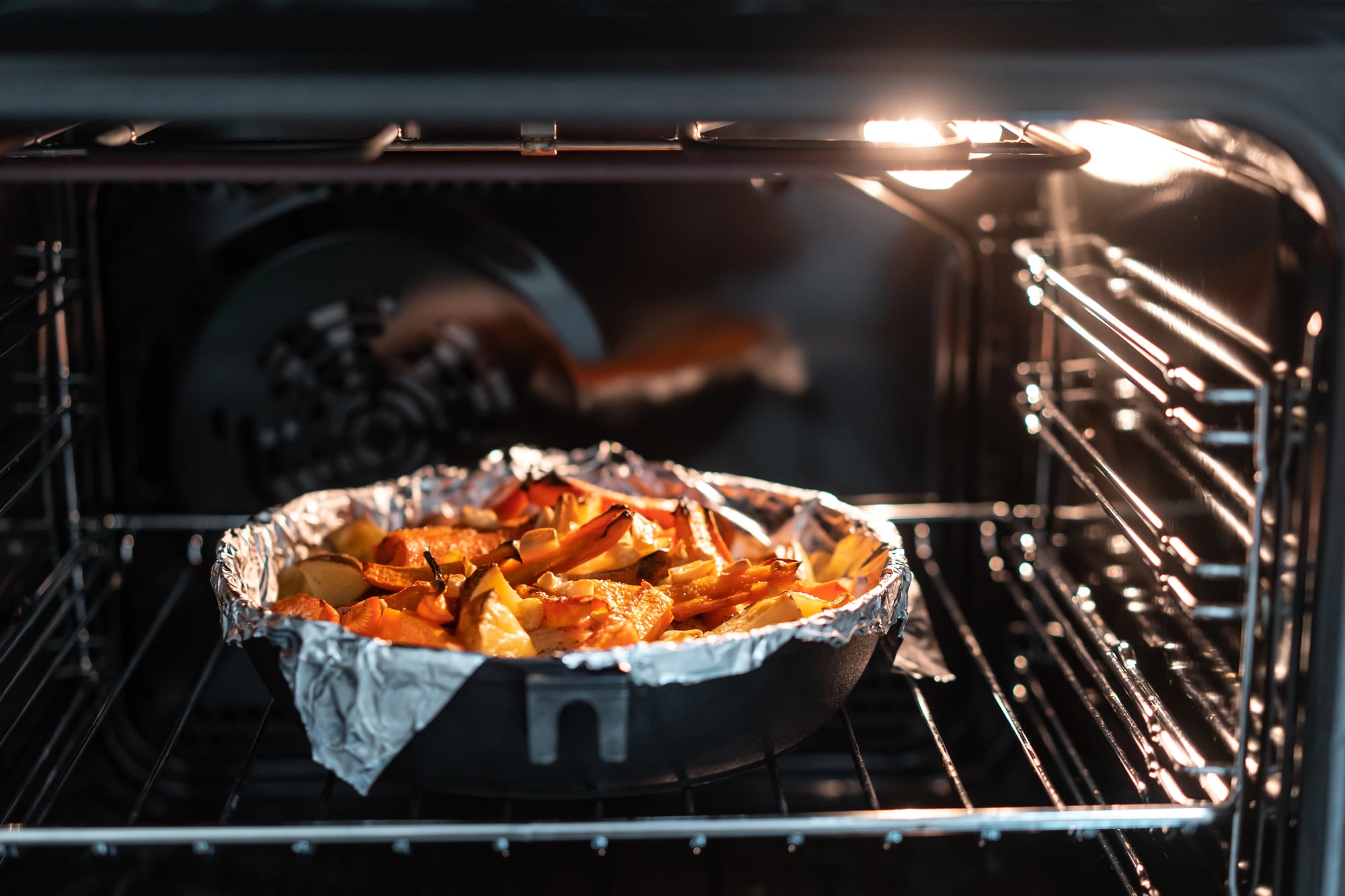
Before microwaves made reheating effortless, keeping food warm during meal preparation was its own skill. The oven set to its lowest temperature — usually around 200°F — became a holding zone for dishes that finished cooking before others.
Rolls went in to stay warm while the roast rested. Side dishes waited their turn while you finished the gravy.
Some ranges even came with dedicated warming drawers designed exactly for this purpose.
The food stayed at serving temperature without continuing to cook, which microwaves still can’t manage effectively.
Heated Towels On Radiators Or In The Oven
Warm towels for guests or after a bath meant draping them over the radiator or warming them briefly in a low oven. The radiator method was gentler — towels draped over the heating element would gradually absorb warmth and stay cozy for hours.
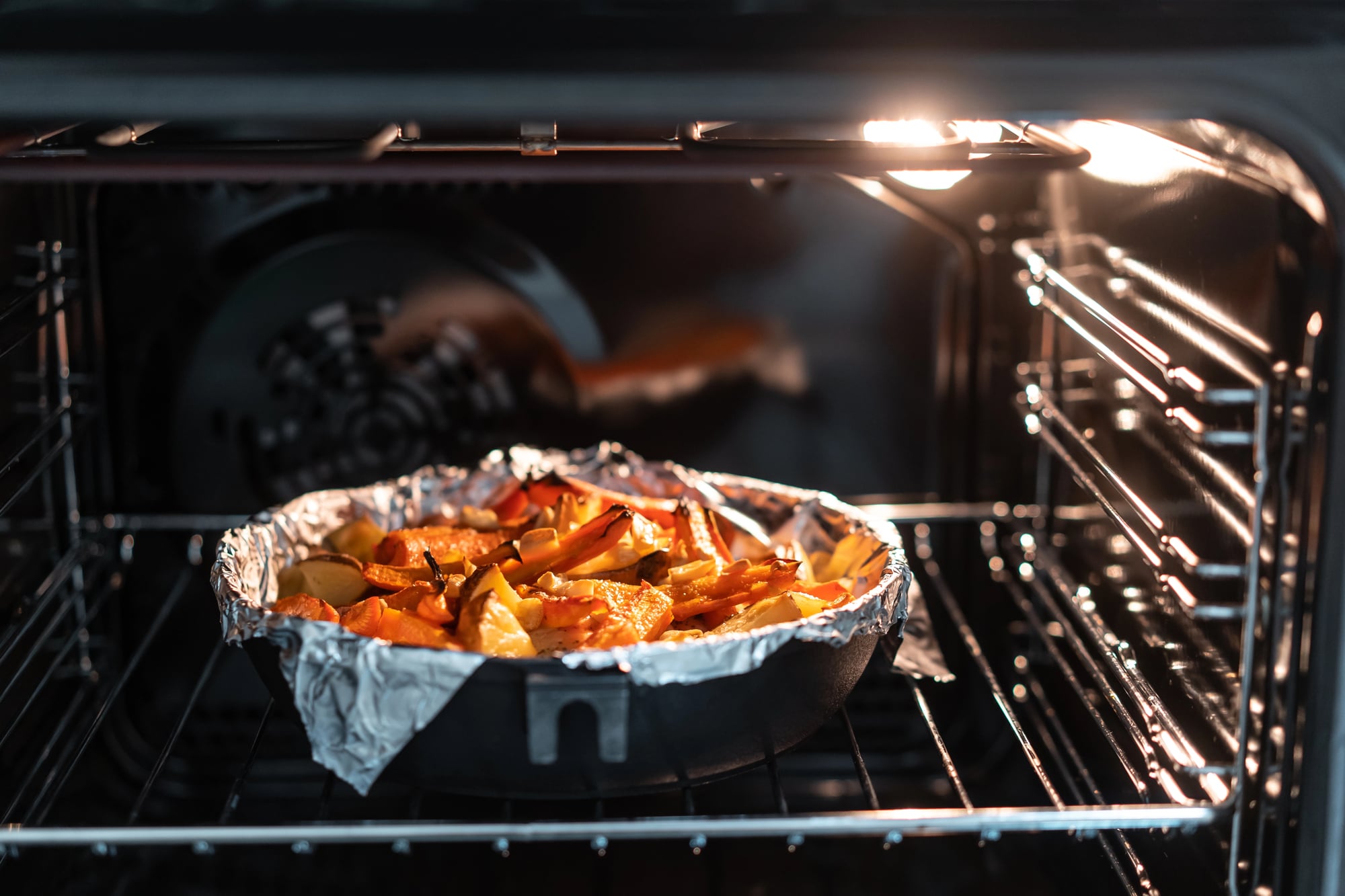
The oven method was faster but required attention: towels wrapped in foil and heated at 200°F for just a few minutes.
Both methods produced evenly warmed towels without the hot spots that microwaves create.
Made Instant Coffee With Kettle Water
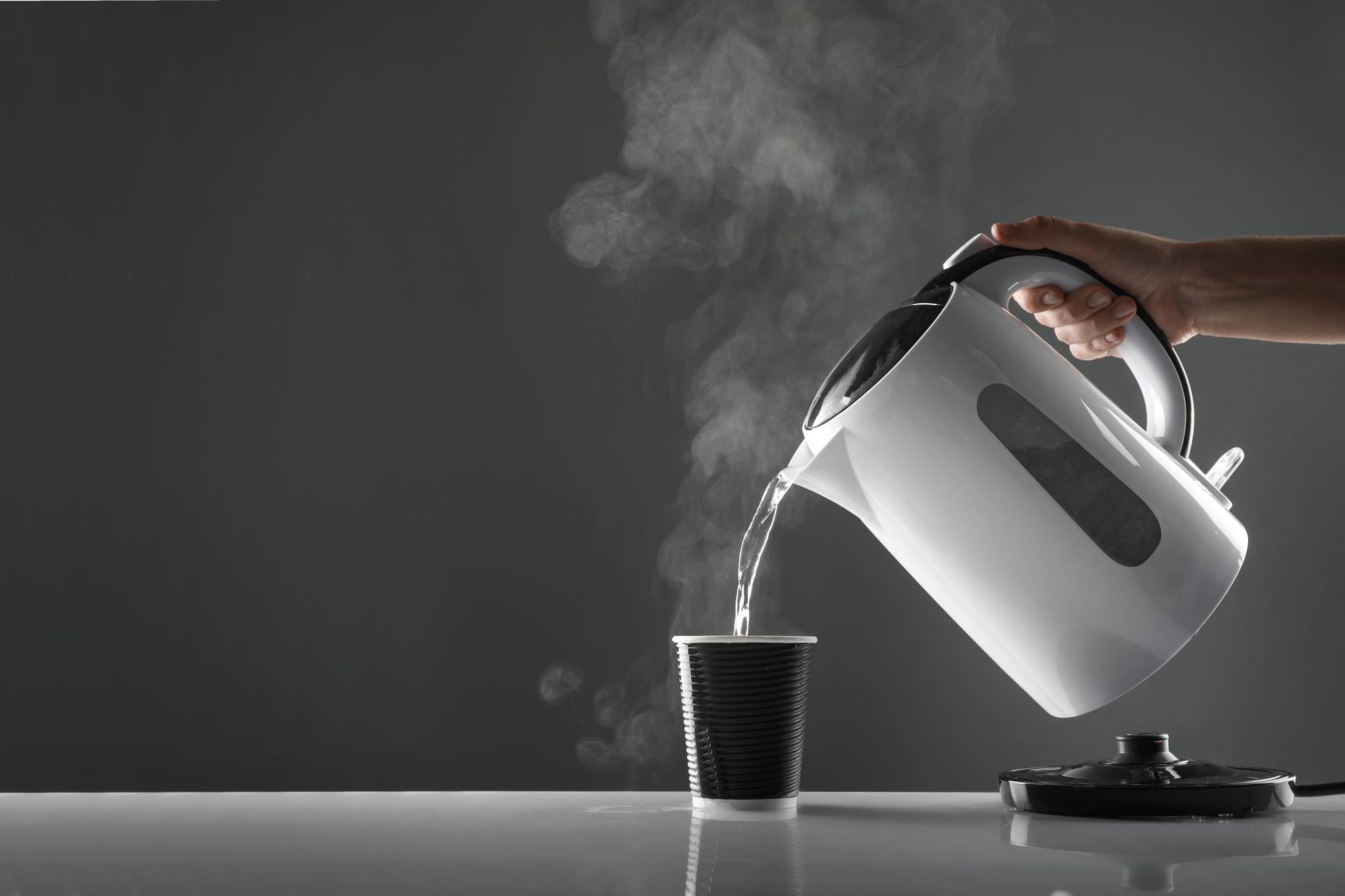
Even instant coffee got proper treatment. Water went into the kettle, kettle went on the stove, and you waited for the whistle or watched for steam.
The water reached a full, rolling boil — actually hot, not the lukewarm result of 30 seconds in a microwave. Coffee granules dissolved completely in properly heated water, creating a better cup even from inferior ingredients.
The kettle also meant you could make tea, hot chocolate, or instant oatmeal without multiple trips to heat individual cups.
Crisped Crackers And Chips In The Oven
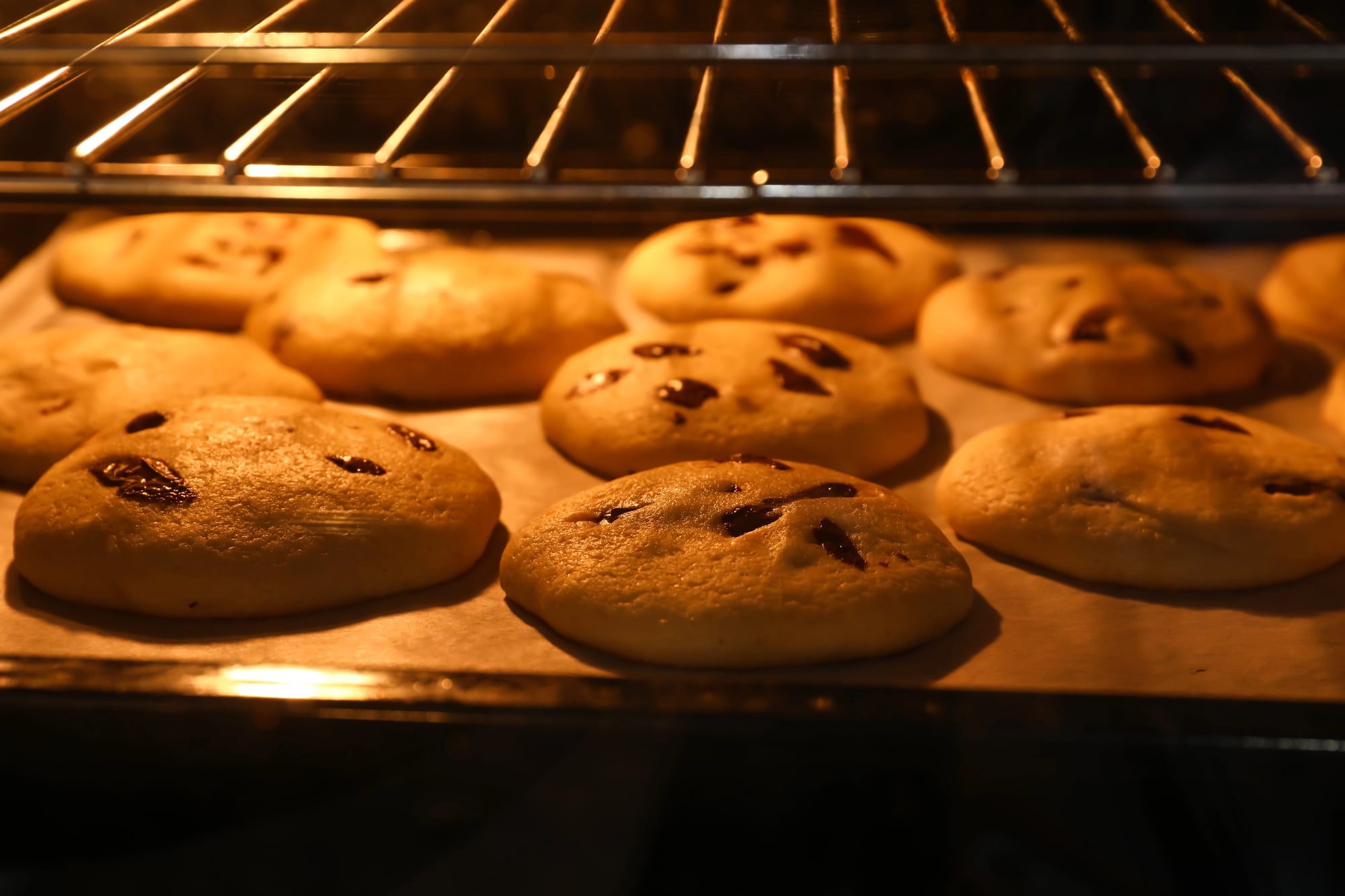
Humidity was the enemy of crispy foods, but the oven was the antidote. Stale crackers, soggy chips, or cereal that had lost its crunch went onto a baking sheet and into a 200°F oven for five to ten minutes.
The dry heat drove off moisture and restored texture without browning or burning. Crackers regained their snap.
Chips became crispy again rather than chewy.
The technique worked because it addressed the root cause of staleness: absorbed moisture from the air.
When Timing Mattered More Than Speed

These weren’t just different methods for doing the same things — they were different relationships with time and food. Cooking required planning, attention, and patience.
You couldn’t decide you wanted hot food and have it thirty seconds later. But the results were often better: more evenly heated, better texture, superior flavor.
The microwave solved problems that people didn’t necessarily know they had, trading quality for convenience in ways that seemed reasonable at the time but now look more complicated. Sometimes the old way was just the better way, even if it took longer.
More from Go2Tutors!

- The Romanov Crown Jewels and Their Tragic Fate
- 13 Historical Mysteries That Science Still Can’t Solve
- Famous Hoaxes That Fooled the World for Years
- 15 Child Stars with Tragic Adult Lives
- 16 Famous Jewelry Pieces in History
Like Go2Tutors’s content? Follow us on MSN.