16 Food Myths That Science Has Destroyed
Food advice gets passed down through generations like family heirlooms — some valuable, others completely worthless. Your grandmother’s kitchen wisdom might have served her well, though modern nutritional science has systematically debunked many long-held beliefs about what we eat and drink.
Researchers have spent decades studying everything from carbohydrates to vitamins, overturning conventional wisdom that shaped dietary habits for centuries. Here is a list of 16 food myths that science has completely destroyed.
Eggs Raise Your Cholesterol

The cholesterol panic surrounding eggs dominated nutritional advice for decades — yet research shows dietary cholesterol has minimal impact on blood cholesterol levels for most people. Your liver produces about 75% of the cholesterol in your body, adjusting production based on what you consume.
Multiple large-scale studies have found no significant link between moderate egg consumption and heart disease risk. Eggs actually provide high-quality protein along with essential nutrients like choline and vitamin D.
Carbs Make You Fat

Carbohydrates themselves don’t cause weight gain — excess calories do, regardless of their source. Many of the world’s healthiest populations consume high-carb diets rich in rice, potatoes, and other starches while maintaining low obesity rates.
The problem isn’t carbs but rather highly processed foods that combine refined carbs with excessive fats and sugars. Complex carbohydrates from whole foods provide sustained energy while supporting healthy metabolism.
Like Go2Tutors’s content? Follow us on MSN.
Fat-Free Foods Are Healthier
When manufacturers remove fat from processed foods, they typically replace it with sugar, artificial sweeteners, or chemical additives to maintain flavor. Many fat-free products actually contain more calories than their full-fat counterparts due to added sugars.
Healthy fats are essential for nutrient absorption, hormone production, and cellular function — your body needs them to operate properly. Research consistently shows that moderate consumption of healthy fats supports weight management better than avoiding fats entirely.
You Need Eight Glasses of Water Daily

This arbitrary recommendation has no solid scientific foundation, despite appearing in countless health articles. Water needs vary dramatically based on activity level, climate, body size, and overall health status.
Most people get adequate hydration from various beverages and food sources — fruits and vegetables contain substantial water content. The Institute of Medicine suggests letting thirst guide fluid intake rather than forcing down a specific number of glasses.
Microwaving Destroys Nutrients

Microwave cooking actually preserves nutrients better than many traditional cooking methods because it uses less water and shorter cooking times. Steaming vegetables in the microwave retains more vitamins than boiling them on the stovetop — where nutrients leach into the cooking water.
Any cooking method that uses heat will reduce some nutrient content, yet microwaving typically causes less nutrient loss than conventional techniques. The key factor is minimizing cooking time and water exposure rather than avoiding microwaves.
Like Go2Tutors’s content? Follow us on MSN.
Organic Food Is Always More Nutritious
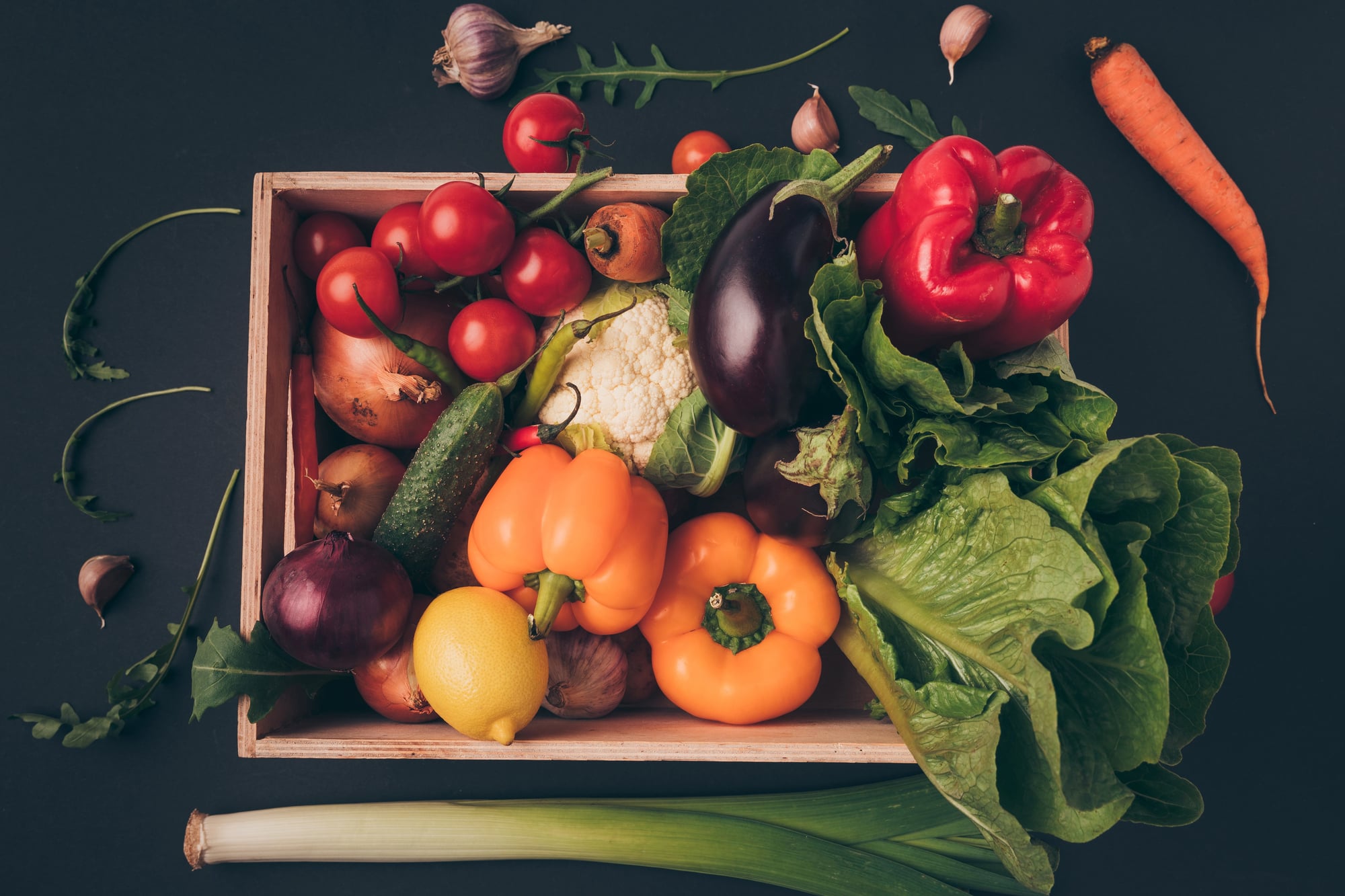
While organic farming practices offer environmental benefits, they don’t automatically create more nutritious produce. Numerous studies comparing organic and conventional foods show minimal differences in vitamin and mineral content — soil quality and freshness matter more than growing methods.
Organic foods do contain fewer pesticide residues, which some people prefer for health reasons. The nutritional difference between a fresh conventional apple and a week-old organic one heavily favors the conventional fruit.
MSG Causes Headaches
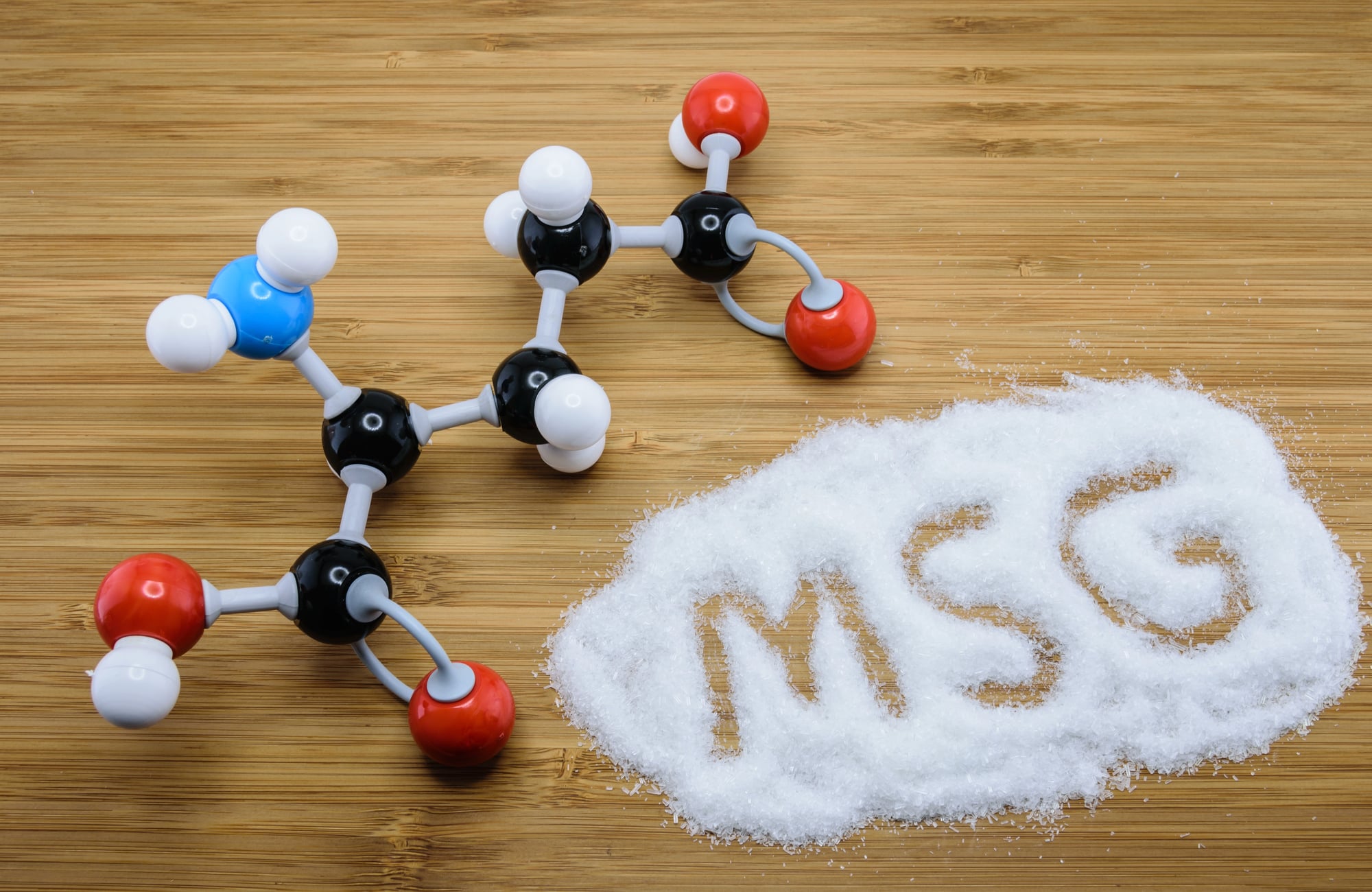
Decades of research have failed to establish a consistent link between monosodium glutamate and headaches or other adverse reactions. MSG occurs naturally in many foods including tomatoes, cheese, and mushrooms — your body can’t distinguish between natural and added glutamate.
Double-blind studies where participants don’t know whether they’re consuming MSG show no significant difference in symptoms. The persistent belief in ‘Chinese Restaurant Syndrome’ appears to be more psychological than physiological.
Fresh Vegetables Are Always Better Than Frozen

Frozen vegetables are often more nutritious than fresh ones because they’re processed at peak ripeness — while fresh produce may spend weeks traveling and sitting in storage. The freezing process locks in nutrients that would otherwise degrade during transport and storage.
Many frozen vegetables contain higher levels of vitamins than their fresh counterparts found in typical grocery stores. The exception is local, seasonal produce that travels minimal distances from farm to table.
Like Go2Tutors’s content? Follow us on MSN.
Breakfast Is the Most Important Meal

This claim originated from marketing campaigns rather than nutritional science — cereal companies popularized the phrase to sell their products. Research shows that meal timing matters less than overall daily nutrition and caloric intake.
Some people thrive on intermittent fasting protocols that skip breakfast entirely, while others perform better with morning meals. The ‘most important meal’ designation lacks scientific support and ignores individual metabolic differences.
Salt Causes High Blood Pressure in Everyone

Salt sensitivity varies significantly among individuals — while some people experience blood pressure increases from sodium intake, others show no response. Genetics, kidney function, and overall health status determine how your body processes sodium.
Many people with normal blood pressure can consume moderate amounts of salt without adverse effects. The blanket recommendation to minimize salt intake doesn’t account for these individual variations in sodium sensitivity.
Artificial Sweeteners Are Dangerous

Extensive safety testing has established that FDA-approved artificial sweeteners are safe for human consumption within reasonable limits. The cancer fears surrounding these products stem from studies using extremely high doses that don’t reflect typical human consumption patterns.
Regulatory agencies worldwide have reviewed the same data and reached similar conclusions about safety. For people managing diabetes or weight, artificial sweeteners can be valuable tools when used appropriately.
Like Go2Tutors’s content? Follow us on MSN.
Raw Foods Are Always Healthier

Cooking actually increases the bioavailability of many nutrients while breaking down harmful compounds in certain foods. Lycopene in tomatoes becomes more accessible after cooking, while raw spinach contains oxalates that can interfere with mineral absorption.
Some foods are definitely healthier raw, yet others provide more nutrition when cooked properly. The idea that cooking always destroys nutritional value ignores the complex chemistry of food preparation.
Gluten Is Bad for Everyone
Gluten sensitivity affects a small percentage of the population — most people can consume gluten-containing foods without any adverse effects. Celiac disease impacts roughly 1% of the population, while non-celiac gluten sensitivity may affect an additional 6%.
For the remaining 93% of people, gluten poses no health risks and whole grains provide valuable nutrients and fiber. The gluten-free trend has created a massive market despite limited medical necessity for most consumers.
Natural Sugar Is Better Than Processed Sugar

Your body processes all simple sugars similarly regardless of their source — honey, maple syrup, and table sugar all get metabolized as glucose and fructose. While natural sweeteners may contain trace amounts of minerals or antioxidants, the quantities are nutritionally insignificant.
The health halo around natural sugars can lead to overconsumption because people assume they’re healthier alternatives. Moderation matters more than the specific type of sugar consumed.
Like Go2Tutors’s content? Follow us on MSN.
Supplements Can Replace a Healthy Diet
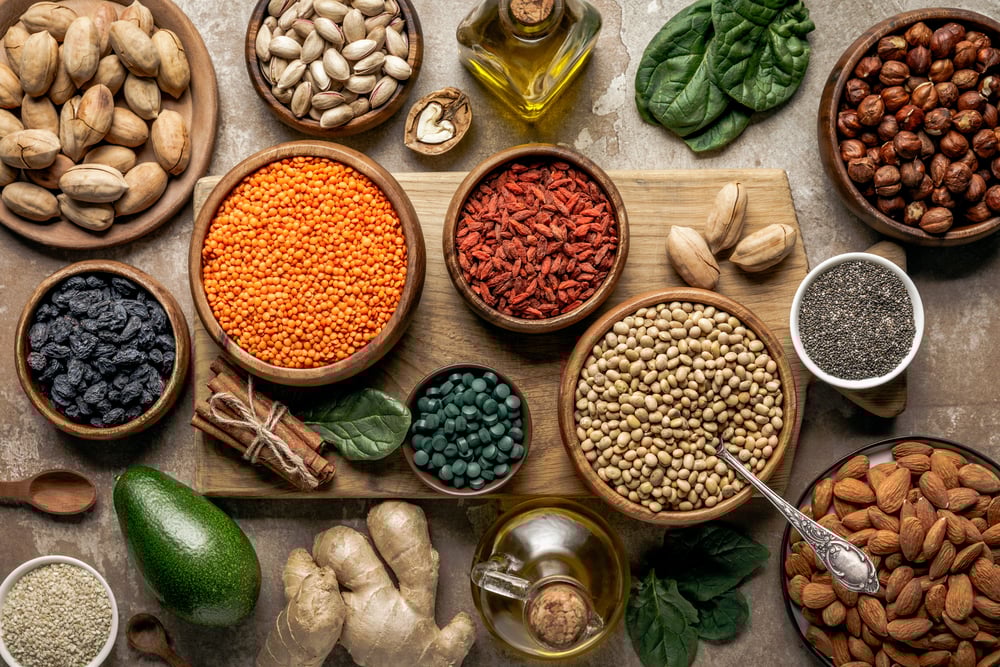
Most people with varied diets don’t need vitamin supplements — excess vitamins are either excreted or stored in potentially harmful amounts. Whole foods provide nutrients in combinations that work synergistically, while isolated supplements may not offer the same benefits.
Some nutrients actually compete for absorption, making mega-dose supplements counterproductive. The supplement industry has successfully convinced people they need products that most healthy individuals can do without.
Dairy Products Cause Inflammation
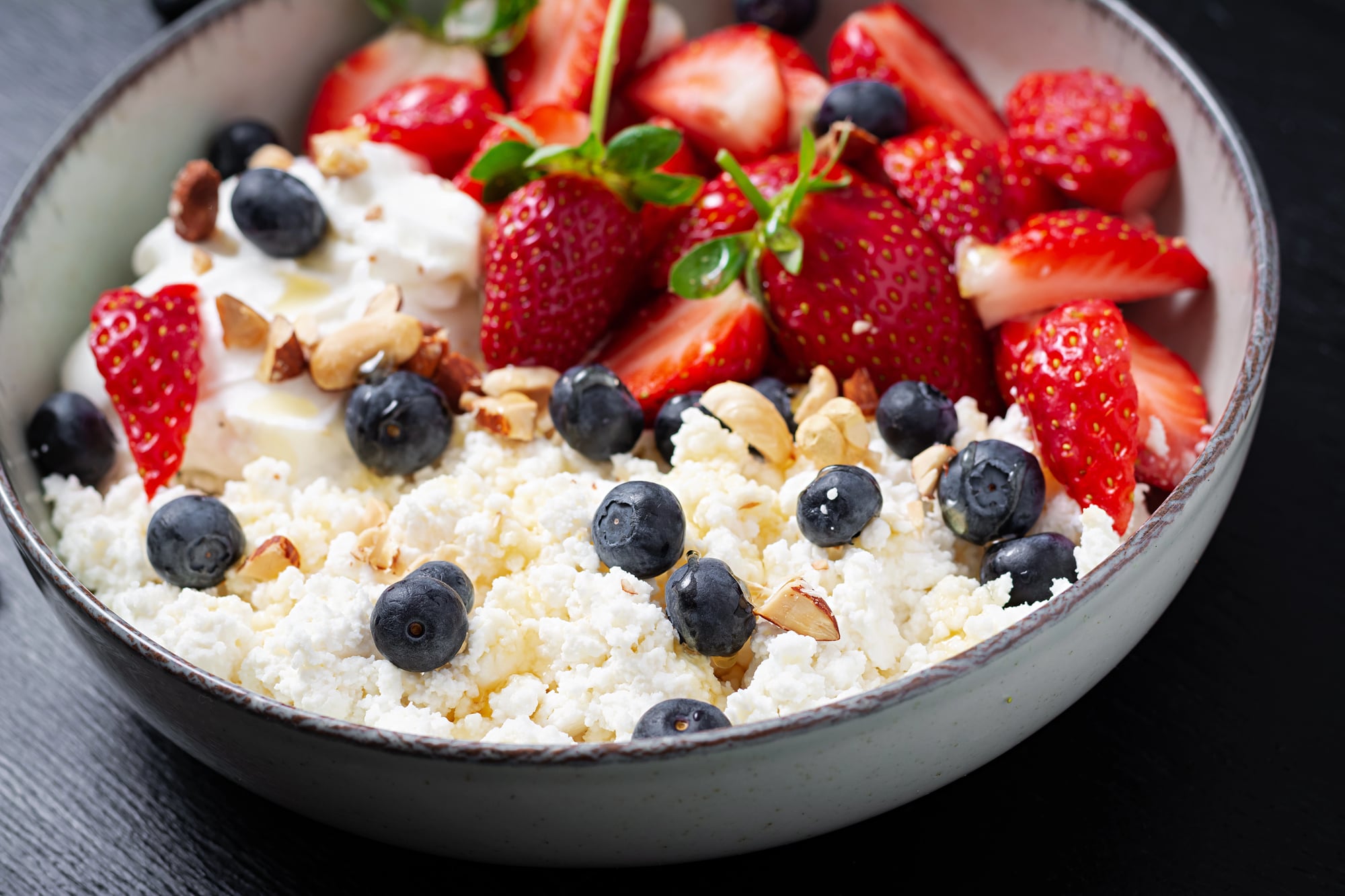
Large-scale studies haven’t found evidence that dairy consumption increases inflammatory markers in healthy individuals. Some people are lactose intolerant or allergic to milk proteins, but this doesn’t mean dairy is inherently inflammatory for everyone.
Fermented dairy products like yogurt and kefir may actually have anti-inflammatory properties due to their probiotic content. The blanket demonization of dairy ignores the fact that many populations consume dairy regularly without inflammatory issues.
Science Keeps Evolving

Nutritional science continues advancing while debunking outdated beliefs that once seemed unshakeable. What appeared obvious to previous generations often crumbles under rigorous scientific scrutiny, revealing the complexity of human nutrition.
The key lesson isn’t to distrust all food advice but rather to remain skeptical of absolute claims and extreme positions. Understanding that nutrition is highly individual helps people make informed choices based on current evidence rather than inherited myths.
Like Go2Tutors’s content? Follow us on MSN.
More from Go2Tutors!

- 16 Historical Figures Who Were Nothing Like You Think
- 12 Things Sold in the 80s That Are Now Illegal
- 15 VHS Tapes That Could Be Worth Thousands
- 17 Historical “What Ifs” That Would Have Changed Everything
- 18 TV Shows That Vanished Without a Finale
Like Go2Tutors’s content? Follow us on MSN.



