16 Forgotten Facts About the First Flight by the Wright Brothers
The story of Orville and Wilbur Wright’s first powered flight on December 17, 1903, at Kitty Hawk, North Carolina, has become an iconic moment in transportation history. While most people know the basics—two bicycle mechanics built and flew the first successful airplane—many fascinating details about this historic achievement have faded from public memory.
Here is a list of 16 forgotten facts about the Wright Brothers’ first flight that show just how remarkable their accomplishment truly was.
The Flight Lasted Just 12 Seconds
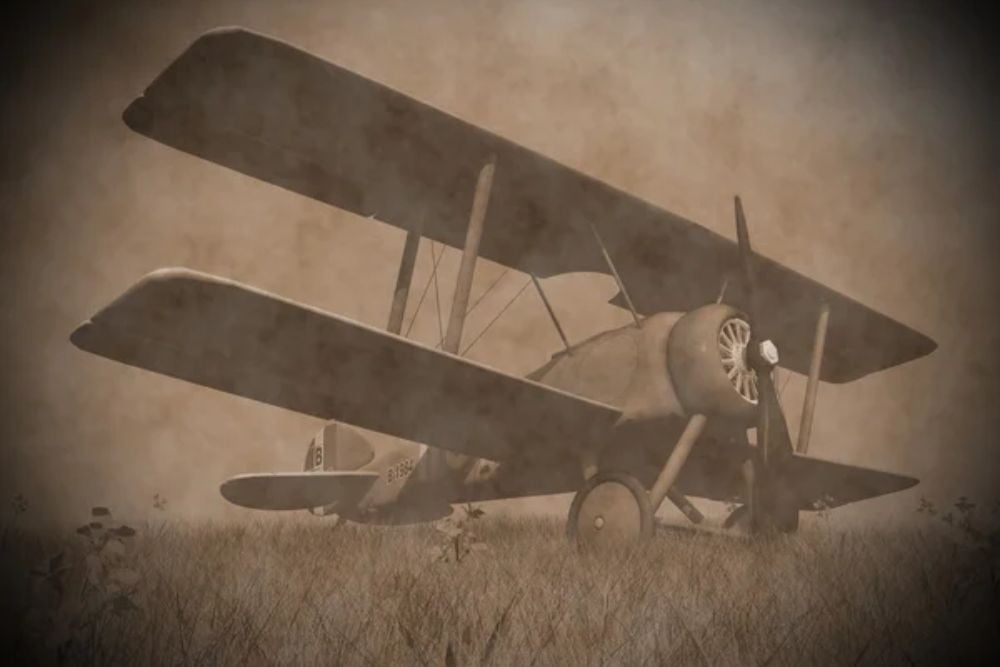
The first successful, powered flight was incredibly brief. Orville Wright piloted the Flyer for a mere 12 seconds, covering only 120 feet—less than the wingspan of a modern commercial airplane.
Despite its brevity, this short hop changed transportation forever. The Wright brothers made three more flights that day, with the longest lasting 59 seconds and covering 852 feet.
They Flipped a Coin for the First Pilot

Orville and Wilbur flipped a coin to decide who would pilot the first attempt. Wilbur won the toss and made the first attempt on December 14, but the aircraft stalled after takeoff, causing minor damage.
This initial setback meant Orville got his turn three days later, ultimately piloting what would become the historic first flight.
The Flyer Costs Less Than $1,000
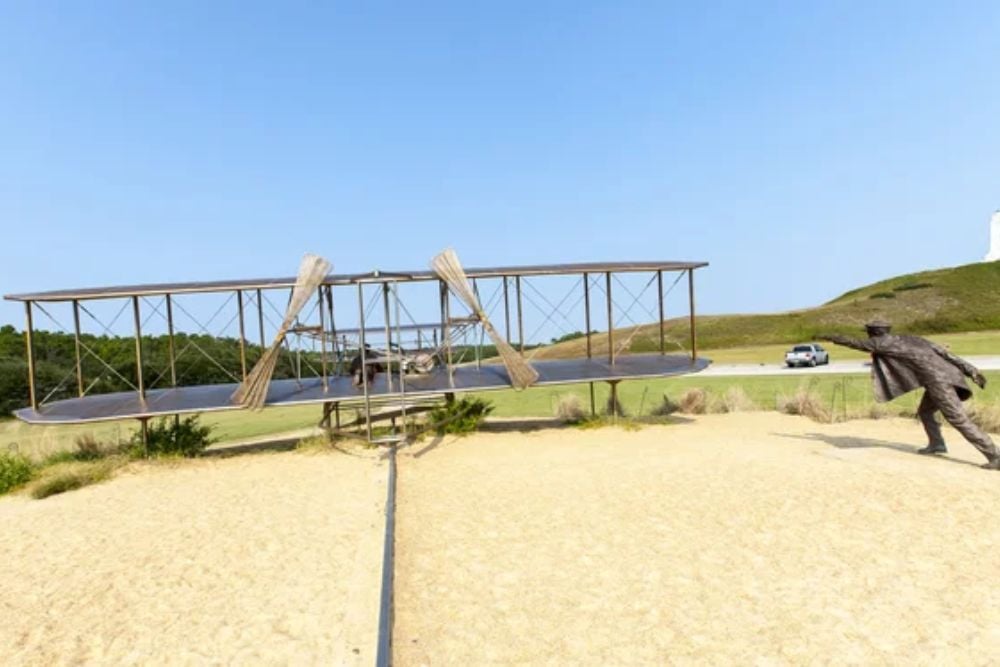
The Wright brothers built their aircraft for less than $1,000 (about $32,000 in today’s money). They created the airframe, designed and built their own engine, and crafted their propellers from scratch.
Their accomplishment demonstrates how innovation often comes from resourcefulness rather than lavish funding.
Their Engine Was Built in Six Weeks
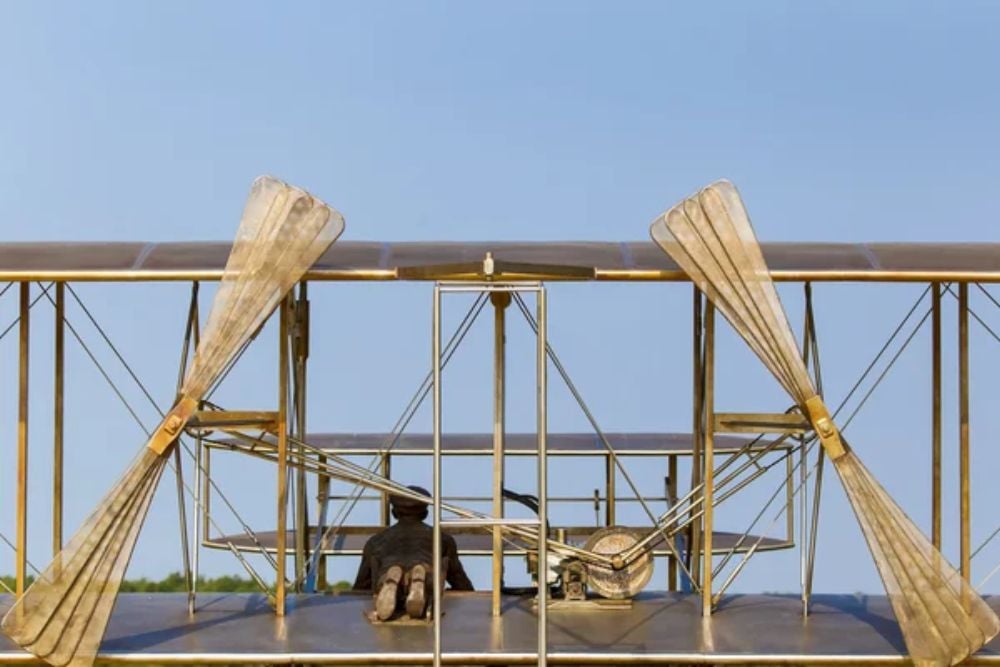
The brothers designed and built their own engine when they couldn’t find a manufacturer to meet their weight and power requirements. Their mechanic, Charlie Taylor, constructed the 12-horsepower engine in just six weeks using mostly aluminum to save weight—a material not commonly used for engines at that time.
They Couldn’t Fly in Ohio
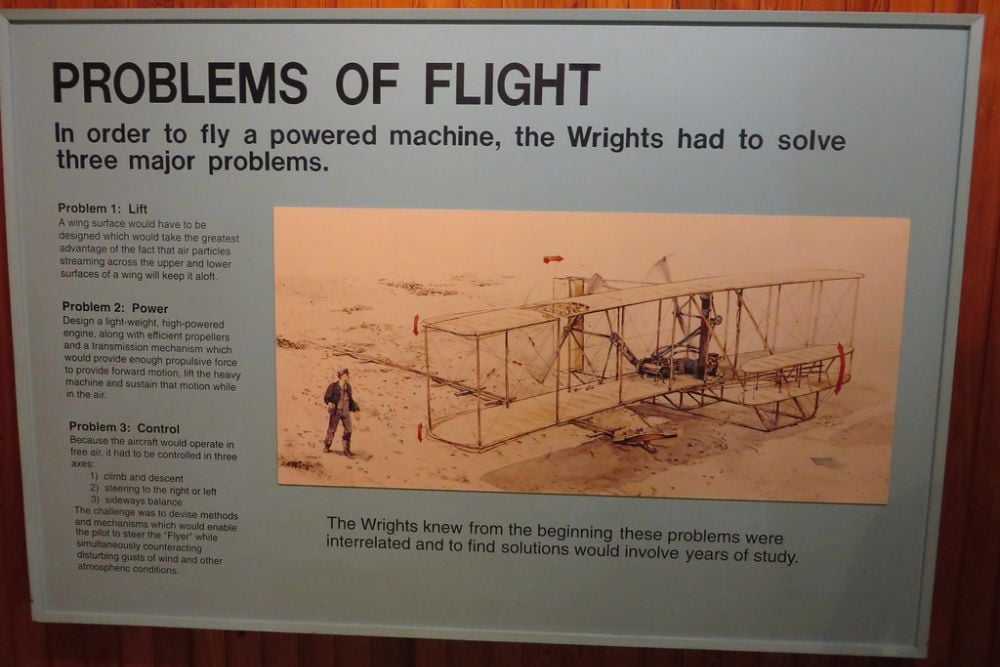
The Wright brothers lived and worked in Dayton, Ohio, but conducted their flight experiments at Kitty Hawk, North Carolina. They chose this remote location based on weather data showing consistent winds, soft sandy landing surfaces, and isolation from prying eyes.
The brothers needed privacy to protect their innovations as they weren’t wealthy enough to battle potential patent thieves.
Their Breakthrough Came From Watching Birds
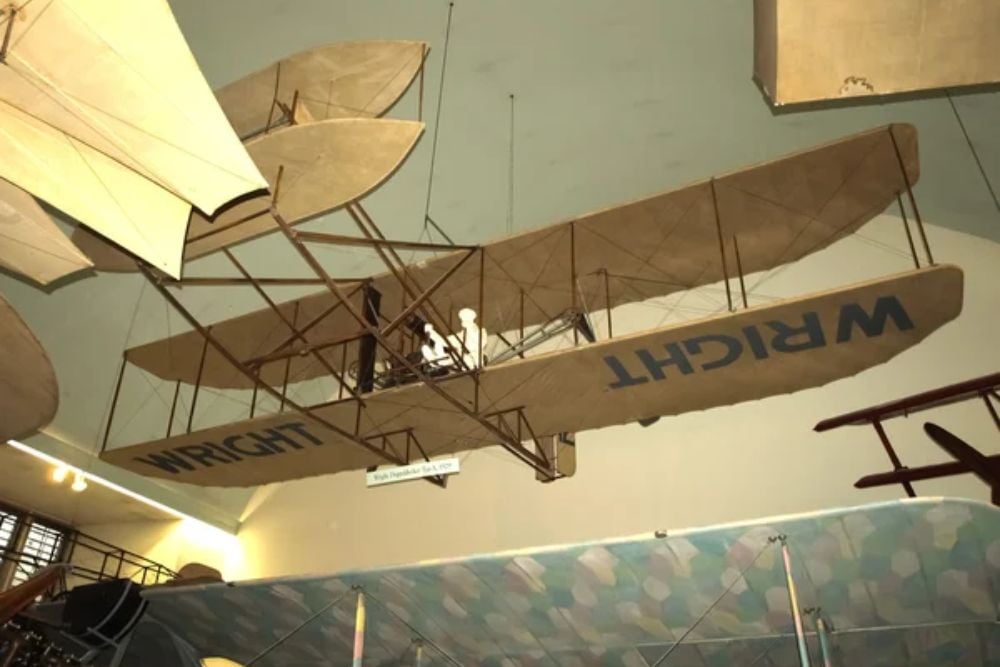
Wilbur had his critical insight while observing buzzards maintaining balance during flight. He noticed how the birds twisted their wing tips to stabilize themselves, which led to the Wrights’ development of ‘wing warping’—a method of twisting the wings to control roll.
This innovation was crucial to achieving controlled flight.
The Media Initially Ignored Their Achievement
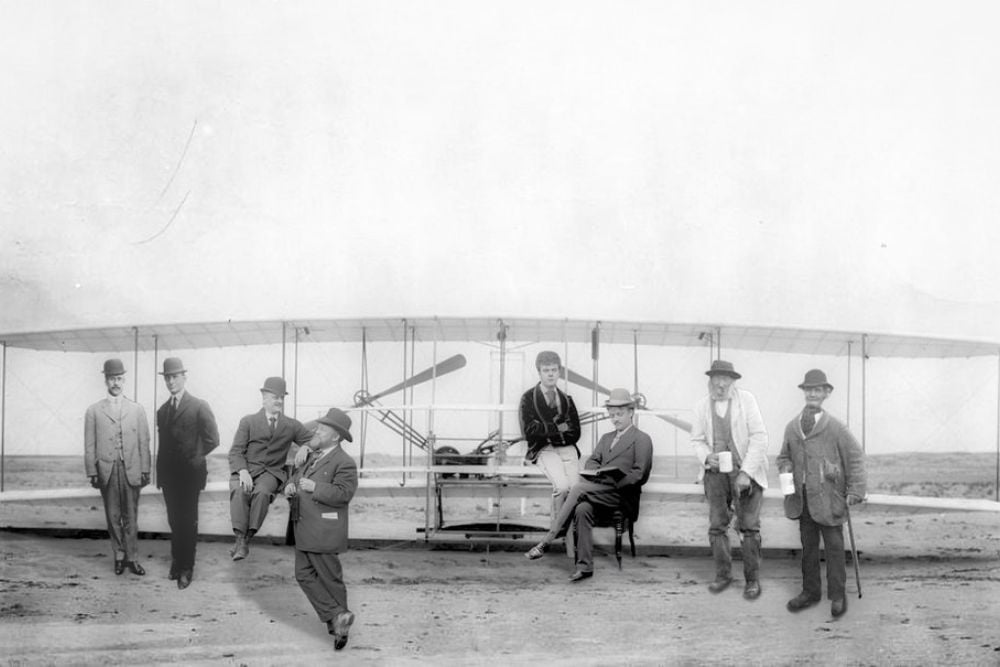
The first flight received remarkably little attention. Only five newspapers carried the story, and many accounts were inaccurate.
The brothers quietly returned to Ohio and continued their work, largely out of the spotlight. The lack of coverage stemmed partly from previous failed attempts by other aviation pioneers that made editors skeptical.
They Were Their Own Photographers
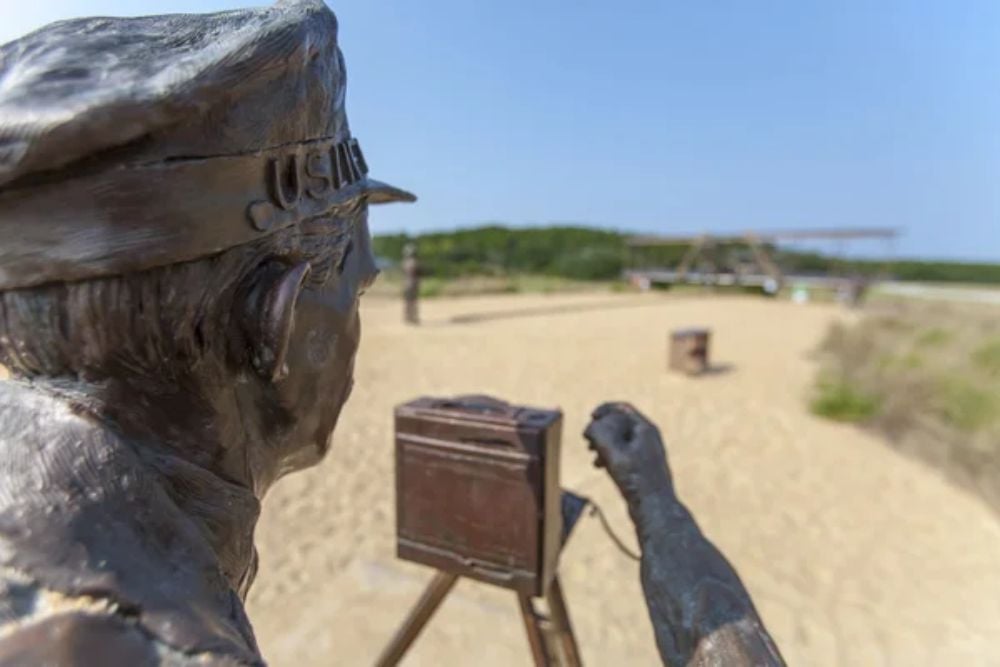
The iconic photograph of the first flight was taken using the Wrights’ own camera. They had positioned John T. Daniels, a local lifesaving station worker, by their camera and instructed him when to squeeze the bulb.
Daniels had never operated a camera before but captured one of history’s most important technological moments.
Local Weather Conditions Were Brutal

The temperature at Kitty Hawk on the morning of December 17, 1903, was approximately 37°F, with wind gusts up to 27 miles per hour. The brothers and their witnesses endured bitter cold while making aviation history. They wore suits, not specialized clothing, while conducting their experiments.
They Used Bicycle Technology
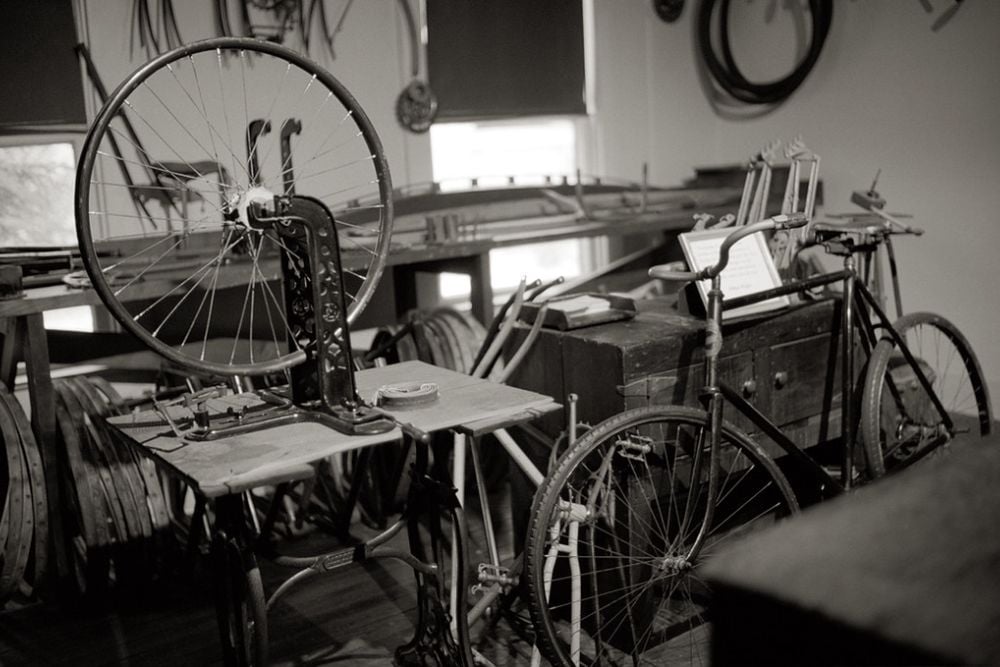
As bicycle shop owners, the brothers applied bicycle principles to aircraft design. The chain drive transmission system for the propellers was adapted from bicycle mechanics, and they even used bicycle spoke wire in the wing construction.
This cross-application of technology demonstrates their practical engineering mindset.
The First Flight Almost Didn’t Happen
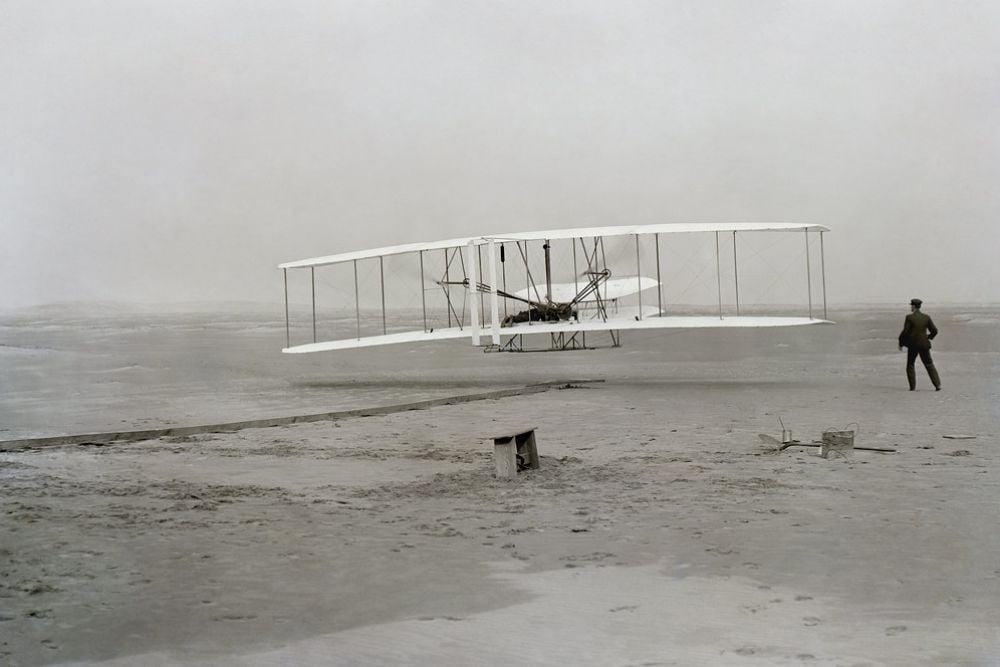
The brothers almost packed up and went back to Ohio without trying the historic flight. Following months of disappointment and a failed December 14 flight, they thought about waiting until the next year.
Before going home for Christmas, they chose to attempt once more, thus altering history forever.
They Designed Their Own Wind Tunnel
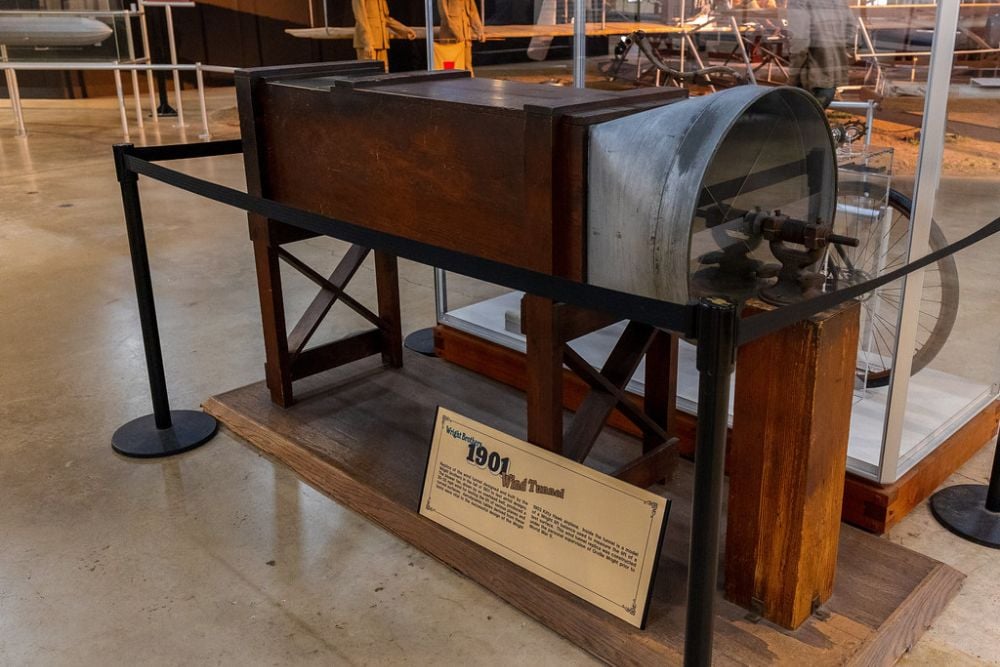
By constructing a wind tunnel to test more than 200 wing forms, the Wright brothers gathered vital aerodynamic data that had not existed before. Their meticulous testing strategy distinguished them from other aircraft pioneers.
Their exceptionally accurate lift and drag coefficient measurements would be useful for decades.
The Military Initially Rejected Their Invention
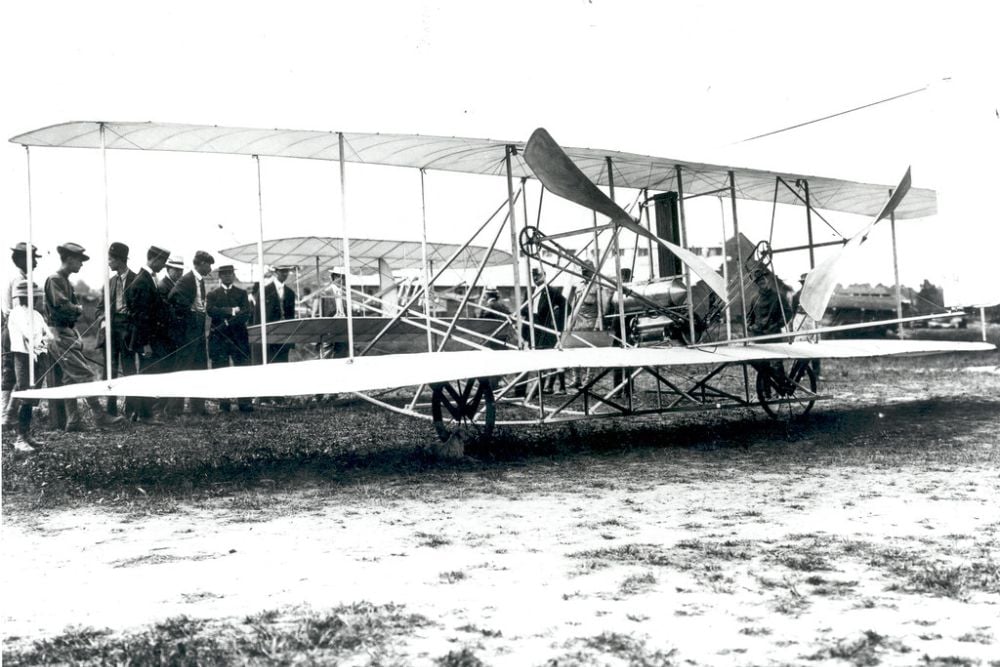
The U.S. War Department turned down the Wright brothers’ offer of their aircraft multiple times between 1905 and 1908. The military initially showed little interest in what would later become one of the most important military technologies of the 20th century.
European nations recognized the potential more quickly.
No North Carolina Residents Witnessed the First Flight
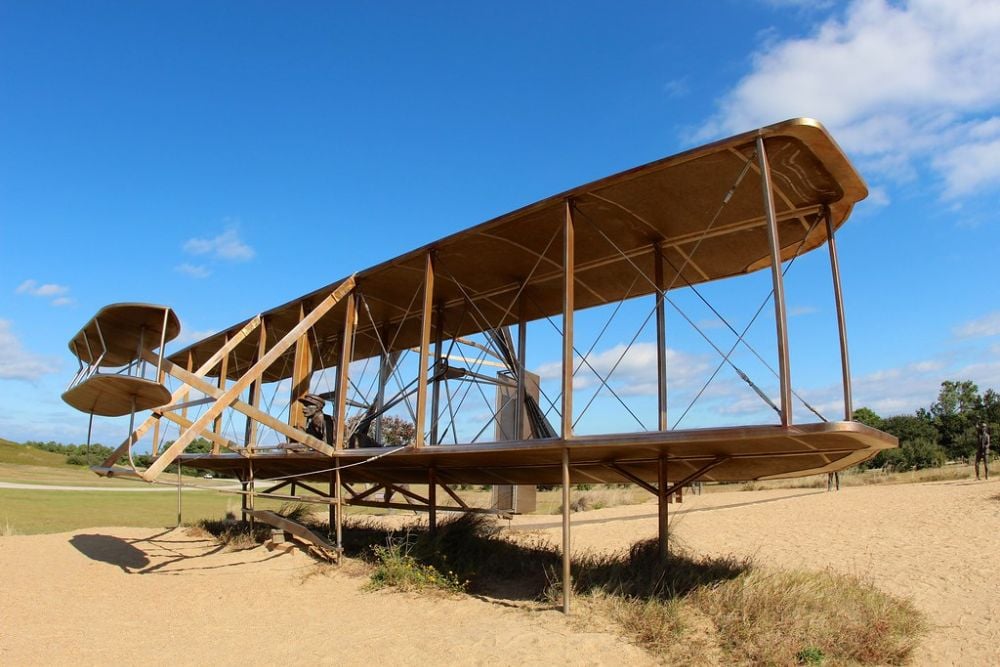
Though the flight occurred at Kitty Hawk, North Carolina, none of the five witnesses were local residents. The witnesses included three members of the coastal lifesaving station, a businessman from Manteo, and a boy from the village.
This has fueled the ongoing debate between Ohio and North Carolina about which state deserves more credit for the achievement.
They Calculated Flight Time With a Stopwatch
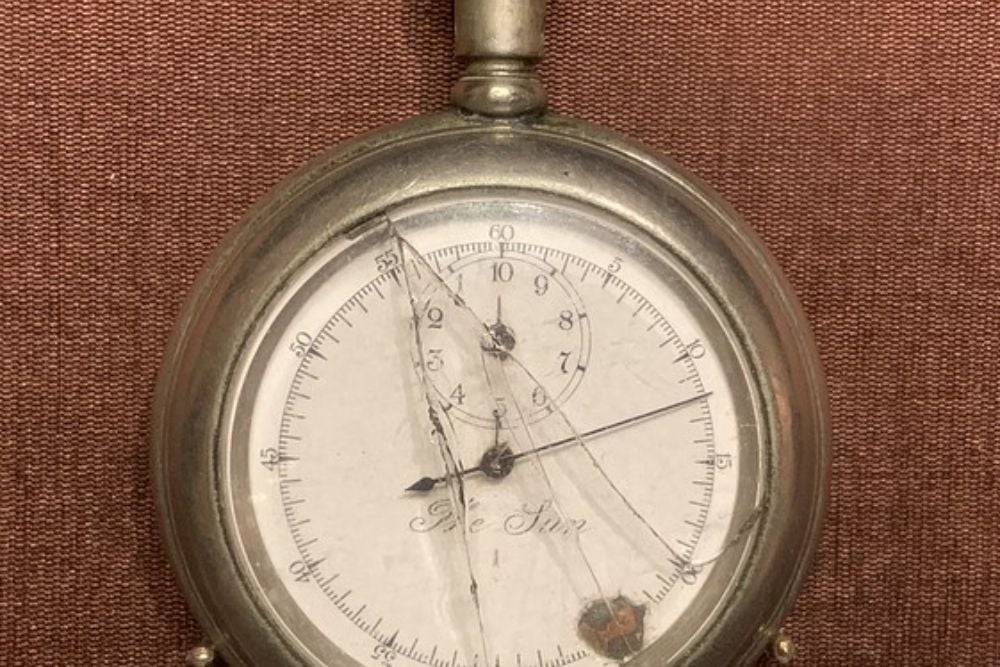
The duration of the flights was measured using a simple stopwatch. Orville Wright carried it in his pocket during the first flight before handing timing duties to an assistant for subsequent attempts.
Their methodical documentation of their work helps explain how they succeeded where others failed.
Neither Brother Had a College Education

Without official engineering knowledge, Wilbur and Orville Wright accomplished their breakthrough. Though neither brother graduated from high school, they methodically addressed difficult aeronautical issues.
Their success shows how occasionally practical experience, will, and methodical problem-solving can do what formal education by itself could not.
Legacy of Innovation
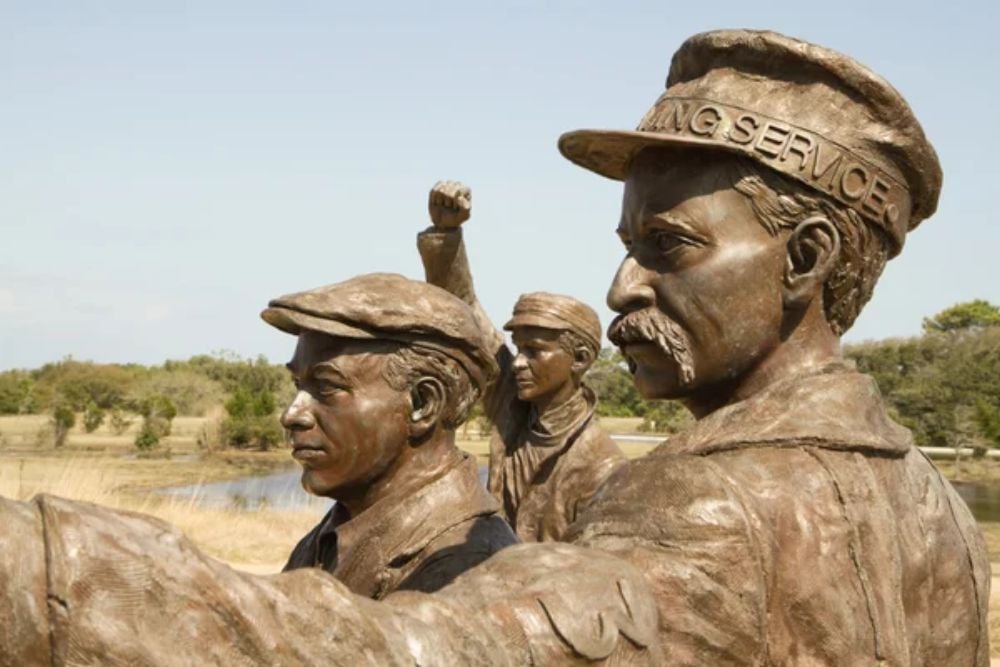
The method of the Wright brothers in addressing flight issues is still as educational as their technological accomplishments. By means of meticulous observation, thorough testing, and learning from mistakes, they triumphed.
Their systematic approach to invention built not only the first aircraft but also the foundation for how controlled, powered flight would evolve over the next century.
More from Go2Tutors!

- The Romanov Crown Jewels and Their Tragic Fate
- 13 Historical Mysteries That Science Still Can’t Solve
- Famous Hoaxes That Fooled the World for Years
- 15 Child Stars with Tragic Adult Lives
- 16 Famous Jewelry Pieces in History
Like Go2Tutors’s content? Follow us on MSN.