16 Historic Events That Shaped Cincinnati

Cincinnati wasn't built in a day. This Queen City of the Midwest has been molded by centuries of wild moments, from rough frontier times to sleek urban makeovers. The city we see today, with its steep hills, quirky neighborhoods, and stubborn character, comes from tons of decisions, disasters, wins, and weird turns.
From early camps along the Ohio River to becoming a factory giant, Cincinnati's story reads like a crazy adventure book packed with odd characters and surprise endings. Here is a list of 16 historic events that basically made Cincinnati what it is today.
Fort Washington Gets Built
General Josiah Harmar planted Fort Washington in 1789 where the Ohio and Licking rivers meet, which became Cincinnati's starting point. This army camp launched attacks against Native tribes and kept early settlers safe when they were gutsy enough to try wilderness life. The spot was perfect for river traffic and trading, which set up Cincinnati's future as a transportation hotspot.
Downtown Burns Down

Cincinnati's business district got torched on March 28, 1884, when a huge fire ate through over 100 buildings. The mess started in a furniture shop and spread fast because of crazy winds and too much wood construction. The fire sucked at the time, but it made Cincinnati rebuild with tough brick and stone, creating the pretty historic buildings downtown has now.
Germans Take Over

German immigrants poured into Cincinnati between 1830 and 1860, so many that folks called it "Porkopolis of the West" partly thanks to German butchers and brewers. These hardworking newcomers brought brewing skills that created famous breweries like Christian Moerlein and Hudepohl. German culture changed Cincinnati forever—you can still see it in Over-the-Rhine, which has the biggest collection of fancy Italian-style buildings in America.
Steamboats Rule the River

The first steamboat, the New Orleans, showed up in 1811 and turned Cincinnati into the "Gateway to the South." By the 1850s, Cincinnati had become America's third-biggest city, mostly because it was such a major steamboat port. These paddle-wheelers hauled everything from pork and whiskey south to New Orleans, then brought back cotton, sugar, and fancy stuff, making Cincinnati rich and worldly.
Canal Connects Everything

The Miami and Erie Canal opened in 1827, linking Cincinnati to Dayton and eventually Toledo, creating an economic highway that boosted trade like crazy. This 274-mile waterway let goods flow from the Great Lakes to the Ohio River without expensive land routes. Cincinnati became a key piece of this transportation puzzle, and the canal brought so much money that the city's population doubled in ten years.
Underground Railroad Hides Runaway Slaves

Cincinnati's spot right across the Ohio River from slave states made it a crucial Underground Railroad stop, with brave folks like Levi Coffin helping thousands of enslaved people escape to freedom. The city's free Black community, mostly in neighborhoods like Bucktown, provided essential help networks. Harriet Beecher Stowe lived in Cincinnati and used these experiences to write "Uncle Tom's Cabin," which became one of the most powerful anti-slavery books ever.
Music Hall Goes Up
Building Music Hall in 1878 made Cincinnati a serious culture spot and gave the city one of its most famous landmarks. Built for the May Festival and designed to compete with European concert venues, this Gothic Revival masterpiece became home to the Cincinnati Symphony Orchestra. Music Hall's construction marked Cincinnati's shift from a rough frontier town to a classy culture center that could attract world-class performers.
Procter & Gamble Starts Up

When William Procter and James Gamble teamed up in 1837, they created what became one of America's most successful companies right in Cincinnati. Starting with basic soap and candle making, P&G grew into a global giant that pioneered mass marketing and brand management. The company's success brought thousands of jobs and made Cincinnati a major corporate headquarters city, which still matters today.
The River Goes Nuts
The Ohio River hit a record 80 feet in January 1937, flooding huge chunks of Cincinnati and forcing over 100,000 people to leave their homes. The disaster was so bad that the city looked like a giant lake, with only building tops showing in some spots. The flood sucked, but it led to modern flood controls and city planning that protected Cincinnati from future disasters, changing how the city handled riverside development.
Crosley Field Opens
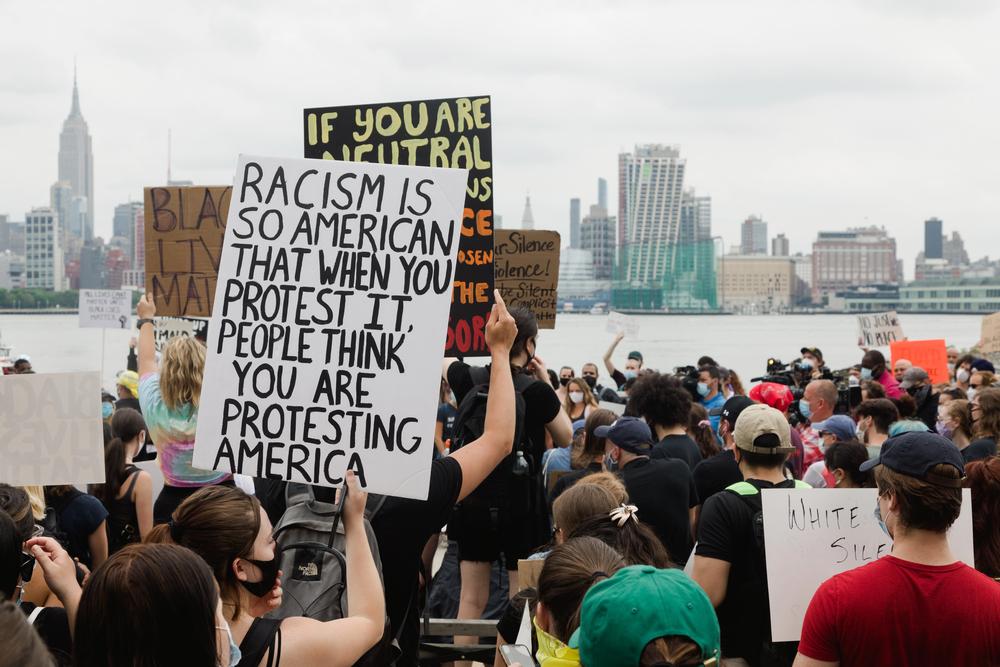
Crosley Field opened in 1912, giving Cincinnati a real home for professional athletics and helping build the city's deep sports culture. This cozy venue hosted the Cincinnati Reds through their best years, including the Big Red Machine of the 1970s. Crosley got replaced by Riverfront Stadium eventually, but those decades of America's pastime created traditions and city pride that still define Cincinnati today.
Riots Hit After King Dies
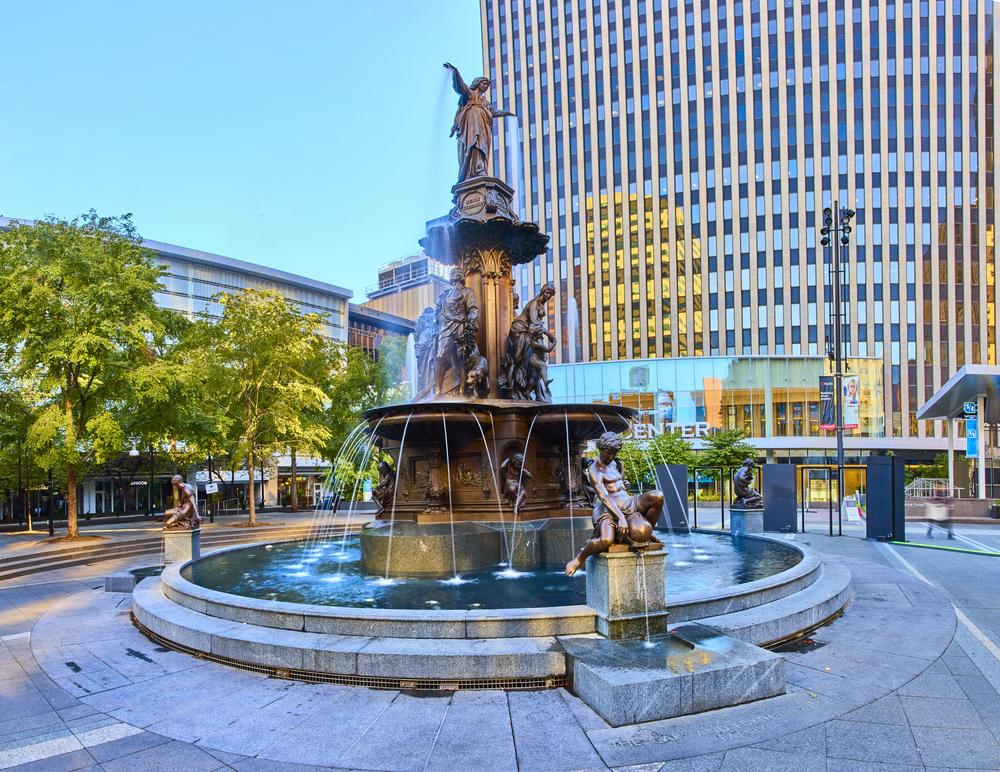
After Martin Luther King Jr. got assassinated, Cincinnati had serious riots that showed deep racial problems and started important talks about equality and justice. The riots hurt, but they made the city face systemic issues and eventually led to better community relations and civil rights progress. This tough period helped Cincinnati develop more inclusive policies and stronger connections between different communities.
Fountain Square Gets Its Fountain

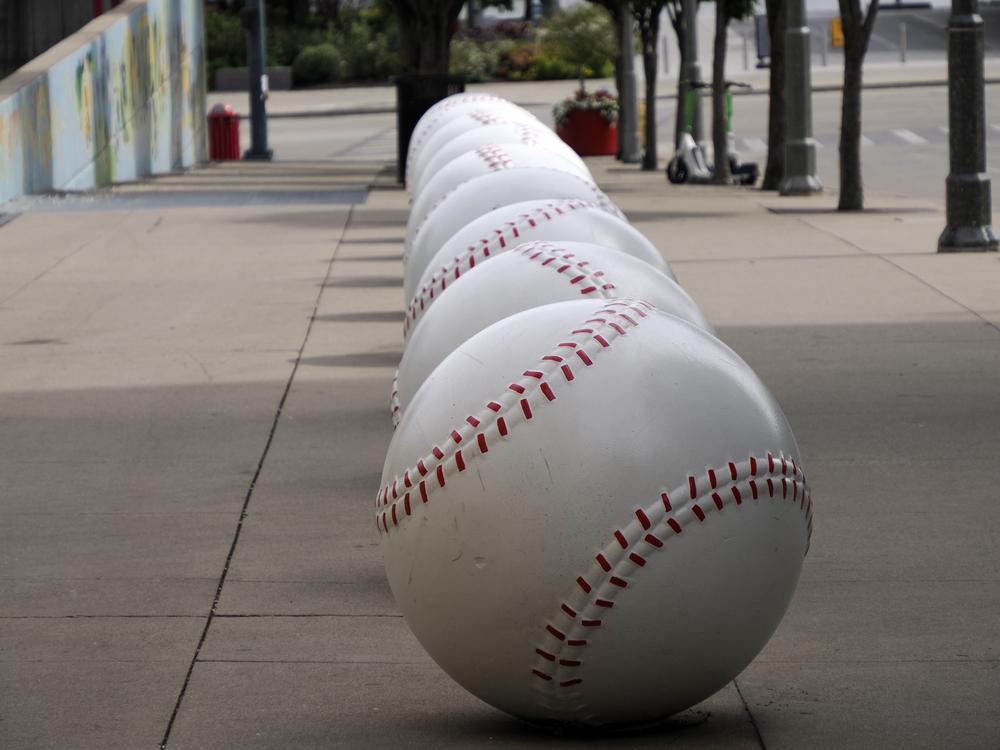
Building Fountain Square in 1871, centered around the famous Tyler Davidson Fountain, created Cincinnati's unofficial town square and hangout spot. This gorgeous bronze fountain, showing the "Genius of Water," became the city's most recognized symbol and a meeting point for generations of locals. The square has hosted everything from political rallies to concerts, serving as downtown's heart for over 150 years.
Riverfront Stadium Replaces Crosley

Riverfront Stadium opened in 1970, showing Cincinnati's embrace of modern sports facilities and urban renewal, replacing the loved but aging Crosley Field. This concrete bowl housed both the Reds and the Bengals, hosting World Series championships and creating new traditions. People later criticized it for looking generic, but Riverfront Stadium showed Cincinnati's commitment to major league sports and downtown development during a key time.
Over-the-Rhine Gets Saved
The grassroots fight to save Over-the-Rhine from demolition in the 1980s and 1990s preserved one of America's most important historic neighborhoods from the wrecking crew. Community activists and preservationists fought to protect these gorgeous 19th-century buildings when many cities were tearing down similar architecture. Their success created a model for historic preservation and set up Over-the-Rhine's current comeback as a trendy dining and entertainment district.
Great American Venue Opens

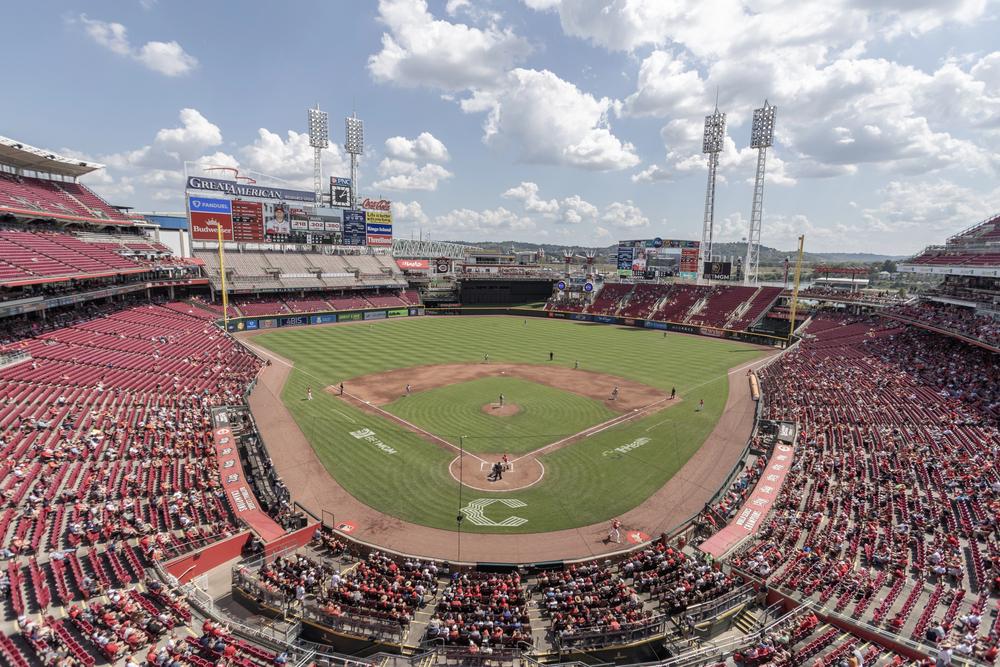
The opening of the Great American venue in 2003 brought the sport back to Cincinnati's riverfront and created a more intimate, fan-friendly experience than its predecessor. Designed to echo Cincinnati's architectural heritage while offering modern amenities, the facility helped revitalize the downtown riverfront area. The venue's success sparked additional development and showed how thoughtful sports facility design could enhance rather than isolate urban neighborhoods.
Banks Development Transforms Riverfront
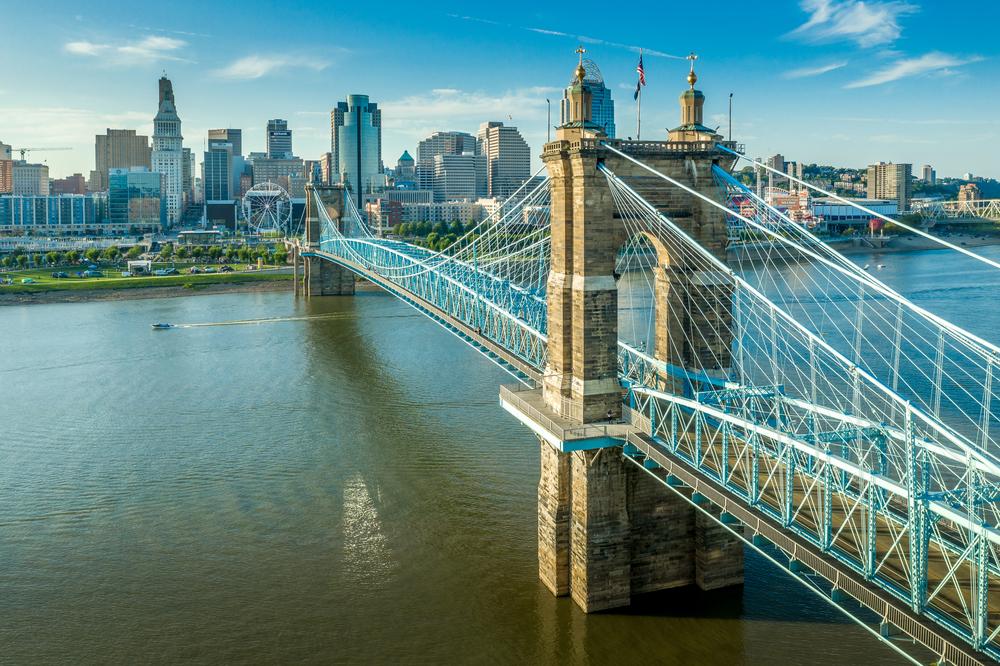
The Banks development finished between 2009 and 2019, turning Cincinnati's riverfront from an industrial wasteland into a vibrant mixed-use neighborhood. This massive project connected downtown to the river for the first time in decades, creating restaurants, apartments, and public spaces where parking lots used to sit. The Banks represents Cincinnati's modern approach to urban development—respecting history while creating spaces for contemporary city life.
More from Go2Tutors!

- 16 Historical Figures Who Were Nothing Like You Think
- 12 Things Sold in the 80s That Are Now Illegal
- 15 VHS Tapes That Could Be Worth Thousands
Like Go2Tutors’ content? Follow us on MSN.