Cold War Gadgets That Look Fake
The Cold War pushed espionage technology into territory that sounds like pure fiction. Intelligence agencies on both sides spent fortunes developing devices their enemies would dismiss as impossible. Many of these gadgets sat in museums for decades before documents confirmed they actually worked in the field.
You can find these objects in spy museums now, sitting behind glass with their own placard. But the first time you see them, your brain refuses to accept they’re real.
The Lipstick Pistol

The KGB lipstick gun measured just over two inches long and fired a single 4.5mm cartridge. Agents carried it disguised as a regular cosmetic tube. The mechanism was simple but effective—twist, point, and fire.
Soviet agents reportedly used these in the field during the 1960s. The CIA recovered one and displayed it as evidence of how far their adversaries would go to hide weapons in plain sight.
Pigeon-Mounted Cameras

The CIA strapped tiny cameras to pigeons and released them over Soviet installations. The birds flew their normal routes while the cameras clicked away automatically. The whole system weighed less than an ounce.
This program ran for several years before satellite technology made it obsolete. The birds never knew they were spies, which probably made them the most reliable operatives in the agency.
The Thing

A carved wooden replica of the Great Seal of the United States hung in the U.S. Ambassador’s Moscow residence for seven years. Inside it sat The Thing, a passive listening device that required no battery or power source. Soviet agents activated it remotely using radio waves.
The bug transmitted every conversation in the room from 1945 to 1952. American security teams swept for electronic devices repeatedly but found nothing because the device only became active when triggered from outside.
Radioactive Powder

The KGB developed radioactive tracking dust that agents could dust onto a target’s clothing or shoes. The substance emitted radiation detectable by special sensors, letting agents track someone’s movements throughout a city for weeks.
One known case involved a Soviet dissident whose apartment got dusted before he fled the country. Border agents picked up the radiation signature and tracked him across Europe until he realized what had happened and destroyed his contaminated belongings.
The Shoe Transmitter
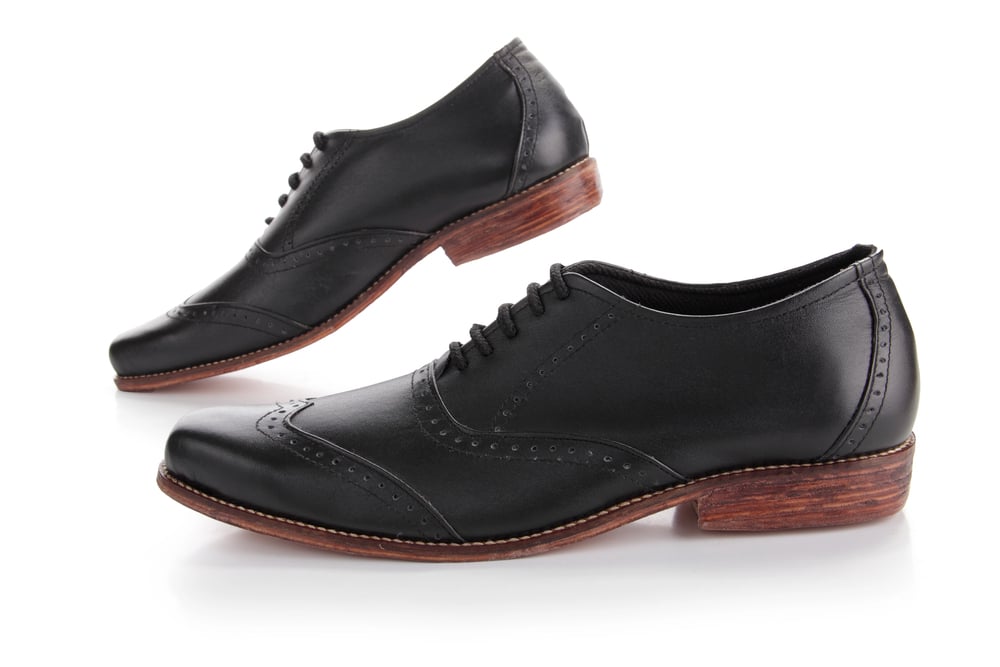
American intelligence built a transmitter into the heel of a Romanian diplomat’s shoe during a brief moment when he left them outside his hotel room. The device broadcast conversations for three weeks before its battery died.
The operation succeeded because hotel staff working with the CIA switched the shoes during a scheduled shoe-shine service. The diplomat never noticed the slightly increased weight.
Dead Drop Spike

Field agents needed a way to exchange information without meeting face-to-face. They developed the dead drop spike—a waterproof container shaped like a large nail that could be pushed into the ground. You could walk past it in a park and never notice.
These spikes held microfilm, money, or instructions. An agent would push it into soft earth near a landmark, and their contact would retrieve it hours or days later. Rain, snow, and foot traffic couldn’t reveal the hiding spot.
The Rectal Tool Kit
The CIA created an escape kit small enough to hide in a body cavity. The waterproof container held lock picks, saw blades, drill bits, and other tools that could help a captured agent break free.
Agency training included instructions on insertion and retrieval. The kit remained undetectable during standard searches but gave operatives a last resort if captured behind enemy lines.
Poison Umbrella

Bulgarian dissident Georgi Markov died in London after someone jabbed him with an umbrella tip on the Waterloo Bridge. The modified umbrella fired a tiny pellet containing ricin poison. He felt a sharp sting, saw a man pick up a dropped umbrella, and thought nothing of it.
Markov developed symptoms that evening and died three days later. Doctors found the pellet during his autopsy—a metal sphere smaller than a pinhead with tiny openings drilled to release the toxin slowly.
Tree Stump Listening Post

The NSA built listening devices inside fake tree stumps and placed them near Soviet military installations. The stumps contained batteries, recording equipment, and transmitters that could operate for months without maintenance.
Soviet soldiers walked past these stumps daily without suspecting anything. The devices recorded radio traffic and transmitted bursts of data to satellites overhead during predetermined windows.
Insectothopter
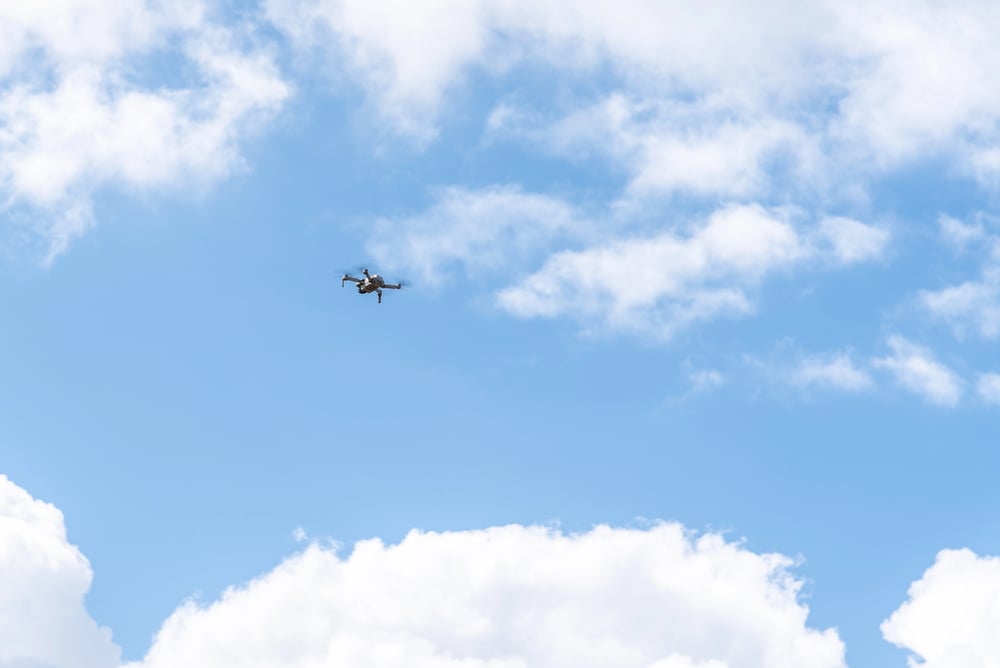
The CIA spent years developing the Insectothopter, a miniature unmanned aerial vehicle disguised as a dragonfly. The device measured about two inches long and carried a tiny gas engine and camera.
Wind made the device nearly impossible to control, and the program got abandoned after field tests proved it couldn’t fly in anything but perfect conditions. But the fact that engineers built a working mechanical dragonfly in the 1970s still seems impossible.
Escape Boots

Fighter pilots flying over enemy territory wore modified boots with hidden compartments. The heel screwed off to reveal a compass, saw blade, and knife. The sole contained flexible saw wire strong enough to cut through metal.
If a pilot ejected and got captured, they could break apart their boots and use the tools to escape detention. The boots looked and felt like standard military issue, which kept guards from examining them closely.
Silver Dollar Hollow Container

The KGB hollowed out American coins and used them to transport microfilm. A silver dollar could hold several frames of photographed documents. Agents opened them using a thin needle inserted in a specific spot.
These coins passed through every security check because they were real currency. An agent could drop one in a phone booth or leave it as change at a store for their contact to retrieve later.
Cyanide Glasses

Captured agents sometimes carried a last resort built into their eyeglass frames. A small capsule of cyanide sat in the temple piece, accessible with a specific twist or break. The dose killed within seconds.
Multiple agencies developed versions of this device, though records suggest most agents never used them. Just knowing the option existed provided psychological comfort during dangerous operations.
Buttonhole Camera
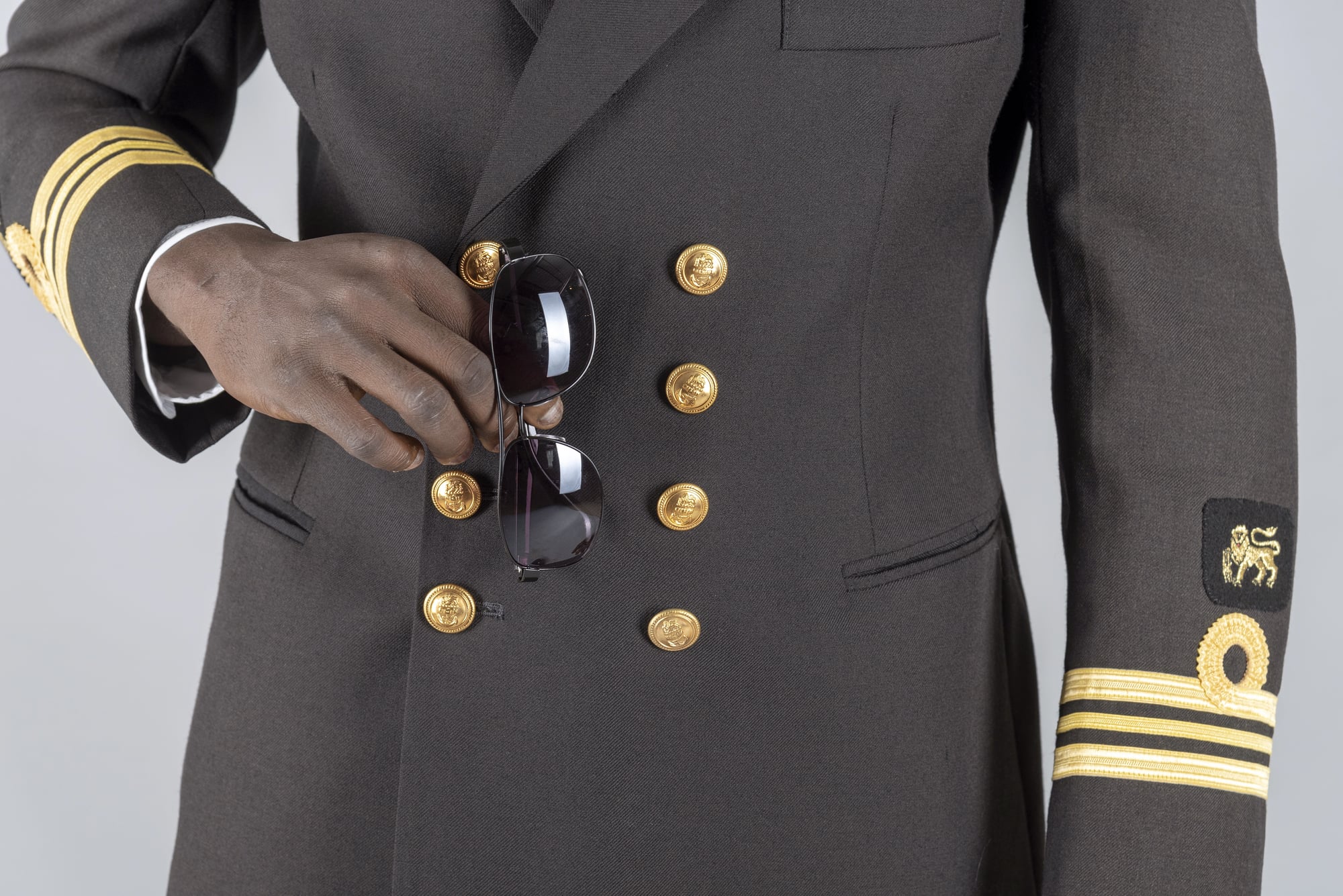
East German intelligence created a camera that fit inside a jacket button. The lens sat in the center of what looked like a normal button, and the shutter clicked when the agent pressed their chest.
The camera held enough film for six exposures and produced surprisingly clear images. Agents wore these to meetings and photographed documents without anyone noticing the subtle motion.
Invisible Ink Pens

One side made pens using secret ink visible only under certain lights or chemicals. Some models worked when warmed up, whereas others lit up under UV rays. The top-tier ones demanded an exact mix to reveal the message.
A person might send a normal-looking note talking about relatives, yet hidden inside were secret messages full of info. It ran smoothly until the opponent learned the right tool to decode it.
When Fiction Becomes Archive
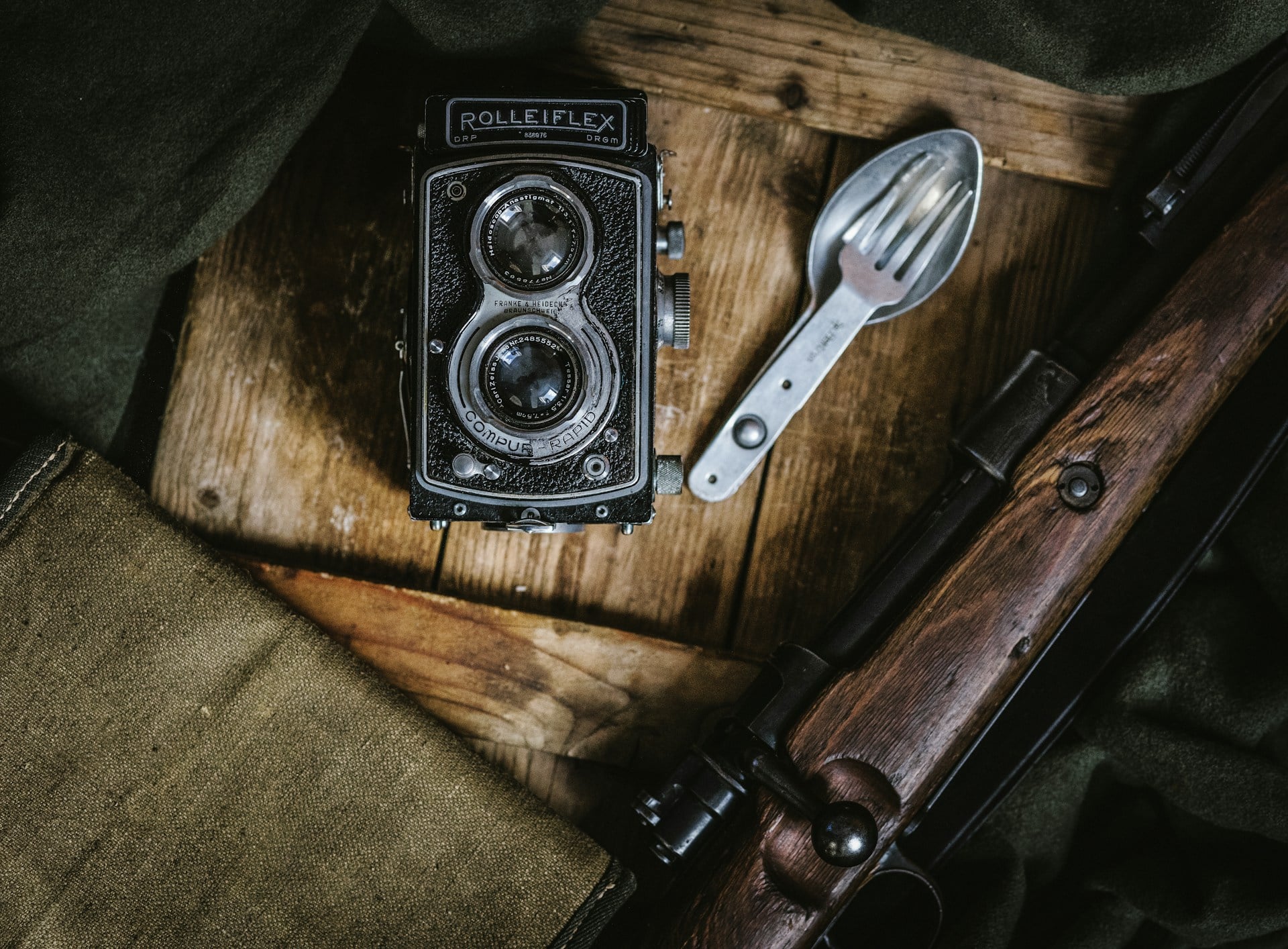
These gadgets are stuck in museums today—no more secrets left hidden. People chuckle at how weird they look, take pictures, then wander off to whatever’s next.
Still, someone dreamed up every single piece. Another person put it together by hand. Real spies once trusted everything—their survival—to those odd little tools.
The Cold War’s over, yet these odd devices are still around—proof of what people do when they think their lives depend on being just a bit faster. Somewhere out there, the best spying gadget ever made could be locked up, appearing so silly it’s hard to take seriously.
More from Go2Tutors!

- The Romanov Crown Jewels and Their Tragic Fate
- 13 Historical Mysteries That Science Still Can’t Solve
- Famous Hoaxes That Fooled the World for Years
- 15 Child Stars with Tragic Adult Lives
- 16 Famous Jewelry Pieces in History
Like Go2Tutors’s content? Follow us on MSN.