15 Best TV Shows That Were Based on Popular Toys
The toy aisle has always been more than just plastic and imagination. It’s been a proving ground for characters and worlds that would eventually leap from playrooms to prime time.
When television producers started mining toy boxes for content, something unexpected happened — some of these shows became genuinely good television that stood on their own merits, while others became fascinating cultural artifacts that defined entire generations. The relationship between toys and television has created some of the most memorable characters in entertainment history, spawning franchises that continue to evolve decades after their original broadcasts.
These shows didn’t just sell toys; they built universes that kids wanted to inhabit.
Transformers
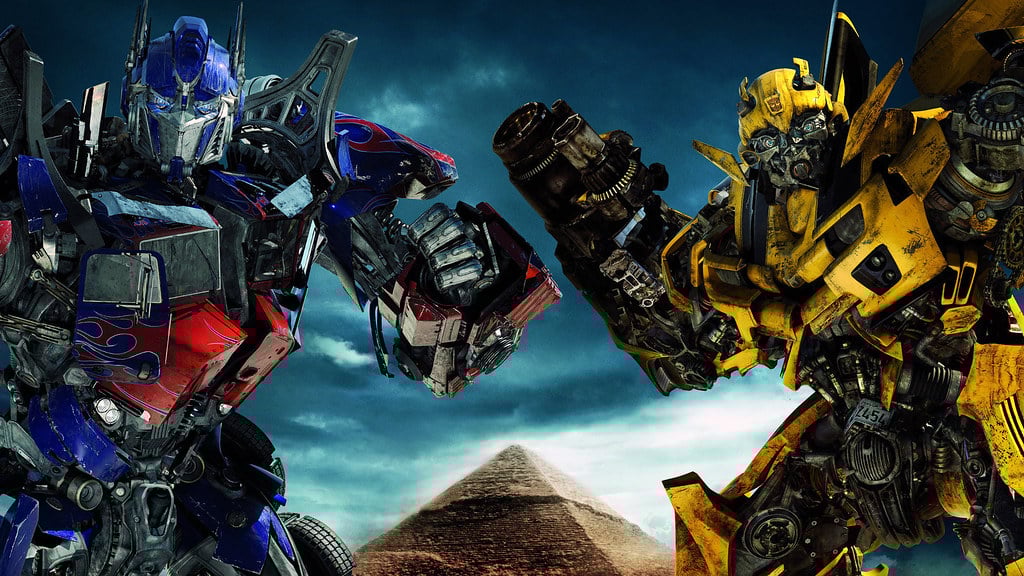
The Autobots versus Decepticons conflict played out like a space opera where every character was both warrior and vehicle (and the toy marketing practically wrote itself, but that’s beside the point when the storytelling actually worked). What made Transformers extraordinary wasn’t the concept of robots that changed into cars and planes — though that didn’t hurt — it was the way the show treated its characters as individuals with distinct personalities rather than interchangeable action figures.
The voice acting elevated everything: Peter Cullen’s Optimus Prime became the definitive noble leader, while Chris Latta’s Starscream turned treachery into an art form. And then there was the 1986 animated movie, which traumatized an entire generation by killing off major characters — something children’s television rarely dared to do with such finality.
G.I. Joe: A Real American Hero
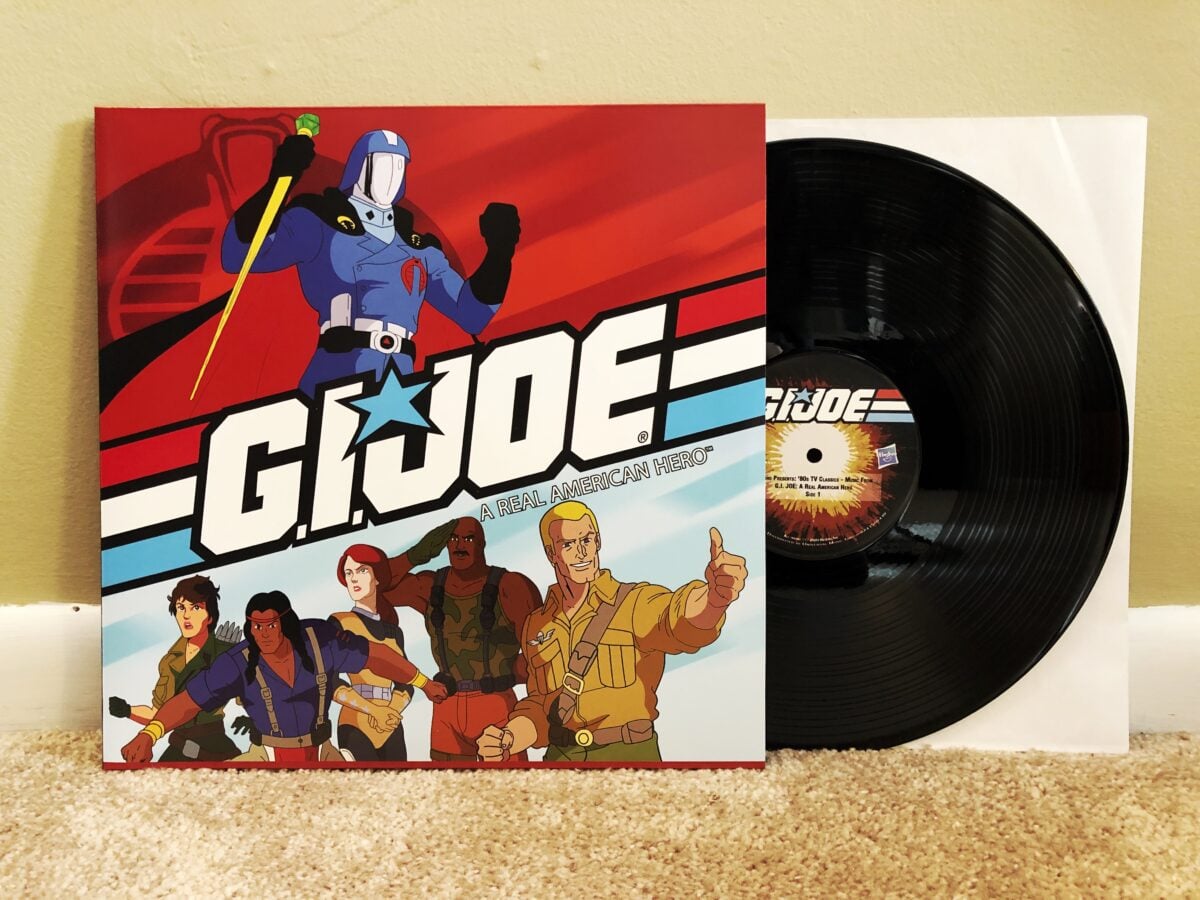
So you take military action figures and build an entire mythology around them, complete with code names, specialties, and enough backstory to fill an encyclopedia. The result was television that understood something important: kids don’t just want to watch heroes fight villains, they want to understand why each character fights and what makes them unique on the battlefield.
Cobra Commander’s voice alone — that distinctive rasp courtesy of Chris Latta again — turned what could have been a generic bad guy into something memorable. The show committed fully to its premise, treating each episode like a military operation with actual tactics and consequences.
Sure, the famous PSA segments became internet memes decades later, but the core show knew exactly what it was: a celebration of heroism that took itself seriously enough to matter.
My Little Pony
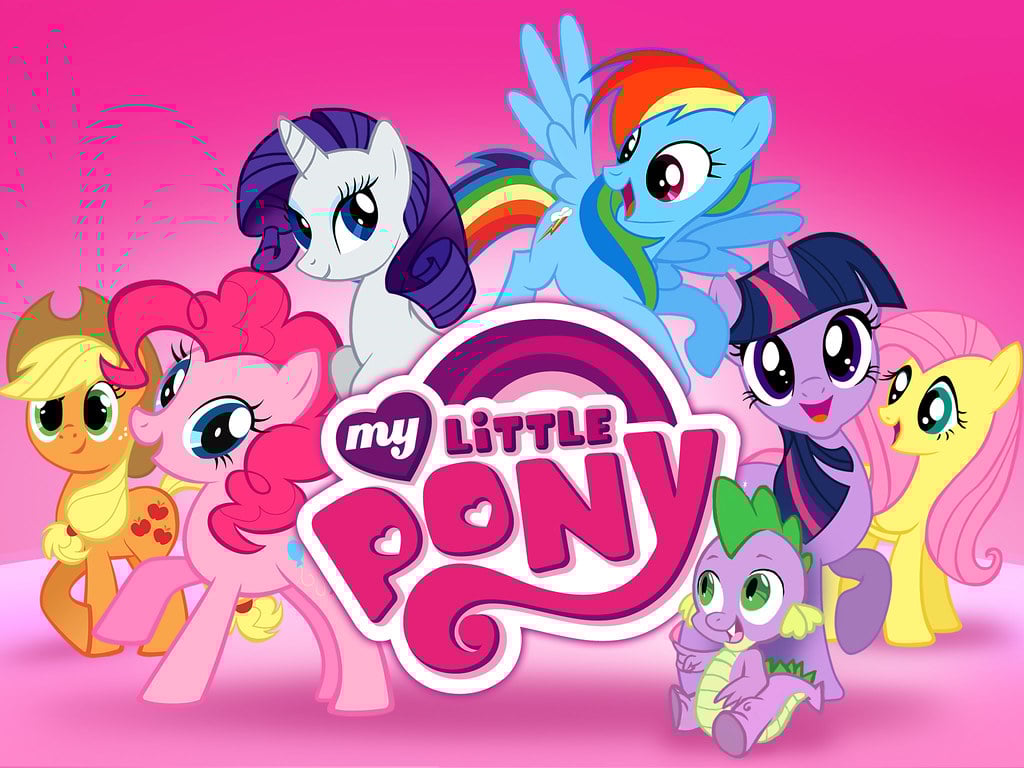
There’s something almost archaeological about watching the original My Little Pony series now — you can trace the DNA that would eventually bloom into Friendship is Magic decades later, but the 1980s version feels like it emerged from a completely different creative universe. The pastel ponies lived in a world where genuine darkness existed alongside the cotton candy aesthetics, and the contrast created storytelling tension that kept things interesting even when the primary goal was selling toy horses with brushable manes.
The villains weren’t softened for younger audiences the way you might expect. Characters like Tirek and the Smooze brought real menace to Ponyland (and the 1986 movie, much like its Transformers counterpart, went darker than anyone anticipated).
What emerged was a show that understood its audience was smart enough to handle complexity, even wrapped in rainbow colors. And yet, for all its fantastical elements, the core relationships between characters felt genuinely warm — not the manufactured sentiment that often plagued toy-based programming, but something that registered as authentic friendship even when filtered through talking horses.
The series established visual and thematic groundwork that would prove remarkably durable: the idea that friendship could be both magical and practical, that communities work best when different personalities complement each other, and that even in the most idyllic settings, real problems require real solutions. These weren’t revolutionary concepts, but they were presented with enough care and creativity to stick.
He-Man and the Masters of the Universe
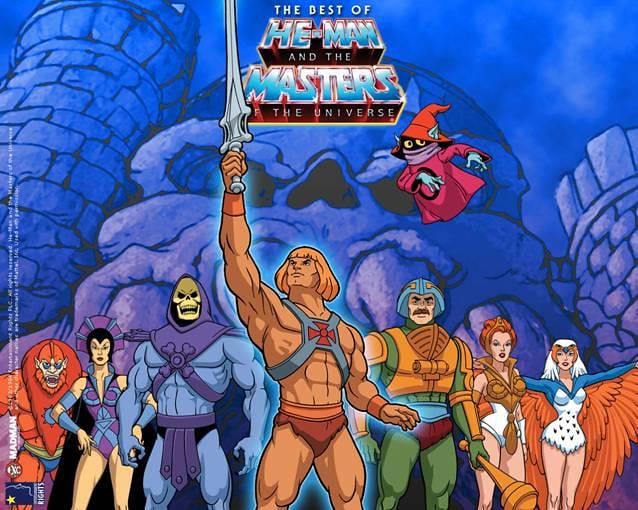
By the power of Grayskull, this show made no attempt to hide what it was: a 22-minute toy commercial wrapped around the adventures of the most ridiculously muscled hero in animation history. The brilliant part was how completely it committed to its own absurdity without winking at the camera.
Prince Adam transforming into He-Man became appointment television for kids who needed their daily dose of sword-and-sorcery action. The characters were broad archetypes — the noble hero, the cackling villain, the loyal sidekick — but they were drawn and voiced with enough personality to feel like individuals rather than marketing concepts.
Skeletor’s distinctive laugh and Beast Man’s growls created an audio landscape that was instantly recognizable. The moral lessons tacked onto each episode’s end became their own cultural phenomenon, but the show worked because it never let the moralizing interfere with the adventure.
Castle Grayskull, Snake Mountain, and Eternia felt like real places with their own geography and rules, not just backdrops for toy demonstrations.
ThunderCats

Thundera was destroyed, and the survivors crash-landed on Third Earth with their culture, their code, and their really impressive arsenal of ancient weapons that happened to look fantastic as action figures. What elevated ThunderCats beyond its toy-selling mission was genuine world-building that created a mythology worth following.
The show understood that exile stories work best when the displaced characters have to adapt without losing what made them who they were (and Lion-O aging to adulthood while retaining a child’s mind created character complexity that most children’s programming avoided entirely). The villains weren’t just obstacles but represented different threats: Mumm-Ra brought ancient evil and supernatural power, while the Mutants offered more straightforward military opposition.
The Sword of Omnens and the various ThunderCat weapons became iconic not just because they looked cool, but because the show treated them as objects with weight and responsibility. When Lion-O called upon the other ThunderCats, it felt like invoking actual allies rather than just triggering a special effect.
The “ThunderCats, ho!” battle cry worked because it meant something within the show’s internal logic.
Care Bears
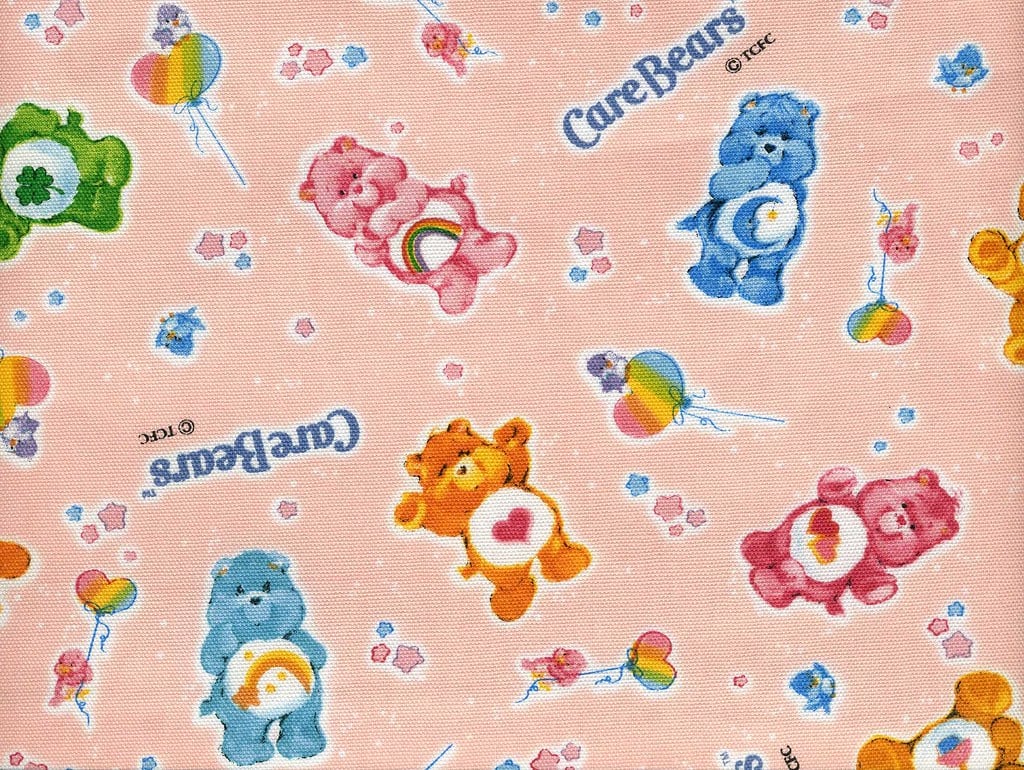
The Care Bears lived in a cloud kingdom and shot rainbow beams from their stomachs to solve problems, which sounds ridiculous until you watch how the show used these elements to tackle genuinely difficult emotional situations that kids actually face. The Care Bear Stare wasn’t just a magical solution; it represented empathy made visible, the idea that caring about others could be a tangible force for change.
Each Care Bear’s belly symbol corresponded to their personality and special ability, creating a simple but effective system for exploring different aspects of human emotion and behavior. Tenderheart Bear, Grumpy Bear, and Cheer Bear weren’t just cute names — they represented different ways of engaging with the world, different emotional strategies that kids could understand and relate to.
The villains — Professor Coldheart, No Heart, Dark Heart — embodied emotional states rather than traditional evil motivations. They represented apathy, cruelty, and manipulation in ways that young viewers could recognize in their own lives.
When the Care Bears won, it wasn’t through violence or superior firepower, but through emotional intelligence and genuine connection.
Strawberry Shortcake
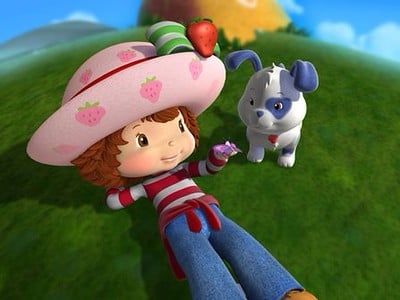
Berry bitty adventures in a world that smelled like dessert sounds like pure marketing confection, but the original Strawberry Shortcake series worked because it created a community where problems got solved through cooperation rather than conflict. Each character’s fruit or dessert theme wasn’t just a gimmick — it reflected their personality and role within the group dynamic.
The show’s version of drama came from misunderstandings, jealousy, and the everyday friction that occurs when different personalities try to work together. Strawberry Shortcake herself served as the diplomatic center who helped resolve conflicts without dismissing anyone’s feelings.
The Peculiar Purple Pieman and Sour Grapes provided antagonistic energy without being genuinely threatening. Strawberryland felt like a place where emotional intelligence mattered more than physical strength, where the worst problems could be solved with honest conversation and mutual understanding.
The aesthetic was relentlessly sweet, but the character relationships had enough texture to feel real.
M.A.S.K.
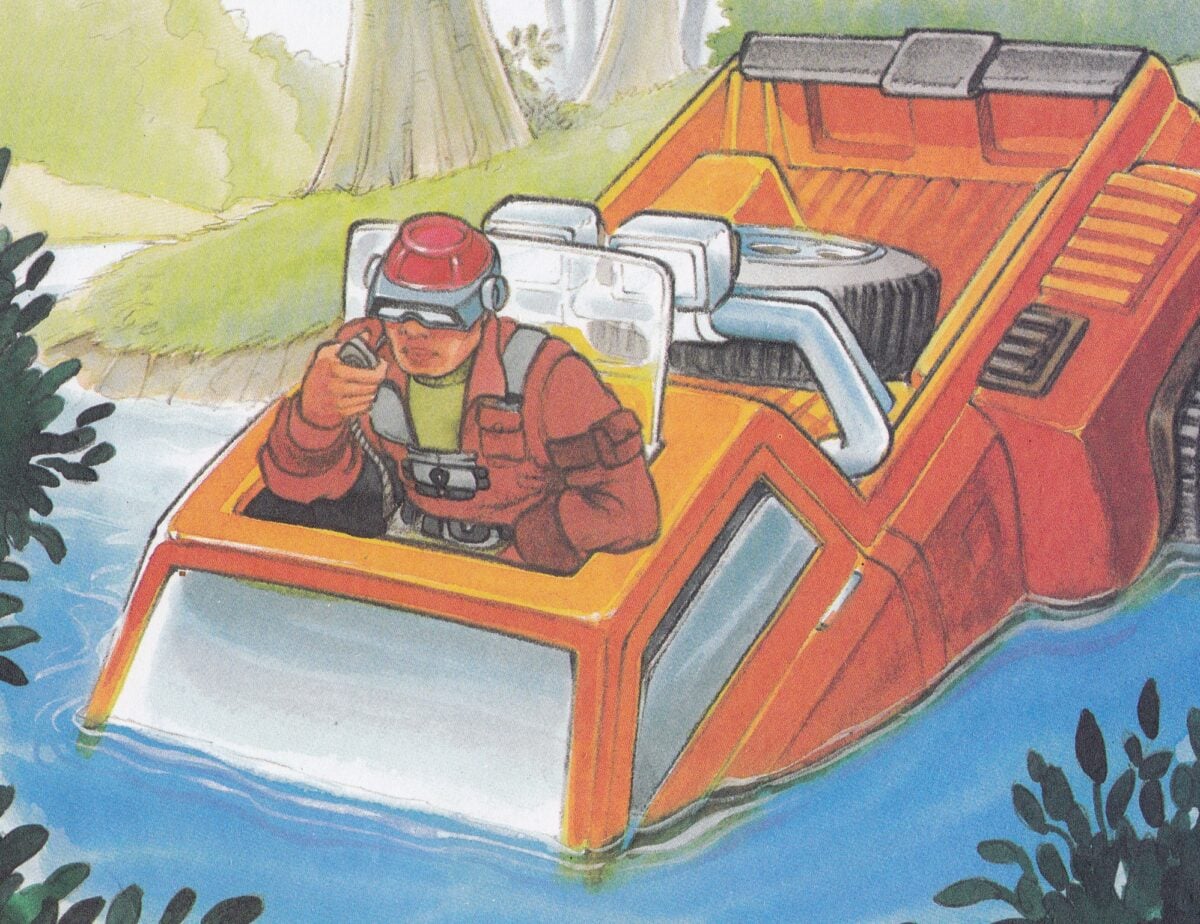
Mobile Armored Strike Kommand took the Transformers concept and added human drivers, secret identities, and vehicles that transformed in ways that seemed almost plausible if you didn’t think too hard about the physics involved. The show’s strength lay in treating its premise as serious espionage fiction rather than just an excuse for transformation sequences.
Matt Trakker and his team weren’t just good guys fighting bad guys — they were a specialized task force dealing with the criminal organization V.E.N.O.M. (Vicious Evil Network of Mayhem, because 1980s cartoons loved their acronyms). The masks that gave each character special abilities created a superhero element without requiring spandex costumes or radioactive origin stories.
The vehicles were the real stars: Thunderhawk, Condor, Rhino, and the rest transformed in ways that felt like advanced engineering rather than magic. When Boulder Hill served as M.A.S.K.’s hidden base, it established the kind of secret headquarters that every kid wanted to discover in their own backyard.
Pound Puppies
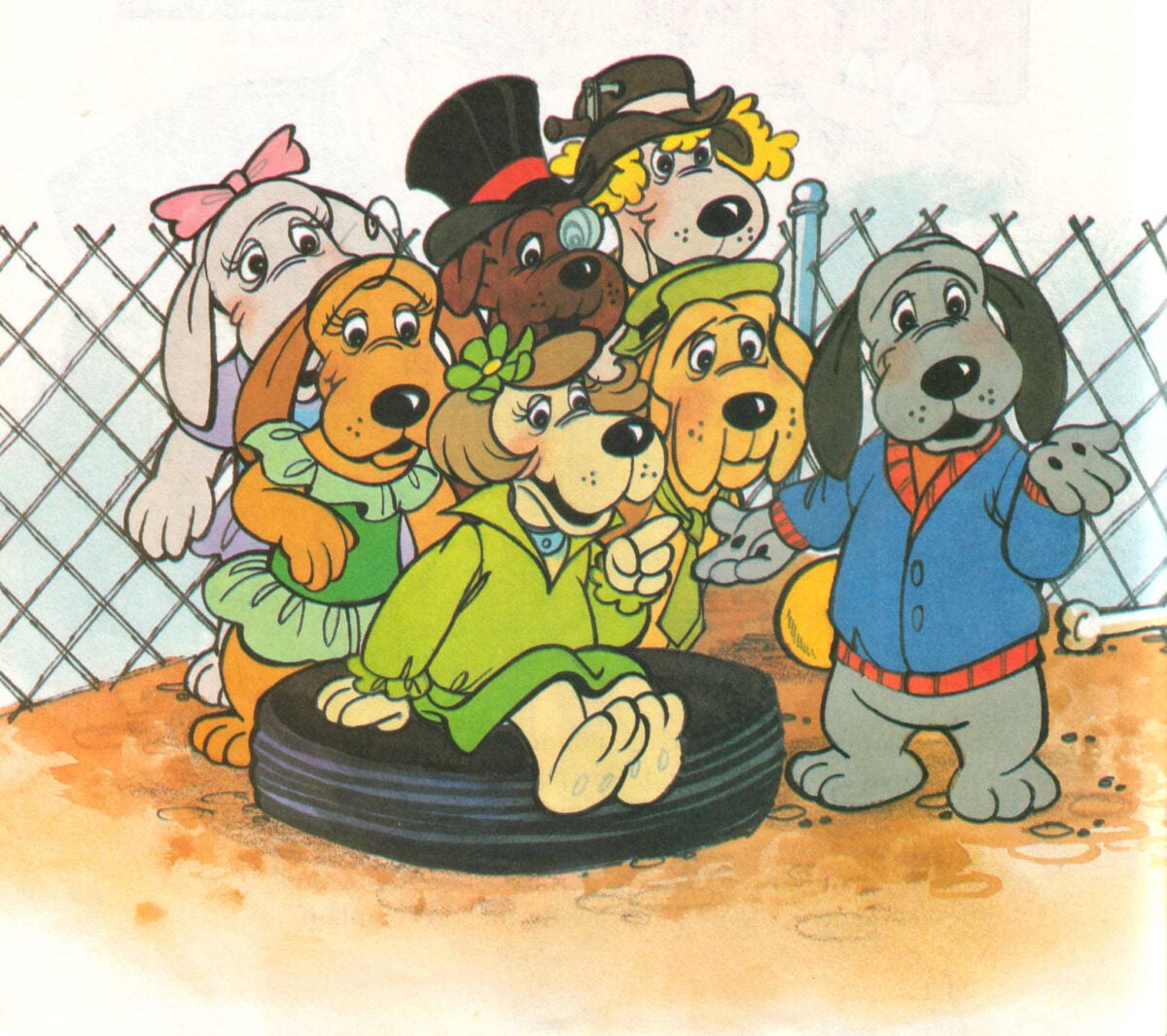
Rescue dogs with a mission to find homes for abandoned pets could have been pure sentiment, but the Pound Puppies series found genuine emotional weight in its premise. The dogs weren’t just cute — they were competent agents running covert operations to connect the right pet with the right family, often despite human interference.
Lucky, Cooler, and the gang operated with the kind of teamwork and strategic thinking usually reserved for military units or heist crews. Their underground network of animal allies created a shadow society that existed parallel to the human world, complete with its own codes, traditions, and moral imperatives.
The show’s episodic structure allowed for different types of stories: some focused on the challenge of matching difficult pets with understanding families, others explored the dogs’ own relationships and conflicts within the pound. The emotional stakes felt real because abandonment and loneliness are fears that resonate with young audiences.
Teenage Mutant Ninja Turtles
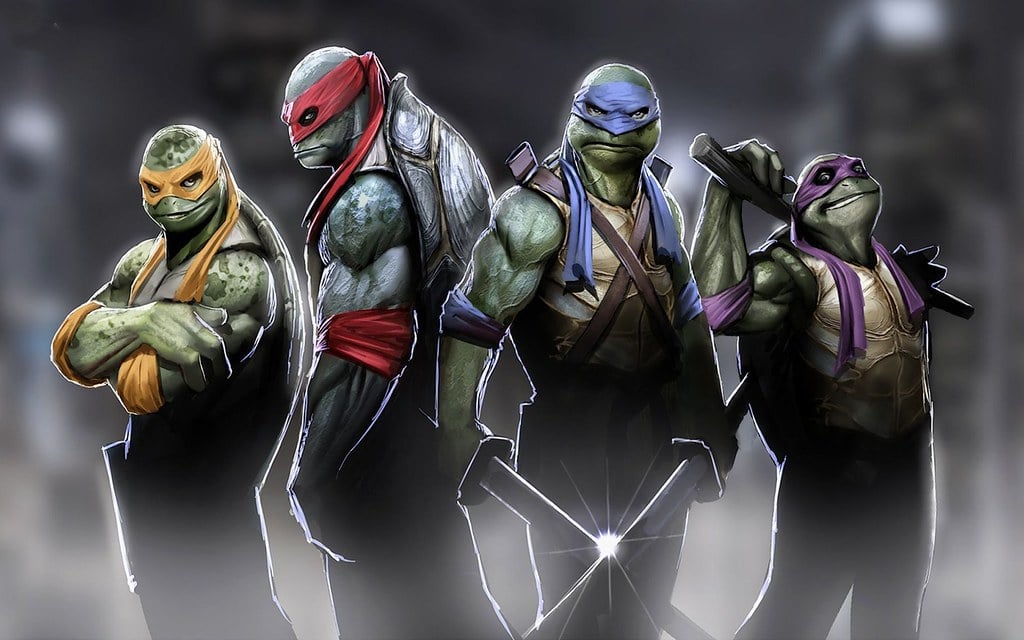
Four reptiles trained in martial arts by a wise rat, living in the sewers and fighting crime while eating pizza — the premise sounds like something dreamed up during a fever, but the execution turned cartoon absurdity into appointment television. The turtles’ distinct personalities prevented them from blending into interchangeable action heroes: Leonardo’s leadership, Donatello’s technical skills, Michelangelo’s humor, and Raphael’s attitude created group dynamics that felt genuinely fraternal.
Shredder and the Foot Clan provided traditional ninja movie villainy, while Krang added science fiction weirdness that kept the show from falling into predictable patterns. The mutation origin story gave the series flexibility to introduce new characters and threats without stretching credibility too far — in a world where turtle ninjas exist, anything becomes possible.
New York City served as more than just a backdrop; the urban setting grounded the fantasy elements in recognizable locations while the sewer system provided a hidden world where the unusual could flourish unseen. The contrast between surface normalcy and subterranean adventure created storytelling opportunities that the show exploited effectively.
Inspector Gadget
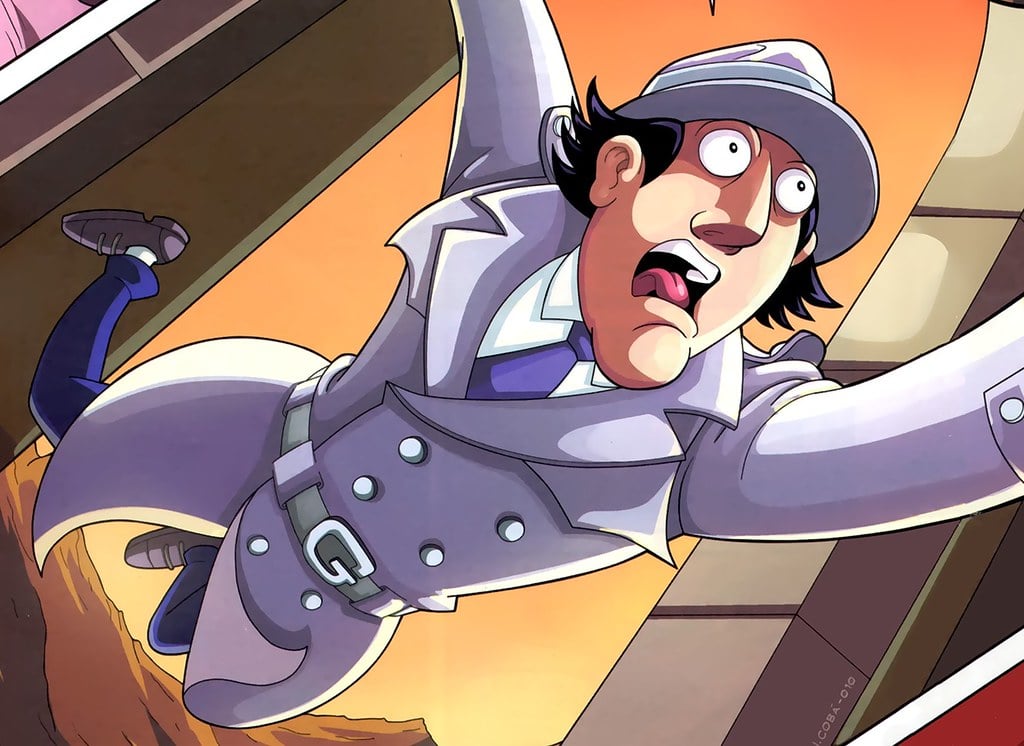
A bumbling cyborg detective with more gadgets than sense should have been a recipe for repetitive comedy, but Inspector Gadget succeeded because it understood that incompetent heroes require extremely competent support systems. Penny and Brain carried the real investigative load while Gadget stumbled through cases, creating a dynamic where the supposed main character was actually the least important part of his own success.
Dr. Claw and M.A.D. represented classic spy movie villainy filtered through Saturday morning sensibilities — threatening enough to create real stakes, but never so menacing that young viewers would be genuinely frightened. The Chief’s briefings and self-destructing messages established familiar espionage tropes that gave the show structure.
Gadget’s various mechanical functions — Go-Go-Gadget this, Go-Go-Gadget that — provided the toy tie-in elements, but they worked within the show because they created opportunities for both heroic saves and comic disasters. The randomness of which gadget would emerge kept both Gadget and the audience guessing.
Adventures of the Gummi Bears
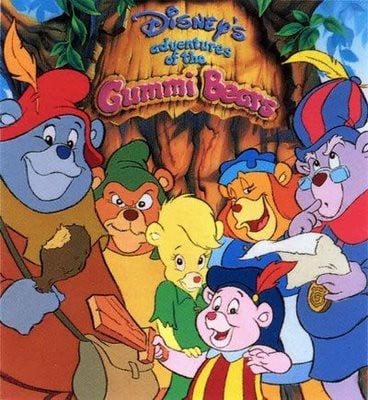
Medieval bears hiding from humans while protecting ancient magic sounds like a fantasy novel premise that happened to work perfectly for television. The Gummi Bears weren’t just cute woodland creatures — they were the remnants of an advanced civilization trying to preserve their knowledge and traditions while staying hidden from a world that had grown hostile to their kind.
Gummiberry juice provided the action element, giving bears and humans temporary enhanced abilities, but the show’s real strength lay in its exploration of legacy and responsibility. Grammi, Gruffi, Tummi, Sunni, Cubbi, and Zummi each represented different aspects of how communities preserve and pass on their culture.
Duke Igthorn and his ogres served as the primary antagonists, but the real tension came from the constant threat of discovery and the moral complexity of when to help humans and when to remain hidden. The Great Book of Gummi contained ancient wisdom that had to be interpreted and applied to modern problems, creating storylines that respected both tradition and innovation.
DuckTales
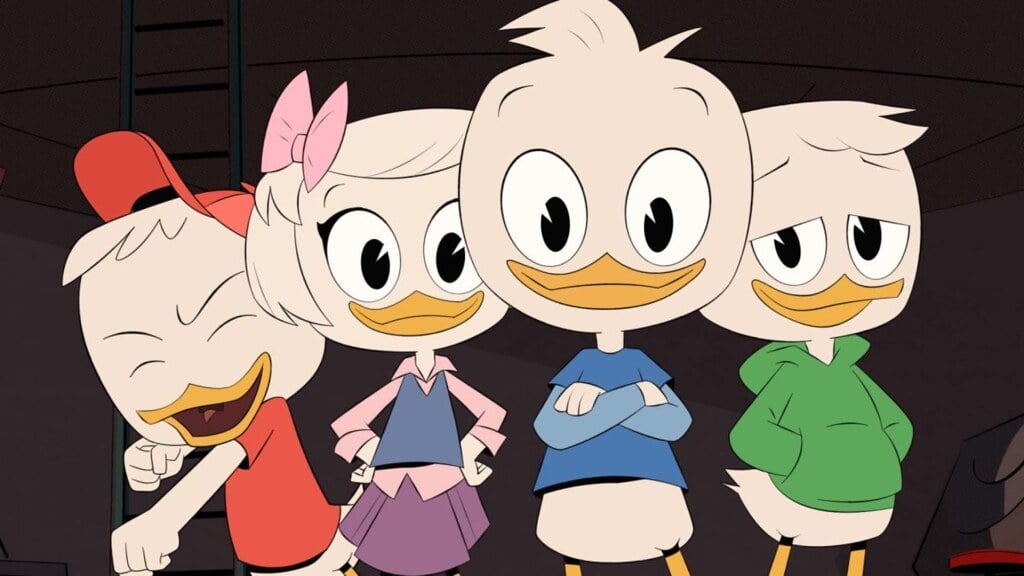
Scrooge McDuck diving into a vault full of gold coins while his nephews and various allies searched for treasure around the world turned the concept of wealth into adventure fuel rather than just material acquisition. The show understood that money was only interesting when it enabled exploration, discovery, and the chance to outwit colorful villains.
Huey, Dewey, and Louie brought youthful energy and the Junior Woodchuck Guidebook’s infinite knowledge to every expedition, while Launchpad McQuack provided transportation and unintentional comedy. The supporting cast — Gyro Gearloose, Mrs. Beakley, Webby — created a family dynamic that felt warm despite being centered around the famously stingy richest duck in the world.
The show’s global adventures took viewers to exotic locations while teaching geography and history through treasure hunts and archaeological discoveries. Magica De Spell, Flintheart Glomgold, and the Beagle Boys provided recurring opposition without becoming repetitive, each bringing different types of challenges that required different solutions.
Chip ‘n Dale: Rescue Rangers
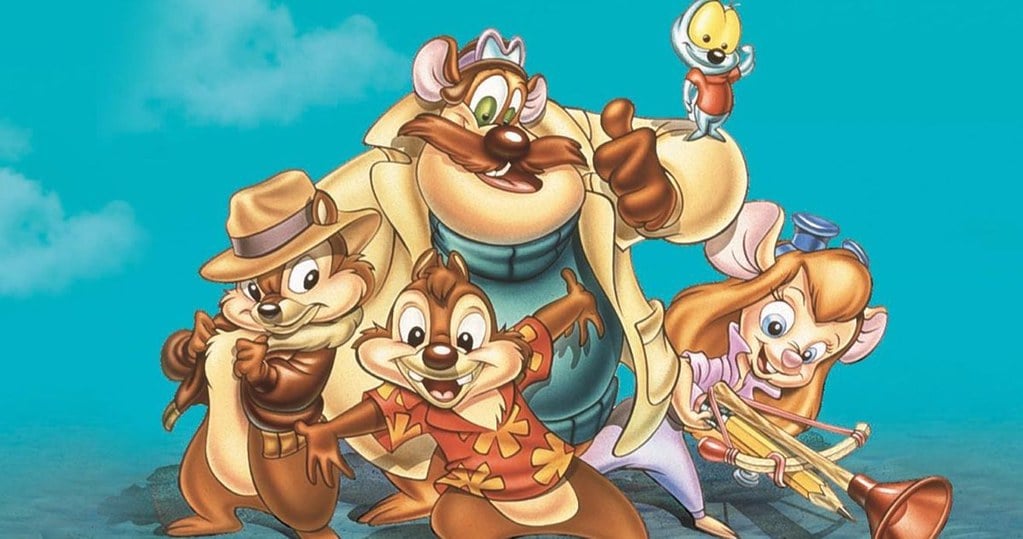
Two chipmunks leading a detective agency with a fly, a mouse, and a mechanical dog sounds like a concept designed by committee, but Rescue Rangers found its voice by treating small-scale problems with big-scale importance. The cases weren’t world-threatening crises but neighborhood mysteries that mattered to the characters involved.
Chip and Dale’s contrasting personalities — Chip’s seriousness versus Dale’s playfulness — created natural conflict and cooperation within the team. Monterey Jack brought international experience and cheese obsession, while Gadget’s inventiveness provided both solutions and complications.
Zipper served as the voice of reason that nobody else seemed to possess. Fat Cat and his gang of criminal felines represented genuine menace scaled to the protagonists’ size, while Professor Norton Nimnul added mad scientist chaos to the mix.
The show’s urban setting allowed for stories that ranged from corporate espionage to supernatural mysteries, all filtered through the perspective of characters who experienced the city from ground level.
Alvin and the Chipmunks
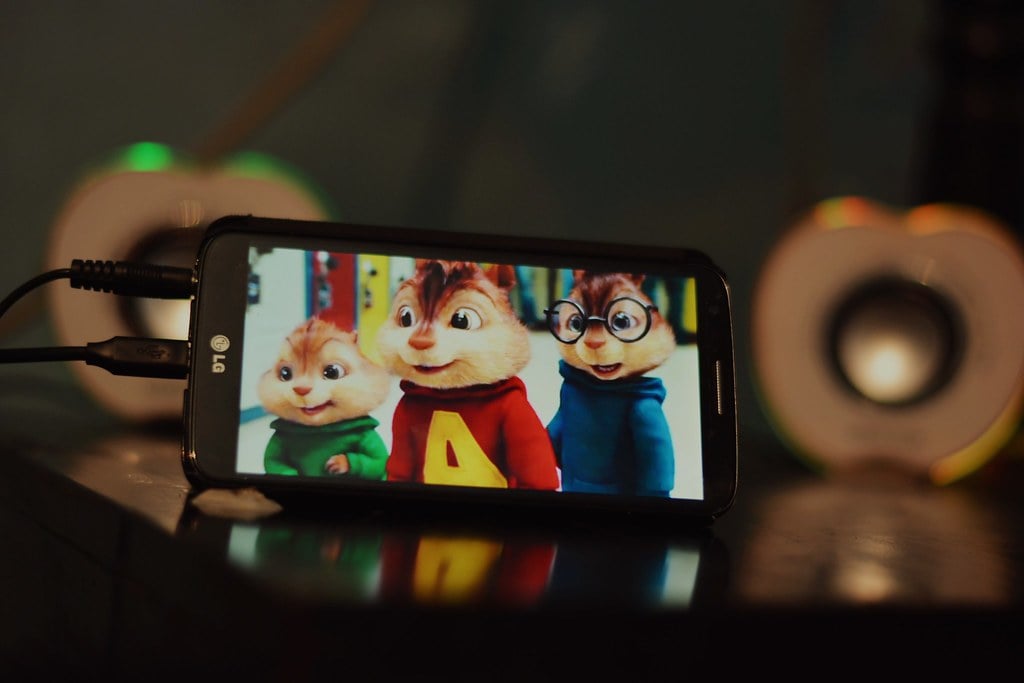
Three singing chipmunks living with their human manager might seem like a straightforward variety show concept, but the 1980s animated series found dramatic potential in the tension between Dave’s attempts at responsible parenting and the chipmunks’ irrepressible urge to cause chaos. The music provided structure and marketing appeal, but the character relationships drove the storytelling.
Alvin’s attention-seeking behavior, Simon’s intellectual approach, and Theodore’s innocent enthusiasm created family dynamics that felt authentic despite the species difference. Dave’s exasperated “Alvin!” became a cultural catchphrase because it captured something real about the relationship between authority figures and the children who test their patience.
The Chipettes — Brittany, Jeanette, and Eleanor — added romantic complexity and musical competition without simply duplicating the male characters’ personalities. The show’s school setting grounded the fantasy elements in recognizable situations while the music industry backdrop provided opportunities for celebrity cameos and topical humor.
From Plastic to Prime Time

These shows succeeded not because they were based on toys, but because they found ways to honor their commercial origins while creating genuine entertainment value. The best toy-based series understood that young audiences deserved characters with personality, worlds with internal logic, and stories with real emotional stakes — even when those stories existed primarily to sell action figures, dolls, and playsets.
The legacy of these programs extends far beyond their original broadcast runs or their merchandise sales. They created shared cultural experiences, established character archetypes that continue to influence storytelling, and proved that commercial art could still be art when approached with creativity and respect for the audience.
The toys may have brought viewers to the television, but the stories kept them watching.
More from Go2Tutors!

- The Romanov Crown Jewels and Their Tragic Fate
- 13 Historical Mysteries That Science Still Can’t Solve
- Famous Hoaxes That Fooled the World for Years
- 15 Child Stars with Tragic Adult Lives
- 16 Famous Jewelry Pieces in History
Like Go2Tutors’s content? Follow us on MSN.



