16 Most Iconic Olympic Stadiums Worldwide
Olympic stadiums are more than arenas built for sport. They are symbols of nations at their proudest, stages where triumph and tragedy have played out in front of the world. Some remain timeless architectural landmarks, while others carry scars of history.
Here’s a list of sixteen Olympic stadiums that stand out as unforgettable icons, each with a story that goes far beyond the Games themselves.
Panathenaic Stadium
— Photo by samot
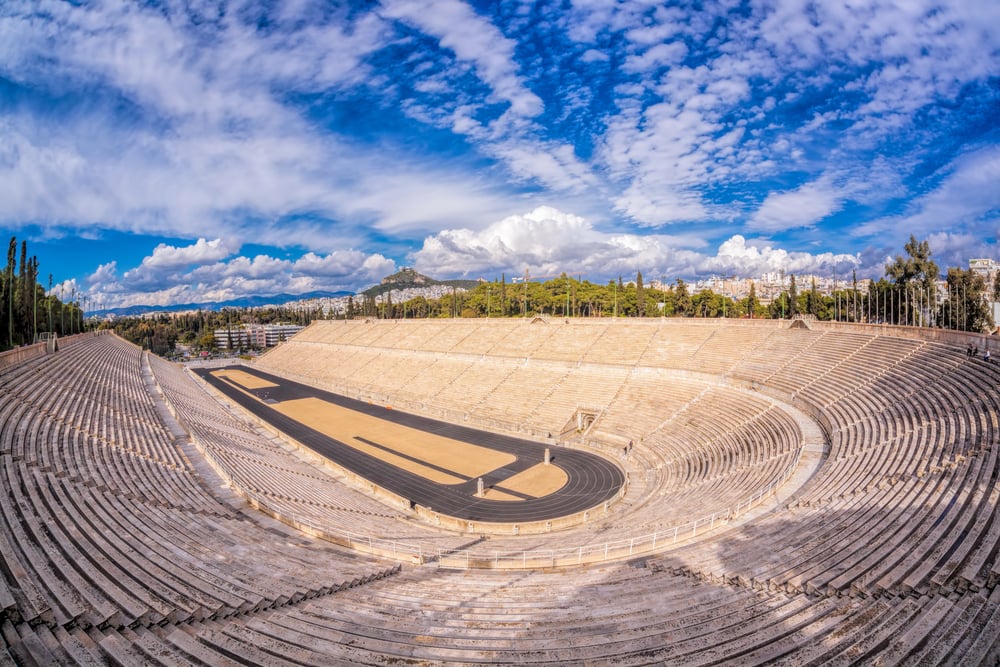
The Panathenaic Stadium in Athens is the birthplace of the modern Olympics in 1896. Built entirely from white Pentelic marble, its horseshoe shape echoes ancient Greek amphitheatres. On a sunny day, the stadium glows, almost too bright to look at for long. Still used for marathon finishes, it remains a living bridge between past and present.
Olympic Stadium, Berlin

— Photo by ratherton
Berlin’s 1936 stadium is remembered for both grandeur and controversy. The imposing stone structure was designed as propaganda, but Jesse Owens’ victories turned it into a site of defiance. Today, the arena hosts football matches and concerts. The echoes of history never really fade.
Melbourne Cricket Ground

— Photo by olli0815
The MCG wasn’t built for the Olympics, but in 1956 it transformed into the Games’ beating heart. With a capacity pushing 100,000, it’s one of the largest stadiums on the planet. Australians simply call it “the ‘G.” And honestly, it feels more like a cathedral than a sports venue.
Tokyo National Stadium (1964)
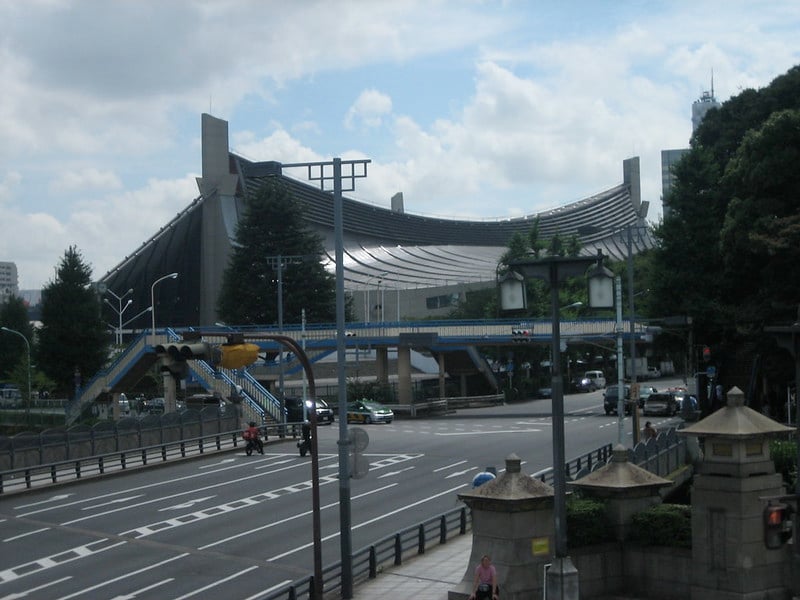
Tokyo’s 1964 stadium symbolized Japan’s postwar recovery. It wasn’t the flashiest, but it carried enormous weight in showing the country’s return to the world stage. The smell of pine from the wooden beams lingered, a small sensory detail many remember.
Olympic Stadium, Montreal
— Photo by jovannig
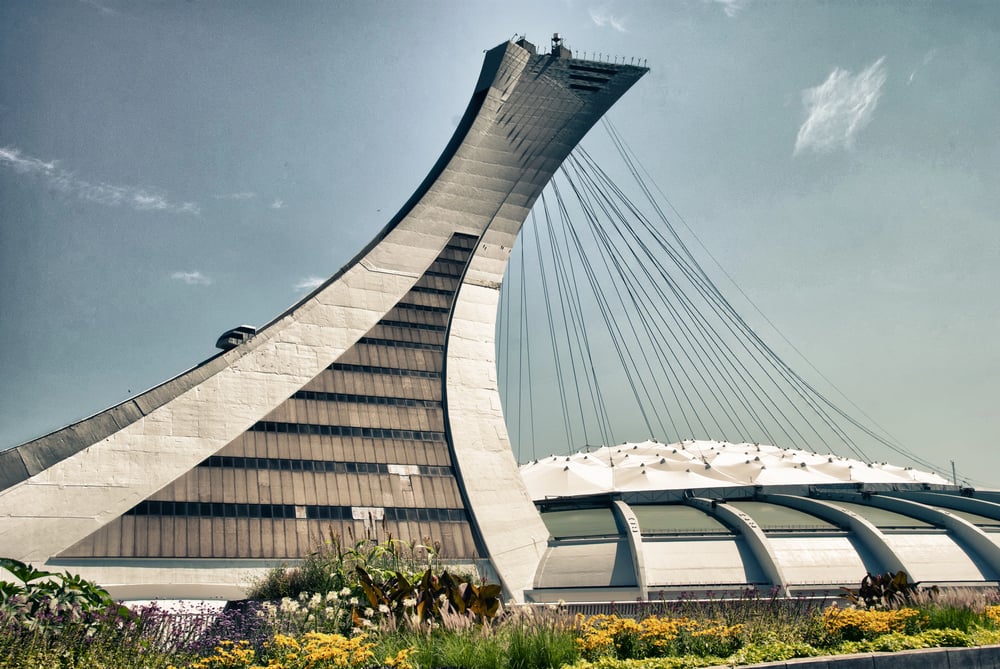
The 1976 Montreal stadium is nicknamed “The Big O.” Or, less kindly, “The Big Owe” — a nod to its decades-long construction debt. Its retractable roof rarely worked as planned. Not great. Still, its futuristic tower and sweeping curves make it instantly recognizable.
Olympic Stadium, Moscow
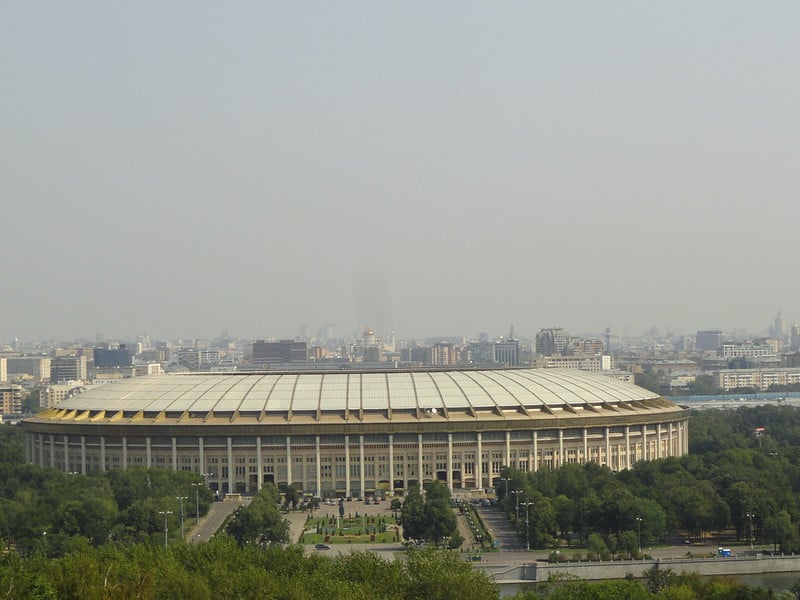
Opened in 1980, Moscow’s Luzhniki Stadium held both the opening and closing ceremonies. It was built with a simple bowl design, functional rather than beautiful. But the image of Olympic doves released into the sky over Moscow is unforgettable.
Los Angeles Memorial Coliseum

— Photo by actionsports
The only stadium to host the Olympics twice (1932 and 1984, and again set for 2028). Its peristyle arches and Olympic cauldron are Hollywood iconic. In 1984, the opening ceremony included a man flying into the stadium with a jetpack. No joke.
Seoul Olympic Stadium
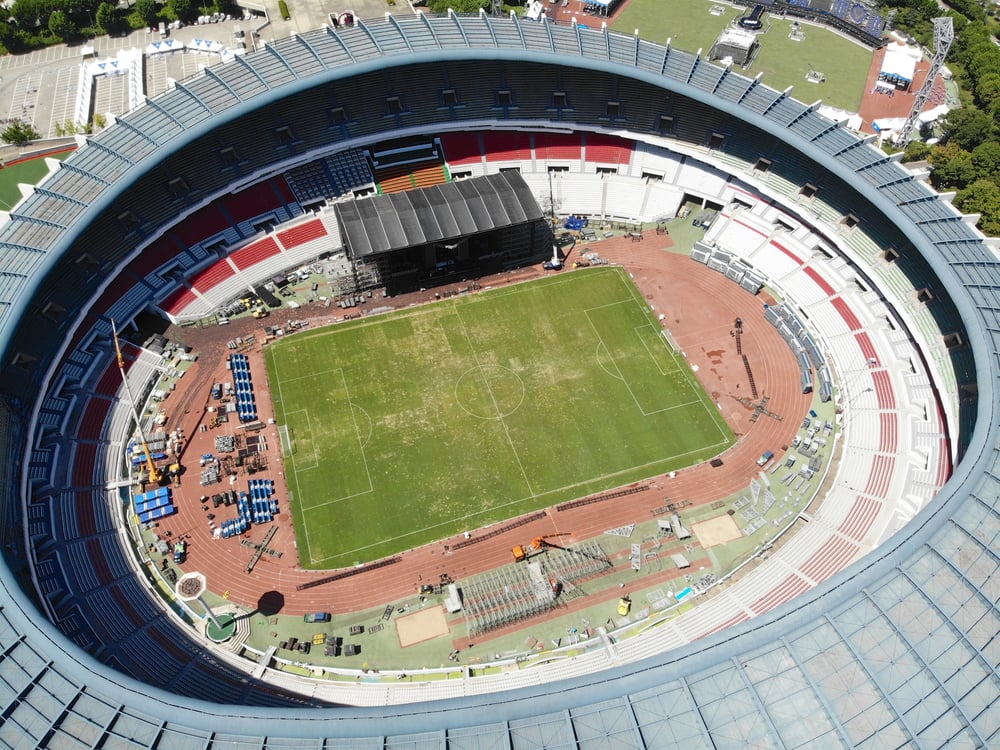
— Photo by bonandbon
Built for the 1988 Games, Seoul’s stadium was designed to resemble a traditional Korean porcelain vase. A modern nod to national identity. Even so, it’s surprisingly understated compared to other Olympic builds. It remains a busy sports venue today.
Barcelona Olympic Stadium
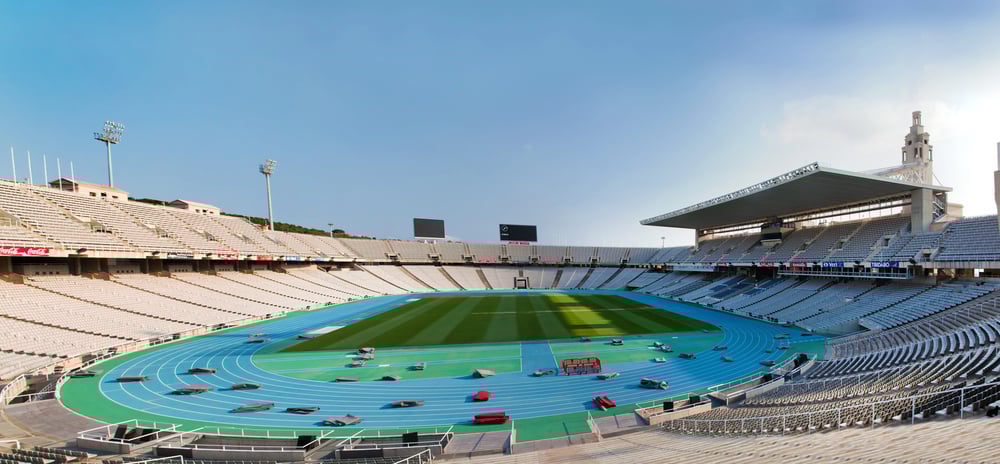
— Photo by Photocreo
Montjuïc Stadium, originally built in 1929, was renovated for the 1992 Games. The city used the Olympics to reinvent itself, and the stadium was central to that story. Sunlight on the hillside, Mediterranean breeze nearby. Hard to top that setting.
Atlanta Olympic Stadium
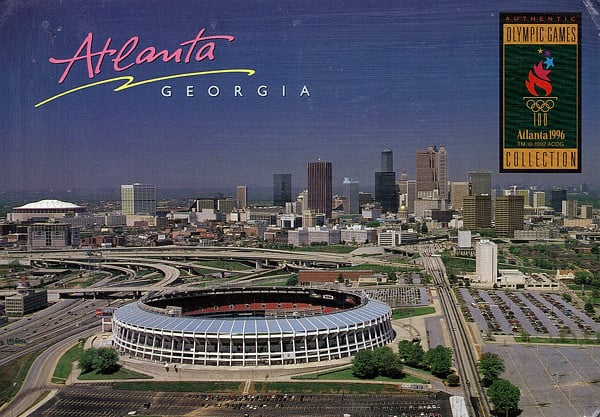
Constructed for the 1996 Games, Atlanta’s stadium was later converted into Turner Field for baseball and eventually a college football stadium. Its life has been one of reinvention. The centennial Olympics it hosted were marked by both celebration and tragedy.
Sydney Olympic Stadium
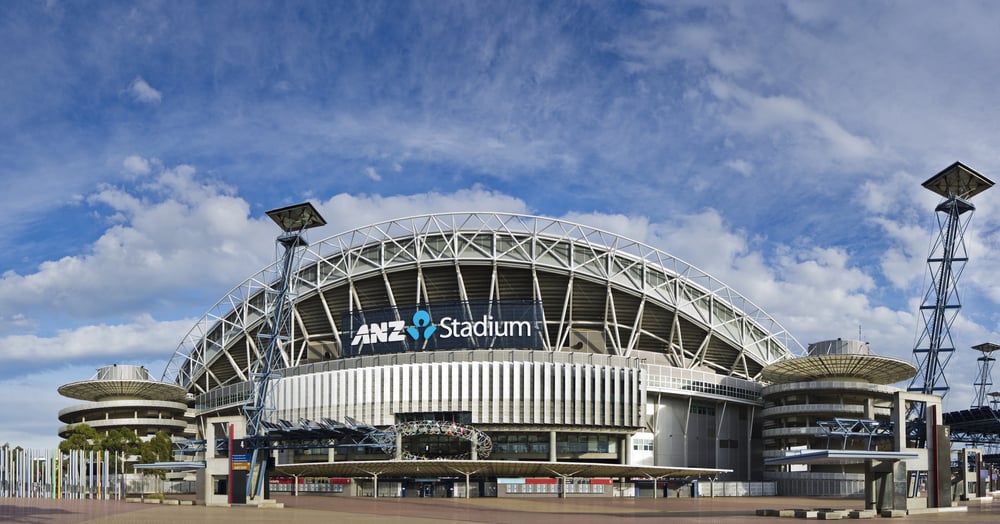
— Photo by dcdp
Also called Stadium Australia, it opened in 1999 for the 2000 Games. Over 110,000 people packed inside for the opening ceremony. Cathy Freeman’s 400m win lit up the place — and the country. Few Olympic moments have ever been that electric.
Beijing National Stadium

— Photo by eddiekwok
The Bird’s Nest. Beijing’s 2008 centerpiece remains one of the most striking designs in Olympic history. Its steel lattice looks like it was woven by giants. Expensive to maintain? Yes. But its silhouette against a Beijing sunset is unforgettable.
- Steel web design
- Massive seating capacity
- Still used for ceremonies and events
London Olympic Stadium

— Photo by andyb1126
The 2012 stadium in Stratford was built with sustainability in mind. Its flexible design allowed for downsizing after the Games, and it now serves as West Ham United’s home ground. The 2012 opening ceremony — remember the Queen “parachuting” with James Bond? Pure theater.
Maracanã Stadium, Rio de Janeiro

— Photo by A.Paes
Strictly speaking, the Maracanã wasn’t built for the Olympics, but it was center stage for the 2016 Games. Already legendary in world football, the Rio Olympics gave it new Olympic credentials. Fireworks over the stadium during the opening ceremony lit up all of Rio.
Tokyo National Stadium (2020)
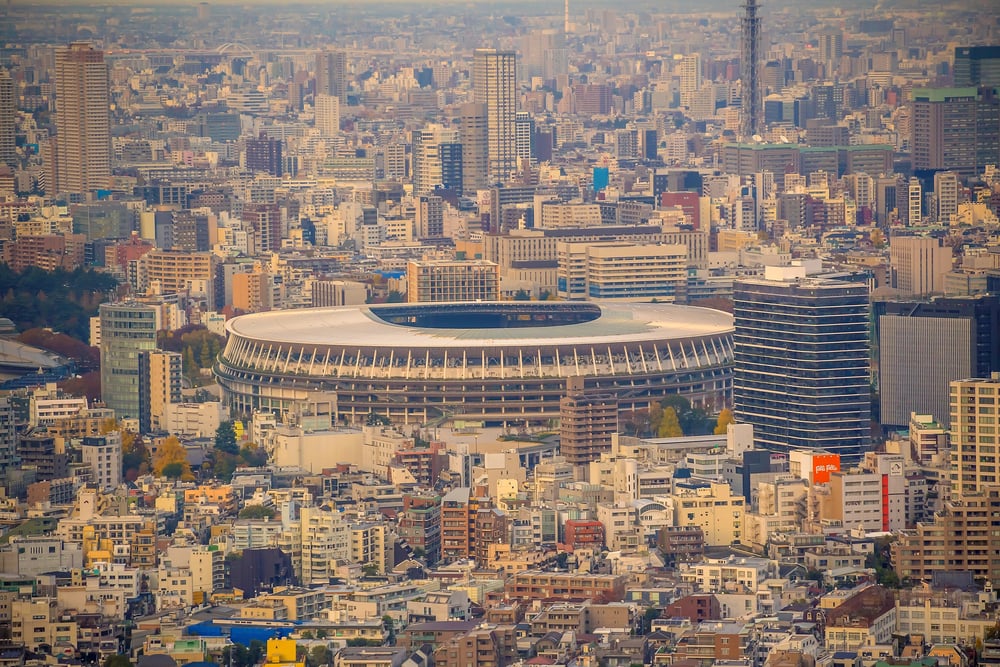
For the delayed 2020 Games, Tokyo built a new National Stadium. Architect Kengo Kuma blended wood and greenery into the design, reflecting Japanese traditions. It felt like an antidote to the cold steel and concrete of previous mega-arenas.
Stade de France, Paris
— Photo by frlegros
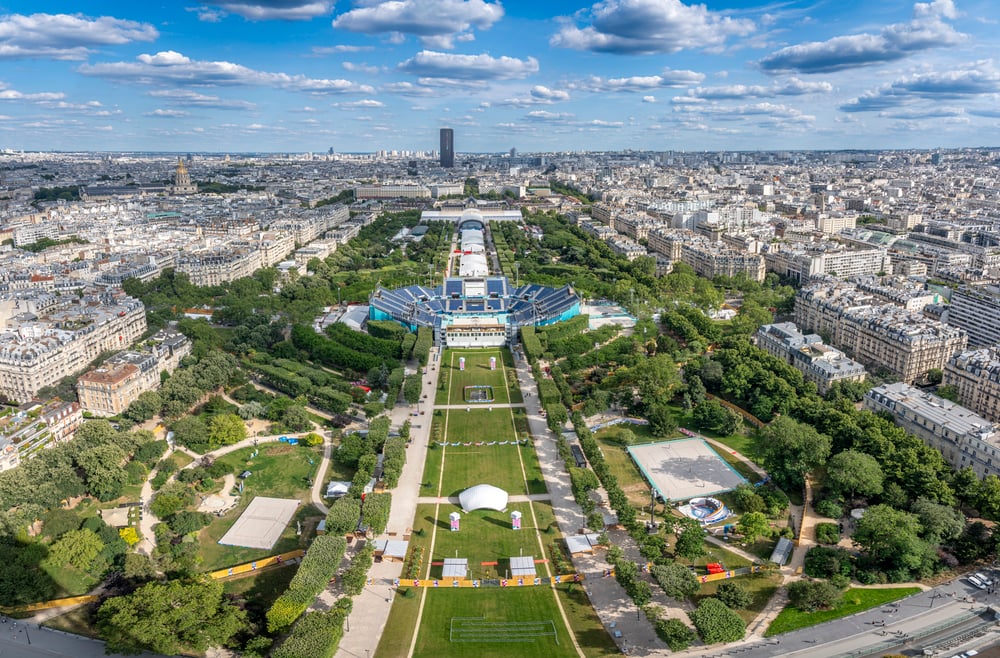
Though not originally built for the Olympics, the Stade de France will serve as the main venue for the 2024 Games. Its history includes World Cup finals and epic concerts. And soon, it will add Olympic memories to its long résumé.
More Than Just Concrete
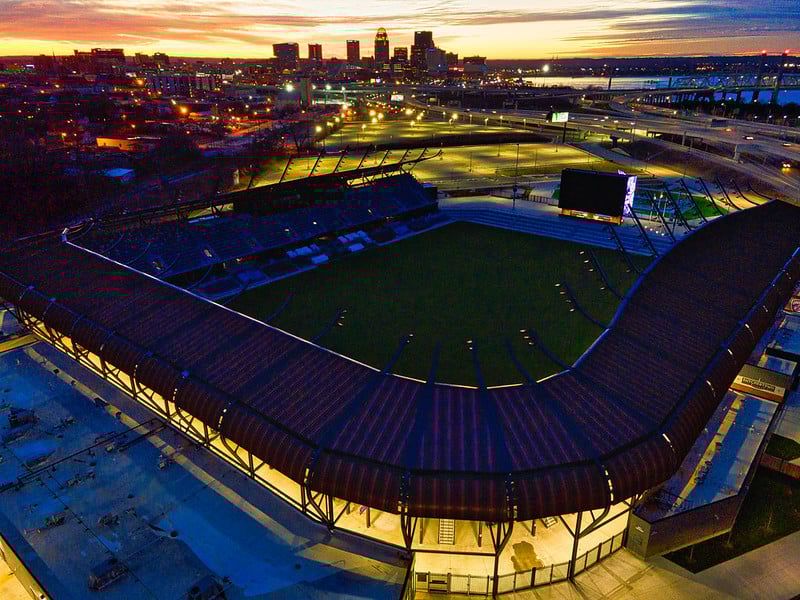
These stadiums are not just places where medals were won. They are monuments to ambition, symbols of politics and pride, and sometimes scars of financial overreach. Together they tell the story of how sport shapes cities and, occasionally, whole nations.
More from Go2Tutors!

- 16 Historical Figures Who Were Nothing Like You Think
- 12 Things Sold in the 80s That Are Now Illegal
- 15 VHS Tapes That Could Be Worth Thousands
- 17 Historical “What Ifs” That Would Have Changed Everything
- 18 TV Shows That Vanished Without a Finale
Like Go2Tutors’s content? Follow us on MSN.