16 Mysterious Monolithic Stones Found Across Great Britain
Standing stones have dotted the British landscape for thousands of years, silent witnesses to civilizations whose purposes we can only guess at. These ancient monoliths seem to emerge from the earth itself, as if the land decided to reach toward the sky in stone.
From towering sentinels that dwarf visitors to weathered markers barely taller than a person, each tells a story we’re still trying to decode. The mystery isn’t just what they meant to their builders—it’s why they still feel so alive today.
Stonehenge
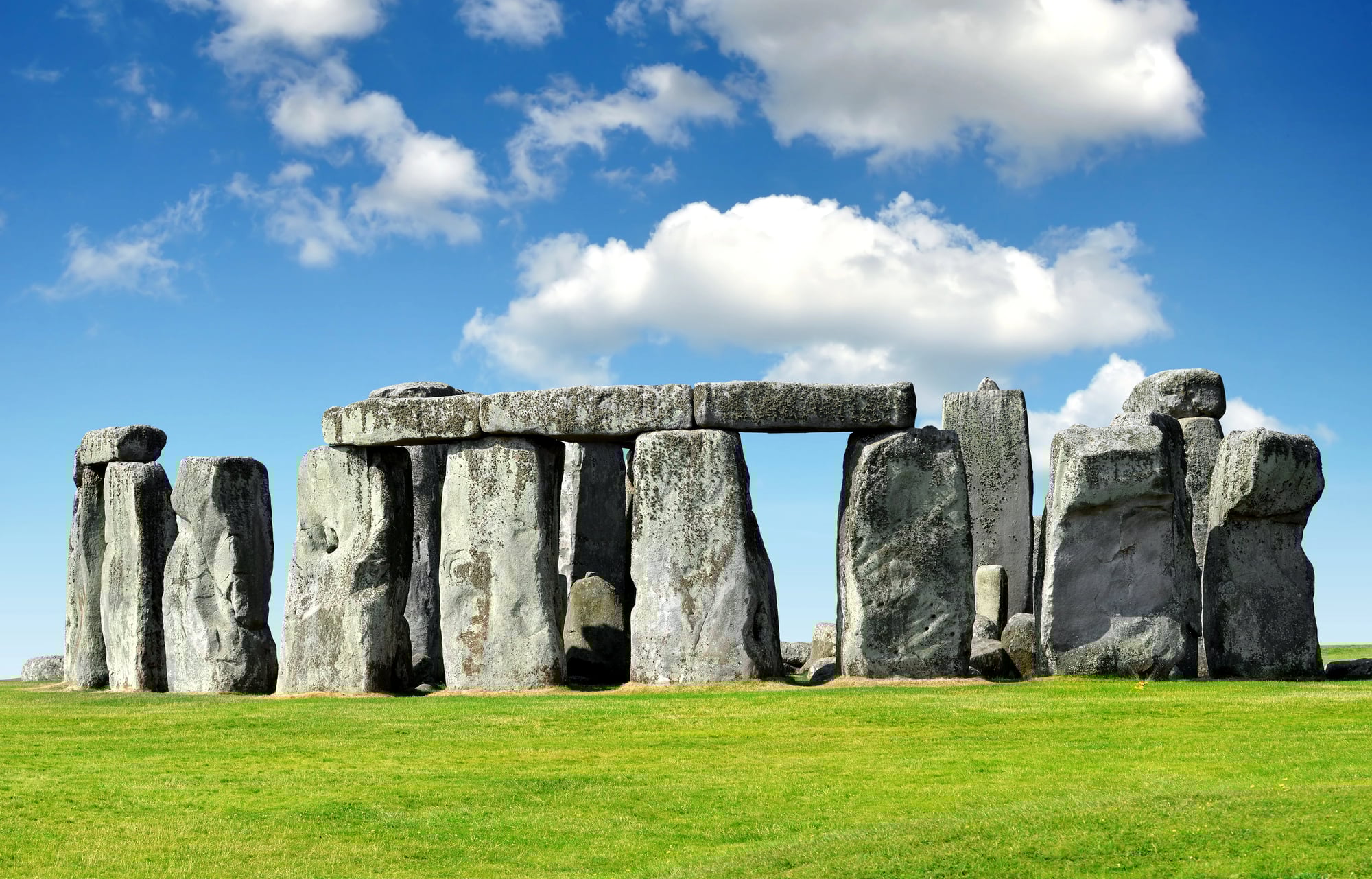
The most famous doesn’t need an introduction. Thirty massive trilithons arranged in a circle, perfectly aligned with celestial events.
Built over 1,500 years by people who left no written records about what they were actually doing.
Nobody really knows why they moved 25-ton stones from Wales 150 miles away when perfectly good rocks sat closer. That stubbornness says something about the importance of this place.
The Ring Of Brodgar
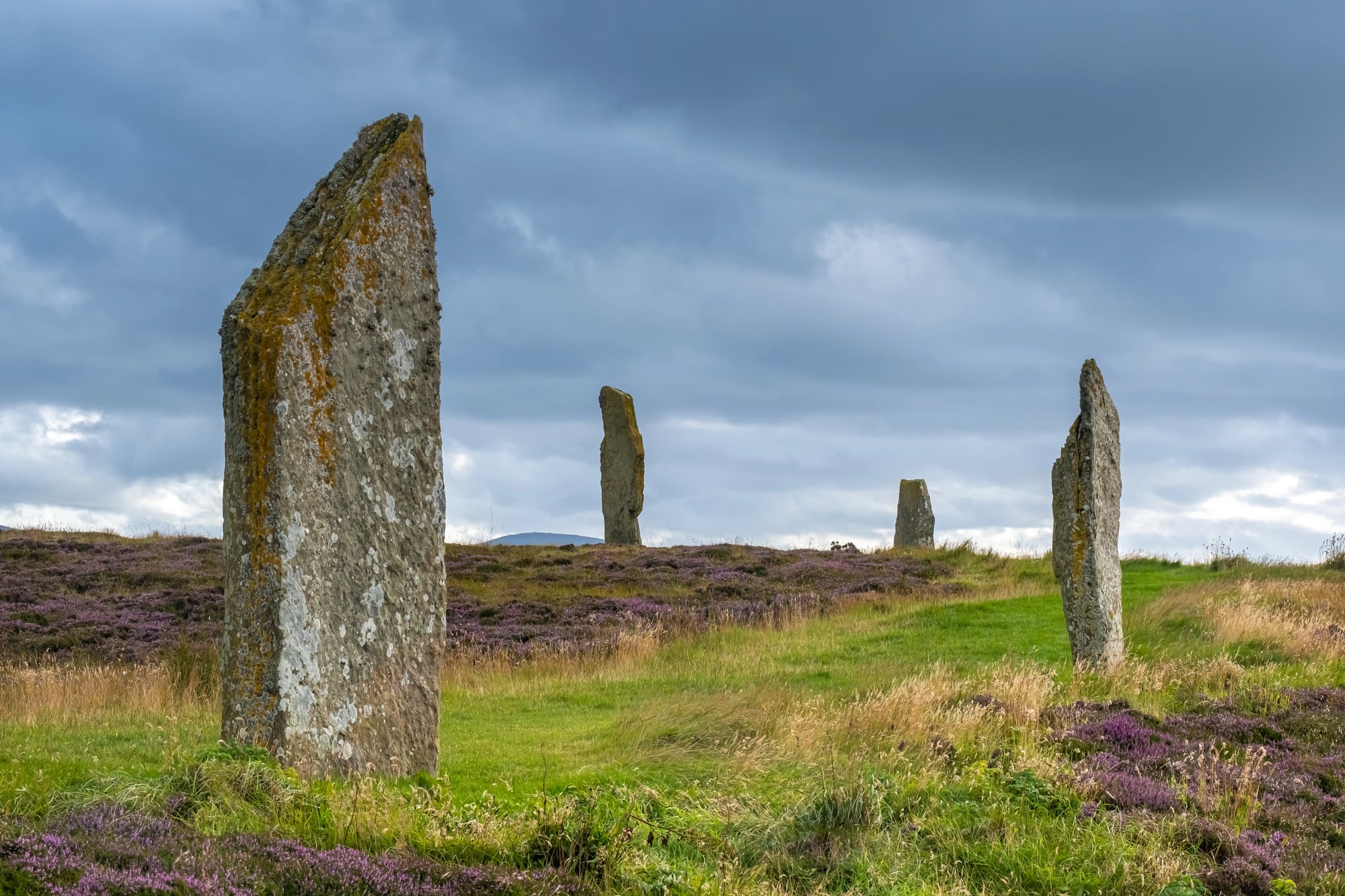
Orkney’s stone circle sits on a thin strip of land between two lochs, which means the ancient builders chose one of the most dramatically inconvenient spots available. So naturally, it became one of the most powerful.
Of the original 60 stones, 27 still stand —some reaching 15 feet high, others broken off at ground level like ancient teeth.
The circle measures exactly 340 feet across (which suggests these people understood geometry better than we give them credit for), and the stones themselves came from at least six different quarries scattered across the islands. And yet the builders somehow managed to create something that feels unified rather than cobbled together, a feat that modern architects might struggle to replicate even with all our planning tools and computer models.
But here’s what really gets you: the whole thing was built around 2500 BCE, which means it predates the Egyptian pyramids—and unlike those monuments to individual pharaohs, this one seems to have been built for everyone, or at least everyone who lived within walking distance of those two lochs.
The landscape around Brodgar is littered with burial mounds, smaller stone circles, and standing stones that suggest this wasn’t just a single monument but the center of an entire sacred geography that stretched across the islands.
Long Meg And Her Daughters
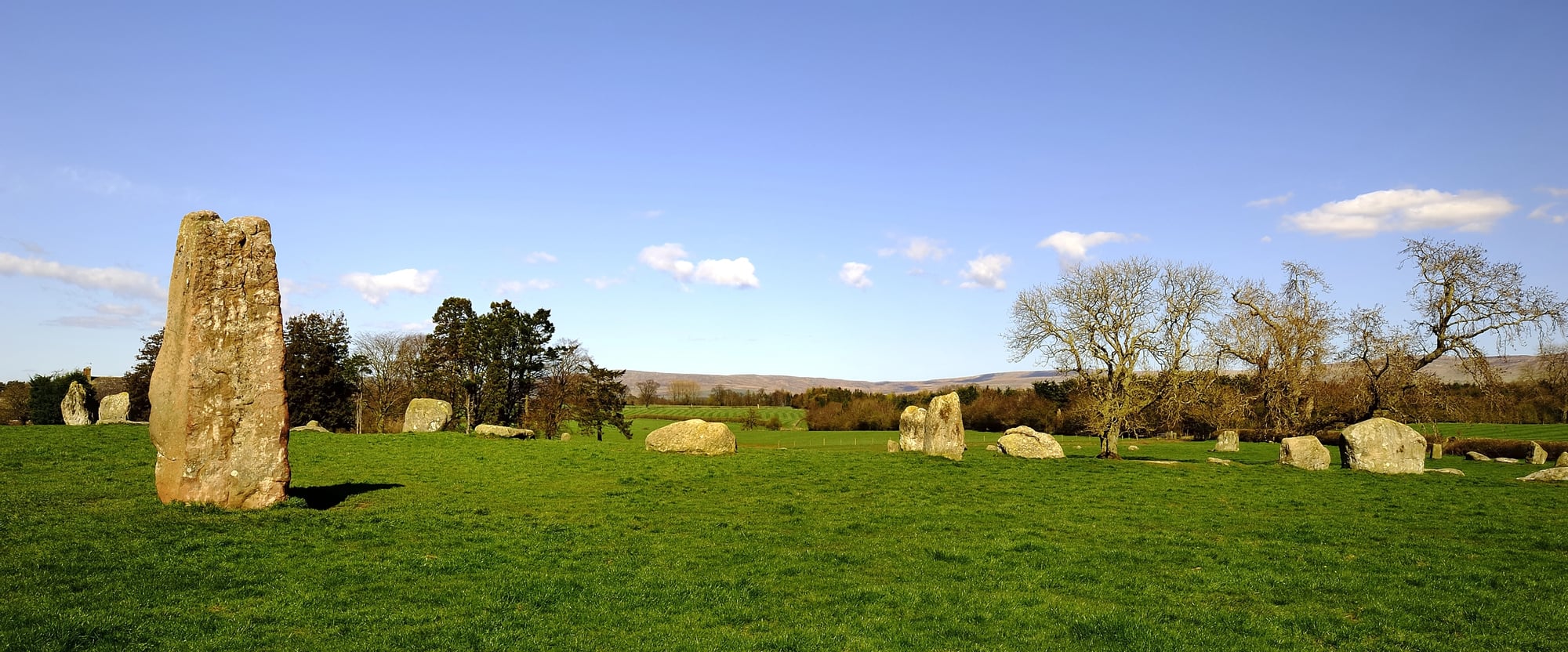
The name makes it sound like a fairy tale, which isn’t far from the truth when you consider what you’re actually looking at. Long Meg herself is a 12-foot sandstone pillar covered in Bronze Age cup-and-ring marks and spiral carvings, standing slightly apart from a circle of 69 gray granite “daughters” in a Cumbrian field that has probably seen the same view for 4,000 years.
Local folklore insists they’re a witch and her coven turned to stone for dancing on the Sabbath. The truth is probably stranger.
This is the third-largest stone circle in England, and Long Meg’s position means she’s perfectly aligned with the midwinter sunset—a detail that transforms what looks like random placement into precise astronomical calculation.
Callanish Stones
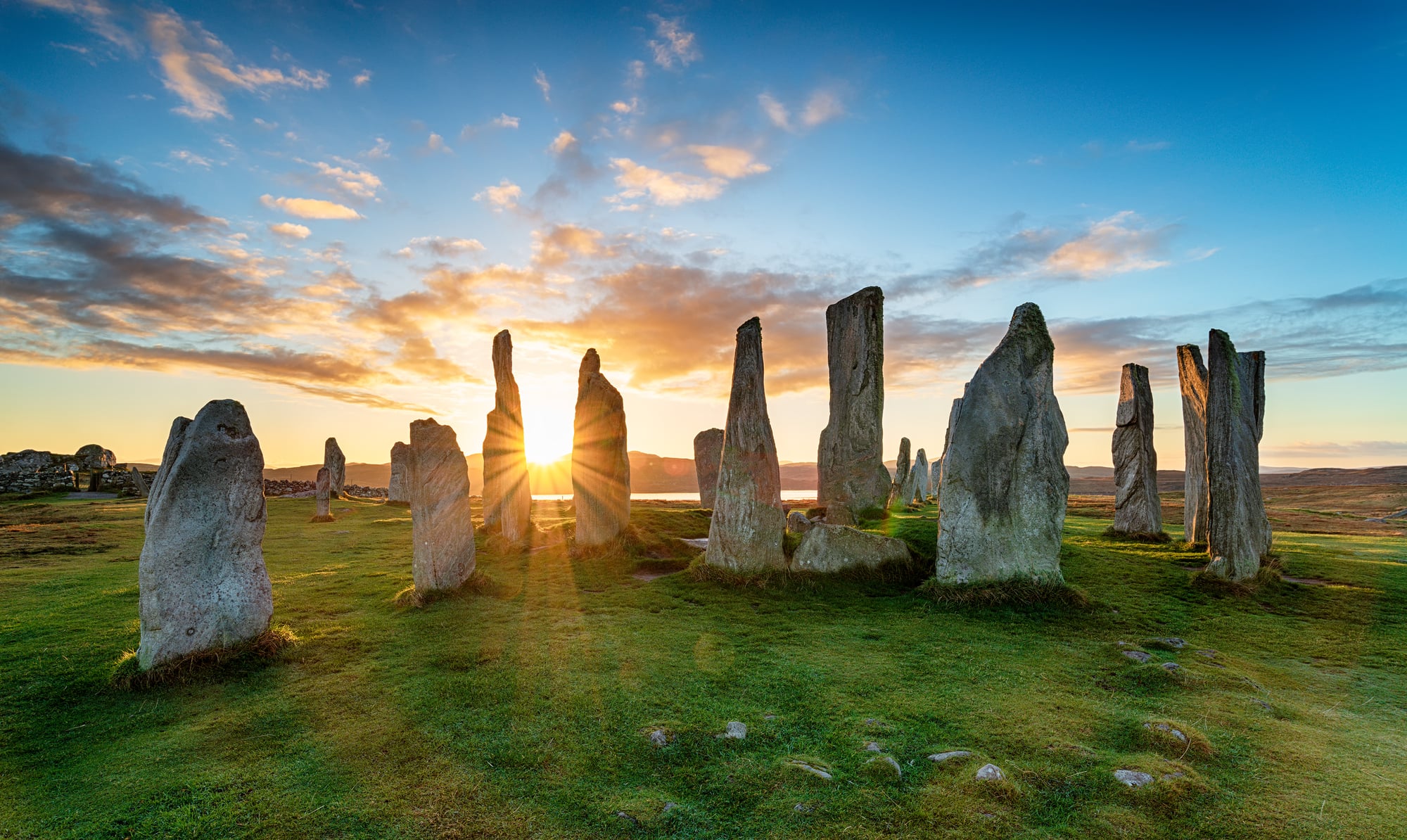
These stones don’t just stand—they stride across the Isle of Lewis like a procession frozen mid-step. The main circle surrounds a central monolith that’s nearly 16 feet tall, with stone rows radiating outward in four directions to create a Celtic cross shape that predates Christianity by thousands of years.
The arrangement gets more impressive when you realize it’s designed to track the moon’s 18.6-year cycle. Every two decades, the moon appears to skim along the hills to the south, creating what locals call “the moon’s dance with the stones.”
For centuries, peat had buried the stones up to their shoulders. Only in the 1850s was the site fully excavated, revealing stones that had been hidden for so long that local folklore had nearly forgotten their original height.
The Rudston Monolith
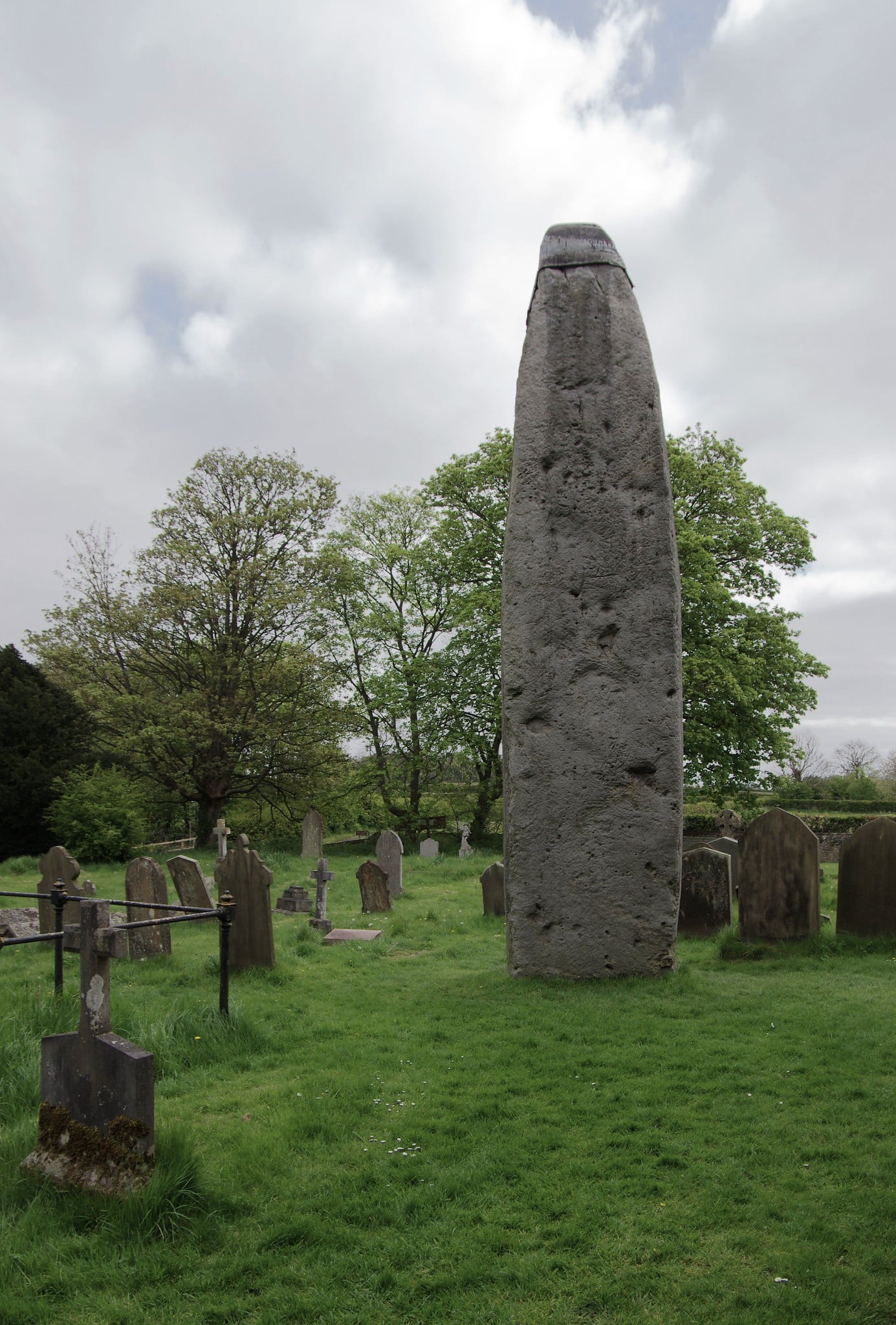
England’s tallest standing stone doesn’t stand in a field or on a moor—it stands in a churchyard in East Yorkshire, towering 25 feet above the medieval graves like some ancient giant who refused to move when Christianity arrived. The irony, of course, is that the church was built around the stone rather than the other way around, which suggests even Medieval Christians recognized they were dealing with something that had earned its place.
The stone itself is gritstone that came from at least 10 miles away, transported by people who had no wheels, no pulleys, and apparently no sense of proportion when it came to making a point. Weighing roughly 40 tons, it required a level of communal effort that speaks to just how important this particular spot was to the people who lived here 4,000 years ago.
Avebury Stone Circle
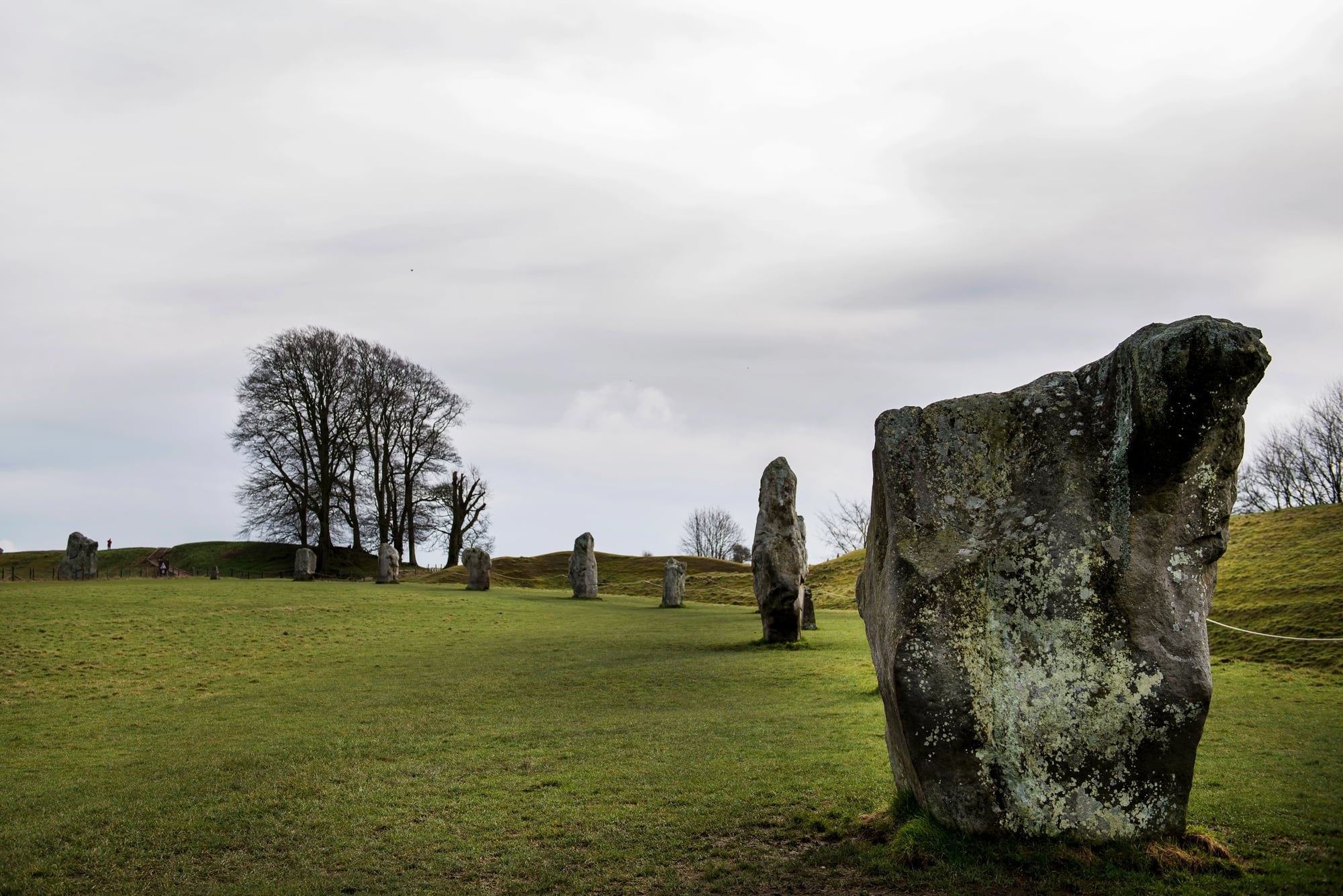
Avebury makes Stonehenge look modest, which is saying something. This Neolithic monument covers 28 acres and originally contained about 100 standing stones, some weighing up to 40 tons each.
The village of Avebury now sits inside the circle, with houses, a pub, and a church all nestled among stones that were ancient when the Romans arrived.
The circle connects to other monuments through a series of stone avenues that stretch for miles across the countryside. It’s landscape architecture on a scale that suggests the entire region was designed as a single ceremonial complex.
Men-An-Tol
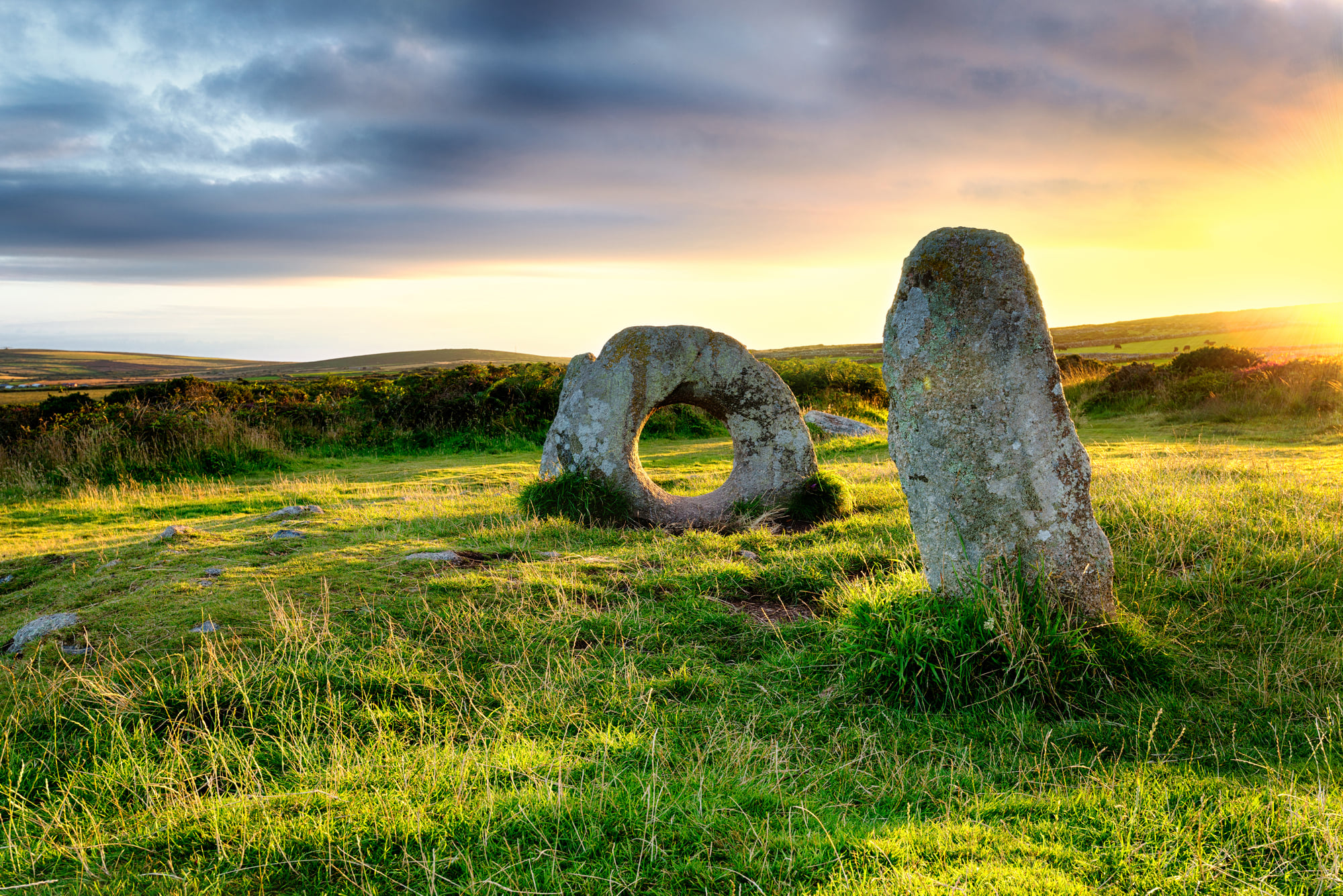
In the wilds of Cornwall stands something that looks less like architecture and more like a riddle carved in stone. Men-an-Tol consists of three stones: two uprights flanking a circular stone with an opening in the middle large enough for a person to crawl through.
The setup is so unusual that archaeologists still argue about what it actually is—part of a larger circle, a burial chamber, or something else entirely.
Local tradition holds that crawling through the holed stone nine times (always sunwise, naturally) can cure various ailments, particularly rickets in children and rheumatism in adults. Whether or not the healing works, the ritual suggests people have been interacting with these stones in the same way for centuries, which means the monument has retained its power to make people do slightly ridiculous things in pursuit of something larger than themselves.
The stones sit on moorland that feels untouched by time, where the wind carries the same sounds it has for millennia and the granite underfoot connects you directly to the bedrock of the peninsula.
The Devil’s Arrows
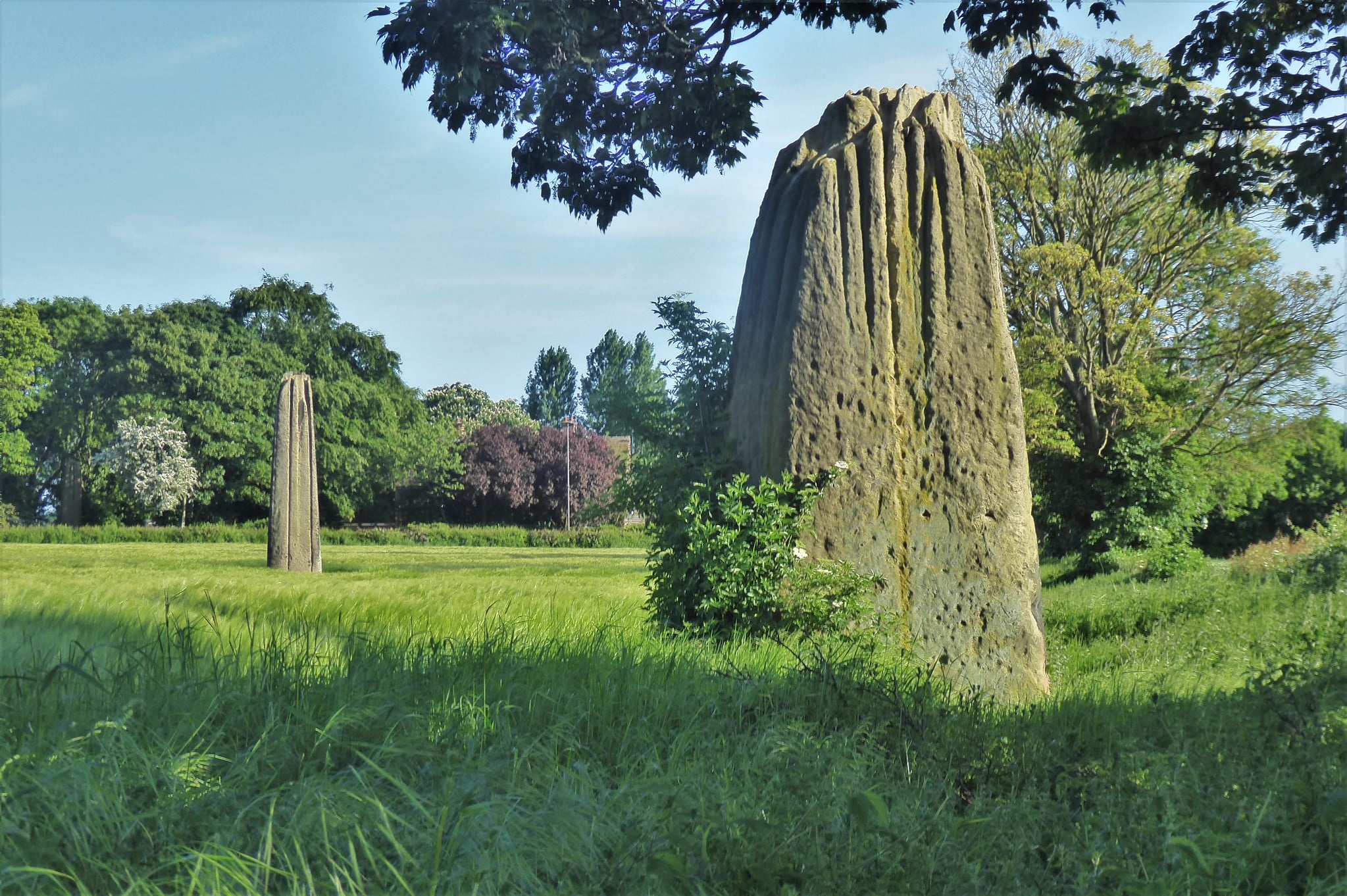
Three massive monoliths stand in a line near Boroughbridge in North Yorkshire, their weathered surfaces grooved by centuries of rain into vertical channels that catch the light at different angles throughout the day. The tallest reaches 22 feet, and all three are made of millstone grit that came from Plumpton Rocks, nine miles away—another example of ancient builders going to considerable trouble to get exactly the right stone for the job.
The name comes from local legend that claims the Devil threw them at nearby settlements, which explains both their imposing presence and their slightly off-kilter alignment.
In reality, there were probably once four arrows, but one was broken up in the 18th century to build a bridge.
Maen Llia
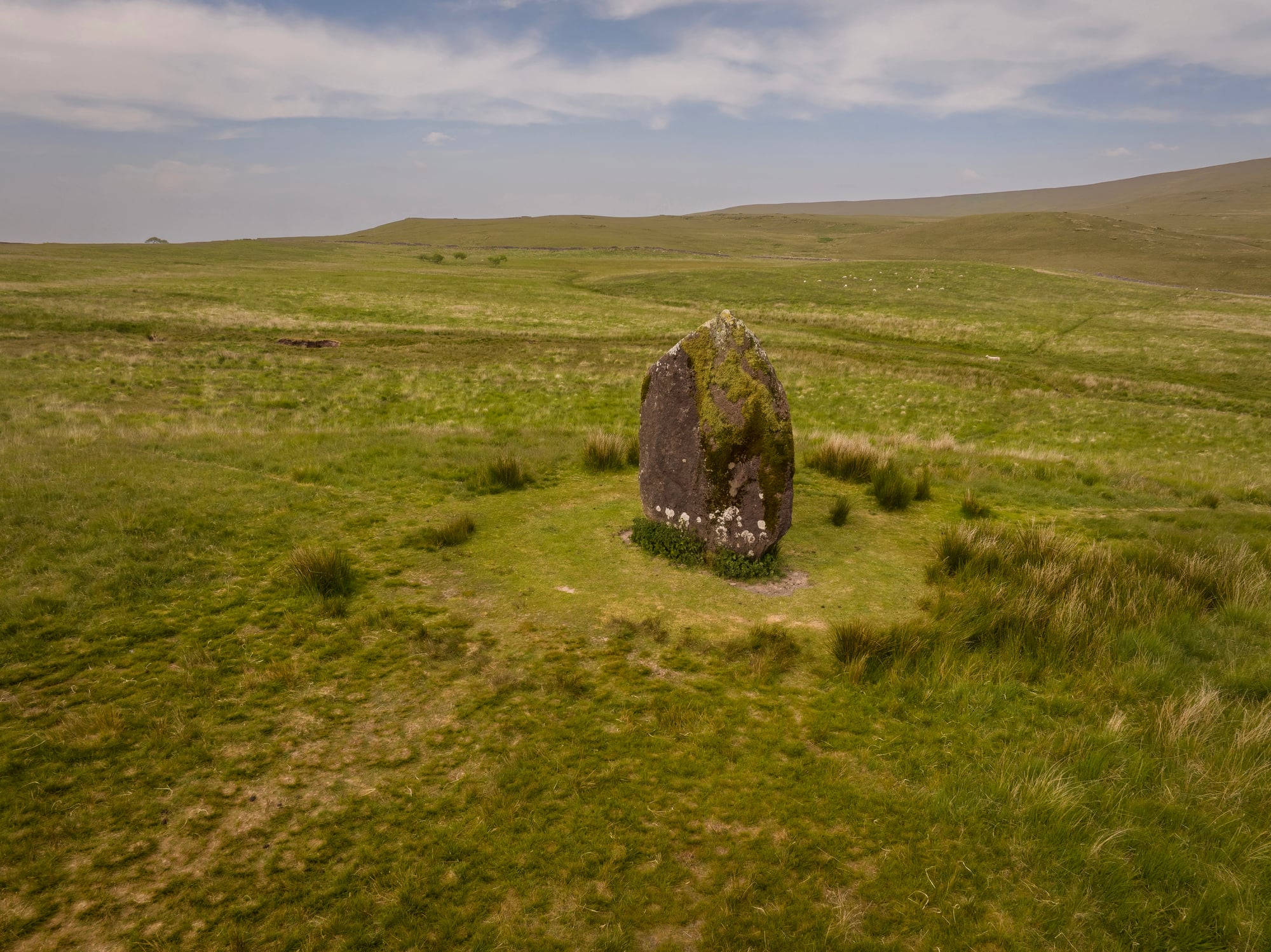
This solitary standing stone sits on the Brecon Beacons like a bookmark placed in the landscape to mark something important that has since been forgotten. At 12 feet tall and perfectly aligned north-south, Maen Llia (which simply means “broad stone” in Welsh) commands a view across the valley that takes in several other ancient monuments, suggesting it was part of a larger network of sacred sites.
The stone has a lean that makes it look ready to topple, though it has stood at exactly that angle for thousands of years.
Local sheep use it as a scratching post, which seems somehow appropriate—even the livestock recognize its usefulness.
Harold’s Stones
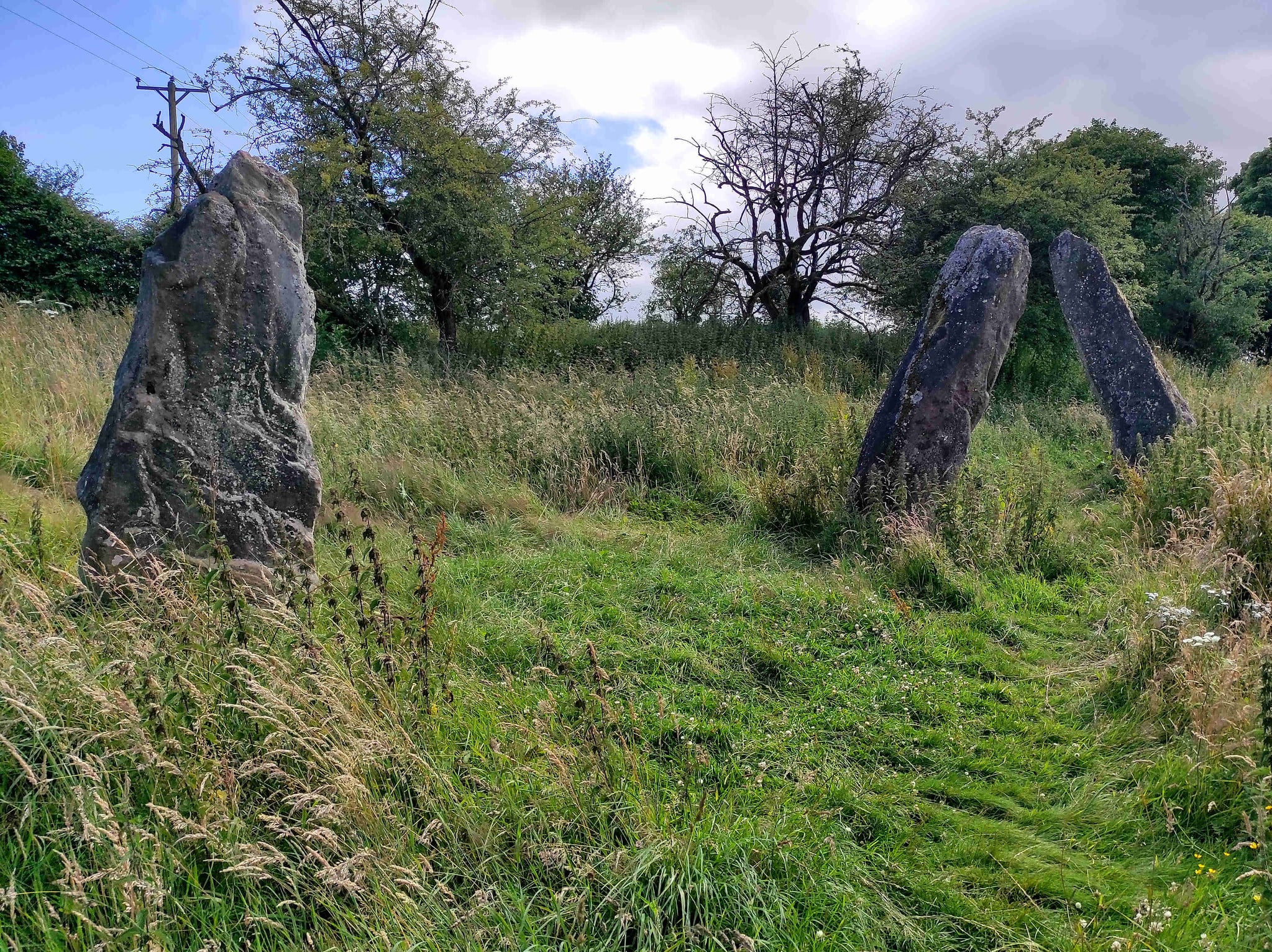
Despite the name, these three standing stones near Trellech in Monmouthshire have nothing to do with King Harold or any other historical figure whose name has made it into the history books. The tallest stands 14 feet high, and all three are arranged in a line that runs roughly north-east to south-west, aligned with what may be other ancient sites in the area (though the connections are disputed by archaeologists who prefer their evidence more concrete).
Local legend claims they mark the burial place of a king, while another story insists they’re the result of a stone-throwing contest between giants. Both explanations are probably more interesting than the truth, which is that nobody knows why three Bronze Age people decided this particular Welsh hillside needed permanent stone markers.
The Whispering Knights
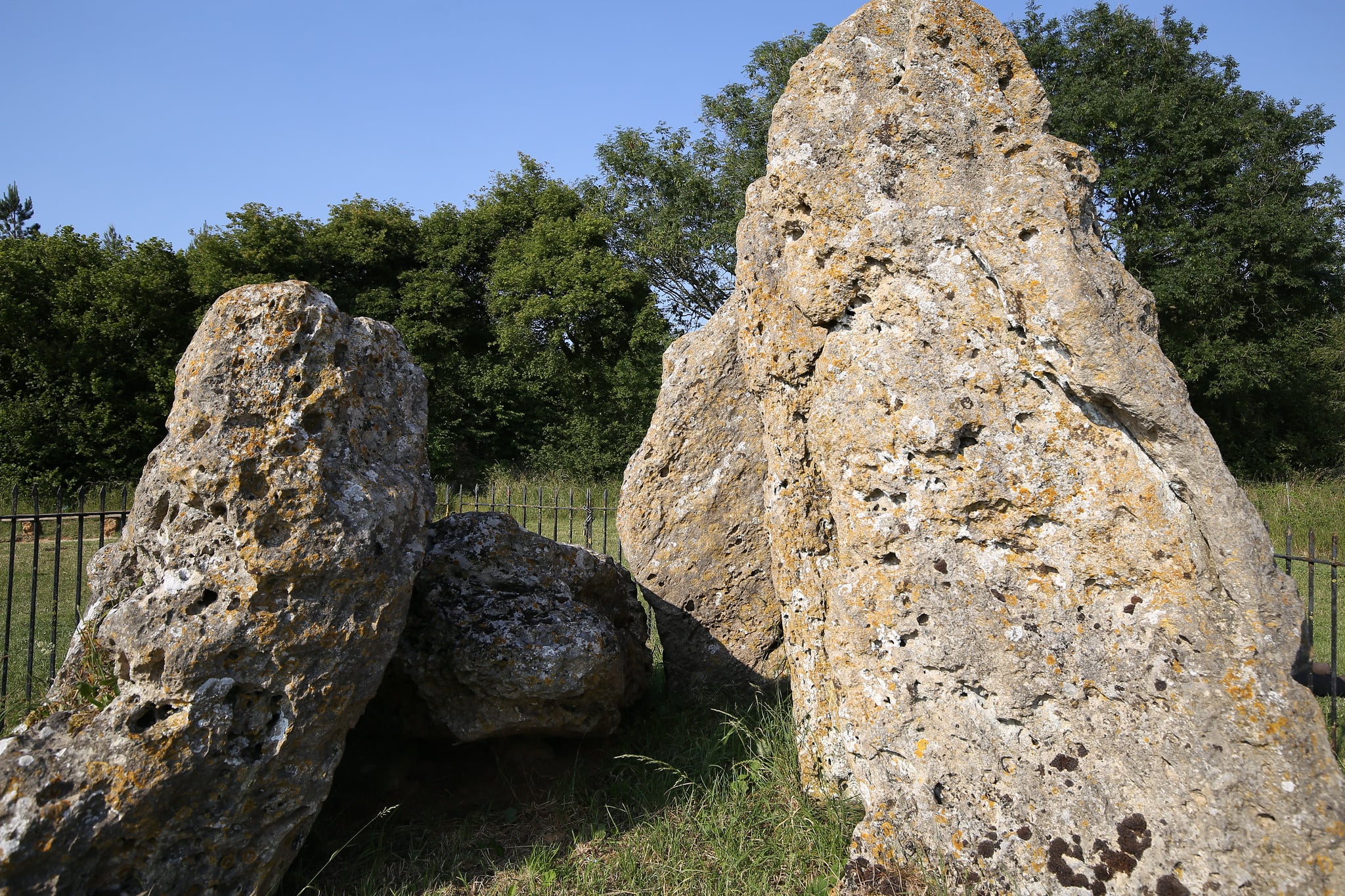
These four standing stones lean toward each other in a rough circle near the Rollright Stones in Oxfordshire, looking like conspirators sharing secrets that have grown more interesting over 4,000 years of repetition. The name fits their appearance perfectly—they do seem to be whispering, or at least listening to something the rest of us can’t hear.
Archaeologically, they’re the remains of a Neolithic burial chamber, the uprights that once supported a capstone roof over what was probably a communal grave.
The roof is long gone, but the supports remain, weathered into shapes that make them look more like a gathering of ancient advisors than structural elements.
Carreg Samson
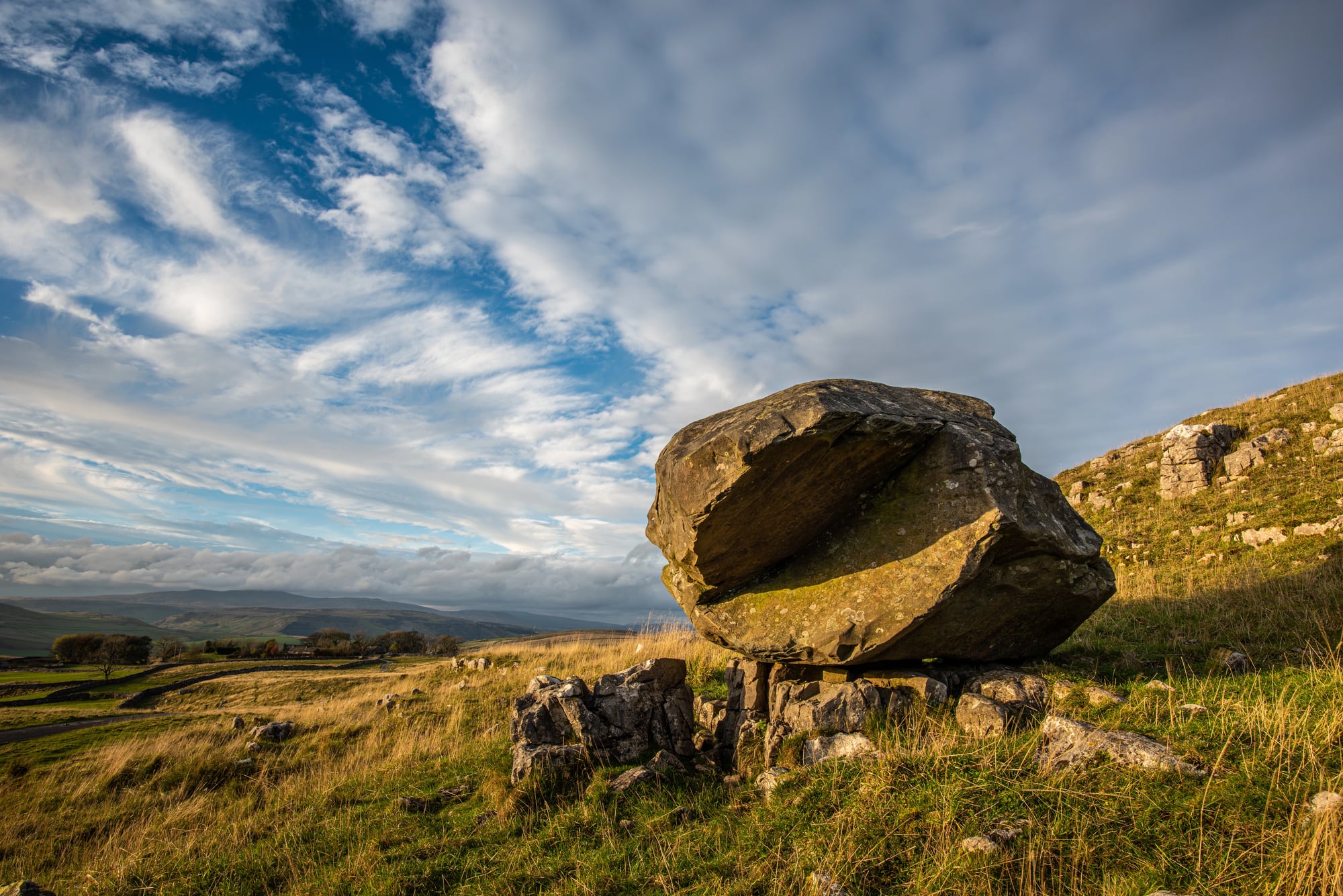
This Neolithic dolmen in Pembrokeshire consists of a massive capstone balanced on three upright stones, creating a chamber that feels both intimate and monumental. The capstone weighs several tons but appears to float above the uprights with an effortlessness that makes the engineering look like magic—which was probably the point.
The monument sits in a field that offers views across the Welsh countryside to the sea, positioned so that it catches both sunrise and sunset depending on the season.
Local folklore claims it’s the work of Samson, who placed the capstone with his bare hands, though the real builders were probably just as impressive in their own way.
The Heel Stone
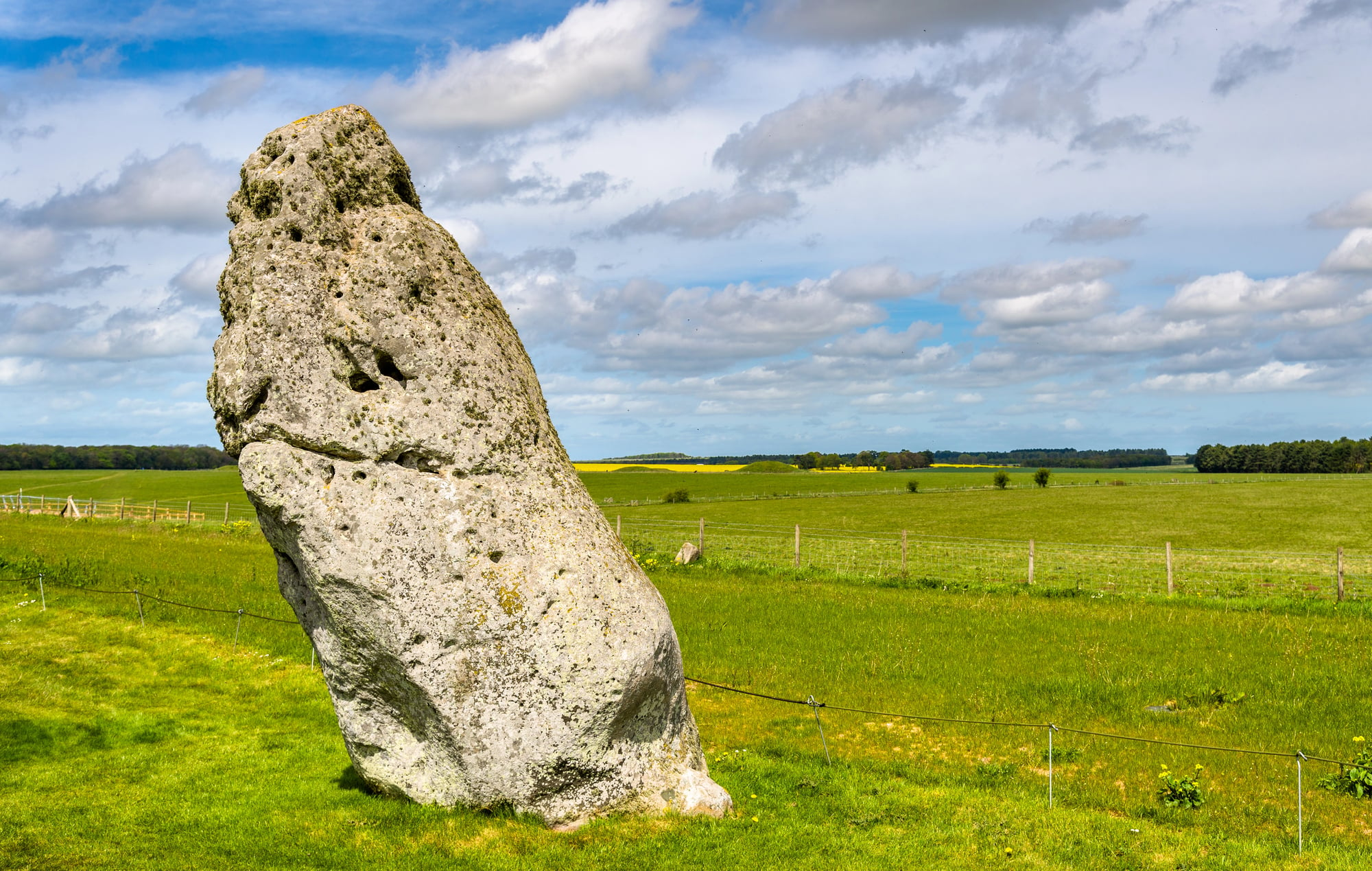
Standing outside the main circle at Stonehenge, the Heel Stone marks the point where the midsummer sun rises when viewed from the center of the monument. At 16 feet tall and leaning at a dramatic angle, it serves as both astronomical marker and dramatic focal point for the most important day in the Neolithic calendar.
The stone gets its name from a depression near its base that looks like a heel print, though local legend claims it’s actually the mark left by the Devil’s heel when he threw the stone at a fleeing monk.
The monk dodged, the stone stayed, and thousands of years later tourists still gather before dawn on June 21st to watch the sun rise behind it.
Arthur’s Stone
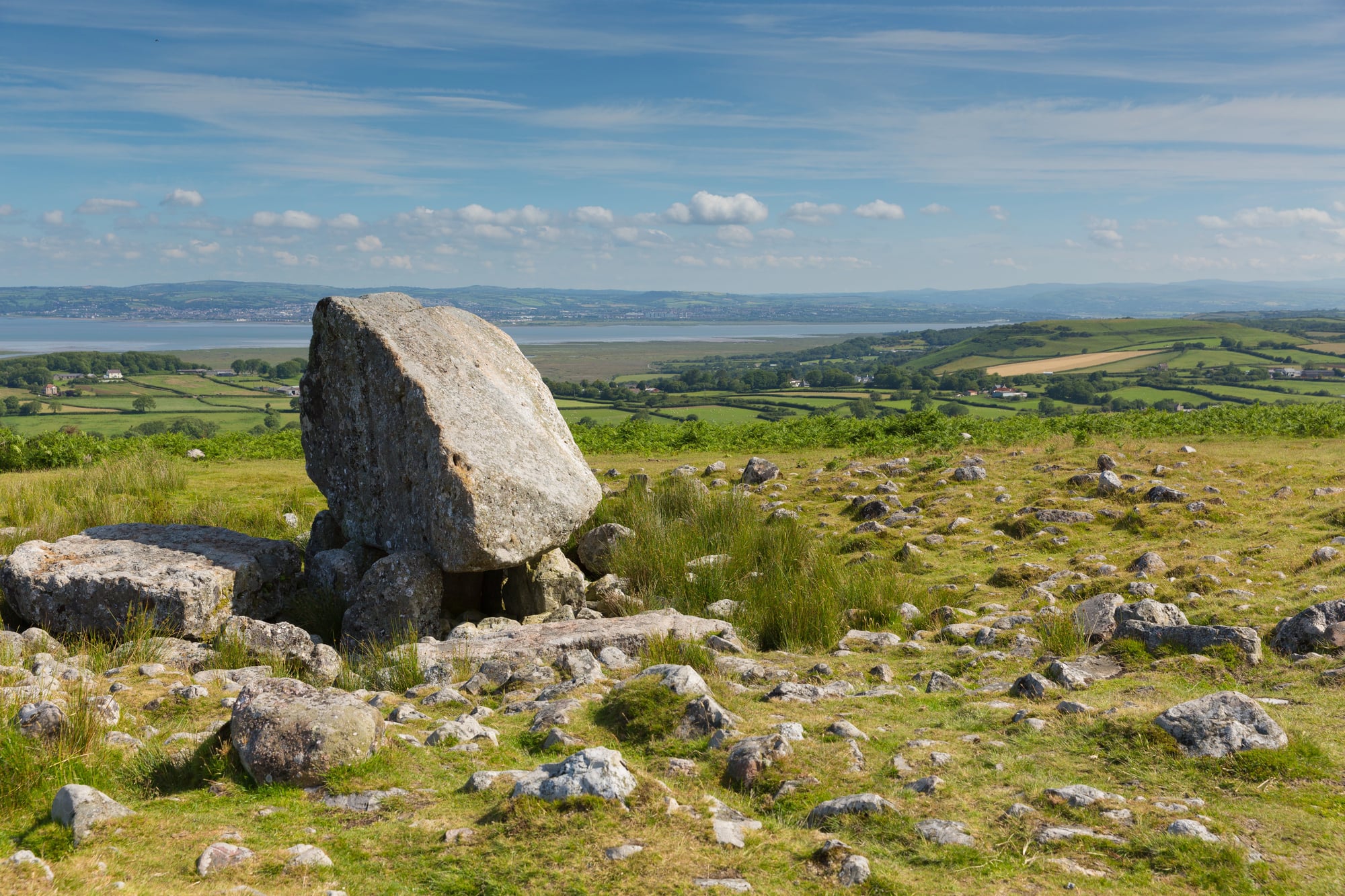
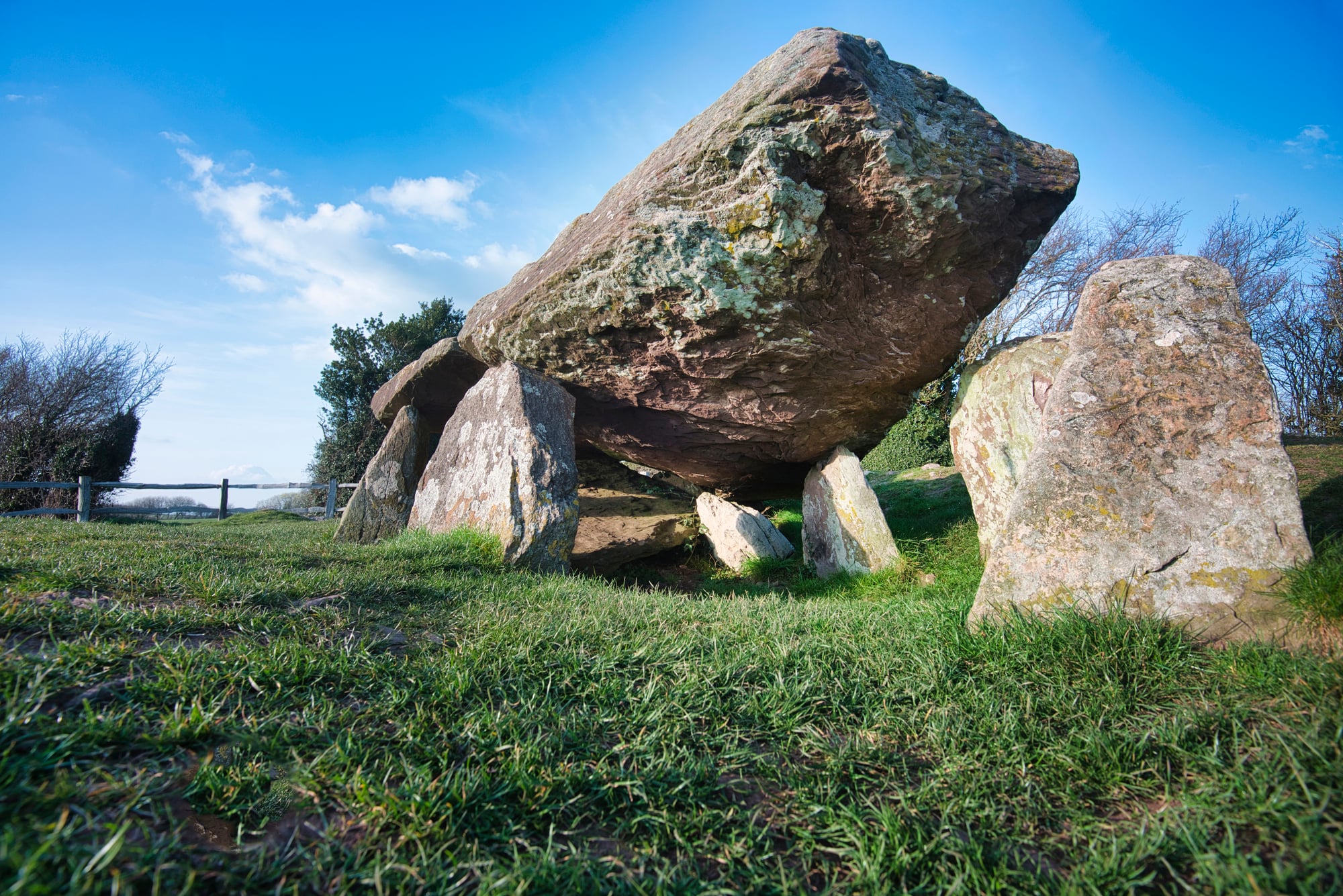
This Neolithic burial chamber on the Gower Peninsula consists of a 25-ton capstone balanced on smaller uprights, creating a shelter that has protected Bronze Age remains for over 4,000 years. The monument commands a view across the Bristol Channel that stretches to Somerset on clear days, positioned so that it’s visible from miles away across the peninsula.
Legend connects it to King Arthur, naturally, though the real Arthur (if he existed at all) came along roughly 3,000 years after the monument was built.
The association probably says more about how impressive the structure is than about any historical connection—people needed to explain how such a massive stone came to be balanced so perfectly in such a prominent location.
The Long Stone Of Minchinhampton
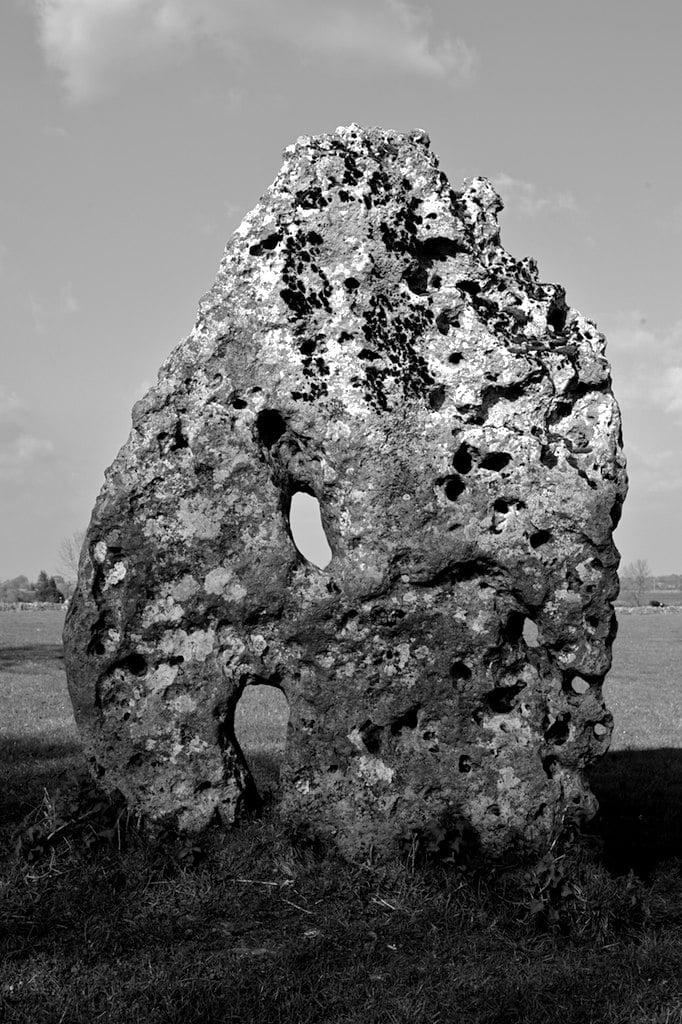
Standing alone on Minchinhampton Common in Gloucestershire, this 7-foot monolith has watched over the Cotswolds for at least 3,000 years. The stone is made of local oolitic limestone and shows signs of having been carefully shaped, with one face distinctly flatter than the others—suggesting it was meant to be viewed from a particular direction.
The common around it has been grazed by cattle for centuries, and the stone serves as a landmark for both livestock and walkers.
It’s the kind of monument that feels completely integrated into its landscape, as if it grew there rather than being placed by human hands.
Gop Cairn
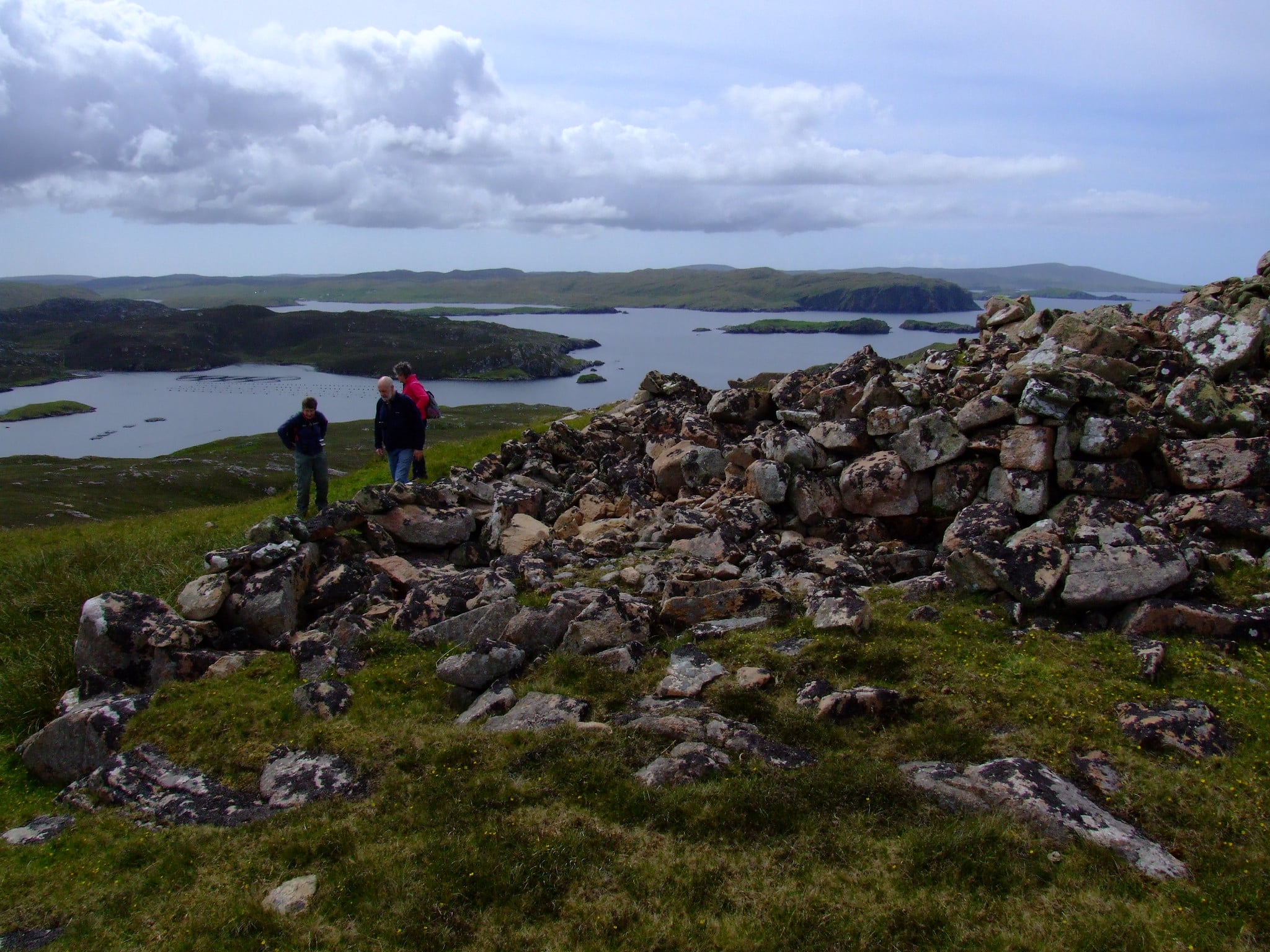
This massive mound in Flintshire rises 40 feet above the surrounding countryside and stretches 300 feet along its base, making it one of the largest cairns in Britain. Unlike most burial mounds, Gop Cairn is made entirely of limestone blocks fitted together without mortar, creating a structure that has survived 4,000 years of Welsh weather through careful engineering rather than luck.
The cairn sits on a hilltop that offers views across the Dee estuary to the mountains of Snowdonia, positioned so that it’s visible from vast distances across North Wales.
Excavations have found Bronze Age artifacts but no clear burial, leaving archaeologists to debate whether it’s a tomb, a territorial marker, or something else entirely.
The King’s Men
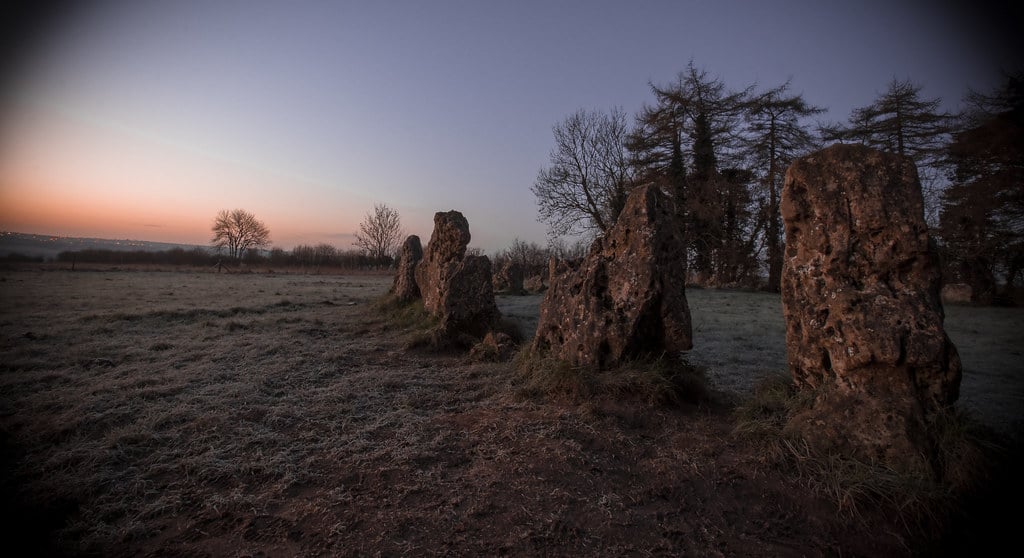
Part of the Rollright Stones complex in Oxfordshire, the King’s Men form a circle of weathered limestone uprights that lean and twist like dancers frozen mid-movement. Local legend claims they’re a king and his army turned to stone by a witch, cursed to remain here until someone can count them correctly—a task made impossible by their irregular spacing and the way some stones seem to hide behind others depending on your angle of approach.
The circle originally contained more stones, but centuries of weathering have reduced some to stumps while others have fallen entirely.
What remains creates patterns of light and shadow that shift throughout the day, making the monument feel alive even in its decay.
Where Ancient Voices Still Echo
These monolithic stones scattered across Britain represent more than just archaeological curiosities—they’re proof that the human need to mark sacred space, to create permanence in an impermanent world, stretches back to our earliest communities. Each stone required tremendous communal effort to quarry, transport, and erect, suggesting they marked places of profound importance to the people who built them.
Standing among these monuments today, what strikes you isn’t just their age but their persistence. They’ve outlasted the civilizations that created them, the empires that conquered those civilizations, and countless generations of people who walked past them on their way to somewhere else.
Yet they remain, still commanding attention, still raising questions we can’t fully answer. In a world of constant change, they offer something increasingly rare: the certainty that some things, once built with enough care and intention, can last forever.
More from Go2Tutors!

- The Romanov Crown Jewels and Their Tragic Fate
- 13 Historical Mysteries That Science Still Can’t Solve
- Famous Hoaxes That Fooled the World for Years
- 15 Child Stars with Tragic Adult Lives
- 16 Famous Jewelry Pieces in History
Like Go2Tutors’s content? Follow us on MSN.



