16 North Pole Myths That Most People Still Believe
The North Pole captures our imagination like few places on Earth. It’s the stuff of childhood dreams, adventure stories, and holiday magic. Despite all the fascination, though, most people carry around some pretty wild misconceptions about this frozen frontier.
From ideas about penguins waddling around the Arctic to beliefs about massive ice sheets and permanent darkness, the myths run deep. Here’s a list of 16 North Pole myths that even well-informed folks often get wrong.
Santa’s Workshop Isn’t There

Sorry to break it to you, but there’s no jolly old man in a red suit running a toy factory at the North Pole. The geographic North Pole sits on shifting sea ice in the middle of the Arctic Ocean — making it about as hospitable as a freezer with the door left open.
Any workshop would sink, drift away, or get crushed by moving ice within days.
Penguins Don’t Live There
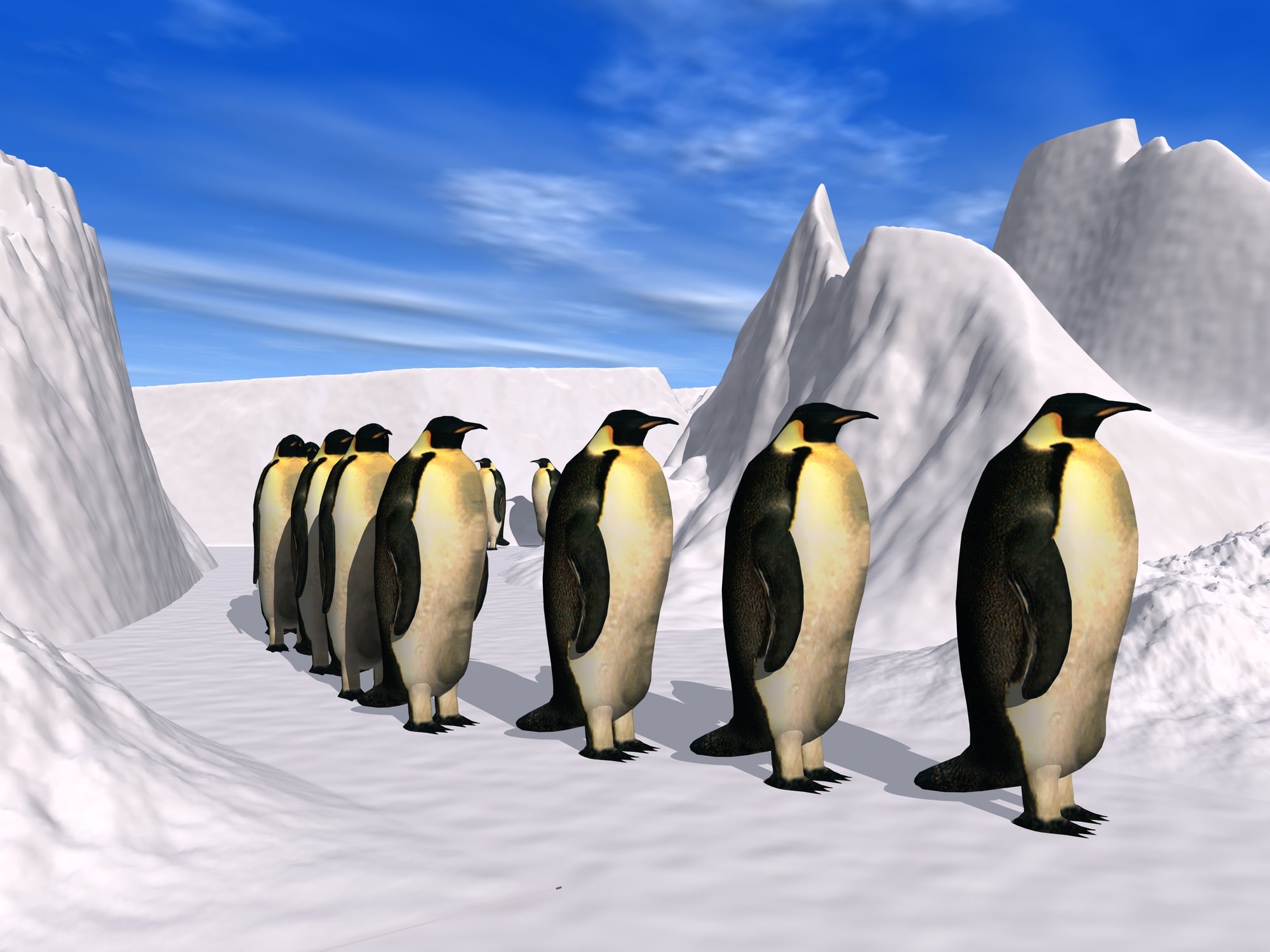
This might be the biggest mix-up of all — penguins live exclusively in the Southern Hemisphere, primarily in Antarctica and surrounding areas. The North Pole sits at the opposite end of the planet, roughly 12,400 miles away from the nearest penguin colony.
If you want to see penguins and polar bears in the same place, you’ll need to visit a zoo.
Like Go2Tutors’s content? Follow us on MSN.
It’s Not Always Dark
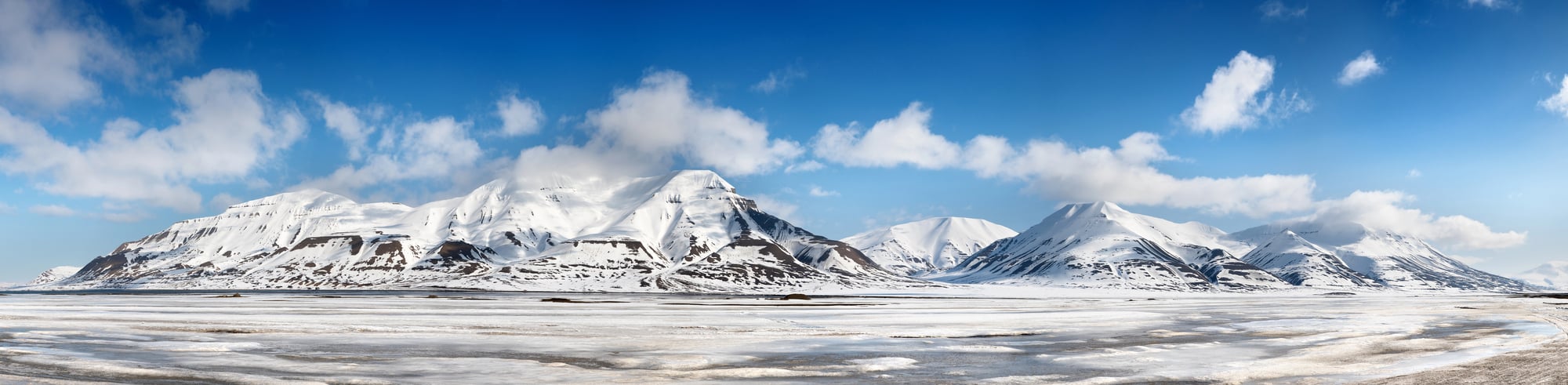
Many folks picture the North Pole as a place of endless night. That’s only true for part of the year, however.
During summer months, the sun never sets — creating 24 hours of daylight for about six months. Winter brings the opposite extreme with continuous darkness, yet it’s not a year-round haunted house scenario.
There’s No Land Underneath

Unlike Antarctica, which sits on a massive continent, the North Pole floats on the Arctic Ocean. The ice beneath your feet at the North Pole is sea ice — typically 6 to 10 feet thick — sitting on water that’s about 13,000 feet deep.
It’s essentially a giant ice cube floating in a very deep, very cold bathtub.
The Ice Constantly Moves
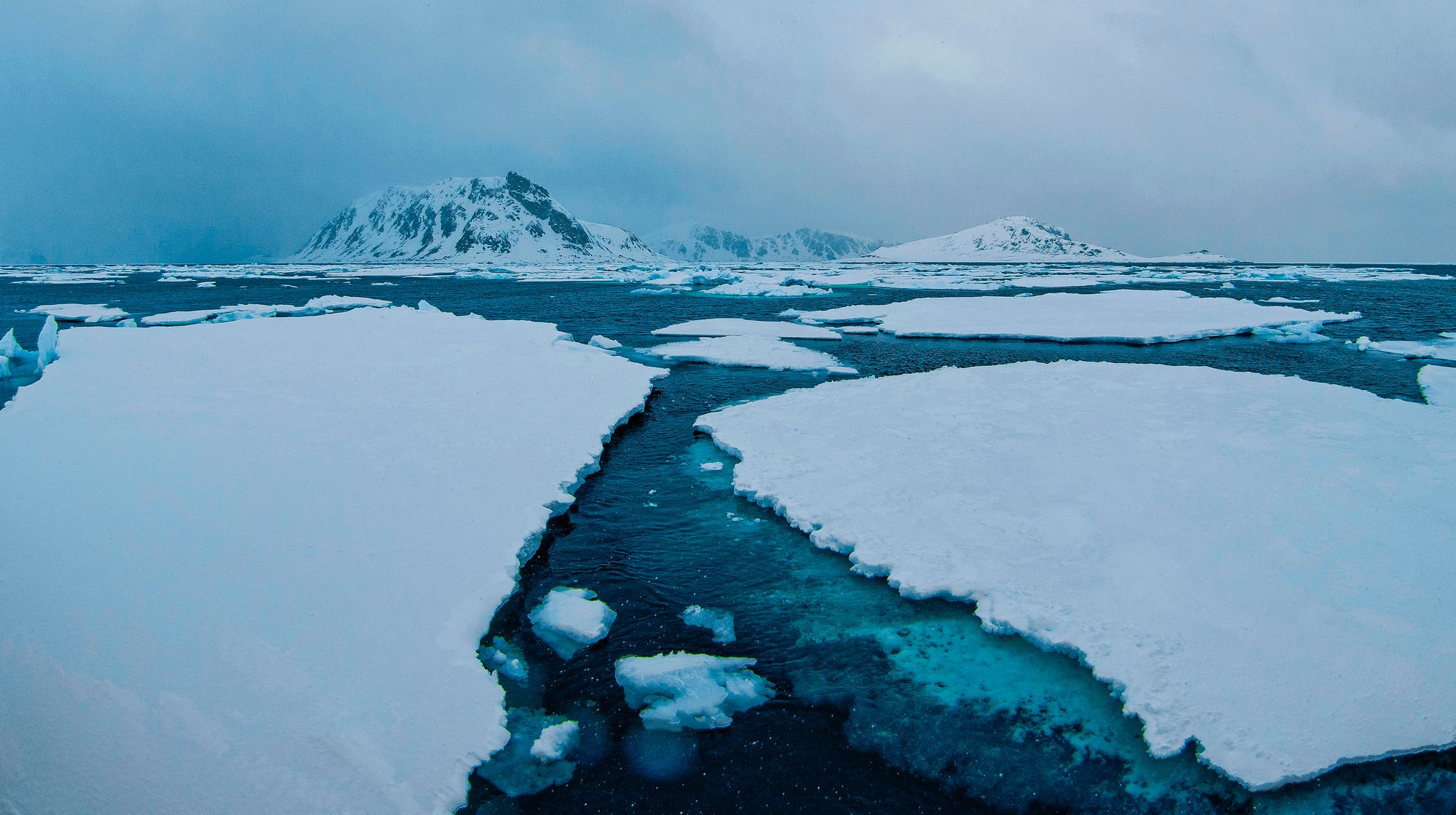
The North Pole isn’t a fixed destination you can mark on a map and visit next year. The sea ice drifts continuously due to ocean currents and winds — moving several miles each day.
Someone standing at the geographic North Pole today would find themselves in a completely different spot tomorrow, even without taking a single step.
Like Go2Tutors’s content? Follow us on MSN.
Polar Bears Don’t Hang Out There

While polar bears do live in the Arctic, they prefer areas where the ice meets the ocean. This gives them access to their favorite food: seals.
The geographic North Pole sits too far from land — lacking the ice edges where seals surface to breathe. Most polar bears stick to the coastal areas of Alaska, Canada, Greenland, Norway, and Russia.
It’s Not the Coldest Place on Earth
The North Pole gets chilly, with winter temperatures around minus 40 degrees Fahrenheit. However, it’s not the planet’s deep freeze champion.
Antarctica holds that title — with recorded temperatures as low as minus 128 degrees Fahrenheit. The surrounding ocean actually moderates temperatures at the North Pole, preventing it from getting as brutal as inland Antarctica.
You Can’t Drive There
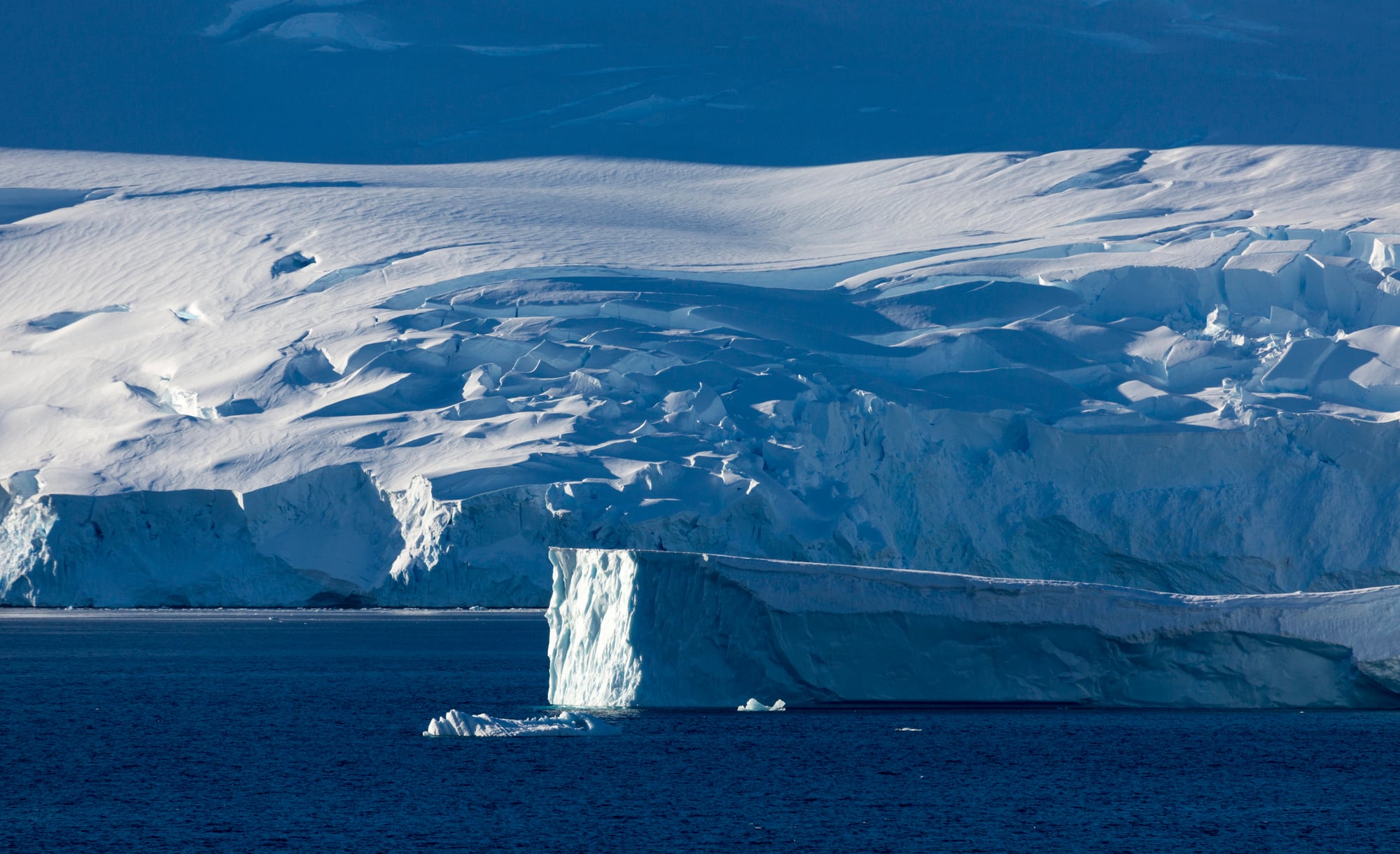
There’s no highway to the North Pole. Building one would be impossible anyway since there’s no solid ground.
The constantly shifting ice makes any permanent road or structure a non-starter — visitors typically arrive by airplane, helicopter, or icebreaker ship. Even these methods depend heavily on weather conditions and timing.
Like Go2Tutors’s content? Follow us on MSN.
It’s Not a Tourist Destination

Some adventure tour companies offer North Pole expeditions, though it’s not exactly Disneyland. These trips cost tens of thousands of dollars — requiring extensive planning — and often get canceled due to weather or ice conditions.
Most ‘North Pole’ tourist experiences actually take visitors to locations much farther south in the Arctic region.
The Magnetic North Pole Is Somewhere Else
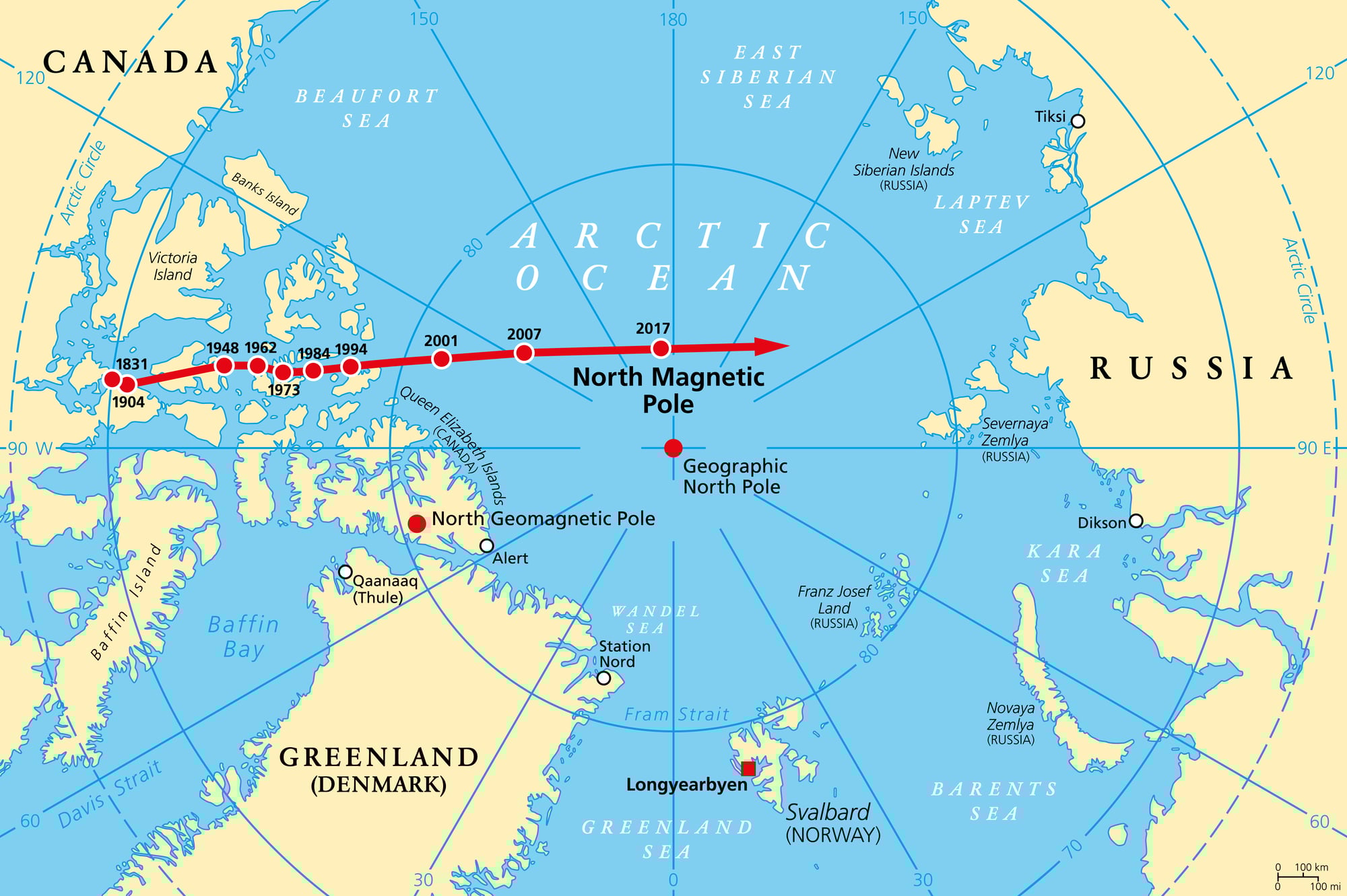
The geographic North Pole and the magnetic North Pole are two completely different locations — separated by hundreds of miles. Your compass doesn’t point to the geographic North Pole where Santa supposedly lives.
Instead, it points to the magnetic North Pole, which currently sits in northern Canada and moves about 25 miles per year due to changes in Earth’s magnetic field.
There Are No Trees or Plants

The North Pole sits in the middle of an ocean covered by ice. This makes it impossible for any vegetation to grow.
Unlike the Arctic tundra found on land, where hardy plants manage to survive during brief summers, the North Pole offers nothing except ice and water. Even the most determined dandelion wouldn’t stand a chance.
Like Go2Tutors’s content? Follow us on MSN.
Time Zones Get Weird

At the North Pole, all time zones converge into one confusing mess. Since every longitude line meets at this point, you could theoretically experience every time zone on Earth just by turning in a circle.
Most expeditions just pick one time zone and stick with it to avoid the headache of constantly changing clocks.
The Sun Rises and Sets Just Twice a Year
Unlike most places on Earth where the sun rises and sets daily, the North Pole experiences just two sunrises and sunsets per year. The sun rises around the spring equinox in March.
It doesn’t set until the fall equinox in September. After that, it’s lights out until the following March.
Wind Patterns Are Unique
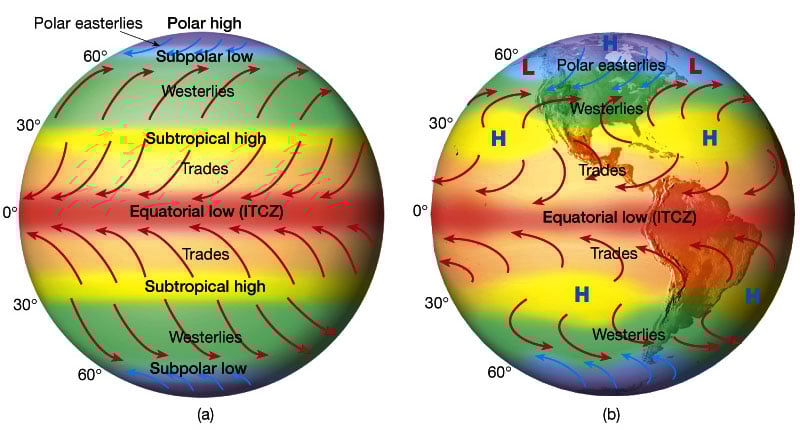
The North Pole doesn’t experience the typical wind patterns found elsewhere on Earth. Since it sits at the planet’s axis of rotation, the Coriolis effect behaves differently here.
Winds tend to be lighter and more variable than in other Arctic regions, though storms can still roll through and create dangerous conditions.
Like Go2Tutors’s content? Follow us on MSN.
You Can’t Plant a Flag and Claim It

Several countries have made symbolic gestures at the North Pole, including Russia dropping a titanium flag on the seafloor in 2007. These don’t create legal territorial claims, however.
The North Pole sits in international waters, while the constantly moving ice makes any permanent marker pointless anyway. It’s like trying to claim ownership of a cloud.
Indigenous People Don’t Live There
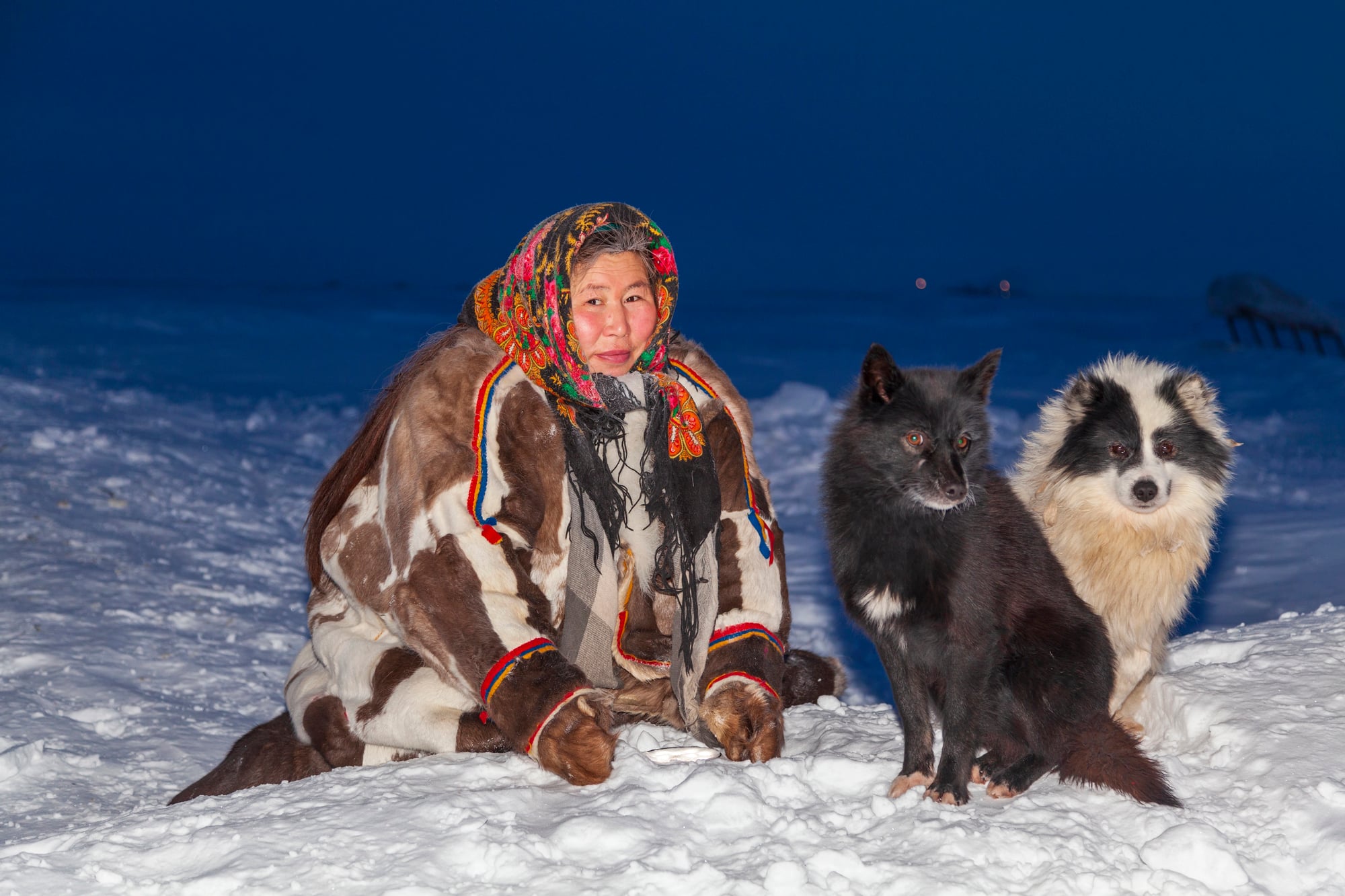
Inuit and other indigenous peoples have thrived in Arctic regions for thousands of years. None have established permanent settlements at the North Pole itself, though.
The shifting ice, lack of land, and extreme isolation make it impossible to maintain a community there. Arctic peoples have always been incredibly resourceful, yet even they have limits.
The Reality Behind the Ice

The North Pole continues to fascinate us precisely because it’s so different from anywhere else on Earth. It’s a place where our usual rules don’t apply.
Time zones collapse, seasons last for months, and the ground beneath your feet drifts across an ocean. Understanding what the North Pole really is makes it even more remarkable than the myths we’ve created around it.
Like Go2Tutors’s content? Follow us on MSN.
More from Go2Tutors!

- 18 Unexpectedly Valuable Collectibles You Might Have Lying Around
- 20 Little-Known Historical Battles That Had Huge Consequences
- 20 Historical Artifacts That Scientists Can’t Explain
- 15 Inventions That Were Immediately Banned After Being Created
- 20 Actors Who Were Almost Cast in Iconic Roles
Like Go2Tutors’s content? Follow us on MSN.