16 Over-the-Top Desert Megastructures
Deserts might seem like empty wastelands, but throughout history, humans have built some absolutely mind-blowing structures in these harsh environments. From ancient civilizations that carved entire cities into rock faces to modern visionaries planning 100-mile-long mirror cities, desert megastructures represent humanity’s boldest architectural dreams.
These projects aren’t just impressive because of their size—they’re remarkable because they exist in places where most people wouldn’t even want to visit, let alone live. Here is a list of 16 desert megastructures that push the boundaries of what’s possible in the world’s most challenging environments.
The Line
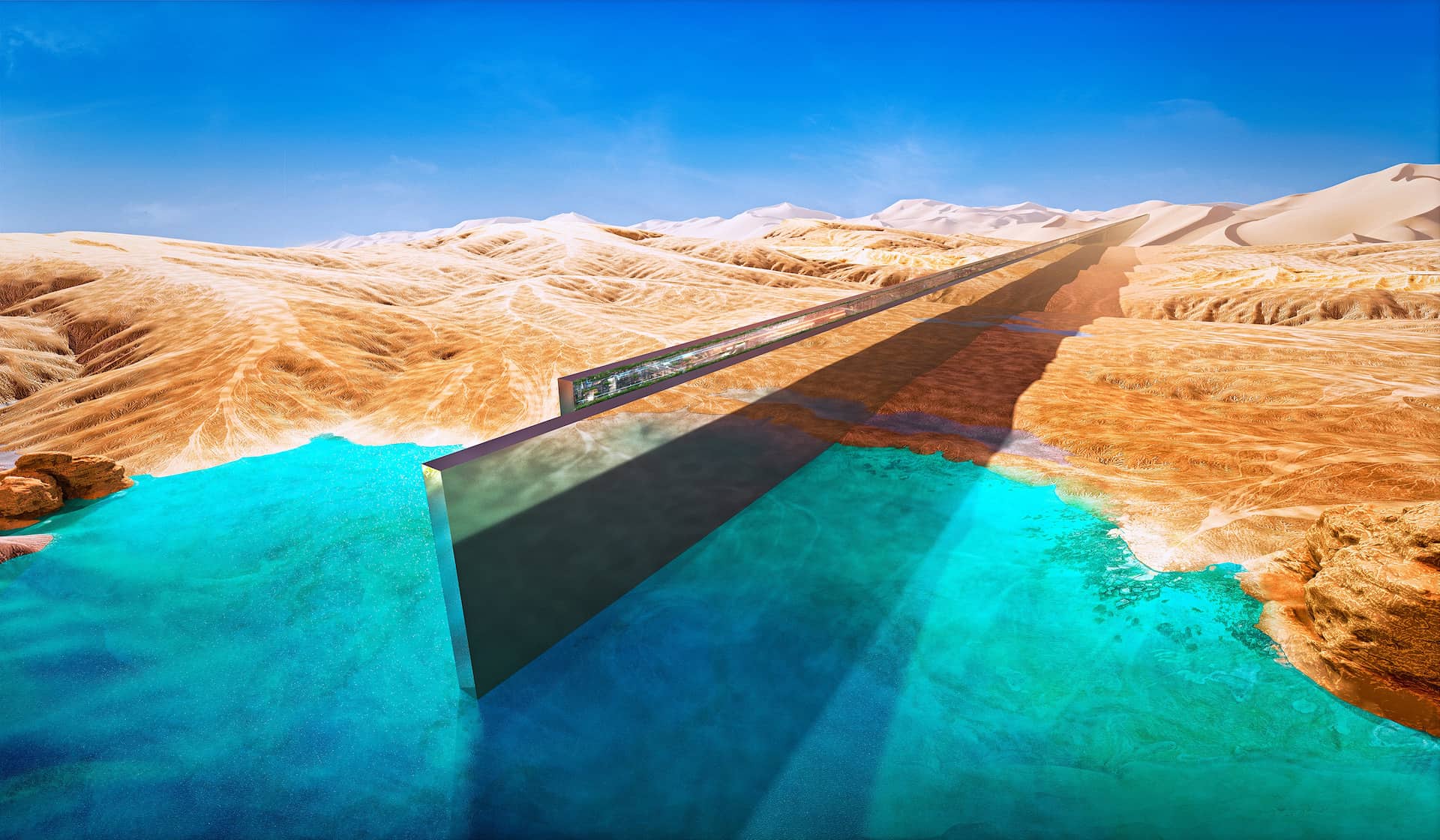
Saudi Arabia’s The Line is a proposed 105-mile-long linear city that will stretch across the desert in a straight line, featuring mirrored walls 1,600 feet high and 650 feet wide. The building will house 9 million people in a climate-controlled setting that will revolutionize urban living.
It’s as if someone made the desert the most futuristic place on Earth by deciding to construct a city-sized corridor through it.
Petra
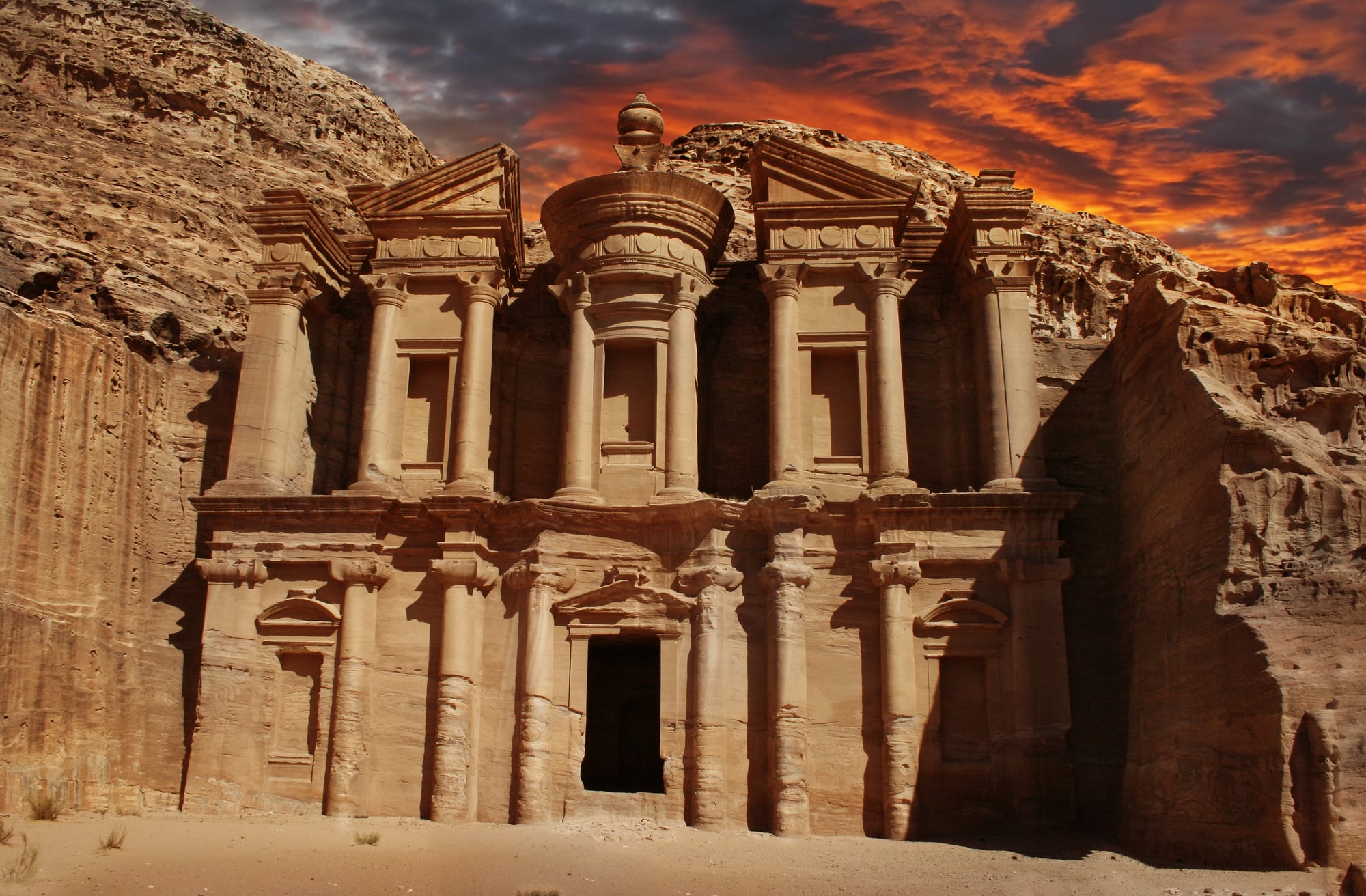
Around 300 BC, the intricate facades of this ancient Nabataean city in Jordan were carved out of the pink sandstone cliffs. Standing 130 feet tall, the Treasury alone features elaborate Hellenistic architecture that was unthinkable at the time.
Exploring Petra is akin to learning about a hidden society that developed desert living skills 2,000 years ago.
Like Go2Tutors’s content? Follow us on MSN.
The Great Pyramid of Giza
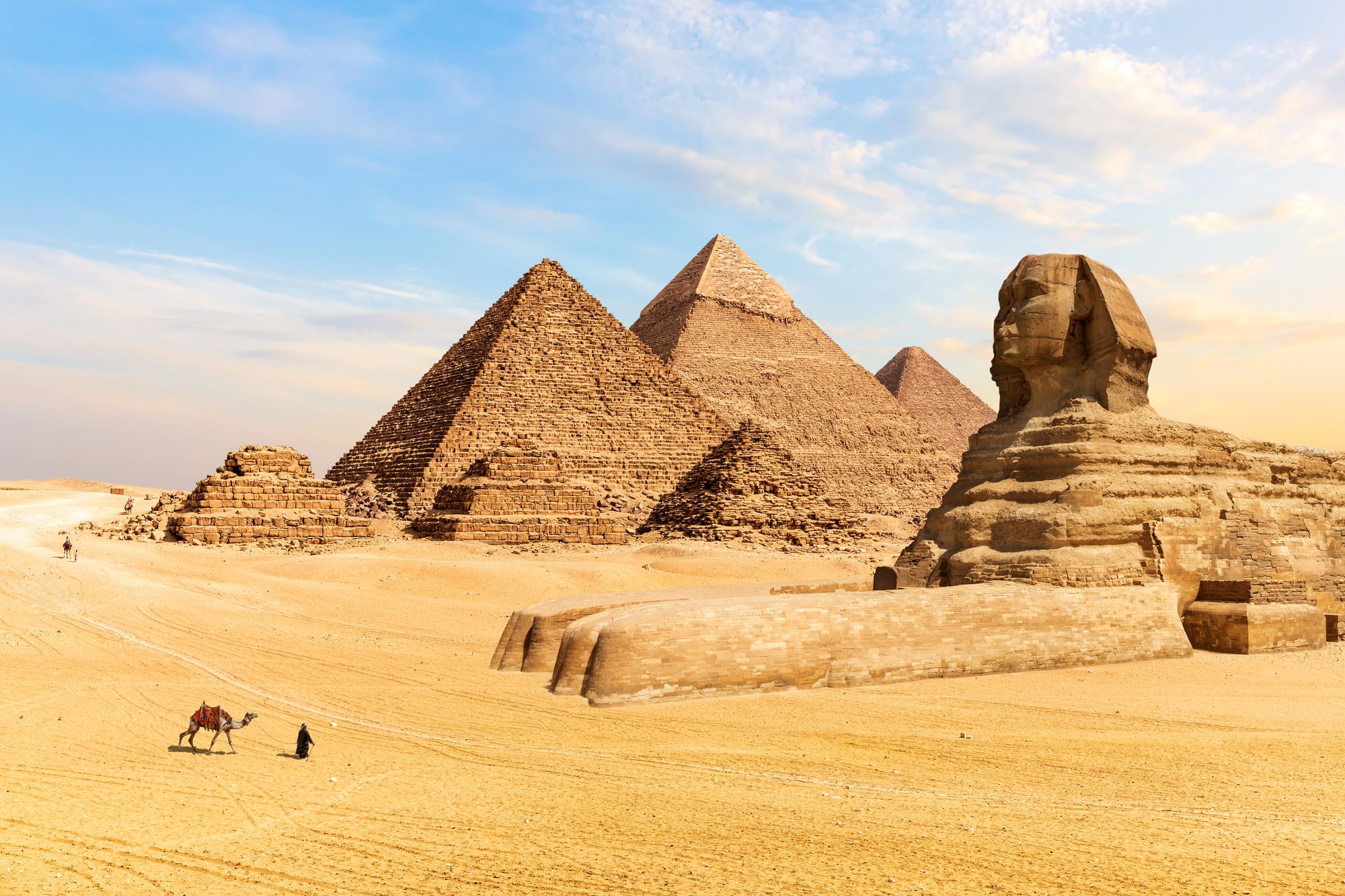
Standing 481 feet tall and built from 2.3 million stone blocks, this 4,500-year-old wonder required a workforce of tens of thousands. Each limestone block weighs between 2.5 and 15 tons, transported and placed with precision that still baffles engineers today.
It’s basically ancient Egypt’s way of saying they could build anything, anywhere, even in the middle of a desert.
Hoover Dam
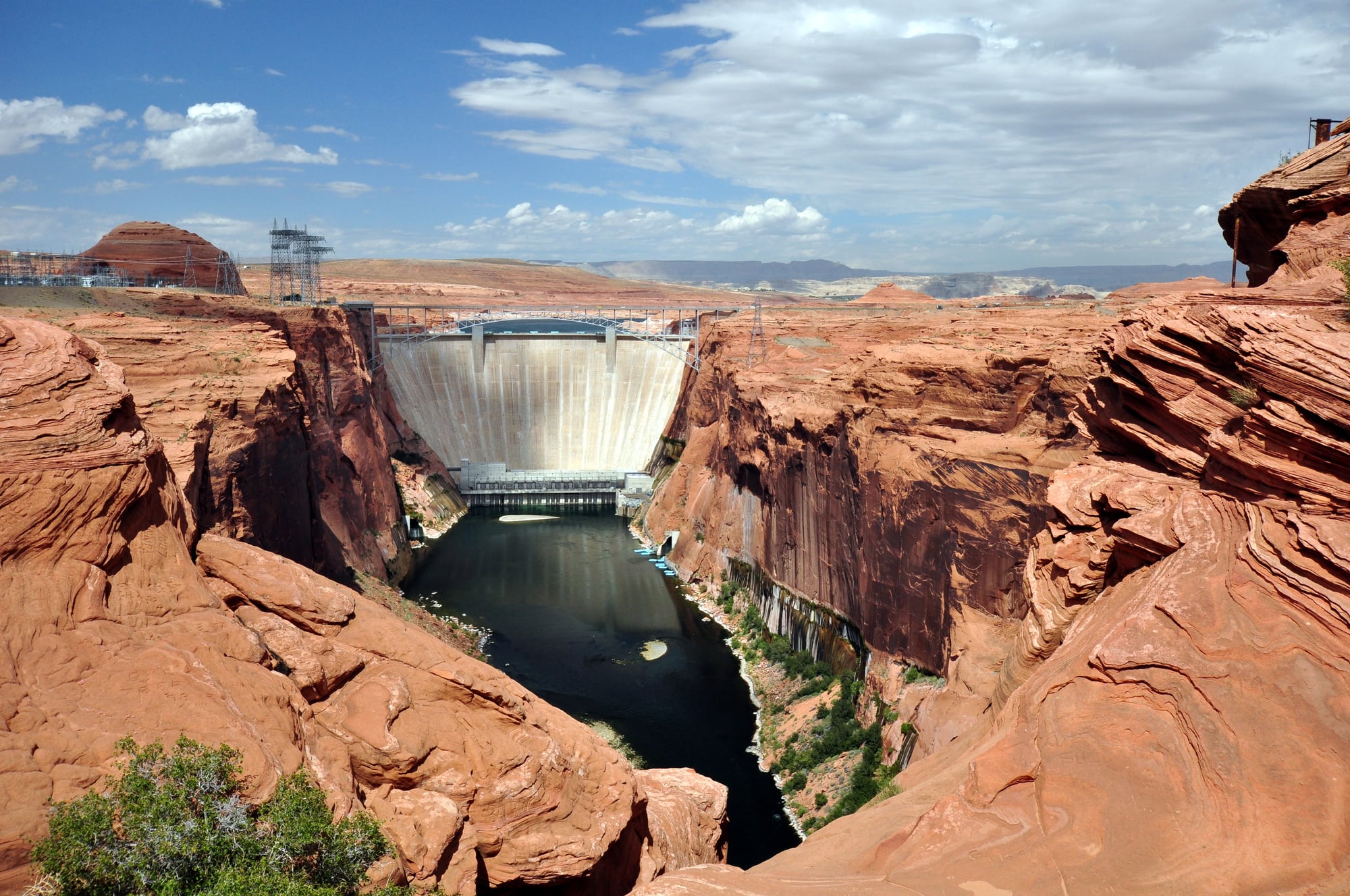
This concrete arch-gravity dam spans the Colorado River between Arizona and Nevada, standing 726 feet high and containing enough concrete to build a highway from New York to San Francisco. Built during the Great Depression, it required diverting an entire river and pouring concrete continuously for two years.
The project was so ambitious that engineers had to invent new cooling techniques to prevent the concrete from cracking as it cured.
NEOM Trojena
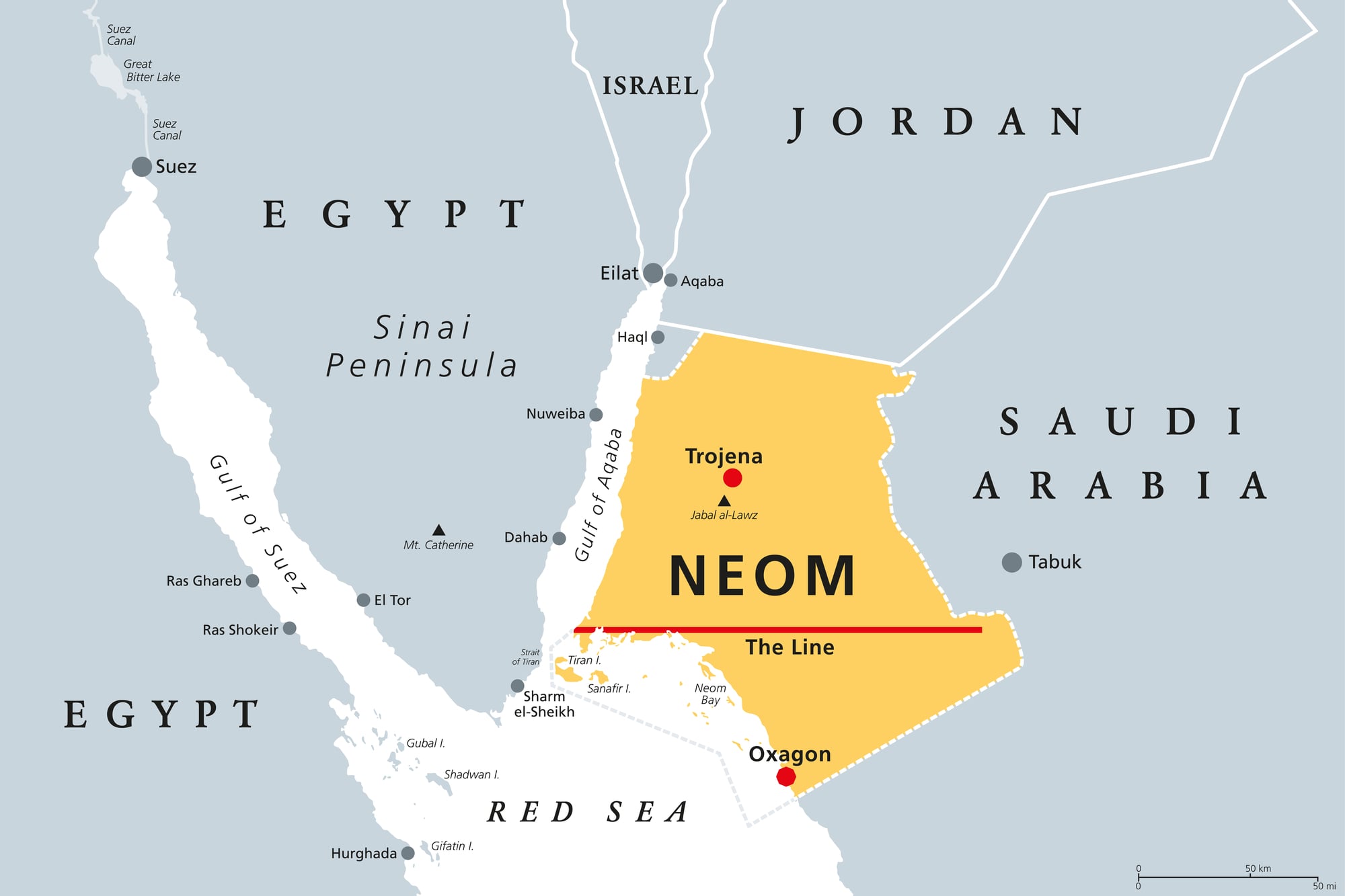
This planned mountain resort in Saudi Arabia’s desert will feature artificial snow, ski slopes, and a year-round winter sports facility in one of the world’s hottest regions. The complex will include luxury hotels built into cliffsides and entertainment venues that defy the surrounding desert climate.
It’s essentially building a winter wonderland where temperatures regularly exceed 100 degrees Fahrenheit.
Like Go2Tutors’s content? Follow us on MSN.
The Salton Sea Test Base
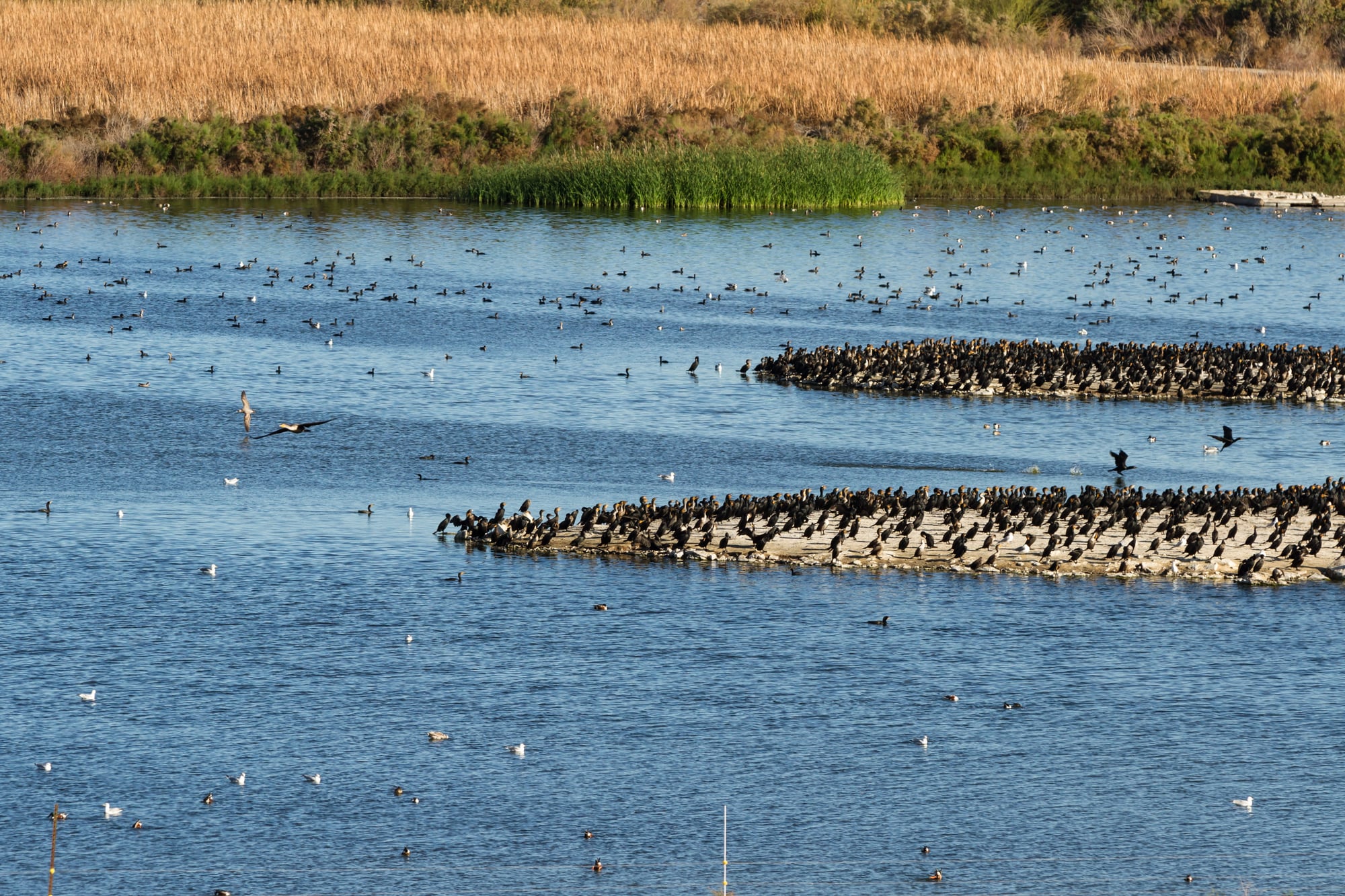
During the Cold War, the US Navy built a massive rocket testing facility in California’s Mojave Desert, complete with underground bunkers and launch pads spanning several square miles. The complex could simulate space conditions and test rockets that would eventually help put humans on the moon.
Even today, the abandoned structures look like something from a science fiction movie set in the middle of nowhere.
Ancient desert kites
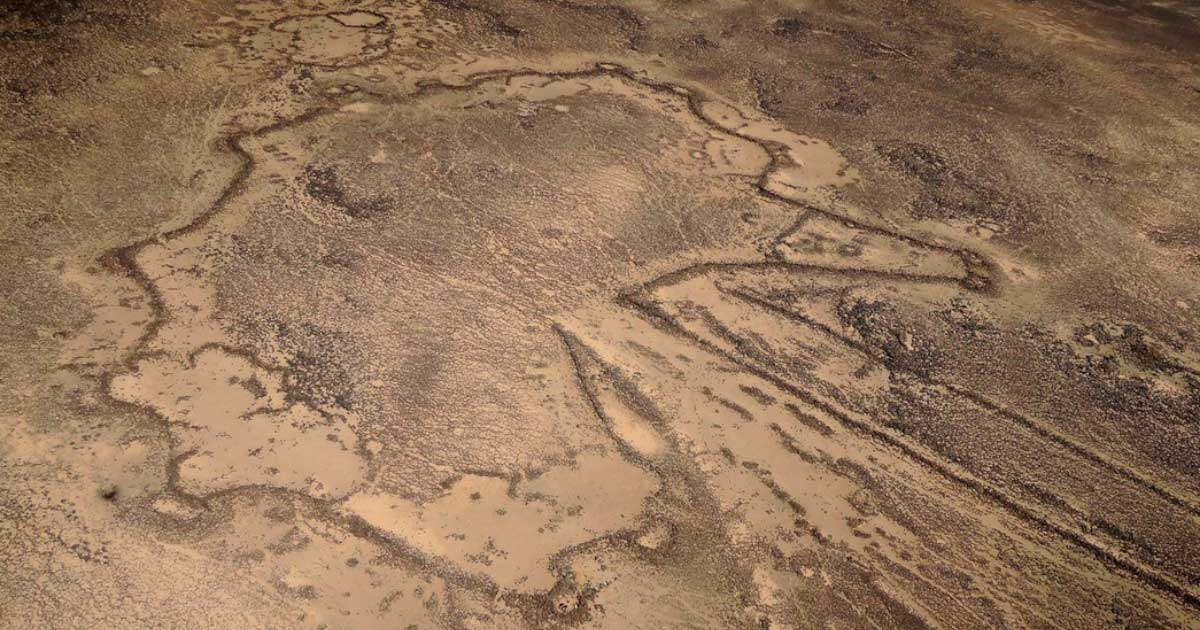
These prehistoric stone structures, found across Middle Eastern deserts, stretch for miles and were designed as massive animal traps by hunter-gatherer societies over 8,000 years ago. Some individual kites cover areas larger than Manhattan, featuring stone walls that funnel wild animals into killing pits.
They represent some of humanity’s earliest megastructures, built by people who understood desert geography better than most modern engineers.
Burning Man’s Black Rock City
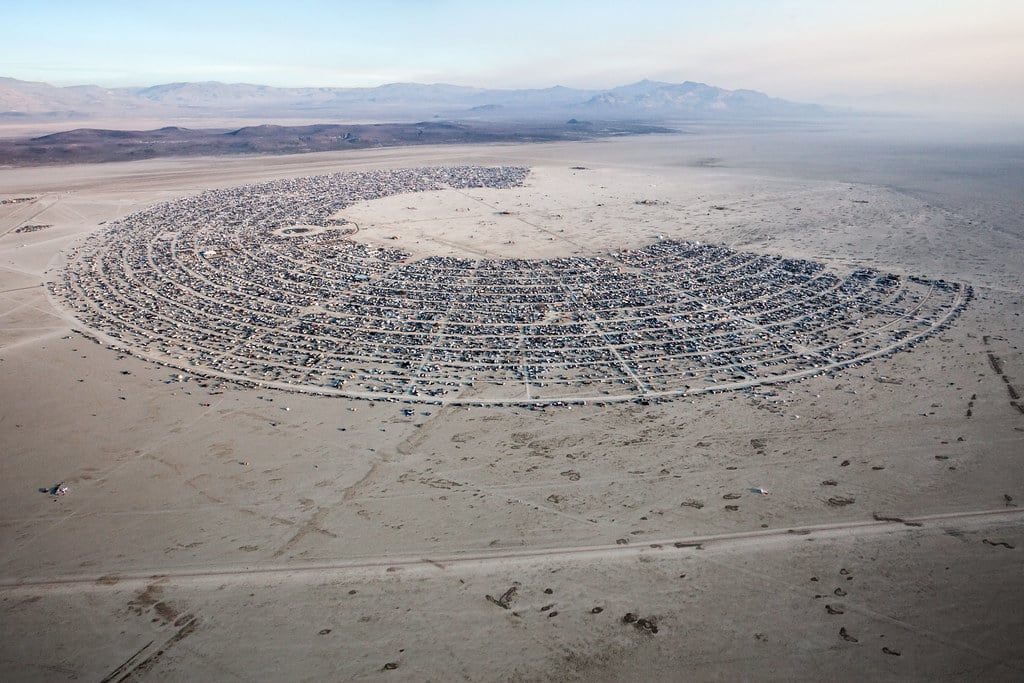
Every year, 70,000 people build a temporary city from scratch in Nevada’s Black Rock Desert, complete with roads, plumbing, and structures that rival permanent settlements. The city exists for just one week before being completely dismantled, leaving no trace behind.
It’s like watching an entire civilization appear and disappear in fast-forward, all in one of America’s most inhospitable locations.
Like Go2Tutors’s content? Follow us on MSN.
The Very Large Array
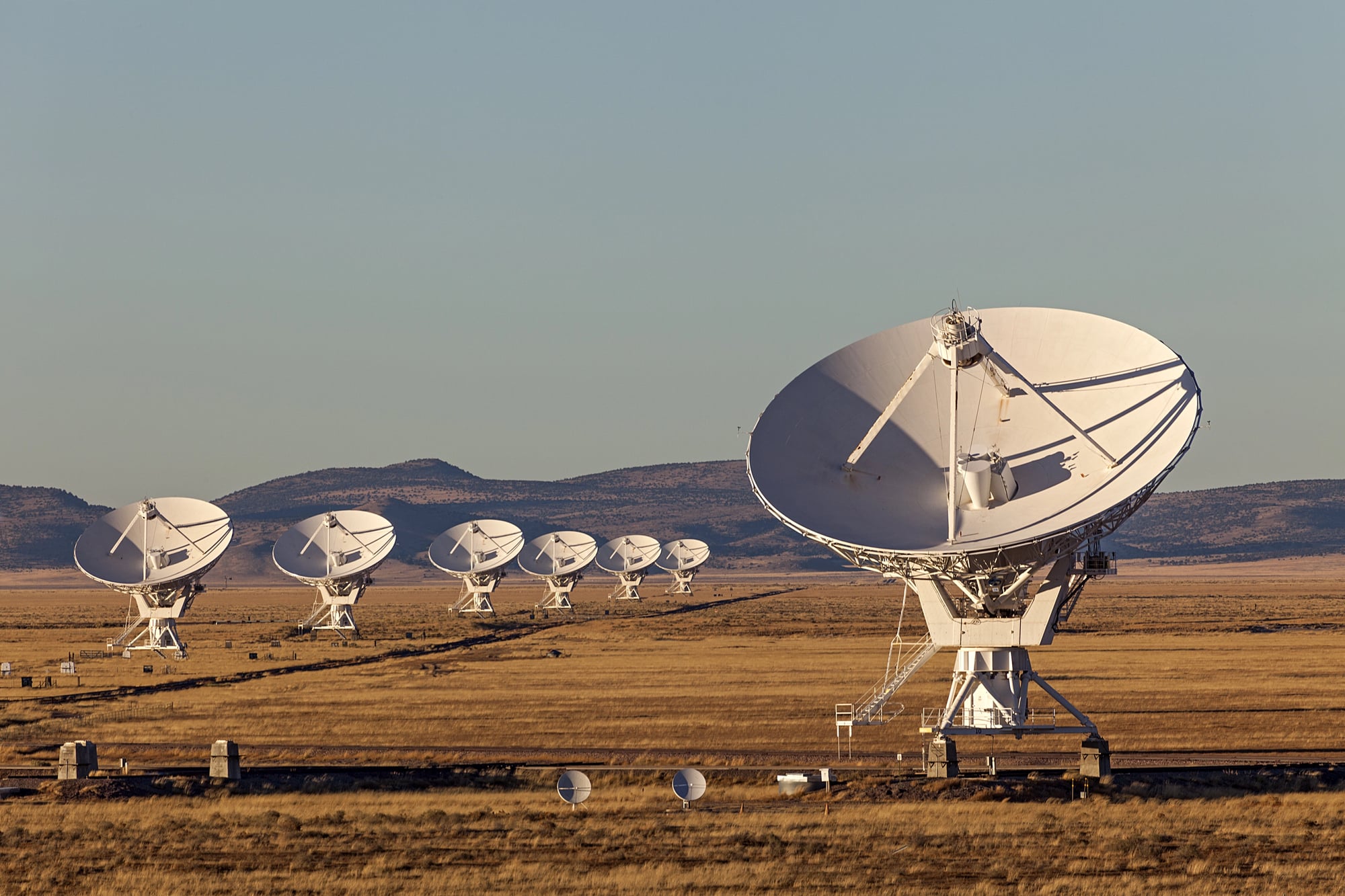
New Mexico’s desert hosts 27 massive radio telescope dishes, each weighing 230 tons and capable of moving in perfect synchronization across 22 miles of railroad tracks. The facility can detect radio waves from galaxies billions of light-years away while operating in temperatures that swing from below freezing to over 100 degrees.
It’s basically humanity’s ear to the universe, planted in the middle of nowhere for maximum quiet.
Dubai’s Palm Jumeirah
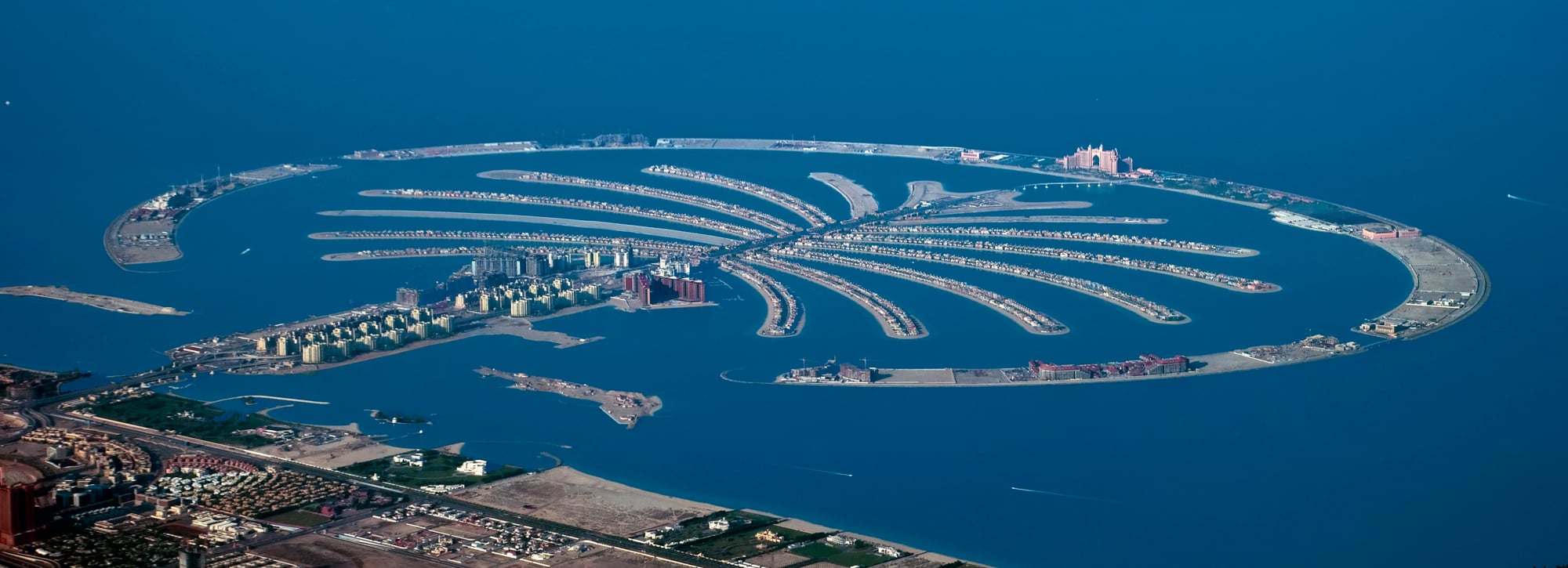
This artificial archipelago required moving 94 million cubic meters of sand to create a palm tree-shaped island visible from space. The project extended Dubai’s coastline by 78 miles and involved dredging sand from the Persian Gulf floor using specialized ships.
Building a tropical paradise in the desert wasn’t enough—they had to build it in the ocean next to the desert.
Antelope Canyon’s slot formations
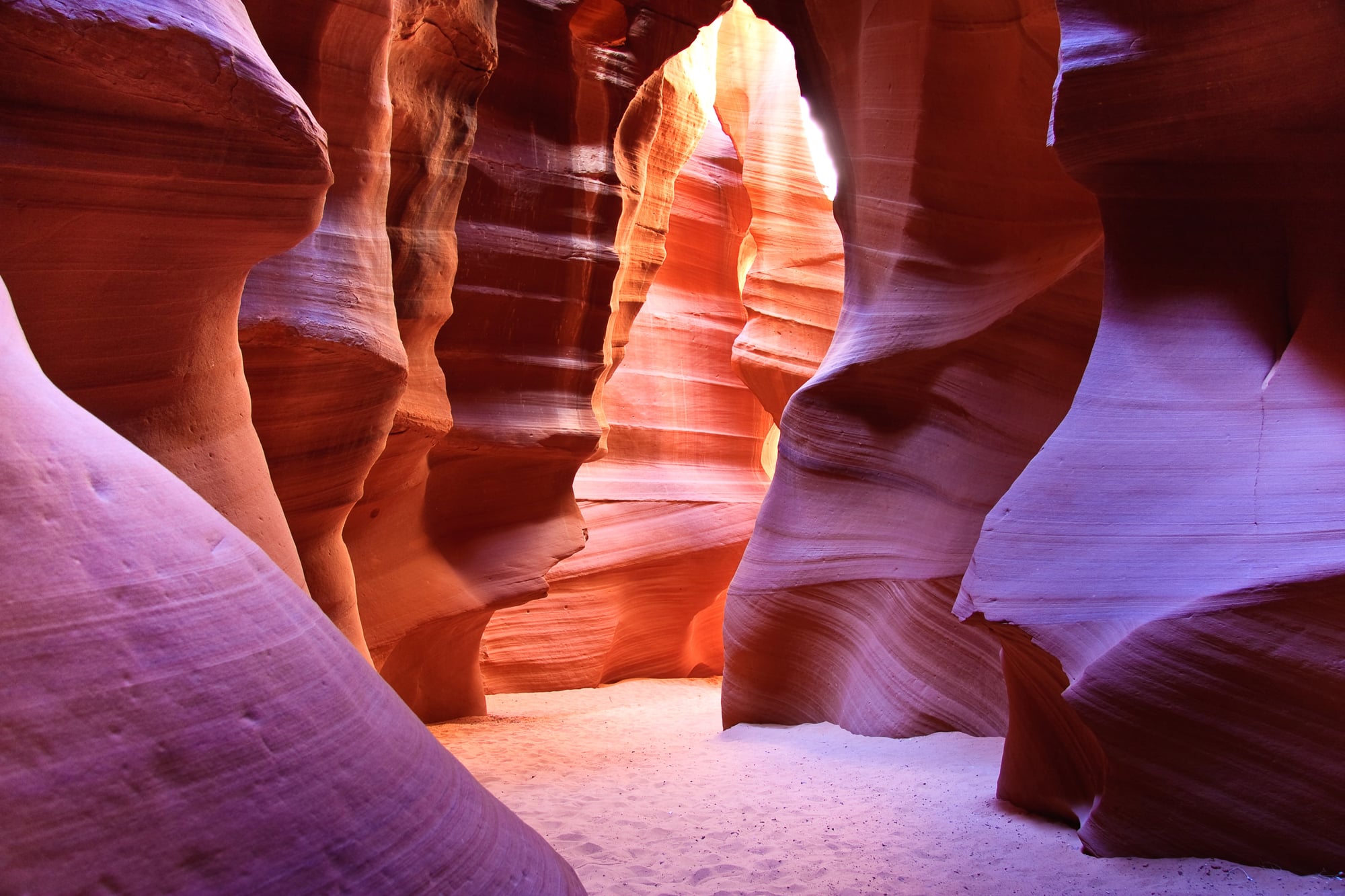
While technically natural, these narrow sandstone formations in Arizona required millions of years of flash flood carving to create cathedral-like chambers deep underground. The passages are so narrow that sunbeams create otherworldly light shows when they penetrate the desert floor above.
Nature basically built an underground art gallery that makes human architecture look simple by comparison.
Like Go2Tutors’s content? Follow us on MSN.
The Atacama Large Millimeter Array
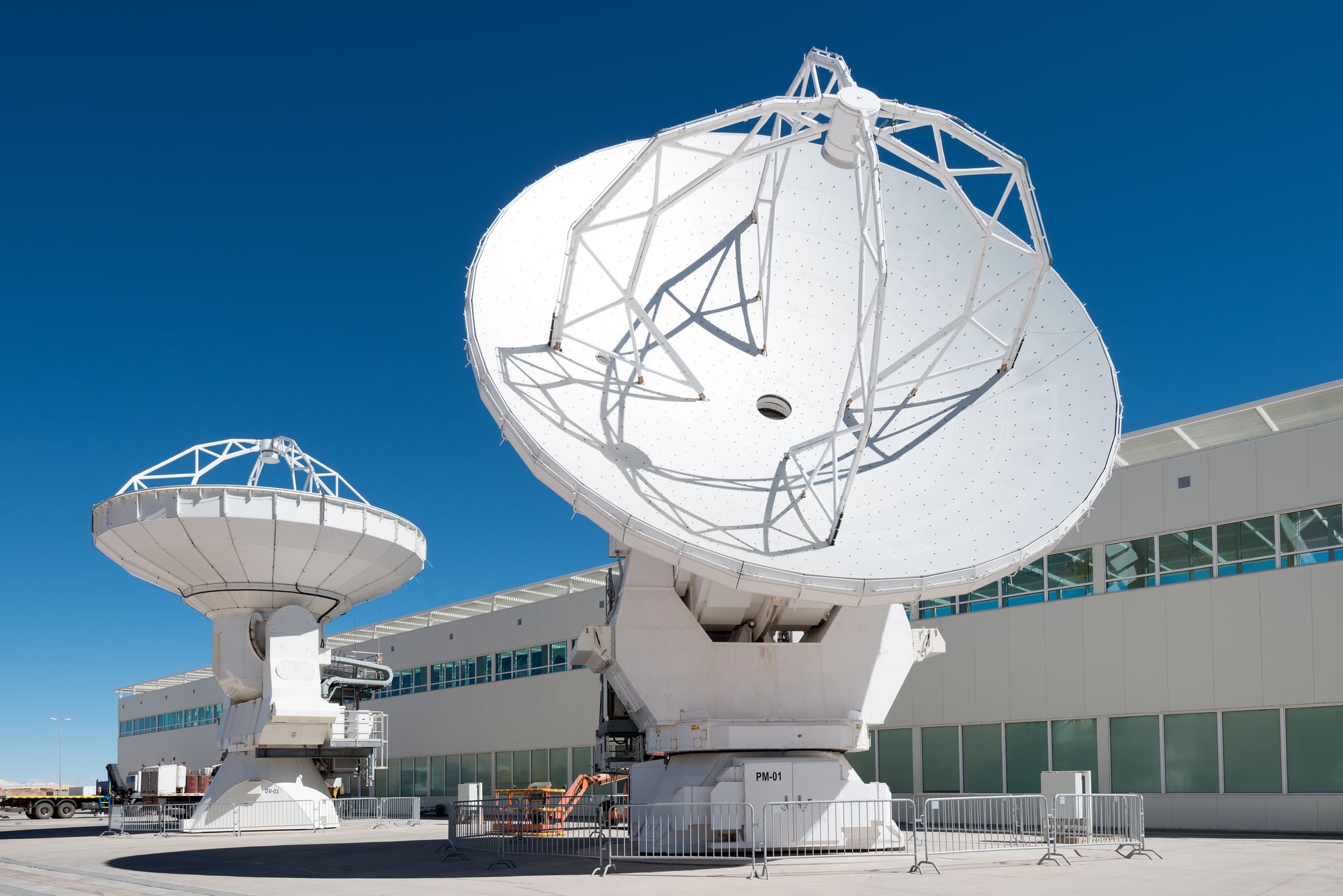
Chile’s Atacama Desert hosts 66 radio telescopes positioned at 16,500 feet above sea level, making it one of the highest and driest observatory complexes on Earth. The facility operates in conditions so Mars-like that NASA uses the surrounding desert to test equipment for Red Planet missions.
Scientists literally built a space-age facility in a place that already feels like another planet.
Monument Valley’s filming infrastructure
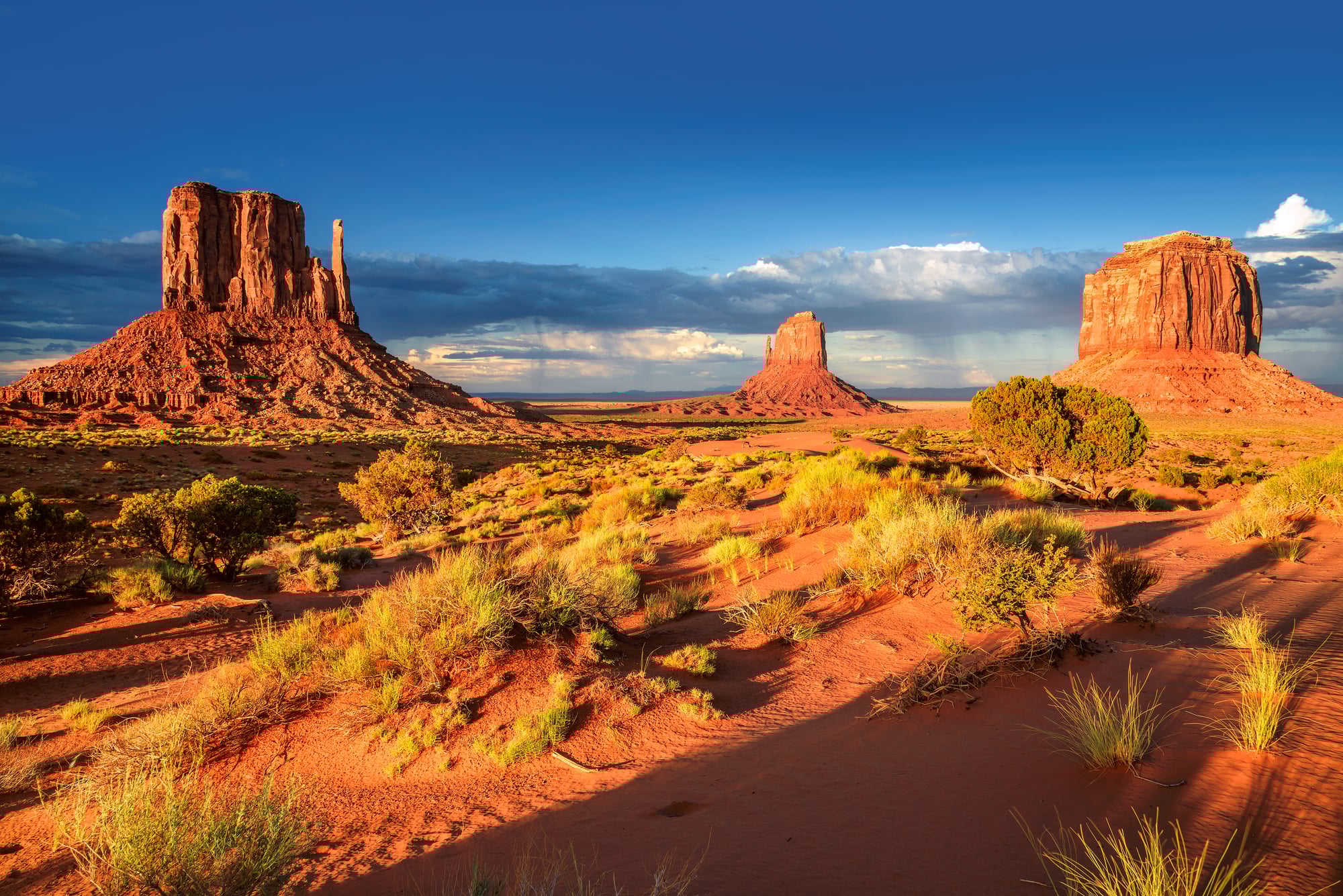
The iconic desert landscape between Utah and Arizona has been transformed into Hollywood’s go-to Western backdrop, complete with permanent camera platforms, equipment storage, and access roads carved into sacred Navajo land. Decades of film production have created an invisible megastructure of movie-making equipment scattered across hundreds of square miles.
It’s the desert that built Hollywood’s cowboy mythology.
The Goldstone Deep Space Communications Complex
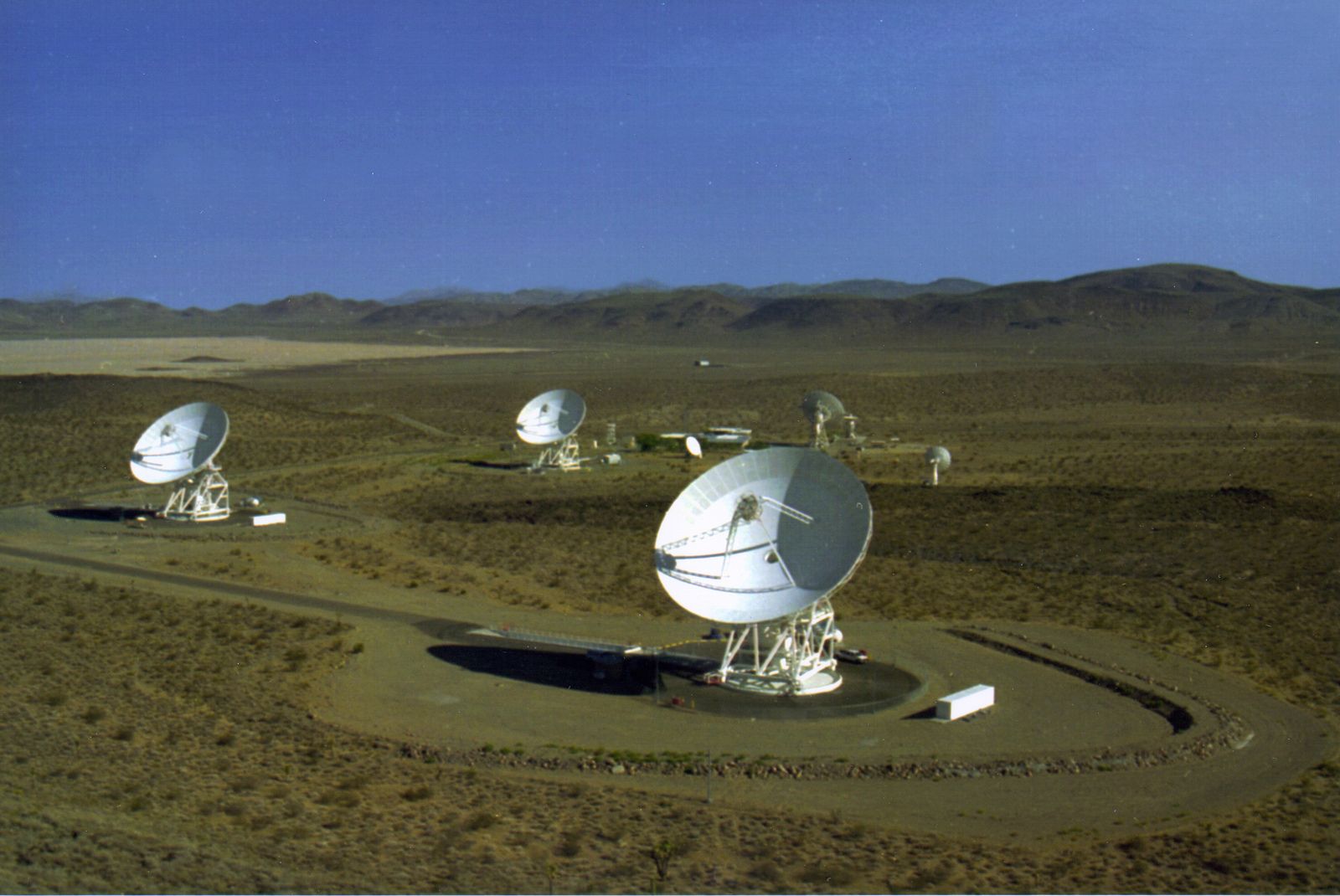
NASA’s California desert facility features massive dish antennas up to 230 feet in diameter that communicate with spacecraft exploring the outer solar system. The complex operates 24 hours a day, tracking everything from Mars rovers to Voyager probes that have left the solar system entirely.
These dishes are essentially Earth’s telephone system for calling robots that are millions of miles away.
Like Go2Tutors’s content? Follow us on MSN.
Rajasthan’s stepwell complexes
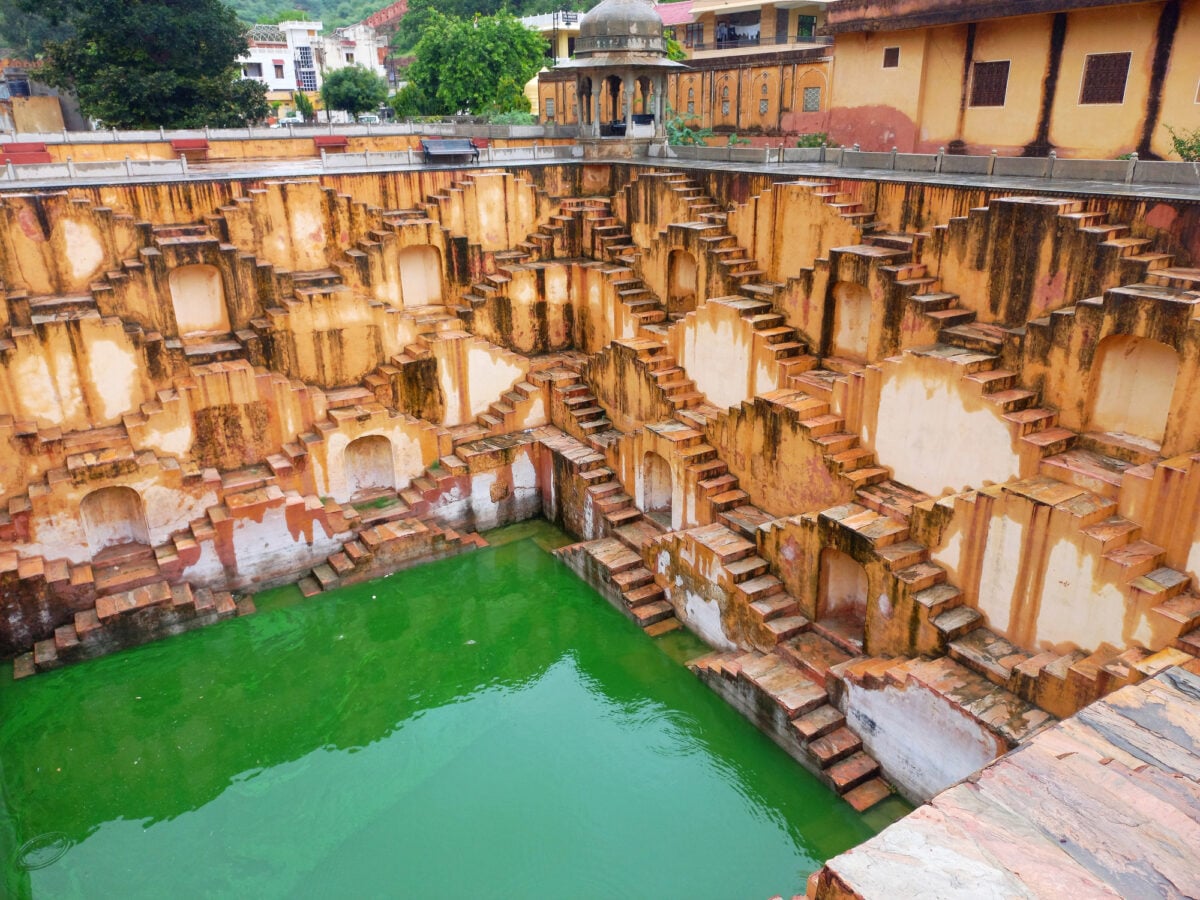
Intricate multi-story wells known as baoris can be found in India’s Thar Desert; some of them descend 100 feet below the surface via elaborate staircases and carved chambers. The 3,500 steps in the Chand Baori stepwell are arranged in M.C.-like geometric patterns.
Escher created a water system. In addition to providing underground palaces that remain cool even when temperatures rise to 120 degrees, these structures solved the problem of storing water in the desert.
The Bingham Canyon Mine
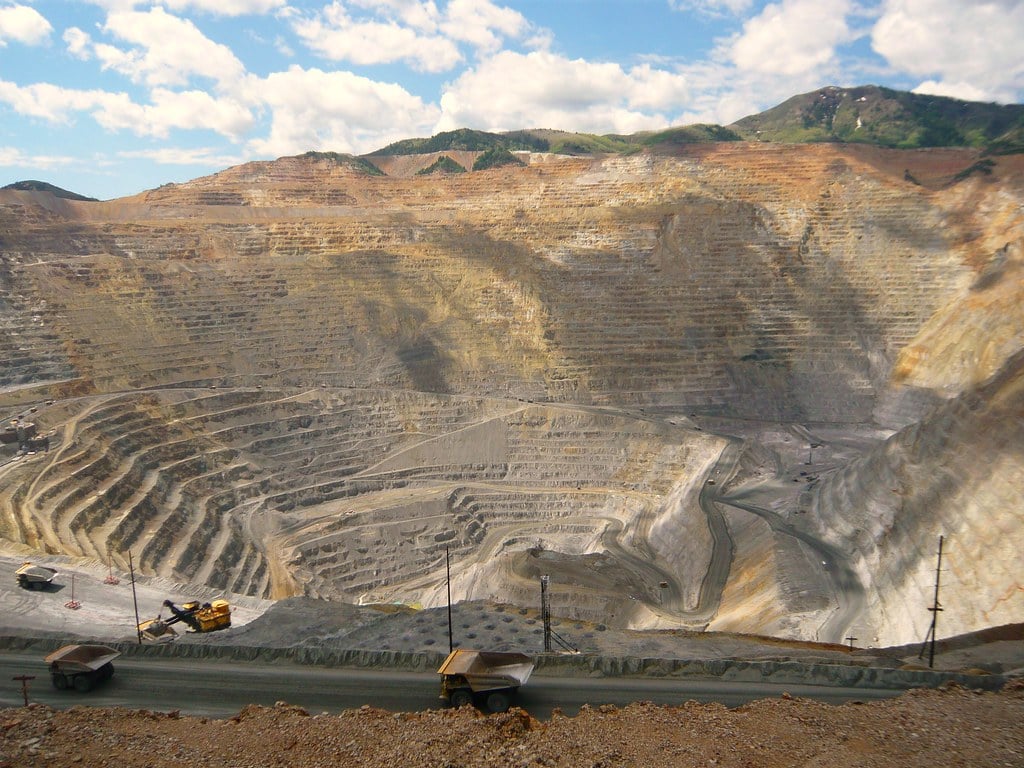
From the International Space Station, a man-made crater 2.75 miles wide and 0.75 miles deep is visible due to Utah’s open-pit copper mine. Every day, the operation uses trucks so big that their tires cost $42,000 each to move 450,000 tons of material.
With shovels the size of houses, people carved the desert into what is essentially a reverse mountain one shovelful at a time.
Engineering marvels that reshape landscapes
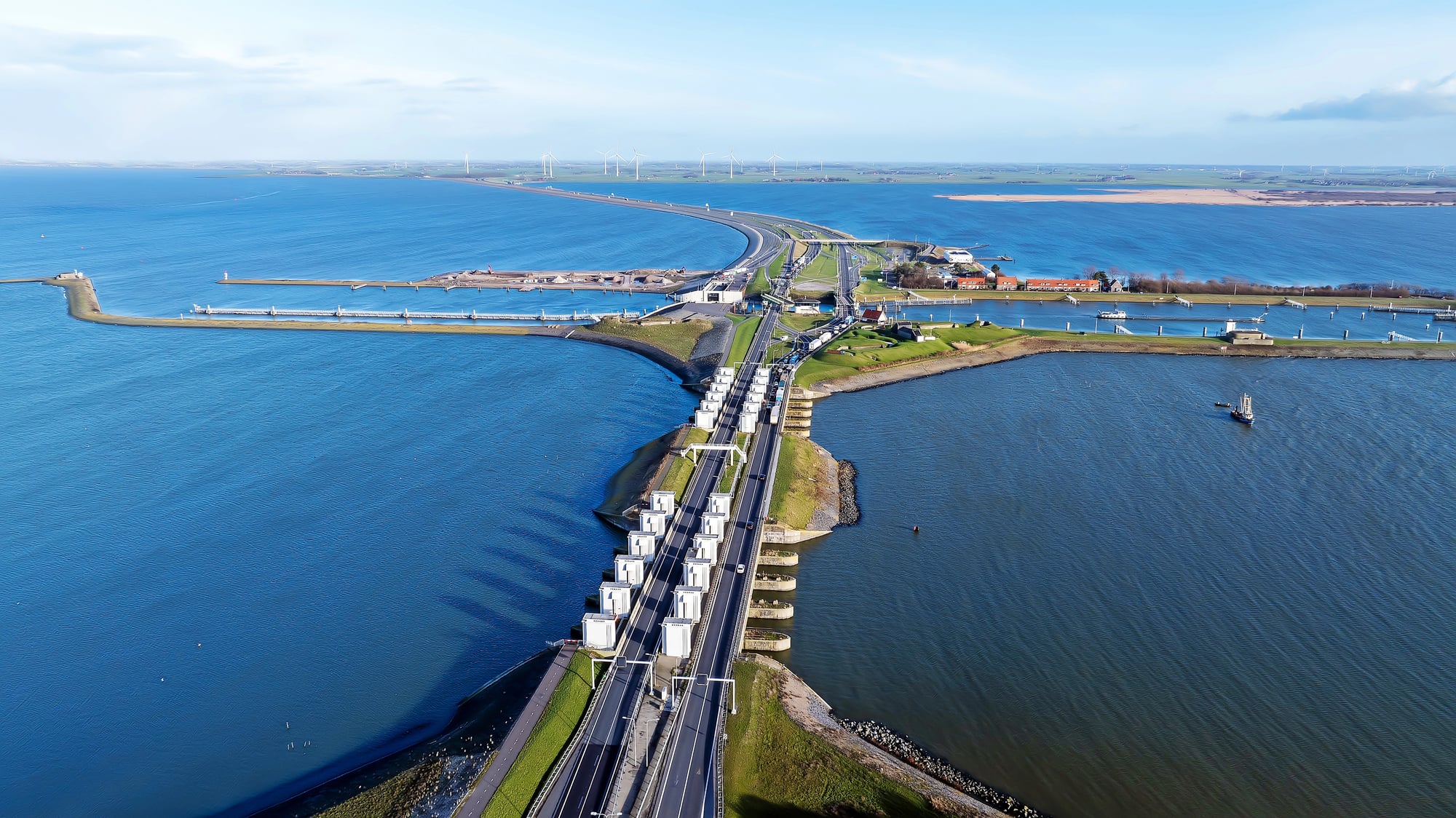
These desert megastructures prove that human ambition knows no climate limits. From ancient civilizations carving cities into cliffs to modern nations building linear cities across hundreds of miles, each project represents a refusal to let harsh environments dictate what’s possible.
The desert megastructures of tomorrow will likely make today’s most ambitious projects look modest by comparison, as technology continues pushing the boundaries of what humans can build in Earth’s most challenging places.
More from Go2Tutors!

- 16 Historical Figures Who Were Nothing Like You Think
- 12 Things Sold in the 80s That Are Now Illegal
- 15 VHS Tapes That Could Be Worth Thousands
- 17 Historical “What Ifs” That Would Have Changed Everything
- 18 TV Shows That Vanished Without a Finale
Like Go2Tutors’s content? Follow us on MSN.