16 Punctuation Origins You Never Learned
You use them every day, but chances are you’ve never thought twice about where those little dots, dashes, and squiggles actually came from. Punctuation marks have some pretty wild backstories that stretch back thousands of years, involving everything from ancient Greek drama to Roman graffiti to medieval monks.
Most of these symbols started out looking completely different from what we use today, and some even served totally different purposes. From marks that used to be letters to symbols born from pure frustration, the stories behind punctuation are way more interesting than you’d expect.
Here is a list of 16 punctuation origins that will completely change how you look at these everyday symbols.
Period
The period gets credit as one of the oldest punctuation marks in existence. Ancient Greek scholar Aristophanes of Byzantium created the first systematic punctuation around 200 BC, using dots at different heights to show pause lengths.
The period as we know it gained its current use during the establishment of printing, with Italian printer Aldus Manutius the Elder helping standardize it in the 15th century. Think of it as the grandfather of all punctuation—everything else basically followed its lead.
Comma
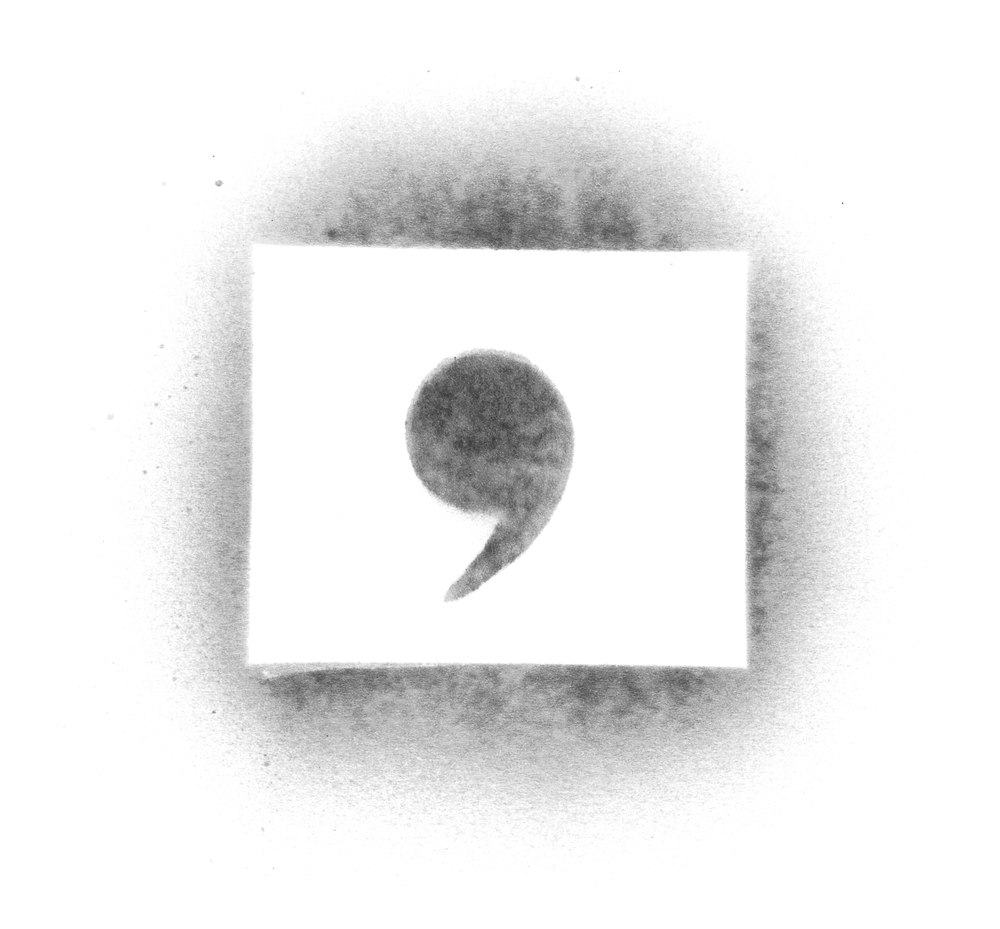
The comma started as a dot positioned at the bottom of a line in ancient Greece, serving as the precursor to our modern version. Aldus Manutius the Elder manipulated the already-existing virgule (slash) into the modern comma, which gets its name from the Greek ‘komma’ meaning ‘something that is cut off’.
During the Middle Ages, writers would sometimes use both slashes and modern commas in the same text, showing how the transition happened gradually.
Question Mark

The question mark has one of the most debated origin stories in punctuation history. One version dates it to the 8th century as a lightning-shaped mark called ‘punctus interrogative’.
Another theory suggests it came from the Middle Ages and the Latin term ‘quaestiō’ meaning question, abbreviated as ‘Qo’ and eventually transformed into our modern symbol that looks like a cursive Q. Either way, it took centuries before people agreed on what a question actually looked like on paper.
Exclamation Mark

The exclamation mark likely comes from the Latin word ‘io’ meaning ‘exclamation of joy,’ where the ‘i’ was written above the ‘o’. Originally called the ‘note of admiration,’ where admiration referred to its Latin sense of wonderment.
It was once known as a ‘note of admiration,’ and there was initially some confusion about whether it should indicate wonderment or actual excitement.
Ampersand
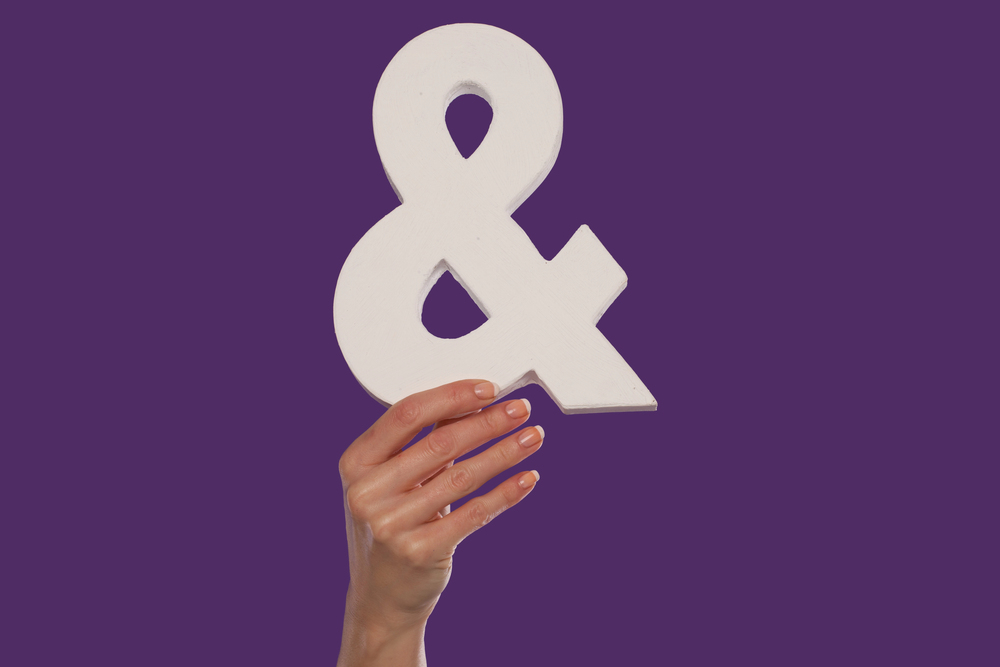
The ampersand can be traced back to the 1st century AD as a ligature of the letters E and T forming the Latin word ‘et’ meaning ‘and’. Early graffiti of the symbol was found on a wall in Pompeii, perfectly preserved by the volcanic eruption in 79 AD.
The name ‘ampersand’ comes from the phrase ‘and per se and’ because it was taught as the 27th letter of the alphabet after Z. Students would recite the alphabet ending with ‘X, Y, Z, and per se and,’ which eventually got slurred into ‘ampersand.’
Semicolon
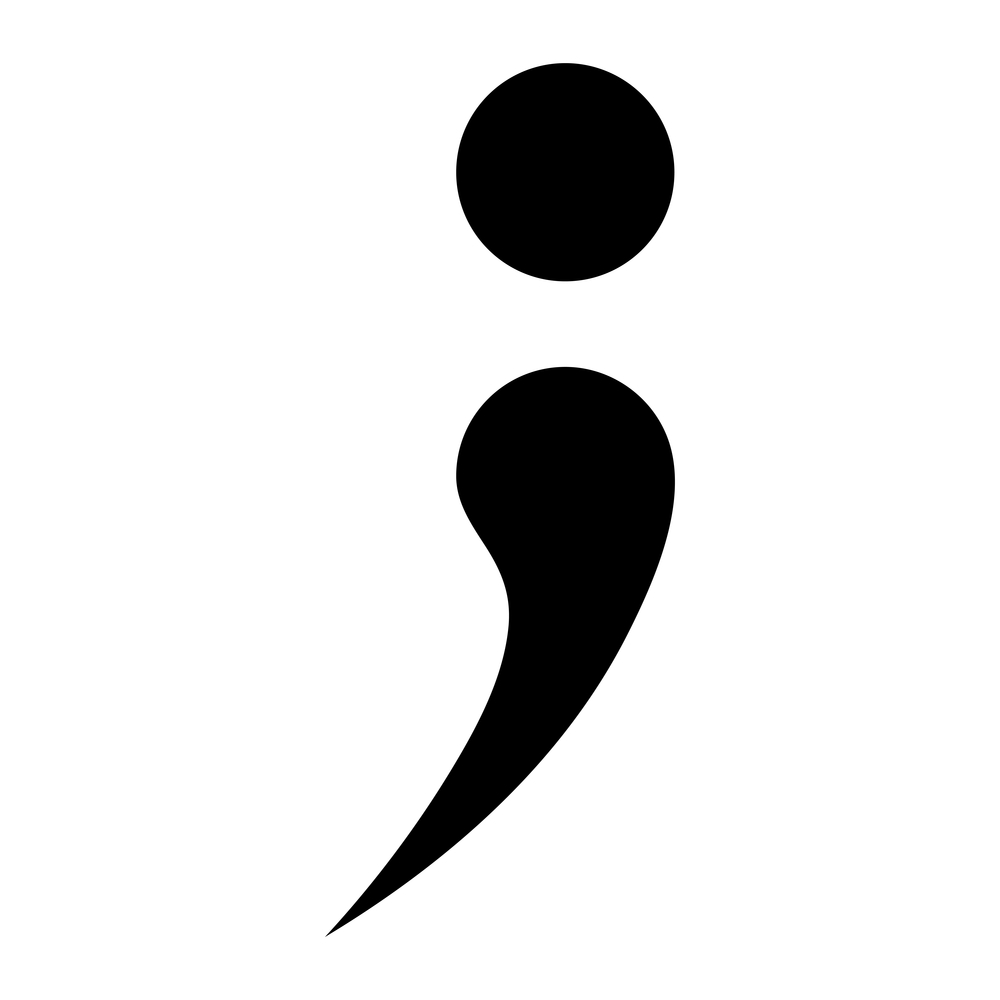
The semicolon has its first written use dating back to 1494, when printer Aldus Manutius the Elder used it to separate words. Its purpose was to allow writers to introduce new ideas and topics between phrases without creating a new sentence.
Originally, the colon was simply an upside-down semicolon, but the single open inverted comma-like top eventually eroded down to a single point.
Colon
The colon dates back to Gregorian chants, where it appeared as the ‘punctus elevatas’ meaning ‘elevated point’ in Latin. The first usage of the modern colon dates back to the 1600s to denote a pause time greater than a comma but less than a full stop.
Medieval scribes basically invented it to help monks know when to take a breath while chanting, which is pretty practical when you think about it.
Apostrophe
The apostrophe originally marked the loss of the old ‘e’ in Old English possessive forms, like when ‘lambes’ became ‘lamb’s’. Its use for indicating plural possessive forms wasn’t standard until the middle of the 19th century.
The possessive ‘it’s’ was originally correct, but the apostrophe was dropped by the early 19th century, making ‘its’ the proper possessive form.
Quotation Marks
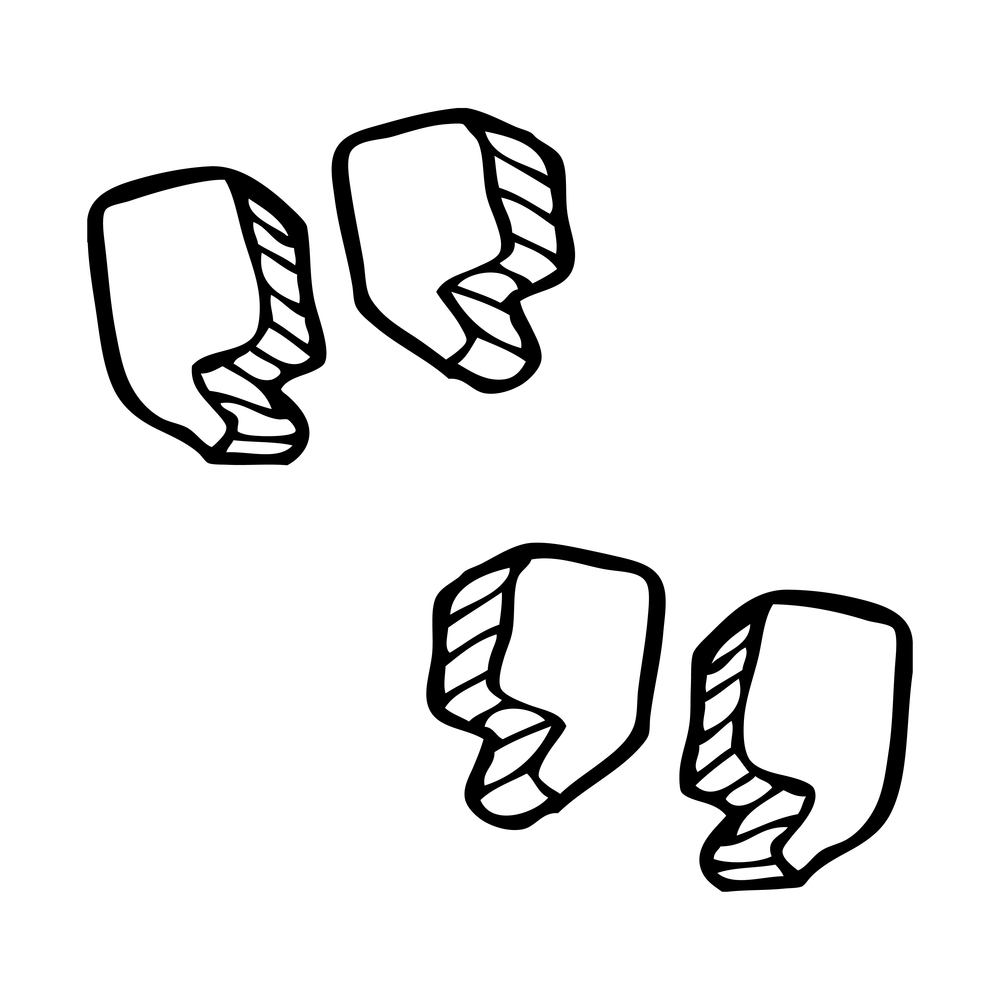
The single quotation mark traces back to ancient Greek practice, adopted and adapted by monastic copyists who used the Greek ‘diplé’ symbol like a right angle bracket. Double quotation marks derive from 15th-century manuscript annotations to indicate passages of particular importance, placed in the outside margin and repeated alongside each line.
The arrow-shaped ‘diple’ was first used in ancient Alexandria to indicate when a scribe had a different opinion from the source material.
Hyphen
The hyphen started as a practical solution for scribes and printers who needed to break words at the end of lines. Hyphens connect two or more words or numbers into single concepts, especially for building adjectives.
A hyphen can also mark end-of-line word divisions and indicate stuttering, sobbing, or halting speech by dividing letters or syllables. It’s basically the duct tape of punctuation—fixing problems and holding things together.
Parentheses
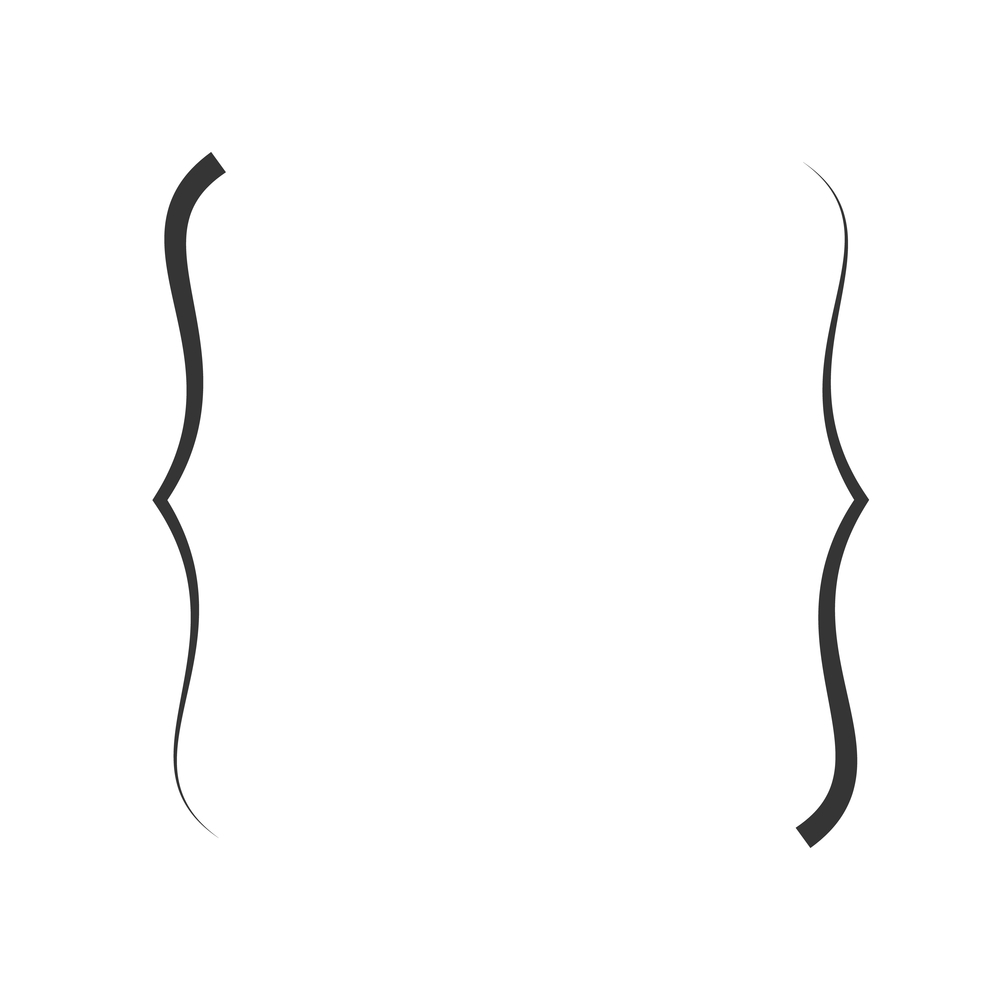
Parentheses signify a break in thought, marking an addition of information rather than an interruption like dashes do. The name comes from the Greek word meaning ‘to place beside,’ which perfectly describes what they do.
They’re used in pairs around groups of words introducing extra ideas, explanations, or afterthoughts to be kept separate from the rest of the sentence.
Em Dash
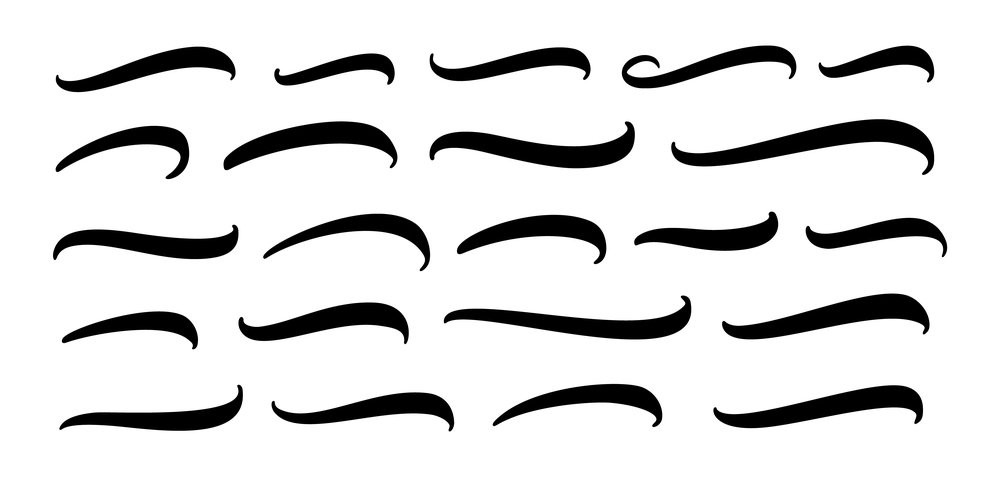
The em dash gets its name because it’s roughly the width of the letter M, and it can function like a comma, colon, or parenthesis. Em dashes set off extra information, introduce clauses that explain or expand upon preceding content, and can mark abrupt changes in sentence structure.
They signal an abrupt break in thought and can be seen as ‘surprising’ the reader with information.
Asterisk
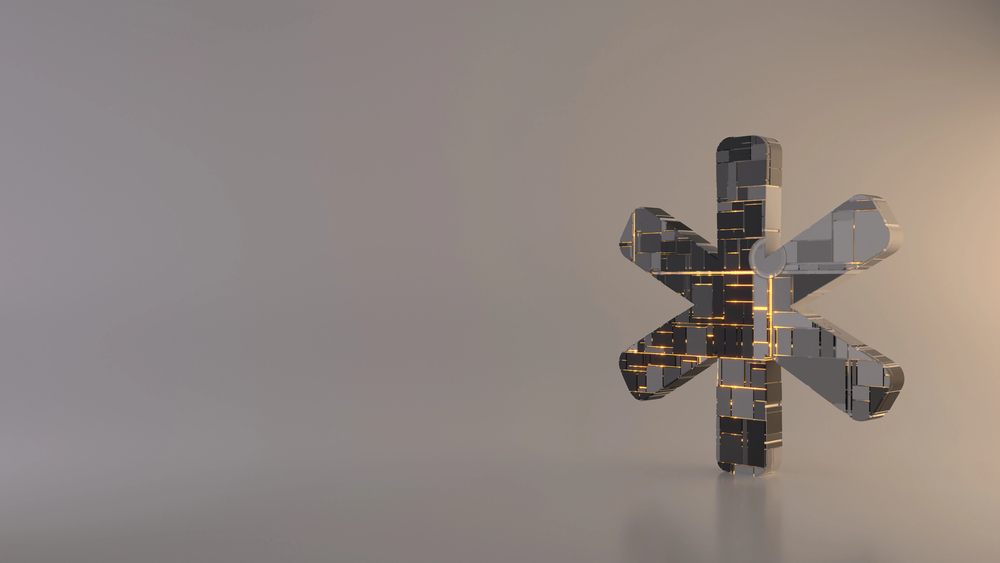
Asterisks are as old as the ice age, with the earliest sighting found in cave paintings, though their use for annotations dates back about two thousand years. The name comes from the Greek word ‘asteriskos’ meaning ‘little star,’ which makes sense when you look at its star-like shape.
They’re most commonly used to indicate footnotes containing extra clarifications, point to legal disclaimers, show omissions in text, and mark ungrammatical constructions.
Ellipsis
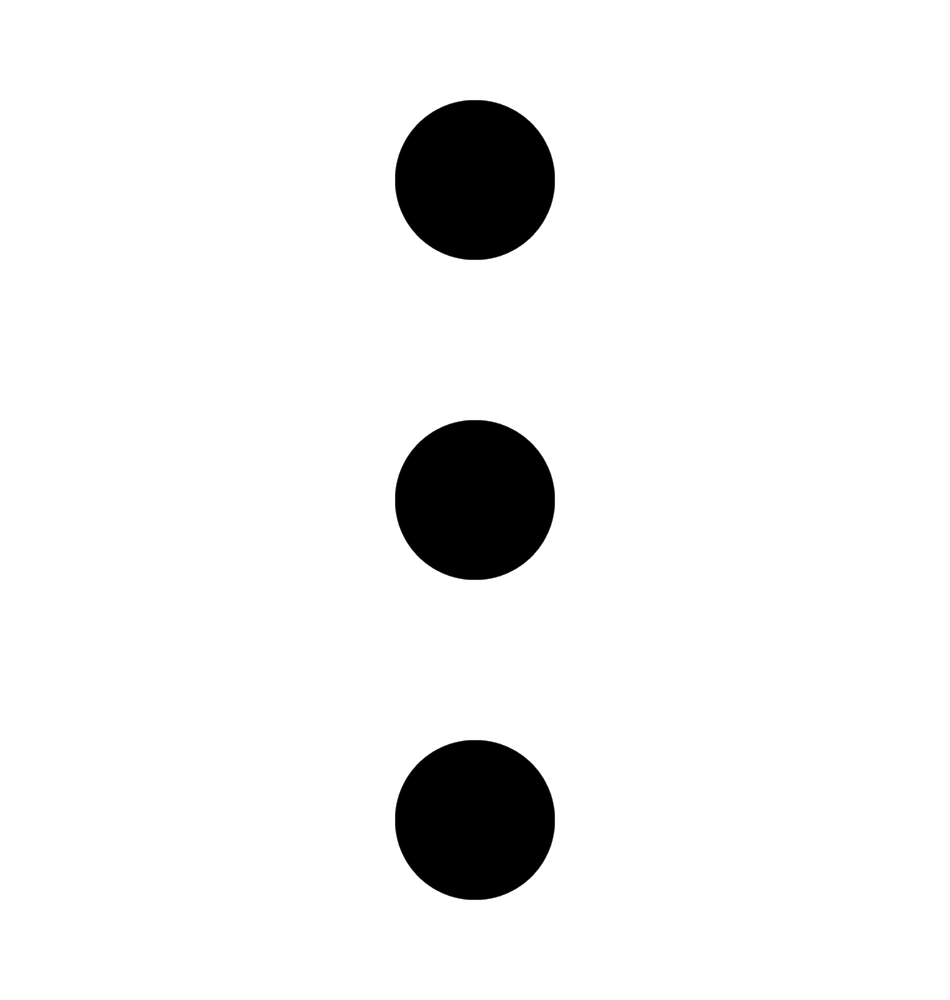
Researcher Anne Toner from Cambridge thinks she found the earliest use of ellipsis in a 1588 edition of the play ‘Andria’ by ancient Roman playwright Terence, though it used hyphens instead of dots. Ellipses gained importance in drama and novels where they highlighted interruptions and hesitations, making dialogue more reflective of actual human speech.
They’re like the punctuation equivalent of trailing off mid-sentence when you’re thinking.
Brackets
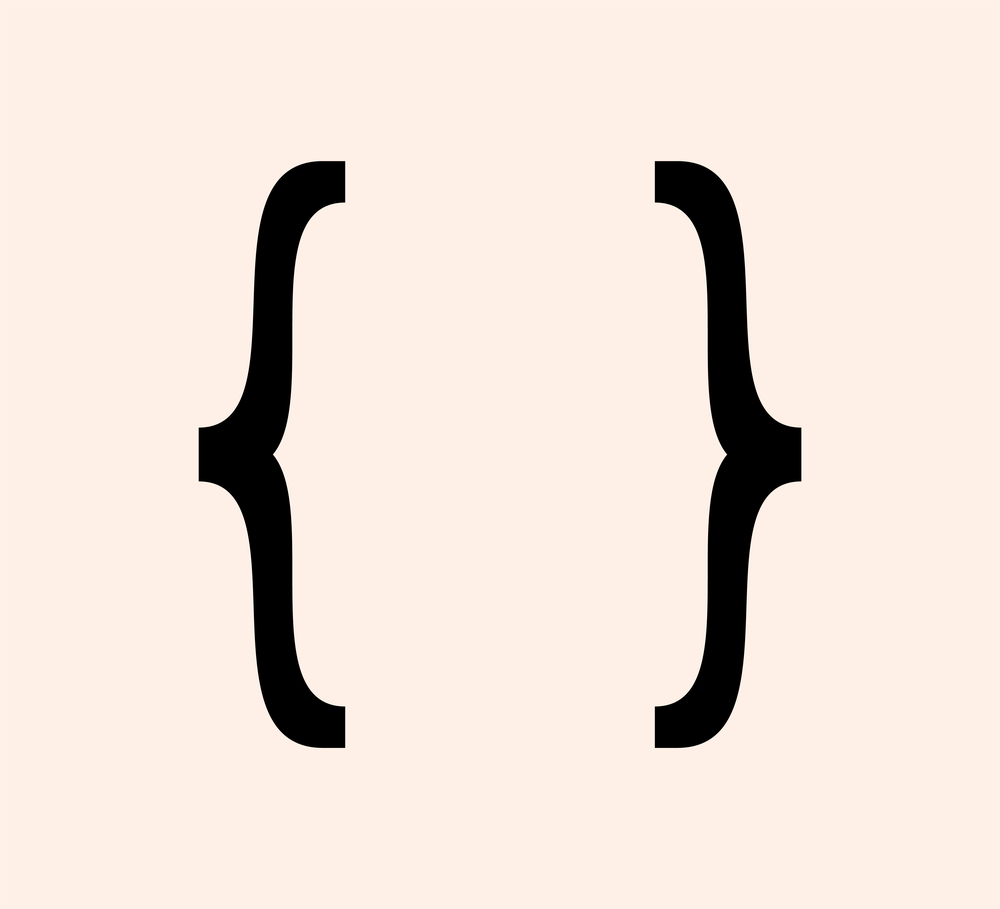
Brackets are used to enclose words that you add to direct quotations for clarity, especially when quotations are heavy with pronouns. They indicate that parenthetical information is not included in the original text of the quotation itself.
Think of them as the punctuation world’s way of adding helpful subtitles to confusing quotes.
Interrobang
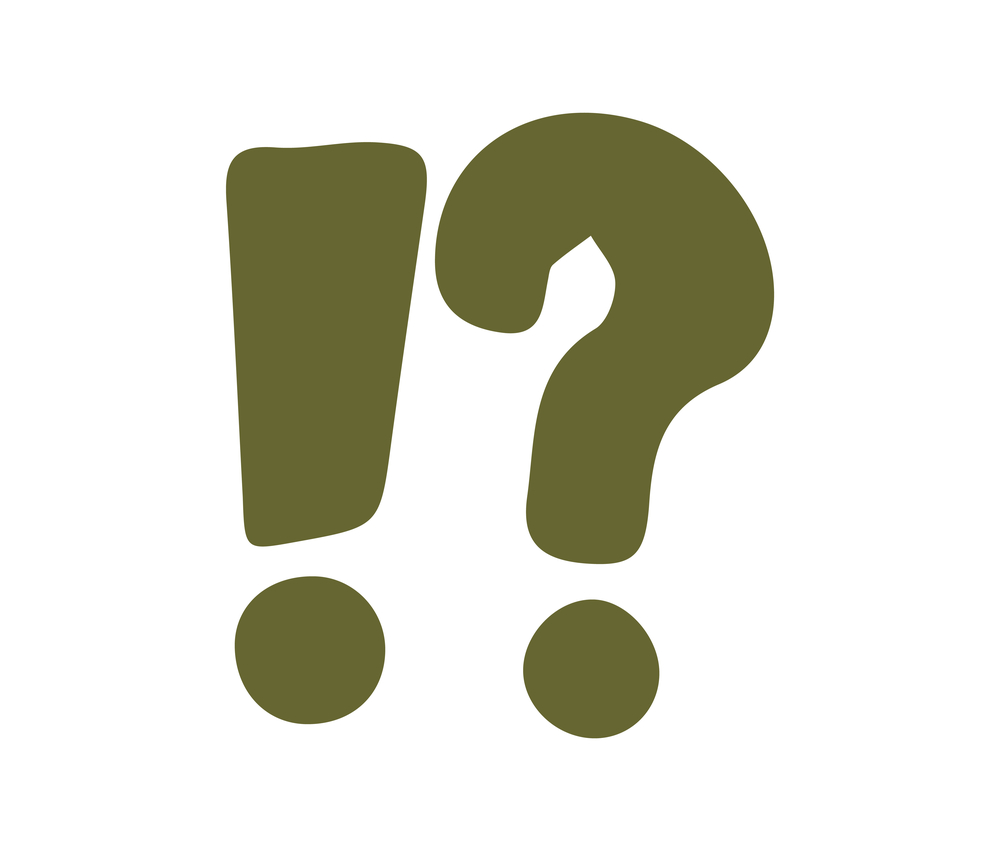
Martin K. Speckter, an American advertising executive, proposed the interrobang in 1962 as a combination of question mark and exclamation point to mark rhetorical questions or questions stated in disbelief. The name combines ‘interrogative’ and ‘bang,’ which has been printer jargon for an exclamation point since the 1950s.
Although widely discussed in the 1960s, it failed to achieve widespread use. The interrobang proves that even punctuation can have failed startup stories.
The Lasting Impact of Ancient Innovation

By the end of the 17th century, most punctuation marks had received their modern names, with exclamation marks, quotation marks, and dashes added to the system established centuries earlier. The digital revolution has given punctuation marks new life as emoticons, transforming familiar symbols into ways to express emotions through text.
What started as simple aids for ancient Greek speakers has evolved into a sophisticated system that now helps us navigate everything from academic papers to text messages, proving that good ideas really do stand the test of time.
More from Go2Tutors!

- The Romanov Crown Jewels and Their Tragic Fate
- 13 Historical Mysteries That Science Still Can’t Solve
- Famous Hoaxes That Fooled the World for Years
- 15 Child Stars with Tragic Adult Lives
- 16 Famous Jewelry Pieces in History
Like Go2Tutors’s content? Follow us on MSN.