Books That Defined The Century
Every era gets the books it needs. The last twenty-five years brought us stories that shaped how millions of people see the world, themselves, and each other.
Some became cultural phenomena. Others started quietly and built momentum through word of mouth.
A few changed entire conversations about history, identity, or what it means to be human. These aren’t just bestsellers.
They’re the books that captured something essential about our time—the fears, the questions, the hopes that define this century so far.
Harry Potter and the Order of Phoenix
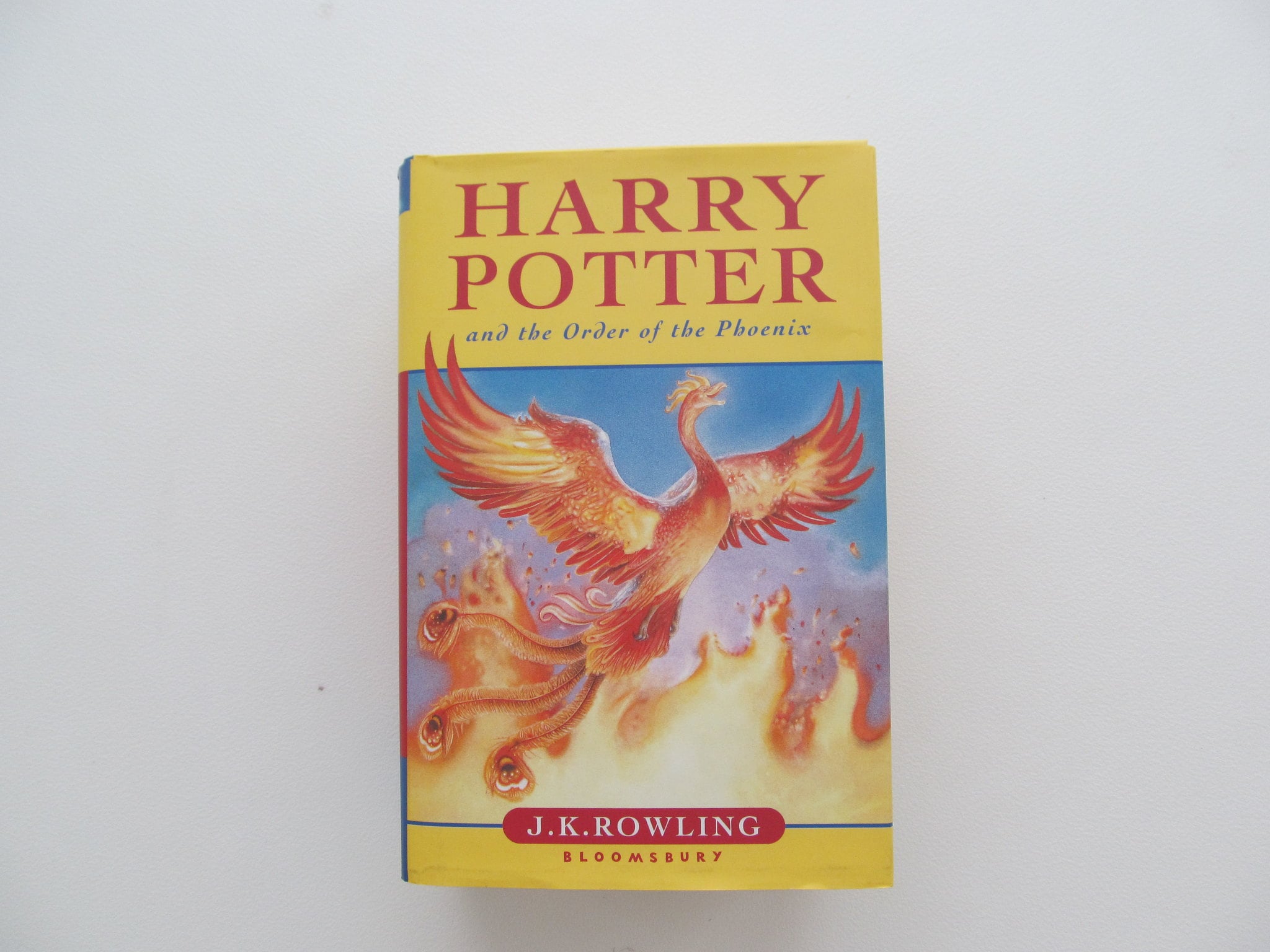
The whole Harry Potter series matters, but the fifth book hit differently. Published in 2003, it arrived when the first generation of Potter readers had grown up alongside Harry.
The darkness in this one felt earned. Harry’s anger, his isolation, the way authority figures failed him—it all resonated with young adults facing their own disillusionment.
J.K. Rowling gave millions of readers a shared language for talking about good and evil, courage and fear. Kids who grew up with these books carried them into adulthood, and the series became a reference point for entire generations.
You can still see Harry Potter references in political discourse, social media, and everyday conversation.
The Kite Runner

Khaled Hosseini’s 2003 novel introduced Western readers to Afghanistan in a way the news never could. The story of Amir and Hassan cut through politics and gave people an emotional connection to a place most only knew from headlines.
The book’s success proved that stories about redemption and complicated family bonds transcend cultural boundaries. It stayed on bestseller lists for years and became required reading in schools.
More importantly, it changed how millions of Americans thought about Afghanistan and its people.
The Road

Cormac McCarthy stripped everything down to its essentials in this 2006 novel. A father and son walk through an ash-covered world after an unnamed apocalypse.
The sparse prose matched the barren landscape. No quotation marks, minimal dialogue, just the raw relationship between two people trying to survive.
The book won the Pulitzer Prize, but its real achievement was how it made readers confront what they’d fight to preserve if everything else disappeared. McCarthy’s vision of environmental collapse and human persistence hit harder with each passing year.
The Hunger Games

Young adult fiction changed after Suzanne Collins published this in 2008. The story of Katniss Everdeen fighting in a televised death match became a phenomenon that defined a generation’s relationship with authority, media, and resistance.
The trilogy sold tens of millions of copies and spawned a film franchise, but its cultural impact went deeper. The three-finger salute became a real-world symbol of protest.
The Capitol versus the districts became shorthand for inequality. Collins created a dystopia that felt uncomfortably close to reality.
Between the World and Me

Ta-Nehisi Coates wrote this 2015 book as a letter to his son about being Black in America. The prose combined memoir, history, and urgent warning.
Coates traced the violence embedded in American structures and spoke directly about the vulnerability of Black bodies. The book arrived during a national reckoning with police violence and racial injustice.
It became required reading for people trying to understand systemic racism. Coates didn’t offer easy answers or false hope.
He offered truth, and millions of readers recognized it.
Sapiens: A Brief History of Humankind

Yuval Noah Harari’s 2014 book (originally published in Hebrew in 2011) took the entire sweep of human history and made it comprehensible. He asked big questions about why humans became the dominant species, how societies organize themselves, and where we’re headed.
The book became a global phenomenon, selling millions of copies and sparking conversations in board rooms, classrooms, and dinner tables. Harari’s ideas about shared myths, the cognitive revolution, and the future of humanity shaped how people think about progress and civilization.
The Handmaid’s Tale
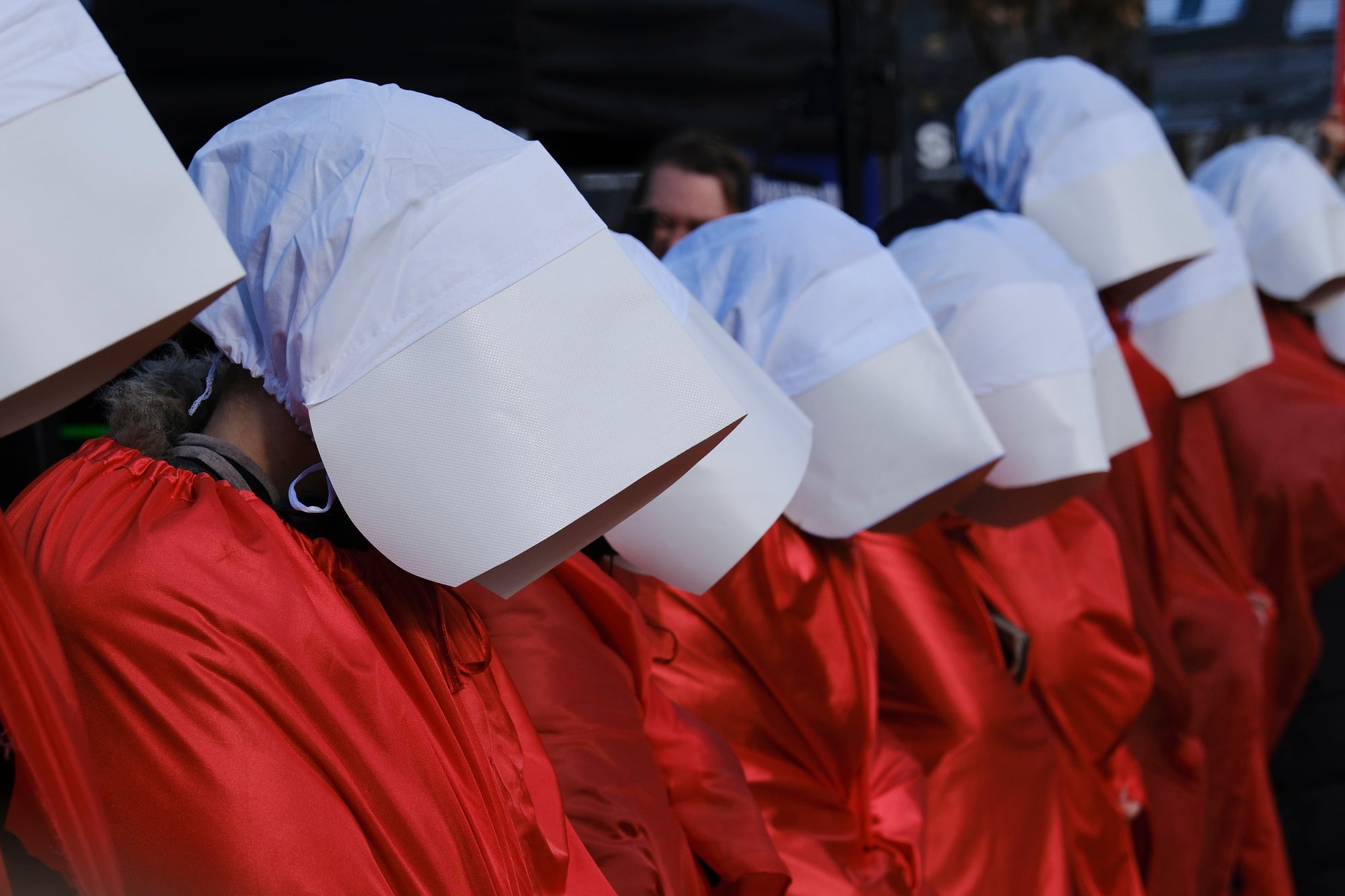
Margaret Atwood published this novel in 1985, but it became a cultural touchstone of the 21st century. The 2017 television adaptation arrived at exactly the right moment, when debates about women’s rights, religious fundamentalism, and authoritarian politics dominated headlines.
Women at protests dressed as handmaids. “Nolite te bastardes carborundorum” appeared on signs and shirts.
The story of Gilead—a totalitarian theocracy where women serve as property—stopped feeling like speculative fiction and started feeling like a warning.
Normal People

Sally Rooney published this in 2018 and captured something specific about millennial intimacy. The story of Connell and Marianne—their on-again, off-again relationship through school and college—depicted emotional vulnerability without sentimentality.
Rooney’s spare prose and psychological precision made her the voice of a generation trying to figure out connection in an age of distance. The book sold millions and the television adaptation only amplified its reach.
People saw their own relationships, their own failures to communicate, in these characters.
The Immortal Life of Henrietta Lacks

Rebecca Skloot spent years researching this 2010 book about the woman whose cells—taken without consent—became one of the most important tools in medical research. HeLa cells contributed to countless medical breakthroughs, but Henrietta Lacks and her family remained unknown and uncompensated.
The book raised essential questions about medical ethics, race, and who benefits from scientific progress. It changed how people think about consent and the human cost of advancement.
Schools added it to curriculums. Hospitals revised policies. One woman’s story changed the conversation.
Eleanor Oliphant Is Completely Fine
Gail Honeyman’s 2017 debut became an unexpected hit through word of mouth. The story of a socially isolated woman discovering connection touched something universal.
Eleanor’s journey from loneliness to community resonated with readers across demographics. The book’s success proved that stories about ordinary people dealing with trauma and learning to open up still matter.
In an age of digital connection and real isolation, Eleanor’s story felt necessary.
Educated

Tara Westover’s 2018 memoir about growing up in a survivalist family in Idaho and eventually earning a PhD from Cambridge became a phenomenon. Her story of breaking free from an abusive household and transforming through education inspired millions.
The book sparked conversations about family loyalty, the cost of self-transformation, and the power of education to change lives. It stayed on bestseller lists for years.
Westover’s unflinching honesty about her family and herself set a new standard for memoir writing.
Where the Crawdads Sing

In 2018, Delia Owens released her first book. It caught fire, not because of ads but word spreading person to person.
Readers couldn’t put it down. A girl named Kya lives alone in the marshes of North Carolina.
Her life unfolds quietly at first, then pulls you in. Mystery threads through the plot like a pulse.
There’s love too – slow, awkward, real. Nature isn’t just background here; it breathes alongside the characters.
Pages soaked in mud and sky keep turning on their own. People bought copies fast.
Soon, everyone seemed to be reading it. Not because they had to – but because they wanted to.
The story sticks, long after the last line. Few novels from that time stayed so deeply remembered.
What made the book take off wasn’t ads or hype – it was word spreading person to person. Groups reading together pulled it into their meetings.
The way Kya stood strong, plus those thick, vivid scenes of wetland life, stuck in people’s minds. Turns out, when a tale clicks, folks show up by the million.
The Ones We Keep

What sticks around often depends on what society values. Stories do not exist in a vacuum – they respond to the world just as much as they influence it.
This era’s standout books offered more than escape. They pushed back against silence, opened windows into lives unlike our own, then handed words to feelings we once had no name for.
Floating through days like these, such tales stick around. When folks later search for clues about our worries, our joys, our quiet longings – those pages will still speak.
Not merely leftovers from a moment in history – but signs pointing to hunger for meaning when nothing felt steady. Stories that held breath during shaky times.
More from Go2Tutors!

- The Romanov Crown Jewels and Their Tragic Fate
- 13 Historical Mysteries That Science Still Can’t Solve
- Famous Hoaxes That Fooled the World for Years
- 15 Child Stars with Tragic Adult Lives
- 16 Famous Jewelry Pieces in History
Like Go2Tutors’s content? Follow us on MSN.



