16 Record-Breaking High Heels in History
High heels have transformed from practical riding boots worn by Persian cavalrymen to symbols of power, fashion, and sometimes sheer architectural ambition. Throughout history, certain pairs have pushed the boundaries of what’s physically possible to wear on human feet, defying gravity, comfort, and occasionally common sense. These aren’t just shoes — they’re statements, sculptures, and sometimes cautionary tales about the lengths people will go for fashion.
Here’s a list of 16 record-breaking high heels that have made their mark on history through extreme height, innovative design, or cultural impact.
James Syiemiong’s 40-Inch Platform Heels

Indian shoemaker James Syiemiong created the world’s tallest high heels in 2004 — measuring an astounding 40 inches from sole to ground. These towering creations required the wearer to use crutches for balance and mobility.
The shoes resembled stilts more than footwear, featuring multiple support struts and a complex engineering system just to remain standing. Walking remained theoretical.
Christian Louboutin’s Ballerina Ultima Heels
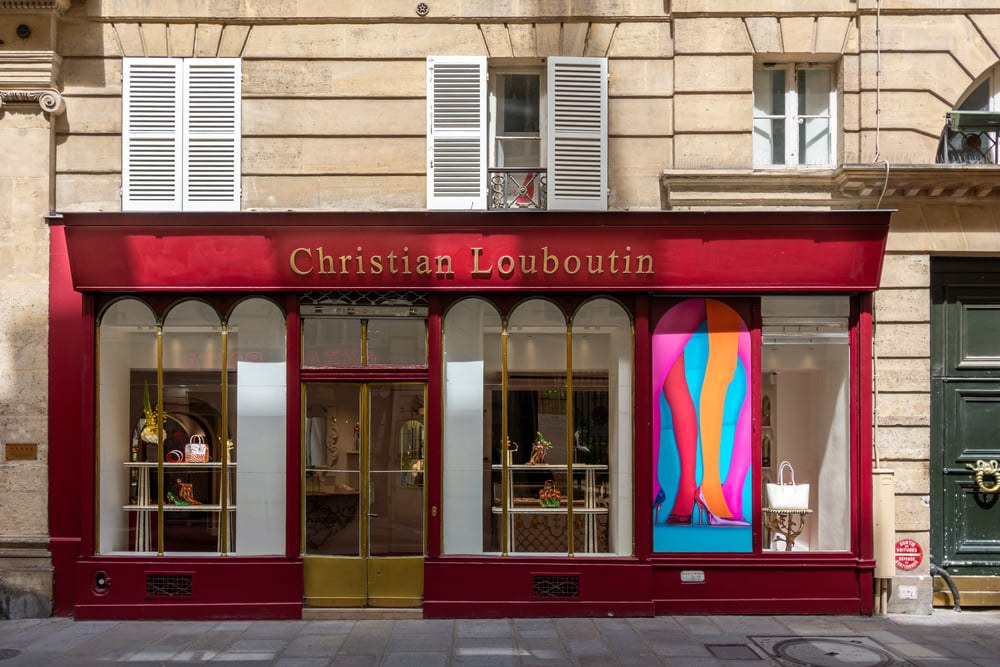
— Photo by HJBC
Louboutin’s 8-inch masterpieces pushed the limits of wearable art in 2007, featuring no platform and requiring ballet-like toe positioning. Only a handful of models have ever successfully walked in them during fashion shows.
Yet the shoes became coveted collector’s items despite their impractical nature. Sometimes fashion values ambition over functionality.
Lady Gaga’s 12-Inch Armadillo Boots

Alexander McQueen designed these sculptural heel-less boots that forced the wearer onto their toes — reaching heights of 12 inches. Lady Gaga famously wore them in her “Bad Romance” music video, though she admitted to falling multiple times during filming.
The boots featured intricate carved details and resembled alien artifacts more than traditional footwear. Which was precisely the point.
Noritaka Tatehana’s 24-Inch Wooden Platforms
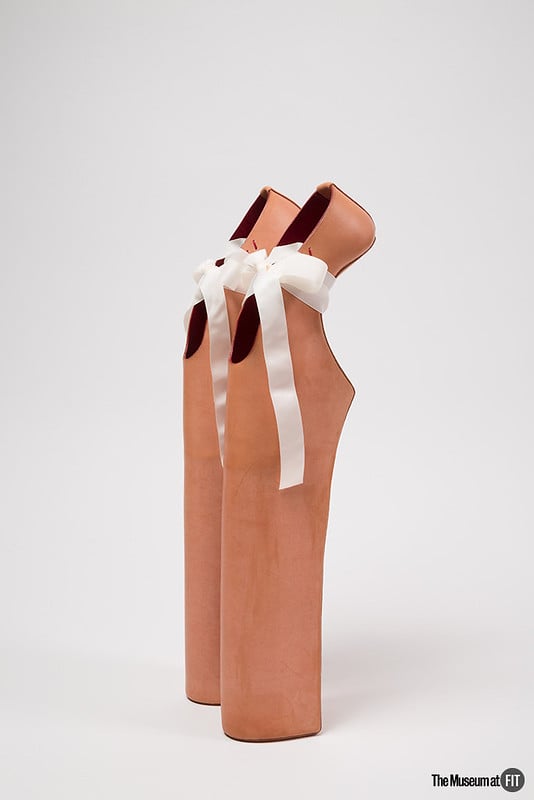
This Japanese designer created impossible 24-inch platform shoes inspired by traditional geta sandals, but scaled to surreal proportions. The shoes required assistance to put on and made walking virtually impossible without support.
Tatehana’s creations exist somewhere between footwear and performance art. Museum pieces that happen to have straps.
Antonio Berardi’s 9-Inch Steel Heels

Berardi’s 2001 collection featured 9-inch heels made from actual steel — creating shoes that weighed several pounds each and required significant leg strength just to lift. The metallic construction added industrial aesthetics to extreme height.
Models complained about muscle fatigue within minutes of wearing them, while the runway impact was undeniable.
Iris van Herpen’s 3D-Printed Crystalline Heels

Van Herpen’s 2013 collection introduced 7-inch heels created entirely through 3D printing, featuring impossible crystalline structures that couldn’t be manufactured through traditional methods.
The transparent, organic-looking heels seemed to grow from the ground like ice formations. Technology meeting haute couture in ways previously unimaginable.
Vivienne Westwood’s Original Platform Heels

Westwood’s 1993 “Super Elevated Ghillie” platforms measured 9 inches — and became notorious when model Naomi Campbell fell while wearing them on the runway. The fall became a fashion legend, though the shoes remained coveted.
Campbell later said she fell because she wasn’t used to the height, not because the shoes were poorly designed. The distinction matters in fashion circles.
Leanie van der Vyver’s 20-Inch Fetish Heels
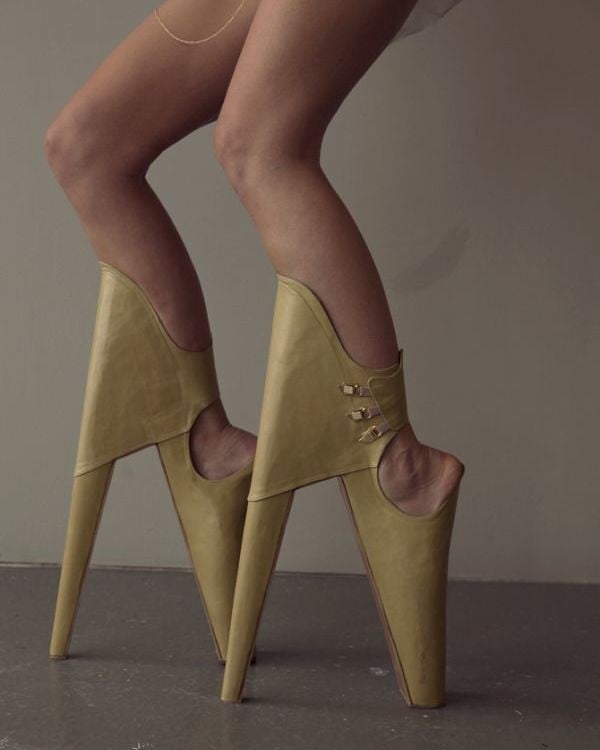
South African designer van der Vyver created custom 20-inch heels for specialized clientele, featuring elaborate support systems and requiring extensive training to wear. These shoes blur the line between footwear and performance equipment.
The client base remains deliberately mysterious — though rumors suggest collectors and performers willing to invest months learning to walk in them.
Giuseppe Zanotti’s Diamond-Encrusted 6-Inch Heels

Zanotti’s $500,000 creation featured thousands of diamonds set into 6-inch heels, making them among the most expensive shoes ever produced. The height was modest compared to others, yet the materials elevated them to jewelry status.
Only three pairs were ever made, and ownership reportedly requires armed security during public appearances.
Brian Atwood’s 8-Inch “Tribeca” Heels
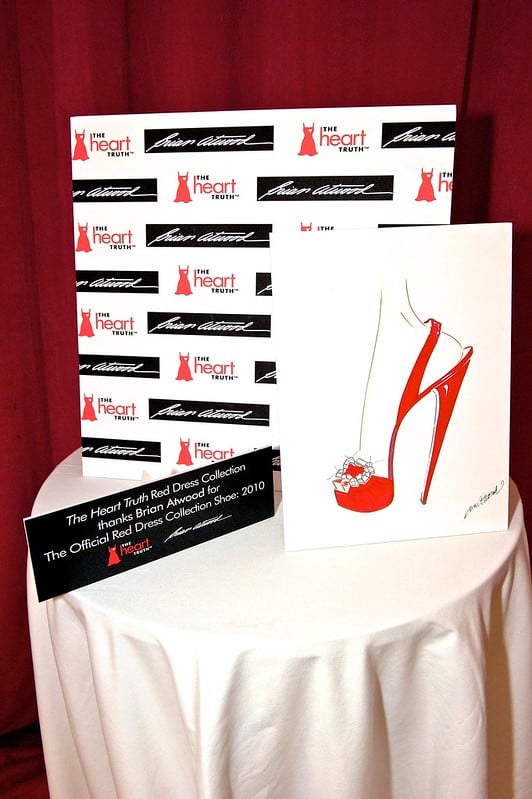
Atwood’s 2009 design pushed stiletto engineering to its limits with needle-thin 8-inch heels — challenging both physics and podiatry. The shoes required custom foot exercises and ankle strengthening just to attempt wearing.
Several celebrity clients reportedly purchased pairs but admitted to wearing them only for photographs, never actual walking.
Kobi Levi’s Impossible Architecture Heels
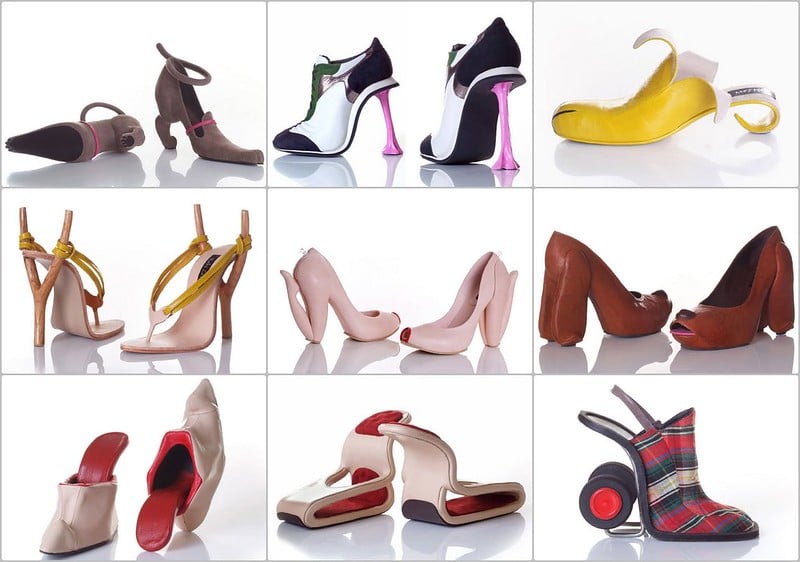
Israeli designer Levi creates conceptual heels that defy traditional shoe logic, including 10-inch designs shaped like bananas, shopping carts, and rocking chairs. His “Double Boot” design reaches 14 inches through creative stacking.
These shoes function more as wearable sculptures than practical footwear. Museum exhibitions regularly feature his work.
Rick Owens’ 5-Inch Platform Gladiators
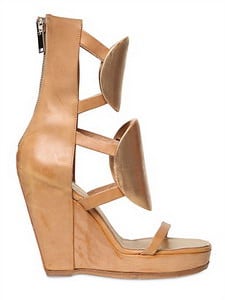
Owens’ 2014 collection featured 5-inch platform gladiator sandals that wrapped up the entire leg, creating the illusion of even greater height through visual extension. The platforms used lightweight materials to make extreme height more manageable.
Fashion critics praised the design for making extreme platforms actually wearable, whereas “wearable” remained relative.
Marc Jacobs’ 7-Inch Tribute Platforms
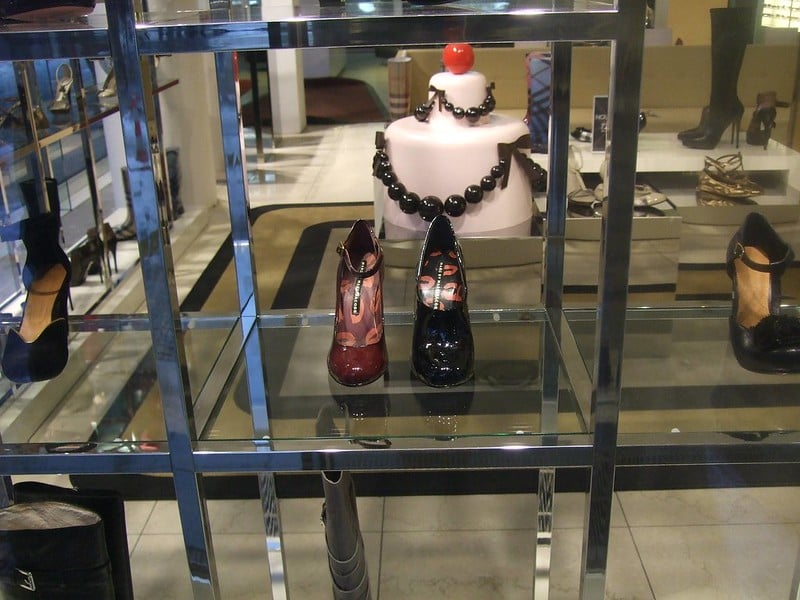
Jacobs’ 2008 collection featured 7-inch platforms that pushed the boundaries of height while making references to disco culture from the 1970s. The thick platforms were slightly more practical than stilettos because they distributed weight more evenly.
Although models claimed to be able to dance for a short while in them, prolonged dancing was still not advised.
Thierry Mugler’s Architectural Heel Sculptures

The heels in Mugler’s 1995 collection were 8 inches tall and incorporated building-like structures into the heel design, making them tiny architectural monuments. Each pair looked like miniature skyscrapers.
Although the shoes created iconic silhouettes on the runway, they required professional assistance and custom fitting.
Alexander McQueen’s Armadillo Shoes
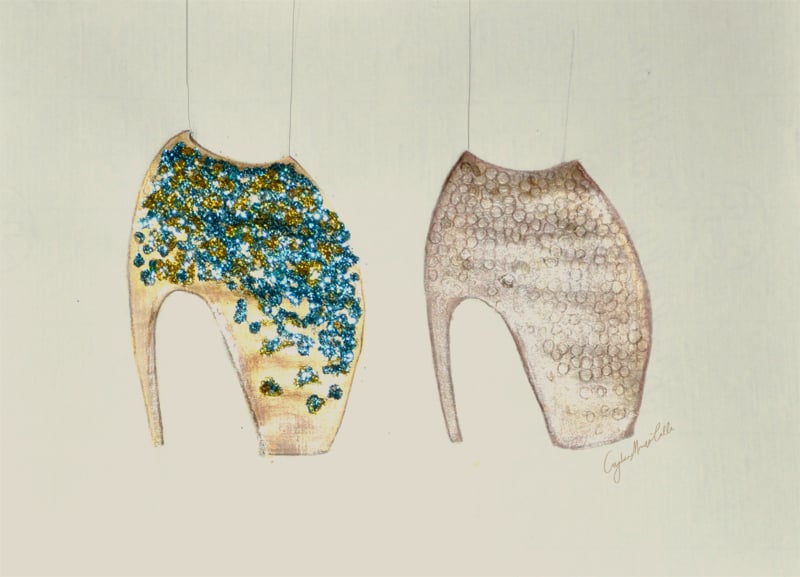
McQueen’s final collection included the famous “Armadillo” shoes with 12-inch curved heels that eliminated traditional heel structure entirely. Wearers balanced on their feet in an extreme ballet position.
Only a few pairs were ever made, and they’ve become among the most valuable fashion artifacts in private collections.
Manolo Blahnik’s 6-Inch “Chaos” Heels

— Photo by Darkwisper88
Blahnik’s 2003 design reached 6 inches while maintaining elegance and surprising wearability. Named “Chaos” for their dramatic impact on walking patterns, they became surprisingly popular among celebrities willing to sacrifice mobility for height.
Several A-list actresses wore them to award ceremonies, even so red carpet photographers noted the careful, measured walking styles they necessitated.
Towering Ambitions

These record-breaking heels represent more than extreme fashion — they’re monuments to human ambition and our eternal desire to transcend physical limitations through design. Whether worn for minutes or merely admired as art pieces, each pair pushed boundaries and redefined what shoes could become. Their legacy lives not in practical daily wear, but in inspiring designers to keep reaching higher, even when the ground seems impossibly far below.
More from Go2Tutors!

- 16 Historical Figures Who Were Nothing Like You Think
- 12 Things Sold in the 80s That Are Now Illegal
- 15 VHS Tapes That Could Be Worth Thousands
- 17 Historical “What Ifs” That Would Have Changed Everything
- 18 TV Shows That Vanished Without a Finale
Like Go2Tutors’s content? Follow us on MSN.



