17 Video Games That Flopped So Hard They Took Studios Down With Them
The video game industry can be brutally unforgiving. One moment a studio is riding high on past successes, and the next it’s closing its doors after a catastrophic release.
Behind the glitz and glamour of game development lies the harsh reality that a single failed project can mean the end for even established developers. Here’s a look at 17 notorious video games whose commercial failures were so devastating they led directly to their studios’ demise.
E.T. The Extra-Terrestrial

Atari’s rushed adaptation of Spielberg’s beloved film is often cited as the catalyst for the 1983 video game crash. Developed in just five weeks to meet the holiday shopping season, the game was nearly unplayable and confusing.
Atari produced millions of cartridges but ended up burying countless unsold copies in a New Mexico landfill, contributing to losses so severe the company never recovered its market dominance.
Kingdoms of Amalur: Reckoning

38 Studios, founded by baseball star Curt Schilling, bet everything on this ambitious RPG. Despite decent reviews and reasonable sales figures, the game fell far short of the astronomical numbers needed to recoup its massive development costs.
The studio had borrowed $75 million from Rhode Island state and went bankrupt almost immediately after release, leaving taxpayers on the hook for the failed venture.
Like Go2Tutors’s content? Follow us on MSN.
APB: All Points Bulletin

Realtime Worlds spent over $100 million developing this open-world crime MMO over five years. The game launched to poor reviews criticizing its repetitive gameplay and technical issues, attracting far fewer players than projected.
After just 86 days on the market, servers shut down and Realtime Worlds filed for bankruptcy, making it one of the fastest studio collapses following a major release.
Too Human

Silicon Knights spent nearly a decade developing this Norse mythology-inspired action RPG. The protracted development included an expensive engine switch from Unreal to a proprietary system, leading to ballooning costs.
The game’s critical and commercial failure was compounded by a legal battle with Epic Games that ultimately required Silicon Knights to recall and destroy all unsold copies, pushing the studio into bankruptcy.
Advent Rising

GlyphX Games banked everything on this planned trilogy, even running a controversial million-dollar contest to promote it. Technical problems and mediocre gameplay doomed the ambitious project from the start.
Sales were so dismal that the promised contest winners never received their prizes, and the remaining planned sequels were canceled as the studio quickly folded after release.
Like Go2Tutors’s content? Follow us on MSN.
Driv3r

Reflections Interactive had created a successful franchise with the first two Driver games, but pressure to compete with Grand Theft Auto led to Driv3r being rushed to market. The game was filled with bugs, poor controls, and unfinished features that players immediately noticed.
The critical and commercial flop led to Reflections being absorbed by Ubisoft and losing its independent status.
Tabula Rasa

Legendary game designer Richard Garriott’s NCsoft studio spent over $100 million developing this ambitious sci-fi MMO. Despite Garriott’s reputation and heavy marketing, the game attracted few subscribers and shut down just a year after launch.
The spectacular failure resulted in massive layoffs, the closure of NCsoft Austin, and a bitter legal battle between Garriott and the parent company.
Hellgate: London

Flagship Studios was founded by former Blizzard developers who had worked on Diablo, creating massive expectations for their debut title. The game launched with an unclear business model, numerous bugs, and identity crisis between single-player and MMO elements.
Flagship closed just eight months after release, unable to recover from the financial drain of the troubled project.
Like Go2Tutors’s content? Follow us on MSN.
The Bureau: XCOM Declassified
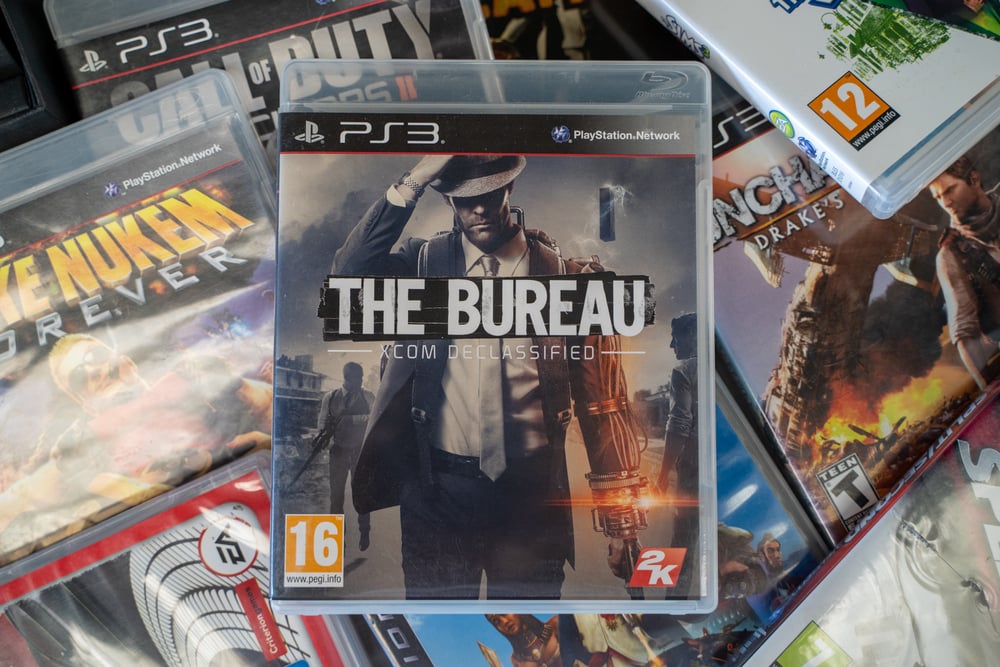
2K Marin spent years developing this XCOM prequel, which underwent multiple complete design overhauls during production. What started as a first-person shooter morphed into a tactical third-person game, creating a muddled final product that pleased neither XCOM fans nor newcomers.
The commercial failure led to 2K Games shutting down the studio shortly after release.
Daikatana

John Romero’s infamous game became synonymous with hubris in game development. After leaving id Software, Romero founded Ion Storm and promised to make players his “bitch” in an ill-advised marketing campaign.
The game arrived years late, plagued with technical issues and outdated design, selling a tiny fraction of projected numbers and causing Ion Storm to close shortly afterward.
Rise of the Robots

Time Warner Interactive poured millions into this fighting game, heavily marketing its advanced graphics and AI. The final product featured beautiful visuals but severely limited gameplay mechanics, with most characters locked in single-player mode.
Critics savaged it upon release, and its commercial failure contributed directly to Time Warner Interactive’s demise.
Like Go2Tutors’s content? Follow us on MSN.
Project Copernicus

38 Studios’ follow-up to Kingdoms of Amalur was an ambitious MMO set in the same universe. The project burned through millions in development funds without ever reaching completion.
When Kingdoms of Amalur underperformed, the financial house of cards collapsed, with leaked footage of the unfinished game showing just how much work had been wasted before the studio declared bankruptcy.
Okami-Den

Clover Studio created the beautiful action-adventure Okami, which was critically acclaimed but commercially unsuccessful. The studio developed a Nintendo DS sequel hoping to recoup their investment, but it faced even poorer sales despite positive reviews.
Capcom dissolved Clover Studio shortly after, though many team members regrouped to form PlatinumGames.
Duke Nukem Forever
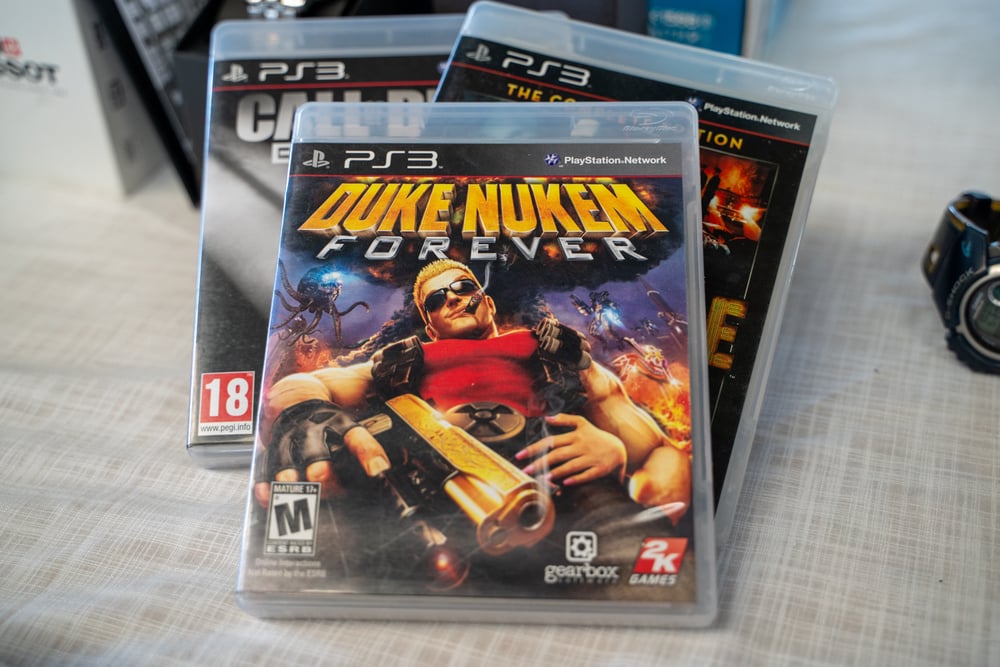
3D Realms spent 15 years developing this sequel to their 1996 hit, becoming infamous for delays and development hell. The studio eventually went bankrupt in 2009 without finishing the game.
Gearbox Software eventually completed and released it in 2011, but the final product was outdated, offensive, and poorly designed, ending the once-proud Duke Nukem franchise.
Like Go2Tutors’s content? Follow us on MSN.
Haze

Free Radical Design built their reputation on the TimeSplitters series before tackling this ambitious PlayStation 3 exclusive. Published by Ubisoft, Haze was positioned as a “Halo killer” but delivered mediocre gameplay and a forgettable story.
The commercial failure pushed Free Radical into administration, with the studio eventually being acquired by Crytek and losing its independent status.
Project Offset

Offset Software spent years developing a visually stunning fantasy FPS that attracted Intel’s attention, leading to an acquisition. The small team was tasked with creating a showcase for Intel’s upcoming discrete graphics cards.
When Intel canceled its graphics card plans in 2010, the project was immediately terminated with no release, and the studio was disbanded despite years of promising work.
MadWorld

Platinum Games created this stylish black-and-white ultra-violent game exclusively for the family-friendly Nintendo Wii. The mismatch between content and platform limited its audience drastically, resulting in poor sales despite positive reviews.
While Platinum survived, their publishing partner Sega closed the studio responsible for bringing the game to Western markets.
Like Go2Tutors’s content? Follow us on MSN.
What Remains of the Industry

The gaming landscape is littered with these cautionary tales of ambition, mismanagement, and bad timing. Each failure represents not just lost money but creative teams disbanded and careers disrupted.
While some developers managed to rise from the ashes and find success elsewhere, these games stand as monuments to how quickly fortunes can change in an industry where you’re only as good as your last release.
More from Go2Tutors!

- 18 Unexpectedly Valuable Collectibles You Might Have Lying Around
- 20 Little-Known Historical Battles That Had Huge Consequences
- 20 Historical Artifacts That Scientists Can’t Explain
- 15 Inventions That Were Immediately Banned After Being Created
- 20 Actors Who Were Almost Cast in Iconic Roles
Like Go2Tutors’s content? Follow us on MSN.