Cartoon Villains Based on Real Dictators
Animation has always been more than just entertainment for children. Throughout history, cartoon creators have drawn inspiration from the darkest chapters of real-world politics, transforming ruthless dictators into memorable animated antagonists. These villains serve as both compelling storytelling devices and subtle commentary on the nature of tyranny itself.
The practice of basing fictional villains on real-world tyrants allows animators to tap into familiar patterns of authoritarian behavior while creating characters that resonate with audiences on a deeper level. Here is a list of notable cartoon villains whose origins trace back to some of history’s most notorious dictators.
Emperor Palpatine
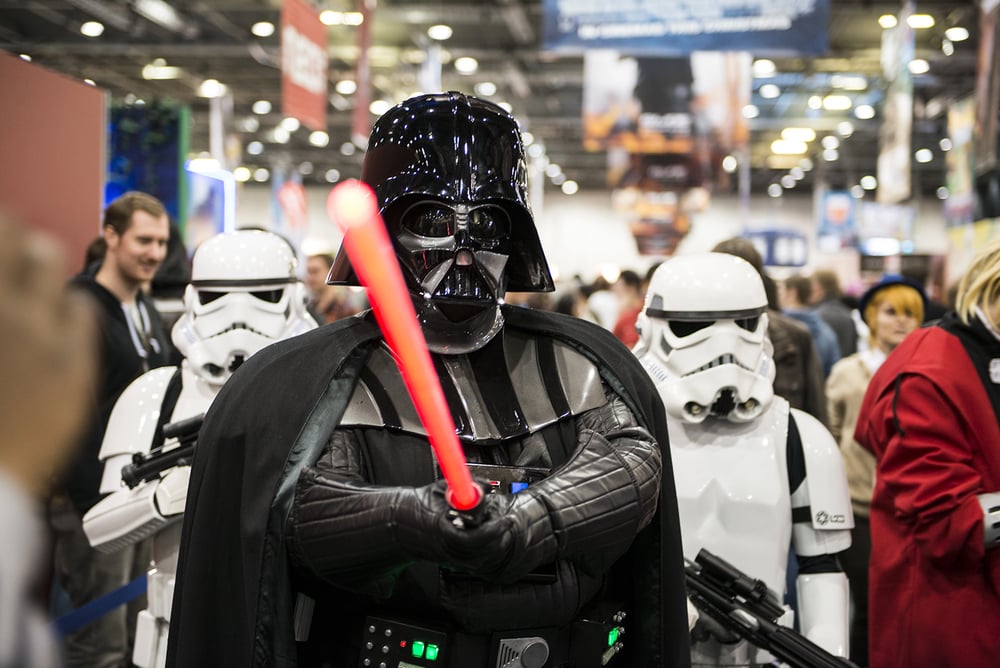
The Star Wars saga’s ultimate villain draws inspiration from multiple historical figures, but none more prominently than Adolf Hitler. George Lucas has openly cited Hitler, Napoleon, and Julius Caesar as influences for Palpatine’s character, with the parallels becoming particularly evident in the prequel trilogy that depicts his rise from Chancellor to Emperor.
The character’s gradual transformation of a democratic republic into a dictatorship mirrors Hitler’s manipulation of the German political system during the 1930s. The similarities extend beyond mere political maneuvering.
Palpatine’s ‘Order 66’ closely parallels Hitler’s ‘Night of the Long Knives’ from June 30-July 2, 1934, when Hitler ordered the SS to eliminate SA leadership and political enemies simultaneously. Both events required the element of surprise and betrayal by trusted allies to succeed.
Interestingly, Lucas also drew inspiration from Richard Nixon, stating in a 2005 interview that ‘Nixon was his name. He subverted the senate and finally took over and became an imperial guy and he was really evil.’
Fire Lord Ozai
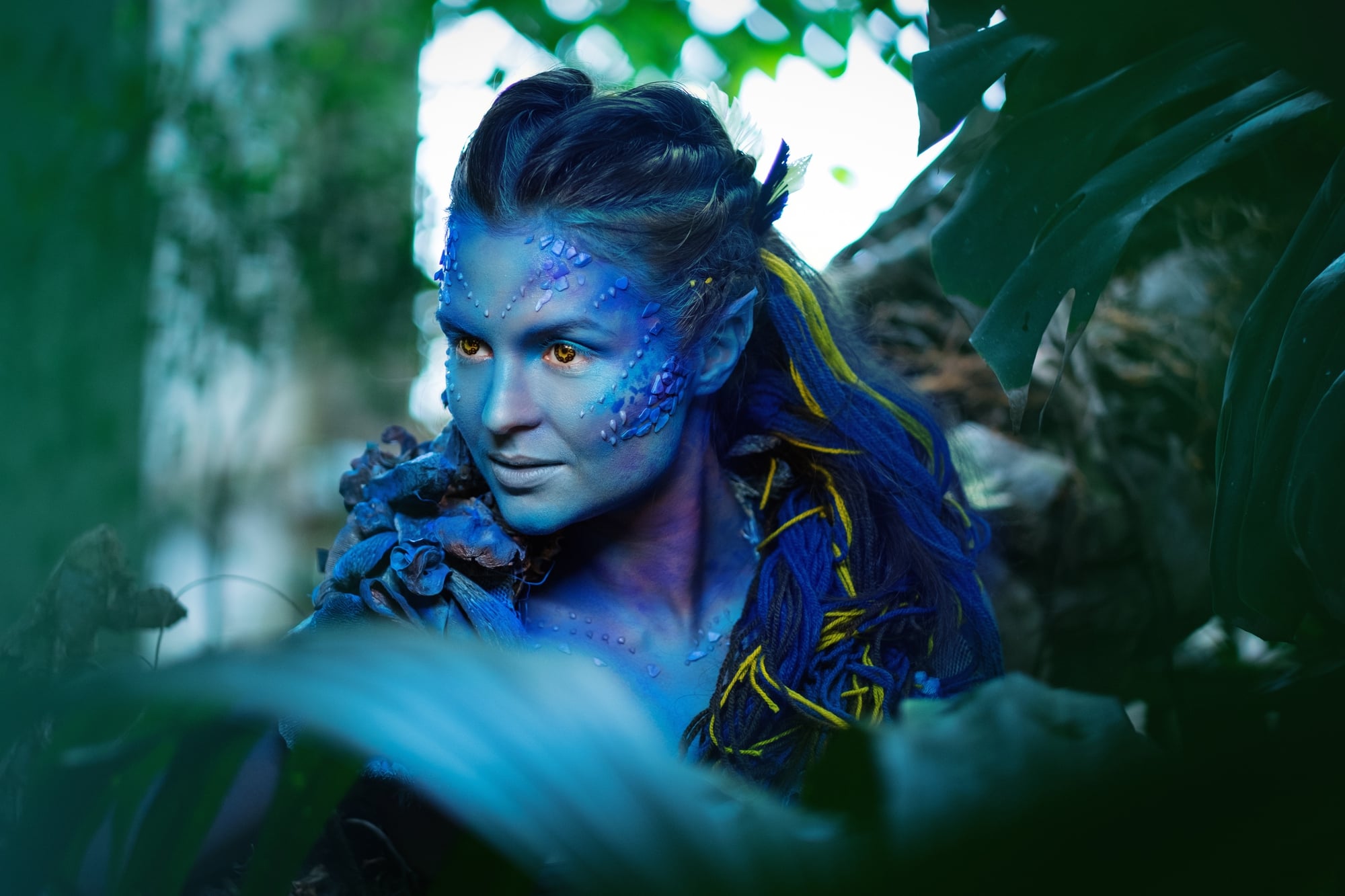
Avatar: The Last Airbender’s main antagonist was likely inspired by Emperor Hirohito of Imperial Japan, as both radicalized their nations’ imperialist policies in the name of conquest and domination while serving as the last rulers of their nations’ colonial regimes. Ozai’s plan to use Sozin’s Comet to burn down the Earth Kingdom reflects the extreme measures employed by World War II-era Japanese leadership.
The character’s treatment of his own family also mirrors historical patterns of dictatorial behavior. His banishment of his son Zuko for showing compassion demonstrates the cold calculation typical of authoritarian rulers who prioritize power over personal relationships.
Ozai’s reign, though lasting only five years, represents the pinnacle of Fire Nation aggression and the abandonment of any pretense of benevolent rule.
Like Go2Tutors’s content? Follow us on MSN.
Scar
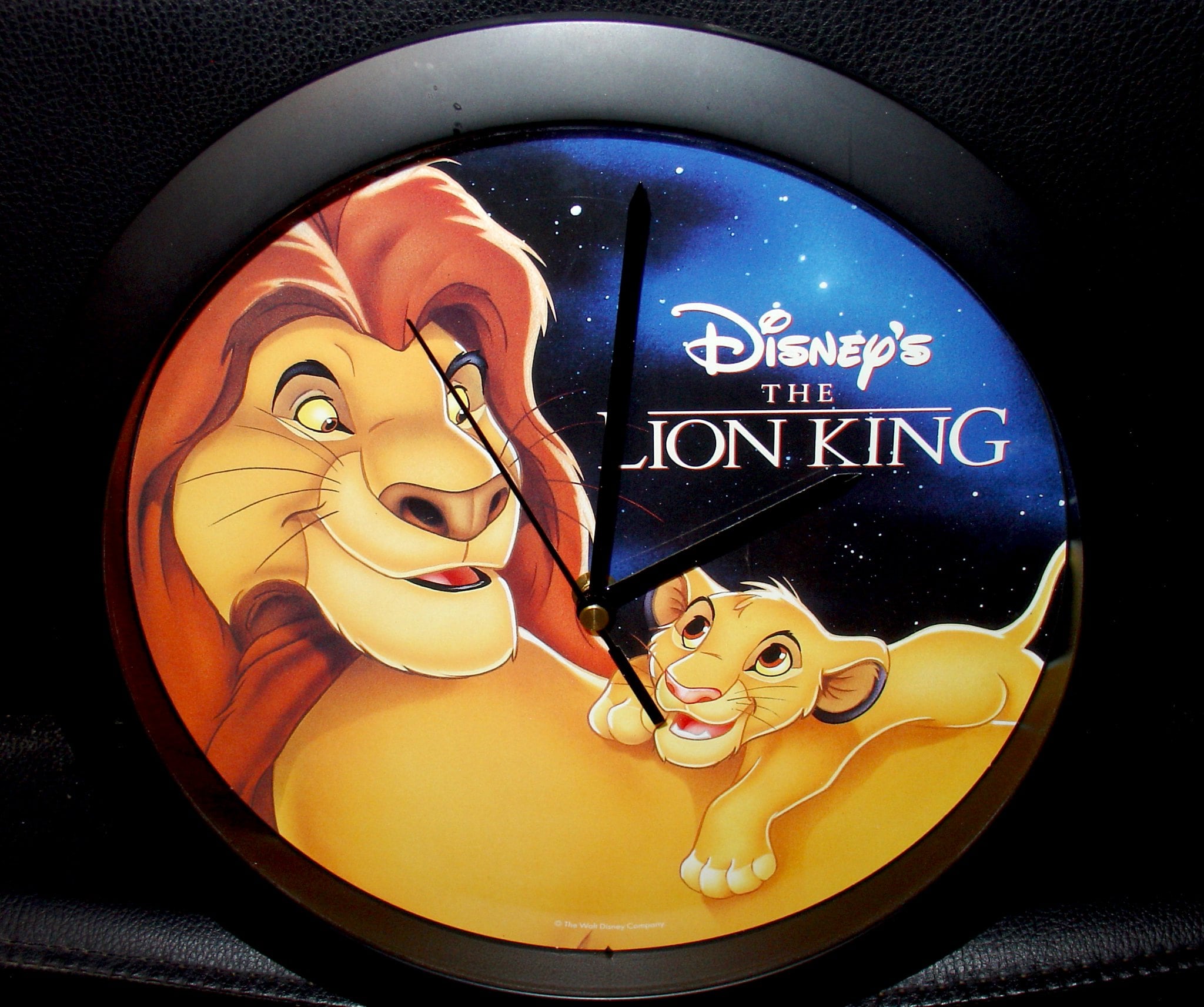
Disney’s Lion King villain was explicitly inspired by Adolf Hitler, with the film’s creators deliberately modeling his rise to power and propaganda techniques after Nazi Germany. The most obvious reference comes during the ‘Be Prepared’ sequence, where Scar addresses his hyena army in imagery directly borrowed from Nazi propaganda films.
The scene deliberately echoes Leni Riefenstahl’s 1937 film ‘Triumph of the Will,’ complete with marching formations reminiscent of goose-stepping soldiers and pillars of light casting ominous shadows. The animators recruited live lions for study, but notably, Scar is the only lion drawn with claws, emphasizing his predatory and dangerous nature.
His manipulation of the hyenas through false promises of prosperity directly mirrors the tactics used by fascist leaders to gain popular support.
The Smurfs’ King Smurf
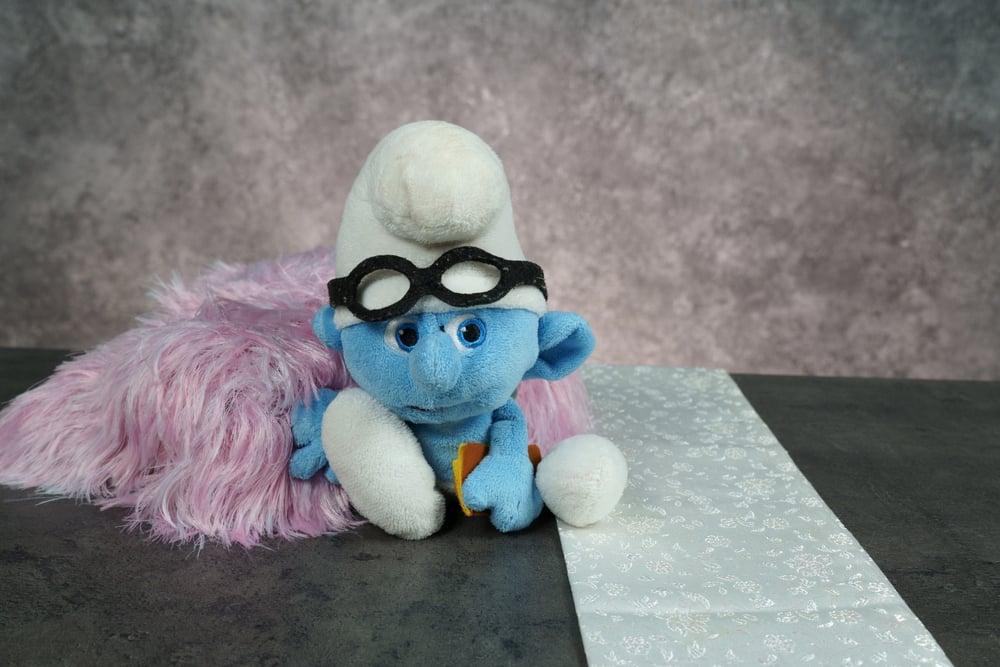
The 1980s Smurfs cartoon episode ‘King Smurf’ presented a surprisingly sophisticated examination of how democracies can slide into authoritarianism. When Papa Smurf leaves, one unnamed Smurf takes power through flattery and empty promises, fashioning an authoritarian regime that forces the community to build a grand palace while real problems like a leaky dam go unaddressed.
The episode serves as an allegory for how populist leaders can manipulate democratic processes to consolidate power. The regime’s attack on freedom of expression by imprisoning Jokey Smurf and the eventual civil conflict that erupts demonstrate how authoritarian rule inevitably leads to social breakdown.
Jafar
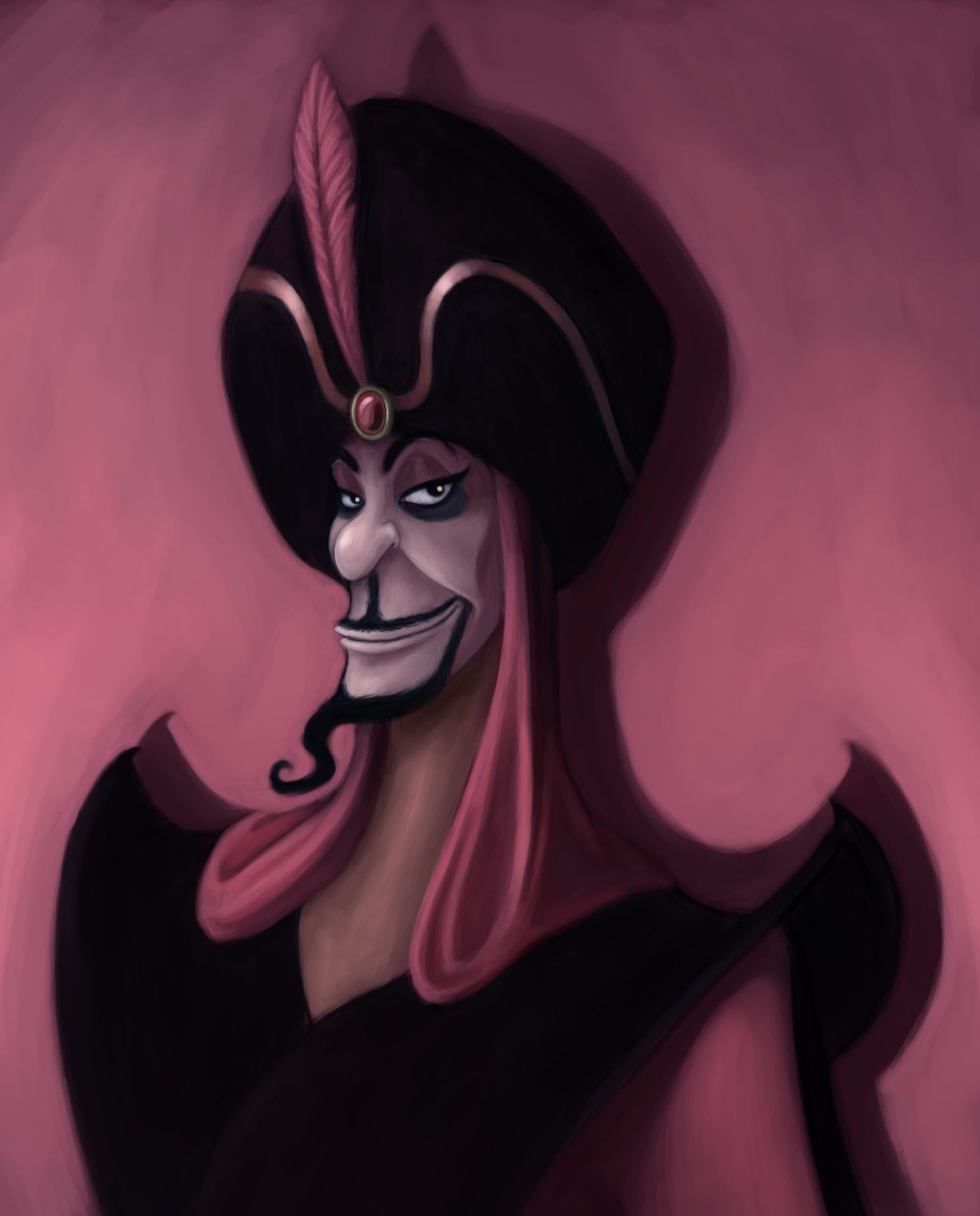
Disney’s Aladdin villain draws from historical examples of viziers and court officials who manipulated weak rulers to gain power. While not based on a specific dictator, Jafar embodies the archetype of the scheming advisor found throughout history, from Rasputin in Russia to various court manipulators in ancient empires.
His use of hypnosis and magical artifacts to control others represents the propaganda and cult of personality tactics employed by many real-world dictators. The character’s eventual transformation into a genie – becoming incredibly powerful but ultimately trapped – serves as a metaphor for how the pursuit of absolute power can become its own prison.
Like Go2Tutors’s content? Follow us on MSN.
President Snow

The Hunger Games’ President Snow represents a more modern interpretation of authoritarian leadership, controlling the district-laden nation of Panem with absolute authority and showing no remorse for those who oppose him. His character draws from various 20th and 21st-century dictators who maintained power through fear, surveillance, and the systematic oppression of regional populations.
Snow’s use of the Hunger Games themselves as both entertainment and control mechanism reflects historical examples of rulers who used public spectacles to maintain power while simultaneously terrorizing their populations into submission.
General Grievous
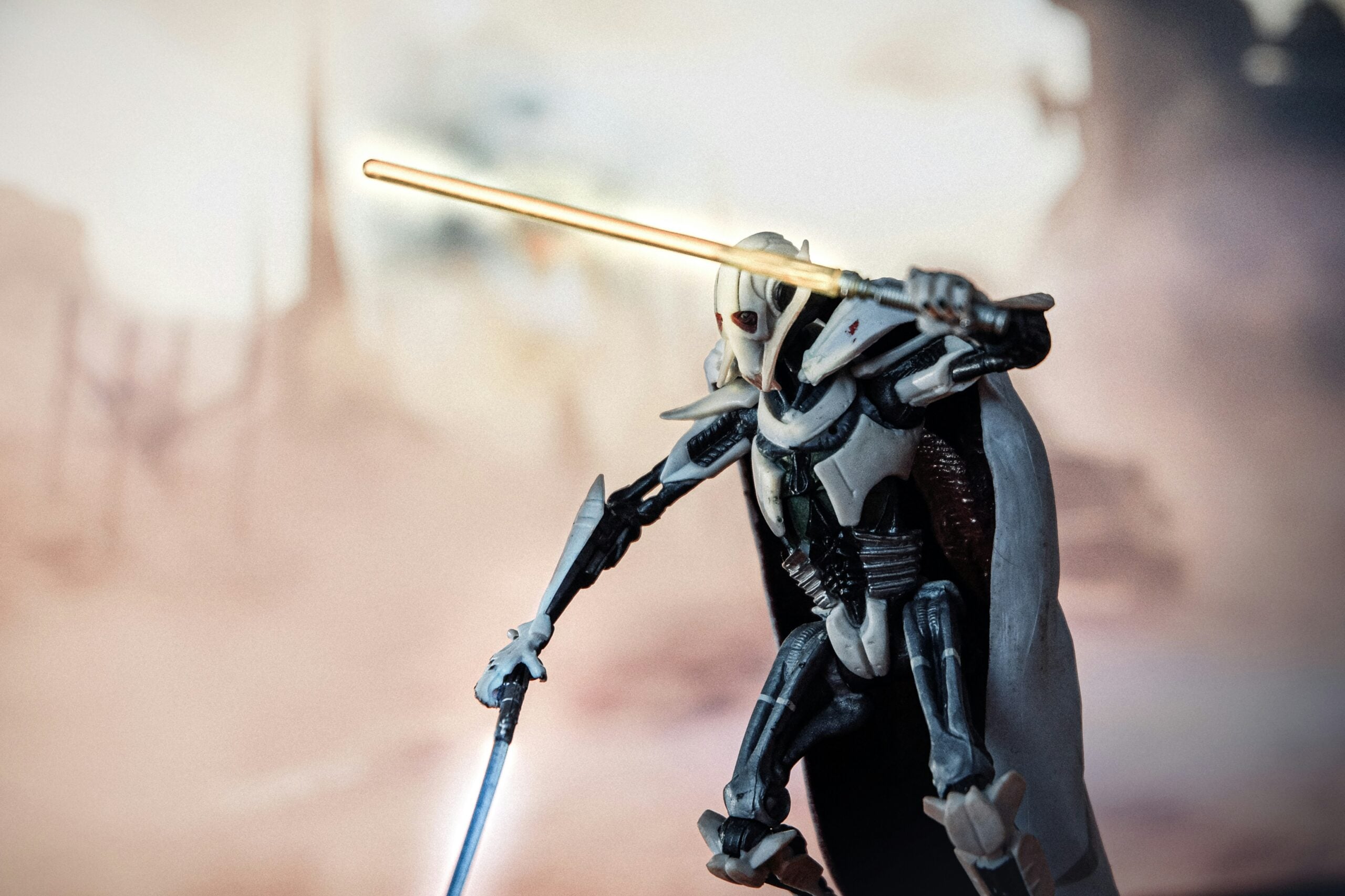
While primarily a military leader rather than a political figure, General Grievous from Star Wars represents the mechanized warfare and industrial killing methods employed by various 20th-century military dictatorships. His cybernetic enhancements and collection of lightsabers as trophies reflect the dehumanization that occurs in authoritarian military structures.
His role as Supreme Commander of the Separatist forces parallels historical examples of military leaders who served as the enforcement arm of dictatorial regimes, carrying out orders without question or moral consideration.
The Beast
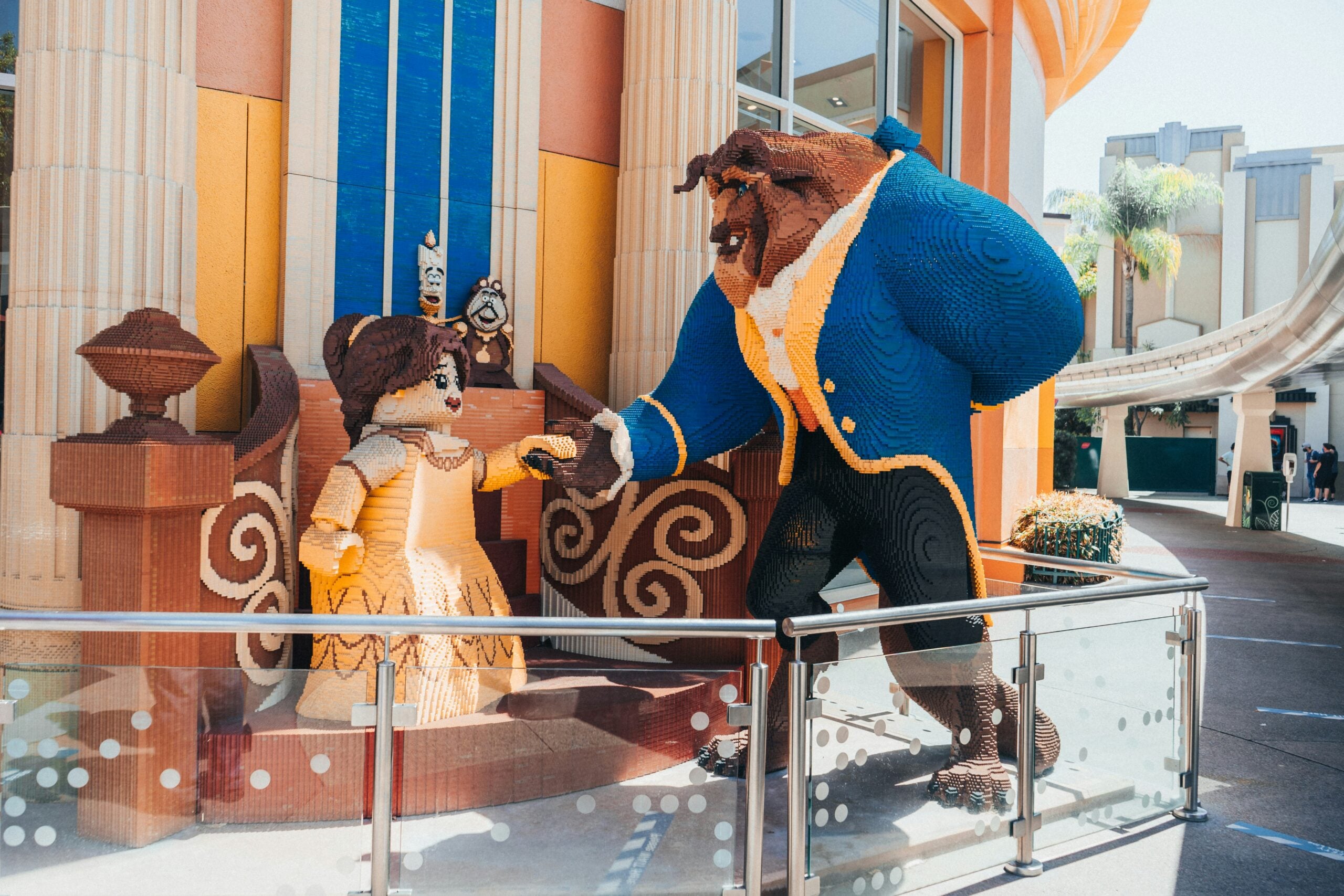
Disney’s Beauty and the Beast presents an interesting case where the supposed villain is actually a victim of his own tyrannical behavior. The Beast’s transformation serves as a metaphor for how absolute power corrupts, while his eventual redemption suggests the possibility of change even for those who have abused their authority.
His control over his castle and the cursed servants reflects the way dictators often create isolated worlds where their will is absolute, but these same systems ultimately become prisons for the dictators themselves.
Like Go2Tutors’s content? Follow us on MSN.
The Symbolic Power Behind the Screen

The enduring popularity of these villain archetypes speaks to something deeper than mere entertainment value. By translating historical atrocities into animated form, creators have found ways to explore themes of power, corruption, and resistance that might be too intense or controversial in live-action formats.
These characters allow audiences to confront the reality of authoritarianism in a psychologically safe environment while learning to recognize the warning signs of tyrannical behavior. Animation’s unique ability to blend serious themes with accessible storytelling has created a generation of viewers who understand, perhaps unconsciously, the patterns that lead from democracy to dictatorship.
Whether through Palpatine’s manipulation of emergency powers or Scar’s use of propaganda and scapegoating, these villains serve as both entertainment and education, ensuring that the lessons of history continue to resonate with new audiences long after the original dictators have fallen.
More from Go2Tutors!

- 16 Historical Figures Who Were Nothing Like You Think
- 12 Things Sold in the 80s That Are Now Illegal
- 15 VHS Tapes That Could Be Worth Thousands
- 17 Historical “What Ifs” That Would Have Changed Everything
- 18 TV Shows That Vanished Without a Finale
Like Go2Tutors’s content? Follow us on MSN.



