16 Times Animals Influenced History
Our interaction with animals has had a significant impact on the world we live in throughout history. When we talk about the major events in history, we usually think of great leaders, inventors, and conquerors, but animals have often had surprising roles in how important events turned out. From prehistoric conflicts to contemporary medical discoveries, these non-human players have profoundly and subtly altered the course of human history.
Here are 16 amazing examples of how animals have directly impacted human history, demonstrating that sometimes the paws, hooves, and claws that are by our sides can have just as much of an impact on our fate as our own hands.
Hannibal’s Elephants
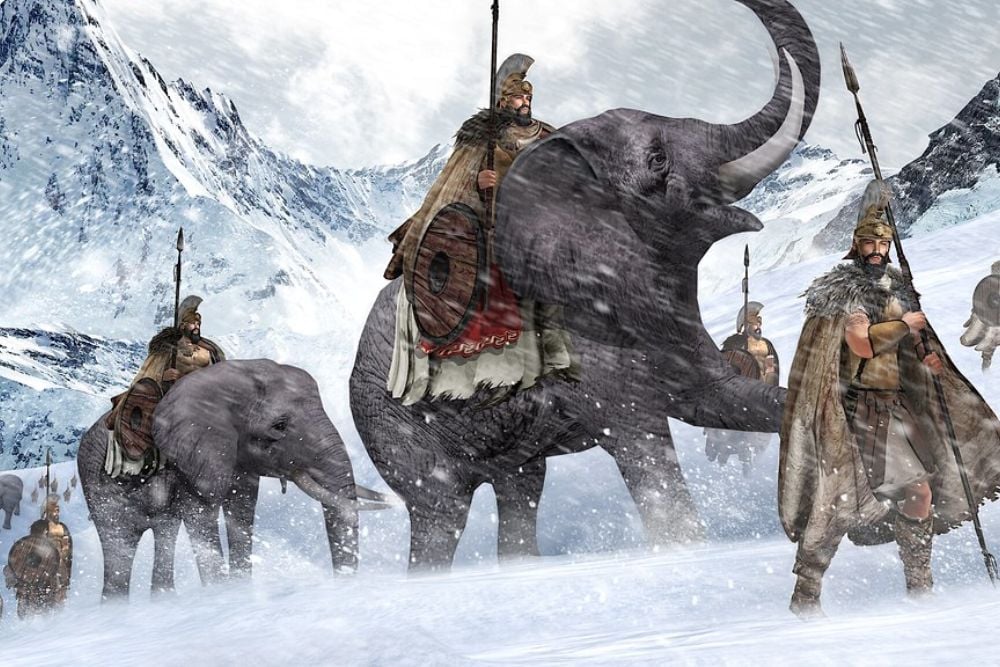
In 218 BCE, Carthaginian general Hannibal Barca embarked on what seemed impossible—crossing the Alps with war elephants to surprise Roman forces on their home turf. His remaining 37 North African elephants terrified Roman soldiers who had never encountered such creatures in battle, enabling Hannibal to win several decisive victories despite being outnumbered.
These massive animals not only served as living tanks that broke enemy formations but also became psychological weapons whose very presence demoralized Italian forces. Though Hannibal ultimately lost the Second Punic War, his elephant-led campaign forced Rome to change its military tactics and accelerated the development of the professional Roman army that would eventually create one of history’s greatest empires.
Incitatus the Horse
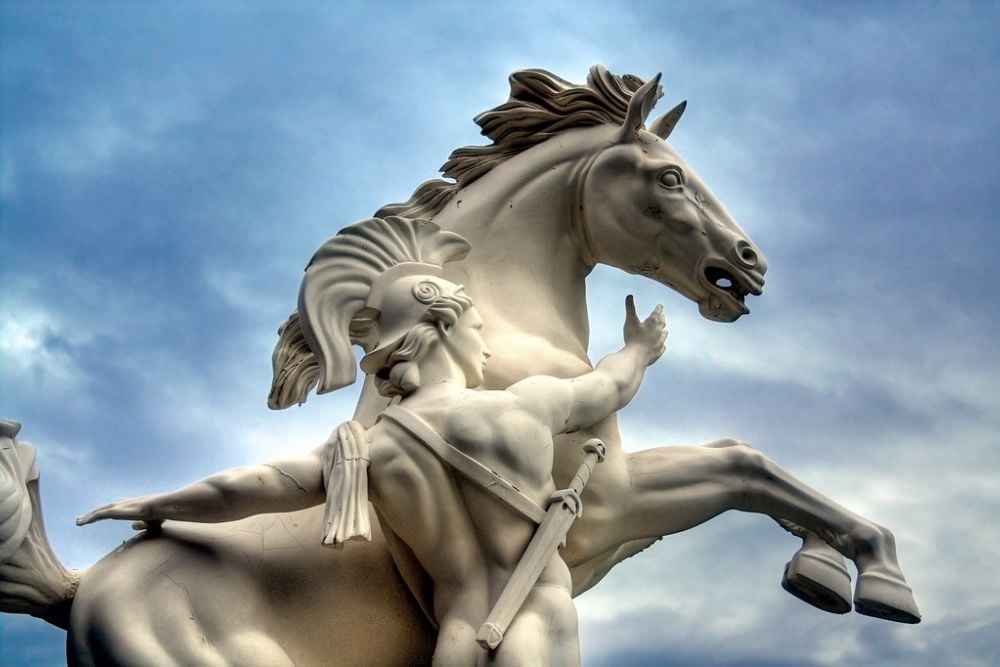
Emperor Caligula’s favorite horse, Incitatus, became a symbol of imperial excess when rumors spread that Caligula planned to make him a consul—Rome’s highest elected office. The horse lived in a marble stable, wore purple blankets, ate from an ivory manger, and reportedly owned property with slaves to tend to his needs.
While historians debate whether Caligula actually appointed Incitatus to the Senate or merely threatened to do so, the horse’s lavish treatment became powerful propaganda for Caligula’s enemies. After Caligula’s assassination in 41 CE, stories about Incitatus were used to characterize the emperor’s reign as one of madness and tyranny, helping justify the coup and shaping historical perceptions of his rule for millennia.
Like Go2Tutors’s content? Follow us on MSN.
The Sacred Geese of Rome
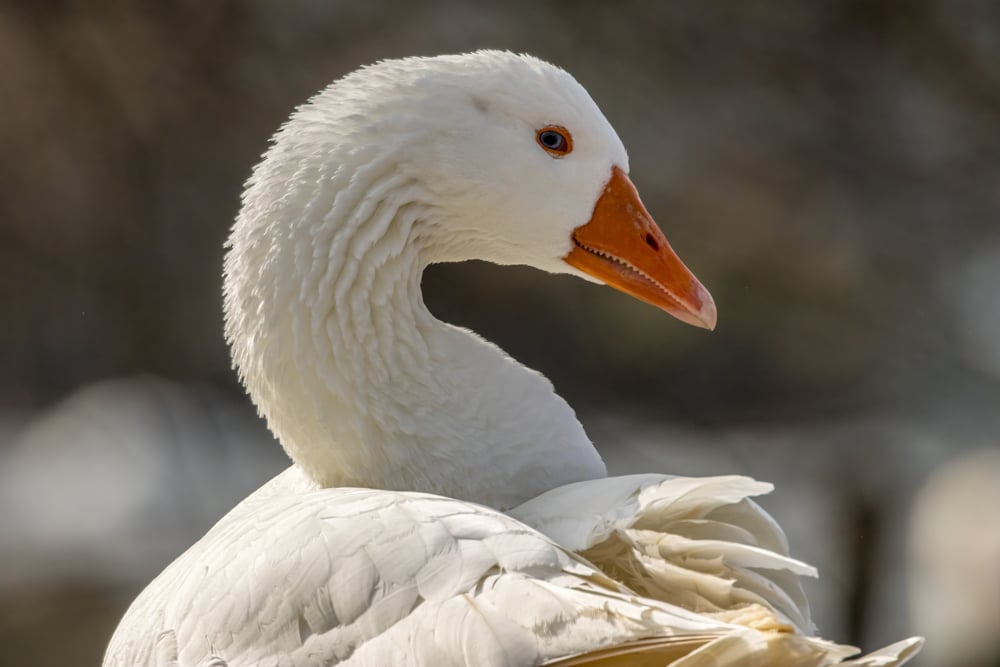
In 390 BCE, Rome faced extinction when Gallic forces scaled the city walls under the cover of darkness while defenders slept. The city’s salvation came from an unexpected source—a flock of sacred geese kept in the temple of Juno on Capitoline Hill.
These vigilant birds heard the invaders and began honking loudly, alerting Roman defender Marcus Manlius, who rallied the garrison and repelled the attack. This narrow escape gave birth to the Roman tradition of the ‘Goose Festival,’ where golden geese were carried in procession while dogs were ritually punished for failing to bark that fateful night.
Had those geese not sounded their alarm, Rome might have been destroyed before building its empire, fundamentally altering the political and cultural landscape of Western civilization.
Pangur Bán the Cat

In the 9th century, an Irish monk’s white cat played an unexpected role in preserving crucial knowledge during Europe’s Dark Ages. The monk composed the now-famous poem ‘Pangur Bán,’ comparing his scholarly work to his cat’s mouse-hunting skills, writing, ‘His mind is set on hunting mice, while I pursue my crafty art.’
This manuscript survived when countless others were lost, offering rare insight into monastic life during a period when cats protected invaluable manuscripts from rodents throughout European monasteries. Without these feline guardians, mice would have destroyed many ancient texts, and our understanding of classical knowledge would be significantly diminished.
This could have delayed the Renaissance and other intellectual movements for decades, or even centuries.
Able and Baker the Monkeys

In 1959, rhesus monkey Able and squirrel monkey Baker became the first primates to survive spaceflight, reaching altitudes of 300 miles during their 16-minute journey aboard a Jupiter missile. Their successful recovery provided crucial data about the biological effects of rocket launch, weightlessness, and re-entry that directly influenced human spaceflight protocols.
Baker lived another 25 years after her historic journey, becoming a celebrity who received over 150 letters a day from schoolchildren and admirers. Their mission marked a turning point in the space race, convincing NASA officials that humans could safely travel beyond Earth’s atmosphere and accelerating the timeline for Alan Shepard’s pioneering flight just two years later.
Like Go2Tutors’s content? Follow us on MSN.
Zarafa the Giraffe
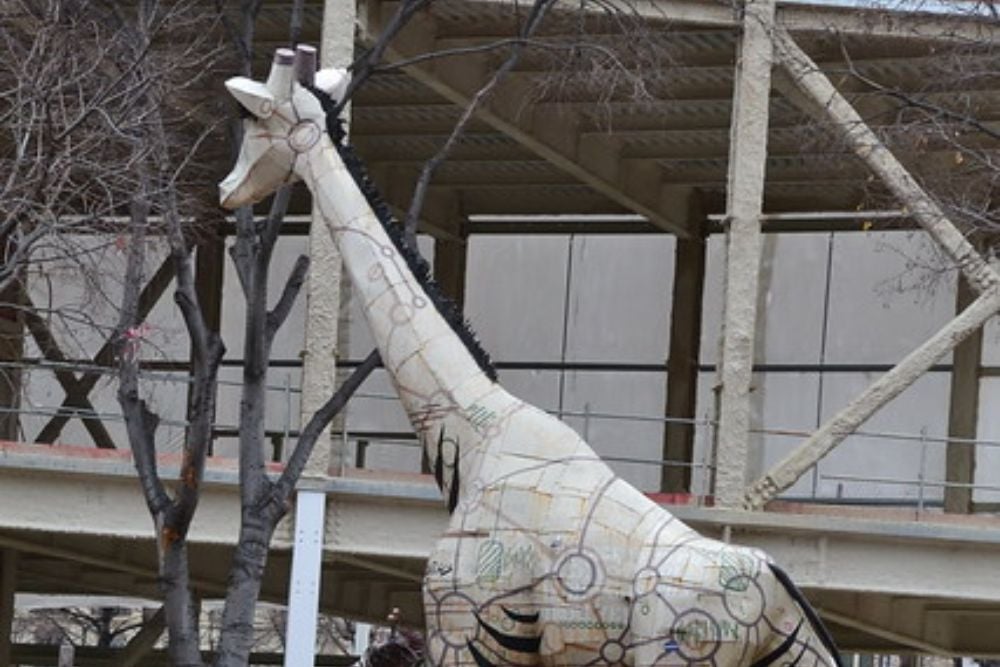
In 1827, a young female giraffe named Zarafa walked 550 miles from Marseille to Paris, capturing the imagination of every village she passed through and causing a sensation when she arrived at the Jardin des Plantes. Sent as a diplomatic gift from the Ottoman Viceroy of Egypt to King Charles X of France, Zarafa was the first giraffe seen in France and sparked an unprecedented wave of ‘girafomania’ that influenced French fashion, hairstyles, and decorative arts for decades.
More than 600,000 Parisians—nearly two-thirds of the city’s population—came to see the exotic creature, inadvertently creating Europe’s first blockbuster zoo exhibit and transforming the relationship between Western audiences and African wildlife. Zarafa’s journey initiated a new era of cultural diplomacy through animal exchange that continues to influence international relations and conservation efforts today.
The Capitoline Wolf
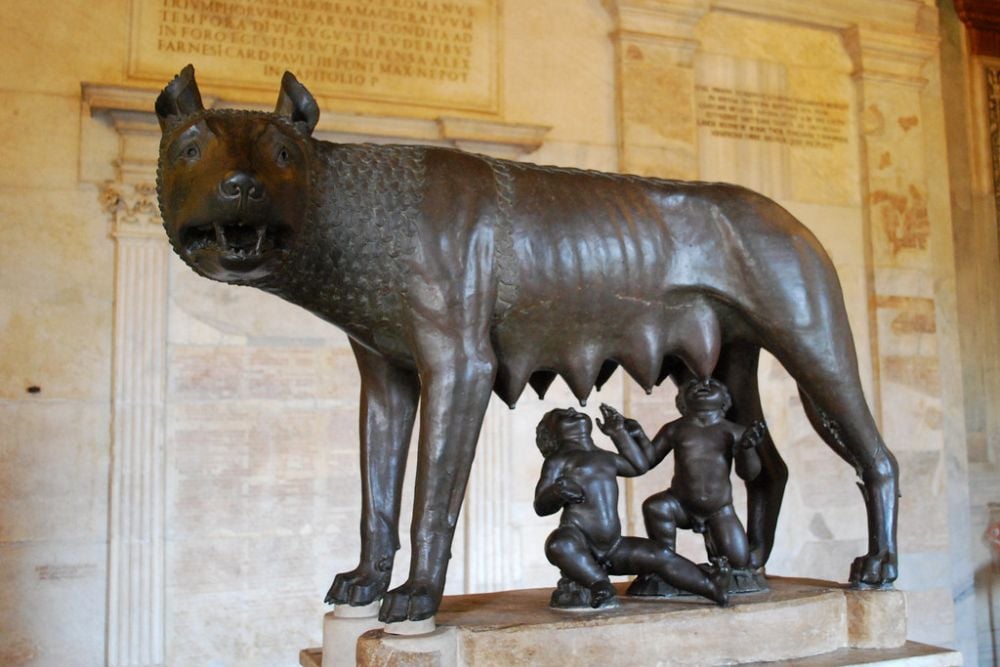
According to Roman legend, abandoned twins Romulus and Remus were rescued and nursed by a she-wolf before founding Rome. This wolf became Rome’s most sacred symbol, appearing on legionary standards that conquered vast territories across three continents.
The image of the Capitoline Wolf nursing human infants represented Rome’s unique blend of military might and maternal protection, helping legitimize Roman rule over diverse peoples. The enduring power of this symbol shaped Roman self-identity and influenced how subjected peoples viewed their conquerors.
Modern Rome still uses the wolf as its emblem, demonstrating how a single animal, whether historical or mythical, can define a civilization’s character and purpose across millennia.
Bucephalus the Warhorse

Alexander the Great’s legendary black stallion carried him through conquests spanning from Greece to India, helping create one of history’s largest empires. When no one else could tame the magnificent but wild horse, young Alexander noticed that Bucephalus was afraid of his own shadow and turned him toward the sun before mounting him.
This demonstration of insight impressed Alexander’s father, King Philip II, who remarked: ‘My son, seek a kingdom worthy of yourself, for Macedonia is too small for you.’ Bucephalus participated in every major battle of Alexander’s campaign, including the decisive victory at Gaugamela in 331 BCE.
When the beloved horse died in present-day Pakistan, Alexander founded the city of Bucephala in his honor, forever changing the region’s cultural landscape.
Like Go2Tutors’s content? Follow us on MSN.
Pelorus Jack the Dolphin
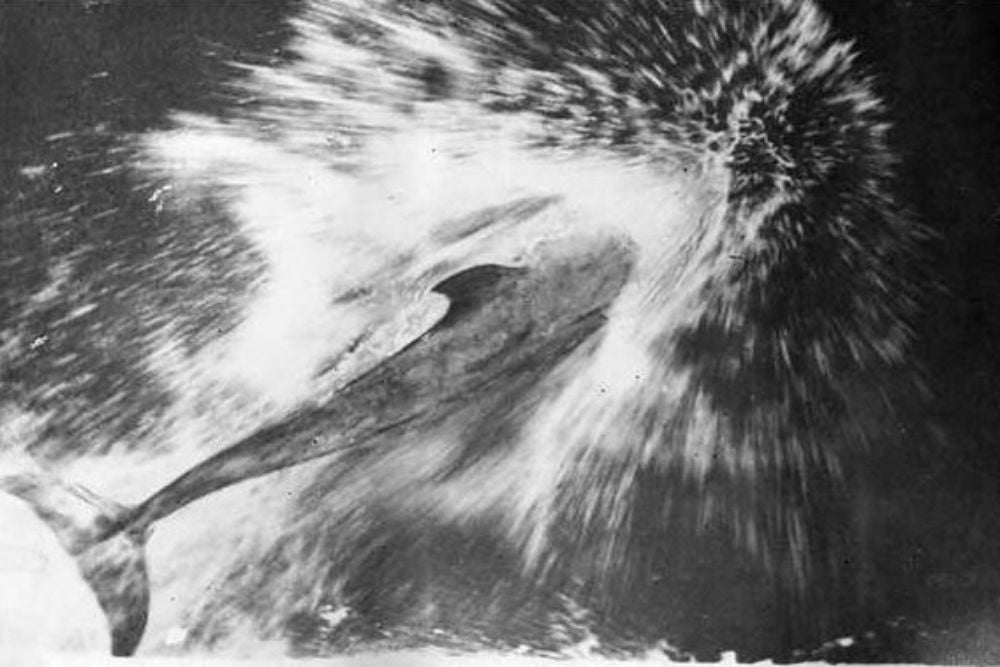
From 1888 to 1912, a distinctive Risso’s dolphin guided ships through the dangerous waters of French Pass near New Zealand’s Cook Strait, meeting vessels at the entrance of the channel and swimming alongside them for up to 8 miles. After the SS Penguin wrecked during a storm, leading to a heavy loss of life because its captain ignored Pelorus Jack’s guidance, New Zealand passed the world’s first law in 1904 to specifically protect an individual animal.
Pelorus Jack became a local celebrity, inspiring songs, appearing on postcards, and attracting international tourists eager to witness his navigational abilities. His fame raised public awareness of marine mammal intelligence and helped set the stage for environmental protection laws that would shape the 20th century.
Balto the Sled Dog

With the closest antitoxin serum 674 miles away in Anchorage, a fatal diphtheria outbreak threatened the remote Alaskan hamlet of Nome in January 1925. The medication was transported by a relay of dog sled teams over dangerous terrain in temperatures as low as -60°F when blizzard conditions prevented air delivery.
In order to deliver the life-saving serum, Balto, a Siberian Husky, led the last and most perilous leg of this “Great Race of Mercy,” overcoming whiteout conditions. The annual Iditarod Trail Sled Dog Race was inspired by this incredible rescue, which garnered international notice.
In addition to saving thousands of lives in Nome, Balto’s voyage illustrated the special relationship between working dogs and people and showed the enduring value of conventional modes of transportation in harsh settings.
Dolly the Sheep
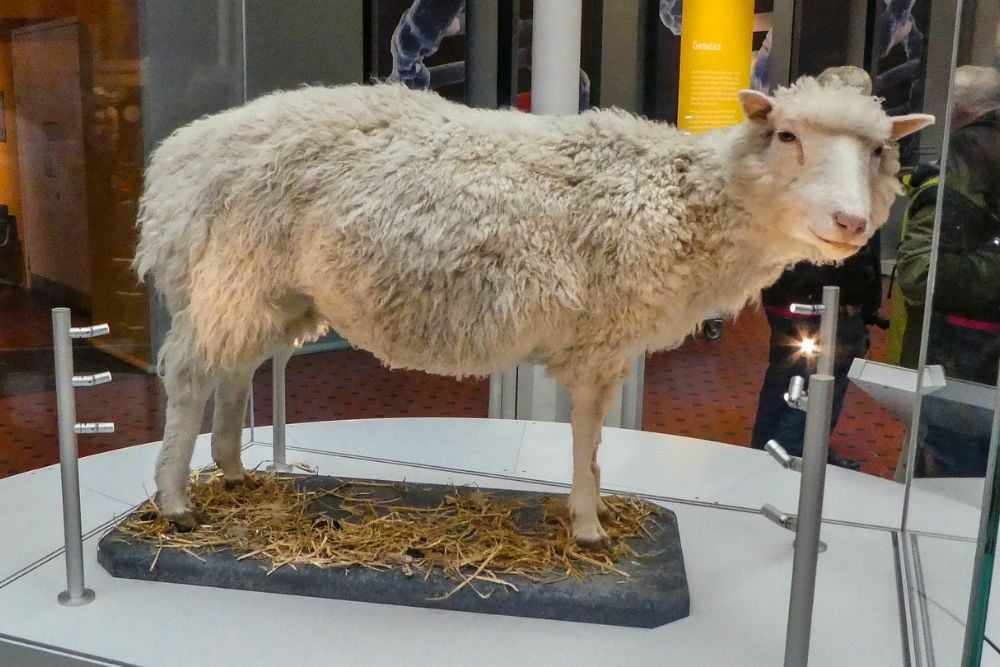
In 1996, scientists at the Roslin Institute created Dolly, the first mammal successfully cloned from an adult cell, revolutionizing our understanding of genetic development. Named after country singer Dolly Parton, the sheep lived for six years and produced six lambs of her own through natural breeding.
Dolly’s existence transformed bioethics debates worldwide and triggered new legislation regarding genetic research in dozens of countries. Her birth demonstrated that specialized cells could be reprogrammed to create an entire organism, fundamentally changing stem cell research and opening possibilities for medical treatments previously thought impossible, while simultaneously raising profound questions about the boundaries of scientific intervention in natural processes.
Like Go2Tutors’s content? Follow us on MSN.
Old Bet the Elephant

America’s first circus elephant, purchased around 1808 by farmer Hachaliah Bailey, transformed American entertainment while establishing the concept of exotic animal exhibition for profit. As the first elephant most Americans had ever seen, Old Bet drew such crowds that Bailey built her a traveling enclosure and charged admission, accidentally inventing the modern circus concept.
After her death in Maine in 1816, shot by a farmer who believed no one should profit from exhibiting God’s creatures, public outrage led to some of America’s earliest animal protection laws. Old Bet’s legacy lives on in the Elephant Hotel in Somers, New York, built with proceeds from her exhibitions, now a National Historic Landmark that marks the beginning of America’s complex relationship with animal entertainment.
Smokey Bear the Cub

In 1950, firefighters battling a wildfire in New Mexico’s Lincoln National Forest rescued a badly burned black bear cub clinging to a charred tree. The cub’s recovery and subsequent adoption as the living symbol of forest fire prevention transformed a modest educational campaign into one of history’s most successful public service initiatives.
Named Smokey, the bear lived for 26 years at the National Zoo in Washington, D.C., receiving so much mail (over 13,000 letters per week) that he was assigned his own ZIP code. Smokey’s story dramatically increased public awareness of wildfire prevention, helping reduce the annual acreage lost to forest fires by 70% within two decades.
His iconic image and slogan, ‘Only YOU can prevent forest fires,’ created an environmental conservation ethos that continues to influence American land management policies.
Togo the Beluga Whale
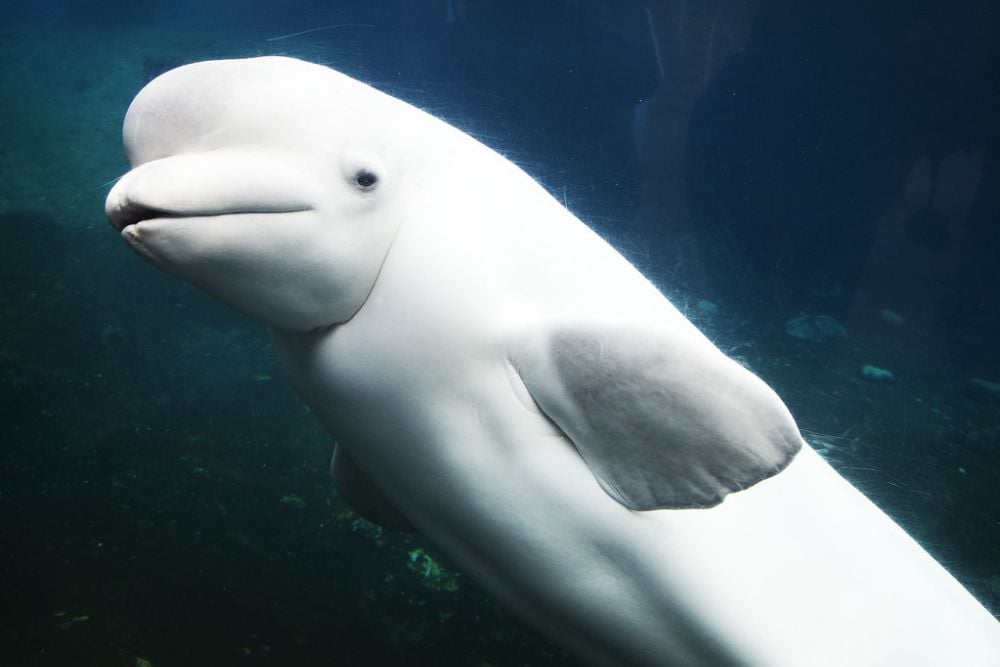
In April 2019, Norwegian fishermen encountered a surprisingly tame beluga whale wearing a camera harness marked ‘Equipment St. Petersburg’ in the Arctic waters near Ingøy. The whale, nicknamed Togo by locals, actively sought human contact and demonstrated behaviors consistent with specialized training, leading experts to identify him as a likely escaped military asset from Russia’s marine mammal program.
Togo’s appearance reignited international awareness of military cetacean programs and raised new questions about the ethics of using intelligent marine mammals for defense purposes. Marine biologists studying Togo documented unprecedented behaviors suggesting the whale had deliberately defected from his handlers, challenging scientific understanding of cetacean cognition and potentially influencing future regulations on marine mammal use in military applications.
Like Go2Tutors’s content? Follow us on MSN.
Cher Ami the Pigeon

During World War I, a homing pigeon named Cher Ami saved nearly 200 American soldiers by delivering a critical message across enemy lines despite being shot through the breast, blinded in one eye, and losing a leg to German fire. On October 4, 1918, the 77th Infantry Division became surrounded in the Argonne Forest with no food or ammunition, and worse still, they were being bombarded by friendly fire.
After two messenger pigeons were shot down, Cher Ami delivered their desperate plea for help, flying 25 miles in just 25 minutes to reach American headquarters. For this extraordinary service, the bird received the French Croix de Guerre medal and became one of the most celebrated animal heroes of the war, fundamentally changing military communication practices and contributing to the continued use of pigeon messengers through World War II, potentially altering the outcomes of countless military engagements.
Ham the Astrochimp

In January 1961, a chimpanzee named Ham became the first hominid in space when NASA sent him on a suborbital flight aboard Mercury-Redstone 2. Trained to pull levers in response to flashing lights during his 16-minute journey, Ham demonstrated that complex tasks could be performed in space despite extreme forces and weightlessness.
His successful mission cleared the path for Alan Shepard to become the first American in space just three months later. Beyond his scientific contributions, Ham’s flight sparked intense ethical debates about using primates in dangerous experiments, contributing to the development of animal welfare standards in scientific research.
The chimp lived another 22 years after his historic flight, becoming a powerful symbol of both space-age achievement and the moral complexities of human progress.
Nature’s Hidden Hand in Human Affairs

From battlefield companions to scientific pioneers, animals have repeatedly altered human events through their actions, abilities, and symbolic power. These 16 instances represent just a glimpse of how animals have influenced our journey through time. While we often view history as a purely human story, these cases remind us that we share our world—and our fate—with other species whose impact cannot be overlooked.
As we continue to make history, it’s worth paying closer attention to the creatures that have repeatedly altered our course at pivotal moments, recognizing that sometimes the most important figures in history aren’t human at all.
Like Go2Tutors’s content? Follow us on MSN.
More from Go2Tutors!

- 18 Unexpectedly Valuable Collectibles You Might Have Lying Around
- 15 Things Every Teenager in the ’70s Did That Teens Today Wouldn’t Understand
- 15 Strange Things People Have Tried to Ban (And Failed)
- 15 Inventions That Were Immediately Banned After Being Created
- 20 Actors Who Were Almost Cast in Iconic Roles
Like Go2Tutors’s content? Follow us on MSN.