16 Toys and Games That Sparked Controversy for No Clear Reason
Remember when toys were just toys? Simple playthings that brought joy without causing national debates?
It seems those days are increasingly behind us. In our modern media landscape, even the most innocent children’s products can suddenly find themselves at the center of heated controversies that leave many scratching their heads.
Here is a list of 16 toys and games that somehow managed to spark public outrage, media frenzies, and even boycotts—often for reasons that seem puzzling in hindsight.
Rainbow Loom

This rubber band bracelet-making kit became a playground sensation in 2013, with kids creating colorful wristbands for friends and family. Schools across America began banning them, claiming they distracted students from learning.
The simple craft activity was also labeled a “hazard” when younger siblings occasionally put the tiny rubber bands in their mouths.
Furby

When these interactive furry creatures hit shelves in 1998, they became an instant hit—and an instant target. The National Security Agency actually banned Furbies from their offices, believing the toys could record conversations and repeat classified information.
In reality, Furbies couldn’t record anything and simply had pre-programmed phrases that activated randomly.
Like Go2Tutors’s content? Follow us on MSN.
Cabbage Patch Kids

The soft-bodied dolls with adoption papers created shopping frenzies in the 1980s that sometimes turned violent. Parents literally fought each other in store aisles to get their hands on these dolls, with some critics claiming the toys promoted materialistic values.
The manufacturer simply couldn’t keep up with demand, creating artificial scarcity that fueled the madness.
Dungeons & Dragons

This fantasy role-playing game faced accusations of promoting satanism, witchcraft, and even suicide among teenagers during the 1980s. Religious groups campaigned against it, and some schools banned the game entirely.
The moral panic eventually subsided when research showed no connection between the game and any harmful behaviors.
Magic 8 Ball
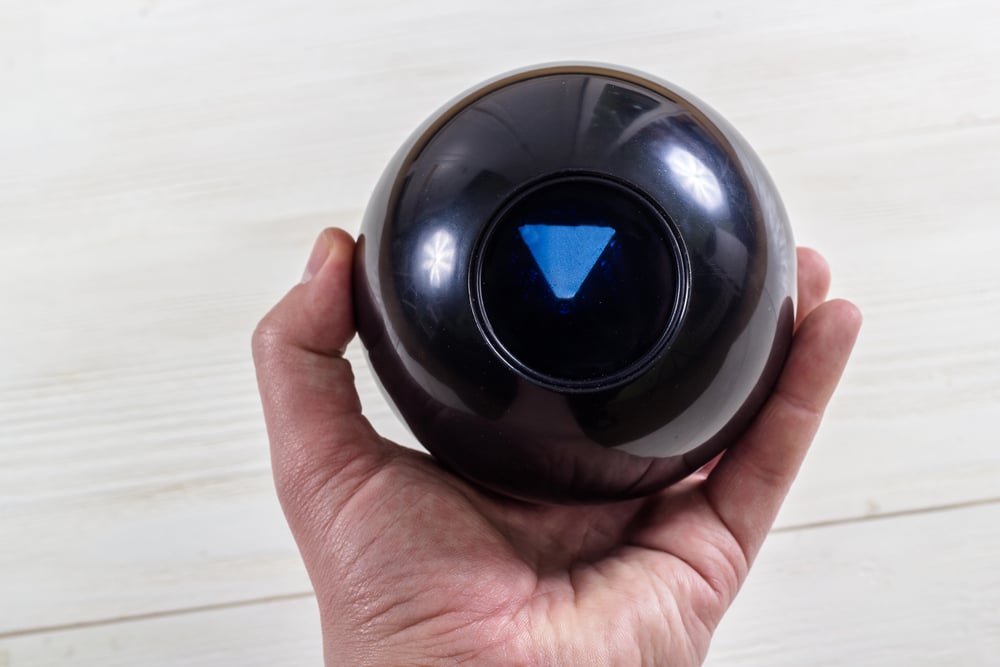
This fortune-telling toy with its mysterious floating answer die was accused of promoting occult practices and divination. Some religious communities warned parents that allowing children to play with Magic 8 Balls opened doors to supernatural forces.
The manufacturer maintained it was simply a random answer generator meant for fun.
Like Go2Tutors’s content? Follow us on MSN.
Barbie Video Girl
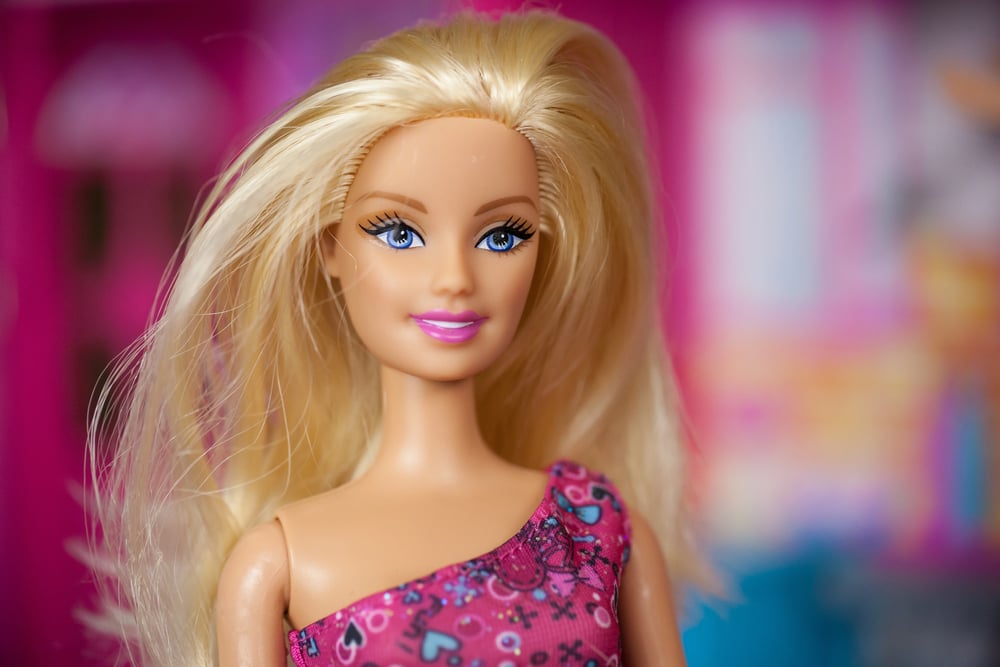
This 2010 Barbie doll featured a working video camera built into her necklace, allowing kids to record and play back videos. The FBI issued a warning, sparking a media storm, that pedophiles might use the doll for inappropriate purposes.
No actual cases of misuse were ever documented, but the doll’s sales suffered tremendously.
Pokémon Trading Cards
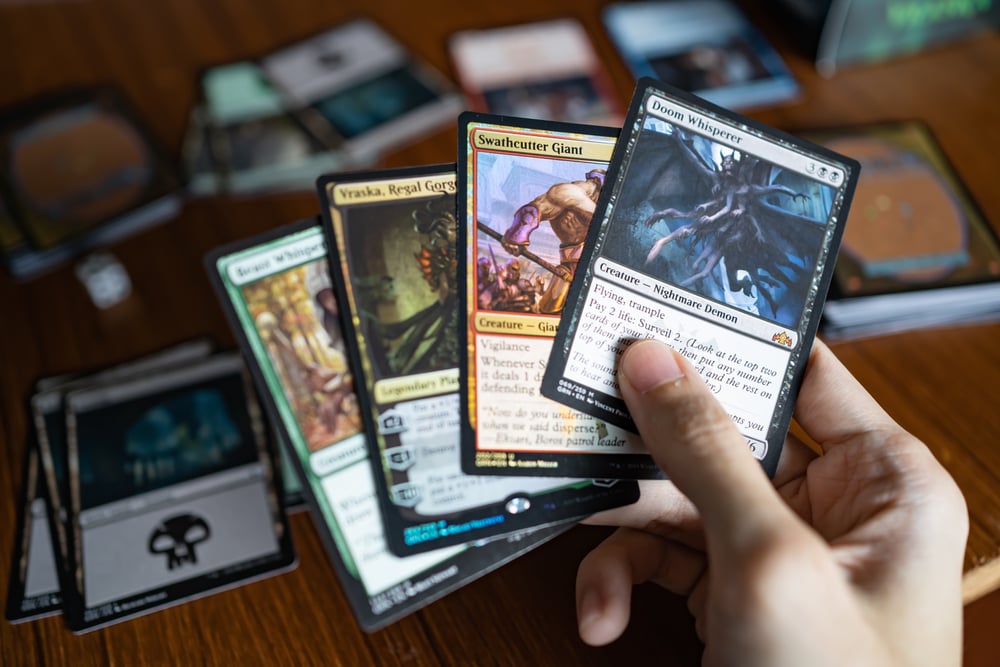
These collectible cards featuring fictional creatures became the target of religious groups who claimed they promoted occultism and evolution theory. Schools banned them not for ideological reasons but because they caused arguments and thefts among students.
The trading card game continues to thrive decades later despite the early controversies.
Easy-Bake Oven
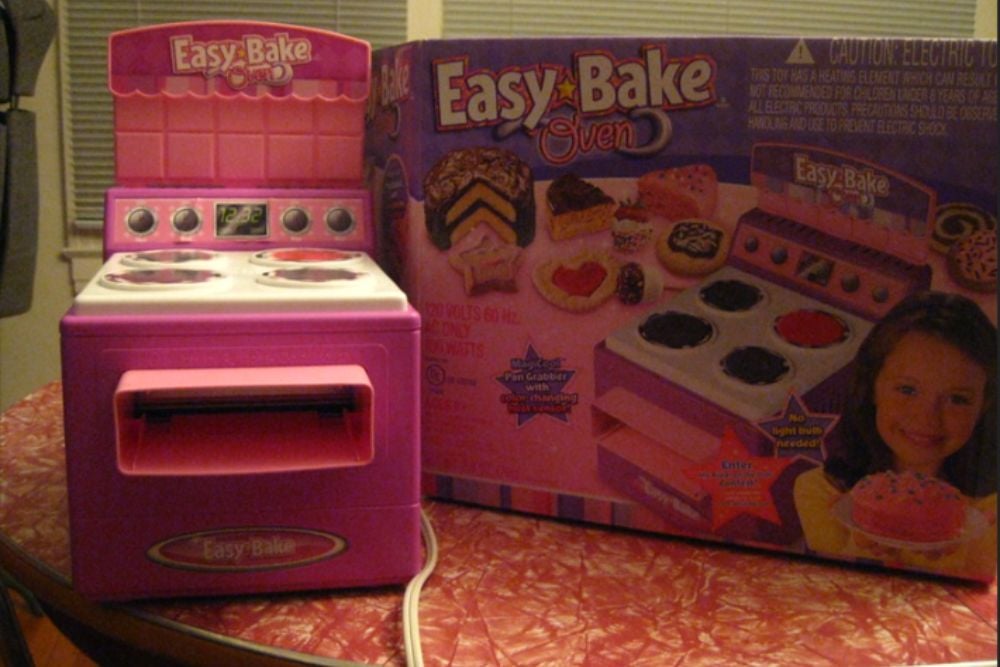
This miniature working oven allowing children to bake small treats sparked gender debates multiple times throughout its existence. Critics argued it reinforced gender stereotypes by targeting girls with cooking toys.
In 2012, a teenager’s petition successfully convinced the manufacturer to offer the toy in gender-neutral colors.
Like Go2Tutors’s content? Follow us on MSN.
Roller Shoes

Numerous schools, shopping centers, and hospitals banned these sneakers with retractable wheels in the heels. Administrators cited safety concerns, though injuries were relatively rare compared to traditional activities like bicycle riding.
Some critics also complained the shoes encouraged children to be lazy by rolling rather than walking.
Harry Potter Nimbus 2000 Broomstick

This toy broomstick based on the popular book series vibrated when children rode it, which led to its quick removal from shelves after parents complained about the potentially inappropriate sensations. The manufacturer had innocently designed the vibration feature to simulate flying, not anticipating the unfortunate implications.
My Friend Cayla Doll

This interactive doll could connect to the internet via Bluetooth to answer children’s questions. Germany banned the doll outright, classifying it as an “illegal espionage device” because it could transmit data without parents’ knowledge.
Security researchers demonstrated the doll could be hacked relatively easily, raising privacy concerns.
Like Go2Tutors’s content? Follow us on MSN.
Slip ‘N Slide

This summer water toy consisting of a long plastic sheet made slippery with water became the subject of a Consumer Product Safety Commission warning in 1993. Adults and teenagers suffered neck injuries and paralysis when sliding on the toy designed specifically for children under 12.
The warning created unnecessary panic among parents of younger children who could safely use the product.
Speak & Spell

This educational electronic toy helped children learn to spell through a synthesized voice and keyboard. Some religious groups objected to its “robotic” voice as being unholy or demonic.
Educators worried it would replace traditional learning methods, though research later showed electronic learning aids actually supplemented rather than replaced standard education practices.
Lawn Darts

These weighted darts designed to be thrown at outdoor targets were banned in America after causing serious injuries and deaths. The controversy arose not from the obvious danger but from the fact they were marketed as toys for children rather than adults-only sporting equipment.
Modern versions with soft tips remain available today.
Like Go2Tutors’s content? Follow us on MSN.
Tickle Me Elmo

The plush toy that laughed when squeezed created shopping hysteria in 1996, with reports of store employees being injured in stampedes. Some psychologists criticized parents for teaching children that material possessions were worth fighting over.
The toy itself was harmless—the controversy stemmed entirely from adult behavior surrounding its limited availability.
Ouija Board
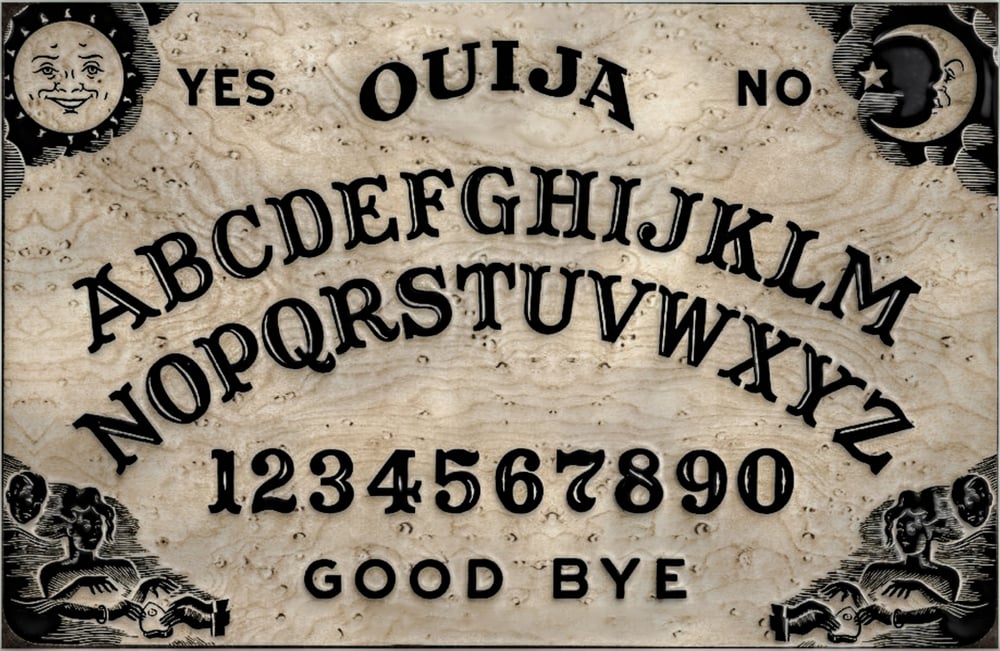
This spirit board game sold by Hasbro as a family parlor game has faced persistent accusations of opening doorways to demonic possession. Religious groups have organized burning events specifically targeting Ouija boards.
Scientists explain the board’s seemingly mysterious movements as the ideomotor effect—subtle, unconscious muscle movements by the players themselves.
The Enduring Legacy of Toy Controversies
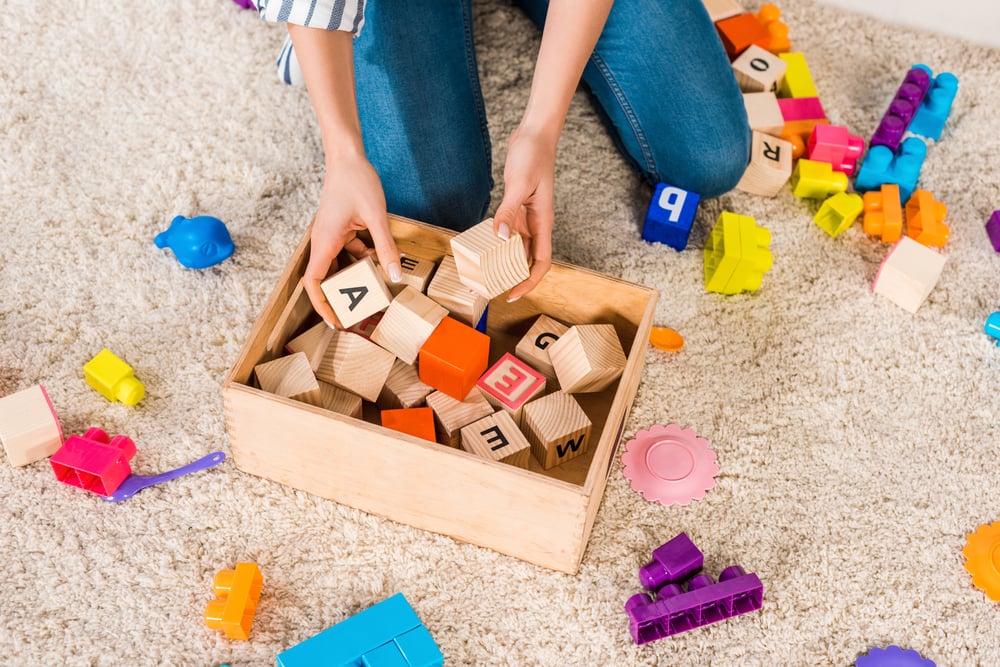
Today’s controversial toys often become tomorrow’s nostalgic classics. The pattern of moral panics around children’s playthings continues into the present day, with new technologies creating fresh concerns.
Most controversies ultimately reflect adult anxieties about changing times rather than actual dangers posed by the toys themselves. The next time a toy makes headlines for all the wrong reasons, perhaps we should ask whether the outrage is justified or simply another overblown reaction to harmless fun.
Like Go2Tutors’s content? Follow us on MSN.
ore from Go2Tutors!

- 18 Unexpectedly Valuable Collectibles You Might Have Lying Around
- 15 Things Every Teenager in the ’70s Did That Teens Today Wouldn’t Understand
- 15 Strange Things People Have Tried to Ban (And Failed)
- 15 Inventions That Were Immediately Banned After Being Created
- 20 Actors Who Were Almost Cast in Iconic Roles
Like Go2Tutors’s content? Follow us on MSN.