16 Unique Architectural Styles by Country
Buildings speak volumes about the people who create them. Every culture has tackled the challenge of shelter differently—some prioritizing earthquake resistance, others focusing on water management or desert heat. What emerges isn’t just functional construction but architectural poetry written in stone, wood, and clay.
These styles didn’t develop overnight. Centuries of refinement, local materials, and climate adaptation shaped each tradition into something unmistakably regional. Here’s a list of 16 architectural approaches that immediately signal their homeland, proving that necessity truly is the mother of invention.
Japanese Pagoda Architecture
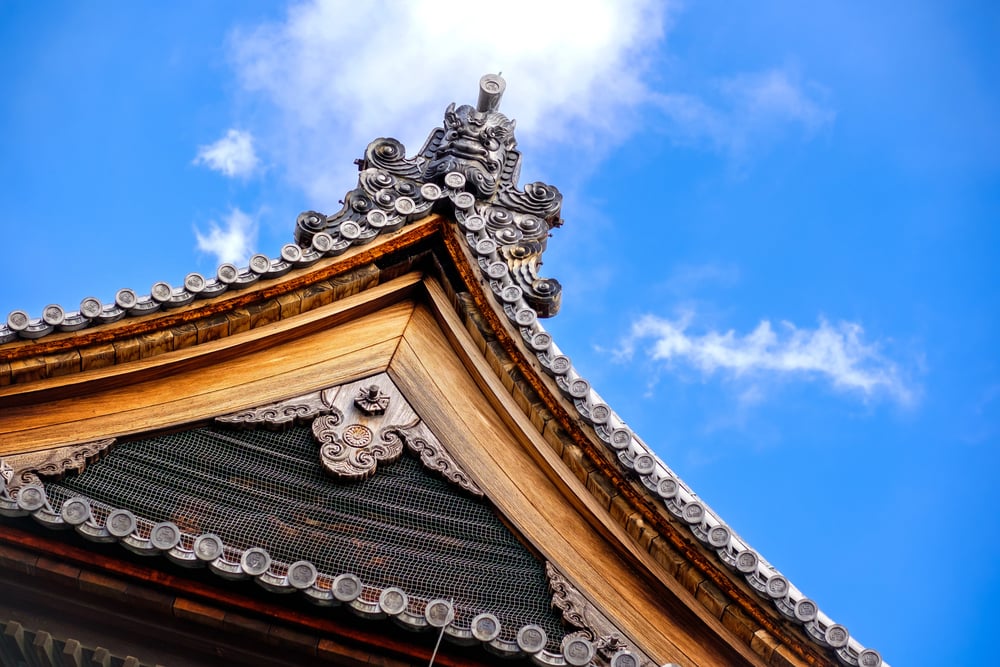
Pagodas in Japan represent architectural genius disguised as spiritual art. These multi-story wooden towers have weathered earthquakes for over a thousand years, thanks to an ingenious central pillar system called ‘shinbashira’—basically a giant shock absorber made of wood.
The five tiers aren’t just beautiful; they symbolize the elements of earth, water, fire, wind, and void while creating structures that sway but never topple.
Dutch Gabled Houses

Those distinctive stepped rooflines crowning Amsterdam’s canal houses weren’t just for show—they cleverly disguised the steep angles needed for attic storage space. Gable styles evolved through centuries, from simple triangular peaks to elaborate baroque scrollwork that screamed prosperity.
Narrow frontages meant maximum rental income per square foot, while enormous windows flooded cramped interiors with precious daylight.
Turkish Dome Architecture
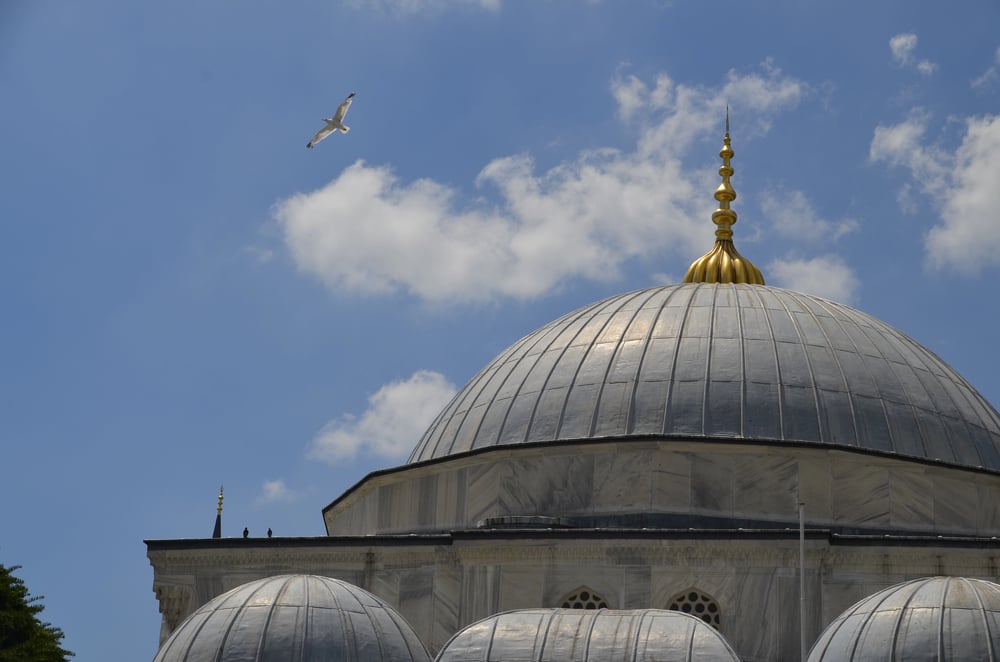
Turkey sits at history’s crossroads, and its architecture reflects this perfectly—Byzantine engineering meets Islamic artistry with Ottoman grandeur thrown in for good measure. The soaring domes seem to float impossibly above prayer halls, supported by ingenious pendentives and flying buttresses.
Geometric patterns dance across surfaces while the interiors create spaces that feel both intimate and infinite.
Indian Mughal Style
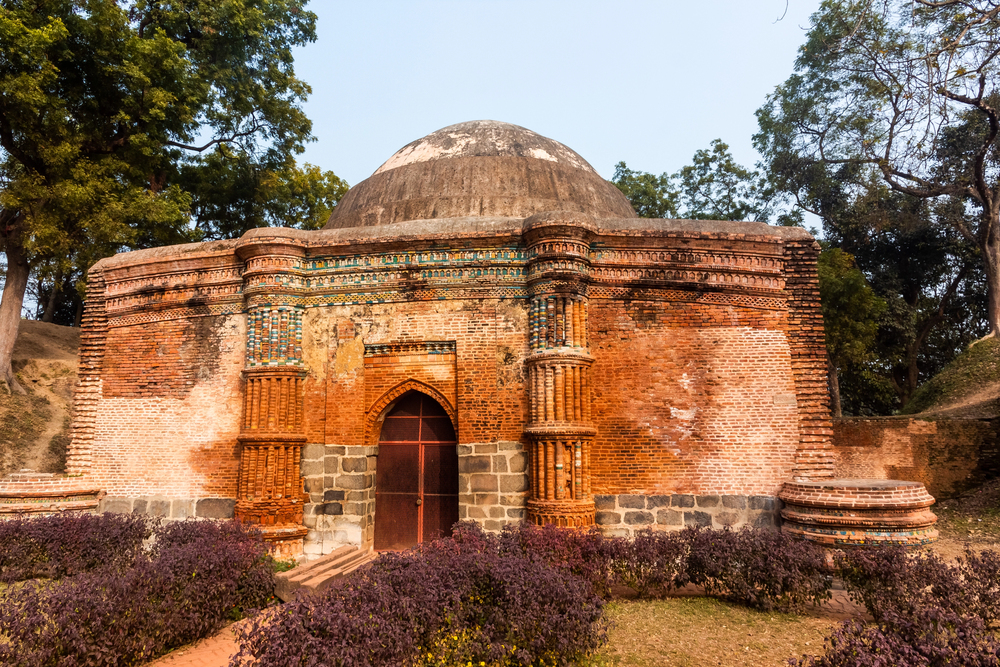
Mughal architecture in India represents cultural fusion at its finest—Islamic precision meeting Hindu craftsmanship with results that still take your breath away. The Taj Mahal showcases this synthesis beautifully: pointed arches borrowed from Persia, intricate inlay work perfected by local artisans, and gardens laid out according to paradise descriptions.
Bulbous domes and slender minarets create silhouettes that feel both earthly and divine.
German Mixed Heritage

German architecture refuses to be pinned down to one style—it’s more like a greatest hits collection spanning centuries. Medieval timber framing sits comfortably next to Bauhaus modernism, while Gothic cathedrals share streetscapes with sleek contemporary additions.
Post-war reconstruction created fascinating dialogues between preservation and innovation, resulting in cities that wear their history proudly yet look firmly toward the future.
French Gothic Revival

French architectural achievement reaches its peak in structures like Notre Dame—those soaring spires and flying buttresses that seem to defy both gravity and common sense. The Gothic movement evolved beyond mere Italian Renaissance copying into something distinctly Gallic: pointed arches that reach toward heaven, elaborate stone tracery that filters light like lace, and proportions that make even massive cathedrals feel graceful rather than imposing.
Russian Byzantine Influence

Russian architecture draws heavily from Byzantine traditions while adding its own theatrical flair—think Catherine Palace in St. Petersburg with its almost overwhelming opulence. Those distinctive onion domes topped with Orthodox crosses create skylines that are instantly recognizable from miles away.
Gold leaf, intricate frescoes, and rich color palettes reflect both spiritual devotion and imperial ambition.
British Tudor Revival

British architecture spans everything from medieval stone castles to modern glass towers—but it’s the Tudor style that feels most essentially English. Half-timbered construction with its exposed wooden beams wasn’t just decorative; it represented efficient use of available materials and centuries-old building wisdom.
The deliberately asymmetrical layouts and varied textures create buildings that seem to have grown naturally from the landscape.
Brazilian Colonial Fusion
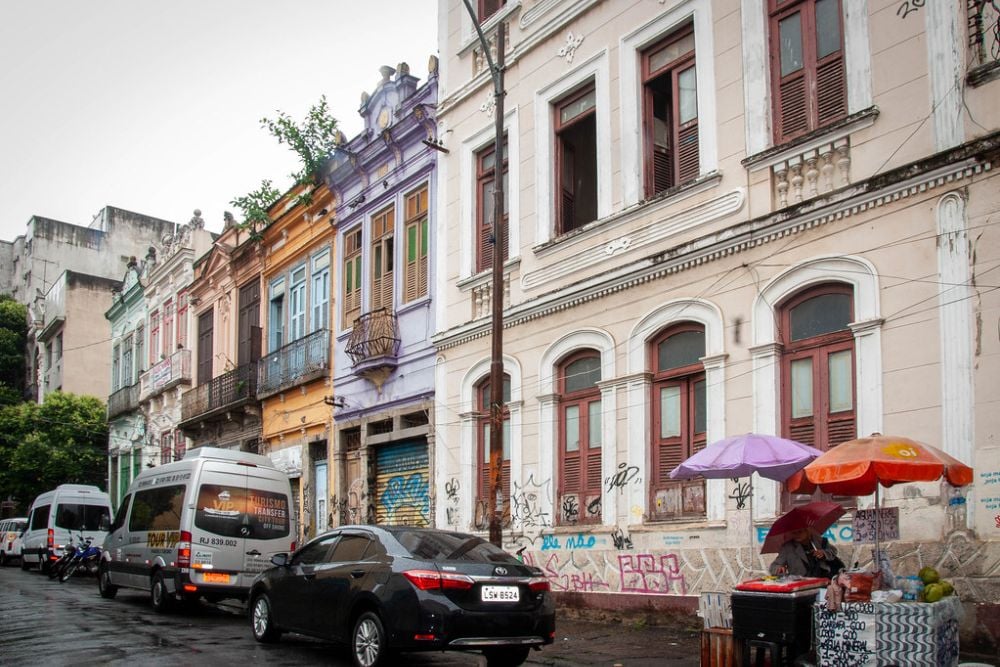
Brazil’s architectural story begins with Portuguese colonizers bringing baroque sensibilities to tropical conditions—then watching local influences transform everything. Colonial buildings feature deep verandas for shade, colorful facades that celebrate rather than hide their presence, and courtyards designed to catch every available breeze.
The leap to modernist concrete and glass in places like Brasília represents one of architecture’s most dramatic style shifts.
Chinese Traditional Architecture

Chinese building traditions emphasize living in harmony with natural forces—curved rooflines that echo mountain ridges, wooden construction that flexes with earthquakes, and bracket systems so sophisticated they need no nails whatsoever. Those upturned eaves aren’t just beautiful; they’re practical solutions for shedding monsoon rains while creating the graceful profiles that define Chinese architecture.
Feng shui principles guide everything from room placement to building orientation.
Polish Baroque Grandeur
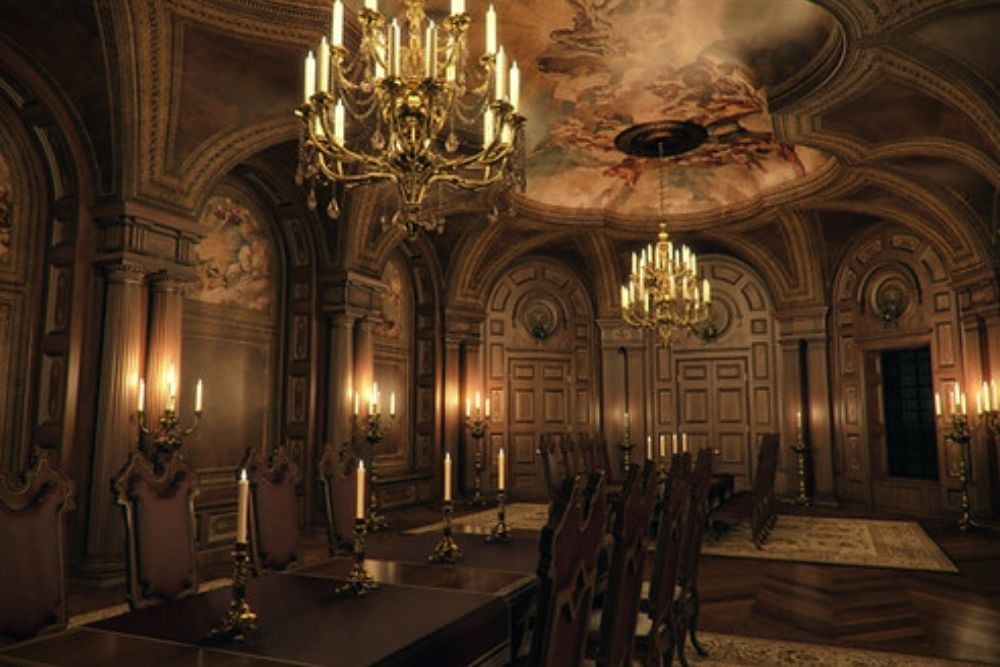
Poland’s architectural character reflects its complex political history, though the baroque period produced some of Europe’s most stunning palaces and churches. Wilanow Palace in Warsaw and Branicki Palace in Bialystok showcase the style’s love affair with ornamental excess and theatrical grandeur.
Despite centuries of political upheaval, these buildings demonstrate Polish cultural resilience and artistic sophistication that survived invasions, partitions, and wars.
Egyptian Ancient Monumentalism

Egyptian architecture still puzzles modern engineers three millennia later. The precision required for pyramid construction, the massive stone blocks moved without modern machinery, and the astronomical alignments that demonstrate sophisticated mathematical knowledge all point to advanced engineering capabilities.
Hieroglyphic decorations served dual purposes, beautifying surfaces while preserving religious and historical records for eternity.
Georgian Cultural Synthesis

Georgia’s position between Europe and Asia created architecture that borrows from everywhere while remaining distinctly Georgian. Ancient defensive towers built into mountainsides, colorful Art Nouveau buildings lining Tbilisi’s streets, and monastery complexes that seem to grow from clifftops all reflect local adaptation to challenging terrain.
Traditional wine cellars carved directly into hillsides show how architecture can work with landscape rather than against it.
Israeli International Style

Tel Aviv’s ‘White City’ contains over 4,000 buildings constructed in the International Style during the 1930s and 1940s, creating a UNESCO World Heritage site that represents refugee architecture at its most successful. Bauhaus-trained architects fleeing Europe adapted modernist principles to Mediterranean conditions, using white surfaces to reflect heat while ribbon windows and balconies provided natural cooling.
Clean lines and functional design created affordable housing that was both practical and beautiful.
Norwegian Stave Churches

Norwegian stave churches represent wooden architecture at its most sophisticated, built entirely without nails using interlocking timber construction that has survived centuries of harsh weather. The steep roofs handle heavy snow loads while dragon-head decorations add pagan elements to Christian buildings.
These structures, along with traditional turf houses and fishing huts, show how Norwegian builders mastered their challenging environment using local materials and time-tested techniques.
Cape Dutch Colonial

Dutch settlers in South Africa created something entirely new by adapting Netherlands building traditions to African conditions. Cape Dutch architecture features distinctive curved gables unknown in Europe, thick walls for temperature control, and thatched roofs perfectly suited to the Western Cape climate.
The whitewashed walls and green shutters that still define South African farmhouse style emerged from practical needs rather than aesthetic choices, proving that the best design solutions often come from local adaptation.
Building the Future on Ancient Wisdom

These architectural traditions prove that the most successful buildings emerge when human ingenuity meets local conditions. Modern architects increasingly study these historical solutions for sustainable design inspiration, recognizing that traditional builders often solved problems more elegantly than contemporary approaches.
Whether it’s Japanese earthquake resistance, Dutch water management, or Middle Eastern cooling techniques, these time-tested strategies offer valuable lessons for creating better cities in our rapidly changing world.
More from Go2Tutors!

- The Romanov Crown Jewels and Their Tragic Fate
- 13 Historical Mysteries That Science Still Can’t Solve
- Famous Hoaxes That Fooled the World for Years
- 15 Child Stars with Tragic Adult Lives
- 16 Famous Jewelry Pieces in History
Like Go2Tutors’s content? Follow us on MSN.



