Vintage Camera Models Photographers Still Treasure
Photography technology moves fast, but some camera models refuse to fade away.
These vintage machines, built decades ago with metal and glass, still find their way into the hands of working photographers who value them as much as any modern device.
The reasons vary from person to person, but the common thread is simple: these cameras do something that newer models often miss.
They connect the photographer to the process in ways that feel more intentional and rewarding.
Let’s explore which vintage cameras photographers continue to treasure and what makes them worth holding onto.
Pentax K1000
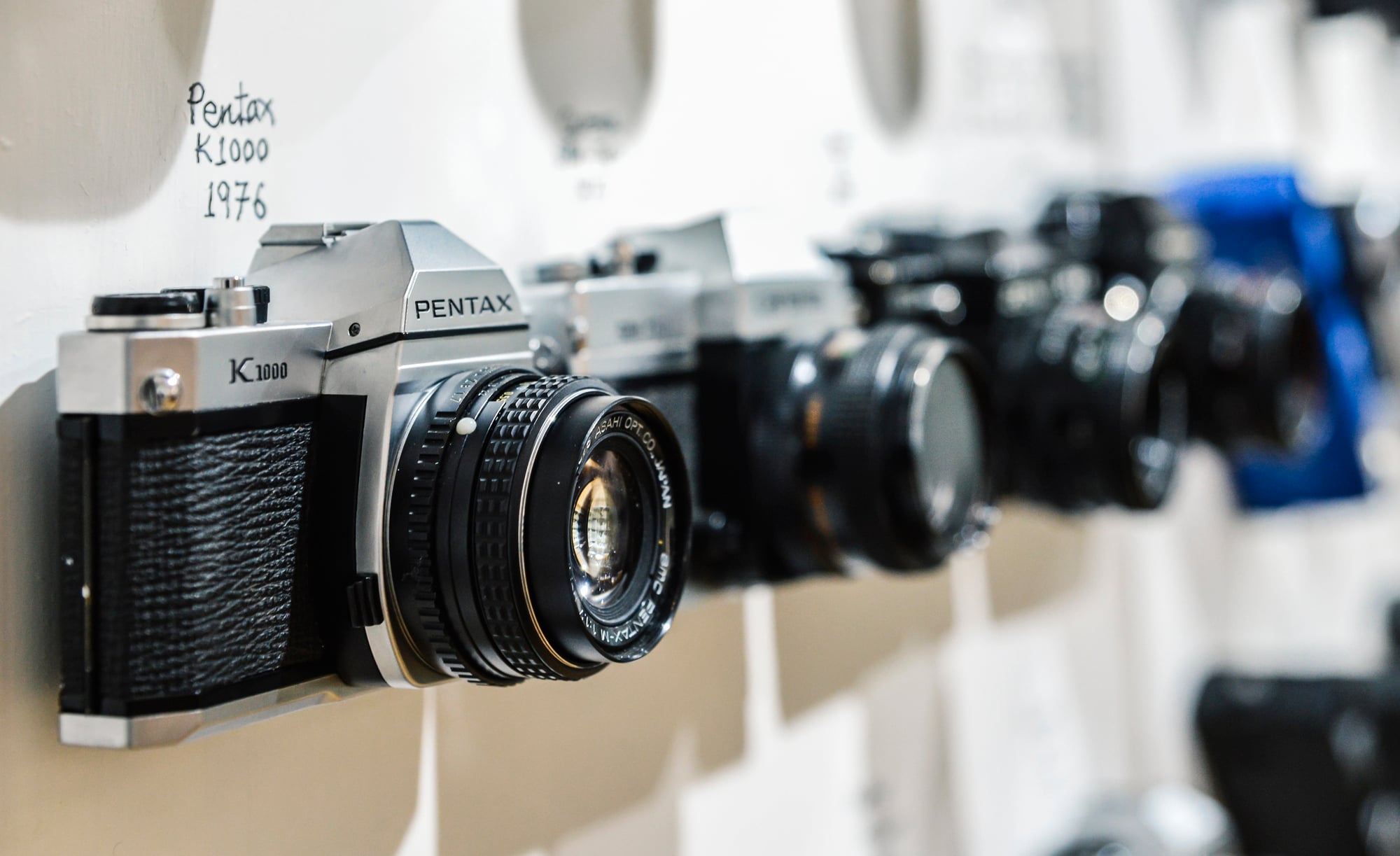
The Pentax K1000 earned its reputation as the camera that taught countless students how to shoot.
Released in 1976, it stripped photography down to the essentials with fully manual controls and a reliable light meter.
The chrome and leather body feels substantial in your hands, and the split-prism viewfinder makes focusing straightforward even for beginners.
What keeps photographers coming back is its simplicity paired with durability.
These cameras were built to last, and many still work perfectly today.
You can find one for a reasonable price, and Pentax still makes interesting focal length lenses that work beautifully with the K1000.
Canon AE-1

Canon changed the game in 1976 when they released the AE-1, making advanced photography accessible to regular people.
This camera introduced a full-program auto mode that let users point, focus, and shoot without wrestling with manual settings.
Parents in the 1980s loved it because they could capture family moments without technical headaches.
Today’s photographers appreciate the AE-1 for its blend of automation and manual control options.
The camera feels intuitive to use, and the vast library of Canon FD lenses means you can adapt it to almost any shooting situation.
Prices remain affordable, and the camera’s reputation for reliability means you’re likely buying something that still works as intended.
Leica M3
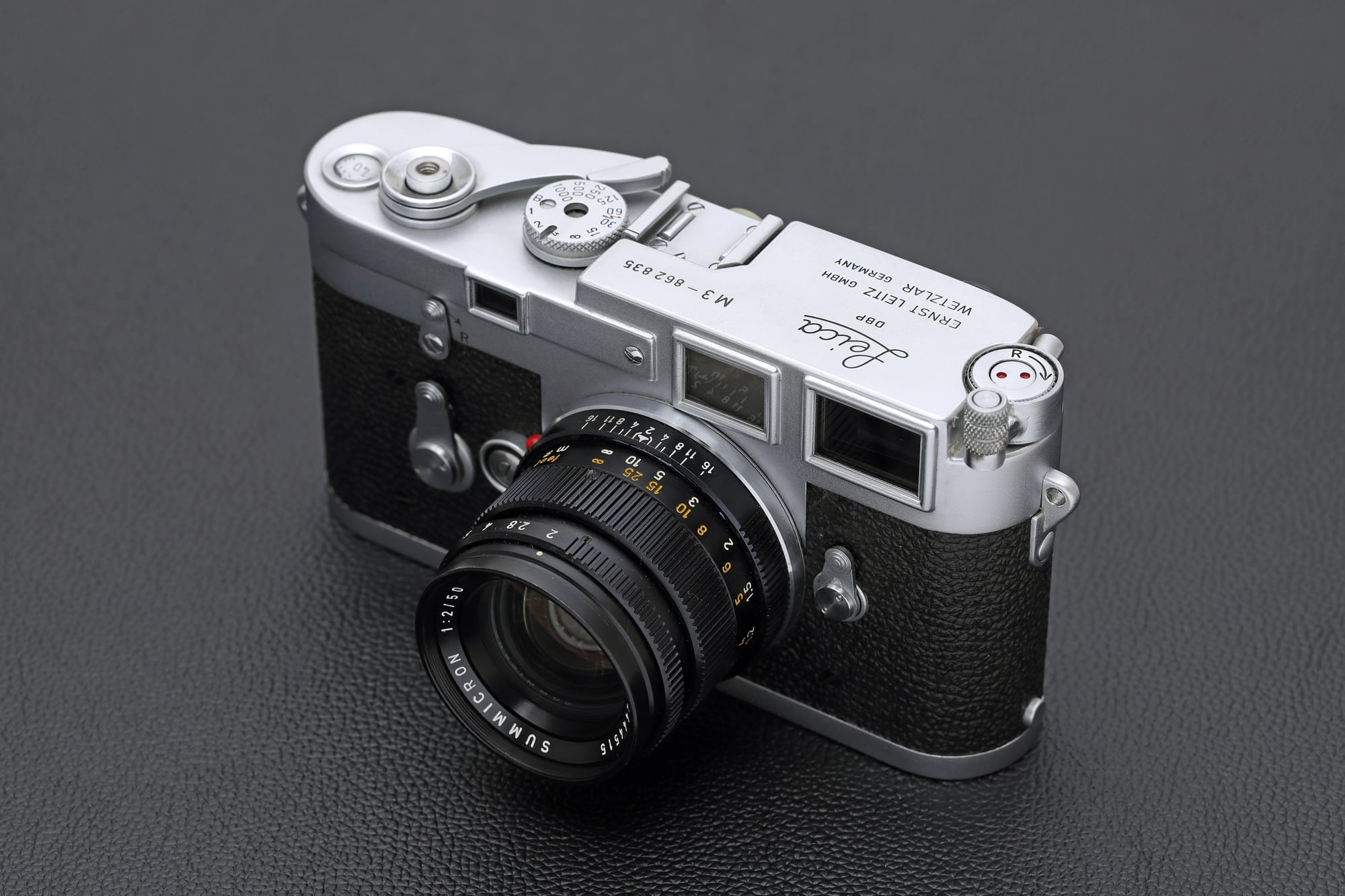
Few cameras carry the mystique of the Leica M3, which arrived in 1954 and redefined what a 35mm rangefinder could be.
The build quality set a standard that other manufacturers struggled to match, with brass construction and precision engineering throughout.
Photographers treasure the M3 for its bright rangefinder focusing system and whisper-quiet shutter, making it perfect for candid street photography.
The camera feels compact yet substantial, and the image quality from vintage Leica lenses remains stunning by any standard.
Working models start around several hundred dollars but can climb to several thousand depending on condition.
For photographers who value craftsmanship and a direct connection to photography history, the M3 represents something worth preserving.
Rolleiflex 2.8F
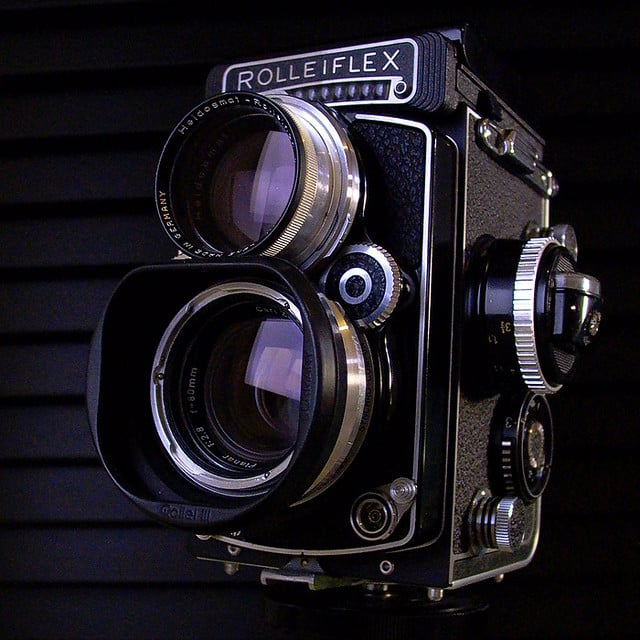
The Rolleiflex twin-lens reflex cameras stand out immediately with their distinctive square shape and waist-level viewfinder.
Released in various iterations from the 1920s through the 1990s, these medium format cameras produce images with remarkable sharpness and tonal range.
The 2.8F model, introduced in the 1950s, paired excellent optics with reliable mechanics.
Photographers who use Rolleiflex cameras often describe the experience as meditative, looking down into the large ground glass screen while composing square-format images.
The build quality means many of these cameras still function decades later, and the image quality from medium format film surpasses 35mm in resolution and depth.
Prices vary widely based on condition, ranging from a few hundred to several thousand dollars.
Hasselblad 500C/M

When professionals needed medium format reliability, they often turned to Hasselblad.
The 500C/M, released in 1970, features a modular design that lets photographers swap backs, lenses, and viewfinders depending on the job.
NASA trusted Hasselblad cameras for lunar missions, which tells you something about their durability.
The camera’s mechanical simplicity means fewer things can go wrong, and the Carl Zeiss lenses deliver exceptional image quality.
Wedding photographers and portrait shooters still use these cameras for paid work because the results look timeless.
The large square negatives from 120 film provide plenty of detail for enlargements.
A working 500C/M with a standard lens typically sells for several thousand dollars.
Nikon F2
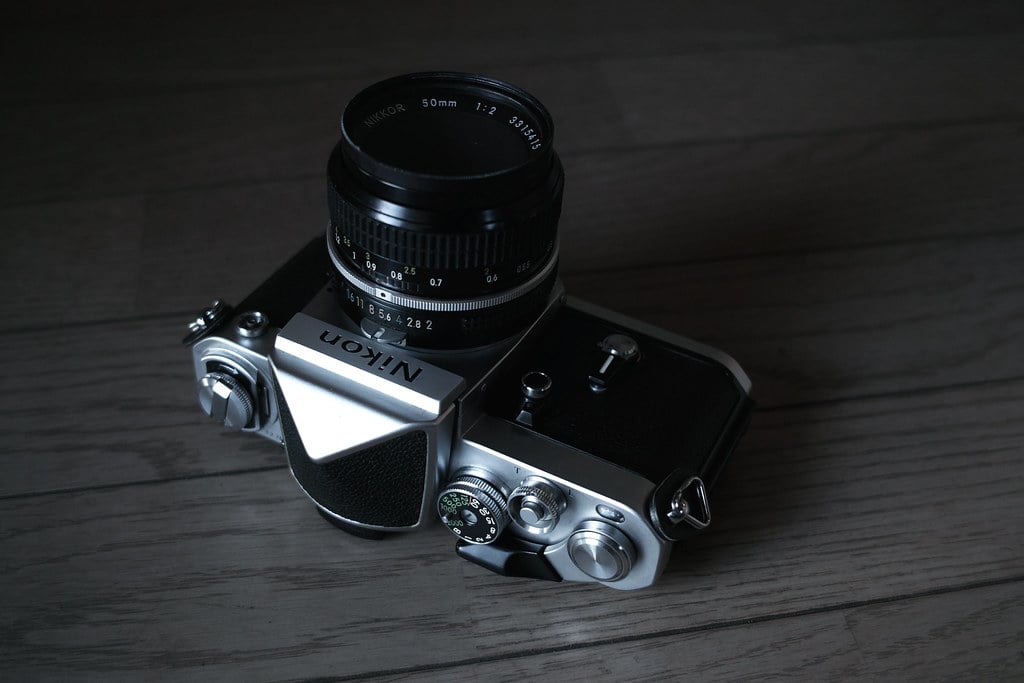
Nikon built the F2 like a tank, introducing it in 1971 as a professional workhorse that could handle abuse.
The all-mechanical operation means it works without batteries, except for the light meter.
Photojournalists carried these cameras through war zones and harsh conditions because they knew the F2 would keep working.
Modern photographers appreciate the solid construction, bright viewfinder, and extensive lens compatibility.
The camera accepts Nikon F-mount lenses spanning decades, including modern autofocus glass with an adapter.
Finding a clean F2 costs several hundred dollars, but you’re buying into one of photography’s most respected systems.
Contax 645

Before digital dominated wedding photography, the Contax 645 was the camera many top professionals wanted.
Released in the late 1990s, it combined medium format image quality with autofocus and relatively lightweight design.
The camera accepts gorgeous Carl Zeiss lenses, including fast options like the 80mm f/2 that create beautiful depth of field effects.
Only the build quality didn’t quite match the price tag, and the camera’s electronic nature makes it more vulnerable to failure than purely mechanical alternatives.
Finding a working Contax 645 with good lenses feels like catching lightning, and prices reflect the rarity.
Working kits with an 80mm lens can cost several thousand dollars.
Mamiya 7II

The Mamiya 7II arrived near the end of the film era in 1999, and photographers immediately recognized it as something special.
This medium format rangefinder combines portability with exceptional image quality, using 120 film to create large, detailed negatives.
The camera weighs less than many 35mm SLR systems, making it practical for travel and landscape photography.
Mamiya built relatively few of these cameras, and strong demand from working photographers keeps prices high.
The lenses designed for the Mamiya 7 system deliver sharp, contrasty results across the frame.
Expect to pay several thousand dollars for a body, with lenses adding significantly to the cost.
Hasselblad XPan

Sometimes a camera becomes legendary because it does something unique.
The Hasselblad XPan, released in 1998, shoots both standard 35mm frames and wide panoramic images on the same roll of film.
Just under 17,000 were made, and photographers treasure them for their versatility and exceptional optics.
The rangefinder design keeps the camera relatively compact, and the ability to switch formats mid-roll opens creative possibilities.
These cameras command premium prices in the used market, often selling for several thousand dollars in good condition.
The XPan represents a road not taken in camera design, which makes it even more appealing to photographers who want something different.
Olympus XA2

Not every treasured vintage camera costs thousands of dollars.
The Olympus XA2, released in the early 1980s, fits in a pocket and delivers surprisingly good results.
The camera features a leaf shutter that operates quietly, making it excellent for street photography and candid moments.
The fixed-focus lens simplifies operation while maintaining decent sharpness across a useful focusing range.
Photographers appreciate the XA2 for its size and discretion, though the light meter can be unreliable by modern standards.
These cameras remain affordable, typically selling for under a hundred dollars, which makes them accessible entry points into film photography.
Nikon FM2

When Nikon introduced the FM2 in 1982, they created a camera that balanced mechanical reliability with modern features.
The titanium shutter curtains allow for incredibly fast sync speeds, and the all-mechanical operation means the camera works even when batteries die.
Professional photographers used FM2s as backup bodies because they trusted them completely.
The bright viewfinder and precise focusing screen make manual focusing straightforward.
These cameras remain popular with photography students and enthusiasts because they teach proper technique while delivering excellent results.
Prices stay reasonable compared to other professional Nikon bodies, usually a few hundred dollars in good condition.
Yashica Mat-124G

The Yashica Mat-124G offered photographers a more affordable alternative to Rolleiflex cameras while maintaining respectable image quality.
Released in the 1970s, this twin-lens reflex camera uses medium format 120 film and features a bright viewing screen for composition.
The taking lens, manufactured in West Germany, shares design elements with more expensive competitors.
Photographers treasure the Mat-124G for its reliability and the unique shooting experience of medium format.
The camera’s relatively low price point makes it an accessible entry into serious film photography.
Working examples typically sell for a few hundred dollars.
Leica M6

Leica refined the rangefinder concept with the M6, introduced in 1984 and produced until 2002.
The camera combined classic mechanical construction with a built-in light meter, simplifying exposure decisions.
The rangefinder focusing system remains one of the best ever designed, with a bright, clear viewfinder that makes manual focusing quick and accurate.
Professional photographers used M6 cameras for decades of reportage, street photography, and documentary work.
The compact size and quiet operation made it perfect for unobtrusive shooting.
Working M6 bodies command premium prices, often several thousand dollars, but photographers consider them lifetime investments.
Bronica ETRS

Medium format photography doesn’t always require massive, heavy equipment.
The Bronica ETRS, released in the 1970s, offered a more portable alternative to larger studio cameras while maintaining excellent image quality.
The modular system allows swapping film backs mid-roll, and the leaf shutters in the lenses sync at any shutter speed.
Photographers appreciate the ETRS for bridging studio and field work, though the leaf shutters require careful maintenance.
These cameras sell for reasonable prices in the used market, making medium format accessible without the Hasselblad price tag.
Canon Powershot G2
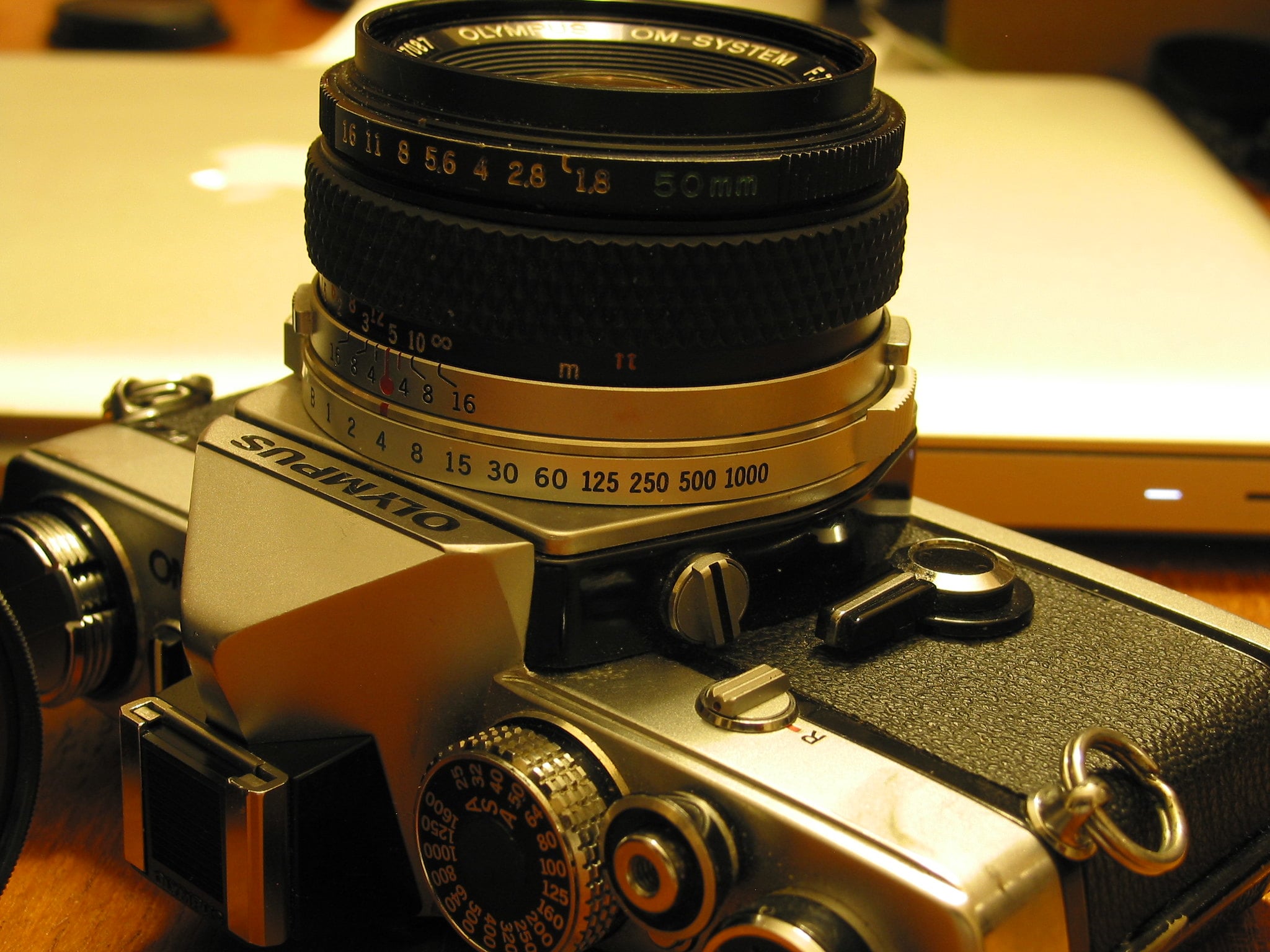
Not all treasured vintage cameras use film.
The Canon Powershot G2, released around 2001, represents early digital photography before smartphones killed the compact camera market.
The 4-megapixel sensor and optical zoom lens seem modest now, but some photographers appreciate the distinct image quality from that era.
The camera uses AA batteries and accepts SD cards, making it practical to use today.
These older digital cameras have found new life among photographers seeking a less processed, more authentic digital aesthetic.
Prices remain low, typically under a hundred dollars.
Pentax 67

Some photographers call the Pentax 67 a giant 35mm SLR, and they’re not entirely wrong.
This camera, introduced in 1969, brings SLR ergonomics to medium format photography with a rapid wind lever and pentaprism viewfinder.
The 6x7cm negatives deliver stunning image quality, and the extensive lens lineup covers most photographic needs.
The camera weighs considerably more than 35mm equipment, which makes it less practical for action photography but excellent for deliberate, composed shots.
Photographers treasure the Pentax 67 for its unique approach to medium format and the exceptional results from its lenses.
Nikon L35AF

Nikon’s L35AF offers something like an analog iPhone experience, released in the early 1980s as a point-and-shoot camera with autofocus.
The compact design and simple operation made it popular with casual photographers, while the sharp lens delivered better results than expected.
Modern photographers rediscovering these cameras appreciate their simplicity and the distinct character of images shot on film through older optics.
These cameras remain affordable and available, making them accessible options for anyone wanting to try film photography without technical complexity.
Why they endure

Vintage cameras continue attracting photographers for reasons beyond nostalgia.
The mechanical nature of these devices creates a tangible connection to the photographic process that electronic cameras often lack.
Turning dials, advancing film, and hearing the shutter click provides feedback that makes photography feel more intentional.
Many vintage cameras were built during an era when manufacturers prioritized repairability and longevity over planned obsolescence.
A well-maintained mechanical camera can function for decades or even a century.
The image quality from vintage lenses often possesses character that modern designs, optimized for sharpness and consistency, sometimes miss.
And perhaps most importantly, these cameras force photographers to slow down and think about each shot, which often leads to better images and a more satisfying creative process.
More from Go2Tutors!

- The Romanov Crown Jewels and Their Tragic Fate
- 13 Historical Mysteries That Science Still Can’t Solve
- Famous Hoaxes That Fooled the World for Years
- 15 Child Stars with Tragic Adult Lives
- 16 Famous Jewelry Pieces in History
Like Go2Tutors’s content? Follow us on MSN.