16 Weird Fast Food Items Around The World
Fast food isn’t just about burgers and fries anymore. Around the globe, chains have gotten creative—sometimes brilliantly, sometimes bewilderingly—with their menu offerings.
From pizza topped with corn to fried chicken stuffed with rice, these items prove that “normal” depends entirely on where you’re sitting when you order.
McDonald’s Samurai Pork Burger
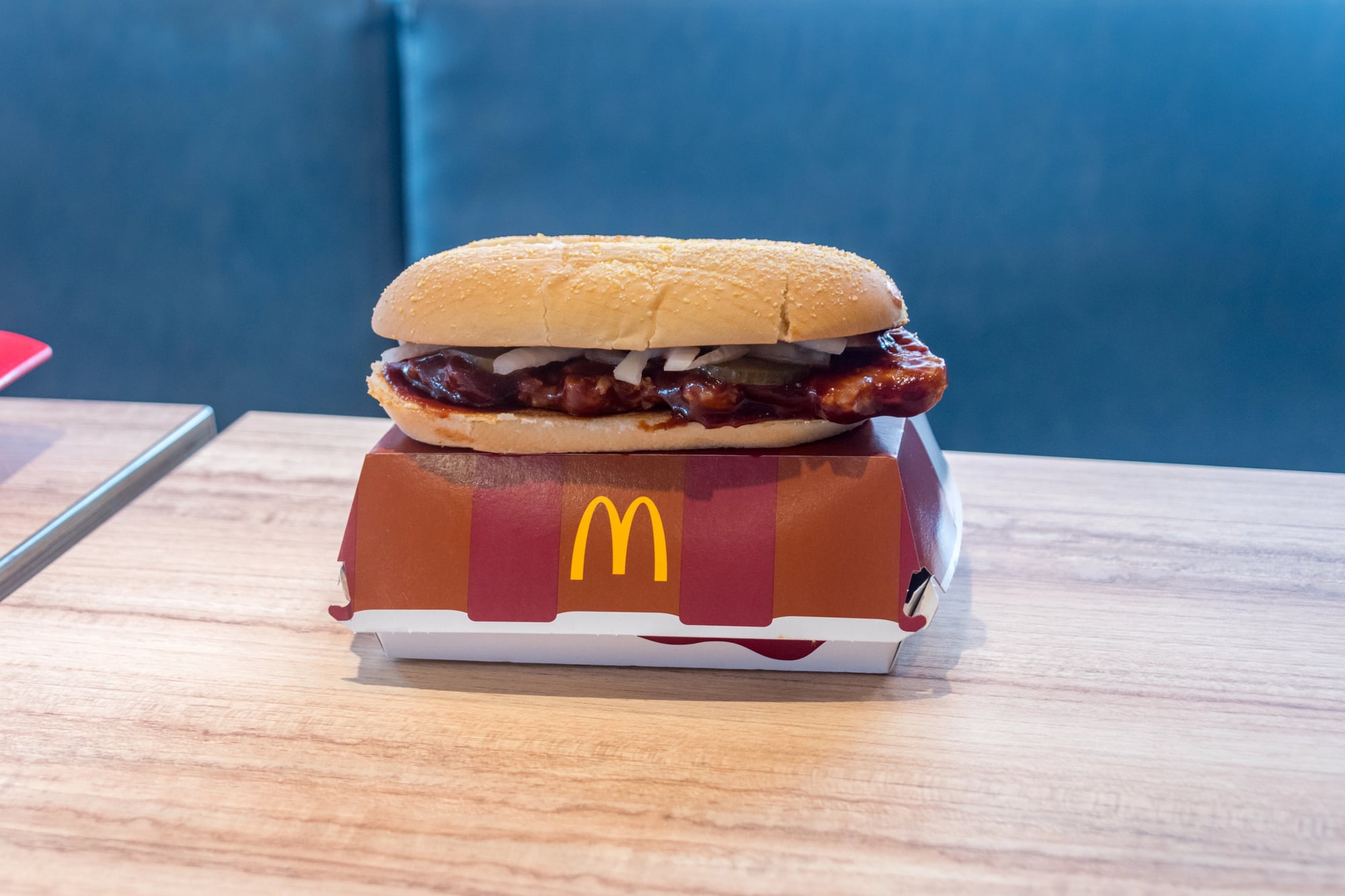
Japan’s McDonald’s doesn’t mess around when it comes to local flavors. The Samurai Pork Burger features a thick pork patty glazed in teriyaki sauce, topped with lettuce and mayo.
What makes it weird isn’t the pork—it’s how the teriyaki sauce is so aggressively sweet that it tastes more like dessert than dinner. The bun somehow stays intact despite being essentially soaked in syrup.
Pizza Hut Cheeseburger Crust Pizza

Pizza Hut Middle East looked at pizza and thought it needed more pizza—or maybe more burger, depending on how you see it (the philosophy here gets murky pretty quickly, and frankly, trying to untangle the logic behind stuffing mini cheeseburgers into pizza crust feels a bit like asking why someone would build a house inside another house). But there it is: a pizza where the crust is lined with actual miniature cheeseburgers, complete with beef patties, cheese, pickles, and mustard, so every bite of the edge delivers what can only be described as aggressive American flavors crashing into Italian tradition.
The whole thing weighs about as much as a small laptop. And yet people order it—repeatedly.
KFC Double Down

The Double Down treats bread like an unnecessary middleman. Two pieces of fried chicken serve as the “bun,” sandwiching bacon, cheese, and special sauce between them.
It’s less a sandwich and more a protein sculpture—something that might sit in a modern art museum with a placard reading “Carbohydrate Rebellion, 2010.” Every bite requires the same jaw mechanics as eating an apple, except the apple is made entirely of meat and regret.
McDonald’s Red Bean Pie
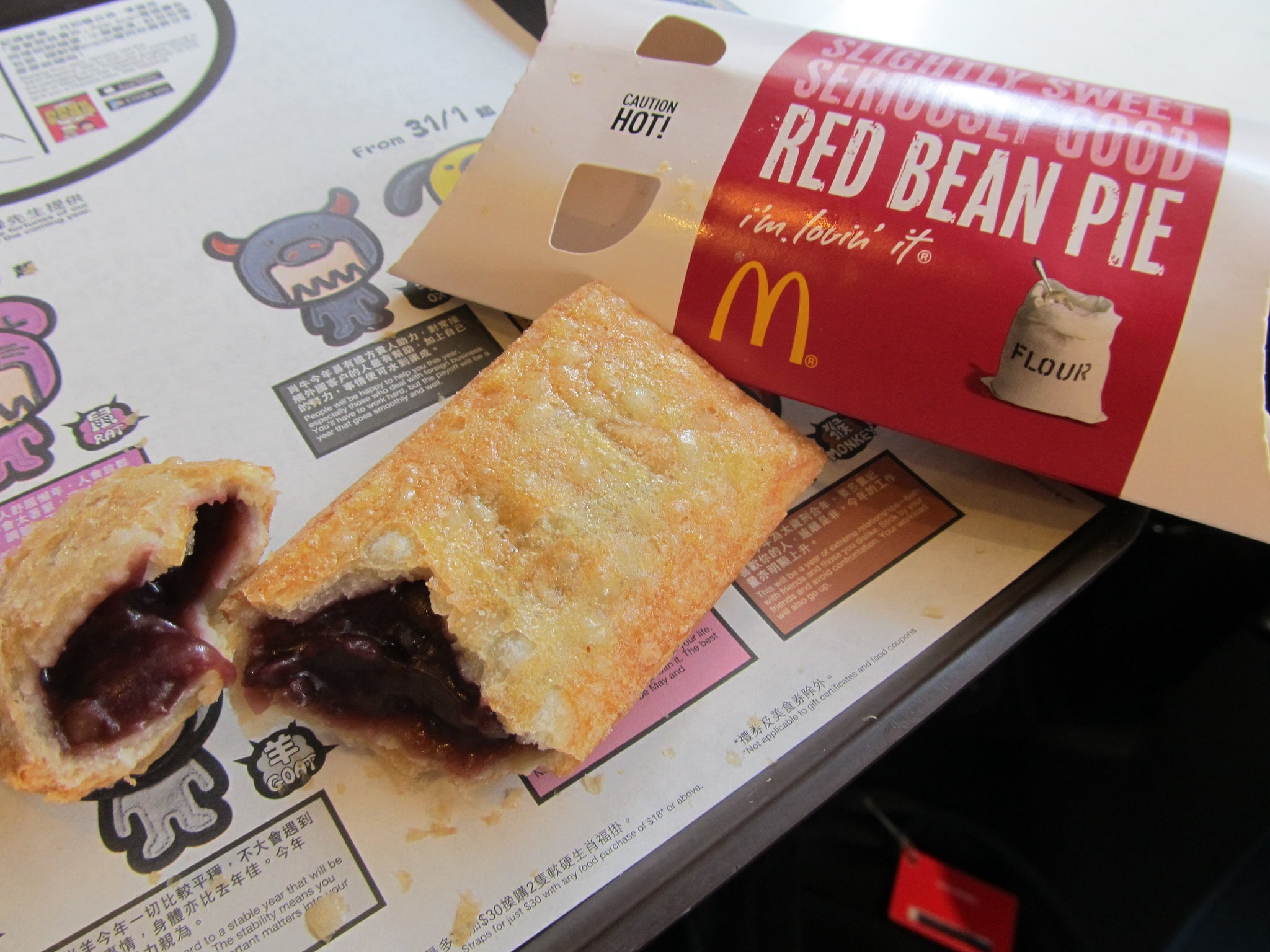
McDonald’s Asia swapped apple for red bean paste and created something that confuses American palates completely. The filling is sweet but earthy, with a texture somewhere between pudding and wet sand.
To be fair, red bean is beloved across East Asia—it just happens to taste like absolutely nothing most Western customers have ever encountered in dessert form. The disconnect is so complete that eating one feels like a cultural exchange program for your mouth.
Taco Bell Waffle Taco

Taco Bell decided breakfast needed to be more structurally unstable. The Waffle Taco wraps scrambled eggs, sausage, and cheese inside a waffle that’s been bent into taco shape.
The waffle is sweet, the filling is salty, and the combination creates the kind of flavor confusion that makes your brain briefly forget what meal you’re eating. It’s like someone translated “breakfast” through three different languages and this is what came back.
Burger King Black Burger

Japan’s Burger King went full goth with buns and cheese dyed black using bamboo charcoal, while the ketchup and sauce were colored with squid ink (the visual effect lands somewhere between “mysterious midnight snack” and “food that has given up on life,” which, depending on your relationship with unusual dining experiences, either sounds like the most intriguing thing you’ve encountered all week or like something that should come with a psychological evaluation).
The black buns photograph beautifully but taste like regular bread with a faint mineral aftertaste that lingers just long enough to remind you that you’re eating charcoal. So there’s that. And the squid ink ketchup adds a briny note that makes the whole burger taste vaguely oceanic, as if the sea decided to cosplay as a cheeseburger for Halloween.
Pizza Hut Cone Pizza

Pizza Hut Middle East rolled pizza into ice cream cone shapes and filled them with cheese, vegetables, and meat. The cone is made from pizza dough, which sounds reasonable until you try to eat it and realize that structural engineering matters more than anyone anticipated.
Gravity works against you with every bite, turning lunch into a small physics experiment about whether cheese will stay inside bread when held vertically.
McDonald’s McRice Burger
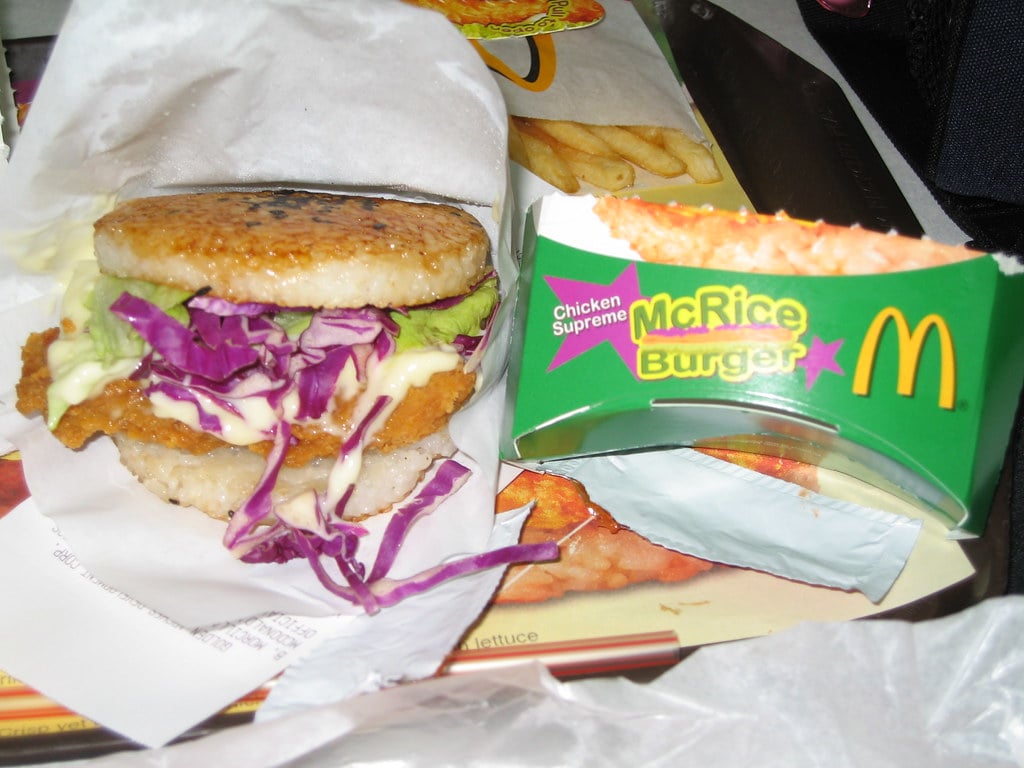
Taiwan’s McDonald’s replaced burger buns with compressed rice patties. The McRice Burger holds together surprisingly well, but eating it feels like consuming a very elaborate rice orb that’s confused about its identity.
The rice is sticky enough to function as bread but neutral enough that it makes every other flavor—beef, lettuce, special sauce—taste oddly amplified. It’s efficient, practical, and somehow deeply unsettling to anyone raised on wheat-based sandwiches.
KFC Chizza

KFC Philippines created the Chizza by using fried chicken as a pizza base and topping it with cheese, ham, and pineapple (which creates a food item that seems to exist in the strange borderland between two completely different culinary traditions, like finding a country that somehow borders both Italy and Kentucky despite geography suggesting this should be impossible).
The chicken breast is flattened, fried, and then treated like dough—except dough doesn’t have the structural integrity issues that come with using meat as a foundation. Every slice bends and droops in ways that make eating it feel less like having pizza and more like performing some kind of elaborate food origami with your hands.
The flavors work better than they should, honestly. But the experience of eating it never stops feeling like you’re breaking some fundamental rule about how food is supposed to behave.
Domino’s Mayo Jaga Pizza

Domino’s Japan tops pizza with mayonnaise, potato, and corn. The mayonnaise isn’t used sparingly—it’s applied like frosting, creating a white sauce base that makes the entire pizza look like it’s been snowed on.
The potato adds starch to what’s already a carb-heavy meal, while the corn provides tiny bursts of sweetness that catch you off guard. It tastes better than it sounds, which isn’t saying much, but it’s true.
McDonald’s Maharaja Mac
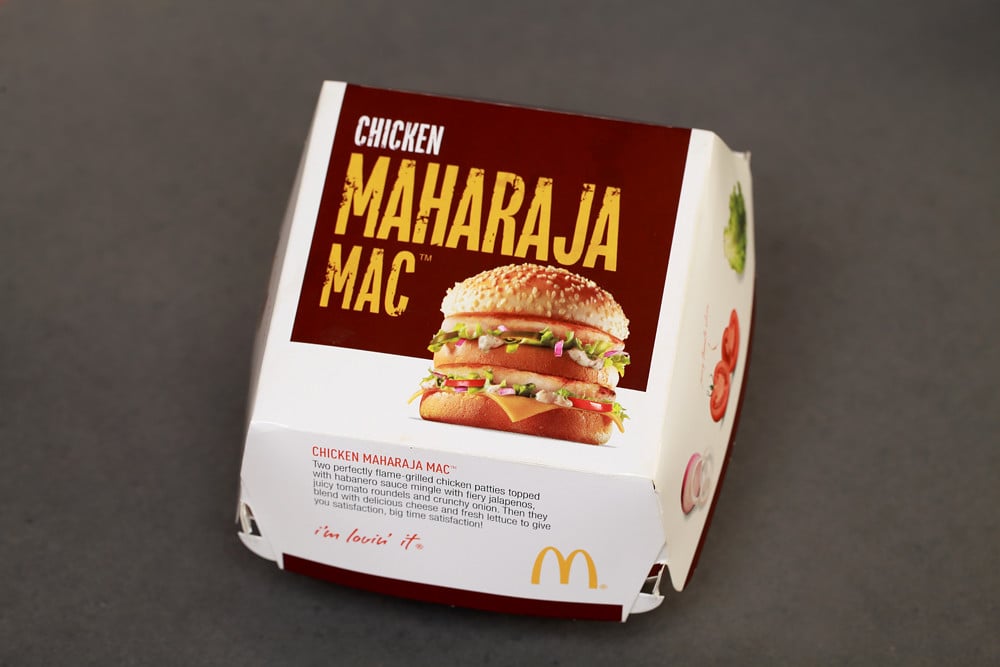
India’s McDonald’s created the Maharaja Mac as a Big Mac alternative using chicken instead of beef. The weird part isn’t the protein swap—it’s how the spice blend makes it taste like tikka masala decided to impersonate American fast food.
The familiar Big Mac structure (two patties, three buns, special sauce) carries completely unfamiliar flavors, creating a kind of cultural cognitive dissonance with every bite.
Burger King Meat Monster Whoppers

Japan’s Burger King piled multiple meat types onto single burgers, creating combinations like the Garlic Meat Beast (with beef, pork, and chicken) that treat subtlety like a personal enemy (the approach here is less “balanced meal” and more “what if we just kept adding protein until someone told us to stop,” except apparently nobody ever told them to stop).
Each bite delivers different textures and flavors competing for attention—the beef is smoky, the pork is sweet, the chicken is mild—which creates a kind of barnyard symphony in burger form. The whole thing weighs enough that eating it requires two hands and a structural engineering degree.
But the flavors somehow work together, like a meat orchestra that found its rhythm after several measures of chaos.
Pizza Hut Hot Dog Stuffed Crust
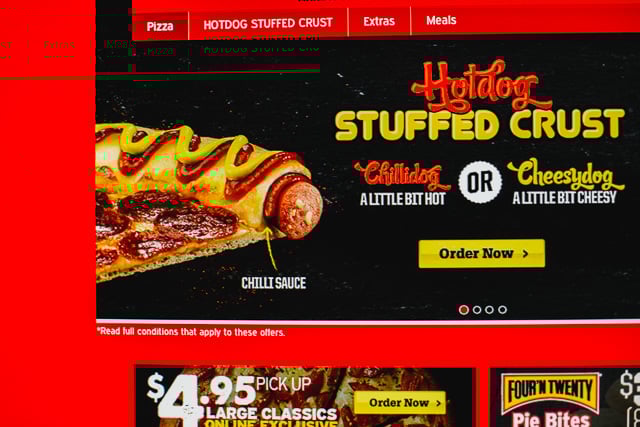
Pizza Hut UK stuffed hot dogs into pizza crust because apparently regular stuffed crust wasn’t ambitious enough. Each slice comes with a built-in hot dog that you’re supposed to eat separately, turning pizza consumption into a multi-course experience.
The hot dogs are standard issue, but their placement around the pizza perimeter creates logistical challenges—do you eat the pizza first or the hot dogs? The order matters more than it should.
McDonald’s Taro Pie

McDonald’s Asia offers taro-flavored pies that taste like purple sweet potato crossed with vanilla. Taro has an earthy, nutty flavor that works beautifully in traditional Asian desserts but feels completely alien inside McDonald’s familiar fried pie shell.
The cognitive dissonance is complete: your mouth recognizes the texture and temperature of an apple pie, but the flavor belongs to an entirely different food tradition.
Domino’s Squid Ink Pizza
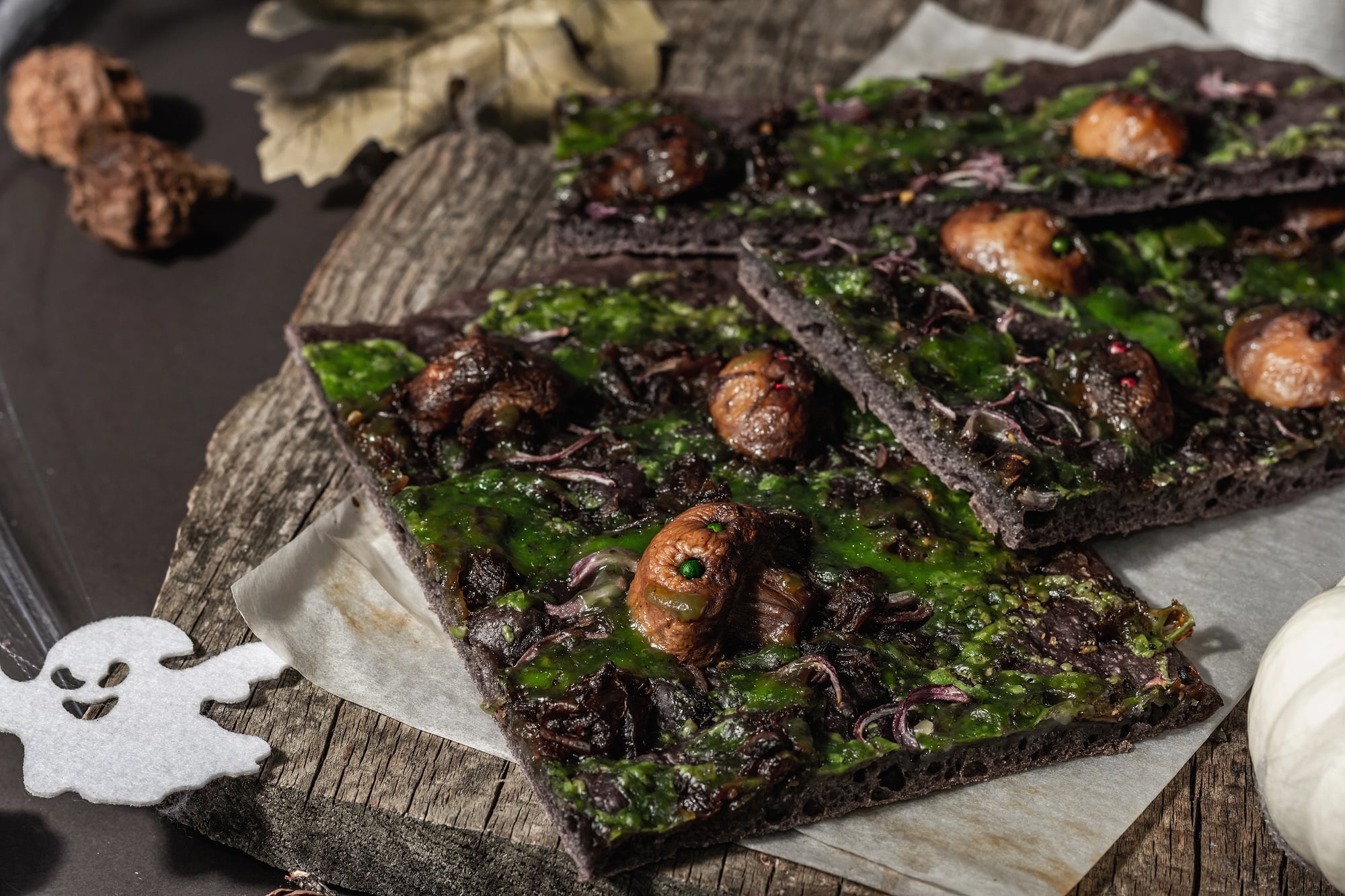
Domino’s Japan uses squid ink in both the dough and sauce, creating a pizza that’s black from crust to topping. The squid ink adds a subtle oceanic flavor that makes the entire pizza taste faintly of the sea, which pairs strangely but not unpleasantly with cheese and tomato.
The visual impact is complete—this pizza looks like it was assembled in a parallel universe where food coloring works backwards.
McDonald’s Sweet Potato Pie

McDonald’s seasonal sweet potato pies taste exactly like Thanksgiving side dishes compressed into handheld form. The filling is aggressively orange and sweet enough to qualify as candy, but it’s served hot in the same fried shell as apple pie.
The familiar McDonald’s pie experience carries completely unfamiliar flavors, creating a kind of nostalgic confusion—it feels like childhood and tastes like autumn, but neither connection makes complete sense.
When Strange Becomes Normal

These items prove that “weird” is just unfamiliarity wearing a judgmental mask. What seems bizarre from one cultural perspective often makes perfect sense from another.
The real strangeness might be how quickly we adapt—how a pizza with corn or a burger with rice stops seeming unusual once you’ve had it twice. Food evolves faster than our expectations do, and somewhere in the world, someone is probably inventing the next item that will make this list seem quaint.
More from Go2Tutors!

- The Romanov Crown Jewels and Their Tragic Fate
- 13 Historical Mysteries That Science Still Can’t Solve
- Famous Hoaxes That Fooled the World for Years
- 15 Child Stars with Tragic Adult Lives
- 16 Famous Jewelry Pieces in History
Like Go2Tutors’s content? Follow us on MSN.