18 Classic Hollywood Films Everyone Should Watch
Everyone can laugh, cry, and think about life in new ways while watching movies that take us to other worlds. Numerous movies from Hollywood’s heyday still have an impact on viewers decades after they were first released. In addition to establishing the groundwork for contemporary filmmaking, these timeless films produced memorable characters and plots.
These are the must-see movies that every moviegoer ought to see at least once in their lifetime.
Citizen Kane
Released in 1941, Orson Welles’ groundbreaking debut changed cinema forever. Telling the rise and fall of a newspaper tycoon, it introduced bold camera angles, deep-focus shots, and a non-linear structure that was unheard of at the time.
Written, directed by, and starring Welles, the movie explores ambition, greed, and loneliness. And of course, the mysterious “Rosebud” ending is still one of film’s most debated moments.
Casablanca

Set during World War II, this 1942 romance with Humphrey Bogart and Ingrid Bergman remains one of the most quoted movies ever. Lines like “Here’s looking at you, kid” and the misremembered “Play it again, Sam” became cultural touchstones.
Against the backdrop of Rick’s Café in Morocco, the film combined love, sacrifice, and moral duty into a story that’s stood the test of time.
Like Go2Tutors’s content? Follow us on MSN.
The Godfather

Francis Ford Coppola’s 1972 crime saga turned Mario Puzo’s novel into an epic meditation on family and power. Marlon Brando’s iconic portrayal of Don Vito Corleone, complete with hushed voice and stuffed cheeks, instantly became legend.
The film launched Al Pacino’s career and showed that gangster stories could be both brutal and emotionally layered.
Singin’ in the Rain

Few films radiate joy like this 1952 musical. Gene Kelly’s famous dance in the rain has been imitated endlessly, but the whole movie sparkles with energy.
Debbie Reynolds and Donald O’Connor join Kelly in a lighthearted look at Hollywood’s rocky transition from silent films to sound. Instead of just stringing together big numbers, every performance pushes the story forward.
Vertigo
Hitchcock’s 1958 thriller digs into obsession, identity, and illusion. James Stewart plays a detective haunted by his fear of heights and his fixation on a woman played by Kim Novak.
The director’s camera tricks—including the famous “dolly zoom”—put viewers directly inside Stewart’s dizzying perspective, making the psychological tension almost physical.
Like Go2Tutors’s content? Follow us on MSN.
Gone with the Wind

The 1939 Civil War epic brought Margaret Mitchell’s sprawling novel to the screen with unmatched scale. Vivien Leigh’s Scarlett O’Hara and Clark Gable’s Rhett Butler became one of Hollywood’s most fiery couples.
With lavish sets, sweeping battle scenes, and the unforgettable final line—“Tomorrow is another day”—the film embodied Hollywood spectacle.
Psycho

When Hitchcock released this in 1960, audiences had never seen anything like it. Norman Bates, played by Anthony Perkins, was both terrifying and oddly sympathetic.
The infamous shower scene—shot with rapid cuts, piercing violins, and shocking brutality—redefined horror and has been dissected ever since. Hitchcock proved black-and-white could be scarier than any splash of color.
The Wizard of Oz
This 1939 classic whisked audiences from Kansas to the dazzling world of Technicolor Oz. Judy Garland’s “Somewhere Over the Rainbow” became a standard, and characters like the Tin Man and the Wicked Witch became cultural icons.
Its timeless message—that what you’re looking for might already be at home—still resonates with each new generation.
Like Go2Tutors’s content? Follow us on MSN.
Lawrence of Arabia

David Lean’s 1962 desert epic was as vast as the landscape it captured. Peter O’Toole, in his breakout role, portrayed T.E. Lawrence with charm, complexity, and inner conflict.
At over three hours long, the sweeping cinematography and thrilling battle sequences proved audiences would sit through a marathon if the story was strong enough.
Some Like It Hot
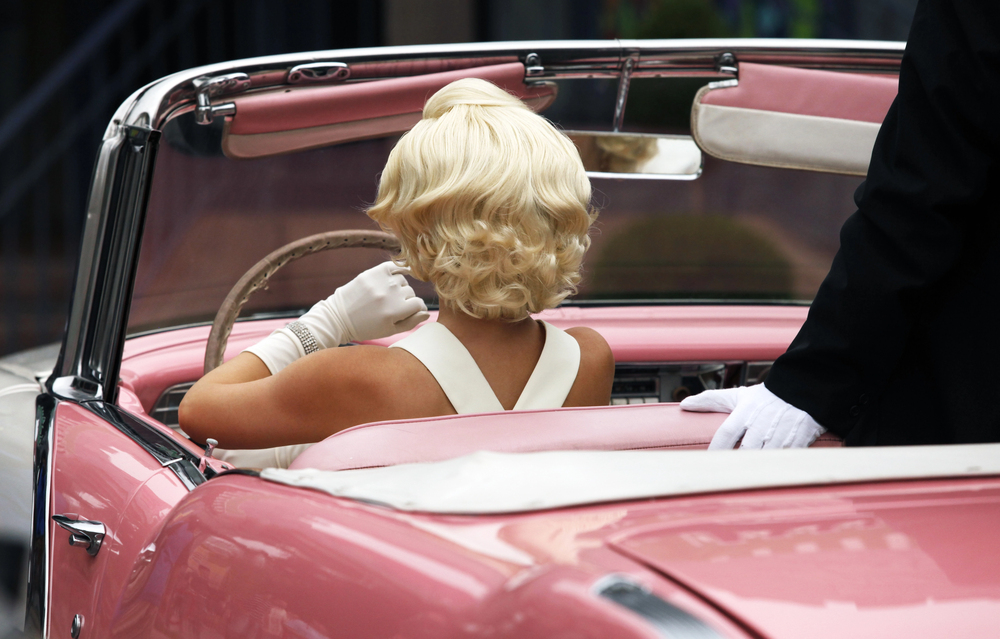
Billy Wilder’s 1959 comedy broke ground with its cross-dressing premise and razor-sharp wit. Tony Curtis and Jack Lemmon disguise themselves as women to escape gangsters, while Marilyn Monroe steals the spotlight with her comedic timing and charm.
The famous punchline, “Nobody’s perfect,” remains one of the greatest closing jokes in film history.
On the Waterfront
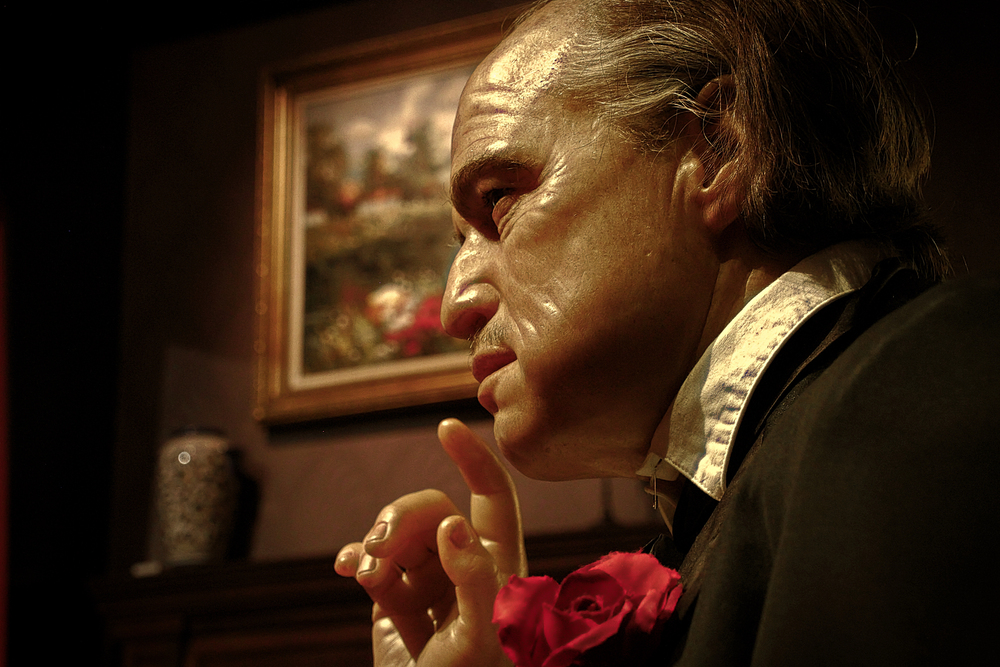
Marlon Brando cemented his reputation in this 1954 drama about corruption on New York’s docks. His “I coulda been a contender” speech is etched into movie history.
Directed by Elia Kazan, the film blends gripping storytelling with commentary on crime, labor rights, and moral courage.
Like Go2Tutors’s content? Follow us on MSN.
Sunset Boulevard

Hollywood looked in the mirror with Billy Wilder’s 1950 noir about a faded silent film star and her toxic grip on a younger screenwriter. Gloria Swanson’s Norma Desmond became a chilling portrait of delusion and ambition.
With its unusual dead-man narration and the line “I’m ready for my close-up,” it captured both glamour and decay.
It’s a Wonderful Life
Frank Capra’s 1946 holiday staple wasn’t a hit at first, but TV reruns made it a tradition. James Stewart’s George Bailey learns how much difference one person’s life can make, guided by an angel named Clarence.
Its heartfelt message about kindness, community, and resilience has made it a Christmas ritual worldwide.
Double Indemnity
This 1944 noir defined the genre with its sultry femme fatale, hard-boiled dialogue, and cynical view of human weakness. Barbara Stanwyck seduces insurance man Fred MacMurray into a murderous plot, while Edward G. Robinson plays the sharp investigator on their trail.
Wilder’s sharp direction showed how lust and greed could undo ordinary people.
Like Go2Tutors’s content? Follow us on MSN.
The Maltese Falcon

In 1941, Humphrey Bogart’s Sam Spade set the template for the hard-boiled detective: tough, morally gray, and always two steps ahead. The hunt for a jewel-encrusted statue weaves together double-crosses, shady criminals, and femme fatales.
With its twists and sharp dialogue, the film became a model for every detective story that followed.
All About Eve

Bette Davis delivered one of her most biting performances as an aging stage star threatened by an ambitious newcomer, played by Anne Baxter. Released in 1950, it’s full of sharp lines and backstage intrigue.
The famous warning—“Fasten your seatbelts, it’s going to be a bumpy night”—still sums up ambition meeting experience.
12 Angry Men
Sidney Lumet’s 1957 courtroom drama takes place almost entirely in one room, yet it’s riveting. Henry Fonda plays the lone juror who refuses to convict without a fair discussion, forcing the others to confront their own biases.
With sharp dialogue and escalating tension, it proved you don’t need action sequences to make a powerful statement.
Like Go2Tutors’s content? Follow us on MSN.
North by Northwest
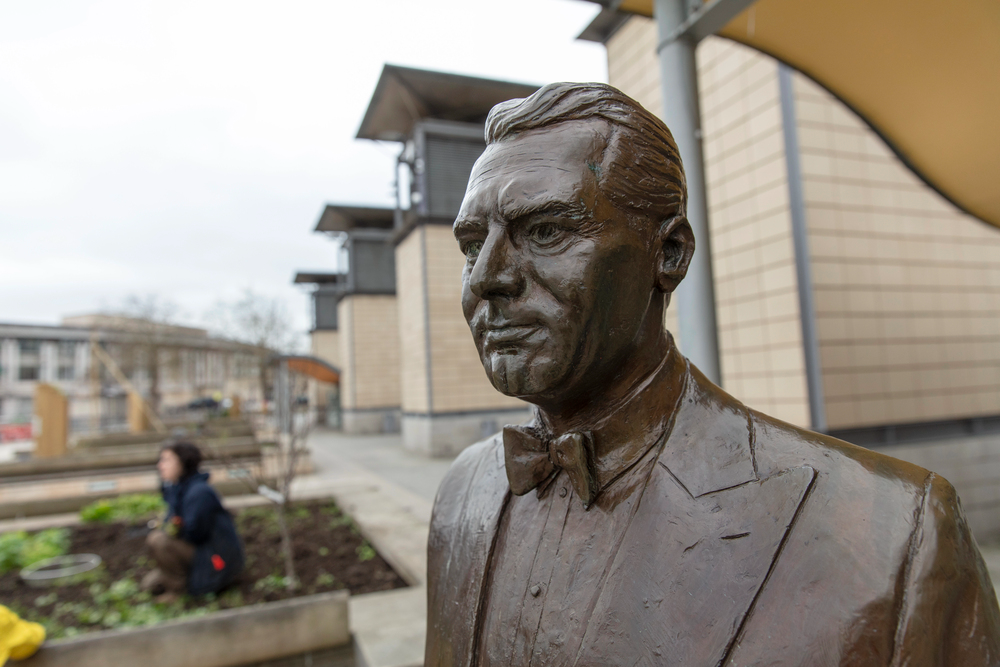
Hitchcock struck again in 1959 with a stylish thriller about mistaken identity. Cary Grant plays an ad man chased across the country in a spy plot he doesn’t understand.
The film is packed with iconic moments—from the crop-duster chase to the Mount Rushmore climax—and pairs suspense with a dash of romance thanks to Eva Marie Saint.
When classics never get old
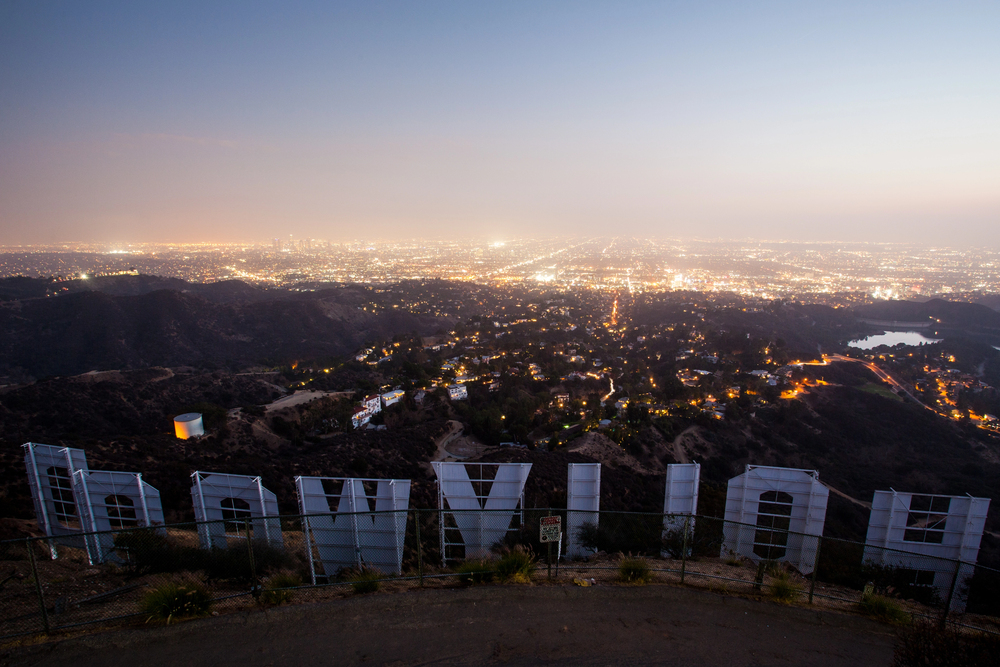
These movies demonstrate that, despite technological advancements, strong narratives and likable characters are always in demand. In order to comprehend how filmmakers like Hitchcock, Wilder, and Ford produced such enduring entertainment with such limited resources, modern filmmakers continue to study these classics.
Actors are still influenced by the performances in these movies, and their methods can still be seen in independent and contemporary blockbusters. Since knowledge of film history enhances and deepens the experience of every new film, moviegoers owe it to themselves to see these masterpieces that influenced everything that followed.
More from Go2Tutors!

- 16 Historical Figures Who Were Nothing Like You Think
- 12 Things Sold in the 80s That Are Now Illegal
- 15 VHS Tapes That Could Be Worth Thousands
- 17 Historical “What Ifs” That Would Have Changed Everything
- 18 TV Shows That Vanished Without a Finale
Like Go2Tutors’s content? Follow us on MSN.