17 Books That Were Better Than Their Movies
Every book lover knows the feeling. You finish reading an incredible novel that transported you to another world, made you fall in love with complex characters, and left you thinking about deeper themes for weeks. Then Hollywood announces they’re making a movie version, and your excitement builds. Maybe this time they’ll get it right.
Then you walk into that theater full of hope and walk out feeling like someone just trampled all over your favorite story. Whether it’s rushed pacing, missing characters, completely altered plots, or just a fundamental misunderstanding of what made the book special, some adaptations manage to drain all the magic from their source material.
Here is a list of 17 books that proved the page is often mightier than the screen, leaving fans wondering why anyone thought these beloved stories needed to be ‘improved’ for cinema.
Harry Potter and the Goblet of Fire
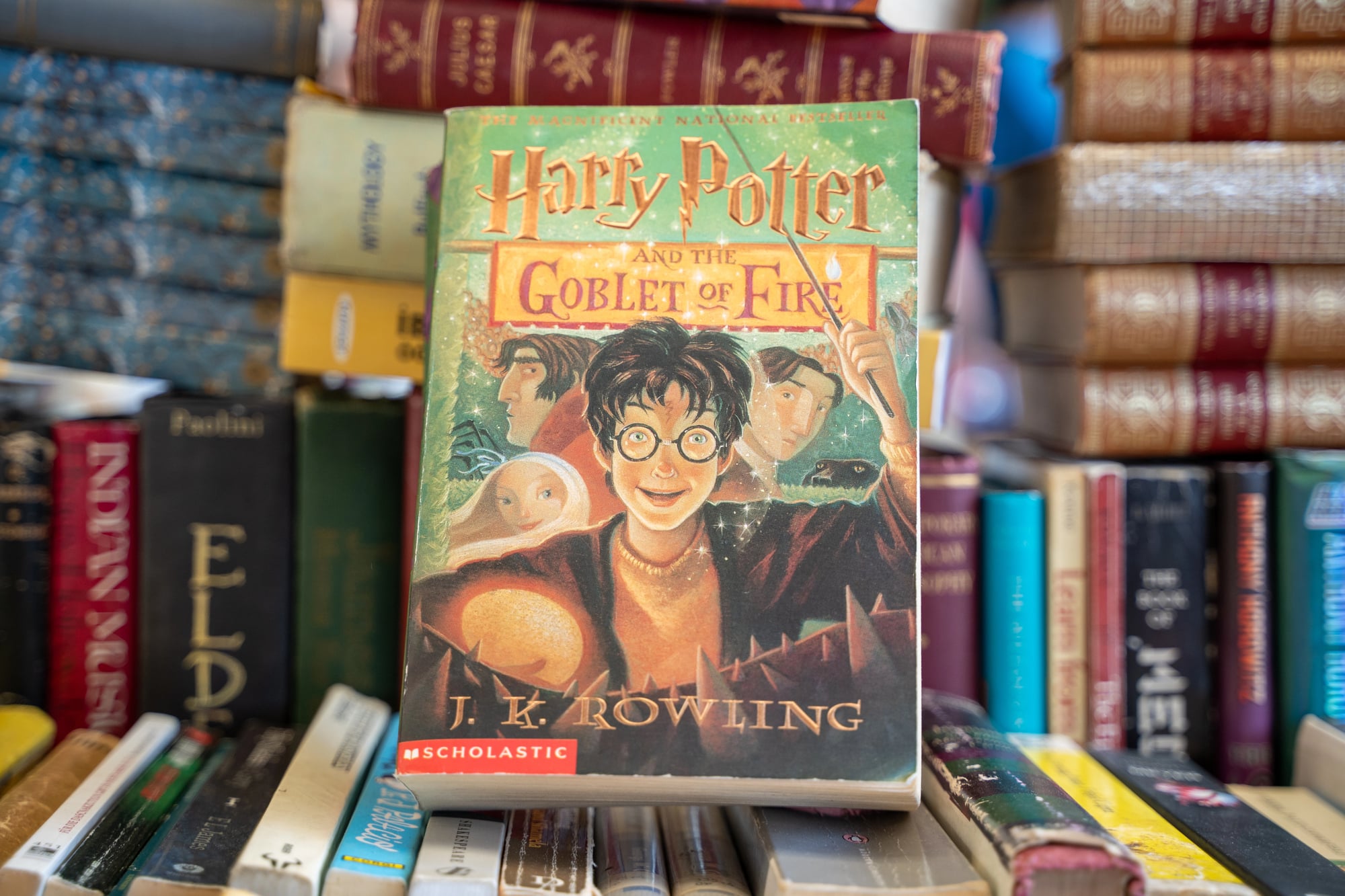
While the earlier Harry Potter films captured much of the books’ magic, Goblet of Fire marked the turning point where the movies began expecting audiences to fill in massive gaps with their book knowledge. The film cut crucial plot elements like S.P.E.W., the extensive Quidditch World Cup, and character development that made the story’s darker turn meaningful.
The rushed pacing transformed a complex coming-of-age story into a series of disconnected action sequences that left non-readers confused.
Percy Jackson and the Lightning Thief
Rick Riordan famously tweeted that watching his ‘life’s work going through a meat grinder’ described this adaptation perfectly. The film aged up the characters from middle schoolers to teenagers, completely changing the story’s appeal and target audience.
Even worse, it altered fundamental plot points so drastically that sequels became nearly impossible, turning a potential franchise into a one-off disappointment that bore little resemblance to the beloved series.
The Golden Compass

Philip Pullman’s His Dark Materials trilogy offers complex themes about religion, philosophy, and multiple dimensions, but the 2007 film adaptation of the first book (titled Northern Lights in the UK) flattened these sophisticated ideas into a generic children’s movie with talking animals. The studio’s fear of religious controversy led them to gut the story’s deeper meaning, while the rushed plot and poor character development left fans feeling like they’d watched a completely different story than the one they’d fallen in love with.
Like Go2Tutors’s content? Follow us on MSN.
Eragon
Christopher Paolini’s fantasy debut deserved so much better than what it received from first-time director Stefen Fangmeier. The film crammed a rich, detailed world into 104 minutes of exposition-heavy dialogue and tepid performances.
They changed crucial plot elements, drained all emotion from character relationships, and created such a disappointing experience that fans still refer to it as the adaptation that never happened.
A Wrinkle in Time

Madeleine L’Engle’s beloved science fantasy novel had everything needed for a magical film adaptation, but the 2018 version somehow lost over $100 million while confusing audiences with its convoluted plot. Despite featuring major stars like Reese Witherspoon and Oprah Winfrey, the film overcompensated with excessive CGI and failed to capture the book’s blend of science, philosophy, and coming-of-age themes that made it a classic.
The Mortal Instruments: City of Bones
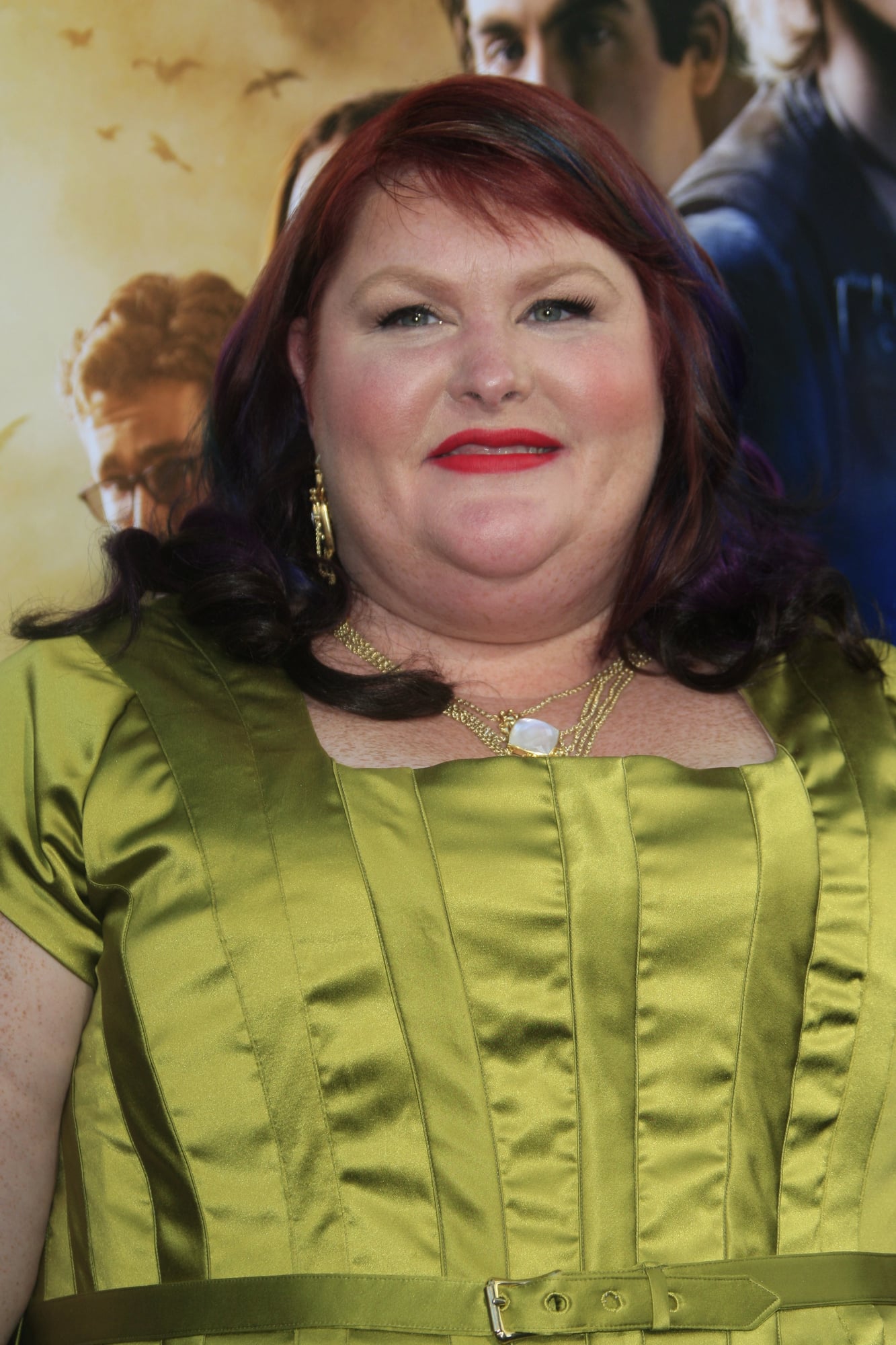
Cassandra Clare’s urban fantasy series had a devoted fanbase, but the 2013 film adaptation missed the mark so badly that planned sequels were immediately canceled. The movie failed to capture the books’ intricate world-building, the complex relationships between characters, and the delicate balance of romance, action, and supernatural elements that made readers fall in love with the Shadow World.
Like Go2Tutors’s content? Follow us on MSN.
The Great Gatsby
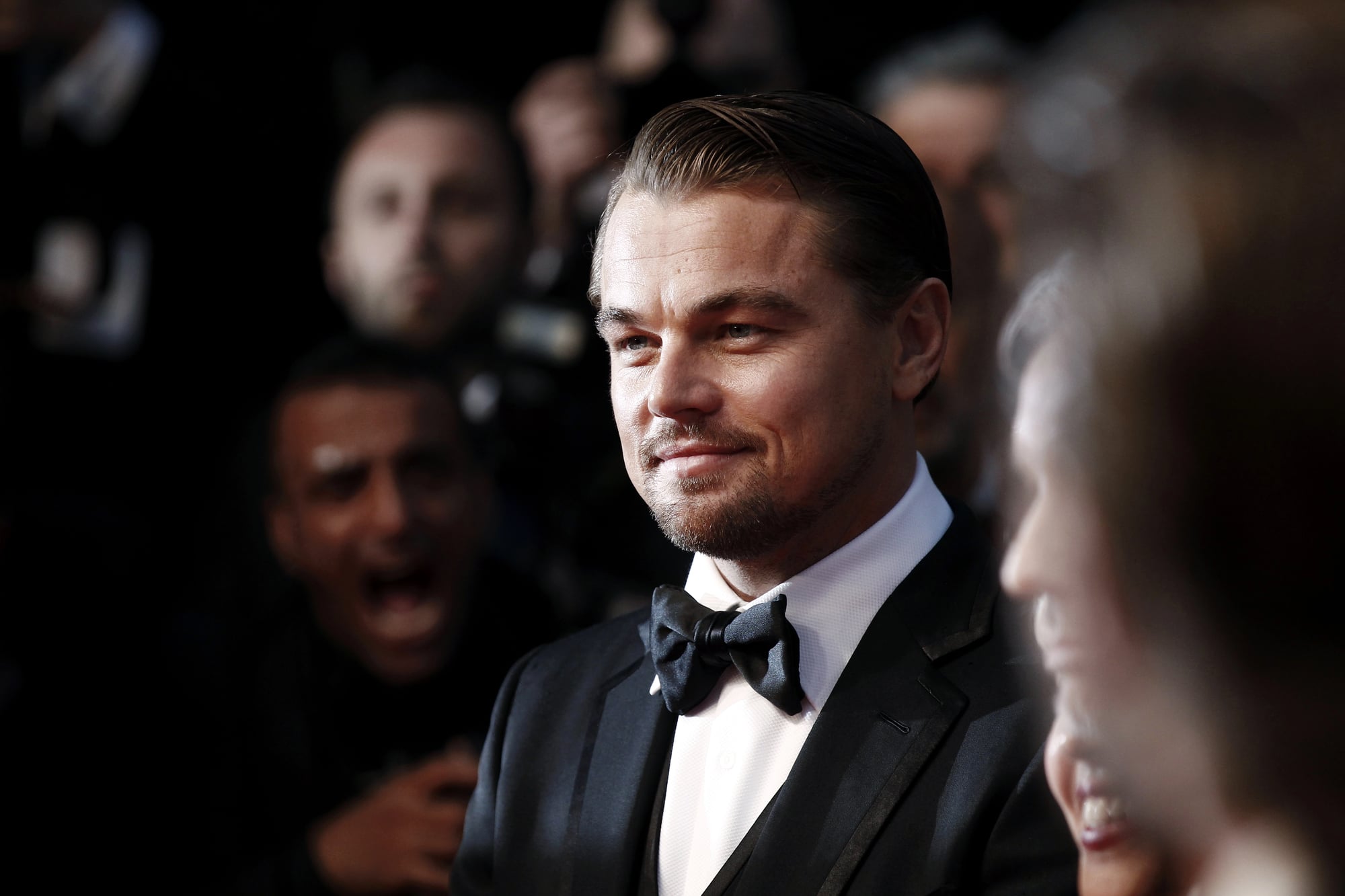
F. Scott Fitzgerald’s masterpiece about the American Dream’s corruption has been adapted multiple times, but each version struggles to capture the novel’s literary depth and subtle social commentary. The 2013 Leonardo DiCaprio version was particularly criticized for prioritizing flashy visuals and modern music over the story’s themes, turning a nuanced critique of wealth and obsession into a surface-level spectacle.
The Giver
Lois Lowry’s dystopian masterpiece worked perfectly as a thought-provoking novel about conformity and the value of human emotion, but the 2014 film fell flat despite its stellar cast. The movie arrived during the young adult dystopian boom and felt generic compared to more action-heavy series, failing to capture the book’s quiet power and philosophical depth that made it a classroom staple for decades.
Artemis Fowl

Eoin Colfer’s clever criminal mastermind deserved a film that matched his intelligence, but Disney’s 2020 adaptation was so drastically different that fans claimed it was ‘barely recognizable’ to the source material. The film transformed the anti-hero protagonist into a more conventional good guy, completely missing the point of what made Artemis such a fascinating and morally complex character in the first place.
Like Go2Tutors’s content? Follow us on MSN.
The Time Machine
H.G. Wells’ classic science fiction novella offered timeless themes about class division and human nature, but the 2002 adaptation focused more on action and romance than the original’s philosophical depth. The film transplanted the story from Victorian London to modern New York and added unnecessary romantic subplots, diluting the sharp social commentary that made Wells’ work endure for over a century.
Where’d You Go, Bernadette
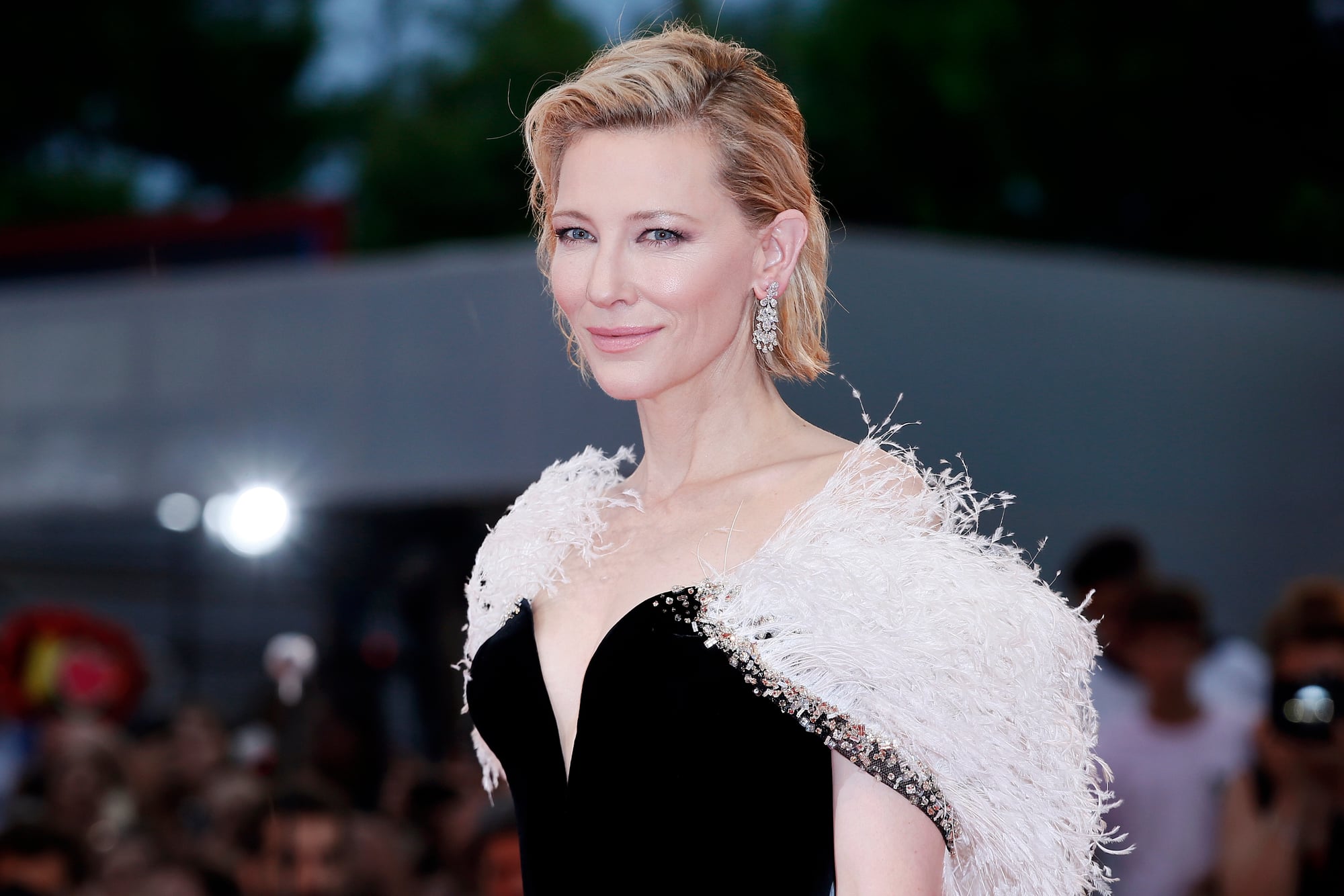
Maria Semple’s epistolary novel told through emails, letters, and documents created an intimate portrait of a brilliant but troubled architect, but the film adaptation couldn’t capture this unique narrative structure. Despite Richard Linklater directing and Cate Blanchett starring, the movie felt flat and conventional, losing the book’s sharp wit and innovative storytelling that made it such a compelling read.
The Dark Tower
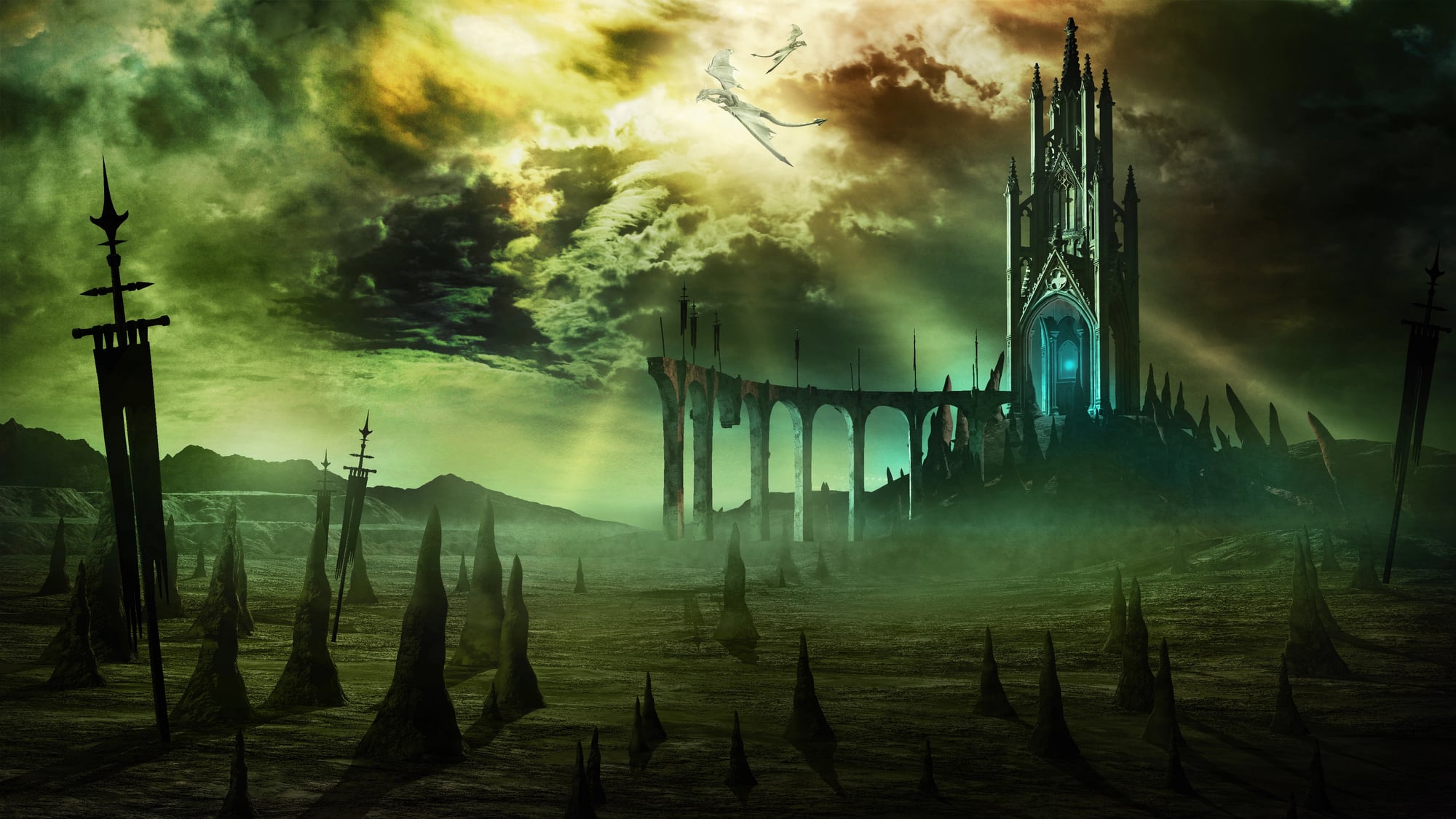
Stephen King’s epic eight-book series deserved better than a 95-minute film that tried to compress decades of world-building into a single movie. The adaptation changed fundamental elements of the story, character relationships, and the entire tone of King’s masterwork, creating something that satisfied neither longtime fans nor newcomers to the Dark Tower universe.
Like Go2Tutors’s content? Follow us on MSN.
Paper Towns
John Green’s exploration of how we project fantasies onto other people worked beautifully as a novel but lost much of its depth in translation to film. While the movie followed the basic plot, it couldn’t capture the book’s internal monologue and character development that made the story’s themes about idealization and growing up so powerful and relatable.
The Girl on the Train

Paula Hawkins’ psychological thriller built suspense through unreliable narration and complex character development, but the film adaptation felt like a generic attempt to recreate the success of Gone Girl. The movie couldn’t capture the book’s intricate plotting and psychological depth, resulting in a disappointment that missed the mark both critically and commercially.
Ella Enchanted
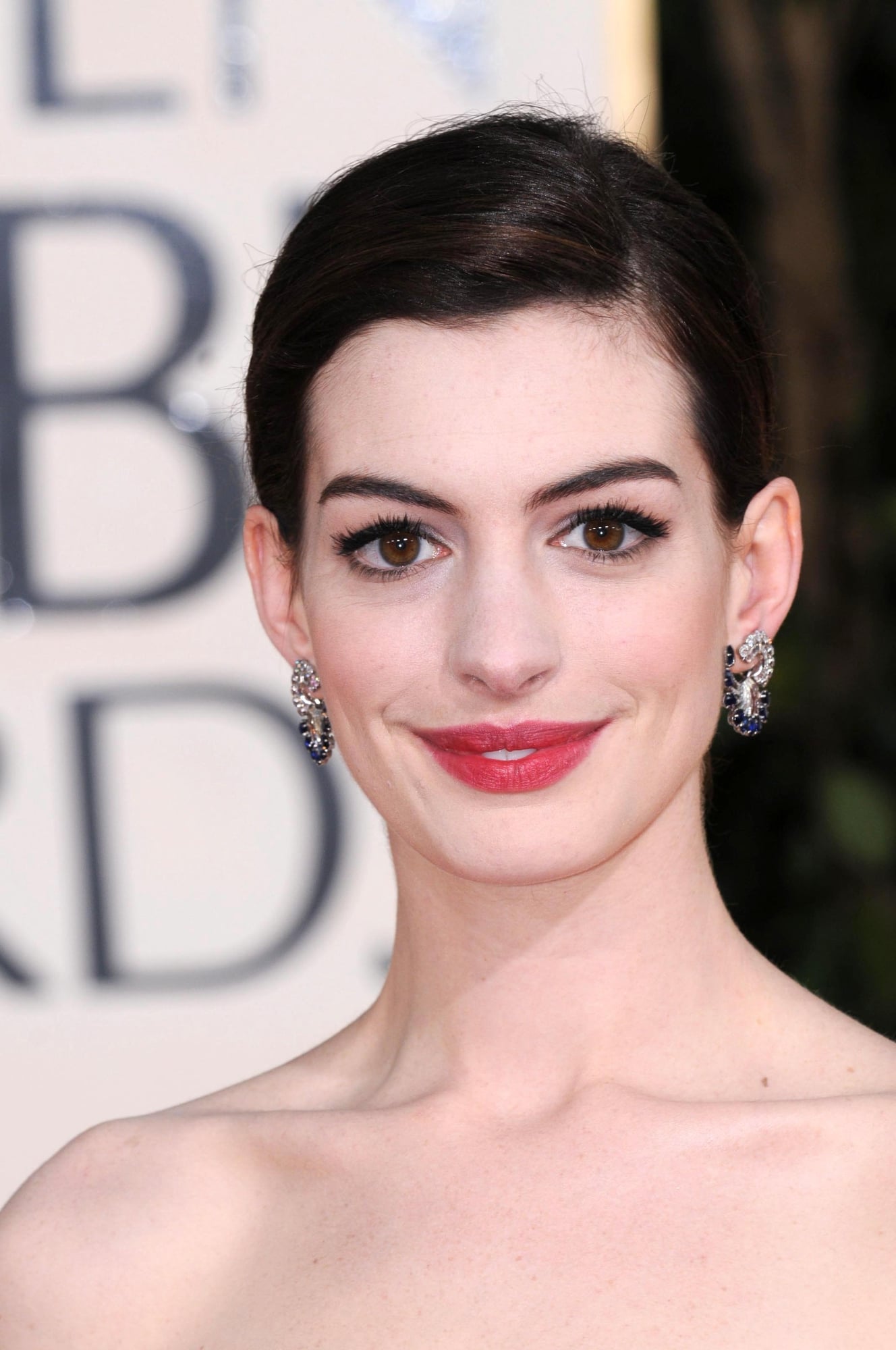
Gail Carson Levine’s clever Cinderella retelling earned a Newbery Honor for its wit and feminist themes, but the 2004 film starring Anne Hathaway took such liberties with the source material that fans argue a true adaptation doesn’t exist. The movie added unnecessary characters, excluded beloved scenes, and shifted the tone from thoughtful fairy tale reimagining to silly comedy.
Like Go2Tutors’s content? Follow us on MSN.
The Lovely Bones

Alice Sebold’s haunting novel about grief and healing told from the perspective of a murdered girl watching her family from heaven, but the 2009 film couldn’t capture the book’s delicate balance of tragedy and hope. Despite strong performances from Saoirse Ronan and Stanley Tucci, the movie felt heavy-handed and manipulative compared to the novel’s more subtle emotional journey.
The Time Traveler’s Wife

Audrey Niffenegger’s complex love story spanning decades of time travel created a devoted following, but both the 2009 film and 2022 television series failed to capture the book’s emotional depth. The adaptations couldn’t effectively translate the novel’s nonlinear structure and the profound connection between Henry and Clare that made their impossible love story so compelling and heartbreaking.
The Magic Lives in the Details
These disappointing adaptations remind us why the phrase ‘the book was better’ became such a common refrain. Books allow for internal monologue, detailed world-building, and pacing that films simply can’t match in their limited runtime.
The best stories often work because of subtle character development, philosophical depth, or narrative techniques that don’t translate easily to visual media. When Hollywood tries to capture literary magic without understanding what made it special in the first place, the result is often a hollow shell that looks like the original but lacks its soul.
Perhaps the real lesson is that some stories are perfect exactly as they are, living fully realized in readers’ imaginations where no budget constraints or studio interference can diminish their power.
More from Go2Tutors!

- 18 Unexpectedly Valuable Collectibles You Might Have Lying Around
- 20 Little-Known Historical Battles That Had Huge Consequences
- 20 Historical Artifacts That Scientists Can’t Explain
- 15 Inventions That Were Immediately Banned After Being Created
- 20 Actors Who Were Almost Cast in Iconic Roles
Like Go2Tutors’s content? Follow us on MSN.